Can I Put My Contacts in Water? A Simple Mistake That Could Cost Your Vision
Mar 31,2026 | MYEYEBB
You might wonder "can I put my contacts in water" at the time you run out of solution, but this shortcut that seems harmless could threaten your vision. Water harbors dangerous microorganisms like Acanthamoeba, a microscopic parasite that causes severe corneal infections. The CDC reports that 85% of Acanthamoeba keratitis cases occur in contact lens wearers. You need to understand these risks to protect your eye health, whether you're thinking about swimming with contacts, storing them in water overnight, or rinsing them under the tap.
Can You Put Contacts in Water? The Short Answer
The answer is an unequivocal no. You should never put your contacts in water, whatever the source or duration. Water and contact solution may appear similar, but water lacks the sterile environment and specialized formulation your lenses require. Water as a substitute can expose your eyes to dangerous pathogens and physically damage your lenses.
Why Water Isn't Sterile
Water appears clean, but appearances deceive. Tap water contains bacteria, protozoans, and fungi despite treatment processes designed to prevent gastrointestinal illnesses. Pool water maintains chlorine levels yet still harbors resistant organisms. Lakes, rivers, and ocean water contain the highest concentrations of microorganisms and environmental pollutants. Even bottled water fails to meet sterility standards for contact lens care.
Contact lens storage requires complete sterility, unlike drinking water which only needs to be safe for consumption. Many organisms responsible for eye infections grow in plumbing biofilms. The level of contamination fluctuates based on water source, region, season, and rainfall. Distilled water, while purer than tap water, still lacks the specific pH balance and salt concentration your eyes need.
The Acanthamoeba Danger
Acanthamoeba poses the most severe threat to contact lens wearers. This microscopic organism found in soil, dust, and all water sources exists in tap water, chlorinated pools, hot tubs, and natural water bodies. Trophozoites can adhere to contact lens surfaces in as little as 10 seconds. These organisms multiply over time and create a breeding ground for infection after they attach.
Acanthamoeba keratitis develops when the parasite infects your cornea. The infection causes severe pain, often described as feeling like glass in your eye, along with a whitish halo at the eye's periphery. Treatment can last weeks to months, sometimes requiring a year or more of intensive therapy. The infection never heals in some cases despite aggressive treatment. Severe infections may necessitate a corneal transplant or result in permanent vision loss. Poor contact lens hygiene or wearing lenses while swimming, showering, or using hot tubs increases your risk.
How Water Changes Your Lens Shape
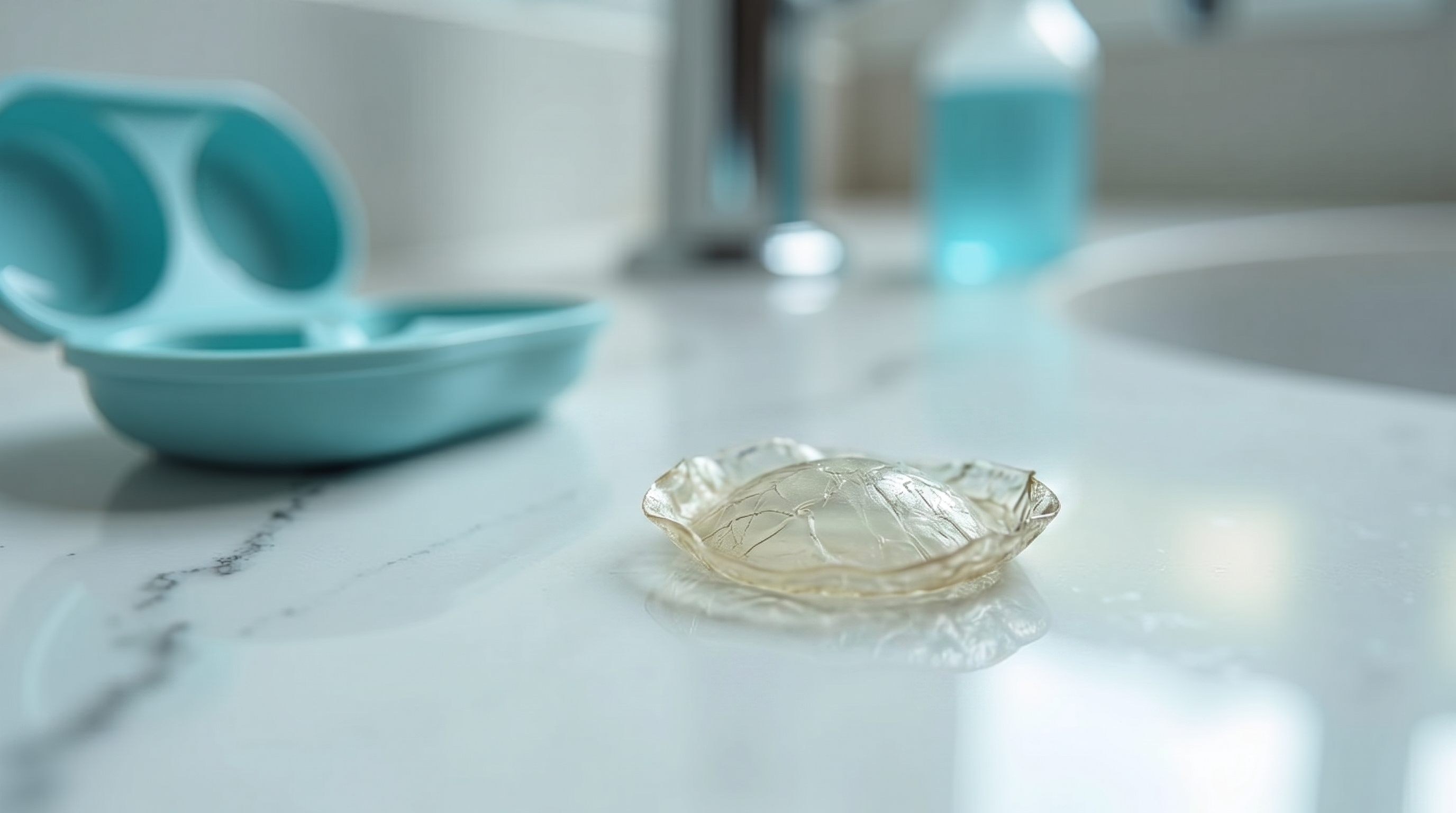
Soft contact lenses absorb water like sponges. Tap water lacks the salinity of your natural tears and causes lenses to swell and change shape. This swelling creates multiple problems. The altered shape affects how your lenses fit and potentially causes them to stick to your eye. Ill-fitting lenses create friction against your cornea and lead to microscopic breaks where microorganisms can enter. These tiny tears on the lens surface also provide hiding spots for bacteria and parasites.
The structural changes extend beyond simple swelling. Waterlogged lenses become too soft, compromise visual clarity, and may no longer provide safe or effective vision correction. Your lenses absorb water and change shape, then cannot return to their original form. This renders them unsafe for future use.
What Happens When You Put Contacts in Water
Water contact with your lenses triggers a cascade of problems that begins within seconds. Impurities cling to the surface the moment water touches your contacts and create multiple pathways for infection and discomfort.
Immediate Effects on Your Lenses
Your lenses lose their structural integrity at the time of water exposure. Waterlogged contacts become overly soft and may stick to your cornea. Removal becomes difficult and painful because of this adhesion. Hot showers create additional problems, as heat dehydrates and shrinks your lenses, which intensifies the sticking effect.
A lens stuck to your cornea scratches the eye surface during removal. These corneal abrasions provide entry points for bacteria, even the microscopic ones. The scratches also make your eyes more prone to infections that can develop faster. Vision blur occurs right away as the altered lens shape fails to provide proper optical correction.
Your lenses absorb not just water but everything suspended in it. Soap particles, shampoo residue and other contaminants get trapped between your lens and cornea. This creates irritation, redness and a gritty sensation that persists even after you remove the lenses.
Bacterial and Parasitic Contamination
Water exposure transfers pathogenic microorganisms to your eye. Pseudomonas aeruginosa and other gram-negative bacteria thrive in water and colonize contact lens surfaces. These organisms grow in plumbing biofilms and attach to your lenses during even brief water contact.
Your storage case becomes a breeding ground for contamination at the time of water exposure. Studies show that 45% of contact lens wearers shower while wearing lenses, and nearly 50% swim with contacts. The storage case bioburden increases substantially when you shower with lenses, while using wet hands to handle lenses doubles the risk of high endotoxin levels in your case. Rinsing storage cases with tap water, reported by 17.5% of wearers, introduces microorganisms that survive and multiply.
Watch for these warning symptoms after water exposure:
- Persistent itching or redness
- Pain or gritty sensation
- Excessive tearing
- Blurred vision
- Sensitivity to light
- Discharge or swelling
Healthcare providers often misdiagnose water-related infections as viral or bacterial keratitis and prescribe treatments that fail to address parasitic infections. This misdiagnosis delays proper care and worsens outcomes.
Long-Term Vision Risks
Severe infections from water contact can damage your cornea. A quarter of Acanthamoeba keratitis cases require corneal transplants. Dormant cysts can remain in your eye for two to three years and reinfect the new cornea, even with transplant surgery.
The parasite's survival mechanism complicates treatment. Acanthamoeba transforms into a cyst form that resists treatment and remains viable in your eye at the time medication stresses it. These cysts can hibernate and cause relapses or develop drug resistance, which requires extended follow-up care.
Contact lens cases contaminated through water exposure serve as ongoing infection sources. High endotoxin levels found in 65 participants' cases showed substantially higher bacterial bioburden compared to non-contaminated cases. Female wearers, those purchasing lenses online and users with cases older than one month face higher risks of endotoxin contamination.
Blindness remains a real possibility with untreated infections. Surgical removal of the infected eye may become necessary if infections fail to respond to anti-amoebic eye drops and oral medications. Even treated infections often result in weakened eyesight.
Can You Swim with Contacts or Wear Them in the Pool?
Swimming with contacts ranks among the most common yet dangerous practices for lens wearers. Research shows that 62% of soft contact lens wearers and 51% of gas permeable lens wearers swim while wearing their lenses. Many people continue this risky behavior despite widespread warnings. They remain unaware of the severe consequences.
Pool Water Risks
Chlorinated pools offer a false sense of security. Pool chemicals kill some germs but fail to eliminate all pathogens present in water. Pools face constant environmental changes that create ideal conditions for microorganisms to thrive and increase infection risk. Resistant organisms like Acanthamoeba cannot be destroyed by chlorine and other chemicals.
Your contact lenses absorb pool chemicals along with the water itself. This absorption traps chlorine against your eye and causes irritation, redness and discomfort. Soft lenses are porous in nature. Chemicals and bacteria lodge inside the lens material and press directly against your cornea. Fresh water and pool water can cause soft lenses to tighten against your eye. This creates irritation.
Goggles provide minimal protection while swimming. They cannot guarantee a watertight seal and make an unreliable safeguard. Water can still seep through small gaps and expose your lenses to contamination.
Ocean and Lake Water Dangers
Natural bodies of water contain the highest levels of bacteria and parasites compared to treated pools. Lakes, rivers and oceans harbor more harmful organisms since they lack chemical treatment. Swimming in these environments carries greater risk than pool swimming, though neither is safe for contact lens wearers.
Saltwater presents additional challenges. Ocean water contributes to dry eye syndrome when it contacts your lenses. The salt concentration is different from your tear composition. This causes lens dehydration and uncomfortable tightening.
Hot Tubs and Shower Exposure
Hot tubs create hazardous conditions for contact lens wearers. Warm water accelerates bacterial multiplication and allows germs to thrive faster. The combination of heat and moisture provides an optimal breeding ground for dangerous microorganisms.
Showering with lenses represents the most common water exposure. 86% of soft contact lens wearers and 67% of gas permeable lens wearers report this. Warm shower water softens lens material and increases the chance of absorbing waterborne microbes. Acanthamoeba may aerosolize during showering. It also openly exposes your contact lens and eye surface to contamination.
What to Do If You Accidentally Swim with Contacts
Quick action reduces infection risk if water contacts your lenses. Follow these steps right away:
- Wash your hands really well with soap and water before touching your eyes
- Remove your lenses as soon as possible using clean, dry hands
- Discard daily disposable lenses right away and use a fresh pair only after your eyes feel normal
- Clean and disinfect reusable lenses by rubbing, rinsing and soaking them in fresh solution for 24 hours
- Use preservative-free artificial tears to flush out debris or irritants
- Avoid rubbing your eyes, as this pushes harmful germs deeper into your cornea
- Monitor for symptoms including redness, pain, light sensitivity, excessive tearing or blurred vision
Contact an eye care professional right away if symptoms develop.
Can I Put My Contacts in Water Overnight? Storage Risks
Storing your contacts in water overnight multiplies the dangers. The CDC identifies improper contact lens care as the biggest problem for serious eye infections. Research shows that up to 90% of contact lens-related eye infections result from improper storage or cleaning habits. Bacteria multiply within hours when you substitute water for proper solution during overnight storage. This creates conditions for severe complications.
Why Contact Solution Is Essential
Contact solution contains specialized chemical compounds designed to perform functions that water cannot accomplish. The formulation removes protein and lipid deposits that build up on lenses throughout the day. Disinfectants eliminate germs that cause eye infections, especially keratitis. Surfactants clear residue stuck to the lens surface without damaging the material itself. Wetting solutions keep your contacts moistened and comfortable during wear. Preservatives extend the solution's shelf life and maintain its effectiveness.
These active ingredients must meet strict FDA standards for microbial reduction. The cleaning process requires more than a simple rinse. Solutions maintain precise pH balance and quality control that homemade mixtures cannot replicate. Hydrogen peroxide-based solutions offer deep cleaning and are best for sensitive eyes, though they require a neutralizing case to avoid irritation. Multipurpose solutions clean, disinfect and store lenses in one step.
What Happens During Overnight Water Storage
Water provides zero disinfection during overnight storage. Bacteria thrive in moisture and multiply faster over several hours. Your lenses become contaminated breeding grounds that transfer pathogens to your cornea upon insertion. The data on homemade saline is alarming: 60% of reported Acanthamoeba keratitis cases resulted from using homemade saline. Saline gets contaminated after first use once opened. Bacteria grow in these preparations with ease.
Storage duration limits vary by solution type. Some solutions remain effective for only 24 hours of storage, while others can store lenses for up to one month in a tightly closed case. Hydrogen peroxide-based systems allow for seven days of long-term storage before lenses need re-disinfection, though others are as short as 24 hours.
Safe Alternatives When You're Out of Solution
Sterile ophthalmic saline is the only medically-approved temporary substitute for contact solution. This pH-balanced saltwater solution gets sterilized during manufacturing, and its composition mimics your natural tears. But saline contains zero cleaning agents or disinfectants. It keeps your lenses hydrated and removes debris but won't kill bacteria or break down protein deposits. You must perform a full cleaning and disinfection cycle with proper solution before inserting the lenses back into your eyes.
If you have no access to sterile saline, you must throw your lenses away. Never use tap water, bottled water, distilled water, saliva or eye drops. The FDA warns against using saliva to wet or store lenses.
How to Properly Care for Your Contact Lenses
Proper lens care habits protect your vision and prevent the complications discussed in this piece. Manufacturer's instructions and your eye care provider's guidance make the difference between safe wear and serious infections.
Daily Cleaning and Storage Guidelines
Wash your hands with mild soap and water. Dry them with a lint-free towel before you handle your contacts. Avoid moisturizing or fragranced soaps that leave residue on your skin.
Use the rub and rinse method for every cleaning session, even with no-rub solutions. Place the lens in your palm and apply several drops of solution. Rub both sides with your finger. Rinse with fresh solution before storing.
Never reuse or top off old solution in your case. Empty the case daily and rinse it with fresh contact lens solution. Dry it upside down with the caps off. Replace your case every three months at minimum.
Signs of Eye Infection to Watch For
Remove your lenses right away if you experience redness, pain, excessive tearing, blurred vision, light sensitivity, or discharge. Contact your eye care provider without delay. Infections progress quickly and can cause permanent damage.
When to Replace Your Lenses
Daily disposable lenses get discarded after each use. Bi-weekly lenses require replacement every 14 days, while monthly lenses last 30 days. Extended wear lenses have replacement periods ranging from one week to 30 days. Never wear lenses beyond their prescribed schedule. Expired lenses break down and harbor more bacteria.
Using the Right Contact Lens Solution
Multipurpose solution cleans, rinses, disinfects, and stores soft lenses in one system. Hydrogen peroxide systems clean deeply and suit those with sensitivities, but require the special neutralizing case that comes with each bottle. Saline solution only rinses lenses and provides no disinfection. Never substitute these solutions or use generic brands without asking your eye care provider.
Conclusion
Water and contact lenses never mix safely, whatever the circumstances. The convenience of rinsing your lenses under the tap or storing them in water overnight isn't worth risking permanent vision loss or severe infections. Proper contact lens solution costs a few dollars and provides the sterile environment your lenses require.
Make it a habit to keep backup solution wherever you spend time. Stock your gym bag and workplace with small bottles. If you find yourself without solution, throw your lenses away rather than compromising with water. Your vision depends on these precautions, so follow proper care guidelines.
Commentaire