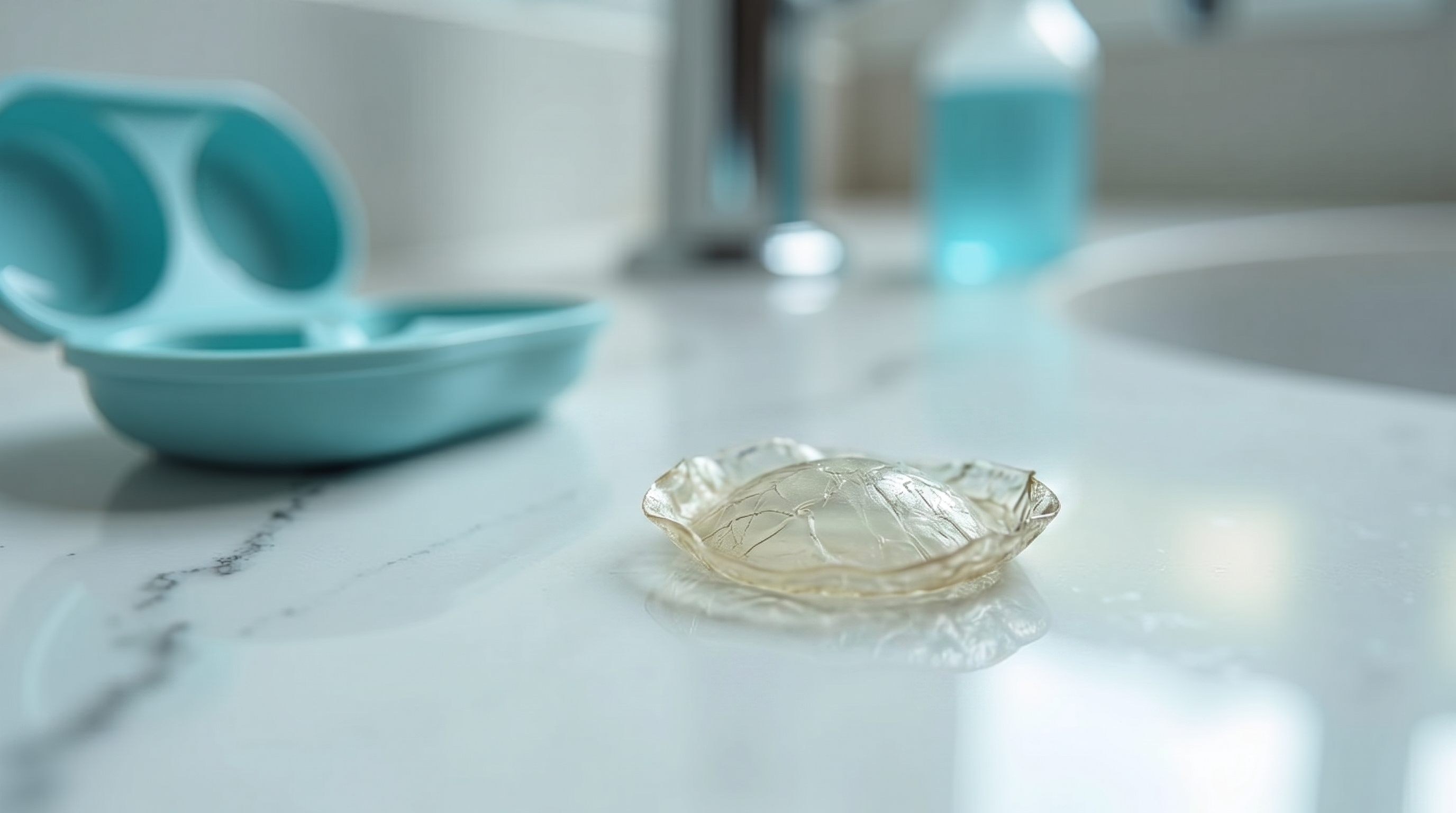
What to Do When You Forgot Contact Lens Case: Emergency Storage Guide
May 14,2026 | MYEYEBB
You've realized you forgot contact lens case right at the time you need to remove your lenses at night. Most problems start with small habits like reusing old solutions or leaving lenses in the wrong container. Lenses that aren't stored the right way can lead to eye infections, vision problems and lens damage. Tap water and saliva should never be used as alternatives because they introduce harmful bacteria.
This piece walks you through emergency contact lens storage solutions and shows how to store contacts without case using safe makeshift contact lens case options. You'll learn proper contact lens solution usage, temporary contact lens storage steps and understand the times discarding lenses becomes the safest choice.
What to Do First When You Forgot Your Contact Lens Case
Assess your lens type (daily vs reusable)
Determine what type of lenses you wear as your first step. Daily disposable lenses are single-use contacts worn for one day only and discarded afterward. These lenses come pre-packaged in blister packs and feature thin materials with high water content. They aren't designed to resist germs, bacteria, or buildup that accumulates throughout the day.
Extended-use lenses, also called monthly lenses, can be reused for up to 30 days per lens. These reusable contacts require cleaning and disinfecting each night with contact lens solution before wearing them again. They're made from thicker, sturdier materials compared to dailies. You must remove monthly contacts before bed and store them in fresh contact lens solution overnight.
The replacement schedule matters because it determines your next move. You should wear daily contacts for one day only and dispose of them when removed from your eyes. Monthly lenses, by contrast, are built to withstand the sanitizing process and maintain their shape over 30 days with proper care.
Think over discarding daily lenses
If you wear daily disposables, the safest option is throwing them away. You cannot reuse daily lenses, even if you only wore them for an hour or two. Their delicate design means they degrade once worn and aren't made to withstand cleaning or disinfection.
Reusing daily contact lenses introduces several risks. The thin material breaks down, and cleaning them can damage the lens itself. This increases the chance of the lens falling apart during use. Daily lenses accumulate dirt and protein deposits that irritate eyes and cause redness, itching, and discomfort.
Bacterial contamination becomes a serious concern. Reusing dailies substantially raises the risk of corneal ulcers, a painful and severe infection of the cornea. This can cause permanent scarring, impaired vision, or vision loss if left untreated. The lenses come packaged in sterile saline solution to keep them moist and comfortable for single use, but once worn, they lose their moisture-retaining properties and become dry.
Daily contacts may develop microscopic tears or deposits invisible to the naked eye, which irritate the eye's surface. Reused lenses can warp or lose their shape over time and result in blurry or distorted vision.
Find a nearby pharmacy or store
Emergency Contact Lens Storage: Step by Step Guide
Step 1: Find a clean container
Shot glasses work best as makeshift contact lens cases because they're made of non-porous glass, easy to clean, and the perfect size for individual lenses. Glass containers provide superior safety compared to plastic alternatives due to their non-porous surface that resists bacterial growth. You need two separate containers, one for each eye, to prevent cross-contamination between lenses.
Shot glasses aren't available? Think about new bottle caps from beverages you've just opened. Metal caps are preferable to plastic ones because of their non-porous surface. Small glass containers, unused plastic cups, and clean medicine cups can also serve as temporary storage. Small zip-seal bags represent an option if sealed and filled with the correct solution, though their porous nature makes them less ideal than glass. Use these as a last resort only.
Tall containers where lenses might stick to the sides won't work well. Smaller glasses work better because you'll need to reach inside to retrieve your lenses. The container must hold enough solution to submerge your lenses without risk of them drying out or sticking to surfaces.
Step 2: Wash and sanitize the makeshift contact lens case
Wash both containers with hot, soapy water before use. Scrub all interior and exterior surfaces to remove any residue or potential contaminants. Rinse under running water to eliminate all soap traces, which can irritate your eyes if they remain on the container's surface.
Dry the containers with a clean paper towel or allow them to air dry. Never allow any water to remain in contact with your contacts. Water harbors dangerous microorganisms that transfer to your lenses. You must dry the containers before adding solution.
Step 3: Use proper contact lens solution (not water)
Fill each container about three-quarters full with fresh multipurpose disinfecting solution. The solution your eye care professional recommends provides the disinfection your lenses need during storage. Multipurpose solution is an all-in-one care system used to clean, rinse, disinfect, and store soft contact lenses.
A simple saline solution can keep lenses hydrated if you don't have proper contact lens solution, although it won't disinfect them. Saline solution does not disinfect contact lenses. Never make your own saline solution, as homemade versions contain fine grains of salt that harm contact lenses.
Step 4: Label left and right containers
Mark each container with 'L' and 'R' so you'll know which lens belongs to which eye. You can write the letters on a piece of tape you stick to the glasses or write them on whatever you plan to use to cover them with. Make sure the letters are large enough that you can read them without your contacts in.
Step 5: Submerge lenses
Wash your hands with soap and warm water. Remove each lens and place it into the correct labeled container. Make sure each lens sits submerged in solution. Add more solution if necessary until the lens is covered. After you drop in the lens, make sure it's submerged in solution.
Step 6: Cover the temporary storage
Cover each container with plastic wrap and secure with rubber bands. You can also use paper sanitation caps, plastic lids, or paper towels secured with hair ties to create an airtight seal. This covering prevents the contact lens solution from evaporating and keeps airborne bacteria from contaminating your lenses. Some sort of cover over the tops of the glasses keeps the contact lens solution from evaporating and keeps airborne bacteria from contaminating the solution and your contacts.
What You Can and Cannot Use for Emergency Storage
Safe alternatives to contact lens case
New, unused blister packs provide safe temporary storage if you have spare contacts with you. Airtight travel containers work when cleaned and filled with contact lens solution. Clean, sealed plastic cups can serve as emergency storage, provided they hold enough solution to submerge your lenses.
You must remove lenses but lack safe storage options? Discarding them prevents contamination risks. Storing lenses dry represents a safer choice than using non-sterile liquids like tap water. Find a dry container, place the lenses inside, and seal the lids tight. This is a last-ditch effort to avoid contamination from unsafe liquids. The lenses will dry out and become brittle. You cannot put them back until they've been rehydrated and disinfected in a multipurpose solution for at least six hours.
Solutions that work in emergencies (saline solution for contacts)
Sterile saline solution keeps your lenses hydrated without introducing dangerous bacteria. Saline is purified, pH-balanced saltwater that prevents drying. But it won't disinfect your lenses like multipurpose solution does. Think of it as a safe holding area for your contacts, not a cleaner.
Saline solution does not disinfect contact lenses. It lacks cleaning agents and antimicrobial properties that kill germs. Bacteria, fungi, or harmful organisms on your lenses remain alive once placed in saline. Use sterile saline for one night only as an emergency measure. Clean and disinfect your lenses with multipurpose solution before wearing them again.
What never to use (tap water, saliva, homemade solutions)
Several substances seem convenient but cause serious infections:
- Saliva: Your mouth teems with bacteria that cause infections when transferred to your eyes
- Homemade saltwater: You cannot create a sterile, pH-balanced solution at home. The salt concentration won't be right, and the tap water breeds harmful microbes
- Bottled or distilled water: These appear cleaner than tap water but still harbor microorganisms capable of causing devastating infections like Acanthamoeba keratitis
- Rewetting drops: These contain no disinfecting agents and cannot replace storage solutions
Research shows that 17.5% of contact lens wearers use tap water to rinse storage cases, while 45% shower with lenses and 49.7% swim while wearing them. This is a big deal as it means that infection risk increases.
Why water damages contact lenses
Water causes soft contact lenses to swell, change shape, and stick to your eye. This scratches the cornea and creates openings for germs to enter. Contact lens users account for an estimated 85% of Acanthamoeba keratitis cases in the United States. Research on water samples found that 10% were contaminated by Acanthamoeba.
Tap water contains chlorine and fluoride that bind to lens material and create rough spots. Your lenses absorb minerals like calcium and magnesium, altering their shape and preventing a fit on your eye.
How to Clean and Disinfect After Emergency Storage
Proper disinfection before wearing again
Wash your hands really well with soap and water before handling lenses that spent time in emergency storage. Place one lens in your palm and add a few drops of fresh multipurpose solution. Gently rub the lens in circles with your fingertip for 10 to 15 seconds. This rubbing action removes debris and buildup even when using "no rub" solutions. Rinse the lens with fresh solution afterward.
Submerge both lenses in fresh multipurpose solution for six to eight hours before wearing. This soaking period allows proper disinfection. Never reuse or top off old solution. Used solution loses its sterile properties and becomes susceptible to bacterial growth.
Hydrogen peroxide-based systems require different handling. These preservative-free solutions work well for people allergic to multipurpose solutions. Place lenses in the special case that comes with each new bottle and never reuse old cases. Wait four to six hours for the neutralization process to convert hydrogen peroxide into saline. If you skip neutralization or rinse lenses with non-neutralized hydrogen peroxide, you risk severe stinging and burning. Corneal damage may also occur.
When to discard lenses instead
Discard lenses that contacted water during emergency storage rather than attempting disinfection. Water exposure introduces microorganisms that standard cleaning cannot eliminate. Discard lenses showing tears, chips, scratches, or visible debris. Even small rips scratch your cornea and allow germs to pass through.
Throw away expired lenses right away. Expired contacts risk corneal inflammation and eye infections. Scarring and potential vision loss may follow.
Post-emergency eye care tips
Monitor your eyes for ongoing discomfort, redness, irritation, pain, or excessive tearing after emergency storage. Contact your eye doctor if symptoms persist despite proper cleaning. Sudden vision changes like blurriness or halos require medical attention right away.
Replace your contact lens case every three months to minimize bacterial growth. Clean the case with fresh contact lens solution each day and let it air dry upside down.
Preventing Future Emergencies: Portable Contact Lens Storage Tips
Build a travel contact lens kit
Pack a travel kit with your contact lens case, travel-size multipurpose solution and backup glasses. TSA-approved solution bottles make airport security easier. Your eye doctor may recommend rewetting drops, which you should include along with extra lenses beyond your trip duration. A waterproof pouch prevents leaks in your luggage. Store the kit in your carry-on rather than checked baggage. Dry airplane air can make lens wear uncomfortable.
Keep backup supplies in multiple locations
Stash spare contact lens cases in your car, desk drawer and gym bag. Keep a backup case in your carry-on luggage during flights to prevent leakage or damage. Workplace emergency kits sometimes include lens cases with secure, screw-top lids that prevent contamination.
Think about switching to daily disposable lenses
Daily lenses remove the need for cleaning solutions or storage cases during travel. You won't pack heavy solution bottles or worry about keeping cases clean while away. Toss a few pairs in your bag and you're set.
Set reminders and routine checks
Replace your contact lens case every three months to prevent bacterial growth. Set calendar alerts to check long-term stored lenses monthly for solution evaporation. Change the solution monthly rather than topping it off.
Conclusion
Forgetting your contact lens case doesn't have to compromise your eye health. You now know how to store contacts without a case using clean containers and proper solution. Avoid dangerous alternatives like tap water or saliva. Emergency storage works when done right, but prevention remains your best strategy. Keep backup cases in your car, desk and travel bags so you're never caught unprepared again.
Think about switching to daily disposable lenses if you frequently travel or maintain an active lifestyle. They eliminate storage concerns entirely. Your vision deserves proper care, and with these emergency solutions and prevention tips, you have what you need to handle any situation safely.
Enviar comentário