
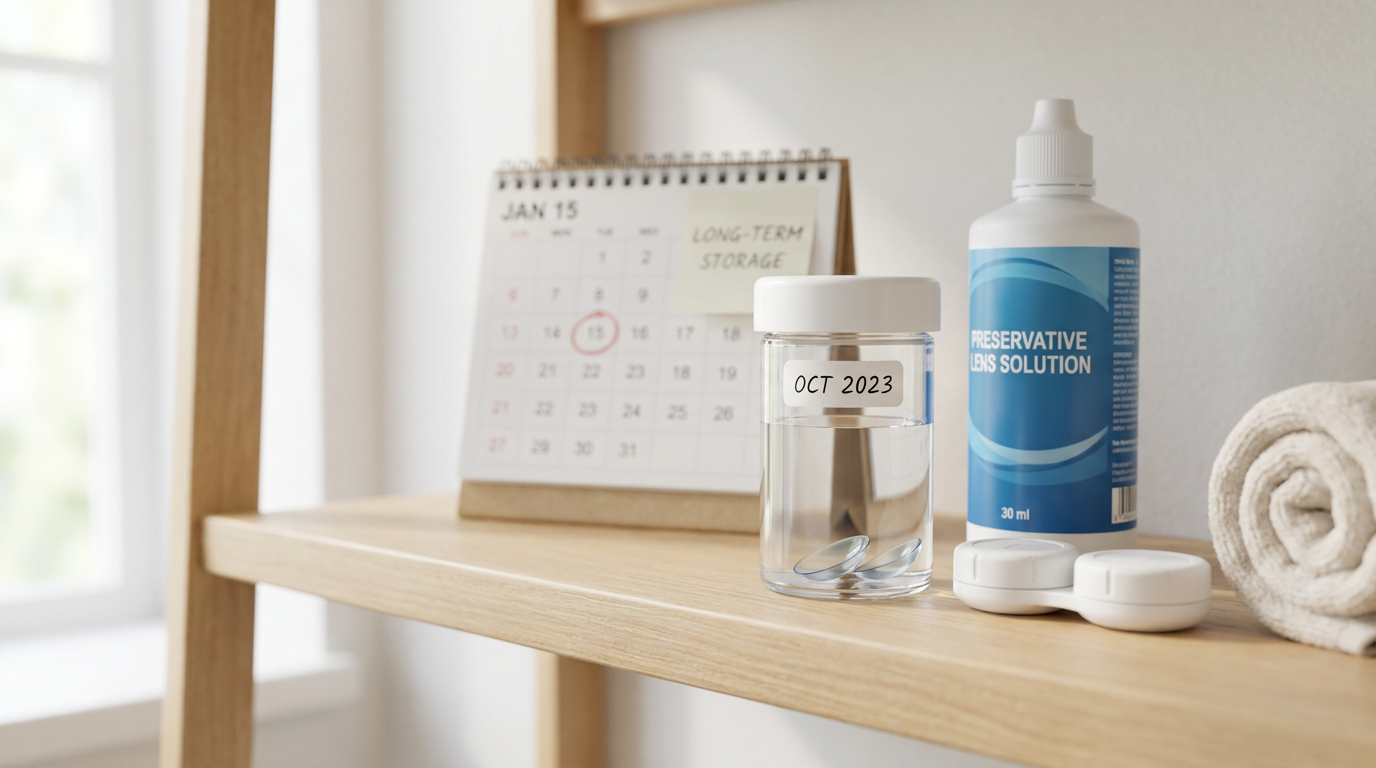
Proper storage of gas permeable contact lenses can prevent replacements that get pricey and potential eye health complications. Many wearers make critical mistakes with long-term storage of their rigid gas permeable lenses, such as leaving them in solution that becomes contaminated with bacteria over time. Rigid gas permeable lenses are best stored in a dry contact lens case if not worn for a long period. Improper storage practices can also increase your risk for eye infections and corneal ulcers. In this piece, you'll learn the correct storage methods, cleaning procedures and common mistakes to avoid with your gas permeable contact lenses.
What Are Gas Permeable Contact Lenses
Gas permeable contact lenses, also known as rigid gas permeable (RGP) lenses, are made from silicone-containing compounds that allow oxygen to pass through the lens material to your cornea. Soft contact lenses account for about 93% of all contact lens fits in the United States. Gas permeable lenses offer distinct advantages that make them worth a look, especially when you have long-term wear and specific vision correction needs.
How Gas Permeable Lenses Differ from Soft Lenses
The fundamental difference between these lens types lies in their material composition and physical properties. Soft contact lenses are made from flexible, high-water-content materials that conform to your cornea's shape. Gas permeable lenses maintain their rigid structure on your eye. This rigidity creates a stable optical surface that doesn't fluctuate or dehydrate throughout the day.
Gas permeable lenses are smaller in diameter than soft lenses. They cover only your cornea rather than extending onto the white part of your eye (sclera). This smaller size allows tears to flow more freely underneath the lens with each blink. Your eyes stay lubricated and fresh oxygen reaches your cornea. Soft lenses conform to your corneal shape and have minimal movement, so little to no tears circulate under them.
The oxygen transmission mechanism is different by a lot between the two types. GP lenses allow oxygen to reach your eye through three pathways: the silicone-containing materials are more permeable to oxygen than many soft lens materials, the smaller diameter covers less of your eye's surface, and the lens movement with each blink pumps oxygen-containing tears under the lens. Soft lenses rely on oxygen passing through their water-saturated material.
Modern RGP lenses are different from old-fashioned hard contact lenses made from polymethyl methacrylate (PMMA). Those earlier lenses had no oxygen permeability and caused serious discomfort and corneal health problems. Current RGP materials are more flexible due to the incorporation of low-modulus components. This makes them more rigid rather than truly hard.
Benefits of Using Gas Permeable Contact Lenses
You can expect sharper, clearer vision with gas permeable lenses compared to soft lenses. They maintain their smooth surface and don't dry out. They create consistent optical quality that many patients describe as even better than their vision with eyeglasses. The stable surface allows light to focus more on your retina, which proves beneficial for correcting astigmatism and other refractive errors.
Gas permeable lenses resist protein and lipid deposits better than soft lenses. They don't contain water, so they won't absorb materials from your tears the way soft lenses do. This deposit resistance keeps your lenses cleaner and healthier while reducing the risk of eye infections. GP lenses won't tear during handling, which makes them easier to maintain than their soft counterparts.
The economical value of gas permeable lenses becomes apparent over time. The original investment may be higher, but their extended lifespan means you'll replace them less often and save money in the long run. GP lenses are custom-made to fit the individual curve of your cornea and offer a more precise fit tailored to your eyes.
Understanding RGP Lens Material and Durability
Modern rigid gas permeable lenses are composed of fluorosilicone or siloxane acrylate materials, often combined with hydrophilic monomers. These advanced polymers provide high oxygen permeability while maintaining the structural integrity needed for clear vision correction. The composition has silicone methacrylate, wetting agents, and cross-linking agents. Fluorine in these materials increases deposit resistance and makes fluorosilicone acrylate (F-S/A) materials the current gold standard.
The durability of gas permeable lenses is way better than that of soft lenses. A single pair can last one to two years or longer before requiring replacement with proper handling and maintenance. Research shows the mean lifespan of RGP lenses ranges from about 15.9 to 19.9 months depending on the oxygen permeability of the specific material. Some wearers can extend their lens durability up to three years by keeping the surface free of scratches.
Dry Storage vs Wet Storage: Which Method to Choose
Choosing between dry and wet storage methods depends on how long you plan to keep your gas permeable contact lenses unused and whether you wear them often.
Why Dry Storage Is Recommended for Long-Term
Rigid gas permeable lenses are best stored in a dry contact lens case if not worn for a long period of time. The main reason for this recommendation centers on bacterial contamination. Solutions get contaminated with bacteria or other infectious agents over time and make long-term storage in solution risky for your eye health.
The dry storage process requires three simple steps: clean your lenses really well, rinse them and allow them to air dry before placing them in your lens case without any solution. This method eliminates the risk of bacterial growth that occurs at the time lenses sit in liquid for extended periods.
Before wearing dry-stored lenses again, you must re-clean and disinfect them prior to lens wear. Use a lens cleaner followed by a saline rinse for RGP lenses before placing them in your eye after removing from the dry case. Due to the dry storage period, you should soak your lenses in a wetting solution before application to the eye. This step prompts your tear film to spread more easily and evenly over the lens surface, which improves comfort and your vision quality.
When Wet Storage Might Be Needed
Wet storage can be a convenient option if you wear rigid gas permeable (RGP) contact lenses regularly and expect to use them again soon. Keeping RGP lenses immersed in an appropriate storage solution helps prevent them from drying out and can make them ready for use after proper cleaning and disinfection.
If your lenses are new and still sealed in their original packaging, follow the storage instructions provided by the manufacturer and check the expiration date before use. For lenses that have already been worn, choose a contact lens solution specifically recommended for your lens type, whether you use RGP, hybrid, scleral, or soft lenses.
To store lenses wet, place them in a clean lens case filled with fresh solution and make sure the case is tightly closed. Keep the case in a cool, clean location away from direct sunlight and excessive heat. Never use tap water or homemade saline for storing contact lenses.
Wet storage also requires regular care. Do not simply top off old solution with fresh solution. Follow the solution manufacturer's recommended replacement schedule and replace the solution as directed. If your lenses have been stored for an extended period, clean and disinfect them properly before wearing them again.
It's also important to use a clean lens case and replace it according to the recommended schedule. If the solution becomes cloudy, contaminated, or has evaporated significantly, discard it and start again with fresh solution.
For long-term storage, always prioritize the storage and cleaning instructions provided by your eye-care professional and the lens or solution manufacturer, as requirements can vary depending on the material and design of your lenses.
Common Misconceptions About Contact Lenses Storage Solution
Many wearers mistakenly believe that contact lens solutions remain sterile once opened. Solutions become contaminated with bacteria over time, which creates a serious infection risk for your eyes.
Another common misconception involves thinking that any storage method works well for all timeframes. The reality is different: rigid gas permeable lenses stored wet suit immediate use scenarios, while dry storage requires less ongoing maintenance. Your storage choice should match how soon you plan to wear the lenses again and how much maintenance effort you're willing to invest.
Step-by-Step Guide to Store Gas Permeable Contact Lenses Long Term
Proper storage begins with understanding that rigid gas permeable lenses require specific care routines distinct from soft contact lenses.
Cleaning Your Lenses Before Storage
Wash your hands with soap and water, then dry them with a lint-free towel before handling your lenses. Clean your lenses right after removal to make getting rid of bacteria and debris as easy as possible.
Place the lens in the palm of your hand and apply two or three drops of cleaning solution created for gas permeable lenses. Rub the lens with your little finger for about thirty seconds. Research shows that manually cleaning your lenses proves more effective at removing deposits and microorganisms, even if your solution is labeled "no-rub". Move your thumb across the back surface (concave side) for a full cleaning.
Rinse the lens with saline solution after rubbing. Rub the lens between your thumb and forefinger to remove any loosened debris and remaining cleaning solution.
Choosing the Right Contact Lens Solutions for Gas Permeable Lenses
Care systems for rigid gas permeable contact lenses differ from those used for soft lenses. You'll need RGP-specific solutions with unique formulations for the silicone-based materials. Never use hard lens products on soft lenses or soft lens solutions on RGP lenses.
Multi-purpose solutions:
- Multi-purpose solutions (MPS) can combine several steps in one product, including cleaning, rinsing, disinfecting, and conditioning. They are available for different types of contact lenses, so always check that the solution is compatible with your specific lens material and design.
- Hydrogen peroxide-based systems provide thorough cleaning and disinfection for certain soft, RGP, hybrid, and scleral lenses. These systems typically require a neutralization step and a specified soaking period before the lenses are safe to wear.
Two-step systems:
- Some contact lens care systems use separate products for cleaning and conditioning or disinfecting. The cleaning solution removes deposits and buildup, while the conditioning or disinfecting solution prepares the lenses for storage and wear.
Storage times can vary significantly depending on the lens material, solution type, and manufacturer's instructions. Some GP lens solutions may allow extended storage, while certain hydrogen peroxide systems and other disinfecting solutions have specific limits for how long lenses can remain stored before they need to be cleaned and disinfected again.
Always follow the instructions on your contact lens solution and the recommendations of your eye-care professional. Never assume that a lens can be safely stored for a specific number of days simply because another solution allows it.
Preparing Your Lens Case for Storage
Empty your contact lens case and rinse it with fresh solution, not tap water. Fill each well with new solution up to the indicated line. Fresh solution each time is significant; never top off old solution, as this reduces its disinfecting power.
Place each lens in its designated well and ensure the case is tightly sealed. Store the case at room temperature in a clean, dry place away from direct sunlight.
Where to Store Contact Lenses Safely
Keep your contact lens cases in a place that is not humid. Avoid bathrooms and steamy counters. Choose a vanity, drawer, or dedicated shelf that stays consistent in temperature and humidity instead.
How Long Can You Keep Contact Lenses in Storage
Some solutions are only good for 24 hours of storage while others can store lenses for up to one month. You must change the solution every month if storing wet. Set a calendar alert to check the lenses monthly for solution evaporation.
Preparing Your Stored Lenses for Wear Again
The night before you are ready to wear your lenses again, inspect them and then re-clean and disinfect them according to the solution manufacturer's instructions.
Inspecting Lenses After Long-Term Storage
Remove the lens from the storage case and check that it is not damaged. Examine the edges for any signs of damage. Look for deposits on the lens surface that may have accumulated during storage. Place the lens on your fingertip and hold it up to a light source to spot cracks, chips, scratches, or discoloration.
Do not put the lens back on your eye if you notice any damage. Place it in the storage case and contact your eye care provider for evaluation.
Proper Cleaning and Disinfection Process
New or dry-stored GP lenses should be re-cleaned and disinfected before wearing lenses. Add one drop of conditioning solution such as Boston or Total Care to the lens. Rub solution over the lens so that both sides are covered.
With hydrogen peroxide-based systems, place the contact lenses in the special case with fresh solution. Wait 4 to 6 hours as directed before wearing lenses. Never mix fresh solution with old or used solution, as this reduces disinfection effectiveness.
Avoid rinsing lenses with hydrogen peroxide directly before insertion to prevent discomfort. The special case converts hydrogen peroxide to saline over time and makes it safe for your eyes.
Testing Lens Fit and Comfort
Insert the lens and assess how it feels once you finish cleaning and disinfecting. Remove the lens, rinse, and re-insert if you experience stinging, burning, or pain on insertion. Remove the lens and see your optometrist at your earliest convenience if problems persist.
Your old lenses may not fit as well as they did in the past if the new RGP lenses you've been prescribed have different shape or curvature. Check with your contact fitter to see if the shapes differ.
Common Storage Mistakes and How to Avoid Them
Several critical errors can compromise your gas permeable contact lenses and put your eye health at risk during storage and maintenance.
Using Tap Water for Storage or Cleaning
You should never use tap water to rinse or store your contact lenses or lens case. Tap water contains microorganisms that can lead to serious eye infections and vision loss. Acanthamoeba, a microscopic amoeba found in tap water, well water, lakes and oceans, can cause Acanthamoeba keratitis. This severe corneal infection proves very painful and difficult to treat. It sometimes requires a year or more of treatment and can result in blindness or the need for a corneal transplant.
Water also causes soft contact lenses to change shape, swell and stick to your eye. Homemade saline or contact lens solutions should never be attempted. You should rinse your lenses and case only with commercially made sterile solutions.
Storing Lenses in Expired Solution
Contact lens solutions lose their disinfecting properties after the expiration date. Expired solution can irritate your eyes and leave them vulnerable to bacterial or fungal infections that may lead to vision loss. Many manufacturers recommend replacing solution within 90 days of opening. You should discard preservative-free solutions within 24 hours after opening.
You should never top off old solution with fresh solution, as this reduces disinfection effectiveness.
Not Replacing Your Lens Case
You should replace your contact lens case every one to three months. Dirty lens cases allow bacteria and microorganisms to grow and increase your risk of eye infections like microbial keratitis. Your case needs immediate replacement if you notice cracks, discoloration, residue that won't wash away or a lingering smell.
Applying Too Much Pressure During Cleaning
Rigid gas permeable lenses will flex and snap if you apply too much force on both sides. You should rub your lenses gently but firmly during cleaning to avoid damaging the material.
Conclusion
Proper storage of gas permeable contact lenses protects both your investment and your eye health. Dry storage eliminates bacterial contamination risks when you store your lenses long-term, while wet storage suits regular wearers who maintain monthly solution changes. Successful lens longevity depends on consistent cleaning routines, using appropriate RGP-specific solutions and avoiding common mistakes like tap water exposure or expired products.
In fact, these guidelines will extend your lenses' lifespan up to two years or more. Your dedication to proper storage practices today prevents expensive replacements and serious eye infections tomorrow. The extra care is well worth the effort.
FAQs
Q1. What's the best way to store gas permeable contact lenses if I'm not wearing them for an extended period? For long-term storage, dry storage is recommended. Clean your lenses thoroughly, rinse them completely, and allow them to air dry before placing them in a dry contact lens case without any solution. This method prevents bacterial contamination that can occur when lenses sit in solution for extended periods.
Q2. What are the main disadvantages of rigid gas permeable lenses? The primary downsides include an initial adaptation period where the lenses may feel uncomfortable until your eyes adjust to the rigid material. They also require more precise fitting than soft lenses and can occasionally dislodge from the eye more easily due to their smaller size and rigid structure. Additionally, they need specific RGP cleaning solutions rather than standard soft lens products.
Q3. How long can I safely wear RGP lenses before removing them? While RGP lenses allow excellent oxygen transmission to your cornea, you should follow your eye care provider's specific wearing schedule. Most practitioners recommend removing them daily for cleaning and to give your eyes a rest, though some modern RGP materials may allow for extended wear depending on your individual eye health and prescription.
Q4. What is the typical lifespan of gas permeable contact lenses? With proper care and maintenance, gas permeable lenses typically last one to two years before requiring replacement. Some wearers can extend their lenses' durability up to three years by keeping the surface free of scratches and following proper cleaning routines. This longevity makes them more cost-effective than soft lenses over time.
Q5. Can I use tap water to clean or store my gas permeable lenses? Never use tap water for cleaning or storing your contact lenses. Tap water contains microorganisms like Acanthamoeba that can cause serious eye infections, potentially leading to vision loss. Always use commercially made sterile solutions specifically designed for RGP lenses to rinse and store them safely.