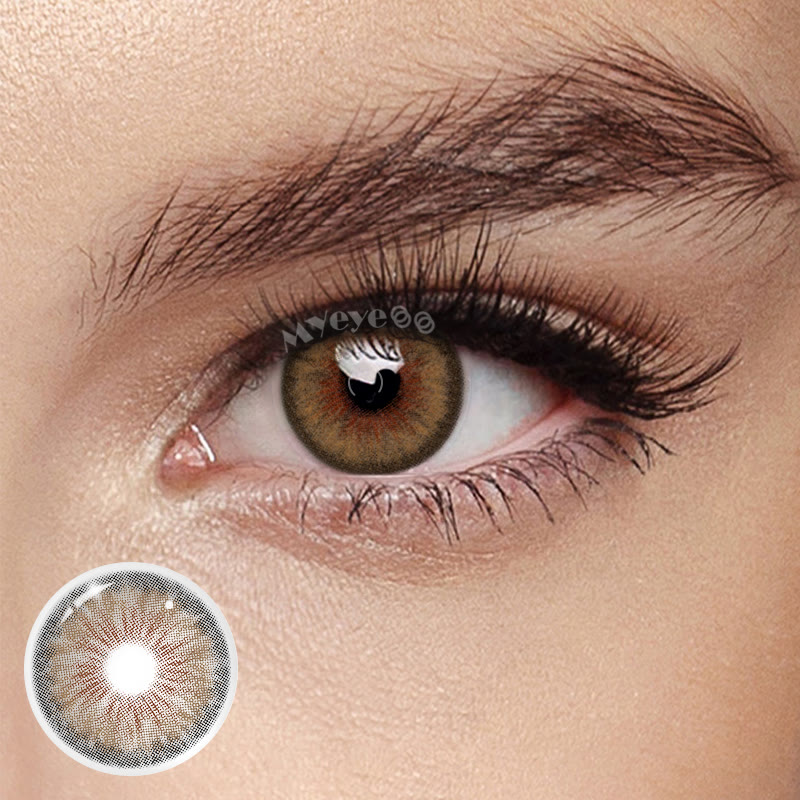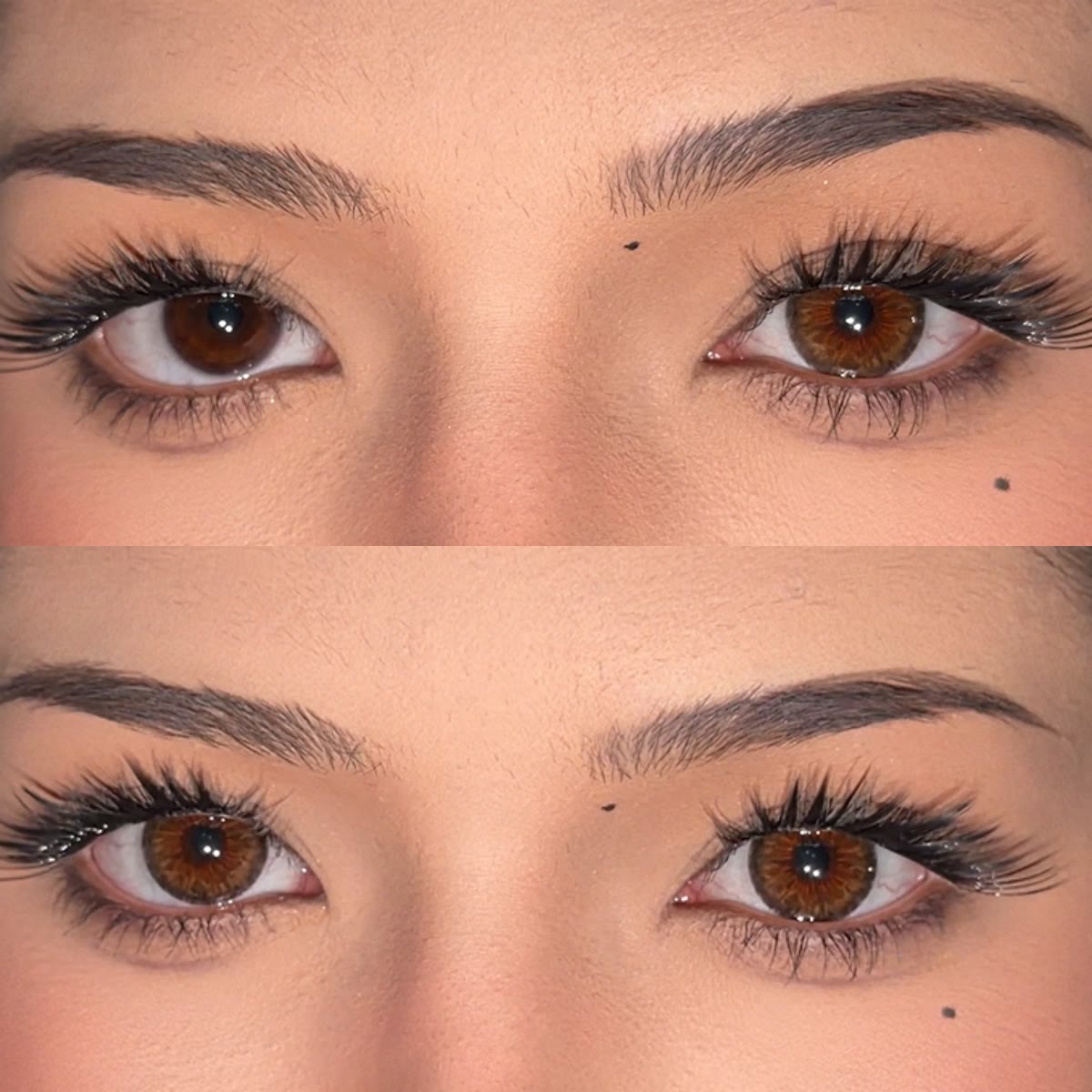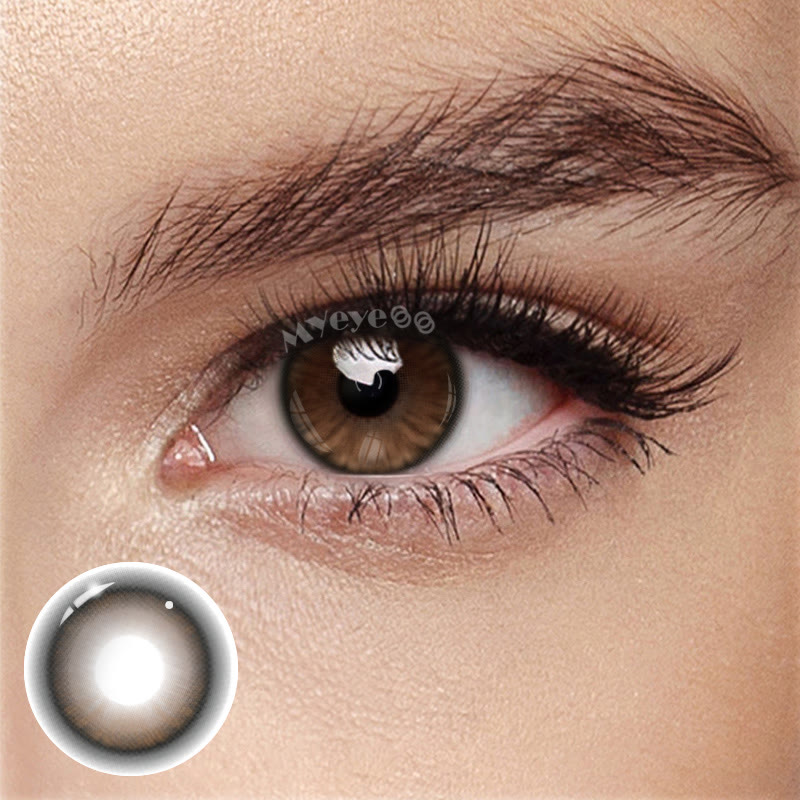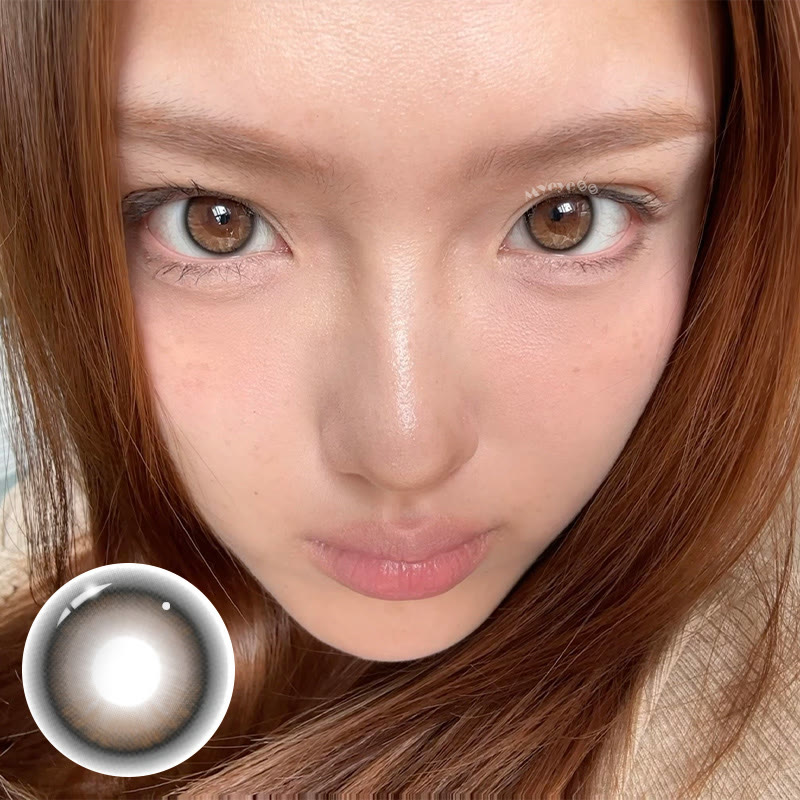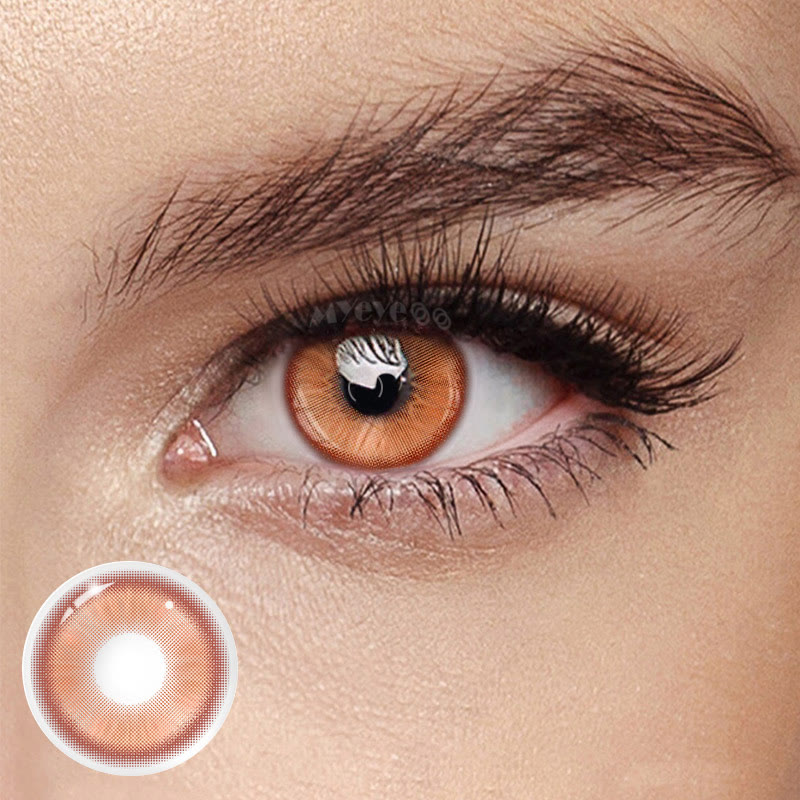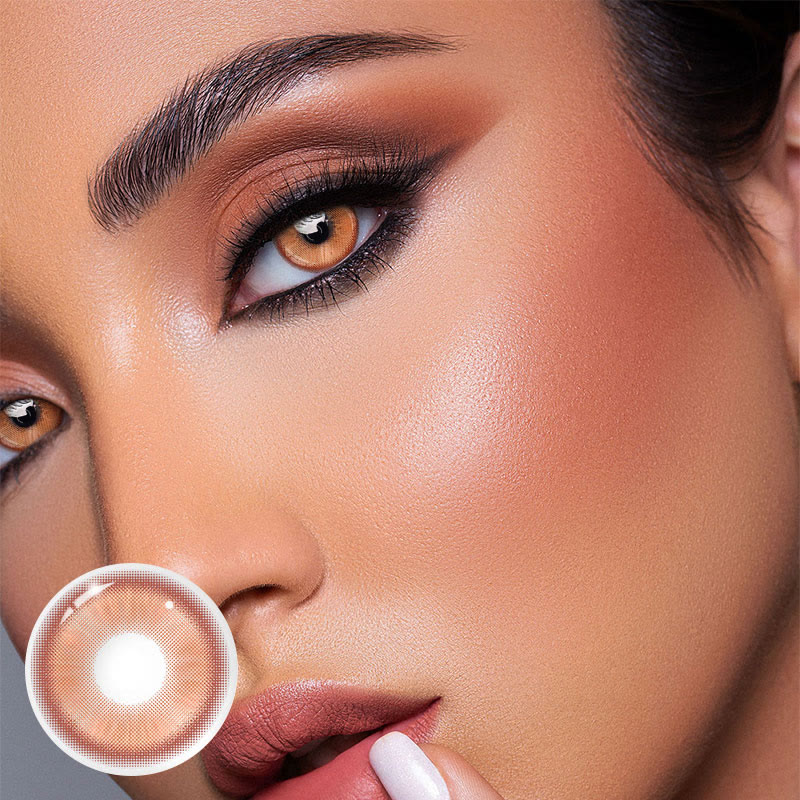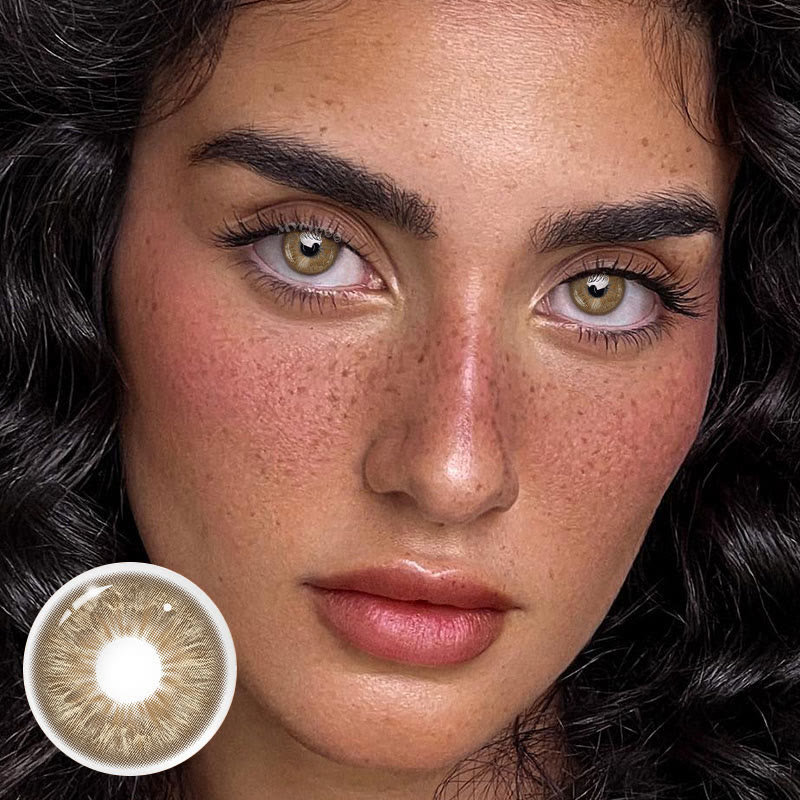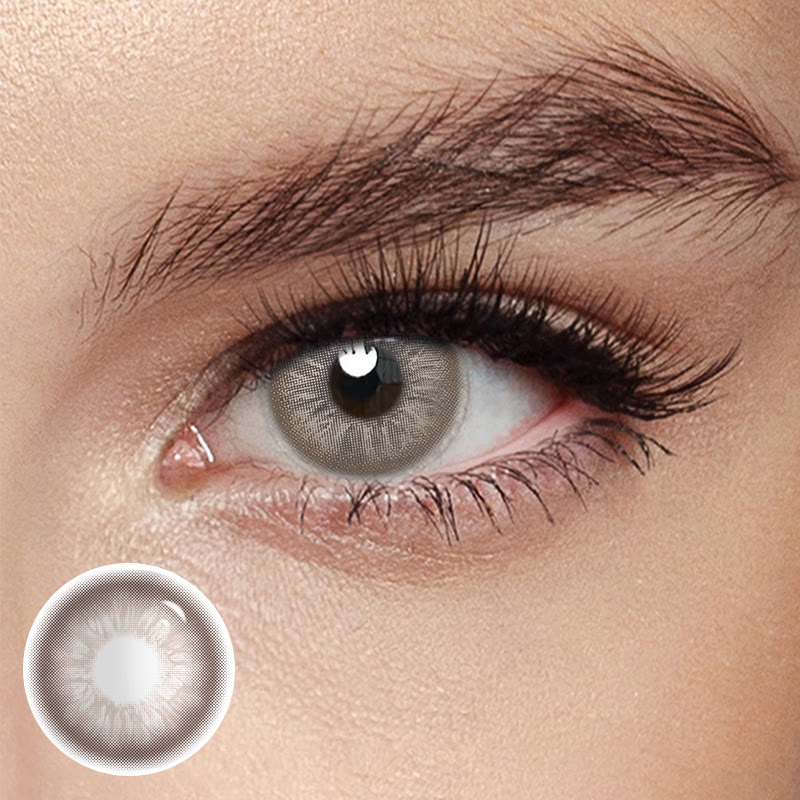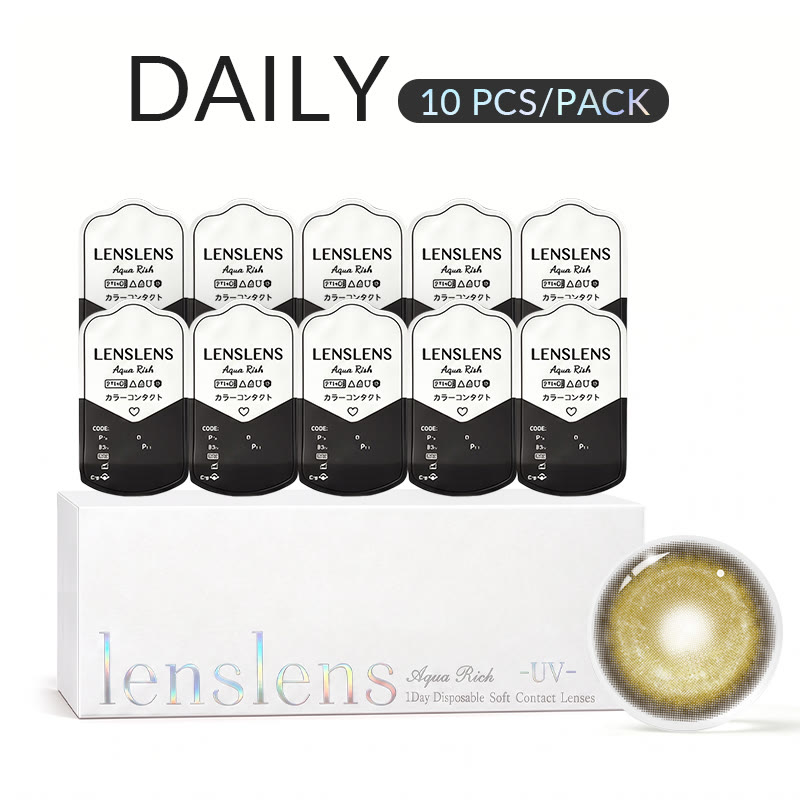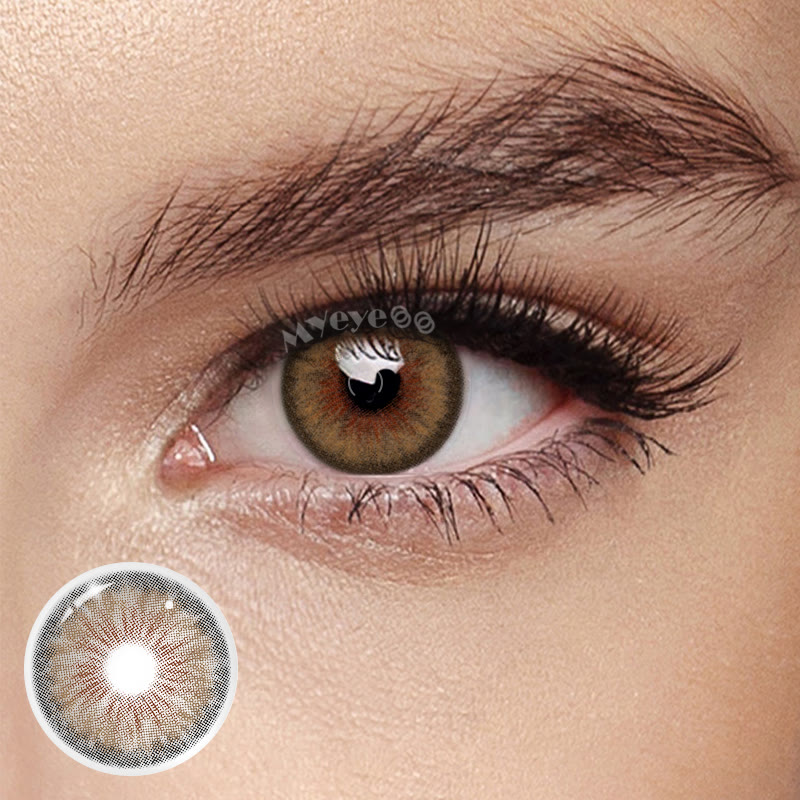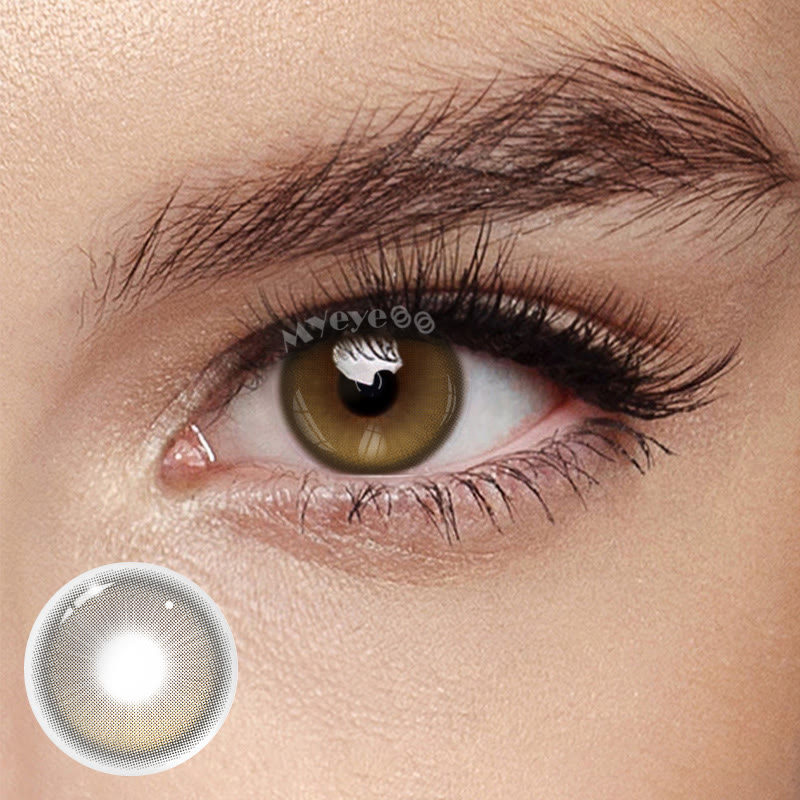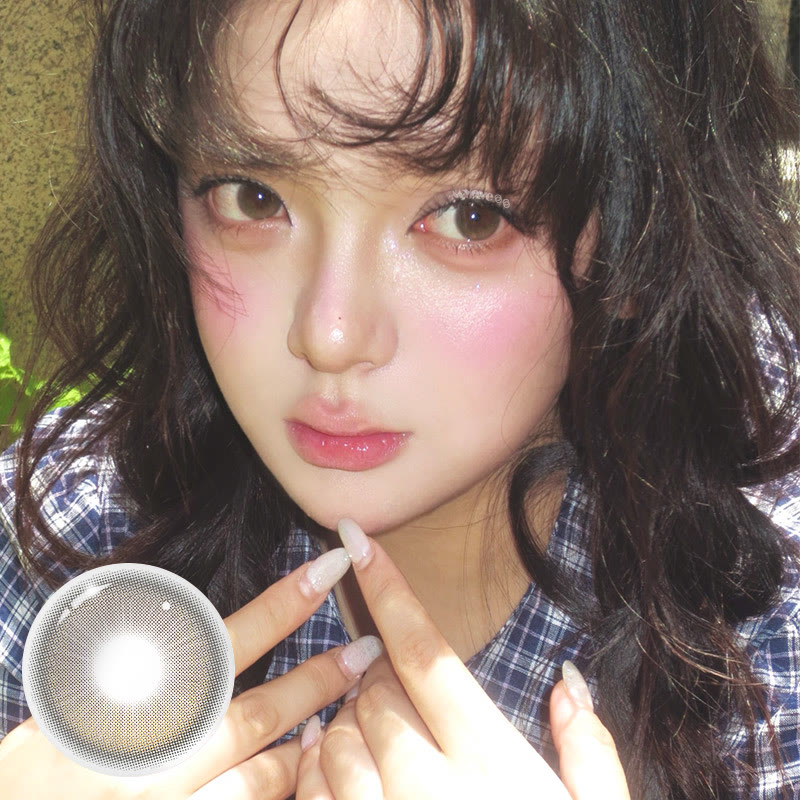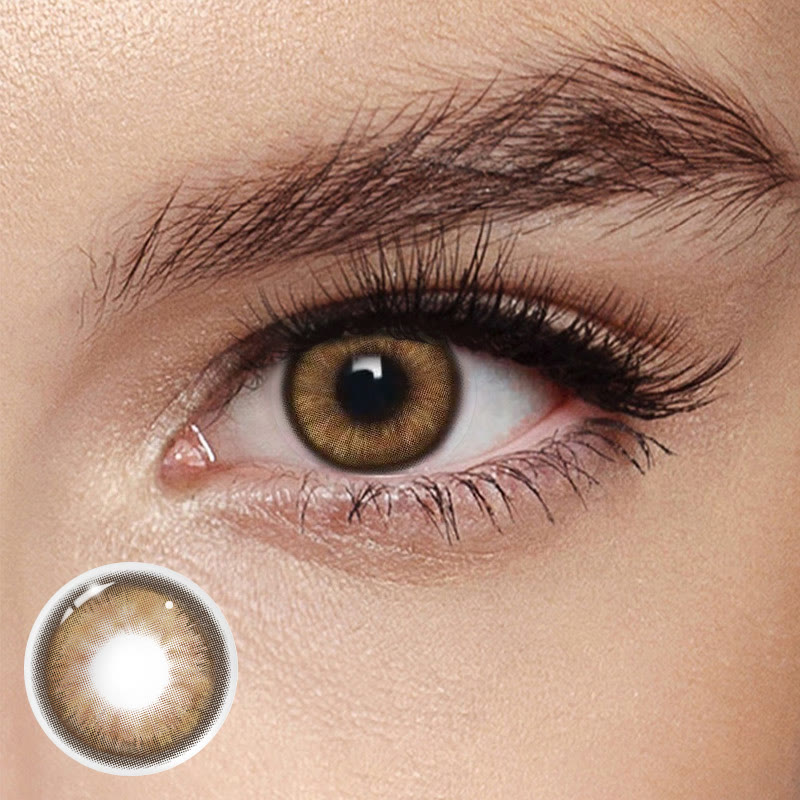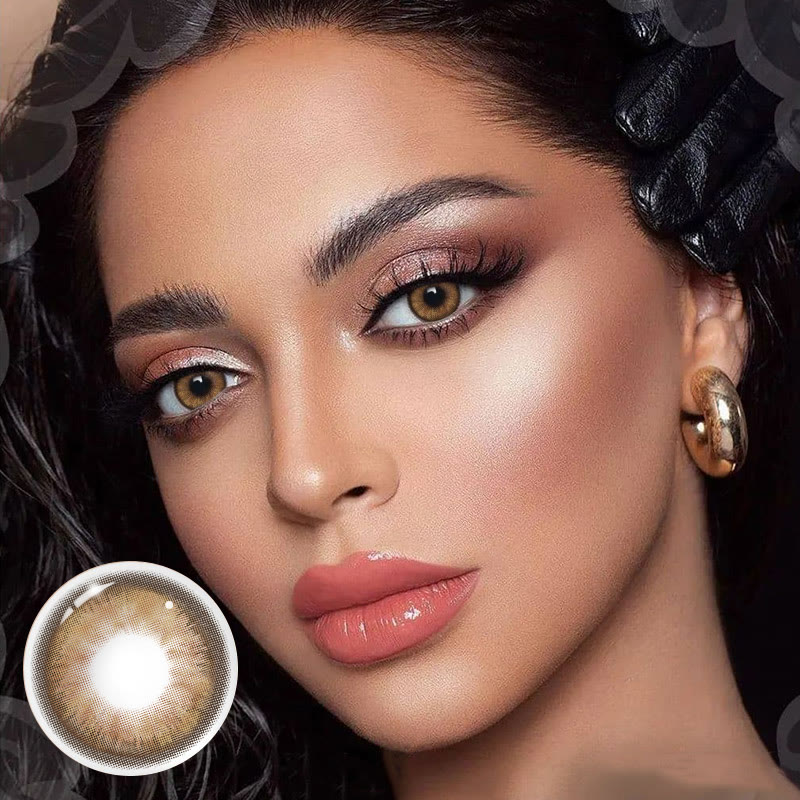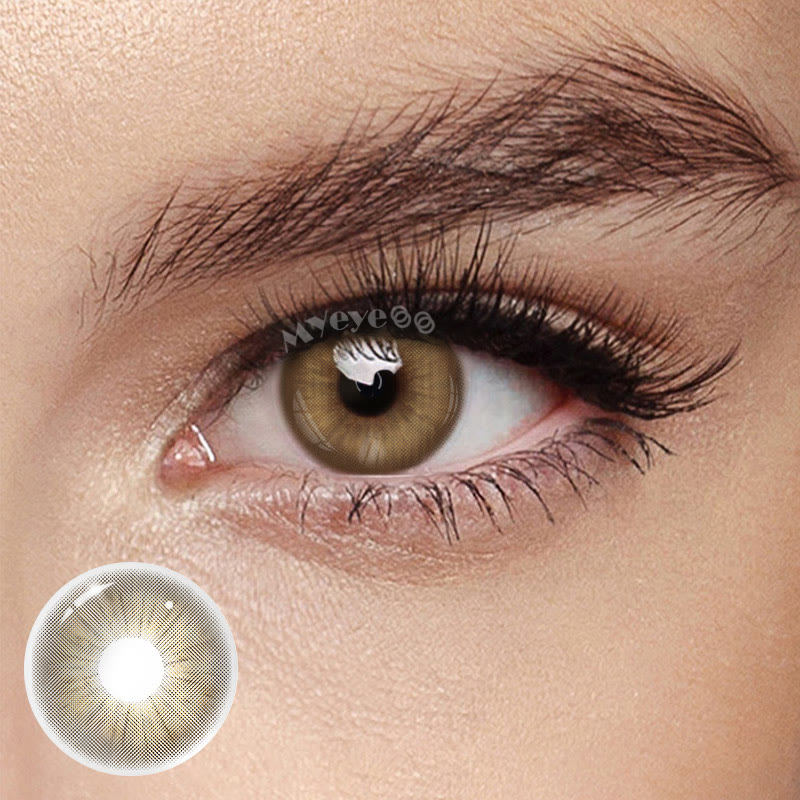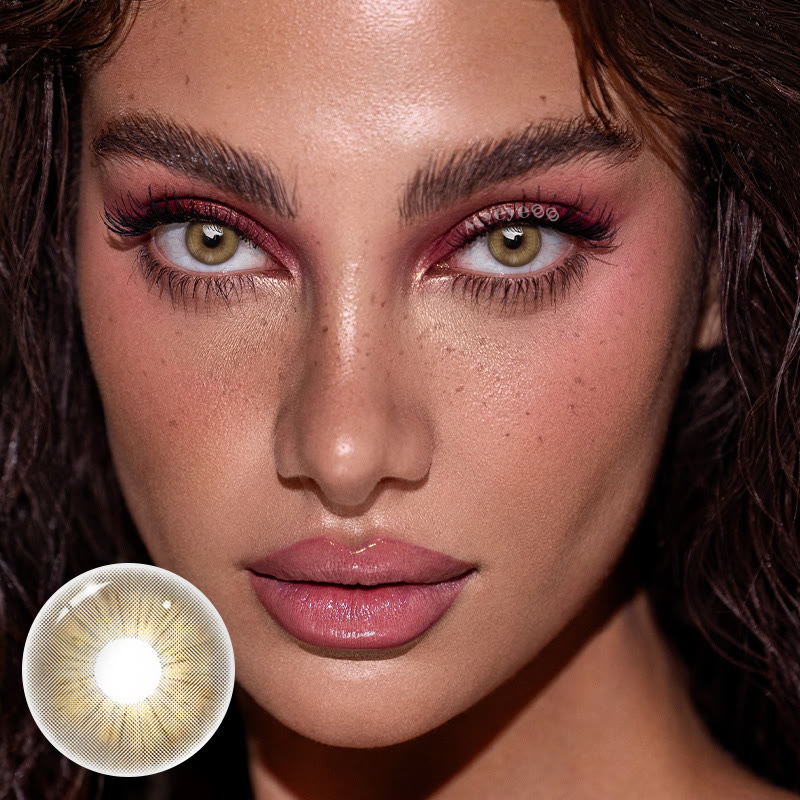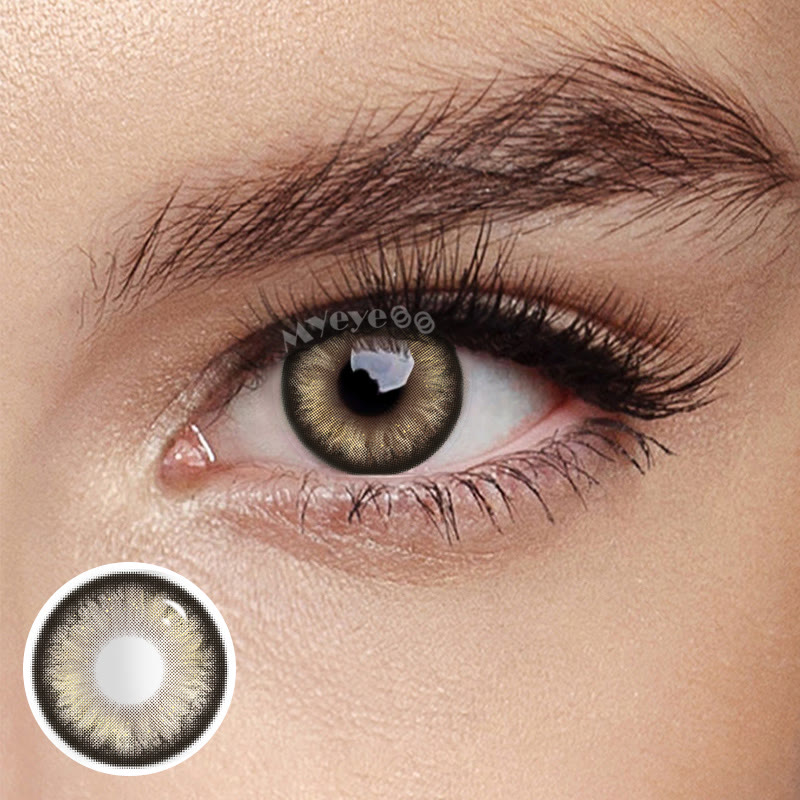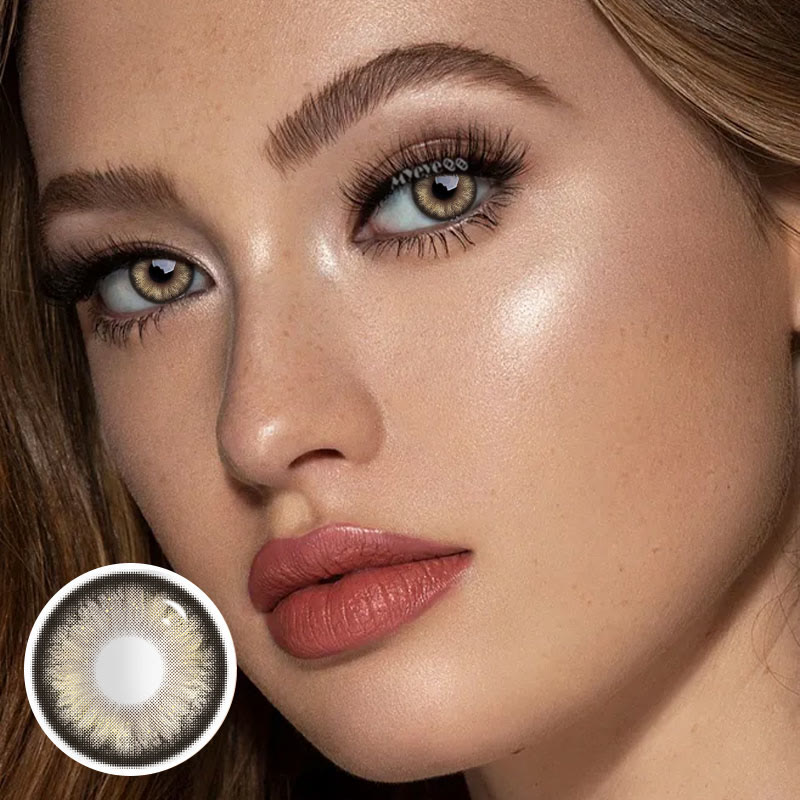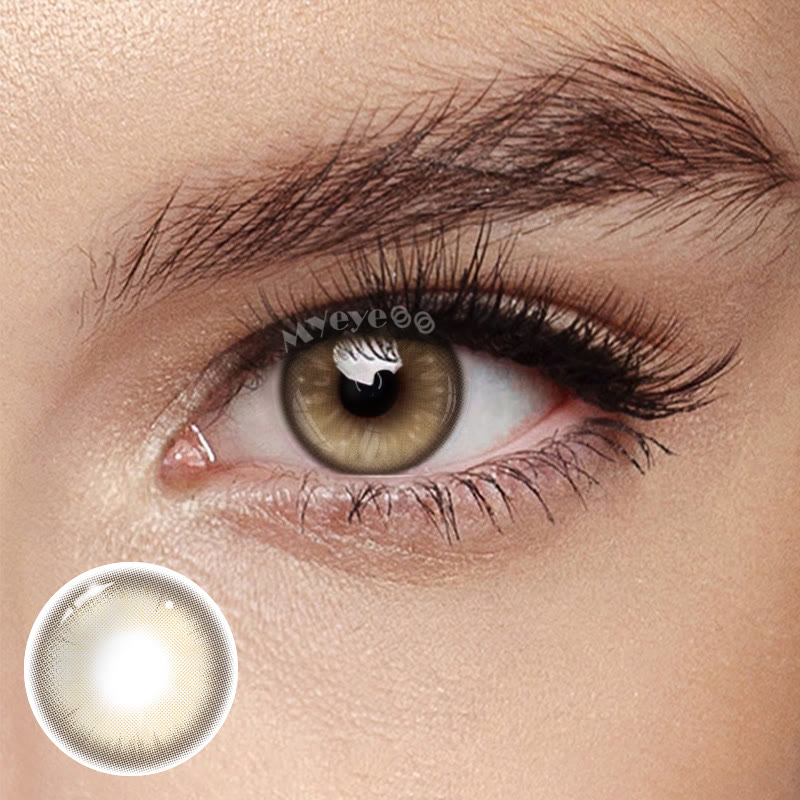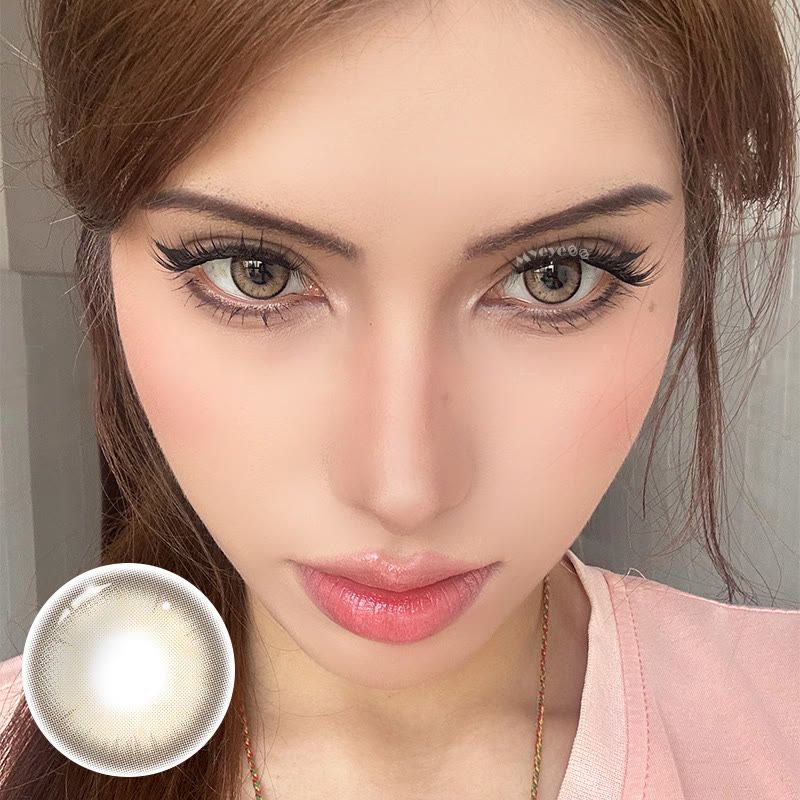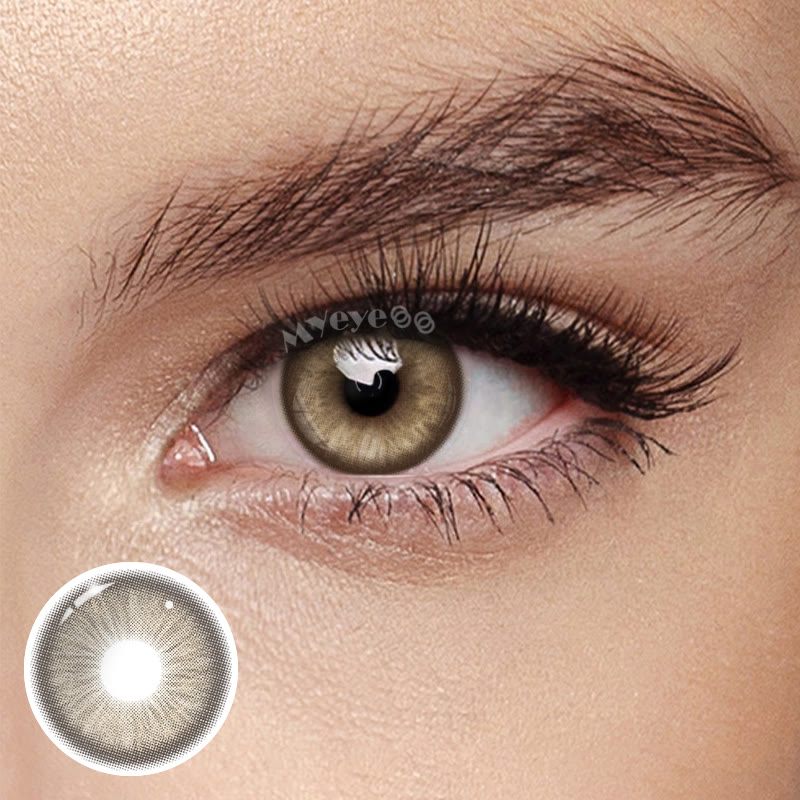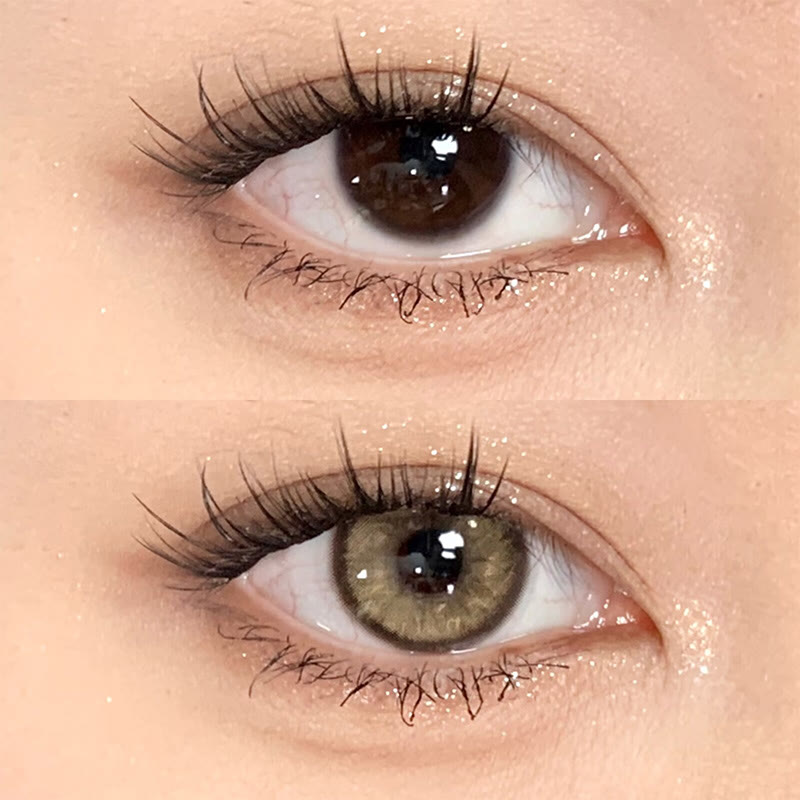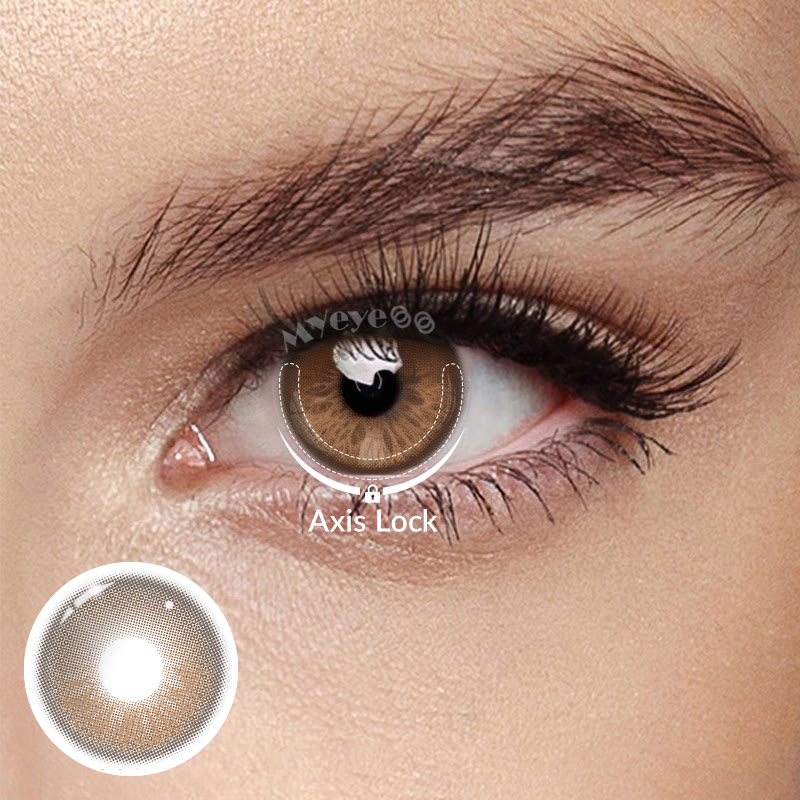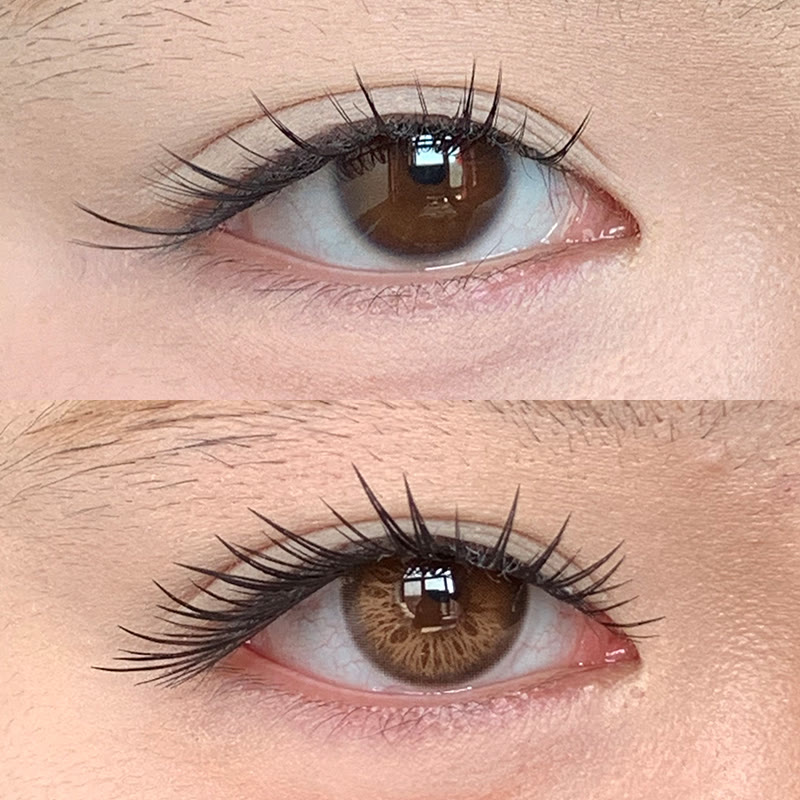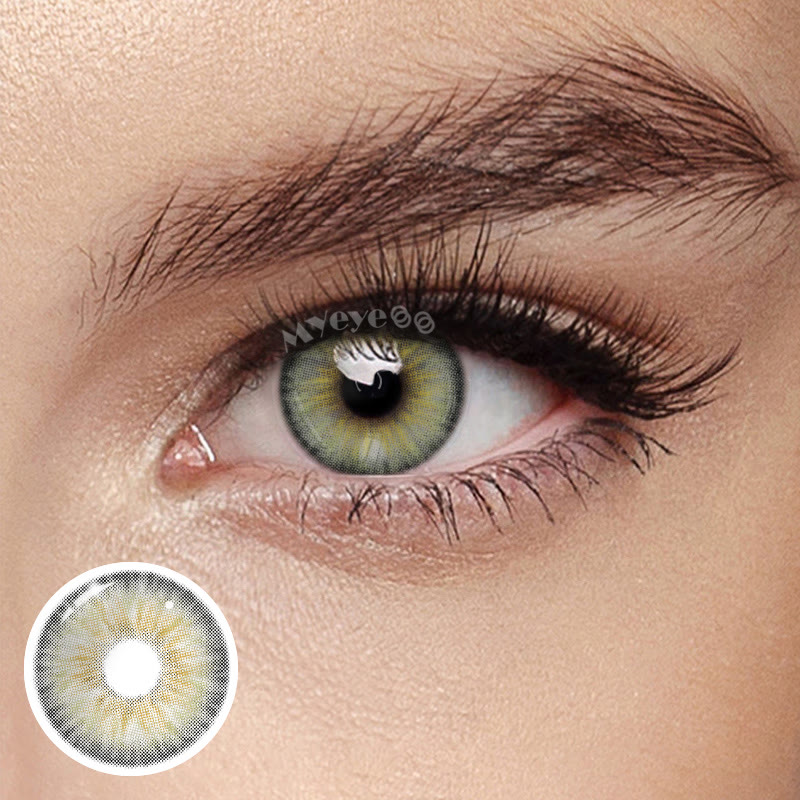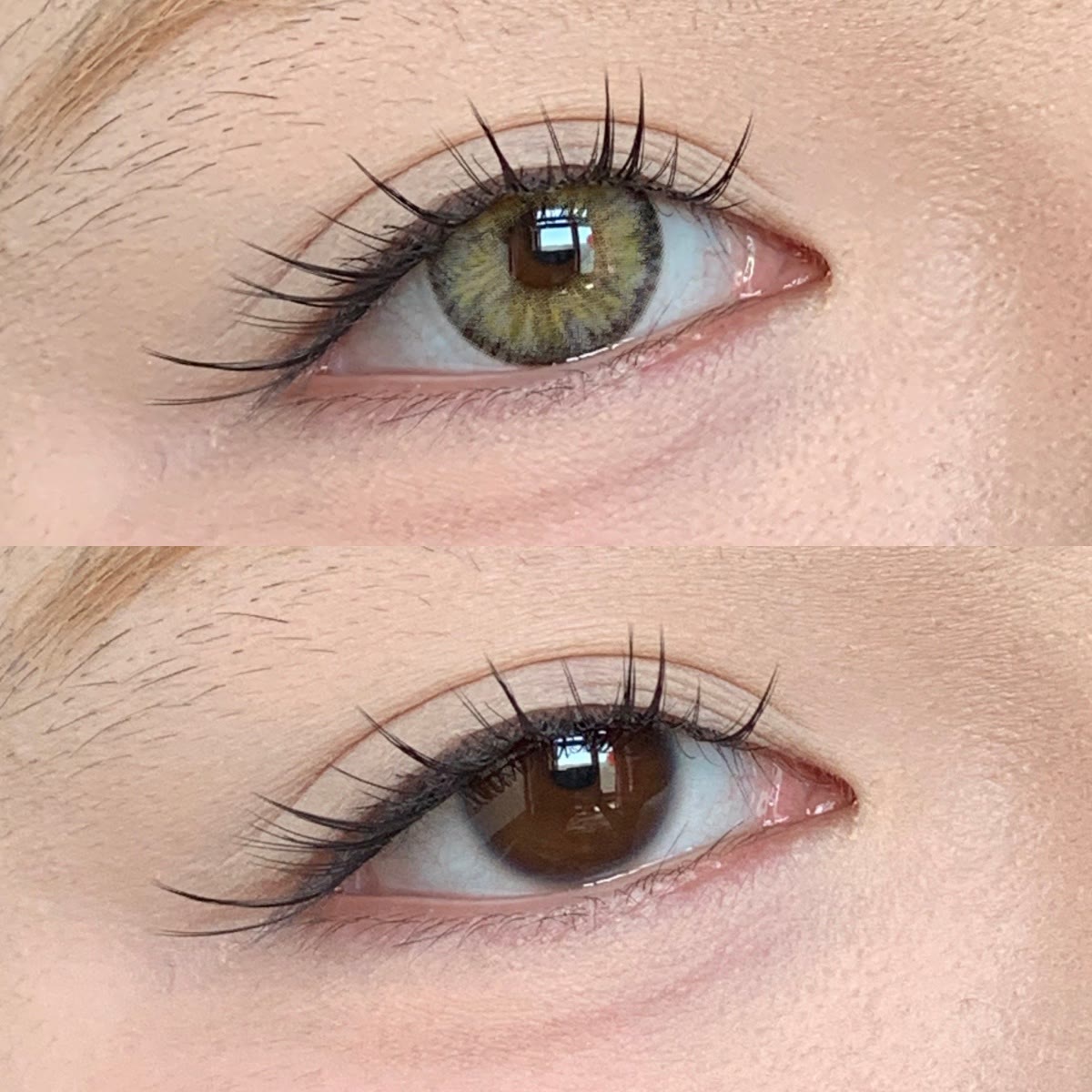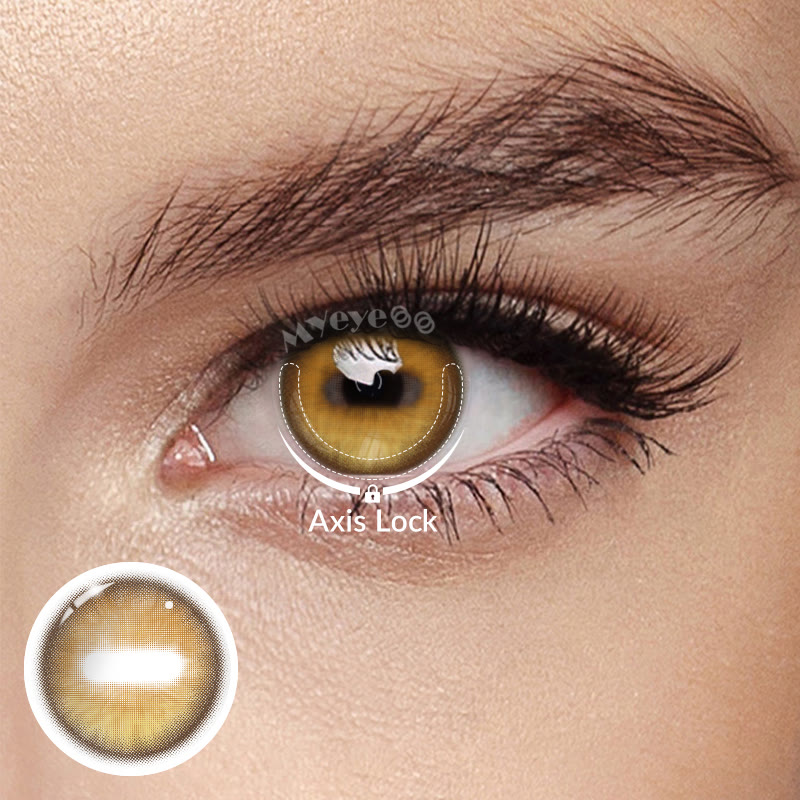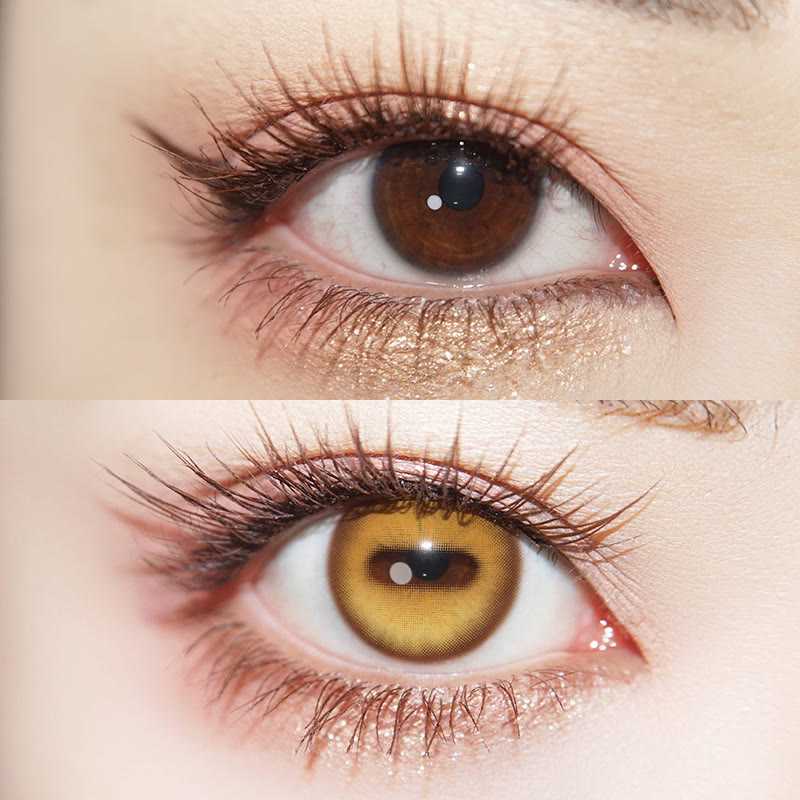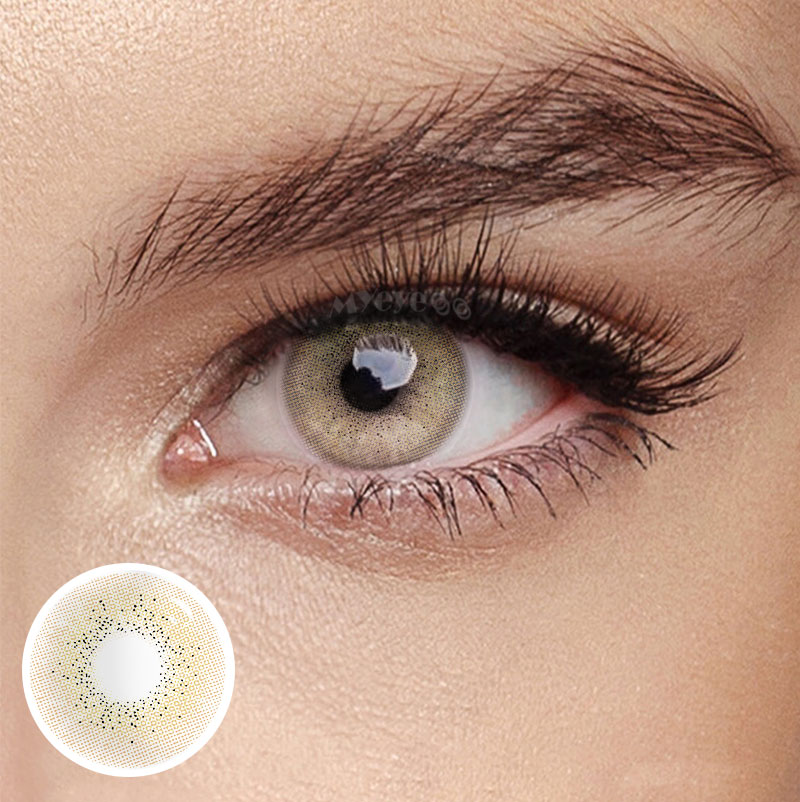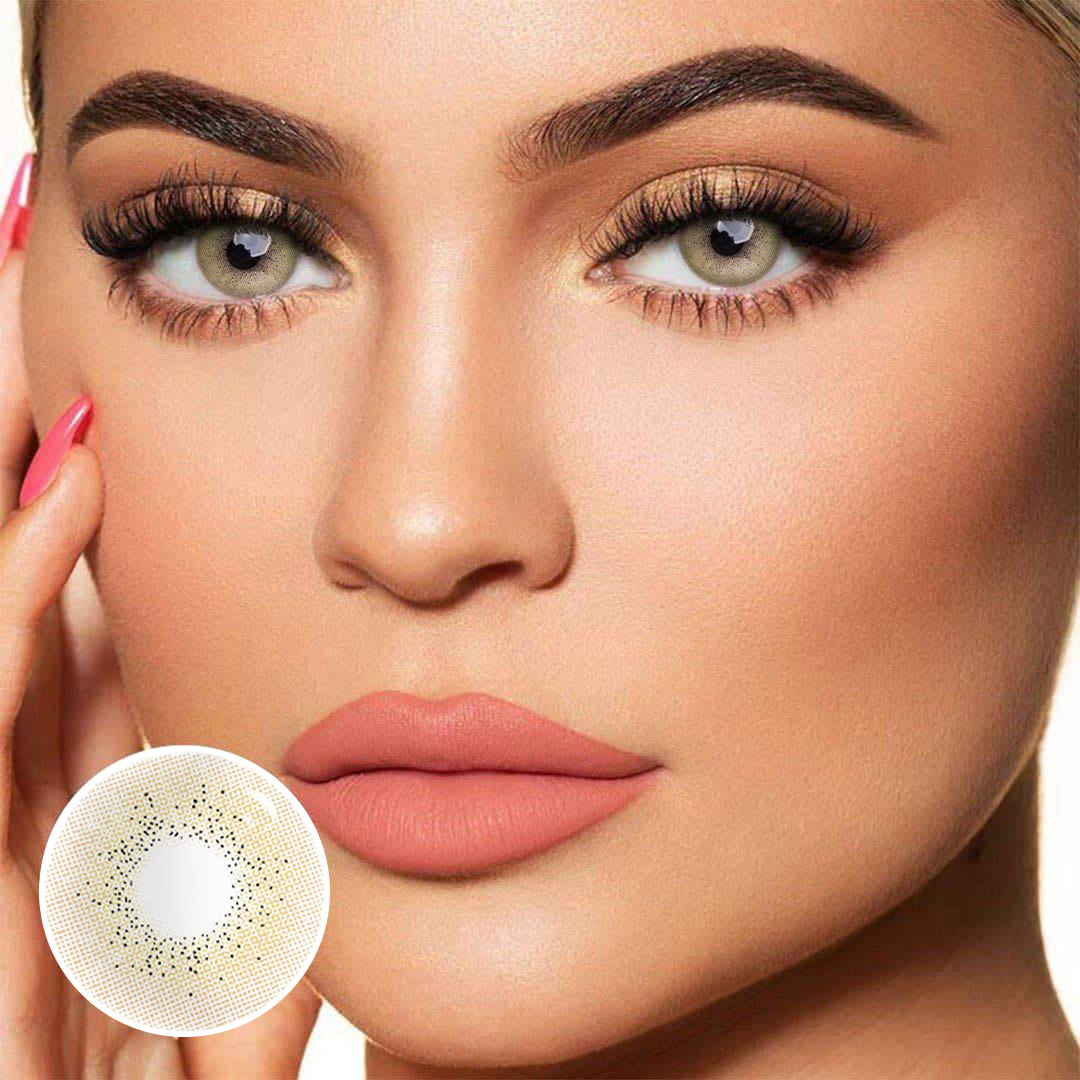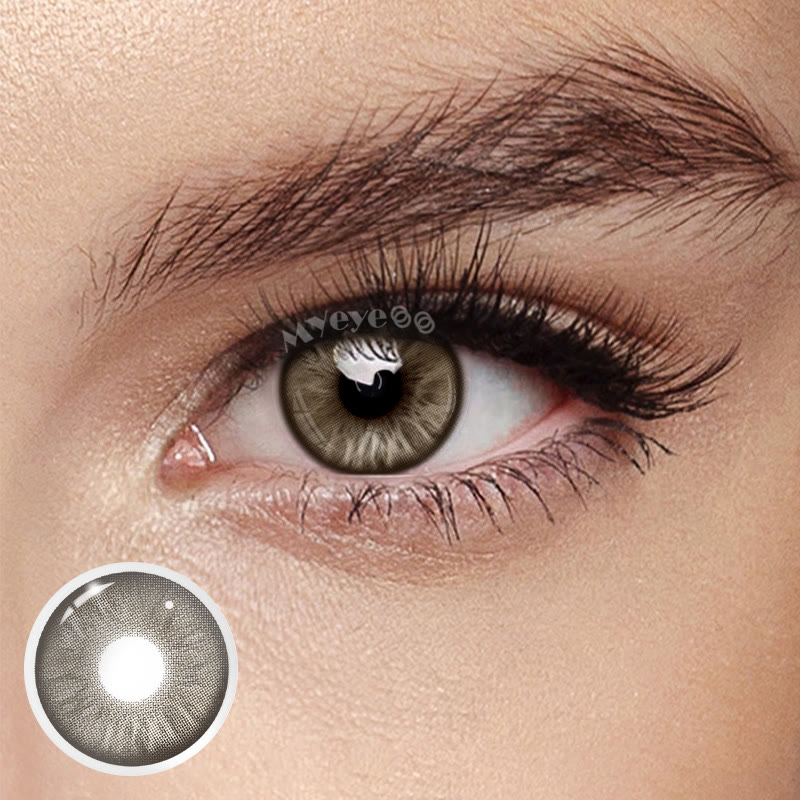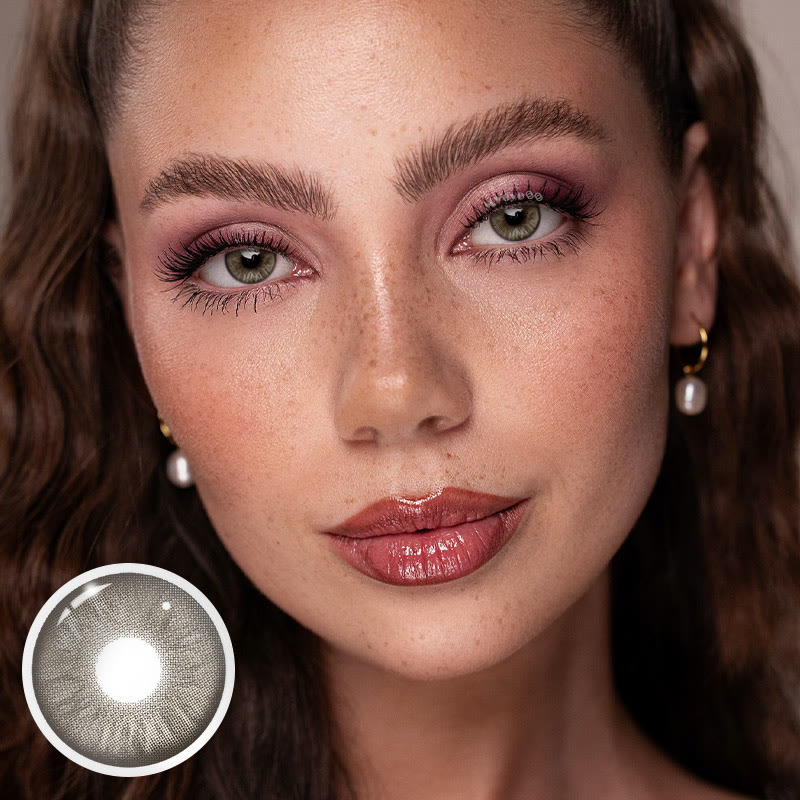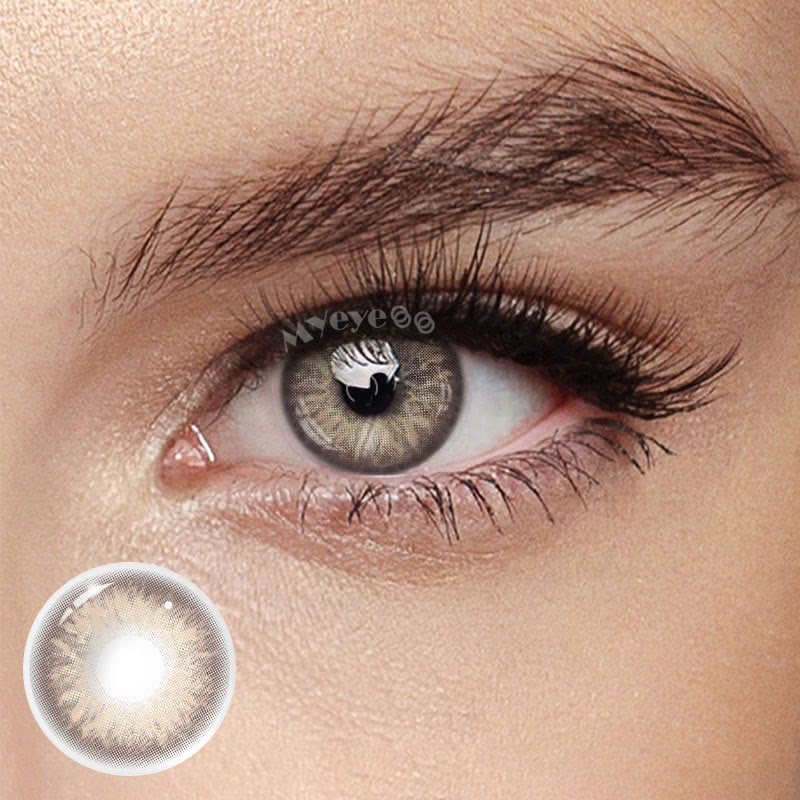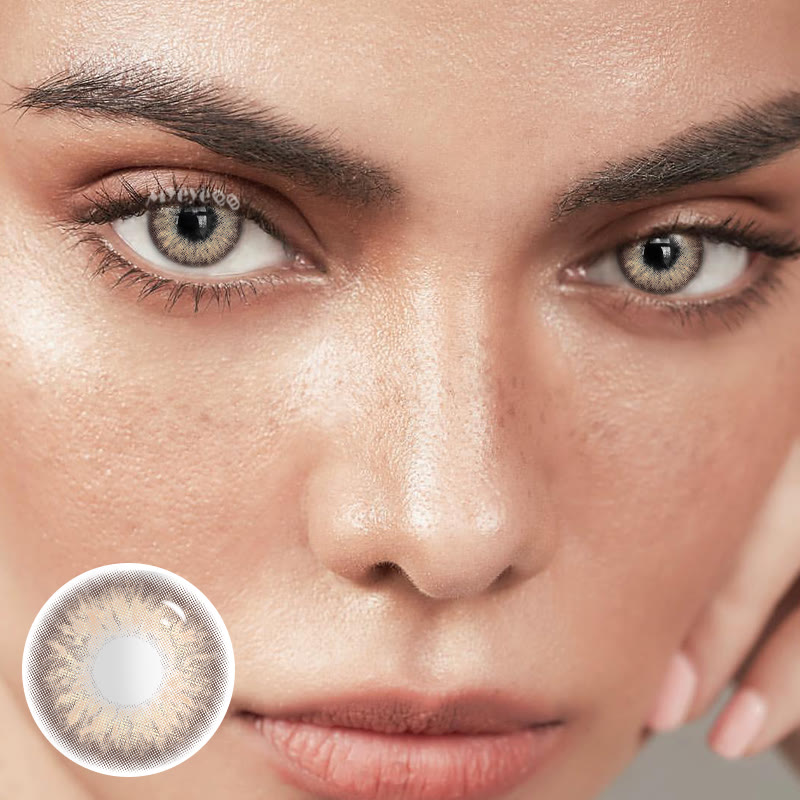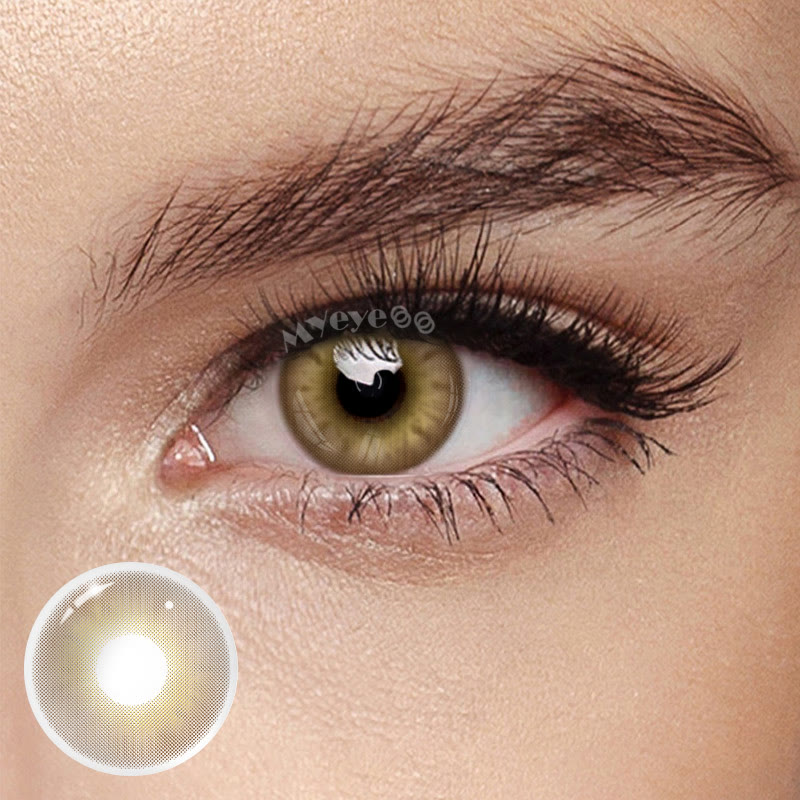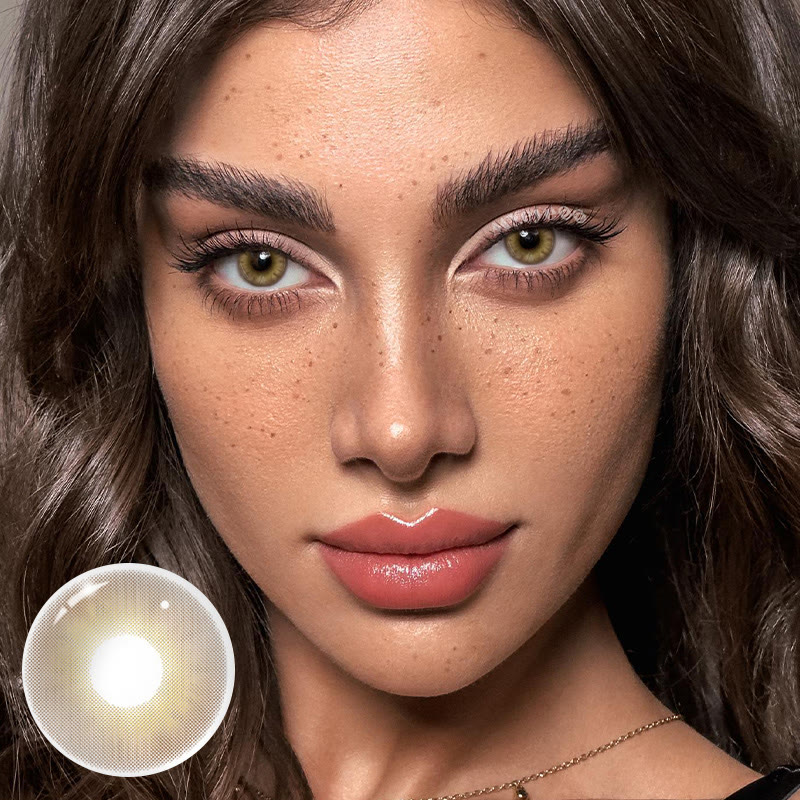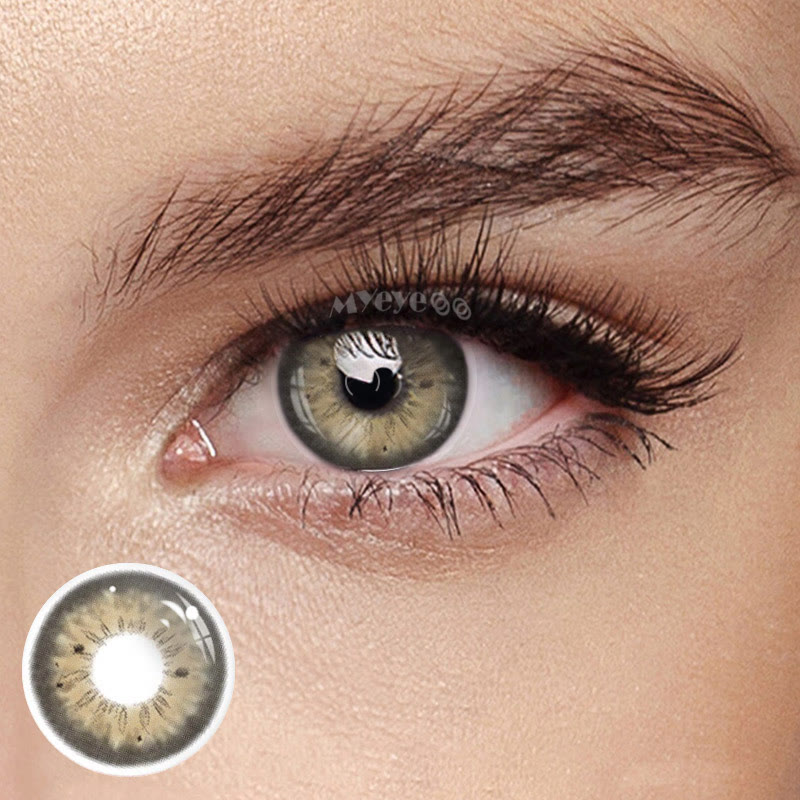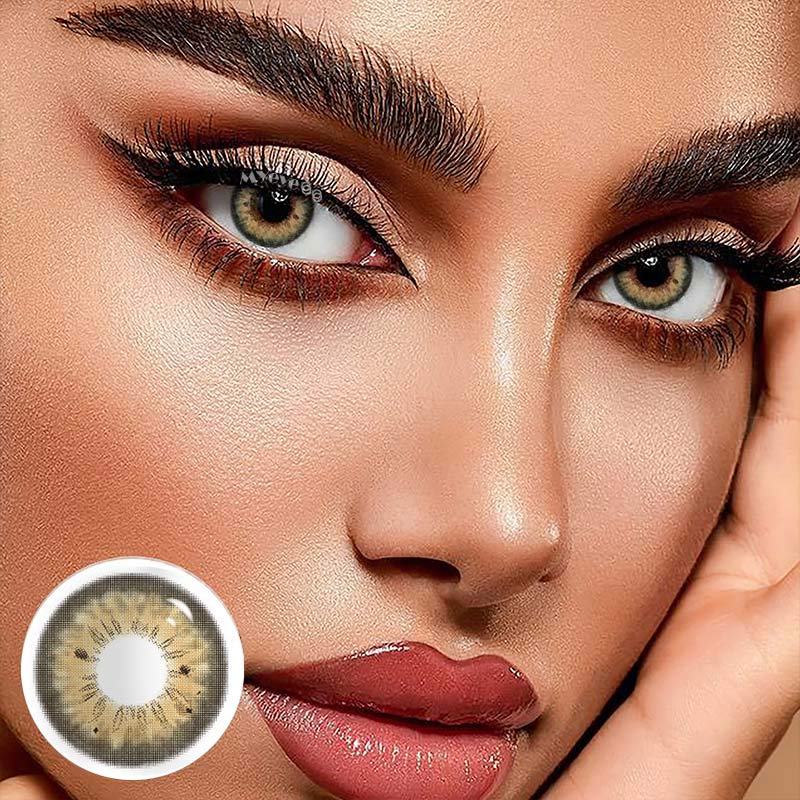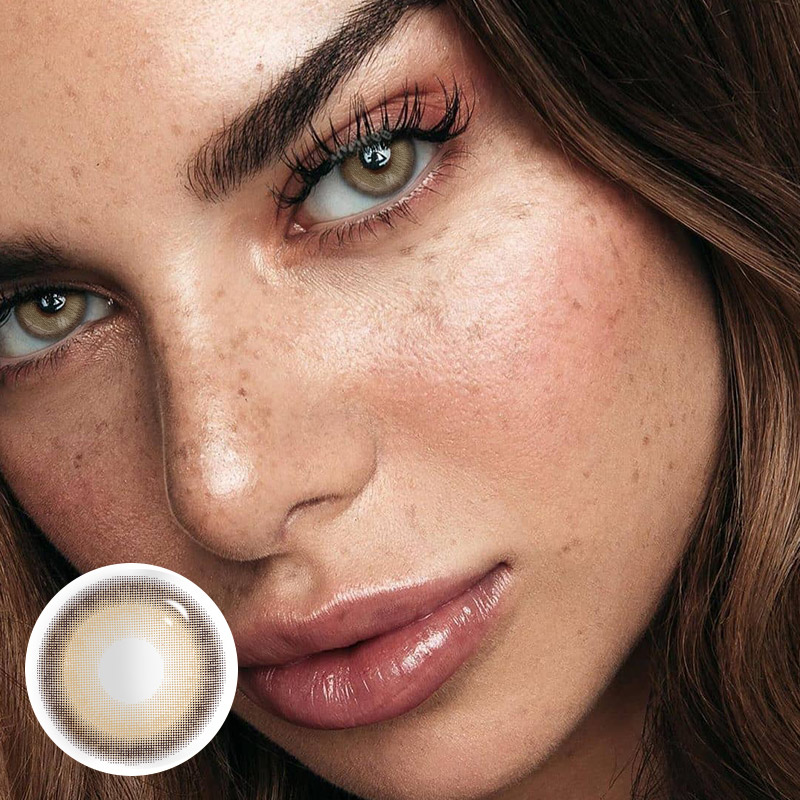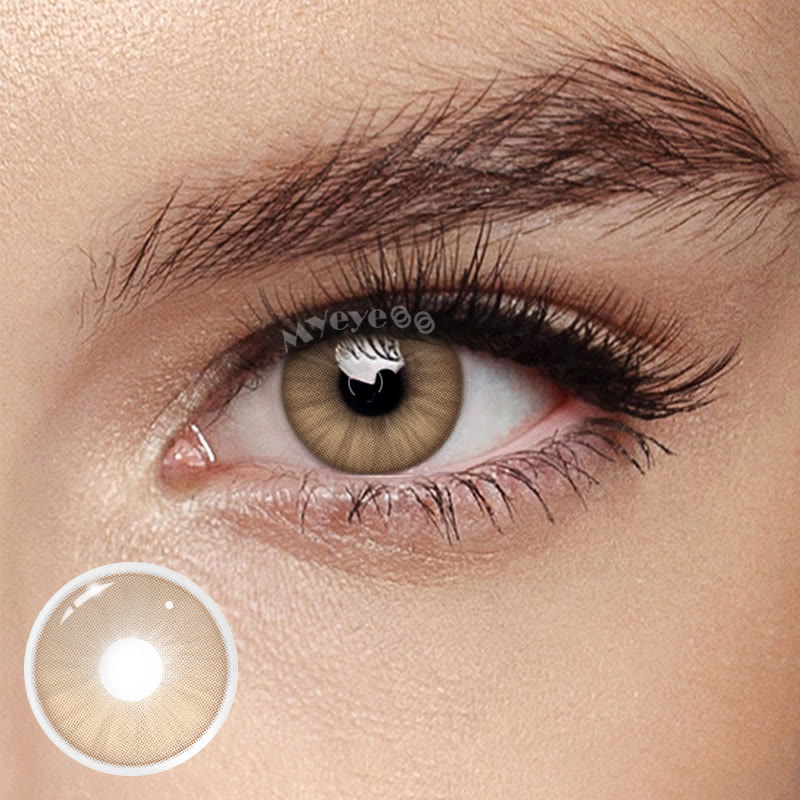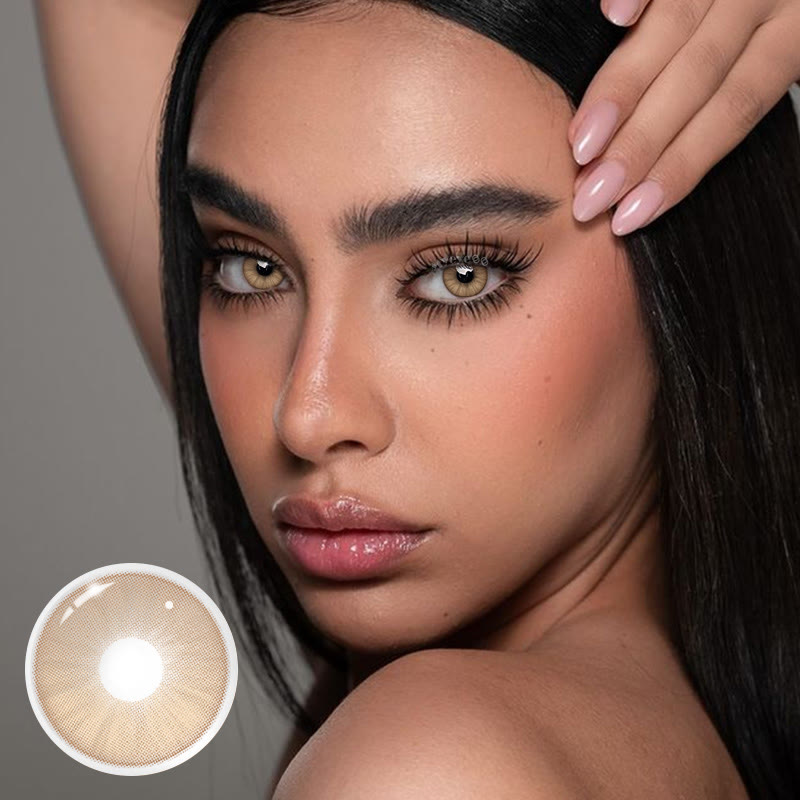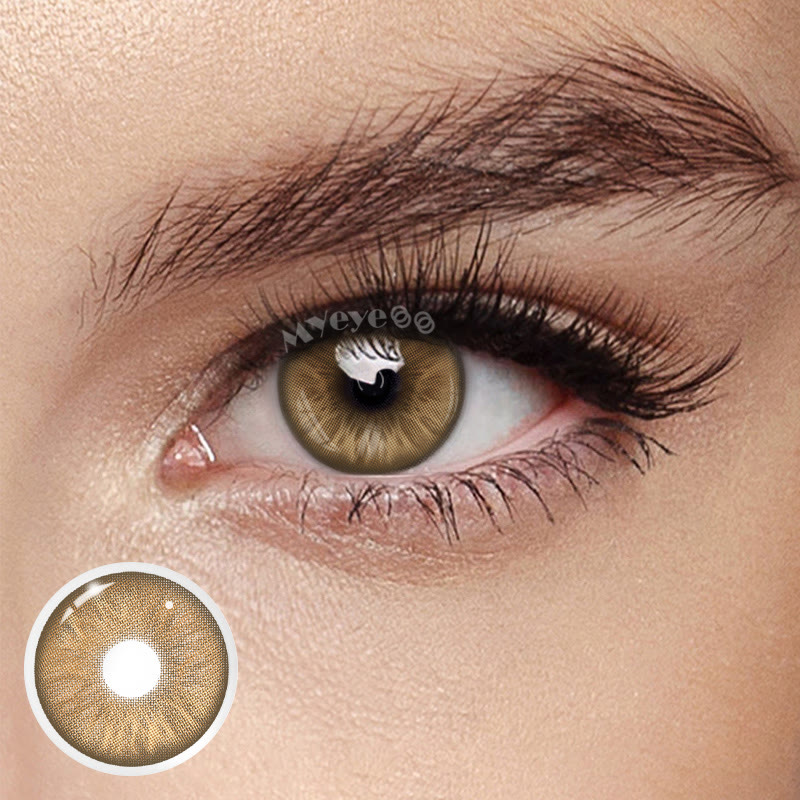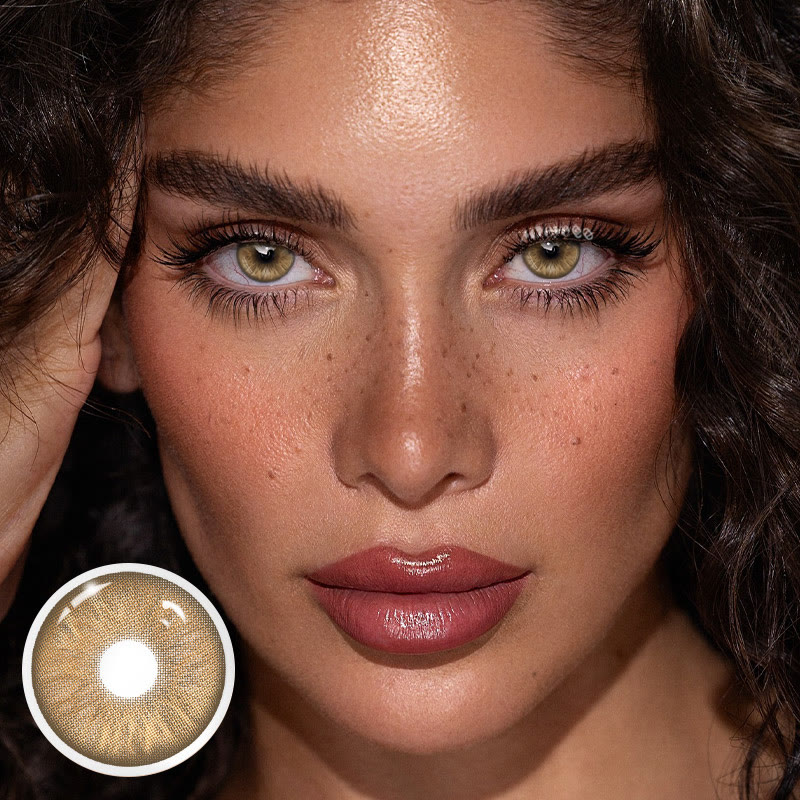
🤎Brown
Explore our collection of colored contact lenses sorted by color. Our lenses come in a wide range of shades, from natural-looking browns to bold blues and greens. We offer high-quality materials to ensure comfort and safety. Find the perfect pair of colored contacts to enhance your eyes and complete your look. Our colored contacts will transform your eyes and make them the center of attention.
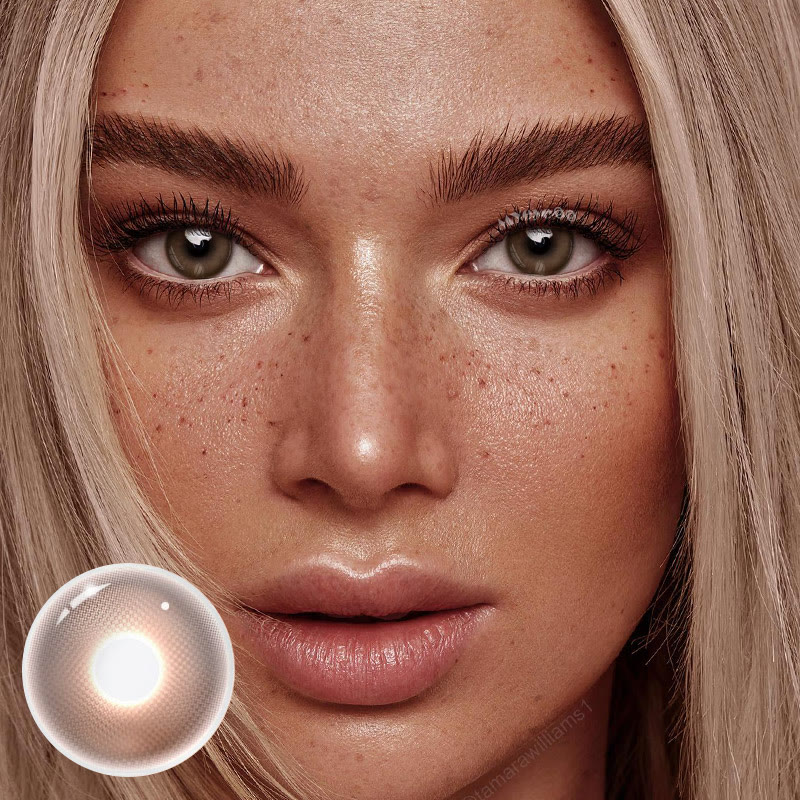
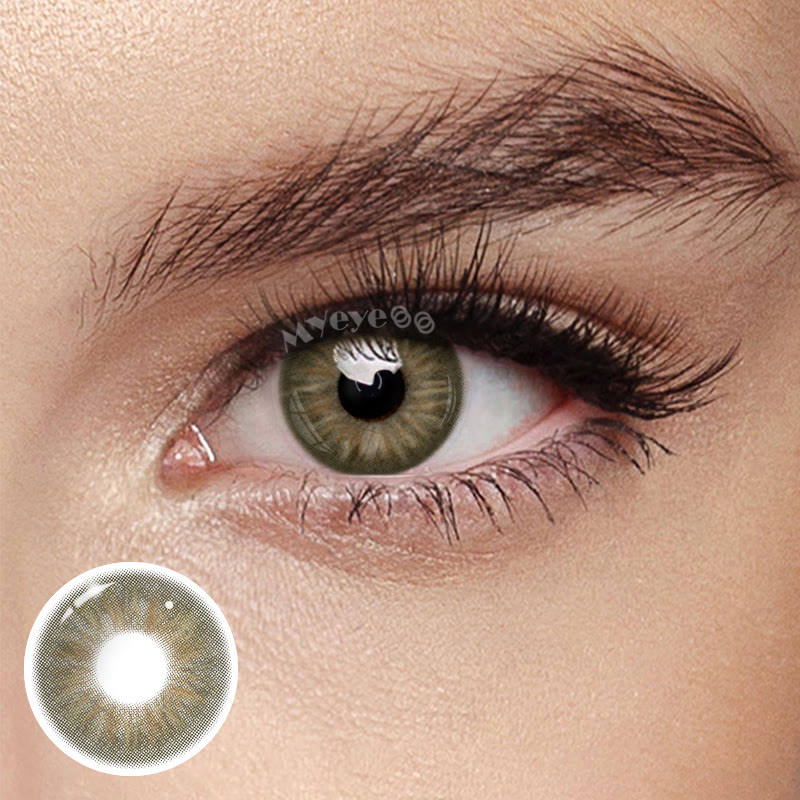
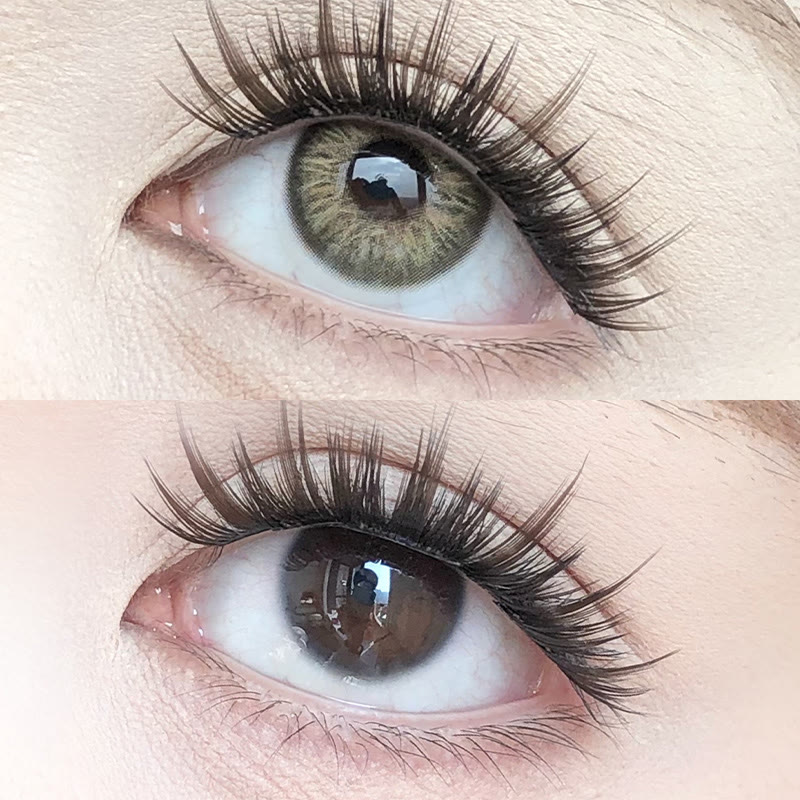
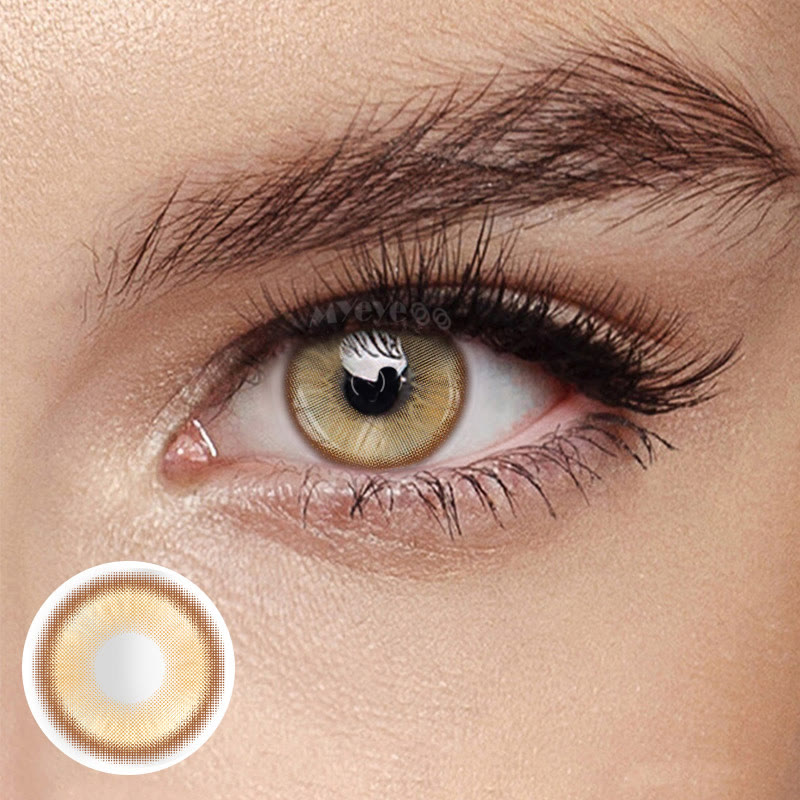
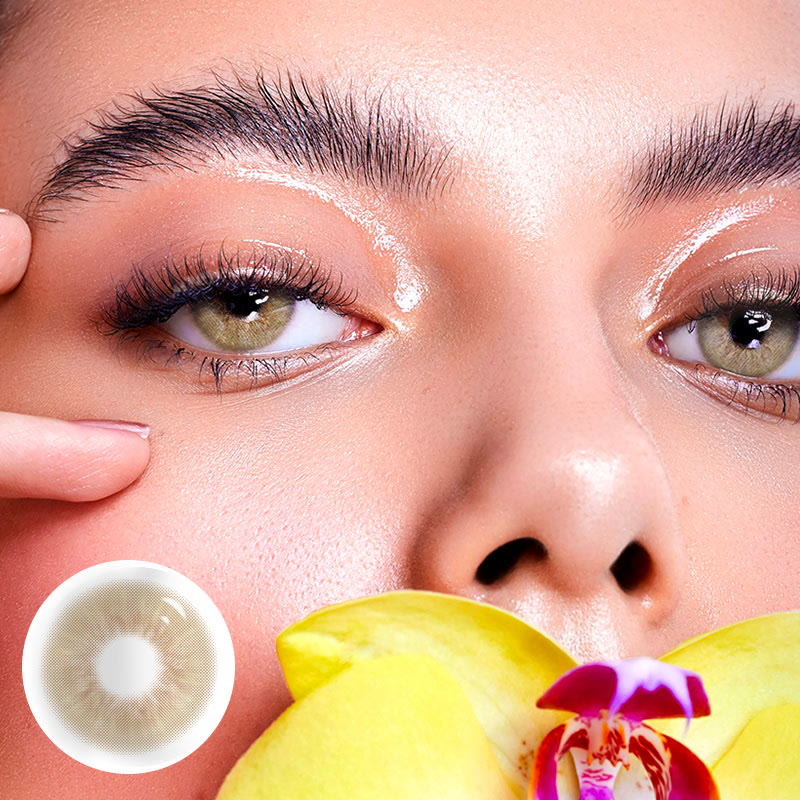
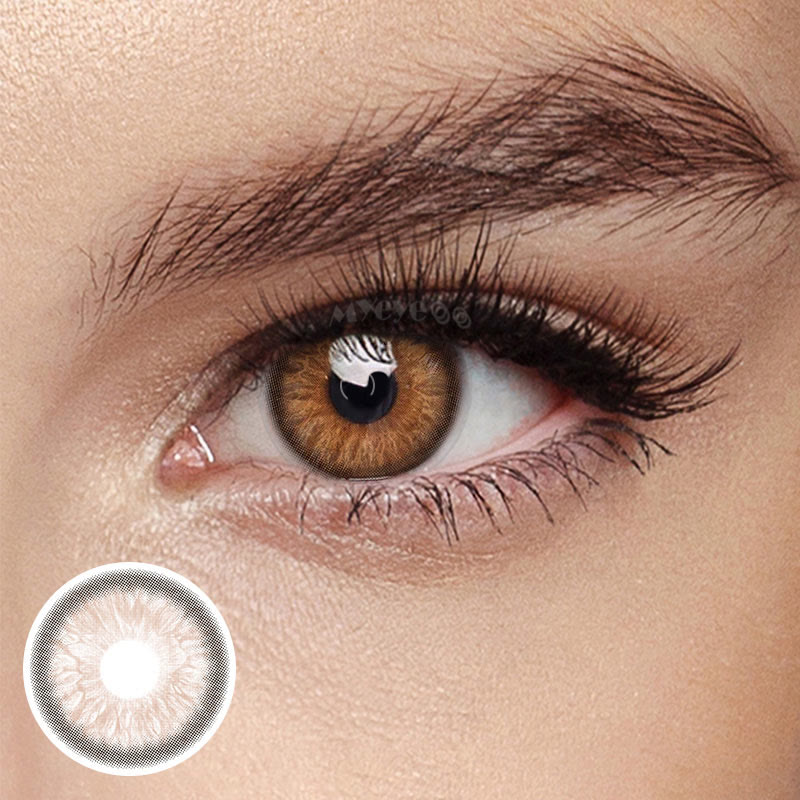
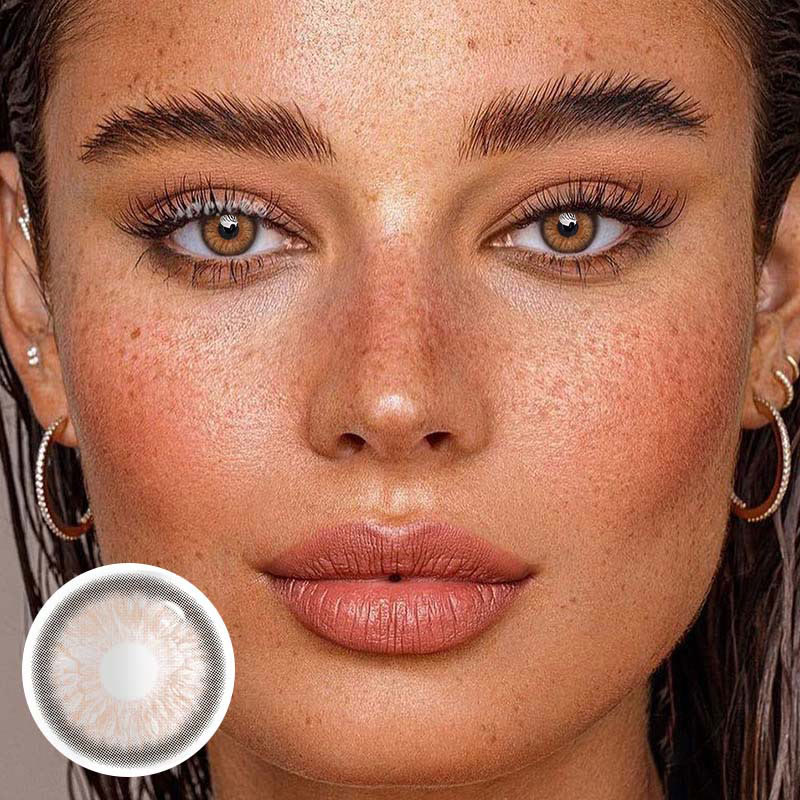
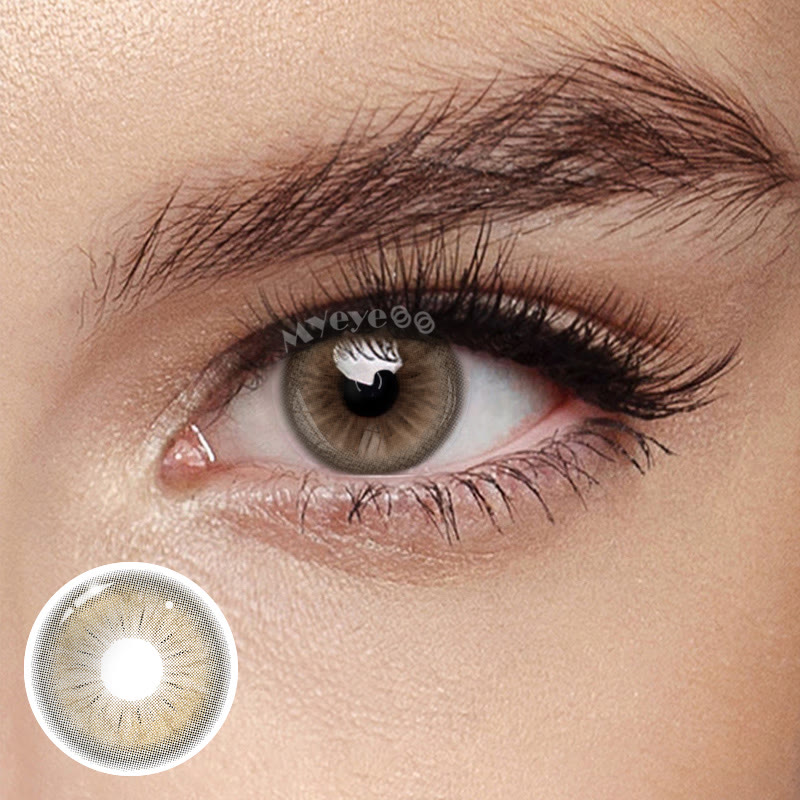
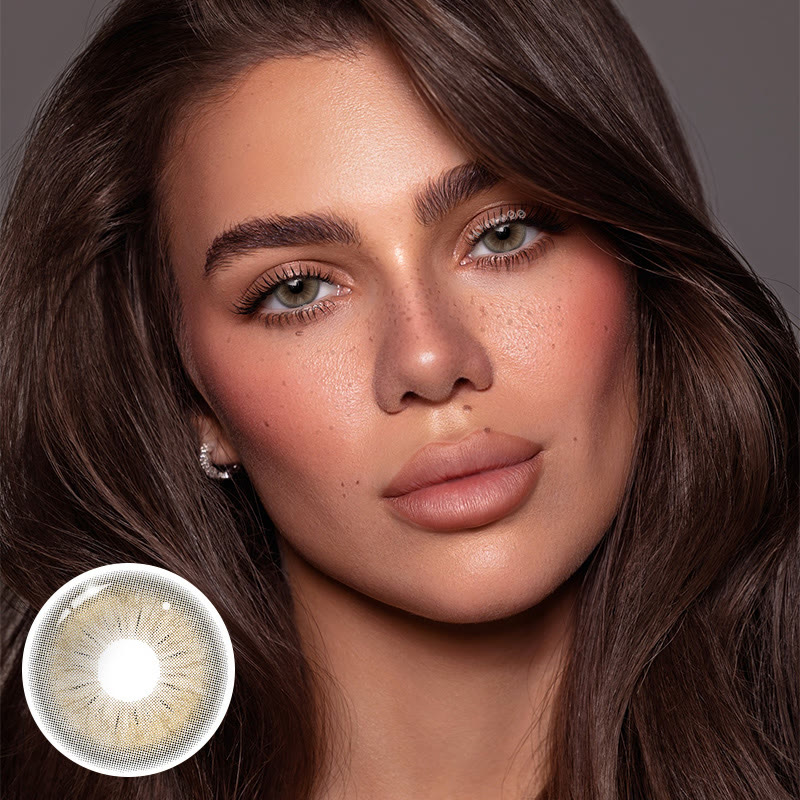
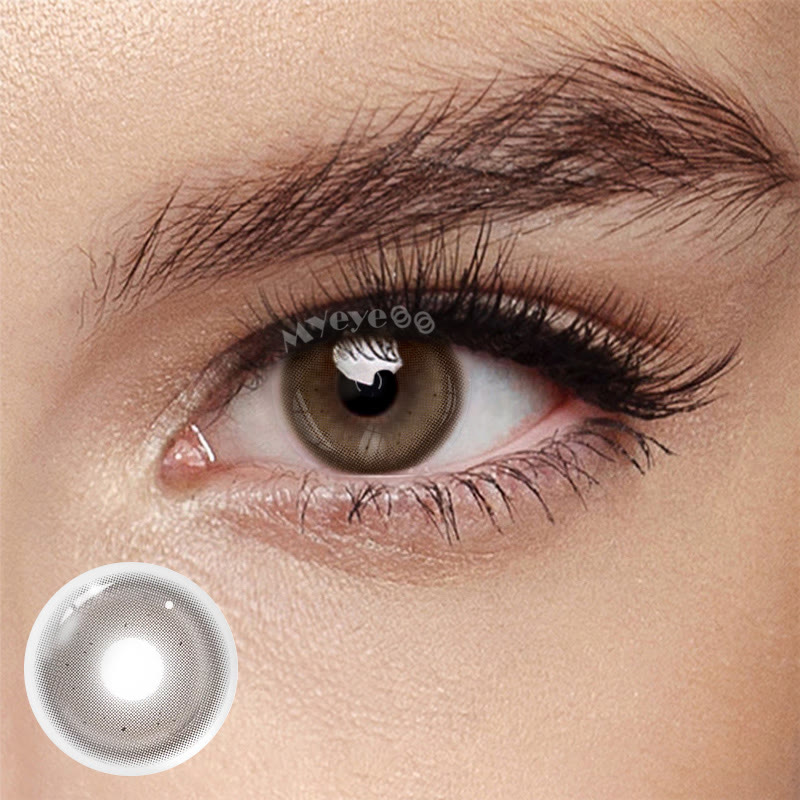
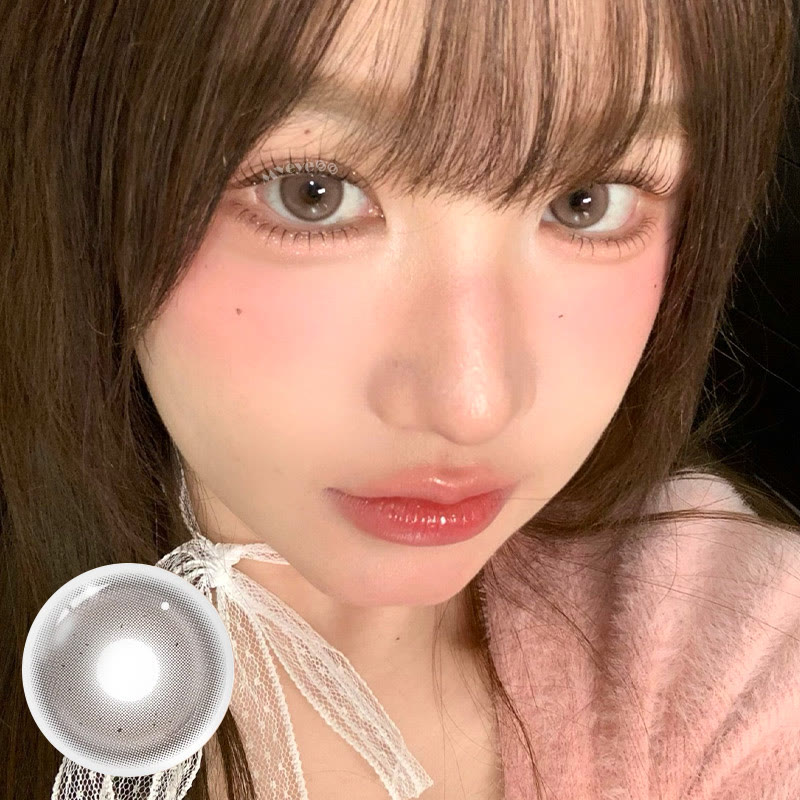
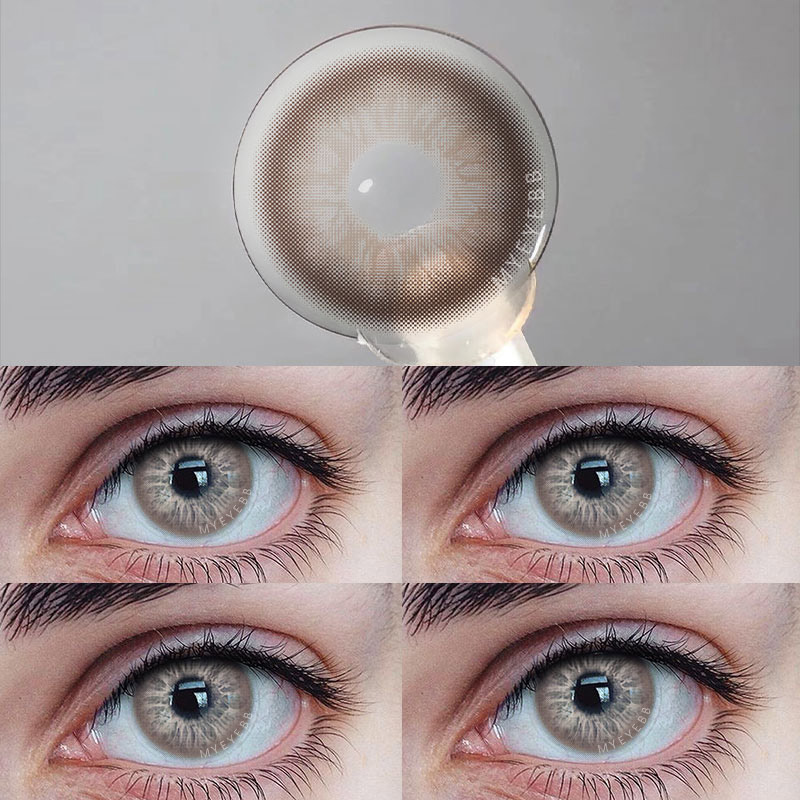
Brown contact lenses provide a natural and understated appearance, perfect for daily use. They can add richness and dimension to your eyes, making them a versatile option for any occasion.
Brown contact lenses are among the most popular choices for eye color transformation because brown is the most naturally occurring eye color in the world. These lenses blend effortlessly with most natural eye colors and are ideal for subtle improvement or dramatic change. You'll find an extensive range of options, from light brown contact lenses and honey brown contact lenses to dark brown shades and everything in between. Collections feature over 38 to 50 different tones. This piece covers everything you need to know about choosing, wearing and caring for brown colored contact lenses.
What Are Brown Contact Lenses?
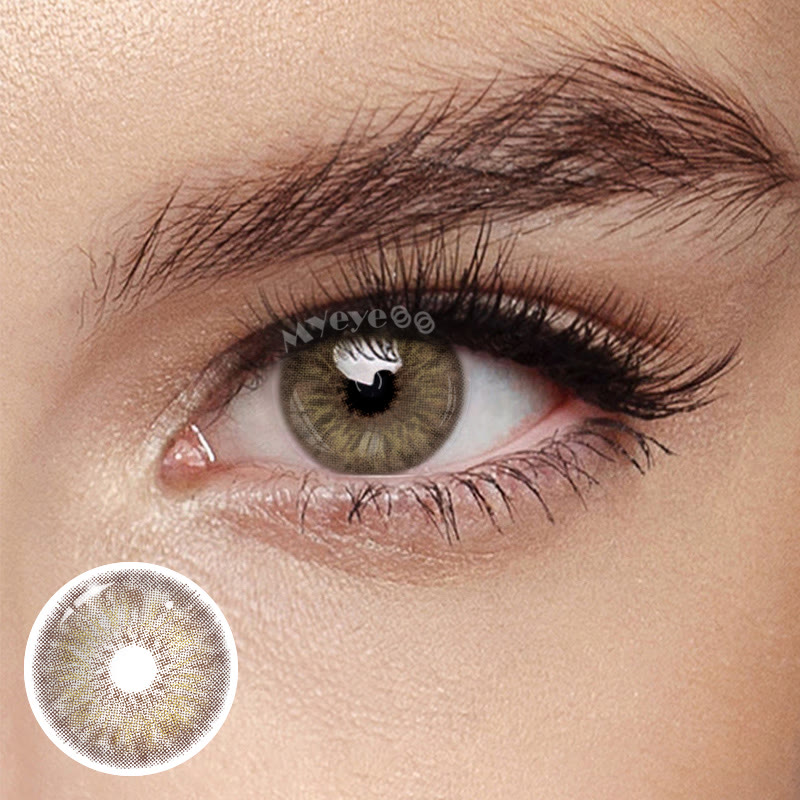
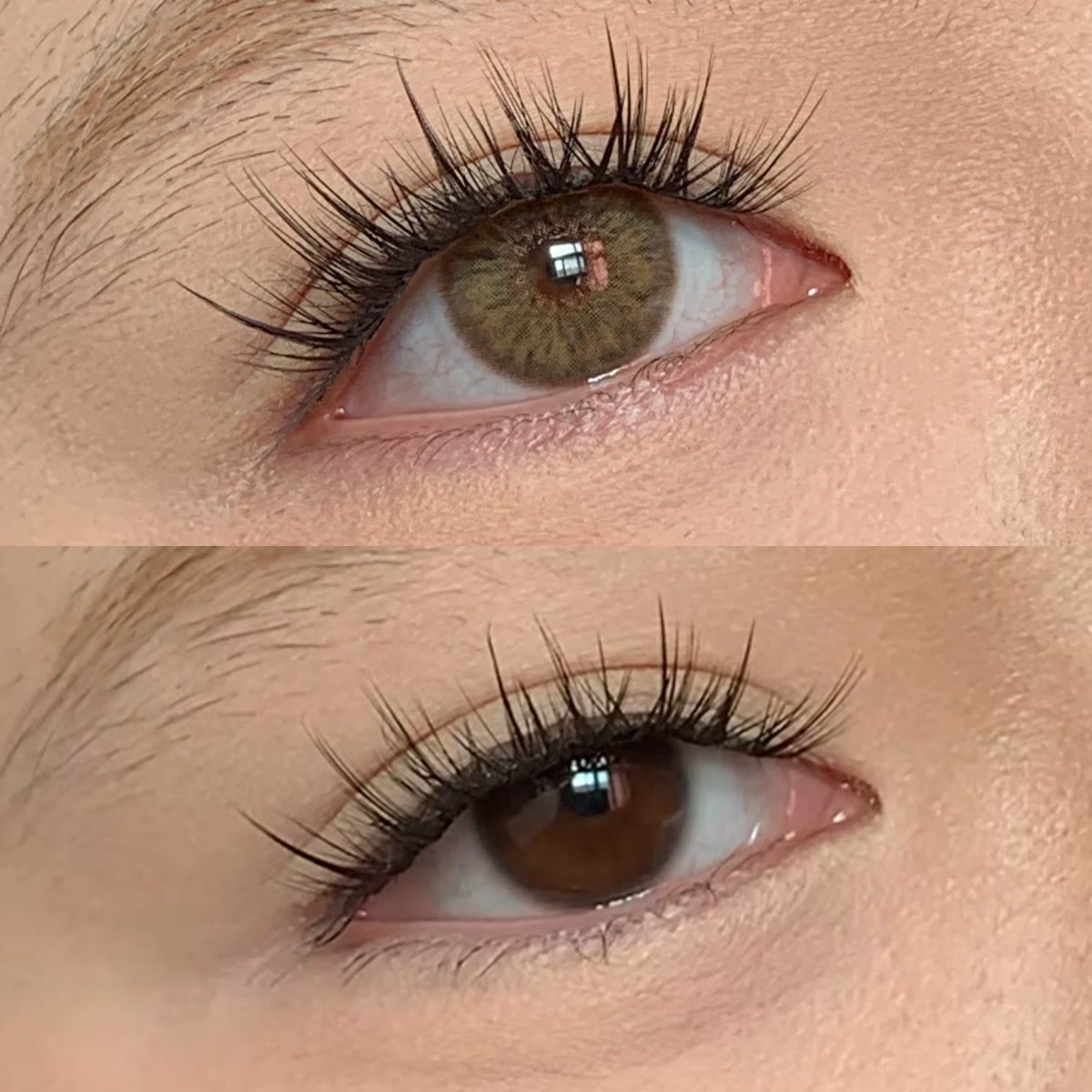
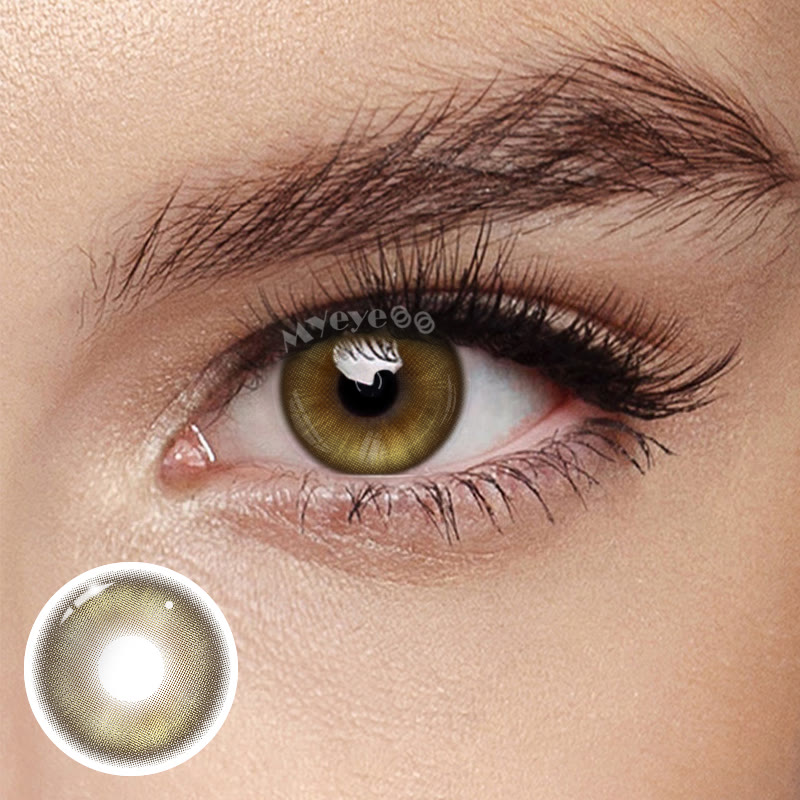
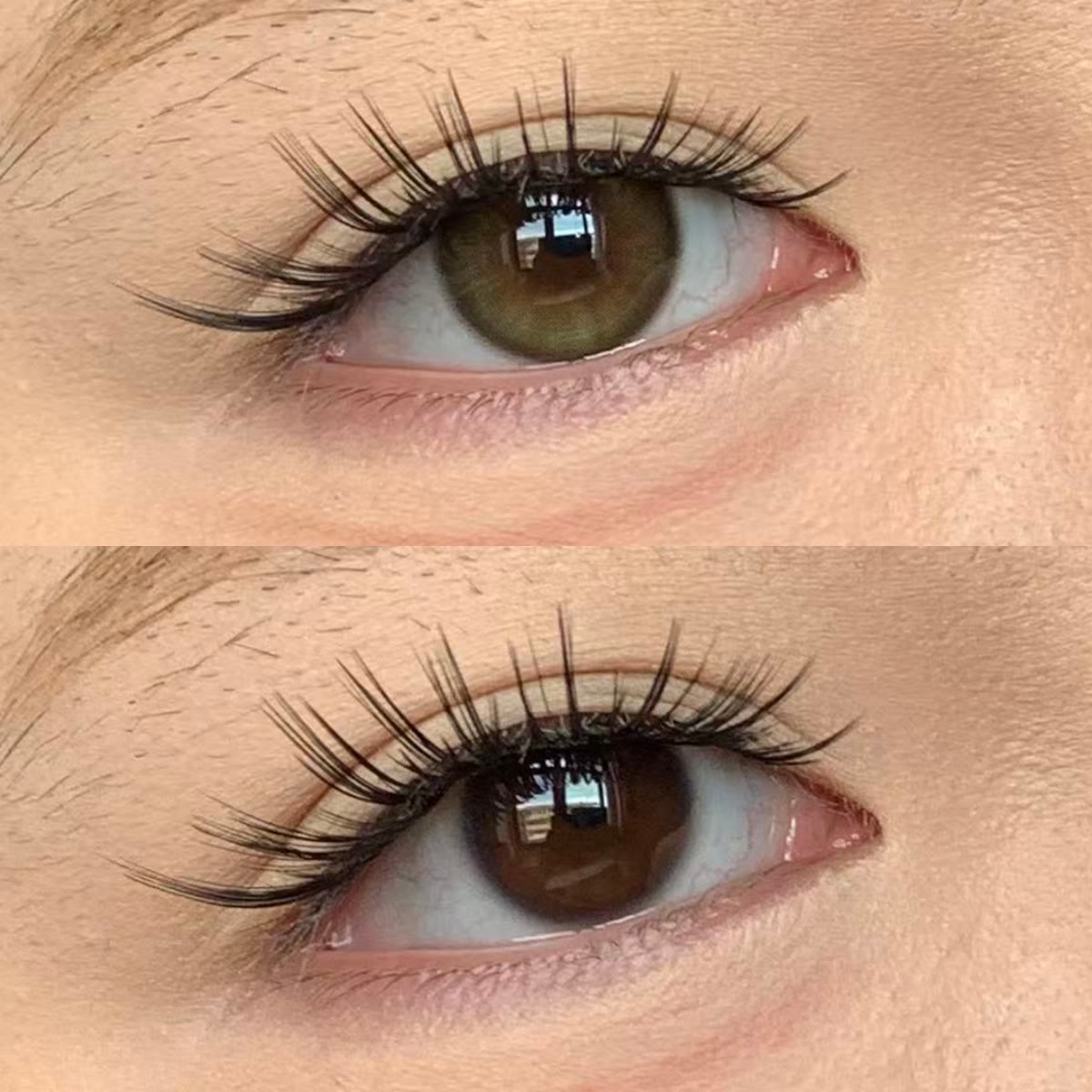
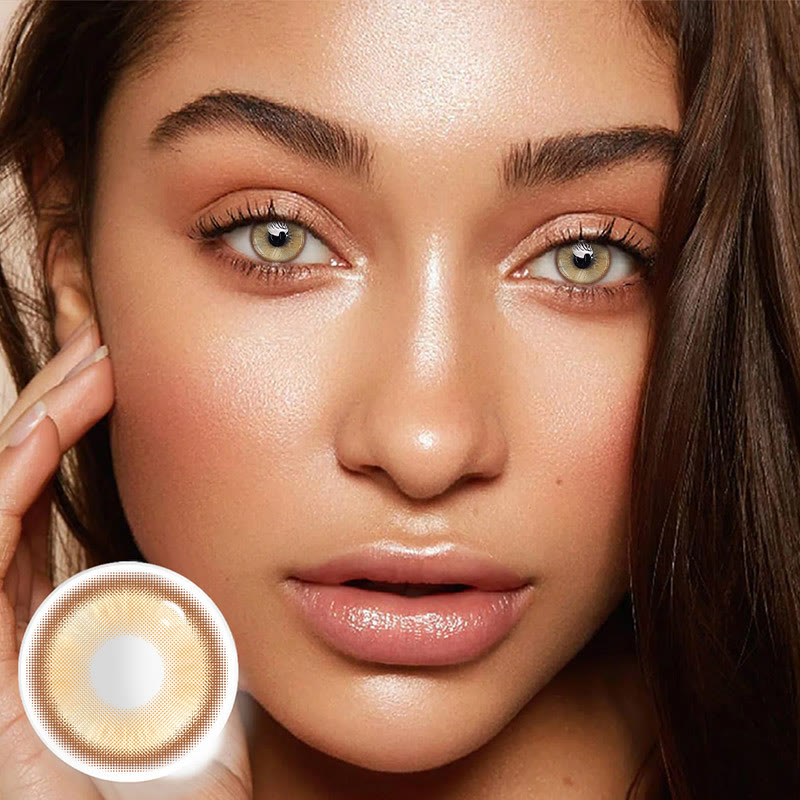
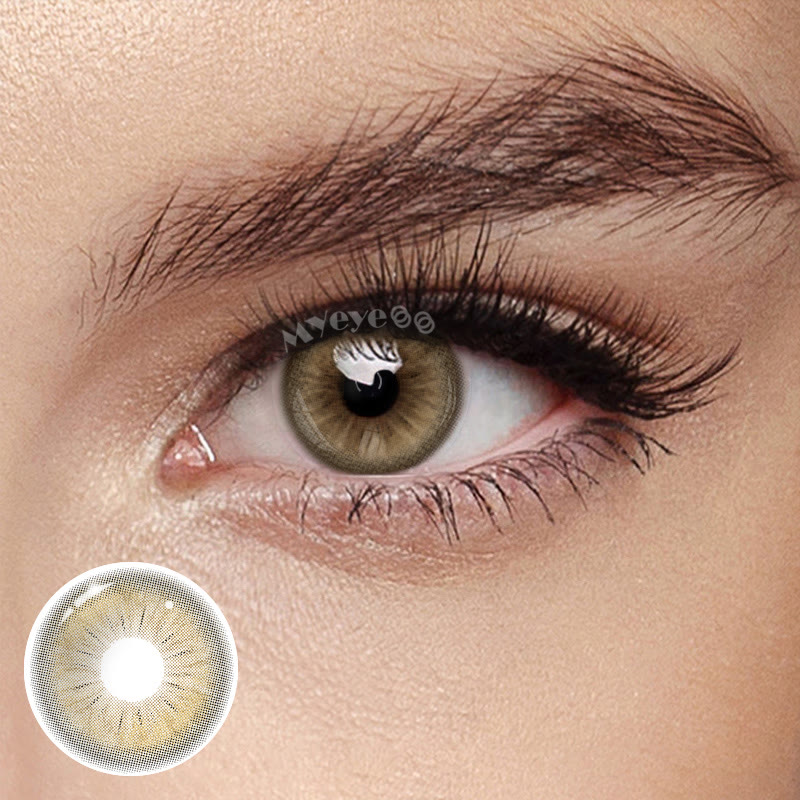
Brown colored contact lenses are cosmetic lenses designed to change or boost your natural eye color to various brown shades, including hazel, chocolate, amber, honey, and caramel tones. You can wear them with or without vision correction, and they're suitable for anyone whatever their starting eye color.
These lenses work through designed color patterns that mimic the natural appearance of an iris. Most cosmetic contact lenses use tiny dots, lines, and flecks to copy the look of a real iris, with designs ranging from single subtle colors to combinations of two or more shades.
Natural Eye Color Enhancement vs Full Transformation
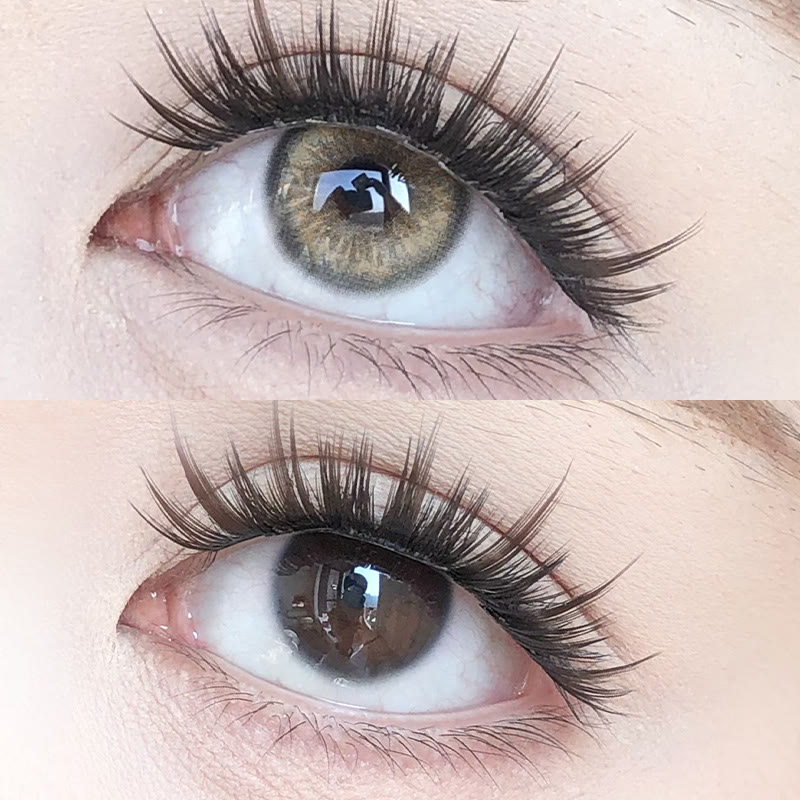
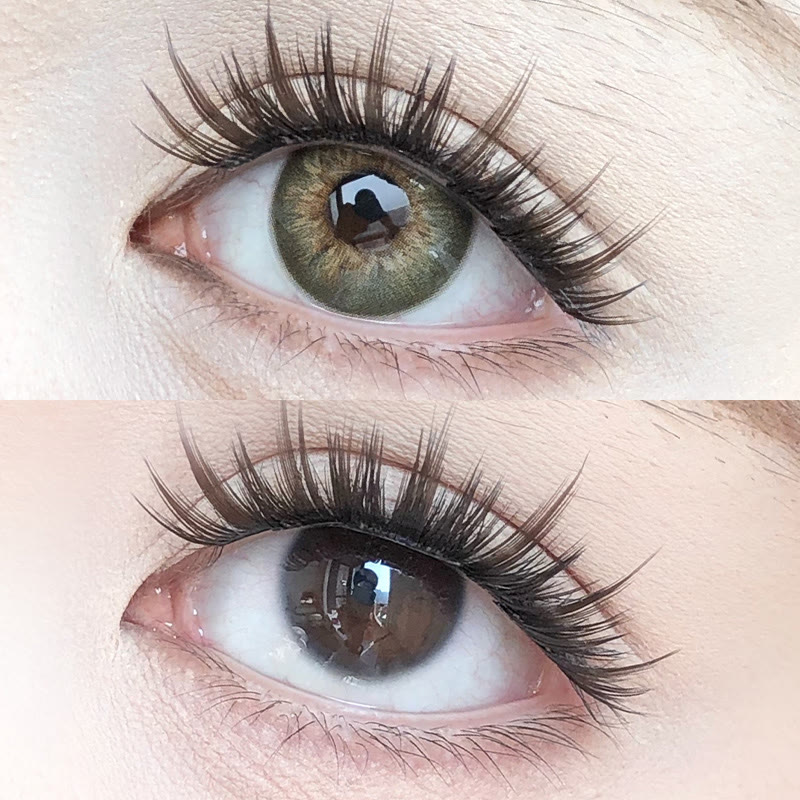
The level of change you get depends on which type of lens you choose. Enhancement tints are translucent or semi-translucent, meaning they're see-through but dark enough to create a noticeable difference. Your natural iris remains visible underneath, so these lenses complement and enliven your existing eye color rather than replacing it.
Enhancement tints work better on lighter eye colors because of their translucent nature. Light brown eyes can appear more noticeable with these lenses, making your eyes look warmer, brighter, greener, or more golden while keeping the original brown tone visible. But the move becomes more subtle with medium brown eyes, and enhancement tints can be much less visible with dark brown eyes since the translucent color doesn't mask the darker iris underneath.
Opaque tints take a different approach. They cover your natural eye color using denser, non-transparent pigmentation. This makes them work well for both lighter and darker eyes, giving you a new eye color rather than an enhancement. Brown eyes get pigmented layers that mask your natural color, allowing vibrant new shades to show through.
Opaque vs Semi-Transparent Brown Lenses
Brown eyes contain higher amounts of melanin, making color changes more challenging compared to lighter-colored eyes. So opaque or semi-opaque contacts perform best for dark eyes, especially when you want to switch to a different eye color.
Opaque lenses feature higher pigmentation with more colored pixels per unit surface area. Unlike enhancement tints designed for lighter eyes, these opaque designs can override deep melanin, ensuring the brown tone appears clear, vibrant, and true to color. Lenses with high opacity and rich, concentrated pigments become necessary when you're aiming to lighten deep brown or black eyes.
Blending tints offer a middle ground between the two extremes. These are tinted on a gradient from opaque around the outside to more translucent around the pupil. They create a bolder effect than enhancement tints while maintaining a natural appearance.
Semi-translucent patterns with 2-3 tone blends work well for those wanting to warm up light irises. These move your hue toward honey, amber, or cocoa without masking your base color, perfect for adding richness while keeping things natural.
Available Lens Types and Durations
Brown contact lenses come in multiple replacement cycles to match different wearing patterns:
- Daily disposable lenses: Worn once and discarded after single use. These offer convenience for special occasions or if you prefer switching colors
- Monthly lenses: Can be reworn multiple times within a 30-day period when cleaned and stored. They're thinner and more breathable, suitable for seasonal looks or trying new colors
- Quarterly lenses: Last up to 90 days with proper care
- Yearly lenses: Designed for long-term use through dozens of wears. Perfect if you've found a favorite shade and want to wear it often
Brown lenses are available in various pattern designs. Single-tone brown contacts provide solid color with some variation to imitate a natural iris. Two-tone lenses feature a dark limbal ring on the outer edge, creating contrast that boosts the natural look. Tri-tone lenses include shading toward the pupil plus the darker limbal ring, offering the most color variation to bring out all the colors in a natural iris.
Circle lenses represent another category, featuring a wider tinted area and enhanced limbal ring that gives eyes a bigger, more defined appearance. This creates the popular 'doll-eye' effect, whereas regular colored lenses focus on changing eye color without enlarging the eye.
All brown lenses are available with or without prescription, and some manufacturers offer toric lenses designed for astigmatism correction.
Brown Contact Lens Shades and Tones
The spectrum of brown contact lenses spans from barely-there honey tones to rich chocolate hues. You get extensive options whatever you want—subtle boost or noticeable transformation. Understanding the differences between shade categories helps you select lenses that match your goals.
Light Brown and Honey Contact Lenses
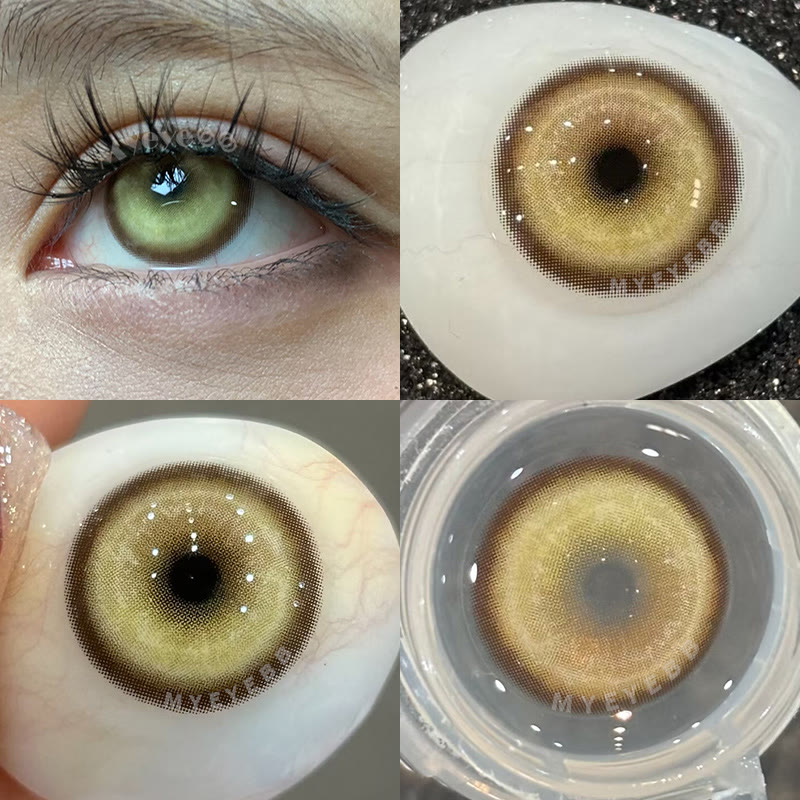
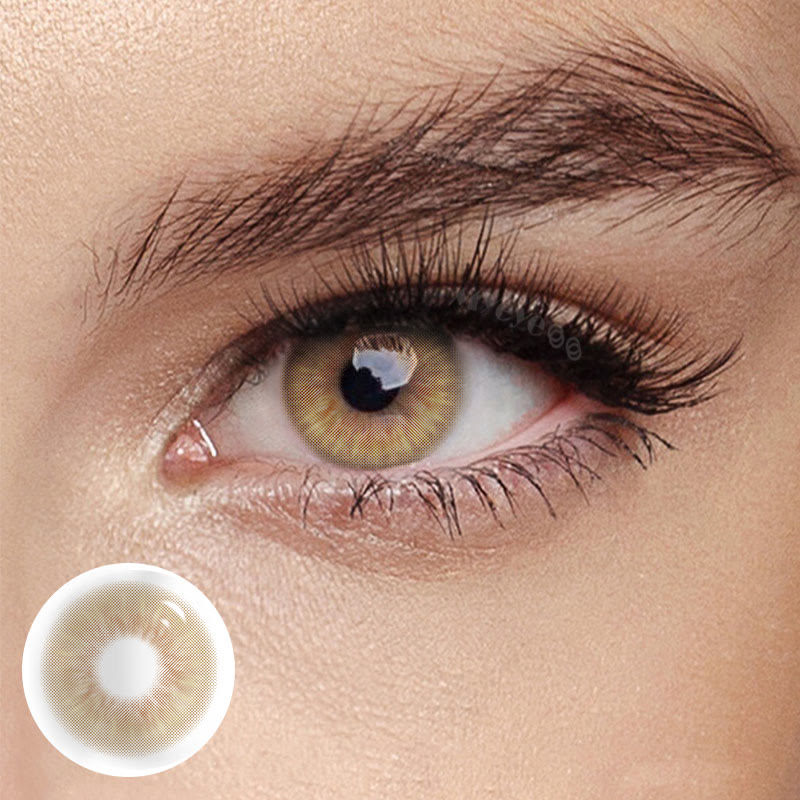
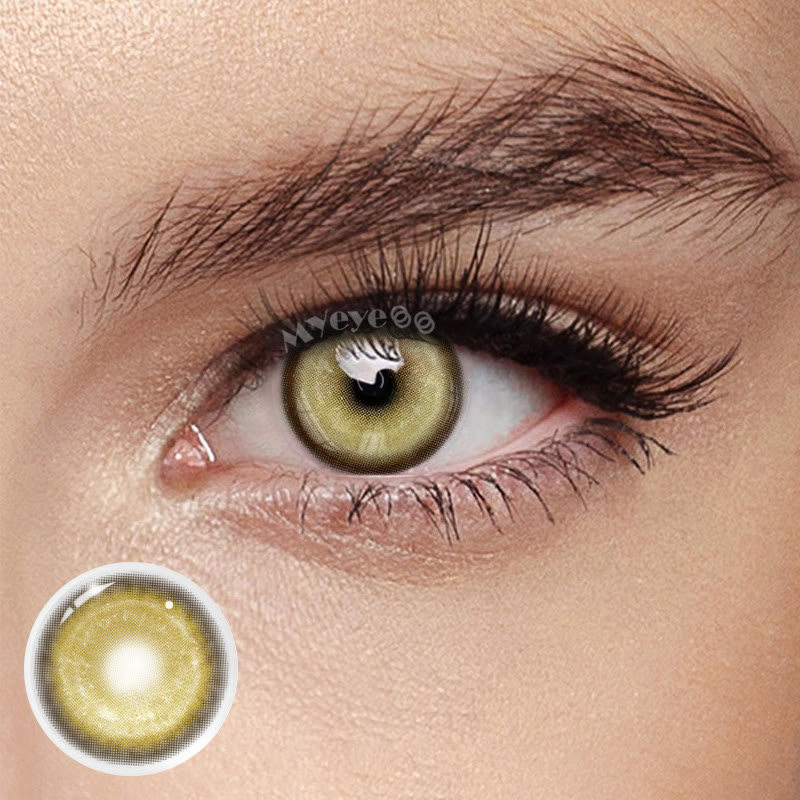
Light brown contact lenses add a soft glow to your eyes and create a warm appearance ideal for brightening without dramatic effect. Honey colored contacts sit between light brown and hazel on the color scale. They feature warm golden-brown tones with a yellow-gold core and browner outer ring. These read lighter than chocolate brown and warmer than hazel, which carries green or olive notes that honey does not.
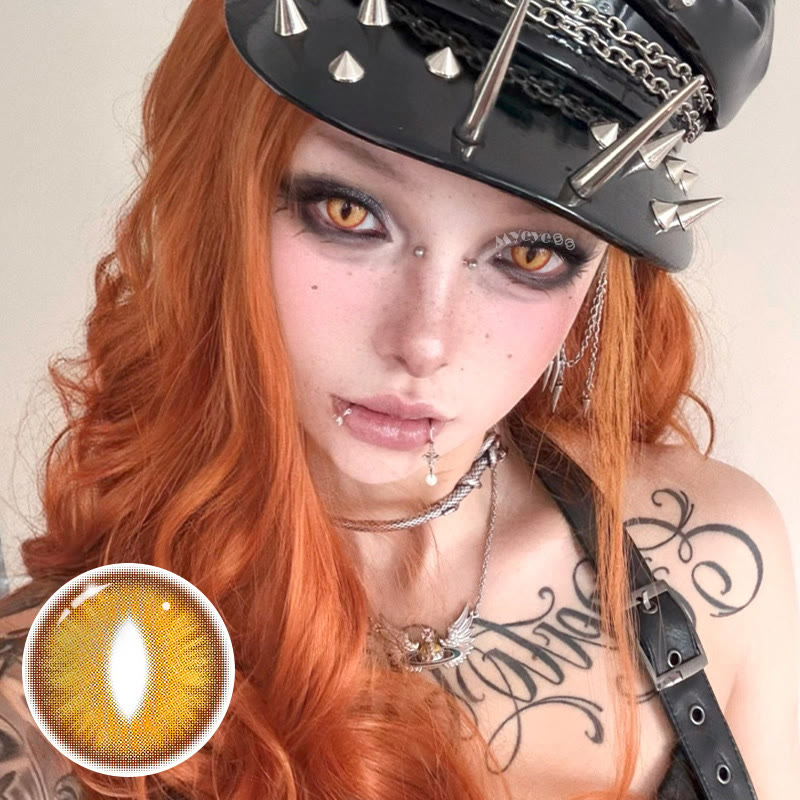
Honey lenses can brighten your iris while keeping some natural brown depth on darker eyes. On lighter eyes they appear more golden and noticeable, especially when you have sunlight. Your natural iris color, makeup, and lighting determine the final look. It can appear as caramel, light brown, amber, or sunlit. Popular options include Piccolo Brown, a one-tone color lens in a warm shade of light brown. Foxy Brown features a warm, golden-brown hue with a touch of amber that complements a range of skin tones, especially those with warm undertones.
Medium Brown and Hazel Shades
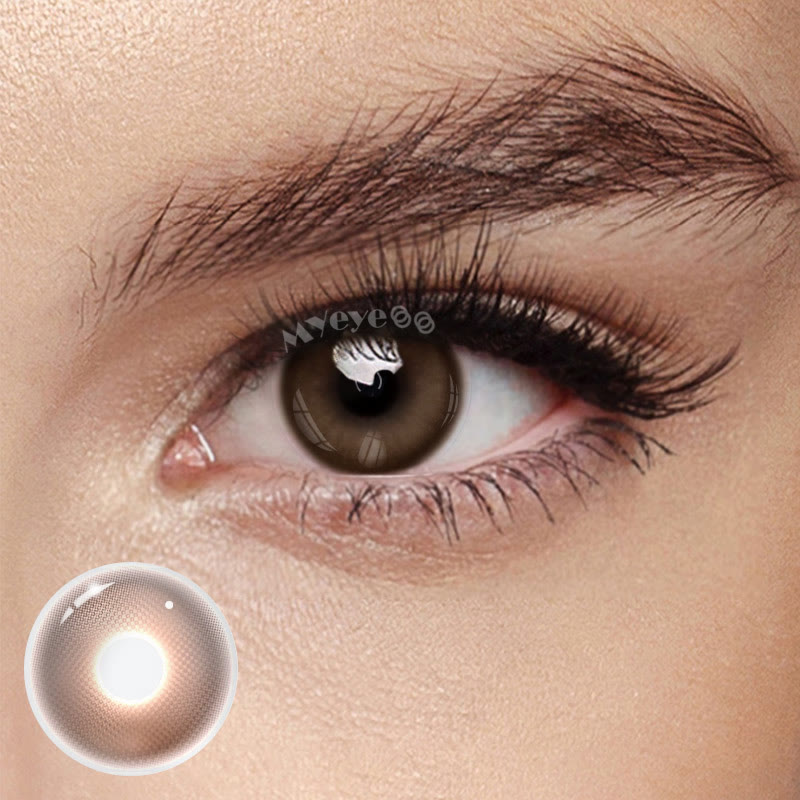
Medium brown lenses offer balanced and natural boost that blends with most eye colors. Caramel brown tones fall into this category. These create a smooth and polished look suitable for both casual and dressed-up styles. Manhattan Brown delivers one-tone color with medium brown tones and hints of caramel and toffee. Sunset Brown merges a light brown caramel base with a hazel inner tone and dark limbal ring in a three-tone design.
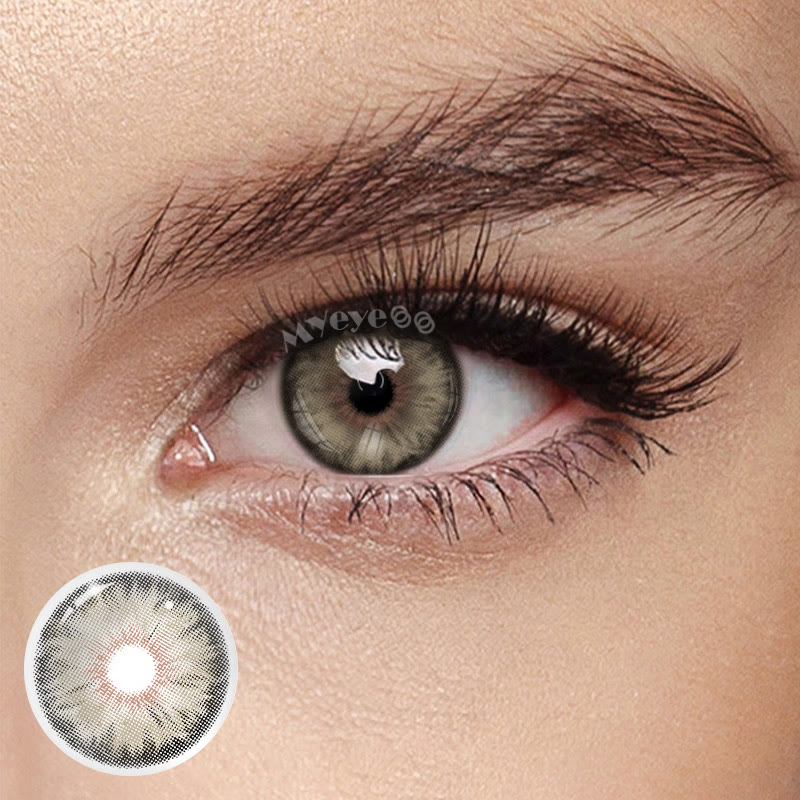
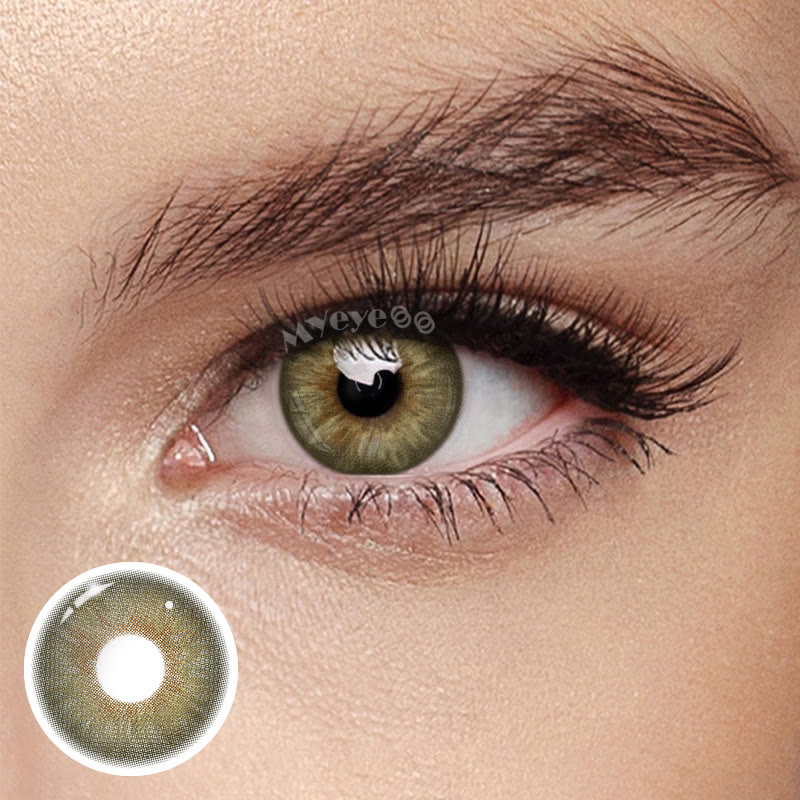
Hazel lenses feature a mix of golden, green, and brown tones. Your eyes get a multi-dimensional sparkle that shifts depending on lighting. These work well on brown skin. They blend golden amber and soft green with warm brown into a multi-tonal pattern that catches light against deeper complexions. Nirvana Brown offers a two-tone hazel color lens with cool brown base and no limbal ring. Twilight Brown blends brown and amber tones seen in those final moments before the sun disappears behind the horizon.
Dark Brown and Chocolate Tones
Dark brown or deep chocolate brown contacts bring depth and intensity. Your eyes appear more defined. These work as a richer, more striking version of your natural eye color while keeping the look grounded and wearable. Chocolate contacts are designed to give dark-eyed wearers the most natural enlarging effect. Darker, opaque shades create an earthy look.
Celestial Brown provides a deep, warm brown with rich cinnamon and mocha undertones. Serenity Brown features a medium brown base with golden undertones in a two-tone design. Specific quarterly lenses can add depth and extra sparkle to darken light brown eyes.
Warm vs Cool Brown Undertones
Warm skin tones with golden, peachy, or yellowish undertones pair with brown contacts in shades of chocolate, caramel, and honey. These create a natural look that coordinates well because they echo the warmth already present in your skin. Honey contacts offer a soft, golden glow that boosts skin warmth.
Cool undertones with red, blue, or pink bases work differently with brown lenses. You have warm undertones if your veins appear greenish in natural light. Blue or purple veins indicate cool-toned skin. Warm undertones coordinate with hazel, olive, honey brown, and amber lenses. They create a cohesive, sun-kissed appearance.
Choosing Brown Contact Lenses for Your Natural Eye Color
Your natural eye color determines which brown contact lenses will work best and how much opacity you need for visible results. Brown eyes belong to more than half of the global population. Melanin concentration varies from deep, almost black hues to lighter tones that verge on hazel. This diversity means your specific starting shade influences lens selection.
Best Brown Lenses for Dark Brown Eyes
Dark brown eyes contain more pigment, so choosing colored contacts with sufficient opacity is essential if you want a visible change. Low-opacity lenses may blend into your natural iris and produce only a subtle difference, while more opaque designs can create a more noticeable transformation.
For a natural-looking enhancement, consider warm shades such as caramel, honey brown, or chestnut. These colors add warmth and dimension without making your eyes look dramatically different. If you prefer a deeper appearance, chocolate brown and espresso shades can enrich your natural eye color while maintaining a cohesive look.
For a lighter transformation, golden brown and amber lenses can help dark brown eyes appear brighter. Hazel-brown shades are another option, introducing subtle golden or green undertones for a multidimensional finish.
When choosing brown contacts for very dark eyes, look for designs that combine adequate color coverage with a blended outer ring and natural-looking iris details. These features can help create a softer transition between the lens color and your natural eye appearance.
Brown Contacts for Light or Blue Eyes
Light brown contacts such as hazel and honey add warmth to cool blue eyes. Darker shades like chocolate bring total eye color transformation. Both enhancement-tinted and opaque lenses work well if you have light blue eyes. Lighter shades of brown contact lenses with opaque tint brighten and transform eye color for dark blue eyes.
Most brown contact lenses feature a visible pupil opening that lets your natural eye color show through the center. This creates an artificial look on light eyes. No-pupil-hole designs provide natural brown coverage without the center hole and make the result remarkably authentic for blue-eyed wearers. These specialized lenses are handcrafted with a unique tinting process that blends with your natural eye color, especially when you have light eyes. The view through the lenses can be somewhat dimmer compared to regular lenses without a pupil opening, but visibility remains adequate.
Hazel Contact Lenses for Brown Eyes
Hazel lenses offer brown-eyed wearers a multi-dimensional sparkle through their mix of golden, green and brown tones. Hazel and honey contacts provide a beautiful middle ground for those seeking subtle transformation rather than dramatic change. These warm-toned lenses lighten dark brown eyes without looking artificial. They work perfect for everyday wear when you want noticeable but not overpowering change.
Coverage and Opacity Considerations
Opacity becomes your biggest consideration when choosing colored contacts for dark eyes. Look for opaque or semi-opaque lenses with more colored pixels per surface area lest the color disappears over your dark iris. These lenses feature non-transparent pixels that cover and merge with your natural eye color to mask it.
Premium brands offer higher opacity for better coverage and more sophisticated color blending for natural transitions. Designs with a smaller optical zone stretch color closer to the center without affecting vision. Go for colors only a bit lighter than your natural eye color, like honey or hazel, for natural-looking change. Bright colors such as blue or gray work for dramatic transformation.
Brown Colored Contact Lenses with Prescription
Wearing brown colored contact lenses with vision correction requires understanding prescription regulations and available options. FDA regulations mandate that all contact lenses sold in the United States require a valid prescription from an eye care professional, whatever your vision correction needs.
Prescription Power Options Available
You need a contact lens prescription even if you have perfect vision and only want brown contact lenses for cosmetic purposes. Your eye care professional will measure your eye's curvature and size to ensure proper fit and prevent discomfort, injuries or infections. Your doctor will prescribe plano lenses for cosmetic-only use. These lenses have no corrective power but match your eye's specific measurements.
Most brown lens brands offer a wide range of corrective powers if you already wear contact lenses for myopia or hyperopia. Prescription colored contacts are available in corrective powers that accommodate nearly all levels of refractive errors. The highest values extend to -12.00 diopters for myopia and +8.00 diopters for hyperopia. Some manufacturers offer brown contact lenses with prescriptions for myopia from -0.50 to -10.00 diopters.
You can enter your prescription details including power, base curve and diameter when you order, just as you would with clear lenses. The corrective aspect of these lenses refracts light onto the retina and compensates for refractive errors such as myopia and hyperopia.
Ordering Process for Prescription Brown Lenses
Submit your valid prescription from your optometrist to order prescription brown contact lenses. The retailer will ensure your brown colored contact lenses match your vision requirements. Use your contact lens prescription, not the numbers on your eyeglasses prescription. The two documents serve different products and should not be treated as interchangeable.
Many people have different prescriptions in their two eyes. Some retailers sell each pair with the same power for both eyes and require you to order two boxes if you need different strengths. Other retailers allow you to select the exact power required for each individual eye during checkout. This enables you to save money by ordering exactly what you need.
Look for lenses approved by leading health authorities like the FDA and CE, with at least 38% water content to keep eyes hydrated throughout the day.
Toric Lenses for Astigmatism
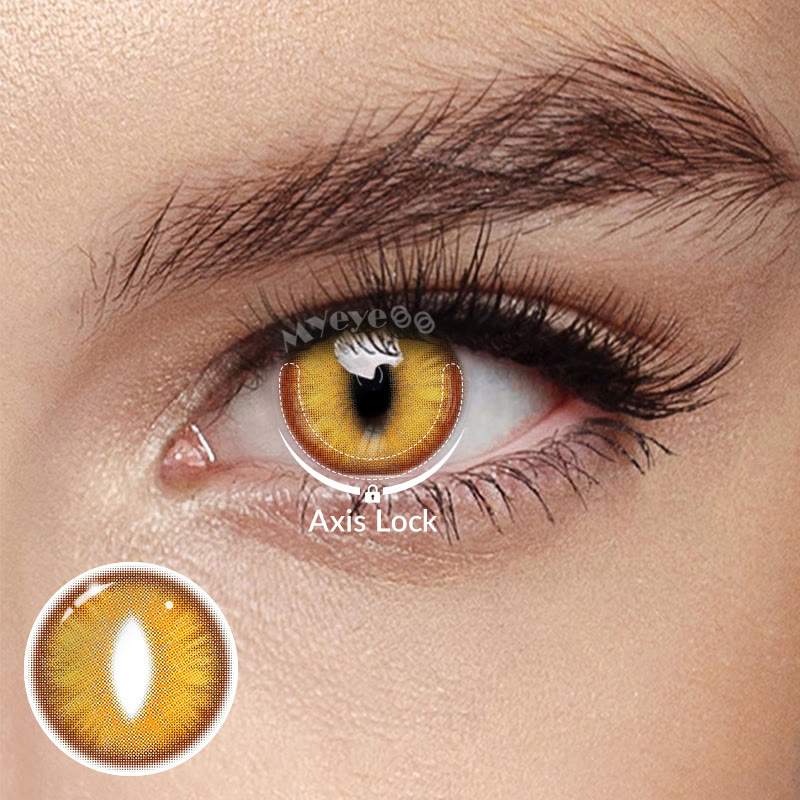
Astigmatism requires toric lenses to provide proper correction. A toric lens is shaped differently than standard spherical lenses and creates different refractive powers on the vertical and horizontal orientations to correct the irregular curvature of an astigmatic cornea.
Your doctor may prescribe a spherical colored lens for mild astigmatism if your vision remains acceptable. Standard colored contacts may not provide clear vision for moderate to high astigmatism.
Some specialty manufacturers offer custom toric colored lenses, but these require specific fitting and are more expensive. A few brands provide brown toric lenses in selected shades and parameters, with precision engineering to ensure stable positioning and accurate vision correction. Always discuss options with your eye care provider about appropriate solutions for your prescription.
How to Choose the Right Brown Contact Lens
Selecting the right brown colored contact lenses involves more than picking a shade you find attractive. Your skin tone, intended use, and desired effect all influence which lenses deliver the most flattering results.
Matching Your Skin Tone
Skin undertones play the most important role in choosing lens color. Warm undertones pair well with honey, caramel, or chestnut browns. These warm-toned lenses complement golden or peachy undertones naturally. Amber, honey, light brown, and hazel create harmonious looks if you have warm skin.
Cool undertones look better with ash brown or chocolate tones. Cool skin with blue, purple, or gray undertones benefits from these cooler brown shades. Neutral skin tones offer the most flexibility. Most brown contact lens colors work well. Hair color influences the final appearance too. Lighter hair like blonde or highlighted styles pairs well with lighter brown shades or hazel lenses. Darker hair colors such as black or auburn work beautifully with deeper brown lenses or gray-brown shades.
Daily Wear vs Special Occasions
Subtlety becomes key in daily activities or professional environments. Choose a brown shade close to your natural eye color. Medium brown shades like chestnut or coffee offer a polished look that appears natural under office lighting. Light honey or amber brown brightens your face when running errands or casual outings. It adds sparkle perfect for daytime wear in natural light.
Evening wear calls for darker browns. Espresso or rich chocolate brown lenses add depth and mystery. They make your eyes the focal point when paired with smoky eye makeup. Warm caramel or deep mahogany brown provides elegance at formal events that complements formal attire beautifully.
Circle Lenses and Enlargement Effects
Circle lenses feature a wider tinted area and improved limbal ring that gives eyes a bigger appearance. The natural iris diameter ranges between 13.8mm and 14.2mm. Choosing a lens close to this size prevents the exaggerated "doll eye" effect. Oversized lenses can look less natural. Circle lenses create several visual improvements that draw attention upward and create a youthful look.
Limbal Ring Definition Options
The limbal ring is the darker border around the iris that gives definition and contrast. Lenses without limbal rings give the most natural effect. Slight limbal ring lenses feature a darker ring around the iris and offer a refined look. Strong limbal ring contacts have a more defined dark ring that improves eye color for a bold appearance. Contrasting limbal ring lenses feature an outer ring in a contrasted color to the iris for added mystery.
Natural Enhancement vs Dramatic Change
Enhancement lenses brighten or deepen your natural eye color. Transformative lenses change the eye color more dramatically. Many users choose natural brown colored contacts for everyday enhancement because the effect remains believable. Soft brown tones work well for daily wear. Richer browns with stronger limbal rings suit photography, events, or fashion styling.
Wearing and Caring for Brown Contact Lenses
Proper care routines protect your eye health and extend the life of your brown colored contact lenses. Follow the manufacturer's instructions and your eye care provider's guidance for safe, comfortable wear.
Safe Wear Duration Guidelines
You should wear colored contacts for 8-12 hours maximum each day. Eye doctors recommend you limit daily wear to 8-10 hours and never exceed 10-12 hours. Give your eyes regular breaks. Remove lenses for a few hours daily, plus one complete contact-free day weekly. Never sleep in your lenses unless your doctor prescribes them for overnight wear. Daily disposable brown contacts must be discarded after 8-16 hours of single use.
Cleaning and Storage Requirements
You need to clean reusable lenses with the rub and rinse method using multipurpose solution. Rub each lens for 15-20 seconds per side and rinse with fresh solution. Store lenses in fresh solution for at least 4-6 hours. Never reuse or top off old solution[282]. Rinse your lens case with fresh solution (never water) and air-dry it upside down on a clean tissue. Replace the case every three months.
When to Replace Your Lenses
Follow replacement schedules without exception. Daily lenses get discarded after single use. Monthly lenses must be replaced 30 days after opening. Never wear lenses stored for 30 days or longer without re-disinfecting them.
Eye Health and Safety Tips
Wash your hands with soap and water before you handle lenses. Avoid all water contact including showers, pools and hot tubs. Remove lenses if you experience redness, pain, discharge or vision changes, then contact your eye doctor.
Conclusion
Brown contact lenses are versatile. They can enhance your look subtly or transform it completely. This depends on opacity, undertones and your natural eye color. You might choose honey tones to add warmth or chocolate shades to add depth. The right pair depends on your starting eye color and skin undertones.
Note that eye health should be your priority. Follow safe wear guidelines and proper cleaning routines. Daily disposables work well to wear occasionally. Monthly or yearly options suit regular users who have found their ideal shade.
Take time to research different brands. Consult your eye care professional before you make a purchase. The right brown lenses can enhance your natural features when you choose them with care.