
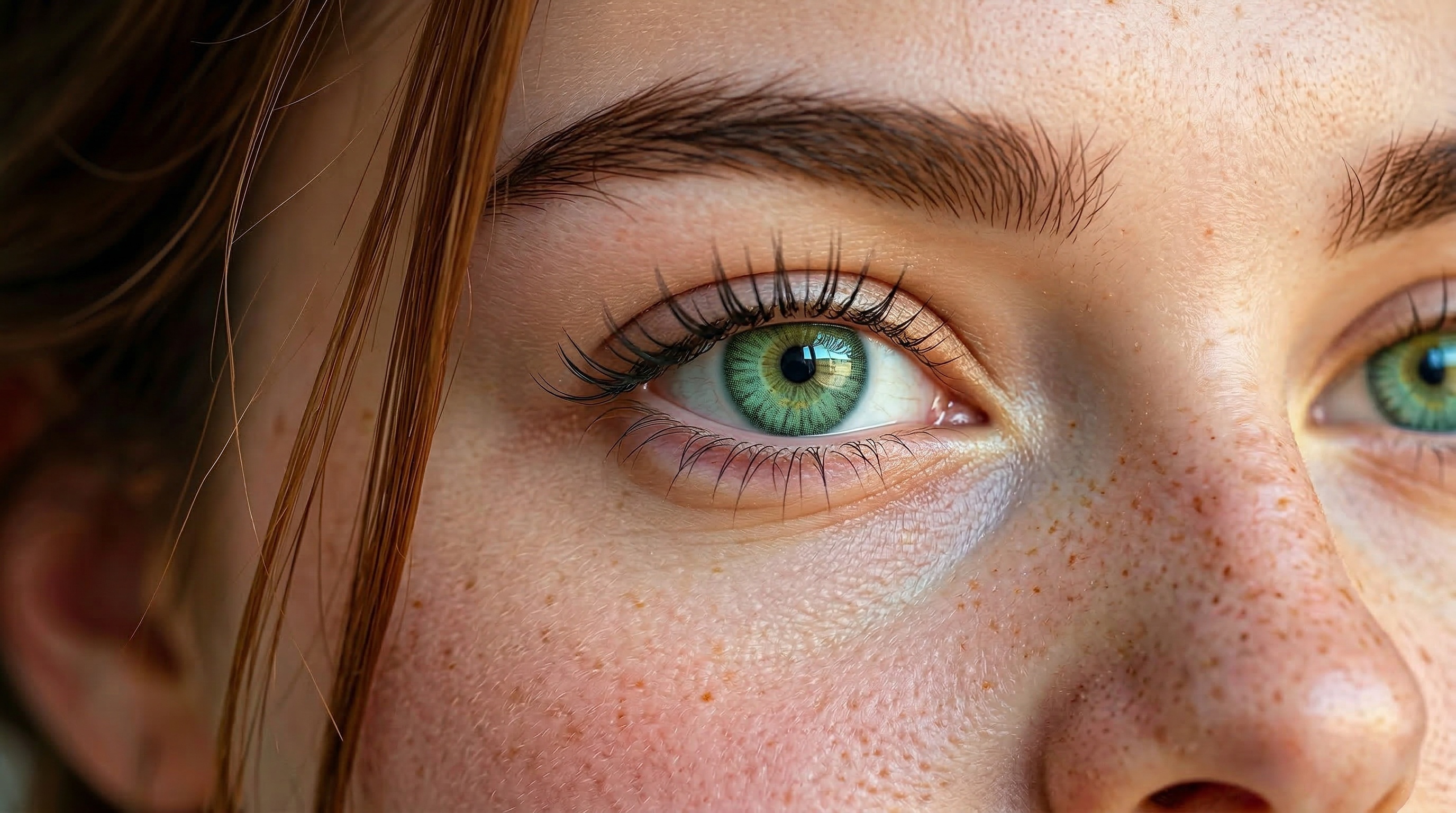
What Are Petite Iris Gray Green Contacts
Petite iris gray green contacts belong to a specialized category of small pupil colored contacts designed to copy natural iris patterns with precision. Standard colored contact lenses are different because these feature a reduced graphic diameter that creates a more authentic appearance by mimicking the actual size and color distribution of human irises. The gray-green blend offers a unique color variation that combines cool gray tones with subtle green undertones.
Understanding Small Pupil Colored Contacts
The term "small pupil" refers to the graphic diameter of the lens. This determines how much colored coverage appears on your eye. Colored contacts range from 13mm to 15mm in graphic diameter. Petite iris designs fall on the smaller end of this spectrum. This smaller graphic diameter means the colored portion covers less of your eye's surface and creates a smooth blend with your natural iris rather than an obvious enlargement effect.
The design leaves a clear central zone that arranges with your pupil. This will give unobstructed vision while the colored portion remains visible around it. Small pupil eye contacts work by allowing more of your natural eye structure to show through at the edges. This adds depth and dimension. Circle lenses or larger graphic diameter contacts that want to make eyes appear bigger are different.
The Unique Appeal of Gray-Green Lens Color
Gray-green contacts deliver a sophisticated color that works in different lighting conditions. The combination creates depth that appears natural because it mimics color variations found in real human irises. Green colored contact lenses with gray undertones can transform even the darkest eyes into a lighter shade without looking artificial.
This color proves effective for brown eyes because the opacity provides complete coverage. The multi-tonal effect prevents a flat, unnatural appearance. The tinting technology used in these lenses allows the gray-green hue to show vividly on dark eyes while it maintains realistic texture and pattern. The green eye contacts add an improved vibrancy that intensifies natural coloring for those with lighter eyes.
Key Design Features of Petite Iris Contacts
Petite iris gray green contacts incorporate several technical specifications that prioritize both comfort and natural esthetics:
- 40% water content maintains moisture throughout wear and suits people with dry eyes
- HEMA material provides a soft, comfortable fit that adapts to your eye's surface
- 3-layer construction process keeps the colorant from touching your eyeball and reduces irritation risk
- Aspherical design with BC 8.5-8.6 fits most eye shapes without excessive shifting
- FDA, CE, and ISO certifications verify safety standards and quality control
- Prescription availability from 0.00 to -8.00 accommodates both plano and corrective vision needs
The iris-inspired patterns copy the natural radial lines and color variations found in real eyes. This moves away from the fake appearance of older colored contact designs. These green prescription contacts correct vision while changing eye color at the same time and eliminate the need for separate cosmetic and corrective lenses. The aspherical design keeps the lens centered on your eye and prevents the colored portion from drifting over your pupil during normal eye movement.
Choosing the Right Gray Green Contacts for Your Eye Color
Your natural eye color dictates which shade of petite iris gray green contacts will deliver the most convincing results. The pigmentation in your iris affects how green lens tones appear and whether you need higher opacity for visible color change.
Green Eye Contacts for Brown Eyes
Brown eyes provide the perfect canvas for green eye contacts for brown eyes because the natural pigmentation creates depth and dimension. Green complements brown undertones, producing a striking yet natural-looking effect. The contrast creates results that appear larger and more vibrant without seeming artificial.
Brown eyes absorb pigment differently than lighter eye colors. Green tones settle into the iris instead of sitting on top of it. Light changes throughout the day, and the green may appear brighter, deeper, or warmer. This creates movement and depth that feels organic.
Light brown eyes respond to lighter, more vibrant greens that show up without overwhelming your natural color. Medium brown eyes offer the most flexibility and work with everything from dramatic emerald shades to sophisticated gray-green blends. Dark brown eyes require bolder shades with higher opacity to ensure the color change remains visible against your natural pigmentation.
Warm skin undertones pair well with olive greens and create a cohesive look. Softer greens blend gently with brown eyes for refined changes rather than dramatic ones, allowing natural warmth to remain visible. Jade and gray-green tones sit between natural and bold. They add clarity and brightness while maintaining balance. These photograph well and pair naturally with both minimal and stylized makeup. Emerald and vivid green shades contrast sharply with brown eyes for eye-catching effects when subtlety isn't your goal. They're ideal for fashion styling and themed events.
Light Green Eye Contacts for Light Eyes
Light eyes need vibrant coverage to achieve true green transformation. Enhancement styles may blend too naturally with your existing color and make the change less noticeable. Opaque lenses with jewel-toned pigmentation provide the coverage needed for light brown, hazel, or amber eyes to move convincingly toward green.
Green Contacts for Blue Eyes
Green colored contact lenses create one of the most natural-looking transformations for blue eyes. The colors sit close enough on the spectrum that changes appear subtle yet noticeable. Green and blue share cool undertones and make transitions appear natural. Green lenses add mysterious depth to blue eyes without looking artificial.
Enhancement tints often work best for blue eyes. These translucent lenses blend with your natural color to create unique shades of green. This can produce mesmerizing teal or aquamarine effects. Avoid overly warm or yellowish-green lenses, as they may clash with the cool tones of blue eyes and look unnatural.
Natural Enhancement vs Bold Transformation
Natural lenses subtly improve your eye color rather than changing it completely. These work for professional environments and the no-makeup makeup esthetic. Soft green shades create refined, effortless looks that blend naturally.
Bold lenses change your eye color completely and give you striking, noticeable effects. These suit people who enjoy experimenting with different styles and want eyes to become the focal point. Think about your occasion when selecting intensity: natural shades for work settings, bold shades for events.
Important Safety and Comfort Considerations
Wearing petite iris gray green contacts requires attention to both visual comfort and eye health protocols. Small pupil colored contacts present unique considerations that differ from standard lens wear.
Vision Effects with Small Pupil Hole Contacts
Colored contacts with small pupil hole designs can cause vision distortion because the narrowed opening restricts light entry. The effect varies between people, but you may experience slightly blurred vision, especially in low-light conditions when your pupils dilate beyond the clear zone. The colored portion might cover your pupil if the lens shifts during wear and momentarily obstruct your vision.
This becomes important during activities that need clear, accurate vision. Driving and operating machinery demand extra caution when you wear contacts with small pupil hole designs. Small pupil eye contacts can blur vision around the edges because the colored section may move while you wear them. Lenses that don't fit right create more serious vision issues and might scratch your cornea, which can cause lasting damage.
Proper Hygiene Practices for Colored Contacts
Wash your hands really well with soap and water before handling green contact lenses. Dry them with a clean cloth before touching your lenses. This prevents transferring dirt and bacteria to your eyes.
Use fresh multipurpose solution each time you store your lenses. Never mix fresh solution with old or used solution in the case, as this reduces how well disinfection works. Rub and rinse your contact lens storage case with fresh solution and avoid any use of water. Empty all excess solution from the case and dry it with a fresh, clean tissue. Store the clean case upside down on a fresh tissue with the caps off after each use to prevent germ buildup.
Replace your contact lens case every three months to stop bacteria from growing. Keep green lens wearers away from all water, including swimming and showering, as exposure can damage the lenses and increase contamination risk. People who wear colored contacts are 16 times more likely to get keratitis than those who wear regular contacts. Bacterial infections can be very rapid and result in corneal ulcers that cause blindness sometimes within as little as 24 hours if not diagnosed and treated right away.
How to Adjust Your Wear Time
Research on soft contact adaptation suggests you can wear spherical hydrogels or silicone hydrogels for as long as you feel no discomfort, up to a clinician-set top hourly limit. A sensible approach instructs you to wear them for as long as you are comfortable up to a suggested maximum.
New users should start wearing contacts for 5-6 hours and slowly increase wear time as their eyes adjust. Eye doctors recommend wearing colored contacts for 8-10 hours each day and never exceeding 10-12 hours in one day. The recommended wear time for colored contacts is up to 10-12 hours a day, though this depends on how quickly your eyes get irritated or dry out. Allow your eyes to rest by going lens-free for a few hours each day, plus one whole day per week without contacts.
Comparing Petite Iris vs Regular Colored Contact Lenses
The differences between petite iris and standard colored contacts help you choose lenses that match your lifestyle needs and esthetic priorities.
Pupil Hole Size Differences
Small pupil colored contacts feature pupil diameters ranging from 4-6mm. This is much smaller than typical human pupils measuring 6-8mm. Regular colored contacts include larger pupil openings designed to accommodate natural pupil dilation without restricting vision. This size difference affects how much of your natural eye color remains visible through the clear center zone directly.
Your pupils expand in low light conditions and contract in bright environments. Regular contacts account for this variation with larger clear zones. Colored contacts with small pupil hole designs maintain their reduced opening whatever the lighting conditions. The narrower aperture allows greater color concentration and makes the hues more vibrant and eye-catching.
Visual Coverage and Natural Appearance
Petite iris designs cover more of your natural iris compared to standard options. They provide complete color transformation. The reduced pupil size creates a seamless blend between the colored portion and your natural eye color. This results in an exceptionally realistic appearance. These contacts enhance depth and dimension by imitating natural eye proportions and create a more captivating look.
Regular colored contacts with larger graphic diameters prioritize eye enlargement over natural blending. The petite iris approach mimics real human eyes more accurately and avoids the artificial appearance some wearers want to avoid.
Best Use Cases for Small Pupil Eye Contacts
Small pupil eye contacts excel when realistic color change matters more than dramatic eye enlargement. They suit professional environments where subtle enhancement looks more appropriate than bold transformation. These lenses work well for daytime activities and well-lit indoor settings. You should understand potential vision restrictions in dim lighting.
Regular colored contacts serve better for evening events, photography sessions, or situations demanding maximum vision clarity in all lighting conditions. Think over your typical environment when selecting between designs.
Styling and Maintenance Guide for Green Lens Wearers
Proper care extends the lifespan of your petite iris gray green contacts and protects eye health. Manufacturer guidelines for wear time and maintenance prevent complications when you follow them.
Daily Wear Time Recommendations
Eye care experts recommend wearing colored contacts for 8-10 hours daily. You should never exceed 10-12 hours in one day to stay safe. Daily disposables need removal after 10-12 hours, while monthly or yearly lenses work best up to 9 hours each day. Your eyes need regular breaks from contacts to stay healthy long-term. Yearly lenses might start showing wear around the 8th to 10th month even with proper care.
Cleaning and Storage Best Practices
Clean your hands with antibacterial soap before touching lenses. Place one lens in your palm and add a few drops of contact lens solution. Rub the lens in circles for about 20 seconds to remove protein deposits and debris. Never top off old solution with new because this increases infection risk. Empty the case fully, rinse with fresh solution, and add new solution each time. Replace your contact lens case every three months to stop bacterial growth.
Pairing Green Contact Lenses with Makeup
Green lenses pair well with golds and warm browns. These warm metallic shades complement the green tones and create cohesive looks for any occasion.
When to Replace Your Contacts
Replacement schedules vary by type: daily lenses last 1 day only, monthly up to 30 days, quarterly up to 3 months, and yearly up to 365 days. Dispose of damaged or torn lenses immediately, whatever their replacement schedule.
Conclusion
Petite iris gray green contacts give you a sophisticated, natural-looking eye color transformation that works well in a variety of natural eye shades. Mesmerizing gray-green eyes require you to balance esthetic goals with proper safety practices.
Choose lenses based on your natural eye color and wear them within recommended time limits. Follow hygiene protocols to protect your vision. The right shade selection combined with proper care habits means these small pupil contacts deliver stunning results without compromising eye health.
Start with shorter wear times and build tolerance. Always prioritize comfort over appearance. Your eyes will thank you for this approach.