
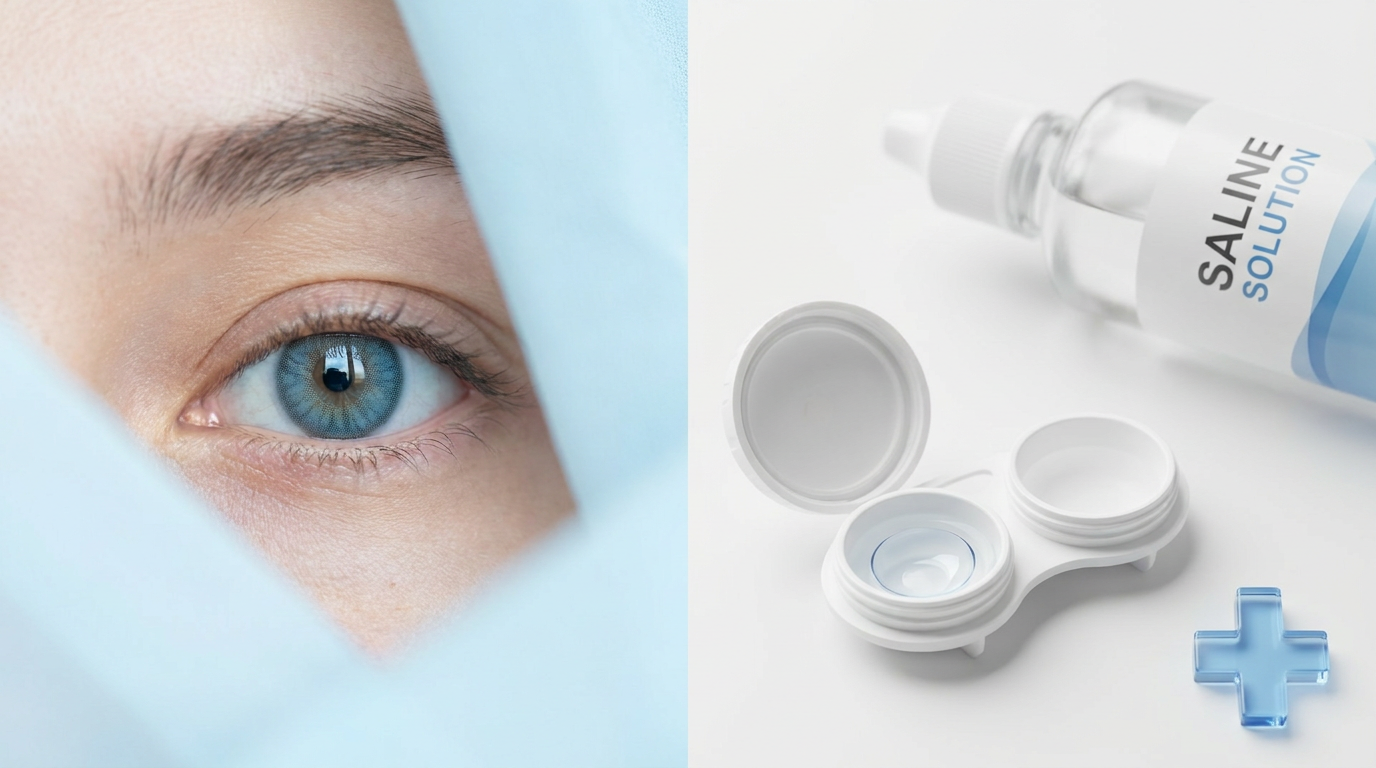
What is cosmetic contact lenses, and why do so many people misunderstand their true nature? These lenses are popular beauty products that change your eye color. They're medical devices that require the same care and attention as vision-correcting contacts. Whether you're thinking about plano cosmetic contacts or prescription cosmetic contacts, understanding the difference between contact lens for cosmetic purposes and standard lenses is vital to your eye health. This piece covers everything you need to know. It includes how to choose the right lenses and whether cosmetic contact lenses are safe for everyday wear.
What Are Cosmetic Contact Lenses and How Do They Work
Cosmetic contact lenses serve a specific purpose that goes beyond simple fashion accessories. These specialized lenses alter the color of your eyes for a while by using a tinted portion that covers your iris. The colored part changes or boosts your natural eye shade, and the very center of the lens stays transparent to allow your pupil to function.
What makes these lenses unique is their classification. The FDA regulates all contact lenses sold in the U.S. as medical devices, whatever their purpose in vision correction. This classification exists because contact lenses sit on your cornea and can affect eye health. Professional fitting is a must for safety.
Contact Lens for Cosmetic Purposes vs Vision Correction
The main difference between contact lens for cosmetic purposes and standard corrective lenses lies in their function. We use cosmetic contact lenses mainly to boost appearance rather than correct vision. Standard corrective lenses address refractive errors like myopia, hyperopia and astigmatism by adjusting how light enters your eye. Cosmetic lenses focus on changing how your iris appears to others.
But this doesn't mean you must choose between function and esthetics. Prescription colored contacts combine both purposes and allow you to correct vision issues while changing eye color at the same time. These dual-purpose lenses incorporate your specific prescription power to address vision problems like nearsightedness or farsightedness, and the colored portion transforms your eye appearance.
Plano Cosmetic Contacts vs Prescription Cosmetic Contacts
Plano cosmetic contacts contain zero corrective power, marked with a spherical power of 0.00 diopters. The term "plano" indicates these lenses serve esthetic purposes without altering your natural vision. People with perfect eyesight choose plano lenses to experiment with different eye colors for performances, photos or everyday style.
Prescription cosmetic contacts feature specific optical power based on your eye examination results. These lenses correct common vision conditions while providing color transformation. The key difference is functionality: plano maintains your existing vision, and prescription lenses improve it.
Both types require a valid prescription from an eye care professional despite this difference. This requirement will give proper fitting for your eye's base curve and diameter and prevent complications like corneal scratches or infections. Many people believe non-corrective lenses don't need prescriptions, but this misconception can lead to serious eye damage.
How Colored Contacts Change Your Eye Appearance
The color transformation happens through pigment placement within the lens material. The pigment is either locked inside the lens material or printed between layers and prevents it from touching your eyes. This design protects your cornea while delivering the desired color effect.
Colored contacts come in different tint types that determine the intensity of change. Enhancement tints use translucent coloring to intensify natural eye color and add depth and brightness without appearing artificial. These semi-transparent tints work best on lighter eyes and make them slightly more vibrant.
Opaque tints feature solid colors that cover your iris and offer dramatic transformation. These tinted lenses work on both light and dark eyes and allow you to switch from brown to blue or green. The opaque design masks your natural color and creates striking changes suitable for special events or daily wear.
Some lenses also feature blending tints that combine transparent and opaque elements. They transition from transparent on the outside to more opaque toward the middle for a natural appearance.
Types of Cosmetic Contact Lenses Available
Your choice of replacement schedule affects both your budget and daily routine. The market offers several options ranging from single-use lenses to year-long wear cycles, each with its own advantages.
Daily Disposable vs Yearly Cosmetic Contact Lenses: Pros and Cons
Daily disposable colored contacts represent the most hygienic option for cosmetic contact lenses. These single-use lenses arrive in sterile packaging. You discard them after each wearing session, which eliminates bacterial buildup risks that occur with reusable options. First-time users often prefer daily disposables because they require zero maintenance and provide a fresh pair each morning. The convenience extends beyond hygiene. You can experiment with different colors without committing to large supplies of a single shade. This makes them perfect for special occasions or photography.
Yearly colored contact lenses offer the most economical choice for regular wearers. You can wear these lenses daily for up to one year, reducing per-day costs by a lot. But they just need rigorous care routines that include weekly protein removal treatments and frequent solution changes. The extended lifespan requires more durable materials that withstand longer wear periods and multiple cleaning cycles. Yearly lenses suit experienced users who are comfortable with maintenance protocols because of their demanding care requirements.
Monthly and Quarterly Replacement Lenses
Monthly colored contacts strike a balance between affordability and convenience. These lenses last 30 days from the date you first open the package, not 30 individual wears. You must dispose of them after 30 calendar days to maintain eye health, even if you skip days. The cleaning routine involves daily lens solution application and proper storage in fresh solution. You also need regular case replacement. This moderate care schedule removes protein deposits and bacteria while keeping costs reasonable for regular wearers.
Quarterly lenses extend the replacement cycle to three months and are more affordable than monthly options. Six-month lenses provide another tier that works well for semi-annual replacements. These longer schedules require the same diligent cleaning as monthly lenses but spread the replacement cost over extended periods.
Cosmetic Contact Lenses for Astigmatism and Refractive Error
People with astigmatism can wear colored contact lenses through specialized toric designs. Toric lenses correct the irregular corneal curvature that causes astigmatism while enhancing eye color at the same time. Brands like Solotica Toric address this need and combine vision correction with esthetic transformation. The availability varies depending on prescription strength and lens type. Yearly toric options are more common than monthly versions. Wearing time stays at 8 hours maximum, and annual optometrist consultations make sure the fit is right.
Opaque vs Enhancement Tint Options
Enhancement tint contact lenses use translucent coloring to intensify your existing eye color rather than replace it. These semi-transparent tints add depth and brightness. They work best on lighter eyes like blue, green, or light hazel. The subtle design mimics natural iris patterns and blends with your original color. But enhancement tints may not show vividly over dark brown eyes due to their translucent nature.
Opaque tint contact lenses deliver stronger color changes through dense pigmentation. These lenses mask your natural iris color and make them suitable for dark eyes wanting dramatic transformations. The solid color pattern covers more of your iris while keeping the center clear for vision. Hazel, honey, gray, and green shades all work well on brown eyes with opaque tints.
Are Cosmetic Contact Lenses Safe for Everyday Wear
Prescription-only regulations exist when it comes to cosmetic contact lenses, and with good reason too. The safety of these lenses depends on proper fitting, legitimate sources and adherence to hygiene protocols.
FDA Regulations and Safety Standards
Federal law has prohibited the sale of contact lenses without a valid prescription in the United States since 2005. This regulation applies to all contact lenses, including those worn for cosmetic purposes without vision correction. The U.S. Food and Drug Administration classifies these products as Class II medical devices requiring 510(k) clearance before legal distribution.
Retailers who sell colored contacts without requesting your prescription are breaking federal law. They face civil penalties, including prison time and fines up to $200,000. This strict enforcement protects consumers from dangerous products that bypass safety testing and proper medical oversight.
Health Risks of Unregulated Colored Contacts
Purchasing from unauthorized sources poses severe threats to your vision. The FDA analyzed over 300 cosmetic contact lenses and found that 60% of counterfeit lenses and 27% of unapproved lenses contained microbial contamination. Bacteria are present in about 60% of colored contacts purchased online without prescriptions.
A questionnaire of 686 women in Texas revealed that 60% of non-prescription contact wearers experienced eye problems like pain, itchiness, redness and swelling. The rate jumped to 88% among women who borrowed someone else's lenses. Research shows that people wearing cosmetic contacts are 16 times more likely to develop keratitis compared to regular contact lens users.
Lenses from unregulated sources can scratch your cornea and cause painful abrasions that lead to corneal ulcers. Bacterial infections can progress faster and cause blindness within as little as 24 hours if left untreated. On top of that, harmful chemicals used to color over-the-counter lenses, including chlorine and toxic substances, can seep into your eyes and damage tissue.
Why You Need a Prescription Even for Non-Corrective Lenses
Contact lenses require individual fitting because there's no such thing as "one-size-fits-all" contacts. Your eye doctor must measure your eye's base curve and diameter, and assess your tear chemistry to ensure proper fit. Even plano cosmetic contacts with zero corrective power need prescriptions to guarantee they match your specific eye measurements.
Lenses may move incorrectly, block oxygen flow or cause mechanical damage to your cornea without professional fitting. Your prescription ensures the lens material allows adequate oxygen transmission and contains safe pigments tested for eye contact.
Best Practices for Safe Daily Use
Remove your lenses and contact your eye doctor right away if you experience redness, pain, discharge or vision changes. Never purchase lenses from street vendors, beauty supply stores, Halloween shops, flea markets or novelty stores. Buy only from retailers requiring valid prescriptions and selling FDA-approved products.
Schedule annual eye exams to monitor how your eyes respond to colored contact wear. Replace your lens case every three months to prevent bacterial contamination.
How to Choose the Right Cosmetic Contact Lenses
You need professional guidance to select cosmetic contact lenses rather than relying on guesswork. Your eye doctor determines the exact specifications your eyes need through specialized measurements and testing.
Understanding Your Eye Exam and Prescription Requirements
A contact lens exam is different from a standard eye exam and costs between $100 and $250 when performed separately. You can add it to your complete eye exam if you're due for your annual checkup. The exam involves measuring your corneal curvature using instruments like a keratometer or topographer. Your prescription has the brand name, lens measurements and expiration date. You must provide this prescription when you purchase lenses from legitimate retailers.
How to Choose the Right Base Curve for Cosmetic Contact Lenses
Base curve (BC) measures the curvature of your lens's back surface and ranges from 8.3mm to 8.8mm for soft lenses. A steeper base curve has a smaller millimeter number and fits tighter to your cornea. A flatter curve has a larger number and fits looser. Many cosmetic lenses feature standardized measurements, commonly an 8.6mm base curve with 14.0mm diameter, to accommodate the broadest wearer population. Your optometrist matches the base curve to your corneal shape during fitting.
Cosmetic Contact Lenses Diameter Guide for Beginners
Diameter (DIA) represents the lens width from edge to edge, between 13.8mm to 14.5mm for standard soft lenses. Colored contacts range from 13mm to 15mm. Smaller diameters around 13mm to 13.5mm create natural-looking effects that blend naturally with your iris. Larger diameters of 14mm to 15mm produce a more dramatic "bigger eyes" appearance.
Best Cosmetic Contact Lenses for Dry Eyes: Low Water Content
High water content lenses absorb moisture from your eyes and worsen dryness. Low water content lenses contain less than 50% water. They reduce moisture evaporation and maintain a stable environment. Daily disposable colored contacts work best for dry eyes because they're more breathable and hygienic.
Silicone Hydrogel vs Hydrogel Cosmetic Contacts
Silicone hydrogel lenses allow substantially more oxygen to reach your cornea compared to traditional hydrogel lenses. These advanced materials provide up to five to six times greater oxygen transmission. But silicone hydrogel lenses tend to collect more debris and protein deposits from tears.
Affordable High-Oxygen Permeability Colored Contacts
Contact lens materials require an oxygen transmissibility of 24.1 × 10⁻⁹ Dk/L to avoid corneal swelling during daily wear. Modern silicone hydrogel lenses achieve Dk/t values of 70 to 175 or higher and exceed requirements for both daytime and extended wear.
Proper Care and Maintenance for Cosmetic Contact Lenses
Proper care of cosmetic contact lenses prevents infections and extends lens lifespan. Reusable lenses just need consistent care routines that protect both your investment and vision.
Daily Cleaning Routine for Monthly Lenses
Wash your hands really well with soap and water before you handle lenses, then dry them with a lint-free towel. Place the lens in your palm, apply multipurpose solution, and rub each side gently for 15-20 seconds to remove surface buildup. Rinse with fresh solution afterward. This rub-and-rinse method removes deposits and microorganisms even when you use "no-rub" solutions. Store the cleaned lens in a case filled with fresh solution for at least 4-6 hours overnight.
Storage Solutions and Lens Case Care
Never reuse or top off old solution. This dilutes disinfecting power and invites bacterial growth. Empty your case each morning, rinse with fresh multipurpose solution (never water), and air-dry it upside down on a clean tissue. Replace your lens case every three months at minimum. Cases develop biofilms that resist disinfection despite daily cleaning.
Common Mistakes That Damage Your Lenses and Eyes
Water exposure ranks among the most dangerous habits. Remove lenses before you swim or shower to prevent microorganism contamination. Never use tap water, saliva, or homemade solutions for cleaning. Daily wear lenses block oxygen flow and cause corneal swelling when you sleep in them.
When to Replace Your Lenses and Cases
Follow your prescribed replacement schedule strictly. Monthly lenses must be discarded 30 days after you open the package, whatever the actual wear days. Replace cases right away if you notice cracks, discoloration, persistent odors, or sticky residue.
Conclusion
Cosmetic contact lenses are an exciting way to transform your eye color, but they're medical devices that just need the same respect as vision-correcting contacts. Whether you choose plano cosmetic contacts or prescription options, getting an eye exam and following safety protocols protects your vision from complications.
The key is simple: buy only FDA-approved lenses with a valid prescription and follow care routines. Schedule annual eye exams. When you treat colored contacts as the medical devices they are rather than fashion accessories, you can enjoy beautiful eye color changes without compromising your eye health. Your vision is worth the extra precaution.
FAQs
Q1. Are cosmetic contact lenses safe to wear regularly? Yes, cosmetic contact lenses are safe for everyday wear when purchased with a valid prescription from FDA-approved sources and properly maintained. They must be fitted by an eye care professional to match your eye's specific measurements, including base curve and diameter. Following proper hygiene protocols, such as daily cleaning with multipurpose solution and replacing lenses according to schedule, is essential for preventing infections and complications.
Q2. Do I need a prescription for colored contacts if I have perfect vision? Yes, you need a prescription even for non-corrective (plano) colored contacts. Federal law requires all contact lenses to be sold with a valid prescription because they're classified as medical devices. Your eye doctor must measure your eye's base curve, diameter, and assess your tear chemistry to ensure proper fit, preventing complications like corneal scratches or infections regardless of whether the lenses correct vision.
Q3. What's the difference between enhancement tint and opaque tint colored contacts? Enhancement tints use translucent coloring to intensify your natural eye color, adding depth and brightness without completely changing it. They work best on lighter eyes like blue, green, or light hazel. Opaque tints feature solid, dense pigmentation that completely covers your natural iris color, making them suitable for dramatic transformations and effective on both light and dark eyes, including brown eyes.
Q4. Can people with astigmatism wear colored contact lenses? Yes, people with astigmatism can wear colored contact lenses through specialized toric designs. These lenses correct the irregular corneal curvature that causes astigmatism while simultaneously changing eye color. However, availability varies depending on prescription strength and lens type, with yearly toric options being more common than monthly versions.
Q5. How often should I replace my contact lens case? You should replace your contact lens case every three months minimum to prevent bacterial contamination. Cases develop biofilms that resist disinfection despite daily cleaning. Additionally, replace cases immediately if you notice cracks, discoloration, persistent odors, or sticky residue, as these signs indicate potential contamination that could harm your eyes.