
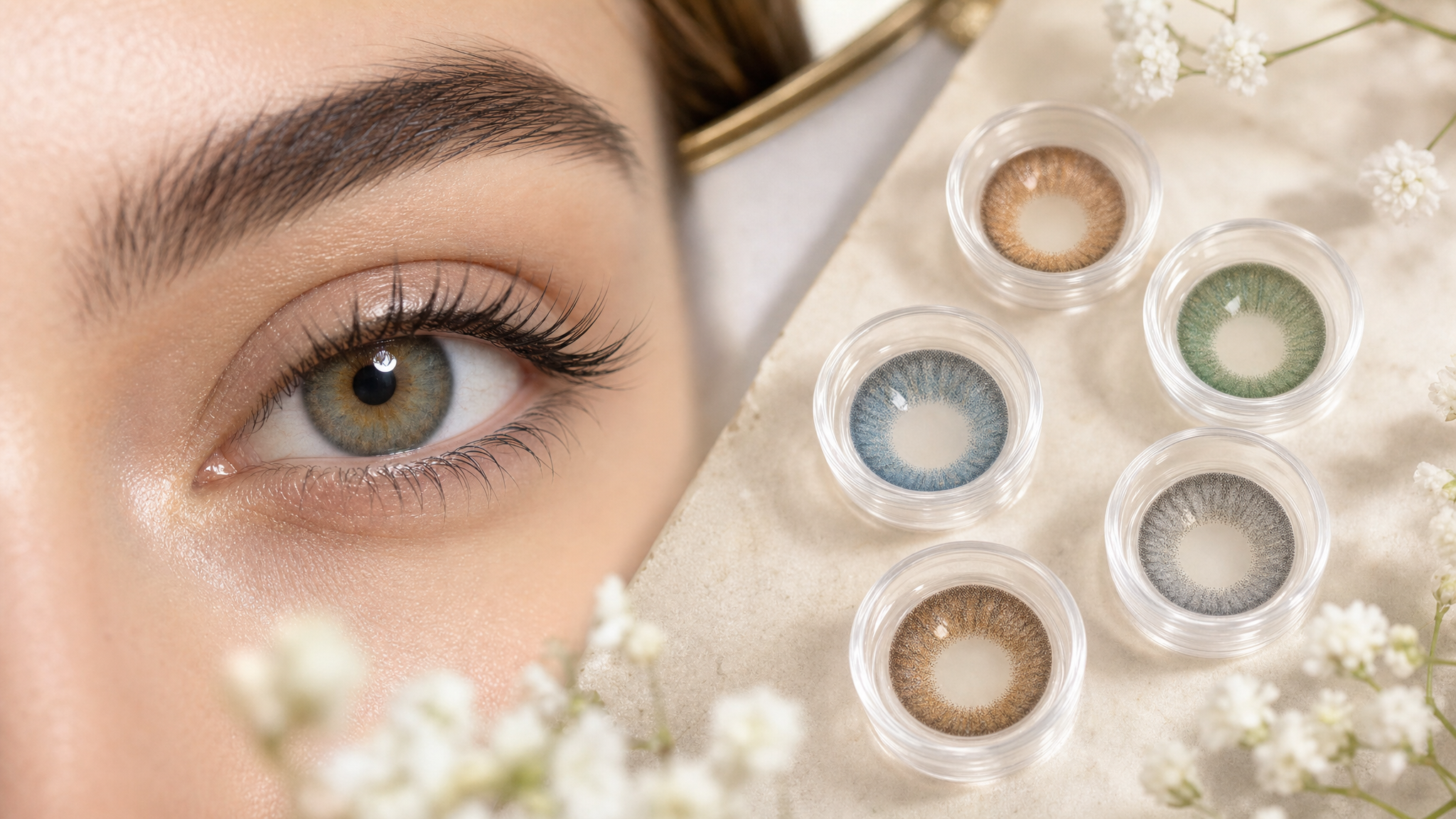
The best visibility tint contacts can change your appearance while you maintain comfort and eye health. Contact lens tint options range from subtle visibility tints that help you locate lenses in their case to enhancement tint contact lenses that intensify your natural color. This piece breaks down what visibility tint means in contacts and helps you through the selection process. You'll learn how to choose the right colored contact lenses based on your eye color and lifestyle needs, whether you want a natural look or dramatic transformation.
The Complete Guide to Contact Lens Tint Types
Contact lens tint options fall into three distinct categories. Each serves a different purpose. Understanding what visibility tint in contacts is and how it is different from other options helps you make informed decisions about your lens selection.
What Is Visibility Tint in Contacts
A faint blue or green color gets added to contact lenses to make them easier to handle. Visibility tint doesn't change your eye color but helps you spot the lens in its package, on your fingertip, or in your case. Most soft contact lenses include this feature because clear lenses can be nearly impossible to see when submerged in solution.
Visibility tint serves practical purposes only. You can see it on the lens edges during handling, but once the lens sits on your eye, the tint remains too light to create any cosmetic effect. Different brands use varying amounts of visibility tint.
Enhancement Tint Contact Lenses Explained
Enhancement tint contact lenses use translucent color that blends with your natural iris pattern. Your eye color doesn't get covered. Instead, it adds depth and intensity to the shade you already have. It works as a color filter that makes your natural tone look richer rather than replacing it.
These lenses work best for people with blue, green, gray, or hazel eyes. Because the tint is see-through, it interacts with your natural iris color underneath to create a soft boost. Enhancement tints can make blue eyes appear aqua, transform sage-colored eyes to emerald, or turn baby blues to periwinkle. The change stays noticeable up close while remaining natural enough for work, school, or daily activities.
Enhancement tints don't show up well on dark brown eyes. Their translucent nature means they lack sufficient pigment to create visible changes over deeper iris colors.
Opaque Tints for Complete Color Change
Opaque tint lenses use solid, non-transparent pigments that cover your natural iris color. Light doesn't pass through the tinted portion of these lenses, making them effective for anyone wanting a full color transformation. The pupil area remains clear so you can see.
These lenses work as the best option for dark brown eyes. The solid pigment provides enough coverage to show over deeper iris colors and allows dramatic changes like brown to green, dark brown to gray, or hazel to violet. Opaque tints come in natural shades including honey, hazel, gray, blue, and green, plus theatrical options like cat eyes, vampire eyes, or designs that glow under black lights.
When to Choose Each Tint Type
Your choice depends on your goals and natural eye color. Select visibility tint contacts if you need help handling clear lenses and don't want any color change. New contact lens wearers benefit most from this feature.
Choose enhancement tint contact lenses when you want your light-colored eyes to look more vibrant without dramatic alterations. Pick opaque tints if you have dark eyes and want a noticeable color change, or if you desire a complete transformation whatever your natural shade. Athletes may also think about specialized tinted lenses with amber or yellow tints that filter specific light wavelengths to boost contrast in outdoor environments.
Best Visibility Tint Options for Different Eye Colors
Choosing the right visibility tint contacts starts with understanding your natural eye color. Colored contact lenses do not look identical on everyone because the final result depends on your iris pigmentation, lens opacity, and the color pattern of the contacts.
Whether you want a subtle enhancement or a complete eye color transformation, selecting the right tint can help you achieve a more natural and flattering look. This guide explains how different visibility tint contacts work on light eyes, dark eyes, and eyes requiring prescription correction.
What Are Visibility Tint Contacts?
Visibility tint contacts are designed with a slight colored tint that helps users see the lens during handling and insertion. Some colored contacts also use enhancement tints, which add a subtle change to your natural eye color while allowing your original iris pattern to remain visible.
Unlike fully opaque lenses that completely replace your natural eye color, enhancement tint contacts create a softer and more natural-looking effect. The final appearance depends on the interaction between the lens pigment and your original eye shade.
Best Visibility Tint Contacts for Light-Colored Eyes
People with light eyes, such as blue, green, gray, or light hazel, usually have more options when choosing colored contact lenses. Since lighter irises contain less pigment, translucent and enhancement tints can blend naturally with the existing eye color.
Enhancement tint contacts are ideal for those who want to make small but noticeable changes. Instead of covering the entire iris, they add extra depth, brightness, and definition while preserving natural eye details.
For example:
- Blue eyes: Gray, aqua, turquoise, and soft green tints can create a brighter and more defined appearance.
- Green eyes: Emerald, olive, and hazel shades can enhance natural warmth while keeping the look realistic.
- Gray eyes: Blue and green tones can add dimension and make the eyes appear more vibrant.
- Hazel eyes: Honey, caramel, and light brown shades can emphasize golden undertones.
However, enhancement tint contacts may not create a dramatic color change on very dark eyes because the natural iris pigmentation can overpower the translucent lens design.
Best Colored Contacts for Dark Brown Eyes
Finding colored contacts for brown eyes requires understanding lens coverage. Dark brown irises contain more natural pigment, which can affect how bright or visible certain lens colors appear.
For noticeable results, opaque or semi-opaque colored contacts are usually a better choice. These lenses contain denser color patterns designed to create stronger coverage and help lighter shades appear more clearly.
Popular color choices for dark brown eyes include:
Gray Colored Contacts
Gray lenses are one of the most versatile options for brown eyes. They can create a cool, sophisticated appearance while blending well with different skin tones and makeup styles.
Blue Colored Contacts
Blue contacts can create a dramatic transformation on brown eyes. Depending on the lens design, they can produce anything from a soft ocean-inspired look to a bright fantasy-style appearance.
Green Colored Contacts
Green lenses often work beautifully with brown eyes because the combination of green tones and warm brown undertones can create a naturally blended effect.
Hazel and Honey Colored Contacts
For a subtle everyday change, hazel, honey, beige, and light brown shades can brighten dark eyes without looking overly artificial.
Circle Lenses and Multi-Tone Designs for a More Defined Look
If you want your eyes to appear larger or more expressive, circle lenses can be a good option. These lenses usually feature a darker outer ring that creates a more defined iris appearance.
Multi-tone colored contacts are another popular choice because they combine several shades and patterns. Instead of creating a single flat color, layered pigments add highlights and depth for a more realistic eye transformation.
Colored Contact Lenses for Astigmatism
People with astigmatism need specialized toric colored contact lenses to maintain proper vision correction. Unlike standard spherical lenses, toric lenses are designed with different powers across the lens surface and need to stay properly aligned on the eye.
Choosing colored contacts with astigmatism requires attention to several factors, including:
- Prescription strength
- Lens diameter
- Base curve
- Lens rotation and stability
- Available color options
Because toric colored contacts require more customized manufacturing, they may have fewer style choices and longer processing times compared with regular colored lenses.
Lens movement can also affect appearance. When a toric lens shifts slightly during blinking, a small portion of your natural eye color may become visible around the edge of the lens.
Prescription Colored Contacts and Tint Compatibility
Prescription colored contacts must match your vision needs as well as your desired appearance. The available options depend on whether the lens design supports your prescription strength, base curve, and diameter requirements.
When changing from regular contacts to colored contacts, your prescription may need to be reassessed. Factors such as lens material, design, and eye shape can influence comfort and visual clarity.
For people with astigmatism, achieving the same sharp vision as regular corrective lenses can sometimes be more challenging because colored toric lenses involve additional design considerations.
How to Choose the Right Visibility Tint Contacts
Before choosing colored contact lenses, consider these factors:
1. Your Natural Eye Color
Light eyes usually work well with enhancement tints, while dark brown eyes often need higher-coverage lenses for visible color changes.
2. Your Desired Effect
Decide whether you want:
- A subtle everyday enhancement
- A natural-looking color change
- A bold cosplay or fashion transformation
3. Your Prescription Needs
If you need vision correction, always choose lenses that match your prescription requirements and consult an eye care professional for proper fitting.
4. Lens Safety and Comfort
A beautiful eye color change should never come at the expense of eye health. Proper fitting, safe materials, and responsible wearing habits are essential for comfortable colored contact lens use.
How to Choose the Right Colored Contact Lenses
Choosing colored contacts that complement your features means matching lens shades to your skin tone, hair color and daily routine. The goal isn't just finding a color you like, but one that goes together with your overall appearance.
Assessing Your Skin Tone
Fair skin creates a versatile canvas. Most colored contact lens options look appealing on it. Blue and gray shades appear striking, while bright colors like turquoise and purple stand out when you want to make a statement. Cool undertones pair well with soft blues, gray and green. These provide contrast without harshness.
Medium or tanned complexions need bright colored contact lenses that glow against the skin. Hazel, green, honey and gray work well, though bright blues like turquoise don't pair well with caramel skin tones. Golden or olive undertones offer flexibility. Emerald lenses bring out warmth.
Dark skin tones achieve the best results with warm colors. Warm brown, hazel and violet contacts create an appealing look. Smoky shades add allure. Honey, autumn-colored lenses and gray provide unique appearances. Rich, saturated colors like amethyst and bright gray create luxurious contrast, while brown-toned lenses like caramel offer softer options.
Coordinating with Hair Color
Medium brown hair matches with nearly every lens color. This makes color selection straightforward. Blonde and golden-brown hair complement darker contacts like black and chocolate. Gray and beige shades also work but create a Caucasian appearance. Platinum blondes look striking with bright blue or emerald contacts.
Black hair creates beautiful contrast against blue or purple contacts, especially cool-toned shades like blue-black. Brown contact lenses maintain a natural appearance for those who prefer subtlety.
Brightly colored hair in pink, purple and blue requires a different approach. Avoid matching vivid lens colors with vivid hair, as this creates overwhelming competition for attention. Simple one-tone black or brown circle lenses complete these looks without visual clash.
Lifestyle and Wearing Schedule Needs
Your wearing habits determine which contact types serve you best. Daily disposables suit occasional wearers who use contacts for special events or random color changes. They eliminate cleaning solutions and storage cases.
Regular but not daily wearers often save money with bi-weekly or monthly lenses. These also create less environmental waste than daily disposables. Daily wearers who want long-term value pick quarterly or yearly lenses, especially if they commit to proper lens care.
Natural Look vs Dramatic Change
Circle lenses with limbal rings flatter any skin or hair color. They outline your iris and make eyes look bigger and more awake while delivering minimal color change. For natural everyday looks, stick to shades close to your natural eye color or one shade lighter or darker.
Lighting conditions affect appearance. Some colored contacts disappear in dim lighting, so go a shade or two lighter than what you'd wear during the day. Test lenses in three different lighting situations before you decide if a shade looks too intense.
Safety and Quality Standards for Colored Contacts
Colored contact lenses are a popular way to change or enhance your eye appearance, but they are also medical devices that require proper safety standards. Because contact lenses sit directly on the surface of your eyes, lens quality, material safety, and proper fitting all play an important role in protecting your eye health.
Whether you wear colored contacts for vision correction, fashion, cosplay, or special occasions, understanding safety requirements can help you make a more informed choice.
Are Colored Contacts FDA Approved?
In the United States, all contact lenses, including decorative and colored contacts, are regulated by the U.S. Food and Drug Administration (FDA) as medical devices.
This regulation applies to both:
- Prescription colored contacts used for vision correction
- Non-prescription cosmetic colored contacts designed only to change eye appearance
FDA regulation helps ensure that contact lenses meet certain standards for materials, manufacturing quality, labeling, and safety information.
However, FDA regulation does not mean every colored contact product sold online is automatically safe. Consumers should purchase lenses from reputable sources that follow proper manufacturing and distribution requirements.
Why Safety Standards Matter for Colored Contacts
Colored contact lenses contain pigments and materials that come into direct contact with your eyes. Poor-quality lenses may create problems if they are manufactured with unsafe materials, incorrect specifications, or poor quality control.
High-quality colored contacts are designed with important safety factors in mind, including:
- Oxygen permeability: Allows oxygen to reach the cornea and helps maintain eye comfort.
- Material quality: Uses eye-safe lens materials suitable for extended contact with the eye.
- Manufacturing standards: Ensures consistent thickness, smooth surfaces, and accurate lens dimensions.
- Proper labeling: Provides important information about lens specifications and usage.
Choosing lenses that meet recognized safety requirements can reduce the risk of discomfort and eye-related complications.
Risks of Unsafe or Unregulated Colored Contacts
Purchasing colored contacts from unauthorized sellers can increase the risk of receiving counterfeit, poorly manufactured, or improperly labeled products.
Unsafe colored contacts may cause issues such as:
- Eye irritation and redness
- Dryness and discomfort
- Corneal scratches
- Eye infections
- Reduced vision
- Serious corneal complications
Poorly fitted lenses can also interfere with normal tear movement and reduce oxygen reaching the cornea. This is why proper fitting and responsible lens use are essential.
Avoid purchasing colored contacts from unreliable sources such as street vendors, unauthorized sellers, or websites that do not provide proper product information and prescription requirements.
Why You Should Get a Contact Lens Fitting
Colored contacts are not one-size-fits-all products. Every person's eyes have different measurements, including:
- Base curve
- Lens diameter
- Prescription strength
- Eye shape and comfort requirements
An eye care professional can evaluate your eyes and recommend suitable lens specifications. A proper fitting helps ensure the lenses move correctly, feel comfortable, and provide better visual quality.
Even if you only want colored contacts for cosmetic purposes, an eye examination and professional fitting are recommended before wearing lenses.
Understanding Your Colored Contact Lens Prescription
A contact lens prescription is different from a glasses prescription. Contact lenses sit directly on your eyes, so additional measurements are required.
A typical contact lens prescription may include:
- Lens brand or product type
- Base curve
- Diameter
- Power (for vision correction)
- Cylinder and axis values for astigmatism correction
- Additional measurements when needed
Contact lens prescriptions also have expiration dates, which vary depending on local regulations and your eye care provider's recommendation.
Using an expired prescription or wearing lenses that do not match your eye measurements may affect comfort, vision, and eye safety.
Can You Share Colored Contacts?
No. Colored contact lenses should never be shared with another person.
Every contact lens prescription is based on an individual's eye measurements and vision needs. Sharing lenses can transfer bacteria and increase the risk of eye irritation or infection.
Always use your own properly fitted lenses and follow recommended cleaning and replacement schedules.
How to Wear Colored Contacts Safely
Following good lens care habits can help maintain comfortable and healthy lens wear:
- Wash and dry your hands before handling lenses.
- Follow the recommended wearing time.
- Never sleep in lenses unless specifically approved.
- Use proper contact lens solutions for cleaning and storage.
- Replace lenses according to the manufacturer's instructions.
- Stop wearing lenses and seek professional advice if you experience persistent discomfort, redness, or vision changes.
Maintaining Your Colored Contact Lenses
Proper care extends the life of your colored contacts and protects your eyes from infection. Each lens type requires specific maintenance protocols that you must follow consistently.
Daily Cleaning Routines
Wash your hands with fragrance-free soap and dry them with a lint-free towel before touching lenses. Place the lens in your palm and apply several drops of multipurpose solution. Gently rub each side for 15-20 seconds. Rinse with fresh solution to remove loosened debris. Water, saliva, or any substitute liquid should never be used, as these introduce harmful bacteria that can cause serious eye infections.
Storage Solutions and Best Practices
Store lenses in a clean case filled with fresh solution. Empty old solution and rinse the case with fresh solution, not water. Let it air dry. Old solution should never be topped off with new, as reusing solution reduces its disinfecting ability. Replace your case every three months to prevent bacterial contamination.
Replacement Schedules by Lens Type
You wear daily disposables once and discard them. Bi-weekly and monthly lenses require cleaning after each use and replacement on schedule. Quarterly lenses last up to 3 months with proper care. Yearly lenses require rigorous cleaning and regular inspection for damage or discoloration.
Troubleshooting Common Issues
Dry eyes feel gritty and respond to preservative-free rewetting drops. Lens shifting indicates incorrect base curve fitting. Redness suggests oxygen deprivation from overwear. Blurry vision signals protein buildup that requires thorough cleaning or lens replacement.
Conclusion
Colored contacts offer great opportunities to improve or transform your look, but success depends on making informed choices. Choose visibility tint contacts for simple handling and enhancement tints for subtle changes on light eyes. For dramatic transformations on any eye color, opaque options work best. Always prioritize safety by purchasing FDA-approved lenses through a licensed eye care professional who can fit your unique eye shape.
Your skin tone and hair color guide which shades will look natural versus artificial. The right colored contacts start with proper fitting and end with consistent care routines that protect your vision, whether you want an everyday improvement or occasional dramatic change.
FAQs
Q1. What is the difference between visibility tint and colored contact lenses? Visibility tint is a faint blue or green color added to contact lenses solely to make them easier to see when handling, storing, or locating in solution. It doesn't change your eye color at all. Colored contact lenses, on the other hand, come in enhancement tints (which intensify your natural eye color) or opaque tints (which completely change your eye color). The choice depends on whether you want a functional feature for handling or an actual cosmetic change.
Q2. Can people with dark brown eyes wear colored contacts successfully? Yes, people with dark brown eyes can achieve excellent results with opaque tint contact lenses. These lenses use solid, non-transparent pigments that completely cover your natural iris color, making them effective for dramatic transformations. Popular choices include gray (which flatters all skin tones), blue for a baby-blue look, and green with yellow and beige undertones. Enhancement tints won't work on dark eyes since they're translucent and lack sufficient pigment to show over deeper iris colors.
Q3. Are colored contact lenses safe to wear? Colored contact lenses are safe when you purchase FDA-approved brands from licensed eye care professionals. All contact lenses are classified as medical devices and require a proper prescription and fitting. Non-approved lenses from unlicensed sources can contain toxic materials like lead, carry bacteria, and cause serious complications including corneal abrasions, infections, and even permanent vision loss. Always get properly fitted by an eye doctor and follow prescribed cleaning and replacement schedules.
Q4. How do I choose colored contacts that look natural with my skin tone? Fair skin works well with blue, gray, turquoise, and soft hazel shades. Medium or tanned complexions look best with bright colors like hazel, green, honey, gray, or dark blue that glow against the skin. Dark skin tones achieve natural results with warm colors like brown, hazel, violet, honey, or deep green. Also consider your hair color—medium brown hair matches almost any lens color, while blonde hair complements darker contacts, and black hair creates beautiful contrast with blue or purple lenses.
Q5. How often should I replace my colored contact lenses? Replacement schedules depend on your lens type. Daily disposables should be worn once and discarded immediately. Bi-weekly lenses need replacement every two weeks, monthly lenses every month, and quarterly lenses every three months. Yearly lenses can last up to one year with rigorous cleaning and care. Regardless of type, always follow the manufacturer's recommended schedule and replace lenses sooner if you notice any damage, discoloration, or discomfort.