

Clear Contact Lenses
Clear vision contact lenses help you improve your eyesight while you retain your natural eye color. They are an ideal choice to correct vision. Transparent contact lenses remain the most used and trusted option. They improve your vision without altering your appearance. You might need daily disposables or toric lenses for astigmatism. Finding the best solution for contact lenses depends on your specific vision needs. This piece covers everything you need to know about contact lenses for better vision, from material types to proper care routines.
Understanding Clear Vision Contact Lenses in 2026
What are clear vision contact lenses
Contact lenses are thin, clear plastic disks that float on the tear film covering your cornea. These transparent lenses correct vision problems without altering your natural eye color, making them distinct from cosmetic alternatives. Clear vision contact lenses sit on your eye's surface and are medical devices that require proper fitting and prescription, even if you don't need vision correction.
Modern manufacturing produces these lenses from various plastic materials, with soft and rigid gas permeable being the two main categories. Most wearers choose soft contact lenses because they conform to the eye's shape and provide comfort right away. Silicone hydrogel represents the most important material advancement and allows much higher oxygen permeability than conventional hydrogel lenses. Your eyes breathe more naturally throughout the day, which reduces inflammation and the tired sensation that continuous wear previously caused.
How modern contact lenses improve vision
Contact lenses correct refractive errors by bending light as it enters your eye. Your eyes focus light in front of the retina when you have myopia (nearsightedness). Concave lenses spread light out so it focuses on the retina. Convex lenses bend light inwards to correct the focal point for hyperopia (farsightedness). Toric lenses feature two different focusing powers to address astigmatism caused by an irregularly shaped cornea.
Personalization stands at the heart of 2026 contact lens care. You benefit from fittings that account for eye shape, tear quality, lifestyle needs and visual requirements rather than simply selecting a prescription strength. Eye doctors can now fine-tune lens parameters with precision using advanced diagnostic tools. Customization ensures your lenses are designed around your specific needs, whether you spend extended hours on digital screens, work outdoors, or need lenses that stay comfortable from morning to night.
The year 2026 brings expanded options for patients with hard-to-fit eyes. Conditions like astigmatism, irregular corneas, or unique prescription needs no longer mean settling for inadequate vision or abandoning contacts altogether. Specialized fitting solutions address complex vision requirements while they maintain comfort and clarity. This opens possibilities for patients previously told contacts weren't suitable for them.
Clear vs colored contact lenses
Clear contact lenses are transparent and designed purely to correct vision without altering your eye color appearance. They're the standard choice for prescription wearers and are available in daily and monthly formats suitable for a wide range of prescriptions, including astigmatism correction through toric lenses.
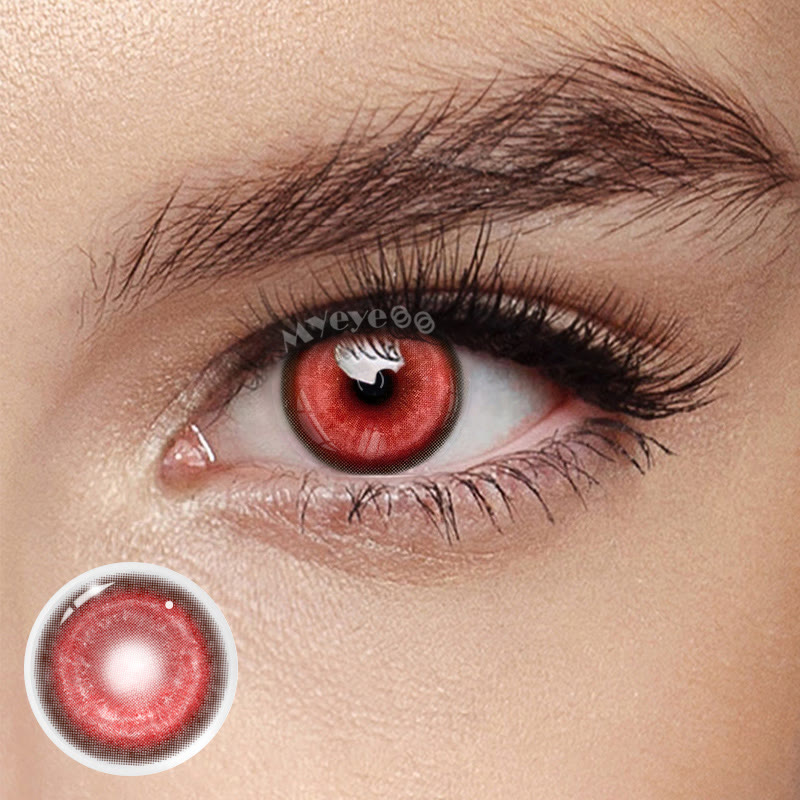
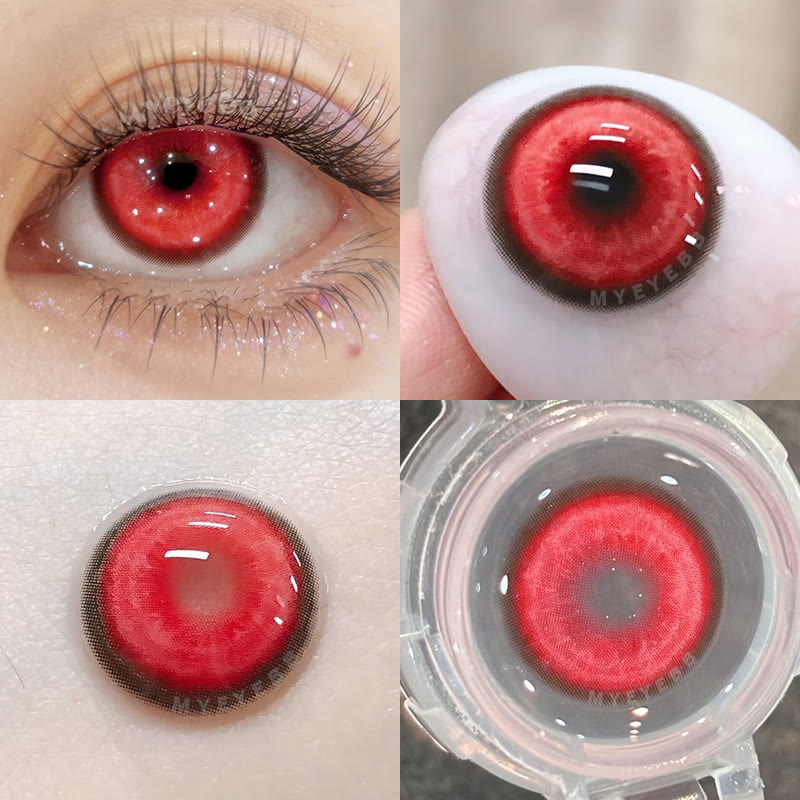
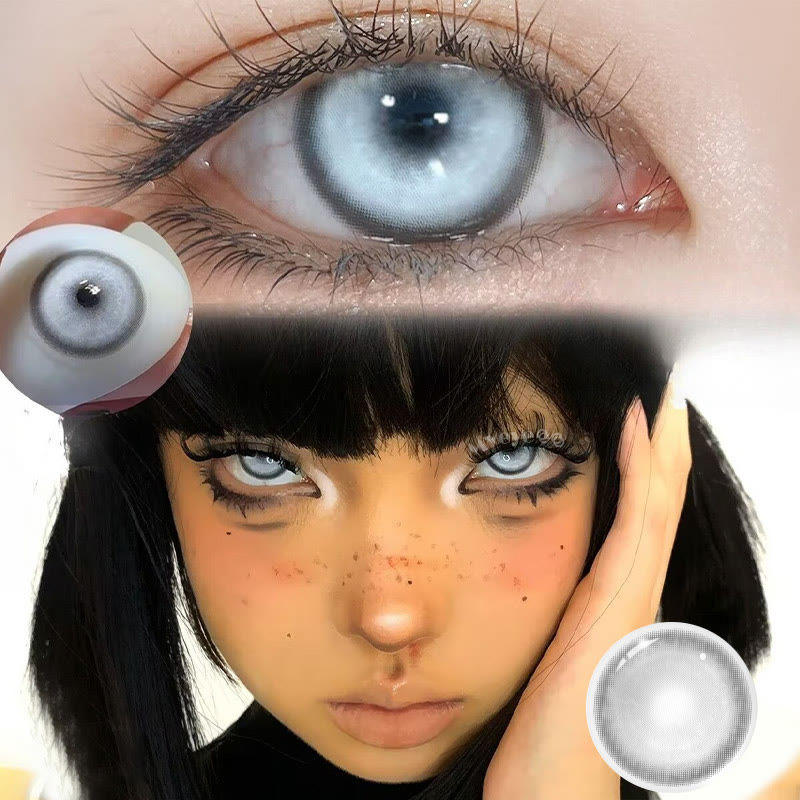
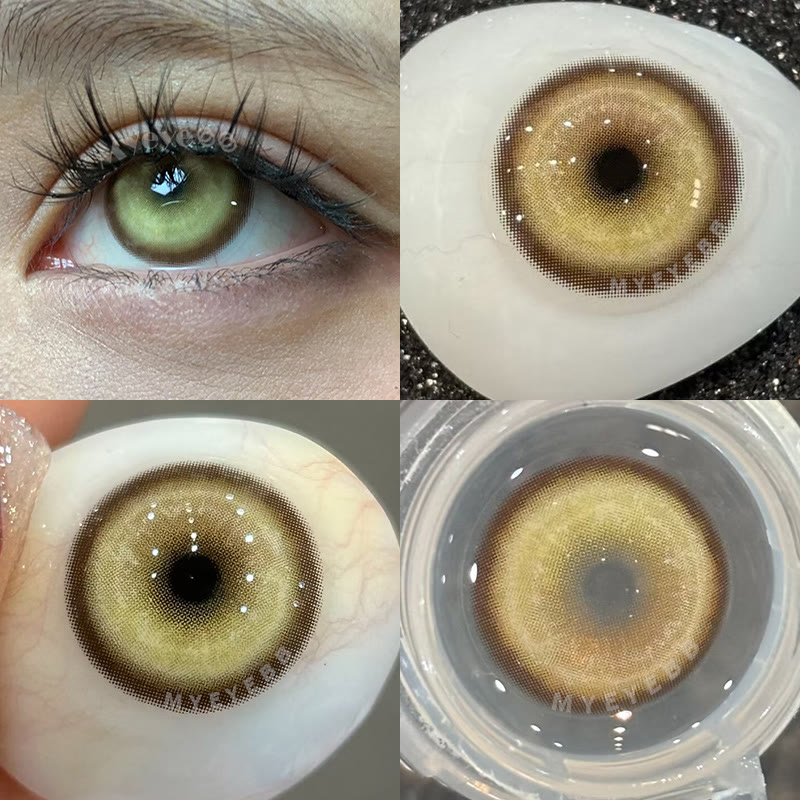
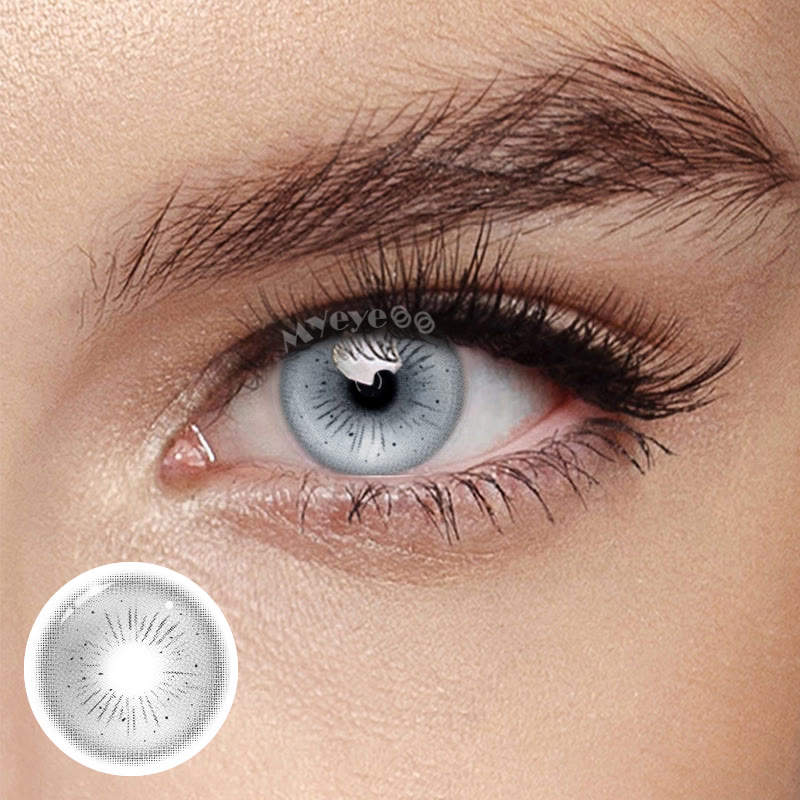
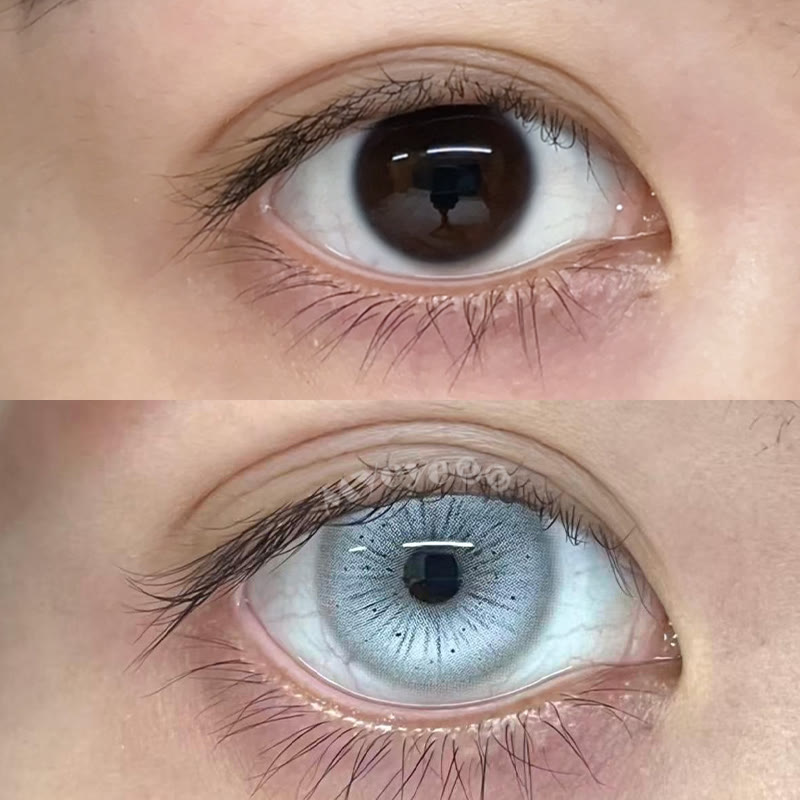
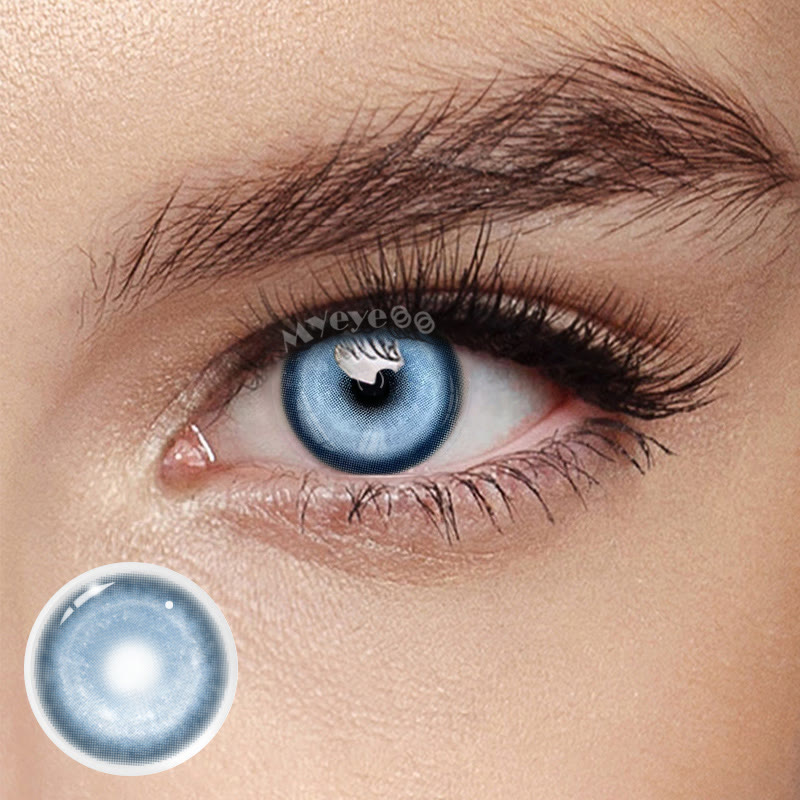
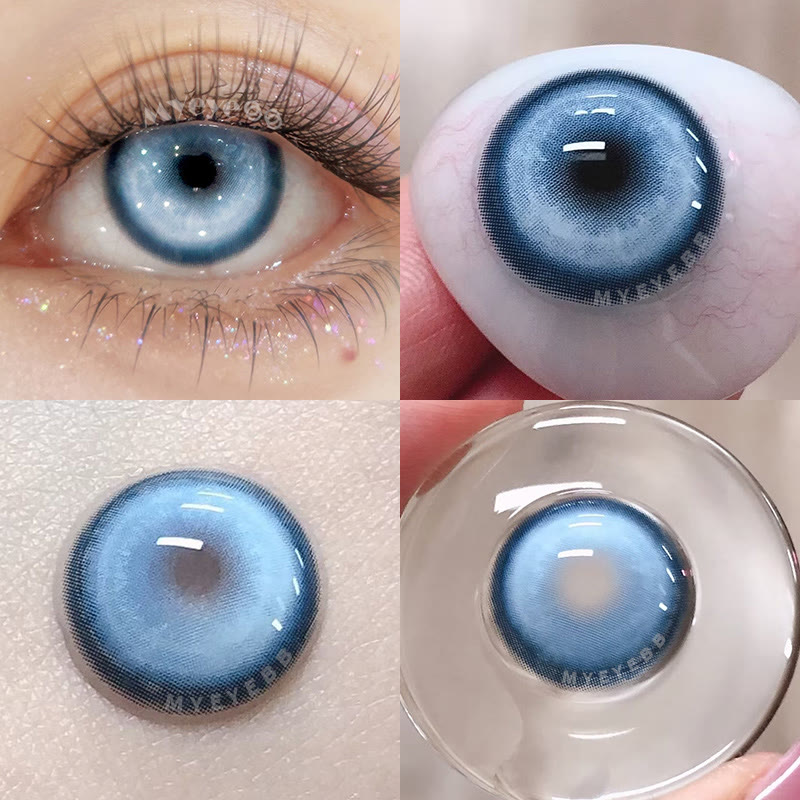
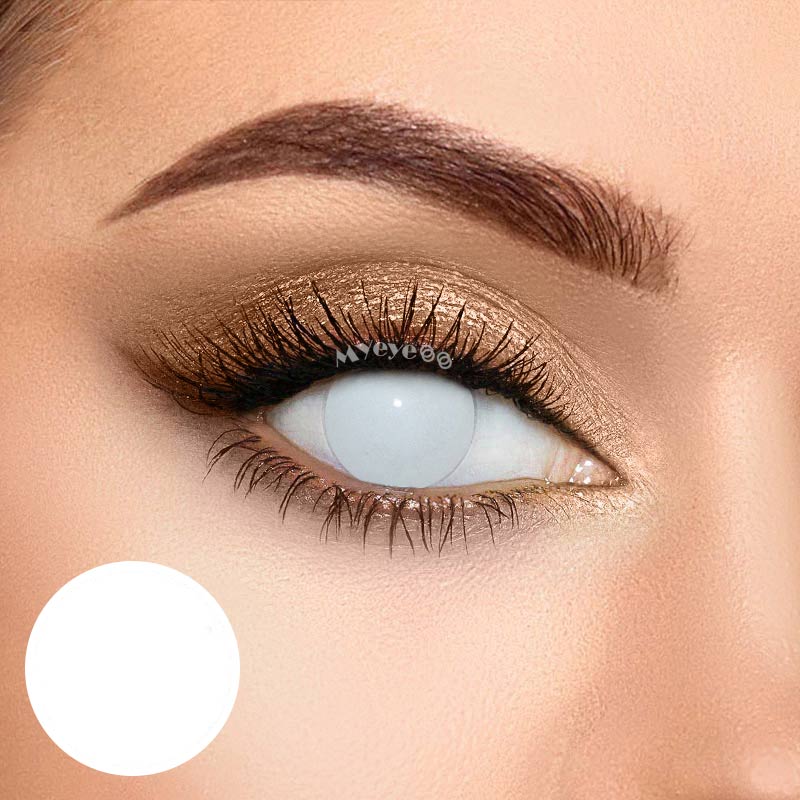
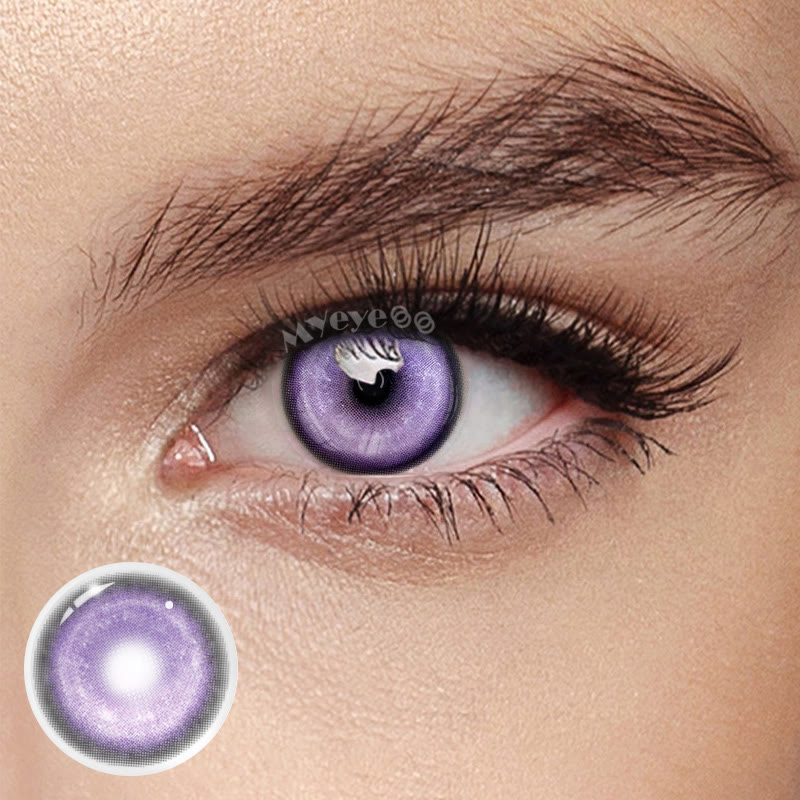
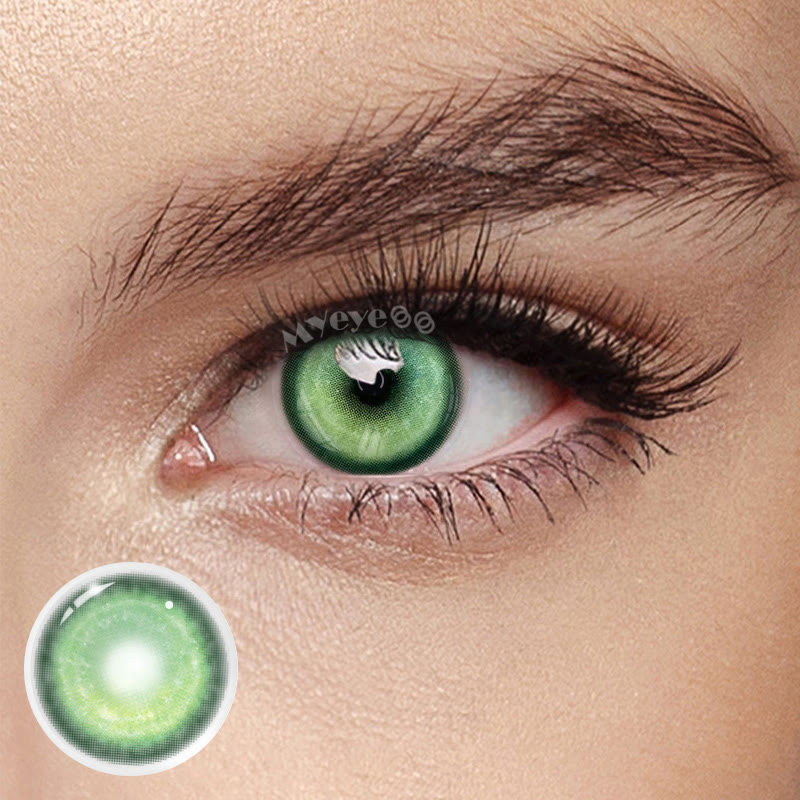
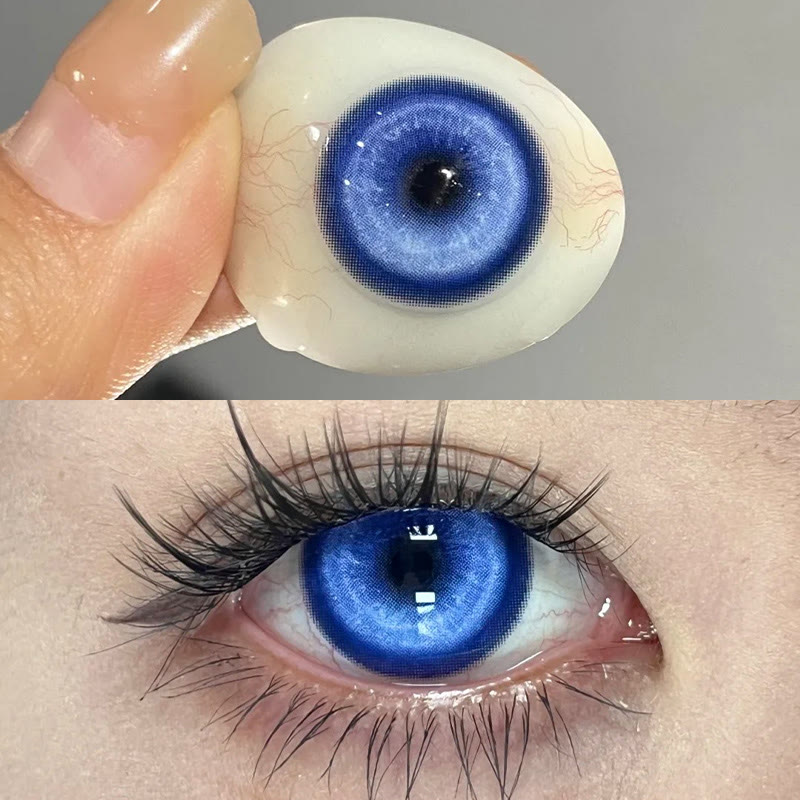
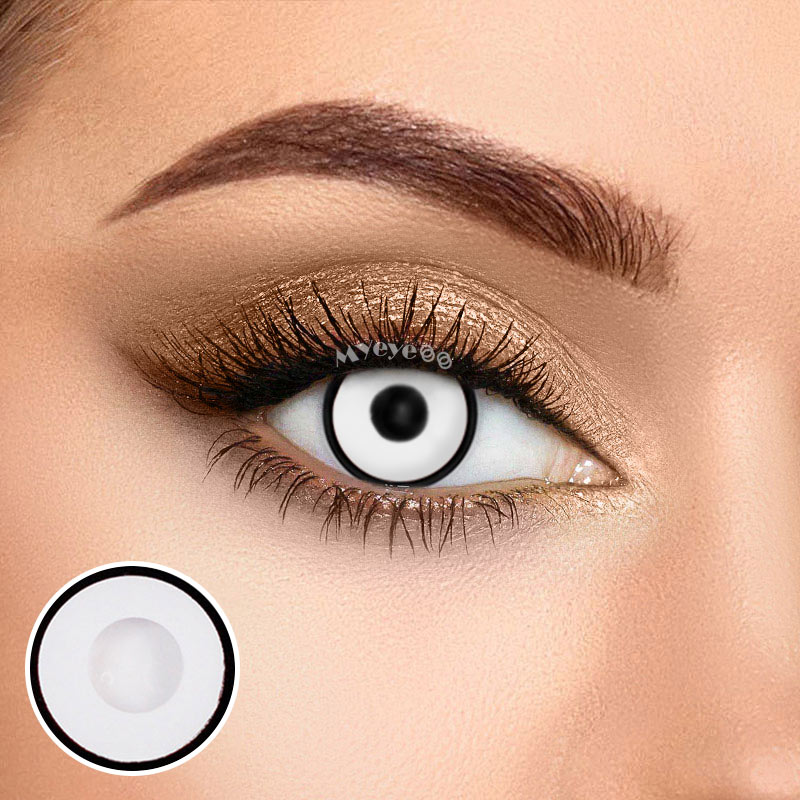
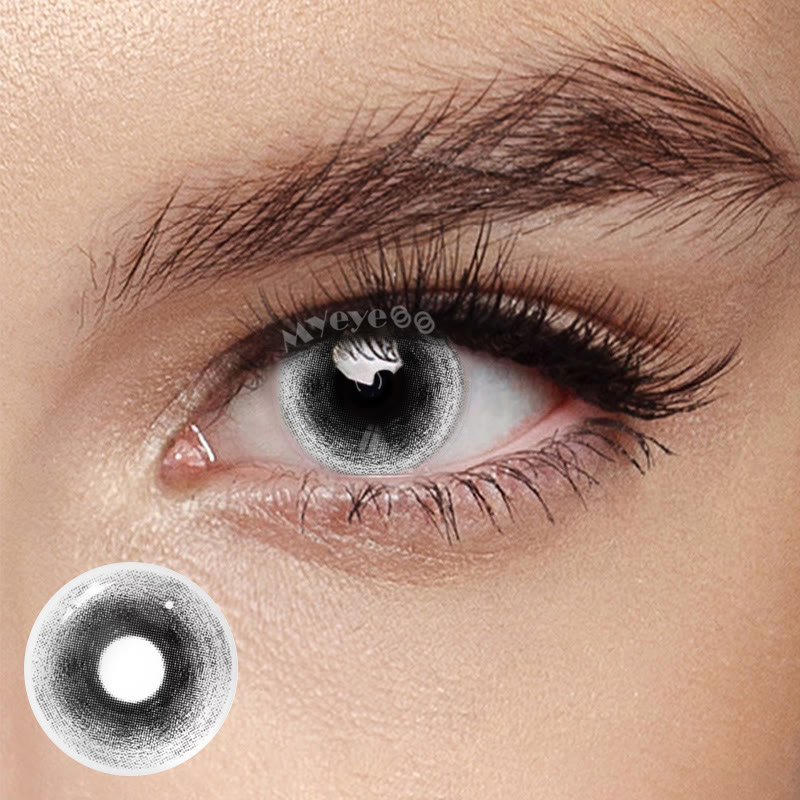
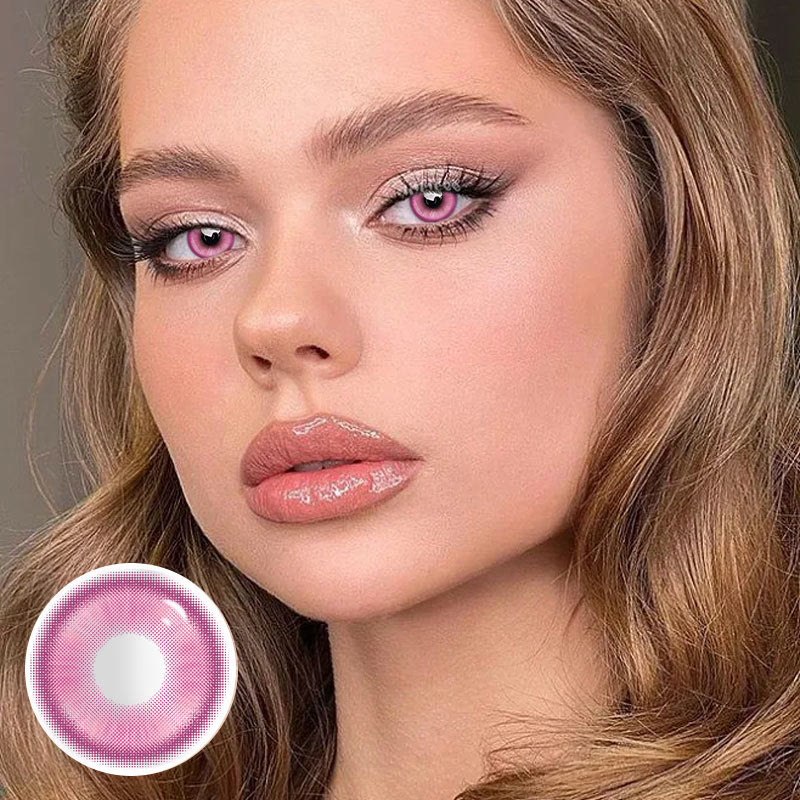
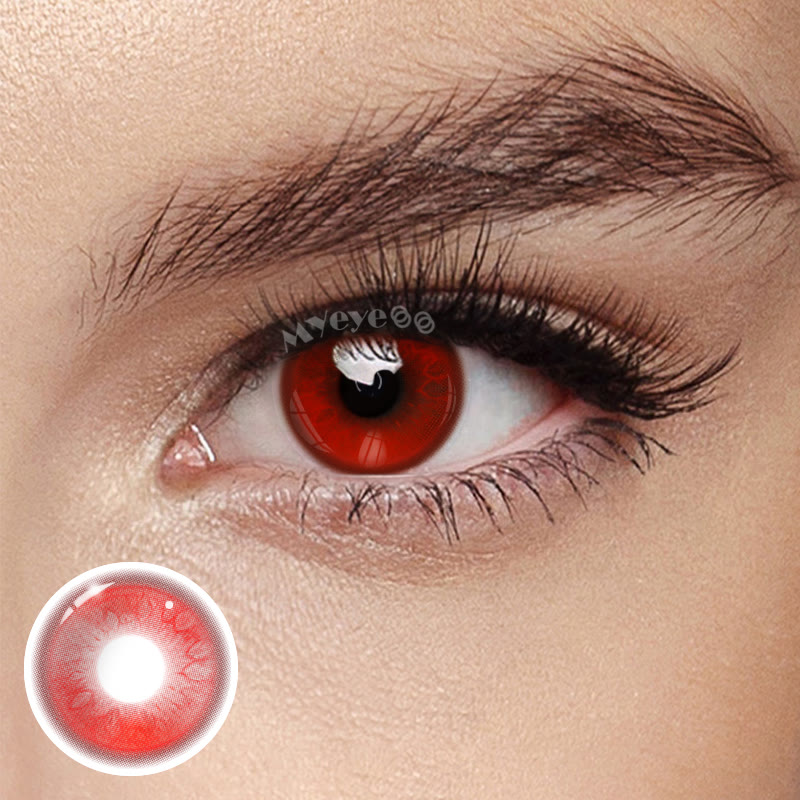
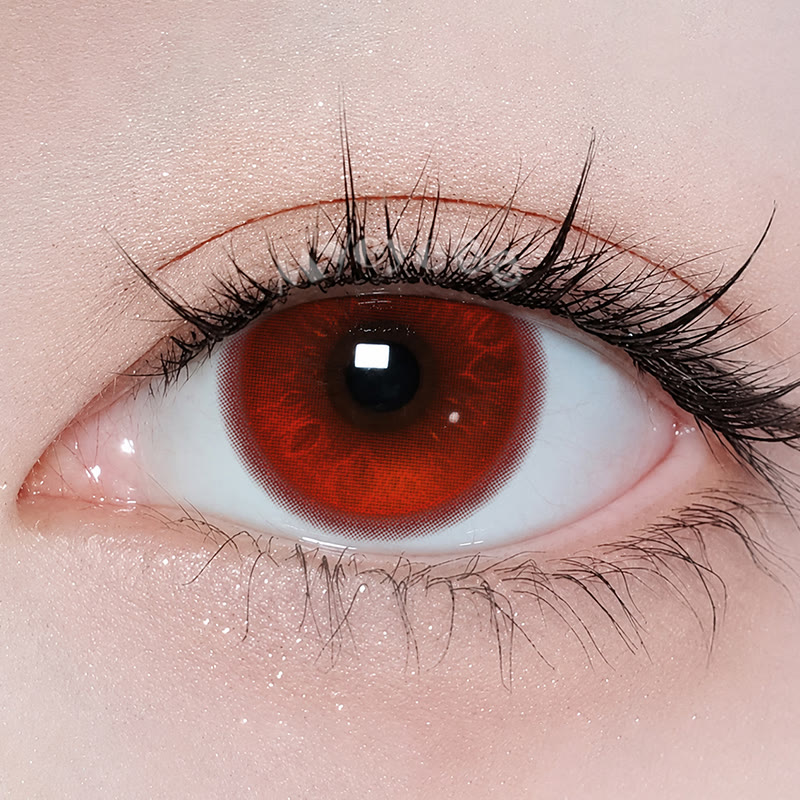
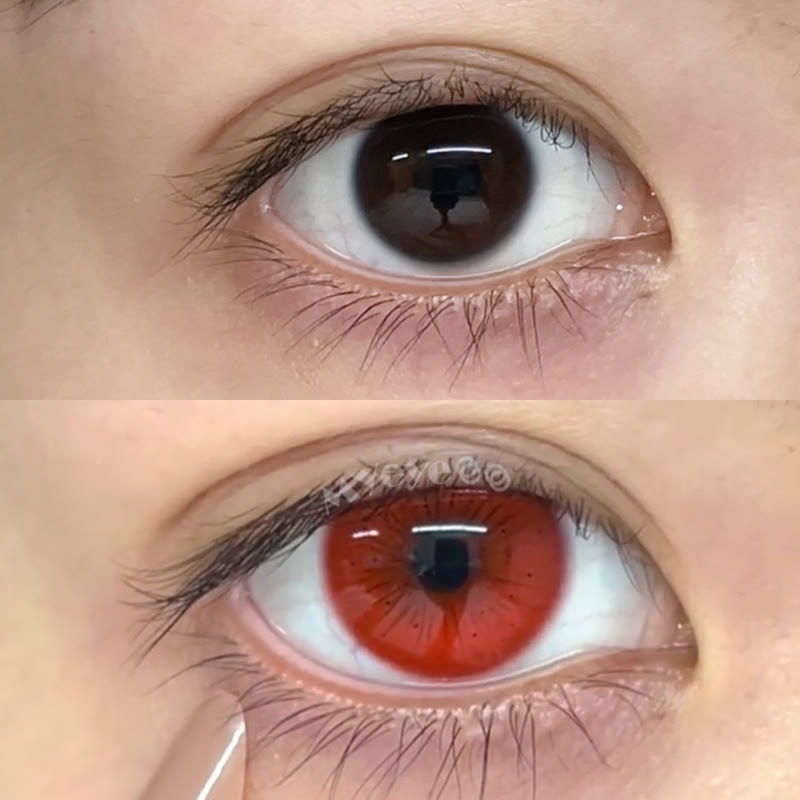
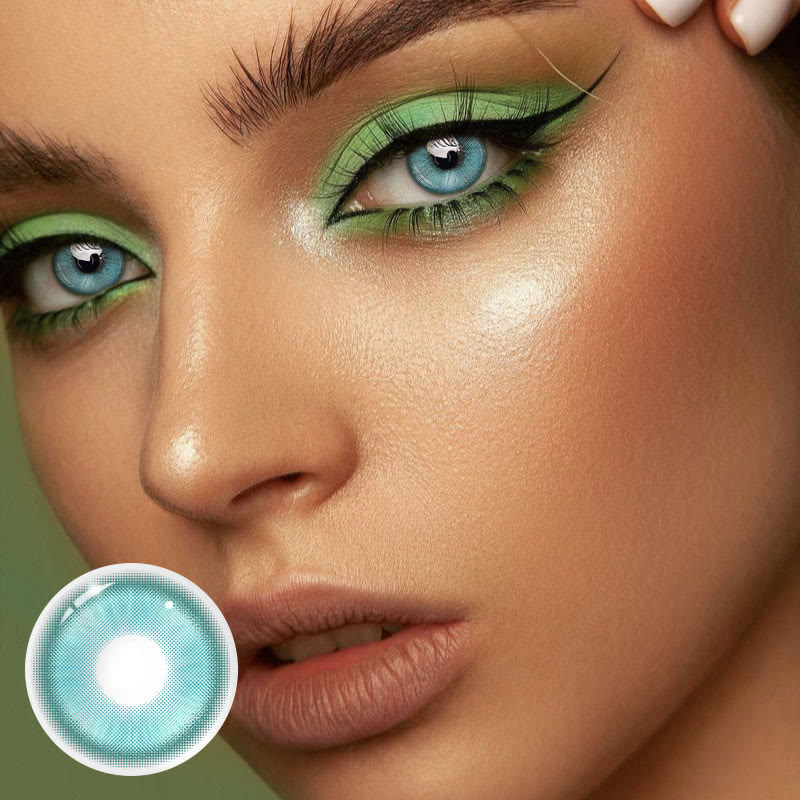
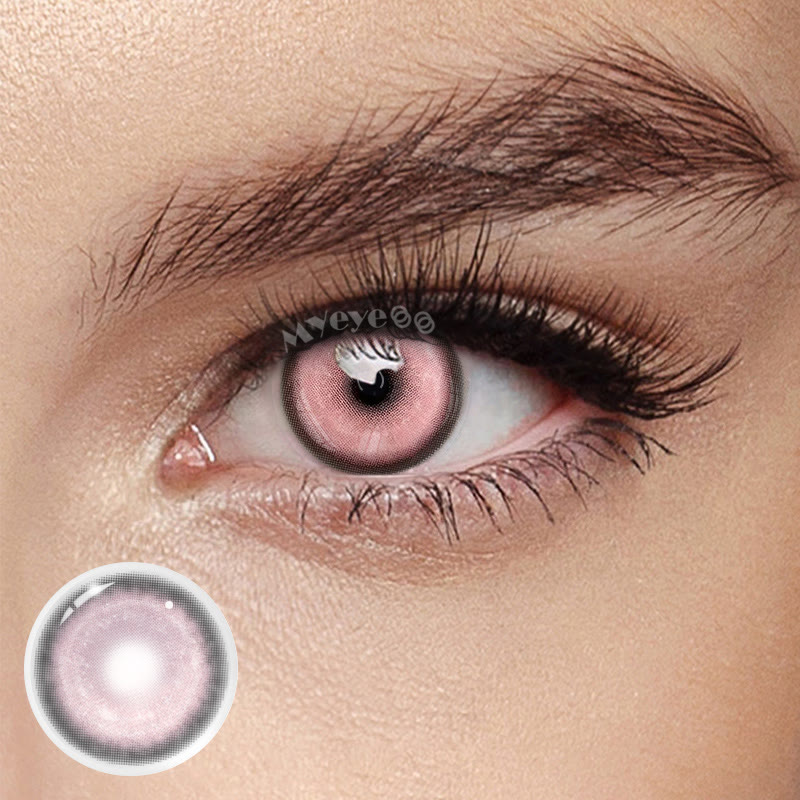
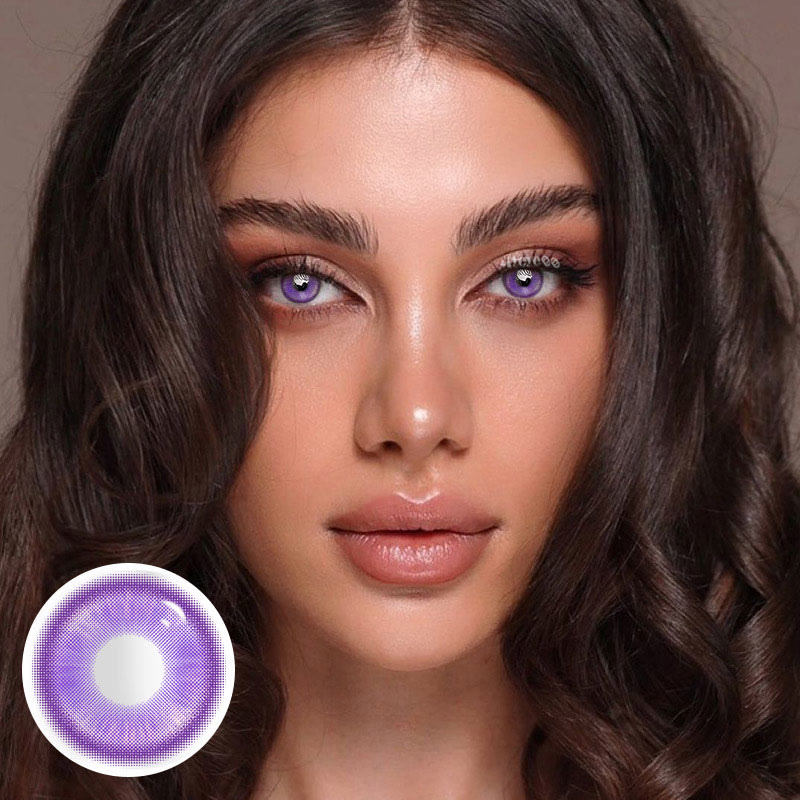
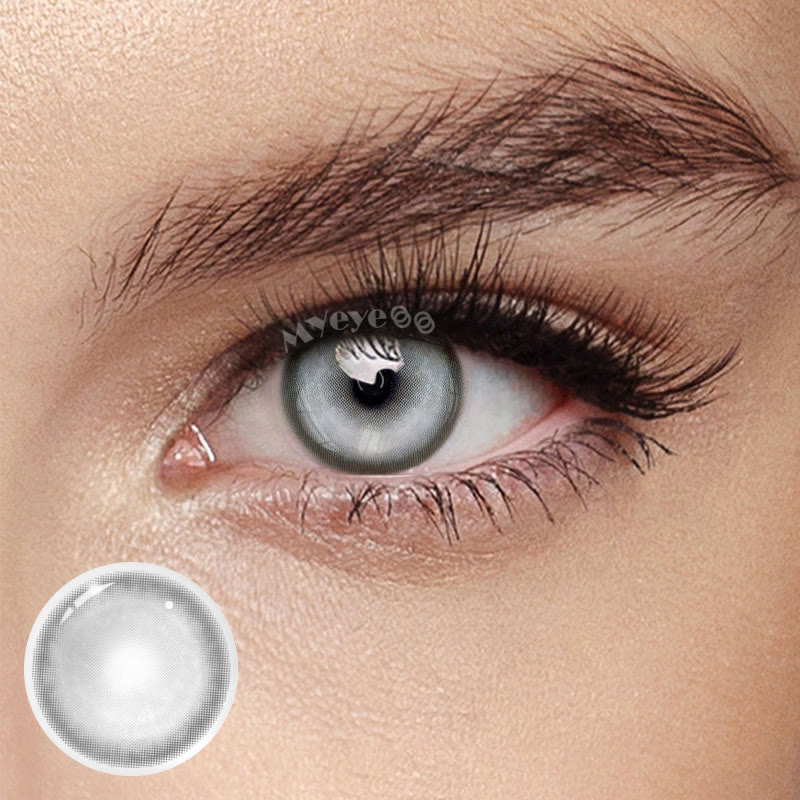
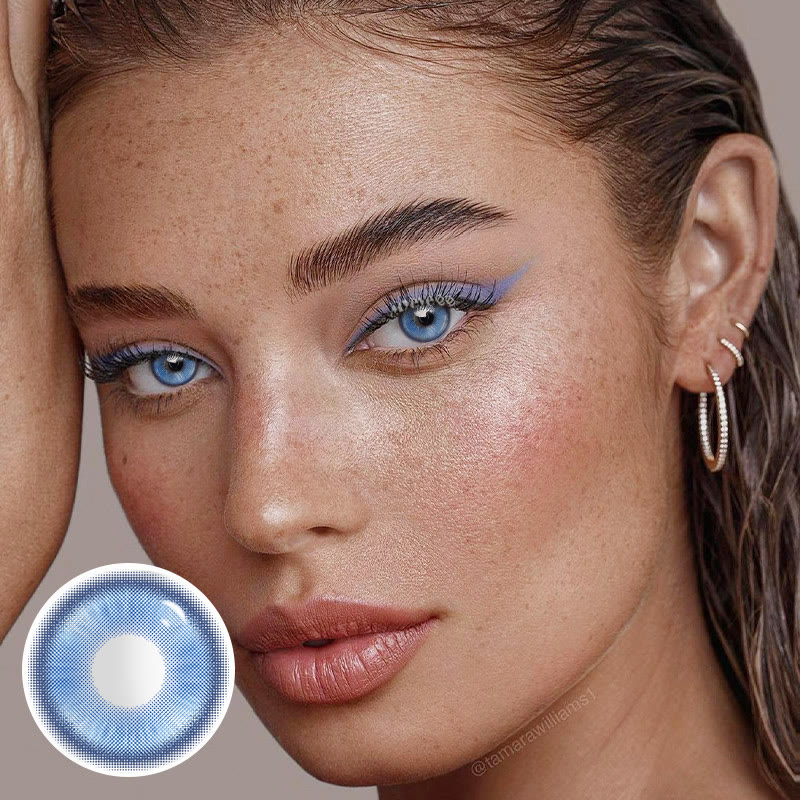
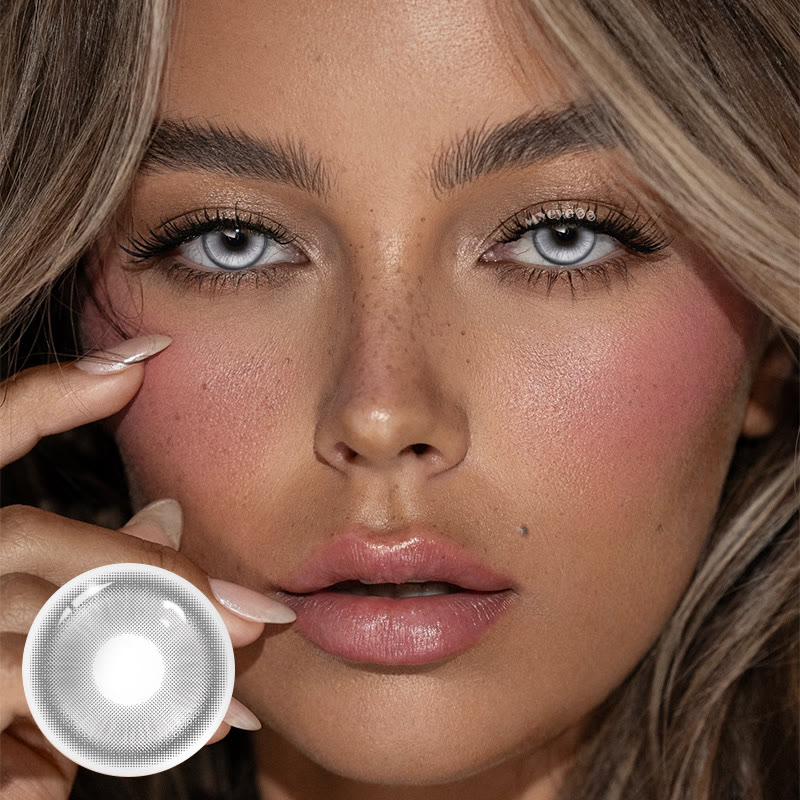
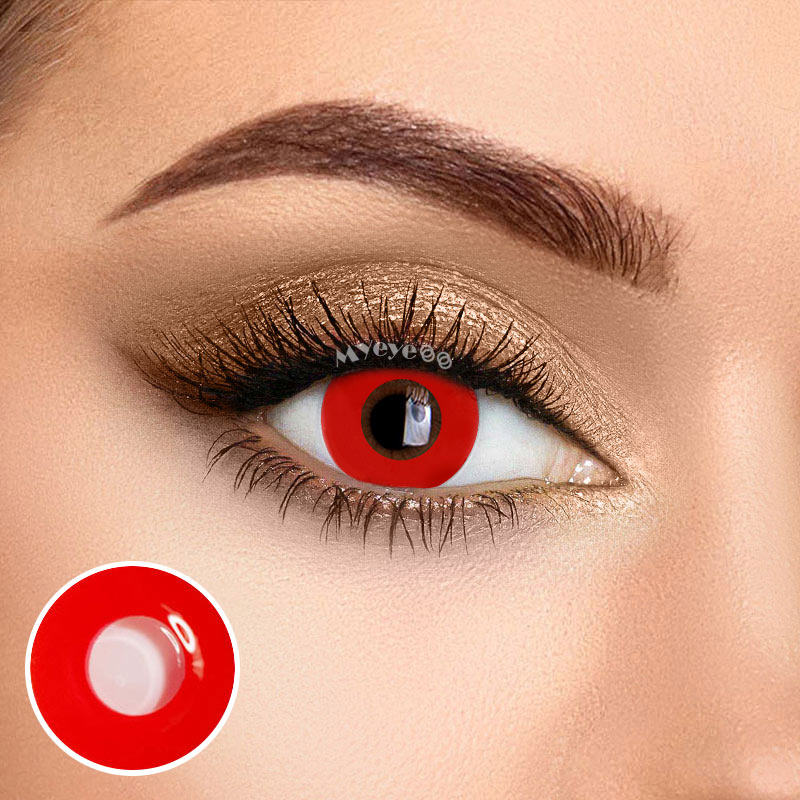
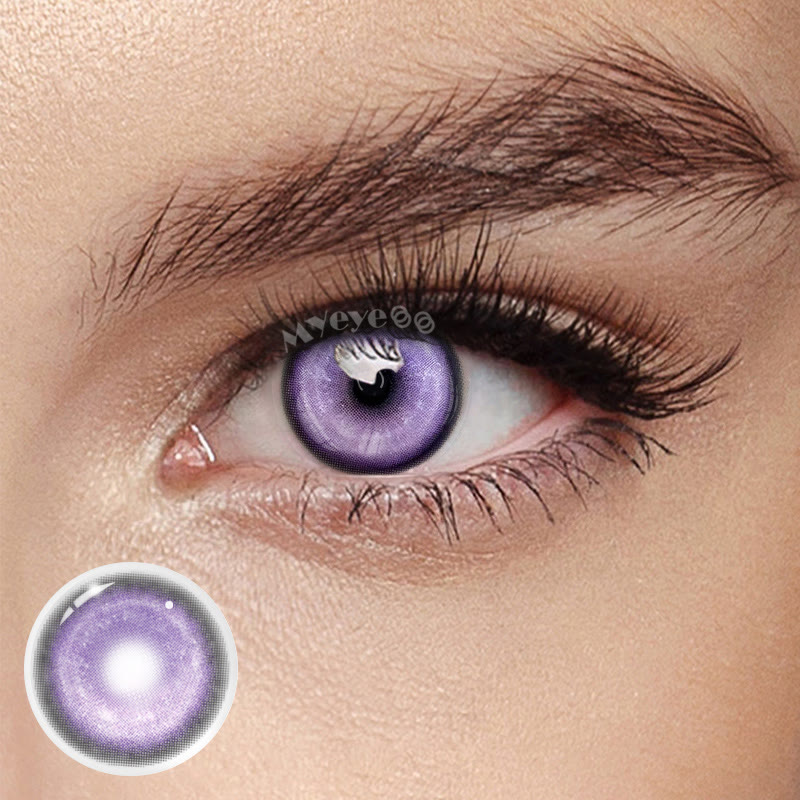
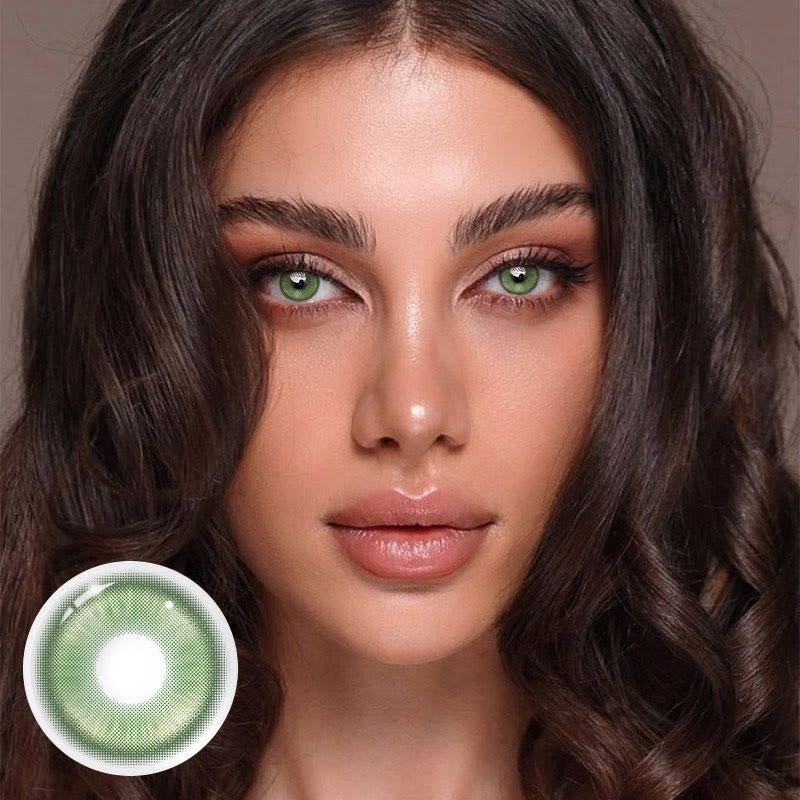
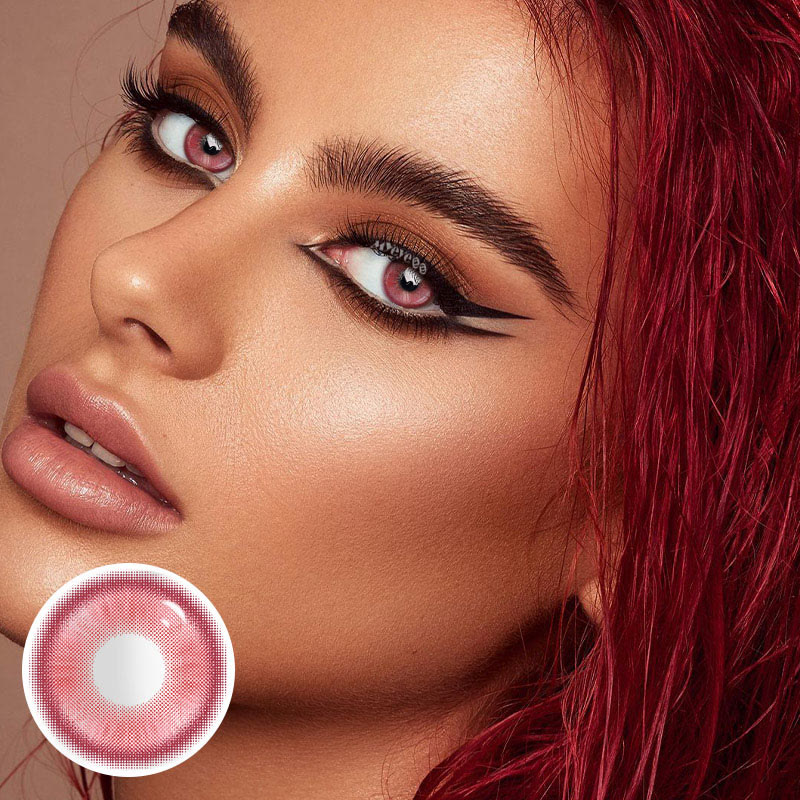
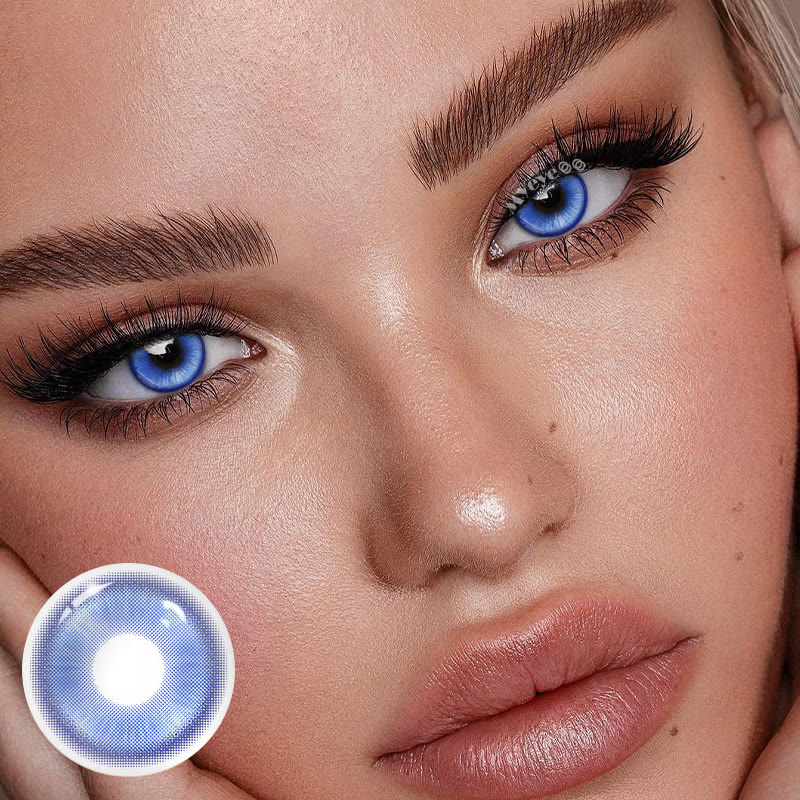
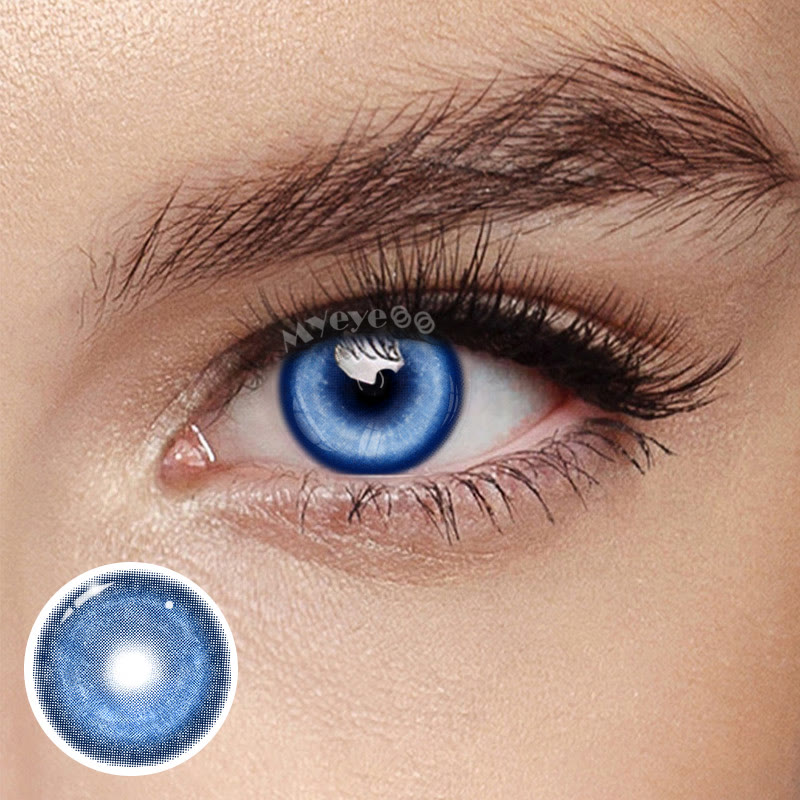
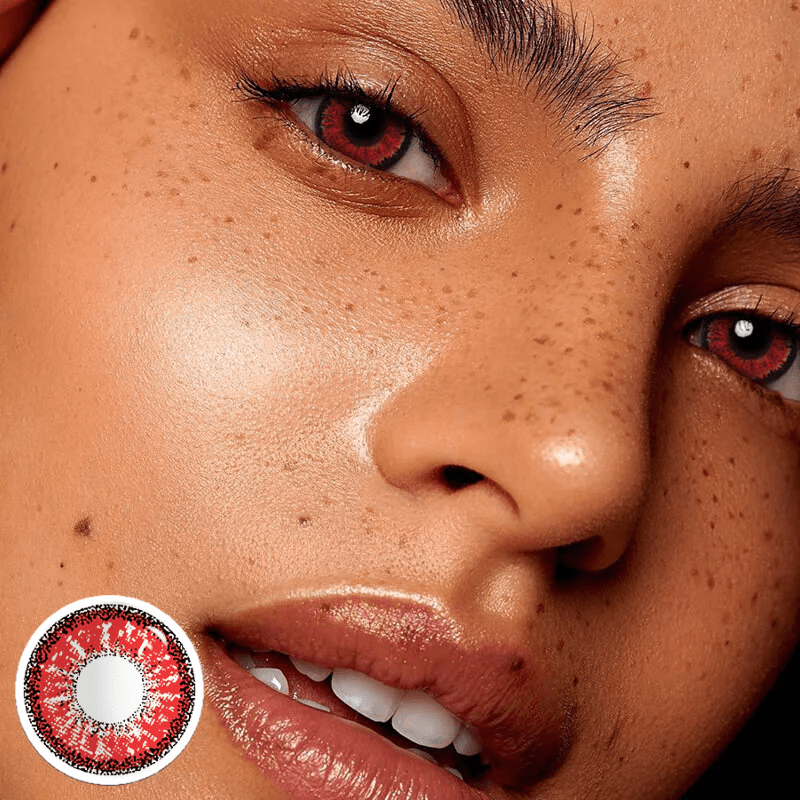
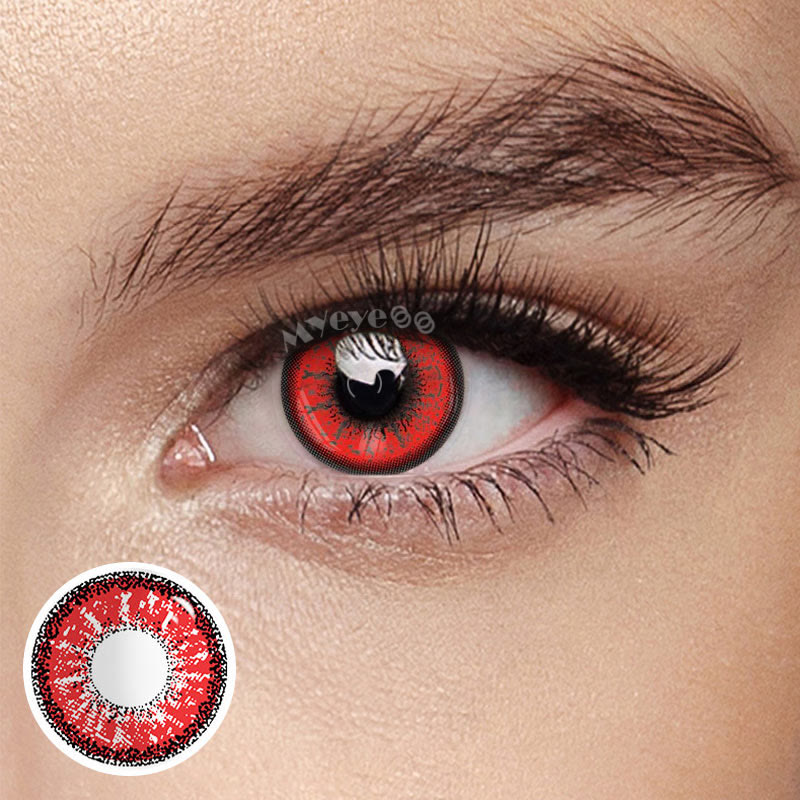
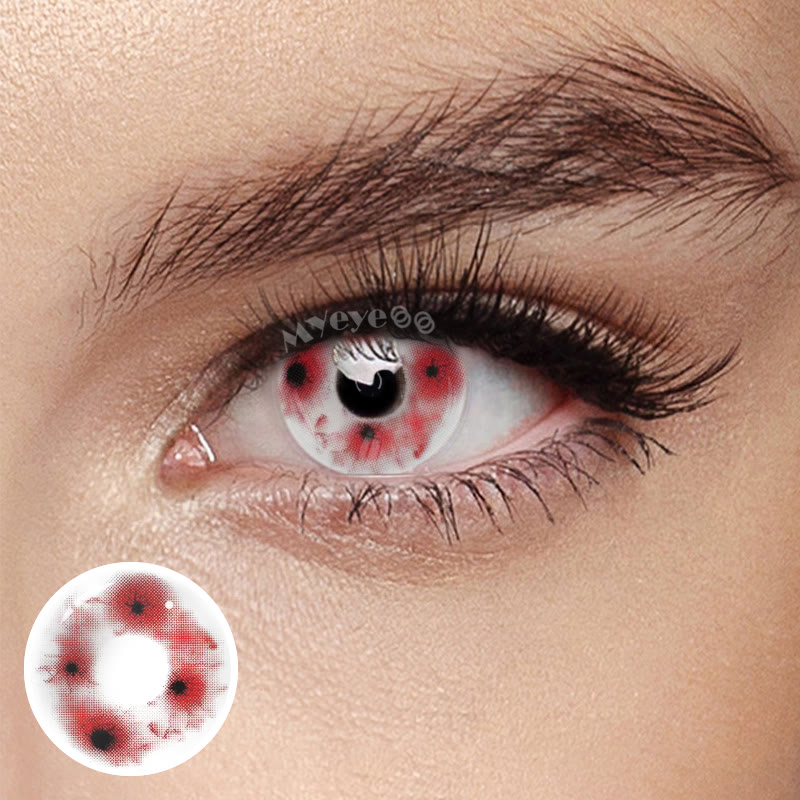
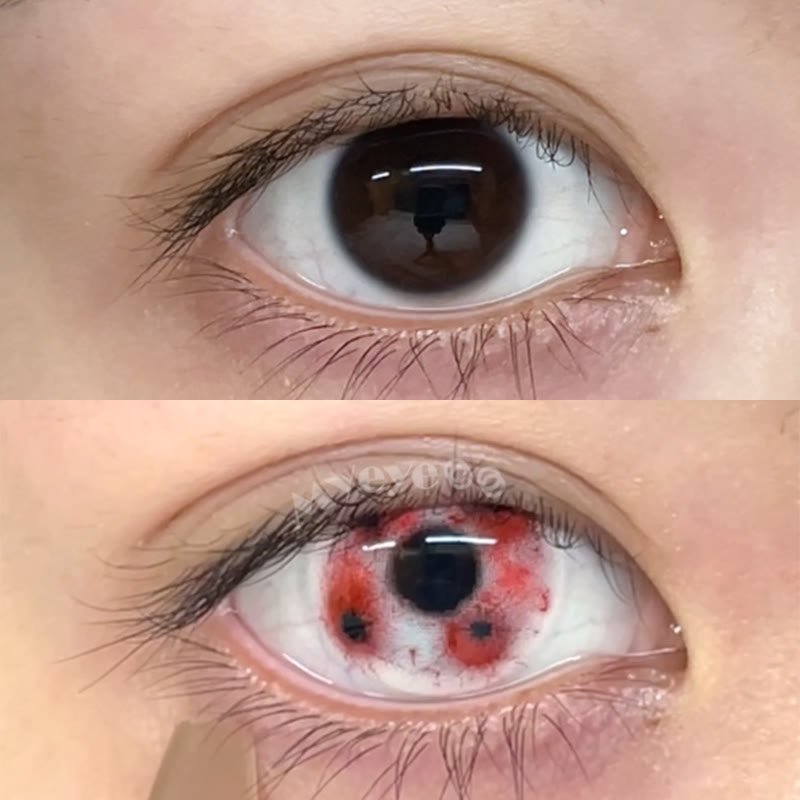
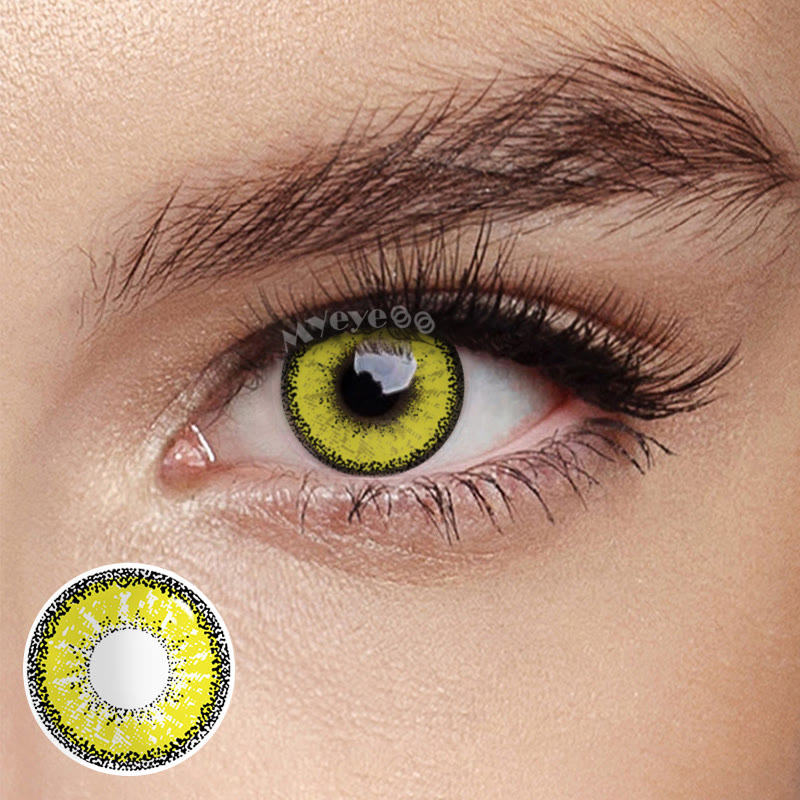
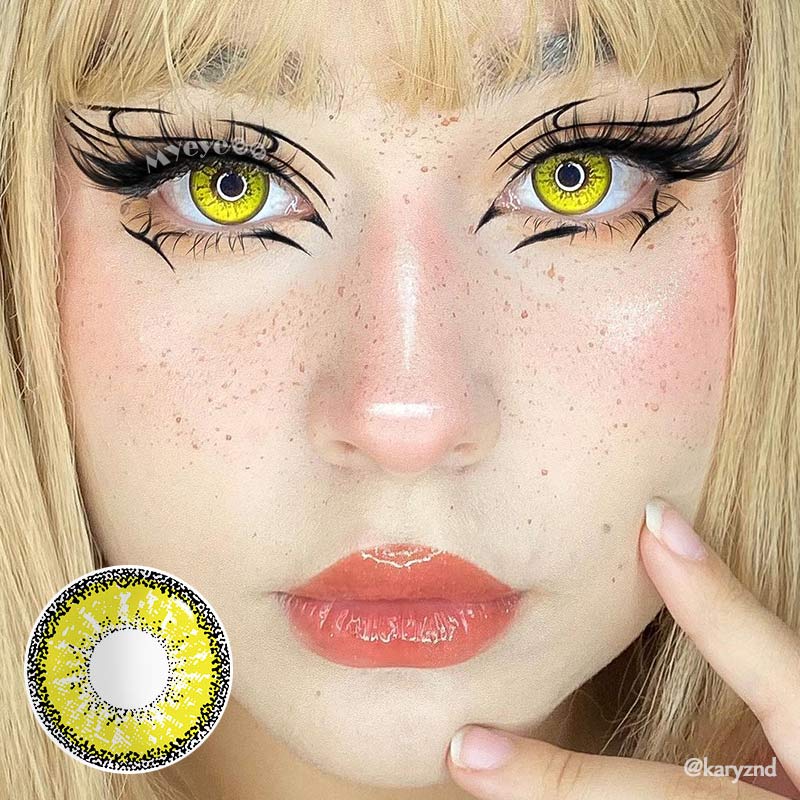
Colored contact lenses mimic the natural appearance of the iris using tiny colored dots and radially arranged shapes. They come in visibility tints (light blue or green to help locate the lens), enhancement tints (translucent to make light eyes more vibrant), and opaque tints (to completely change eye color). Both prescription and non-prescription colored contacts require a valid prescription and professional fitting. All contact lenses are medical devices with potential to harm your eyes if you fit, wear, or maintain them improperly, which is why this requirement exists.
The key difference lies in purpose. Clear lenses focus on vision correction, while colored options combine vision correction with cosmetic enhancement. Both types use advanced materials like silicone hydrogel and follow similar care routines. Your choice depends on whether you prioritize a natural appearance or want to modify your eye color while correcting your vision, given that both require prescriptions and proper maintenance.
Types of Contact Lenses for Better Vision
Selecting the right type of contact lens depends on your vision correction needs, lifestyle, and how often you want to handle lens maintenance.
Daily disposable lenses
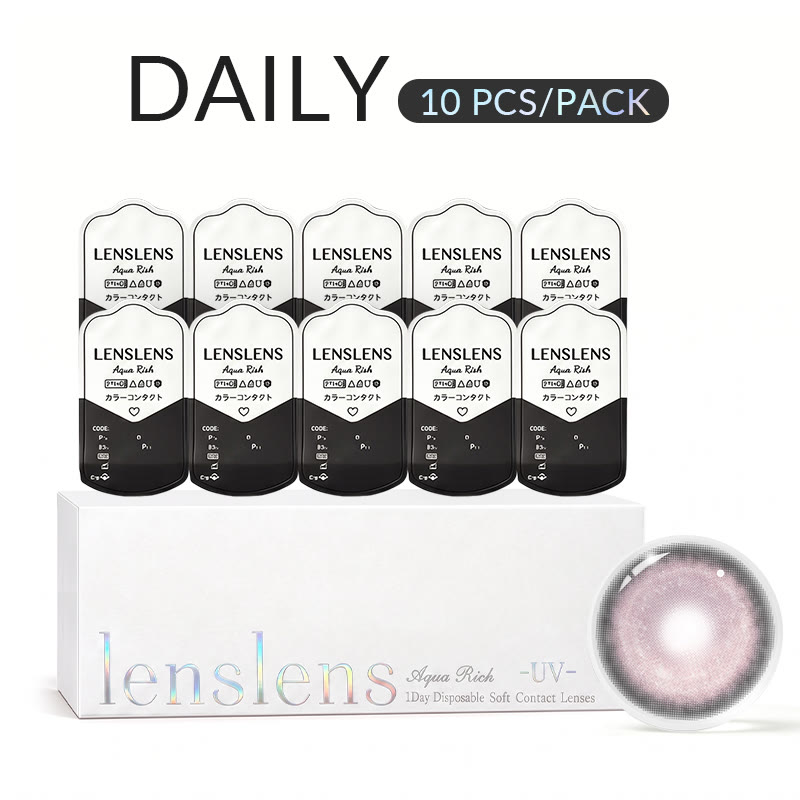
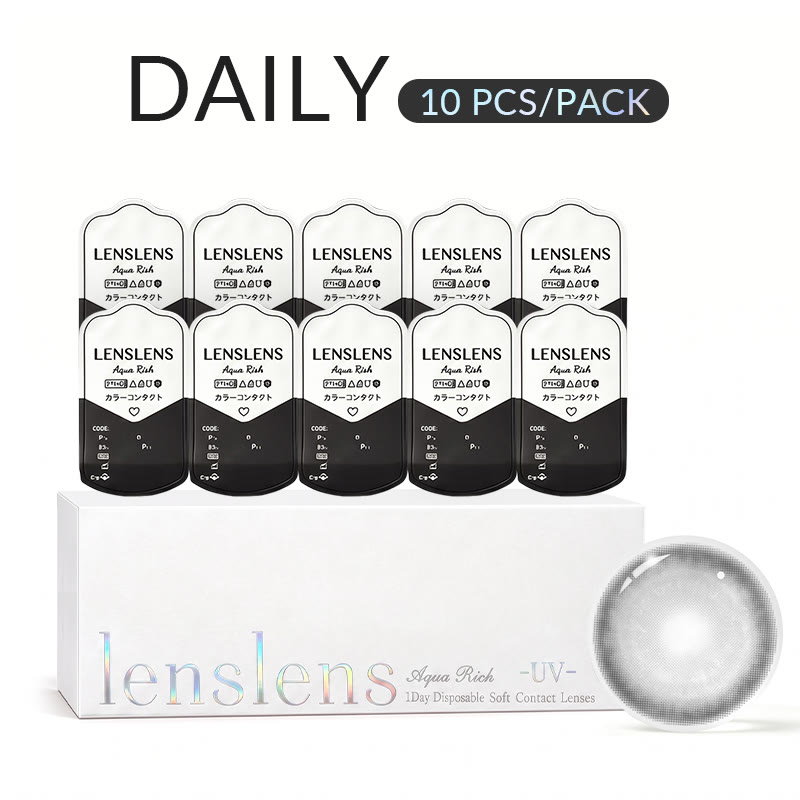
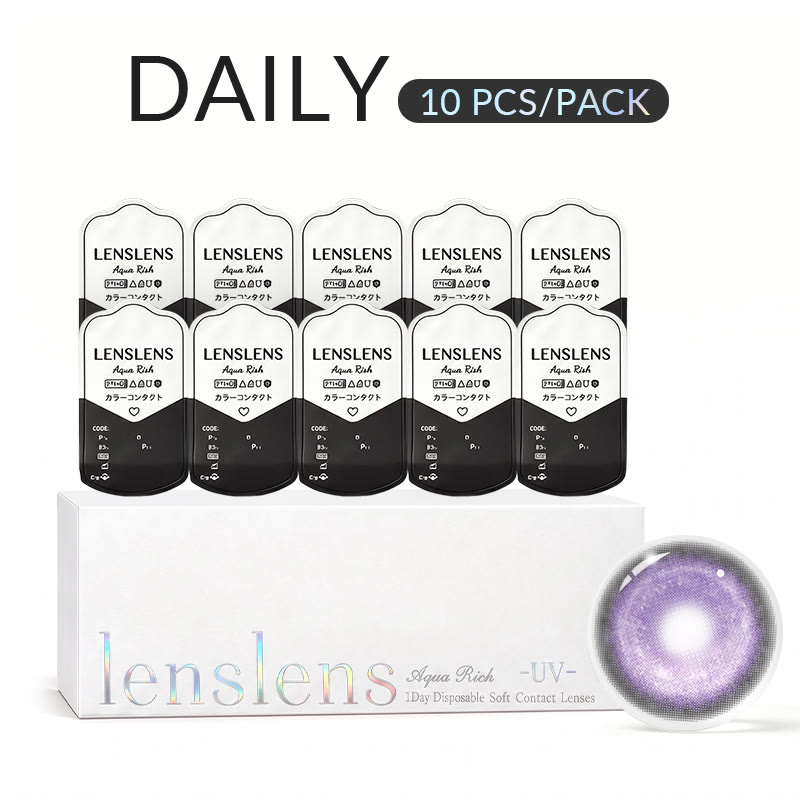
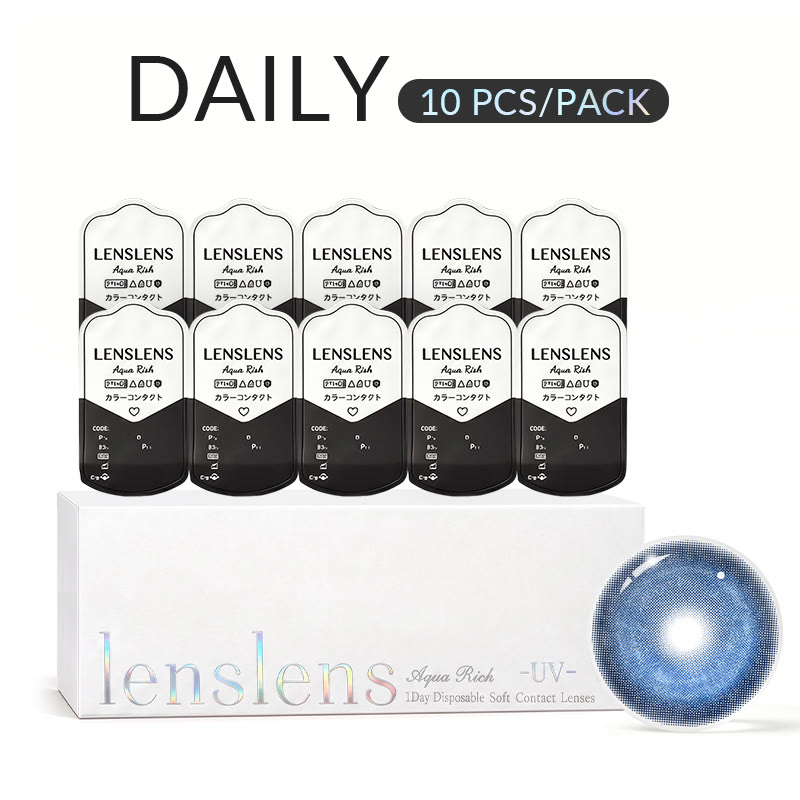
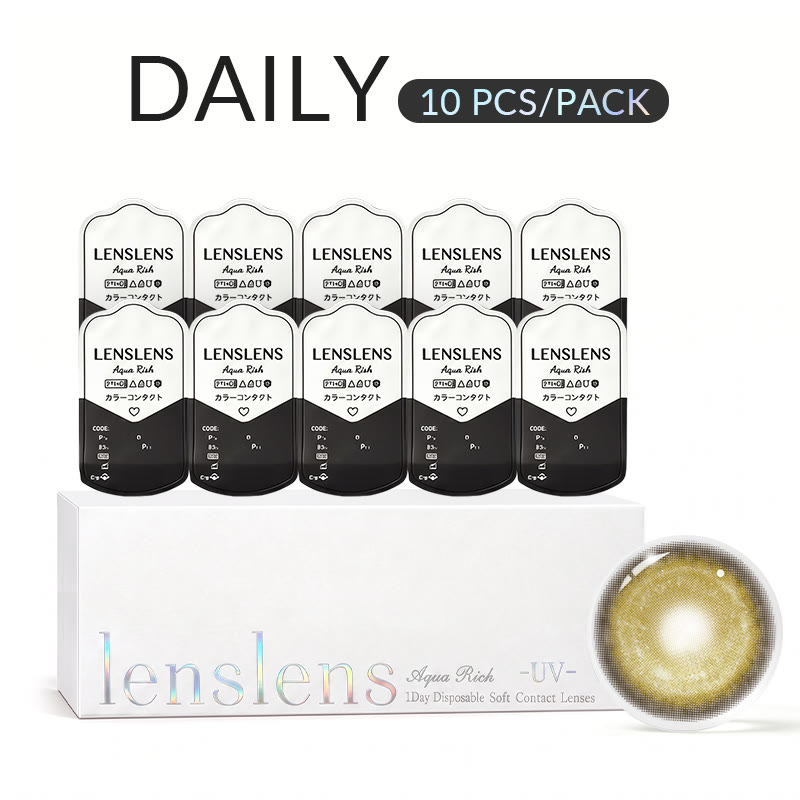
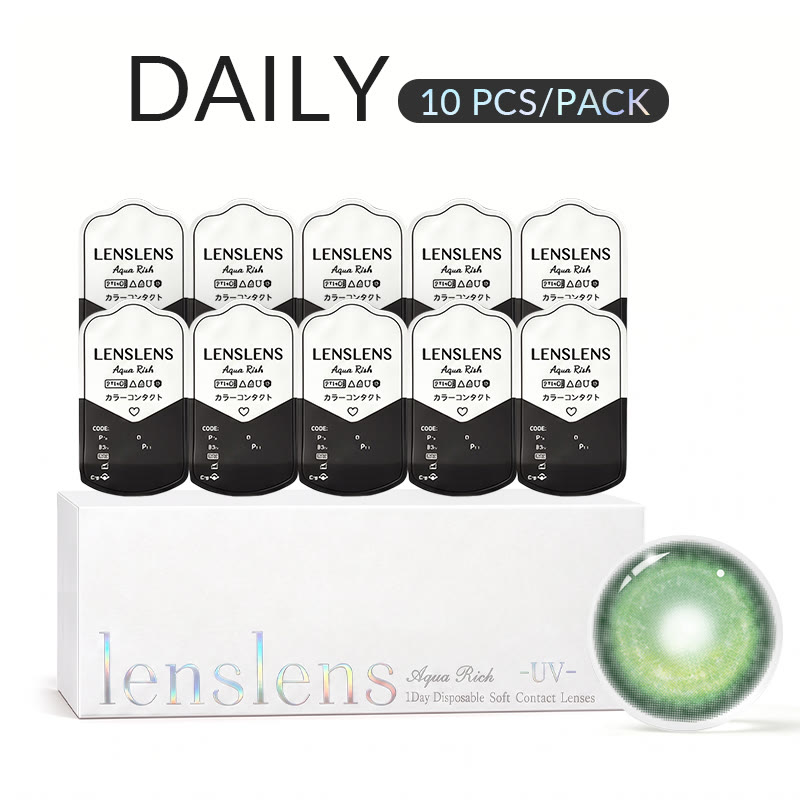
Single-use soft contacts are designed to be worn once and discarded at the end of each day. You insert a fresh pair each morning and throw them away before bed. This eliminates cleaning and storage routines. The convenience makes them the safest option for new contact wearers.
Daily disposables are manufactured from thinner materials than monthly versions. This provides better comfort for patients with sensitive eyes. You discard them after each use, so protein buildup and allergen accumulation never occur. Studies show daily disposable contacts have infection rates that are much lower compared to monthly lenses. Eye doctors recommend them for people prone to allergies or those who wear contacts on occasion rather than full-time.
Extended wear lenses
Extended wear contacts can be worn for up to six nights and seven days. Certain continuous wear contacts are approved for up to 30 days straight. They use silicone hydrogel materials that deliver superior oxygen permeability. Your cornea relies on blood vessels in your eyelids for oxygen during sleep. Breathability becomes the biggest criterion for extended wear suitability.
These lenses benefit military personnel, outdoor enthusiasts, emergency workers, and people with high refractive errors who need clear vision when waking at night. Extended wear carries higher infection risk, though. Sleeping in contacts increases infection risk by four times, whatever the lens type. Remove even extended wear contacts before sleeping when possible.
Toric lenses for astigmatism
Multifocal lenses for presbyopia
Multifocal contact lenses address presbyopia, the age-related condition that makes it difficult to focus on close objects. These lenses contain multiple prescriptions in one lens. They provide clear vision at near, intermediate, and far distances. Presbyopia correction with contact lenses accounts for up to 25–35% of contact lens fittings in several countries.
Most modern soft multifocals employ simultaneous image optical designs. They position distance and near powers over your pupil at the same time. Your eye learns to attend to the clearest images based on visual tasks. Aspheric multifocals feature center-near or center-distance power orientations with gradual transitions across the lens.
Specialty lenses for high prescriptions
Specialty medical contact lenses provide improved vision for conditions like keratoconus, corneal scarring, corneal transplants, and high prescriptions. Custom soft lenses are designed with varying sizes and curvatures for non-standard prescriptions or unique eye shapes. Rigid gas-permeable (RGP) lenses work well when standard soft lenses can't improve vision to expected levels. Scleral lenses are larger and rest on the white of your eye while vaulting over the cornea. They're filled with preservative-free saline that creates a liquid barrier for improved comfort.
Choosing the Best Solution for Contact Lenses
Your eye care provider thinks about multiple factors when recommending the best solution for contact lenses, starting with the fundamental choice between materials.
Material options: soft vs rigid gas permeable
Soft contact lenses account for around 93% of all contact lens fits in the United States. These flexible plastics drape over your eye and create immediate comfort that most wearers appreciate from day one. You don't feel them much when blinking, and they stay centered without becoming dislodged during normal activities. But soft lenses carry disadvantages. They're more prone to tearing and let less oxygen reach your cornea compared to rigid options. Some patients experience increased dryness with soft contacts.
Rigid gas permeable lenses make up about 4% of reported lens-related complications. RGPs let more oxygen reach your cornea through tears flowing under the lenses. They deliver very crisp, clear vision. Patients with mild to moderate dry eye often find they can wear RGPs longer and more comfortably than soft lenses. Children fitted with RGPs tend to have more stable prescriptions than children wearing glasses. The trade-off involves an adaptation period. You'll feel the lens edges during blinking at first, though this sensation decreases within one to two weeks.
Silicone hydrogel for oxygen flow
Silicone hydrogel materials now account for around 75% of all new daily wear soft lenses fitted. These advanced materials let about five times more oxygen reach your cornea than standard hydrogel soft lenses. This increased oxygen permeability prevents hypoxia, the insufficient oxygen supply that causes discomfort and long-term complications. Silicone hydrogel works well for patients prone to dry eyes and outperforms traditional hydrogel options.
Prescription strength considerations
Your contact lens prescription has specific measurements beyond simple vision correction strength. Power describes the correction strength in diopters, written in 0.25D increments. Base curve indicates lens curvature measured in millimeters and ensures proper fit on your eye. Diameter refers to the full lens width, ranging from 13 to 15 mm.
Fitting and comfort factors
Professional fitting remains non-negotiable for contact lens success. About one in four new wearers drop out within the first year, with roughly one-third citing discomfort as their main reason. Your eye doctor takes precise measurements and evaluates how your eyes respond during a trial period. Follow-up visits ensure proper fit and function, preventing complications from ill-fitting lenses.
Key Features That Enhance Clear Vision
Caring for Your Contact Lenses Properly
Proper maintenance protects your eyes and extends the lifespan of your clear vision contact lenses.
Daily cleaning and storage routines
Wash your hands really well with soap and water, then dry them with a lint-free towel before touching your lenses. Place each lens in your palm and apply fresh contact lens solution. Gently rub for ten to fifteen seconds on each side. Rinse with fresh solution before storing. This mechanical rubbing removes deposits that soaking alone can't deal with.
Never reuse or top off old solution in your lens case. The disinfecting agents become depleted overnight, and adding fresh solution to spent liquid dilutes effectiveness. Empty the case each morning, rinse with fresh solution, and leave it upside down to air dry. Replace your lens case every three months at minimum.
Can you use Clear Eyes with contacts
Remove your contacts before you use eye drops. Some ingredients in lubricant eye drops can make your contacts blurry. You can use Clear Eyes Contact Lens Multi-Action Relief created for contact lens wearers. Redness-relief drops contain vasoconstrictors that can cause deposits on your lens. Allergy drops should be used 15 minutes before lens insertion. Contact lens rewetting drops have "contacts" on the label and can be used as often as needed.
Replacement schedules and hygiene
Daily disposable lenses should be discarded after one use. Bi-weekly lenses must be replaced every two weeks whatever the wear days. Monthly lenses require replacement every 30 days after opening the blister pack. Never stretch your replacement schedule. This increases protein deposits and infection risk.
Common mistakes to avoid
Sleeping in contact lenses increases infection risk up to eight times. Never expose lenses to water while swimming or showering. Avoid using expired solution, as disinfecting agents degrade beyond effective concentrations. Never use water or saliva to moisten lenses.
Conclusion
Clear vision contact lenses offer tremendous flexibility for vision correction in 2026, with options spanning daily disposables, toric lenses for astigmatism, and multifocal designs for presbyopia. Advanced materials like silicone hydrogel provide superior oxygen flow and comfort, while features such as UV protection and moisture retention improve your eye health.
Without doubt, the right contact lens choice depends on your unique vision needs, lifestyle, and wearing priorities. Start by scheduling a professional fitting with your eye care provider to explore which options suit you best. Commit to proper daily maintenance routines as well. You'll enjoy clear, comfortable vision for years to come when you combine the perfect lens type with consistent care habits.