
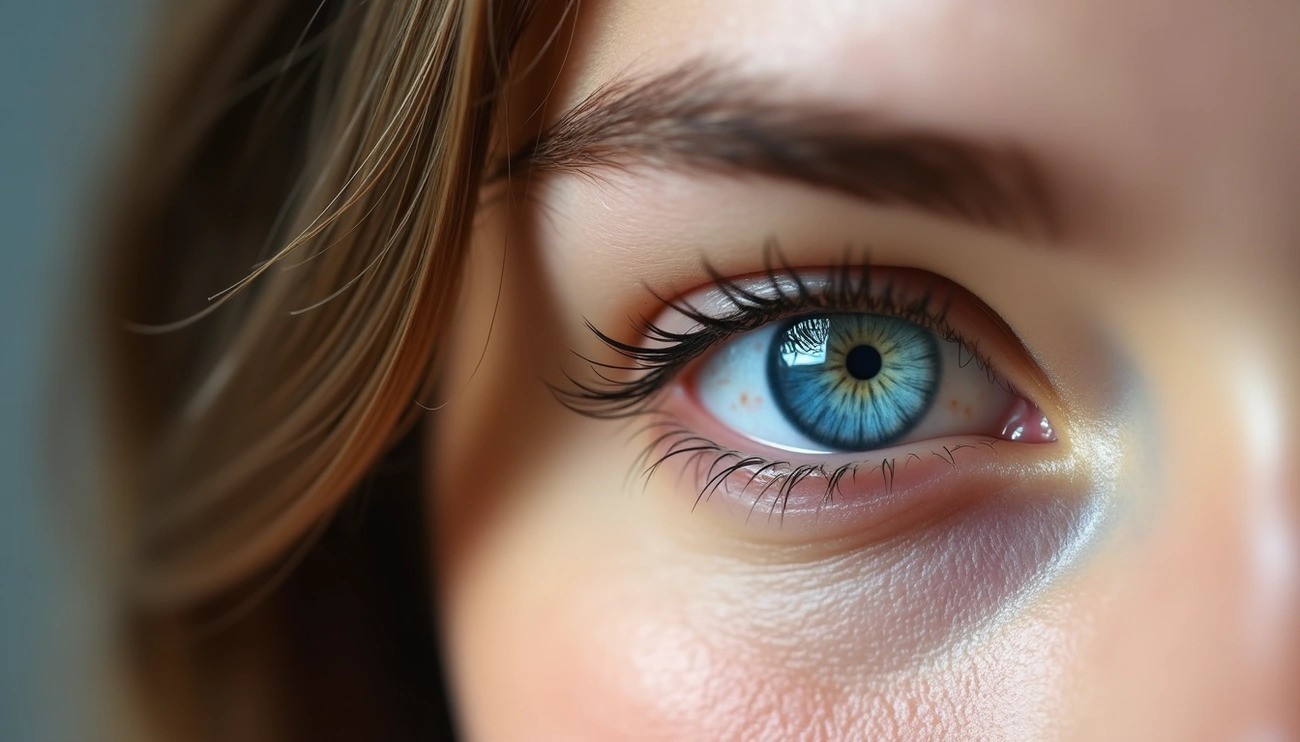
Blue eyes are among the rarest eye colors globally. Only about 8-10% of the population has this hue. Colored contacts for improving blue eyes give you unique advantages that darker eyes cannot achieve. Your lighter natural pigment allows improvement tints and opaque lenses to create more noticeable transformations. These range from subtle intensity boosts to dramatic makeovers. Colored contacts for light eyes provide many possibilities. You can choose improvement tint contacts for blue eyes that deepen your natural shade. Or you can pick bold color contacts for light eyes that completely transform your appearance. Here we explore the best options, selection tips and proper care practices for healthy results that look great.
What Makes Blue Eyes Perfect for Color Enhancing Contacts
Your light-colored irises function differently from darker eyes at a fundamental level. This creates unique opportunities for improvement tint contacts for blue eyes. Understanding this biological advantage helps you make better choices when selecting color improving contacts for light eyes.
The Science Behind Blue Eye Color
Blue eyes don't contain actual blue pigment. Your eyes appear blue through a physical phenomenon called Rayleigh scattering, the same process that makes the sky look blue. Light enters your iris and interacts with the stroma, which contains collagen fibers but lacks melanin pigment. Shorter wavelengths of light scatter more easily than longer ones. Blue wavelengths scatter most effectively, so your eyes display that characteristic blue appearance.
Your iris structure contains minimal melanin compared to brown eyes. Blue eyes result from low melanin concentrations in the stroma, which sits in front of the dark epithelium. The underlying epithelium absorbs longer wavelengths, while shorter blue wavelengths reflect back through the turbid medium. This structural color system means your eye color can appear to change under different lighting conditions. The absence of melanin creates what scientists call a "completely colorless stroma" that scatters all incoming light back into the atmosphere.
The genetic mutation responsible for blue eyes affects the OCA2 gene, which controls melanin production. This mutation doesn't eliminate melanin but reduces its production in the iris, diluting what would otherwise be brown eyes. Melanin absorbs light rather than reflecting it. Less melanin in your iris allows more light to scatter and create visible color effects.
Why Improvement Tints Work Better on Light Eyes
Your low melanin content gives you a distinct advantage when wearing colored contacts for light eyes. Light eyes have less natural pigment to compete against when you place tinted lenses over them. This creates a clearer canvas where even subtle improvement tints produce noticeable changes. Darker eyes require heavy pigmentation to mask the underlying color. Your blue eyes respond more dramatically to both translucent and opaque lens options.
Improvement tint contacts for light eyes work by adding see-through color that interacts with your natural eye color instead of covering it. Your iris contains minimal melanin, so these translucent tints can change your blue eyes toward green or gray. They can desaturate them to softer shades or intensify your existing blue to different variations. You can even apply subtle violet hints if you prefer. The flexibility stems from how light interacts more freely with your iris structures when less pigment blocks the pathway.
You gain access to a wider spectrum of improvement options than people with darker eyes possess. Your light-colored base allows you to create both subtle changes and bold transformations more easily. Opaque lenses blend more naturally with blue eyes because they don't need to hide a dark base color underneath. The result looks more authentic since the lens color doesn't fight against heavy natural pigmentation. Your eyes provide an ideal foundation for any color improvement you choose to explore.
Types of Color Contacts for Light Eyes
Selecting the right type of colored contact lens determines whether you achieve subtle enhancement or bold transformation. Each category serves different needs based on your desired intensity level and lifestyle requirements.
Enhancement Tint Contacts for Blue Eyes
Enhancement tints contain translucent hues that interact with your existing eye color rather than covering it. These lenses add depth or create slight hue shifts without altering your appearance in drastic ways. Your light-colored irises respond well to this technology. The minimal melanin allows the tint to blend with your base color in natural ways.
These lenses excel at intensifying what you already have. You might transform baby blues into periwinkle shades or shift sage-colored eyes toward emerald tones. The translucent design means your natural iris patterns remain visible through the lens and create authentic-looking results. Enhancement tints can brighten your color for blue eyes, add interesting dimensions, or deepen your natural shade without appearing artificial.
Opaque Colored Contacts for Complete Transformation
Opaque lenses feature dense pigmentation designed to mask your natural eye color. These lenses create dramatic changes by using solid color layers that cover your iris, unlike enhancement tints. This design proves ideal when you want vibrant, noticeable transformations that wouldn't otherwise show on any base color.
You gain access to a wider range of colors and styles with opaque options. Brown contacts for blue eyes create striking results and shift you from cool tones to warm hues. These lenses work by incorporating a pigmented layer made from breathable material. This maintains oxygen flow while delivering complete coverage. Opaque designs even blend more with blue eyes compared to darker bases because they don't need to fight against heavy underlying pigmentation.
Prescription Colored Contacts for Blue Eyes
Prescription colored lenses combine vision correction with esthetic enhancement. These options benefit people with myopia or astigmatism who want both functional and cosmetic improvements. You can select enhancement tints or opaque colors while receiving the refractive correction your eyes require.
Major brands offer prescription versions in their colored lens lines and allow you to add power to your selected color. Some manufacturers even provide yearly lens options for astigmatism in popular collections. This dual function means you don't sacrifice visual clarity for appearance changes.
Daily vs. Monthly Colored Contact Lenses
Daily disposable lenses offer maximum convenience and hygiene. You wear a fresh pair each day and discard them at night. This eliminates cleaning routines. This single-use approach lowers your risk of irritation or infection while proving ideal for packed schedules. Daily options work well for occasional wear or if you experience dryness.
Monthly lenses provide budget-friendly options for regular users and often feature wider color selections. You can wear these over 30 calendar days with proper care. They require diligent cleaning and storage after each use to maintain comfort and safety. Monthly options suit you better when you plan to wear colored contacts often and don't mind the maintenance routine.
Top Color Options That Enhance Blue Eyes
Different color options produce distinct effects when layered over your blue irises. Your choice depends on whether you want a barely-there enhancement or a head-turning transformation.
Green Colored Contacts for a Natural Change
Green lenses create one of the most believable transformations for blue eyes. The colors sit close enough on the spectrum that the change appears noticeable without looking artificial. Green and blue share cool undertones, which makes the transition smooth. You layer green over blue and often achieve a turquoise effect as the colors blend together.
Specific shades work well with blue bases. Emerald green creates rich, jewel-toned depth and maintains natural appearance. Jade provides brighter, more vivid results that still look believable. Olive and similar earthy greens complement blue eyes by highlighting their cool tones and adding mysterious dimension[113]. These options flatter you if you have warm skin undertones, since the contrast makes both your eyes and complexion appear more vibrant.
Gray Contacts for Subtle Intensity
Gray lenses add sophistication without dramatic change. They share blue's cool undertones and create subtle yet effective changes. These contacts make your eyes appear more intense and add a smoky, enigmatic quality that stands out without looking theatrical.
Lighter gray shades deliver the best results on blue eyes. Silver and pearl gray variations work better than darker tones. The cool, steely appearance these lenses provide can make your eyes look brighter and more captivating. Gray flatters cool skin tones.
Brown Contacts for Dramatic Change
Brown represents the most striking transformation available. You move from cool blue to warm brown hues and create complete color reversal. This dramatic contrast works well for certain skin tones, though the change remains quite bold.
Lighter brown shades like honey create more natural transitions and prove popular for their subtlety[113]. The amber-toned effect appears less dramatic than deeper options. Chocolate brown provides the most intense transformation with rich, deep coloring. Brown contacts work best when you have neutral to warm skin undertones, as they create harmony between your eye color and complexion.
Blue Enhancement Contacts for Deeper Color
Blue enhancement contacts intensify what you already possess. These lenses make your natural blue appear more vibrant, deeper, or add interesting aqua and sapphire dimensions. Navy blue deepens your eyes for more intense, dramatic results. Sapphire adds brilliance and sparkle while creating jewel-toned effects. Aqua blue produces lighter, more vivid coloring with turquoise undertones. Blue enhancement flatters all skin tones since it amplifies your natural feature.
Violet and Aqua for Unique Effects
Violet contacts offer something more unusual and maintain surprising naturalness with blue eyes. Violet shares cool undertones with blue but adds unique dimensions. These colors create ethereal, otherworldly effects that can still appear believable. Violet and lilac shades complement blue eyes well. The result produces a captivating contrast that enhances vibrance and brightness.
How to Select the Best Colored Contacts for Your Look
To match colored contacts for blue eyes to your unique features, you need to understand specific characteristics that influence how lenses appear on you. Your skin's undertones, personal style and wearing patterns all play roles in determining which options produce the most flattering results.
Understanding Your Skin's Undertones
Your skin contains hues that affect how contact lens colors appear against your complexion. These undertones fall into three categories: warm, cool and neutral.
Check the veins on your wrist's underside to identify your undertone. Green-tinted veins indicate warm undertones, while blue or purple veins signal cool undertones. If you struggle to determine the color, you have neutral undertones. Think over which jewelry flatters you more. Gold complements warm undertones, while silver boosts cool ones. Both metals looking good suggests neutral undertones.
Warm undertones pair best with earthy tones. Brown, hazel, honey and green contacts create harmony with your golden or peachy complexion. Cool undertones shine with sapphire, aqua, ice blue, gray and emerald shades that boost your pink or red undertones. Neutral undertones offer maximum flexibility, since you can experiment with both warm and cool colors.
Choosing Colors That Complement Your Style
Your hair color influences which contact shades create cohesive looks. Dark hair creates striking contrast with bold blues or greens. Natural hair color also provides undertone clues: red, orange or yellowish tones suggest warmth, while black, brown or ash blonde indicates coolness.
Your makeup preferences matter when selecting color enhancing contacts for blue eyes. Bold makeup styles benefit from electric blue, violet or deep gray lenses that intensify dramatic looks. Natural makeup pairs better with soft brown, hazel or subtle gray that won't overpower your features.
Considering the Wearing Schedule
Match your lens choice to when you'll wear them. Natural shades suit daily wear better, while vibrant colors excel for special occasions. Daily disposables provide convenience for occasional use and eliminate maintenance requirements. Monthly lenses prove more economical for frequent wear but demand consistent cleaning and proper storage. Your lifestyle determines which option serves you best based on comfort needs and budget.
Ensuring Comfort and Eye Health with Colored Contacts
Colored contacts for blue eyes qualify as medical devices regulated by the FDA. The FDA requires prescriptions from licensed eye care professionals. This classification exists because improper use can lead to corneal abrasions, infections and even blindness. Around one-third of contact wearers stop use due to irritation and reduced vision quality caused by improper fitting.
Choosing High-Quality Lens Materials
Silicone hydrogel materials deliver six times more oxygen to your cornea compared to traditional hydrogel lenses. Your cornea receives oxygen directly from air. Barriers can cause hypoxic events like swelling and epithelial thinning. Look for lenses with high water content. Brands like Myeyebb offer 55% water content, substantially higher than most colored contacts on the market. This moisture retention keeps lenses soft and hydrating throughout extended wear.
Cleaning and Storage Methods
Wash your hands really well with soap and water before handling your colored contacts for light eyes. Clean your lenses by rubbing them in your palm with solution. This mechanical action breaks down deposits that stick to lens surfaces. Never use tap water or saliva. These introduce harmful bacteria and can cause microbial keratitis occurring at rates of 2-4 per 10,000 users for daily wear. Store lenses in fresh solution within a clean case. Replace the case every three months to prevent bacterial contamination.
Recognizing When to Remove Your Lenses
Remove your contacts before sleeping, swimming or participating in water activities. Sleep or water exposure increases infection risk substantially. If you experience discomfort, redness, irritation or reduced vision, remove your lenses right away and consult your eye care professional.
Getting Regular Eye Check-ups
Schedule eye examinations annually at minimum. These appointments allow professionals to monitor your eye health and identify irritation or infection signs. They also ensure your prescription remains current. Regular checkups help prevent complications like dry eye syndrome and corneal damage.
Conclusion
Your blue eyes give you an advantage when trying colored contacts. The low melanin content in your irises creates a canvas for both subtle enhancement tints and opaque transformations. You can deepen your natural shade with blue enhancement lenses or move toward green for a believable change. Bold brown contacts offer complete transformation. You have more options than people with darker eyes.
Prioritize safety with esthetics. Always get a proper prescription and choose high-quality materials with good oxygen permeability. Maintain hygiene practices carefully. Colored contacts become a safe way to refresh your look when you combine selection with care.