
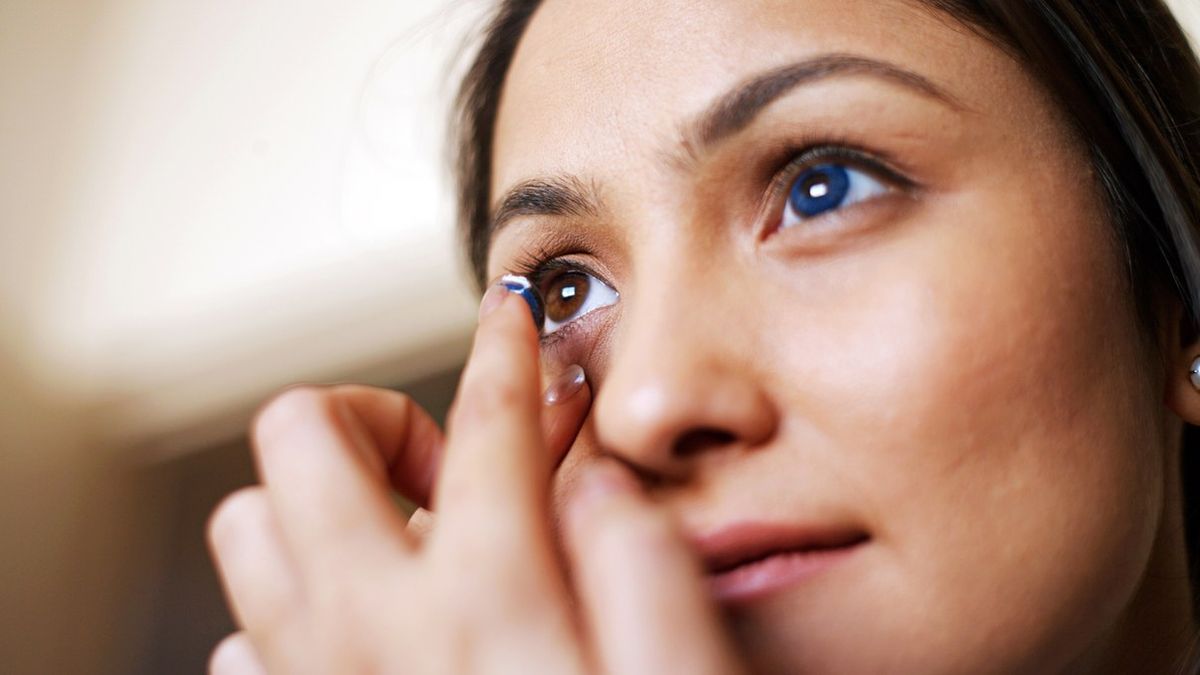
Nearly 41 million American adults face common contact lens issues. The Centers for Disease Control and Prevention reports that every single wearer does something that introduces germs into their eyes. In fact, at least half of contact wearers admit to sleeping or napping with their lenses in, while nearly a third have sought medical attention for red or painful eyes. You might be dealing with contact lenses burning, allergic reaction to contact lenses, or wondering why do my contacts keep tearing. These contact lens problems have straightforward solutions. This piece addresses the most frequent contact lens complications and shows you how to resolve trouble with contact lenses quickly.
Common Contact Lens Problems: What You Need to Know
Why contact lens issues happen
Contact lenses sit on your eye's surface and make them a foreign body in constant contact with sensitive tissues. Your eyes react to this presence naturally, and this reaction can intensify over time. Contact lens intolerance often develops gradually, which explains why even experienced wearers face problems after years of trouble-free use.
Poor hygiene ranks as one of the biggest problems behind contact lens complications. Improper care habits account for 33% of infectious keratitis cases, while overnight wear causes 43% of these infections. You create a risky environment when you sleep in your lenses because it reduces oxygen flow to your cornea and traps bacteria against your eye's surface for extended periods. Research shows that sleeping while wearing contact lenses multiplies your infection risk by up to eight times.
Water exposure creates another risk factor. You introduce microorganisms that can cause severe infections when you swim, shower, or rinse your lenses with tap water. Your contact lens storage case also harbors persistent microbial contamination, which has been linked to microbial keratitis and corneal invasion.
Environmental factors and lifestyle habits contribute to many common issues with contact lenses. Extended screen time reduces your blink rate, which dries out your lenses and causes discomfort. Air conditioning, wind, and dry climates disrupt your natural tear film. Around 50% of contact lens wearers experience dry eye symptoms, and these conditions worsen when you overwear your lenses or skip proper cleaning routines.
When to be concerned about symptoms
You can protect your vision when you know the difference between minor irritation and serious problems with contacts. Remove your contact lenses right away if you experience:
- Severe eye pain or persistent discomfort
- Redness that doesn't resolve quickly
- Blurry vision or vision changes
- Light sensitivity
- Eye discharge or pus
- Excessive tearing or watering
These symptoms signal potential infections or complications that need professional evaluation. Eye pain, blurred vision, and redness indicate inflammation or infection that requires treatment right away. Microbial keratitis, though rare at 2 to 5 cases per 10,000 contact lens wearers each year, can lead to blindness or necessitate corneal transplant in severe cases.
Contact lens intolerance presents differently than acute infections. You might notice your comfortable wearing time shrinking from 12 hours to 8, then 6, or less. Chronic redness that persists after removing your lenses, a gritty sensation that lubricating drops can't resolve, or pain during lens handling all suggest your eyes are rejecting the lenses.
The importance of proper lens care
Proper contact lens care affects both your vision quality and eye health. Cleaning removes deposits, debris, and some germs from lens surfaces, while disinfection kills harmful microorganisms that cause severe infections. These two steps work together but serve distinct purposes.
Never mix fresh solution with old or used solution in your case, as this practice reduces disinfection effectiveness. Rub and rinse your lenses with clean fingers even if your solution is labeled "no-rub." Store your case upside down on a clean tissue with caps off after each use, and replace it every 3 months.
Saline solution only rinses lenses after cleaning and disinfecting with another system. It doesn't disinfect. Daily cleaner loosens deposits but doesn't kill germs. You can prevent trouble with contact lenses caused by inadequate disinfection when you understand these differences.
Daily disposable lenses eliminate care routines because you discard them each night. For reusable lenses, you prevent complications when you follow your eye doctor's replacement schedule and care instructions. Regular eye exams ensure your lenses still fit properly, as contact lenses can warp over time and your cornea shape can change.
Discomfort Issues: Burning, Itching, and Redness
Contact lenses burning and stinging
Something has gone wrong when you feel burning sensations while inserting contact lenses. A dirty lens ranks among the most frequent culprits. Eyelashes, dust, lint, or makeup flecks stuck on your lens surface create immediate irritation. Remove the lens right away and inspect it carefully. Rinse with saline solution. Throw away the lens if you spot tears or persistent debris.
Soap residue on your fingers produces another common burning trigger. Hand sanitizer stings even worse if you apply your lenses before it dries. Skipping handwashing allows lotion or other substances to transfer onto your lenses and into your eyes. Wash your hands really well with soap and rinse before handling lenses. This prevents the discomfort.
Dry eyes intensify burning sensations when you add contact lenses. Your eyes already struggle with insufficient moisture. Lenses absorb what little tears remain. Blepharitis, an inflammation of your eyelids, compounds the problem by causing swollen, greasy eyelids with crusted debris along your lash line. Flakes from blepharitis get trapped under lenses and worsen irritation.
Photokeratitis, sunburned eyes from UV exposure, creates severe burning that contact lenses aggravate. Corneal abrasions from scratches feel worse when covered by a lens. Both conditions require removing your contacts right away and allowing your eyes to heal for several days.
Allergic reaction to contact lenses
Contact lens surfaces attract allergens like magnets. Pollen, ragweed, dust mites and pet dander cling to your lenses. They hold irritants against your eyeballs. This prolonged exposure triggers histamine release and causes your eyes to water, itch and burn as your immune system attempts to eliminate perceived threats.
Daily disposable lenses help minimize allergen buildup compared to multi-week replacement schedules. Changing lenses more frequently during high pollen seasons reduces accumulated irritants, though this approach increases costs.
Solution sensitivity develops differently than environmental allergies. Preservatives in multipurpose solutions cause reactions in some wearers and produce burning, stinging and redness. Switching to hydrogen-peroxide-based cleaning systems or preservative-free products often resolves these problems if you follow all neutralization steps correctly.
Giant papillary conjunctivitis (GPC) represents a specific allergic response where small bumps form on the inner surface of your eyelids. Your body reacts to protein deposits building up on lenses or to the lenses themselves as foreign objects. GPC causes itching, redness, blurred vision and stringy mucus discharge. Cleaning lenses really well and replacing them on schedule prevents protein accumulation.
Redness from trapped irritants
Debris trapped under your contact lens irritates the nerves in your cornea and causes pain, burning and pronounced redness. Particles on top of your lens scratch the inside of your eyelid in similar fashion. This irritation builds throughout the day. Barely noticeable scratchiness transforms into intense discomfort by evening.
Makeup creates particular problems for contact wearers. Put lenses in before eye makeup to reduce the chance of particles slipping underneath. Remove them if makeup gets on your lenses. Clean really well and swap for fresh pairs if symptoms persist after reinsertion.
Contact lens overwear causes redness by reducing oxygen supply to your cornea. New blood vessels grow onto your cornea seeking additional oxygen sources and create a persistently bloodshot appearance.
Quick relief solutions
Remove your contacts right away when burning or redness occurs. Rinse your eyes with sterile saline or preservative-free artificial tears to flush out irritants. Rest your eyes by wearing glasses for several hours or days depending on symptom severity.
Clean lenses with fresh solution using the rub-and-rinse method even if your solution claims "no-rub" formulation. Apply cool compresses to closed eyes rather than rubbing, which increases irritation. Use lubricating drops labeled safe for contact lens wear and choose preservative-free options for frequent application. Antihistamine eye drops compatible with contacts provide allergy relief, but verify compatibility before use.
Physical Contact Lens Complications
Physical complications are different from discomfort sensations because they involve structural or mechanical failures rather than irritation alone. These issues require specific handling techniques to protect your eyes from damage.
Contact lens falling out repeatedly
Lenses should stay firmly positioned on your cornea during normal activities. When they dislodge often, something is wrong and needs attention. Poor fit ranks as the biggest problem - a lens that doesn't match your eye's curvature moves too much with each blink. Rigid gas permeable lenses sit closer to the cornea's center and are more prone to dislodging during hard blinks or abrupt eye movements.
Dry eye destabilizes lens positioning because insufficient moisture causes lenses to stick to your eyelid rather than your eye. Incomplete blinking during extended screen time makes this worse. When you rub your eyes, lenses displace right away, while debris trapped underneath lifts the lens off your cornea.
Stop and find a clean area to wash your hands really well when a lens falls out. Inspect the lens for tears, dirt, or damage. Rinse with fresh contact lens solution - never tap water - before you reinsert. Discard torn or dried-out lenses right away. The lens cannot get lost behind your eye, though it may shift under your eyelid.
Why do my contacts keep tearing
Soft contact lenses offer comfort through flexibility, but this same property makes them fragile. Fingernails cause most tears. Remove lenses by sliding them off your cornea with fingertip pads, then lift them. Pinching from the center with nails creates instant damage.
Dry lenses tear easily during removal or unfolding. Use rewetting drops before you take out lenses that feel dry. Besides dryness, aggressive cleaning damages lens material. Rub with clean, dry hands and avoid hand sanitizer as alcohol degrades lens structure.
Expired or overworn lenses weaken structurally and develop deposit buildup. Replacement schedules prevent thinning that increases tear risk when you follow them. Store lenses in cases filled with fresh solution - partially full cases allow lenses to adhere to dry walls and tear during removal.
Never wear torn lenses, even for small rips along edges. Damaged edges scratch your cornea and can cause permanent vision loss. Remove torn lenses using rewetting solution to prevent fragments from sticking to your eye.
Stuck lenses in your eye
Lenses stick when eyes become dry, often from sleeping in contacts. Hydrate your eye with sterile saline or rewetting drops - avoid plain water. Blink repeatedly and massage your closed upper eyelid in circular motions until the lens shifts.
Look in the opposite direction for off-center lenses. If stuck under your upper eyelid, look down. Apply saline solution and massage the eyelid area where the lens sits.
Hard contact removal is different by a lot. Never massage your eyelid with rigid lenses, as this scratches your cornea. Press beside the lens edge with your fingertip to break suction, or use a specialized suction cup designed for gas-permeable lenses.
Backwards lens insertion
Inside-out lenses cause immediate discomfort, blurred vision, and excessive movement. The lens may pop out easily or shift off-center. Check orientation using these methods:
- Side view test: Place lens on your fingertip. Correct orientation forms a perfect cup with edges pointing upward. Inside-out lenses curve outward like a rimmed bowl.
- Taco test: Pinch the lens between fingertips. Edges should curl inward and form a taco shape. Outward bending indicates reversal.
- Laser markings: Some brands include numbers (like 123). Backward numbers mean inside-out orientation.
Lenses worn inside-out don't damage your eyes, though discomfort persists. Remove, rinse with multipurpose solution, verify correct orientation, and reinsert.
How to handle each situation safely
Wash hands really well before you address any physical complication. Use fingertip pads and keep nails short and filed. Stay patient - forcing removal risks corneal abrasions. Apply lubricating drops to ease lens movement in all situations. Contact your eye doctor to reassess lens fit and discuss alternative options if problems persist despite proper technique.
Vision-Related Contact Lens Issues
Vision problems signal different concerns than physical discomfort or irritation. What causes these issues helps you determine when simple fixes work versus when you need professional care.
Blurry vision while wearing contacts
Prescription changes account for many blurry vision complaints. Your eyes change over time and require updated correction even if your current lenses felt perfect months ago. Poor lens fit creates another common problem when lenses shift position or don't match your cornea's curvature.
Deposits on lens surfaces scatter light and create hazy vision that worsens throughout the day. This is different from blurry vision caused by incorrect prescription because cleaning improves clarity for a short time. Vision that clears after blinking suggests dryness rather than prescription issues.
Filmy contact lenses
Cloudy vision appears as though you're looking through fog or frosted glass. Protein buildup from your tear film accumulates on lens surfaces and creates a film that disrupts the smooth optical surface. Dirty contacts produce similar effects when debris, makeup, or oils coat the lens.
Light sensitivity problems
About 64% of contact lens wearers experience daily discomfort from bright light. Photophobia ranges from mild squinting to severe pain depending on light sources and mechanisms. Therapeutic tinted lenses, photochromic lenses that darken in sunlight, and scleral lenses are a great way to get specialized solutions for persistent light sensitivity.
Dry eyes affecting vision
Dry eye affects 40% of soft contact lens wearers and creates blurry or fluctuating vision that improves after blinking. Contact lenses disrupt your natural tear film and reduce moisture on your eye's surface. This makes lens wear uncomfortable as the day advances.
Infections and Serious Contact Lens Complications
Common contact lens infection signs
Microbial keratitis develops at the time bacteria or other pathogens invade your cornea. Symptoms include irritated red eyes and worsening pain around the eyes even after removing contacts. Light sensitivity appears alongside sudden blurry vision. Watery eyes or discharge may occur. Bacterial keratitis produces eye pain and eye redness. Blurred vision develops with sensitivity to light, tearing, and eye discharge. Without treatment, these infections lead to vision loss or blindness.
Acanthamoeba keratitis comes from parasites in tap water. It presents with extreme pain and often requires year-long treatment. Contact lenses relate to 85% of these cases in the United States. Nearly one-third of wearers experience conditions that need medical visits.
Eye discharge and what it means
Thick, sticky discharge in the morning signals infection. Watery, pus-like discharge throughout the day does the same. Mucus production occurs in advanced stages of lens intolerance. Conjunctivitis produces sticky discharge that needs lens removal right away.
Contact lens trouble that needs immediate care
Seek urgent care for intense pain that doesn't respond to pain relievers. Sudden vision loss requires attention. Visible white or gray corneal spots need evaluation, as does severe eyelid swelling. Symptoms worsening beyond 24 hours without lens wear also warrant a visit.
How to prevent contact lens eye problems
Replace lens cases every three months. Never expose lenses to water. Discard used solution rather than topping off. Remove lenses before swimming or showering, and before hot tub use.
Conclusion
Most contact lens complications stem from preventable causes rather than unavoidable medical conditions. Poor hygiene habits, overwear and water exposure account for the majority of infections and discomfort issues you'll encounter. So following proper care routines, replacing lenses on schedule and removing contacts before sleeping drastically reduce your risk.
Your eyes will signal that something's wrong through redness, pain or vision changes. Listen to these warnings and address issues without delay. Daily disposable lenses eliminate many complications entirely, though reusable lenses work perfectly well if you manage to keep them correctly.
You now have the knowledge to solve these problems quickly and protect your vision, whether you experience minor irritation or serious symptoms.
FAQs
Q1. What is the most frequent complication associated with wearing contact lenses? Keratitis, or inflammation of the cornea, is the most common complication linked to contact lens wear. This condition can be caused by various factors, including microbial keratitis, which occurs when germs invade the cornea and can lead to serious eye infections if left untreated.
Q2. How can I reduce my risk of developing contact lens-related eye infections? To prevent eye infections, replace your lens case every three months, never expose your lenses to water (including tap water, swimming pools, or showers), always use fresh solution rather than topping off old solution, and remove your contacts before any water-related activities. Additionally, never sleep in your lenses unless specifically prescribed by your eye doctor.
Q3. What symptoms indicate I should seek immediate medical attention for contact lens problems? You should seek urgent care if you experience intense pain that doesn't respond to pain relievers, sudden vision loss, visible white or gray spots on your cornea, severe eyelid swelling, significant eye discharge or pus, or symptoms that continue worsening for more than 24 hours even after removing your lenses.
Q4. Why do my contact lenses keep falling out of my eyes? Lenses that repeatedly fall out typically indicate a poor fit that doesn't match your eye's curvature, dry eyes causing insufficient moisture to keep lenses in place, or debris trapped underneath the lens. Extended screen time can worsen this issue by reducing your blink rate, which further dries out your eyes and destabilizes lens positioning.
Q5. What causes blurry or cloudy vision when wearing contact lenses? Blurry or cloudy vision while wearing contacts can result from several factors, including prescription changes over time, protein and debris buildup on lens surfaces, poor lens fit, or dry eyes. If your vision temporarily clears after blinking, dryness is likely the cause, whereas persistent cloudiness often indicates deposit accumulation requiring lens cleaning or replacement.