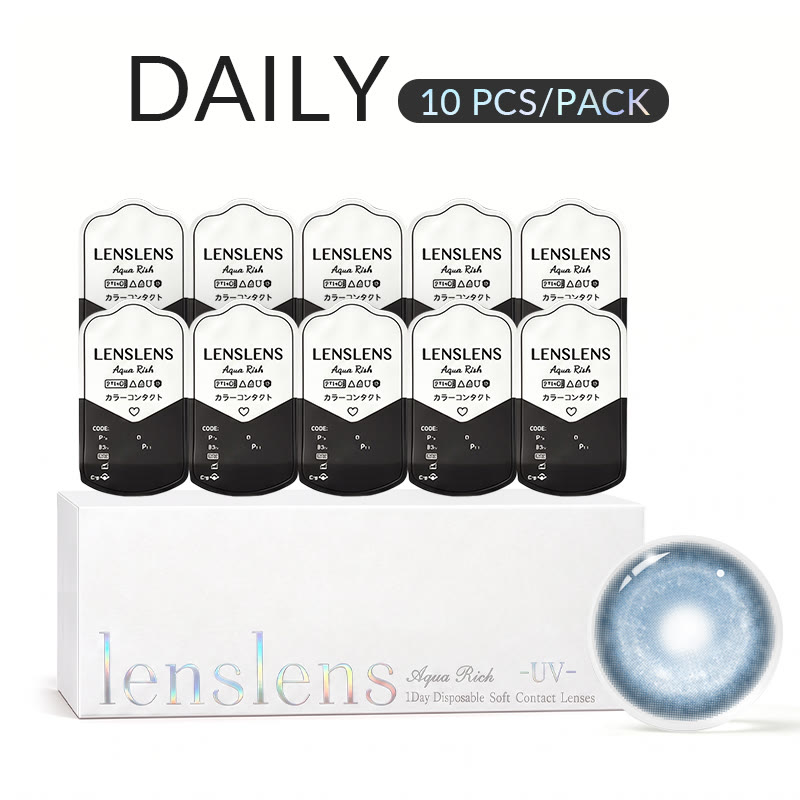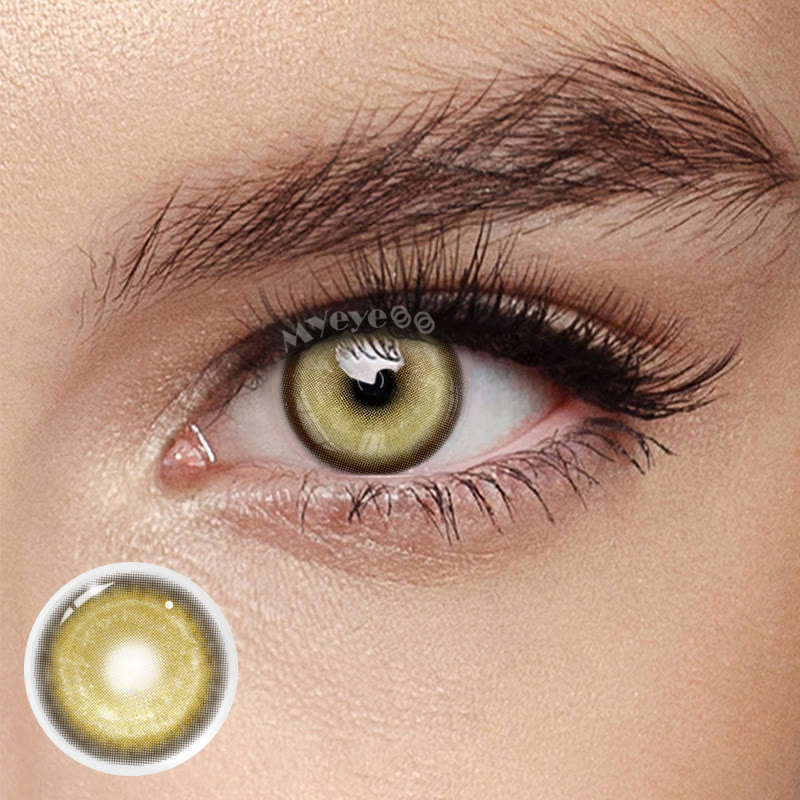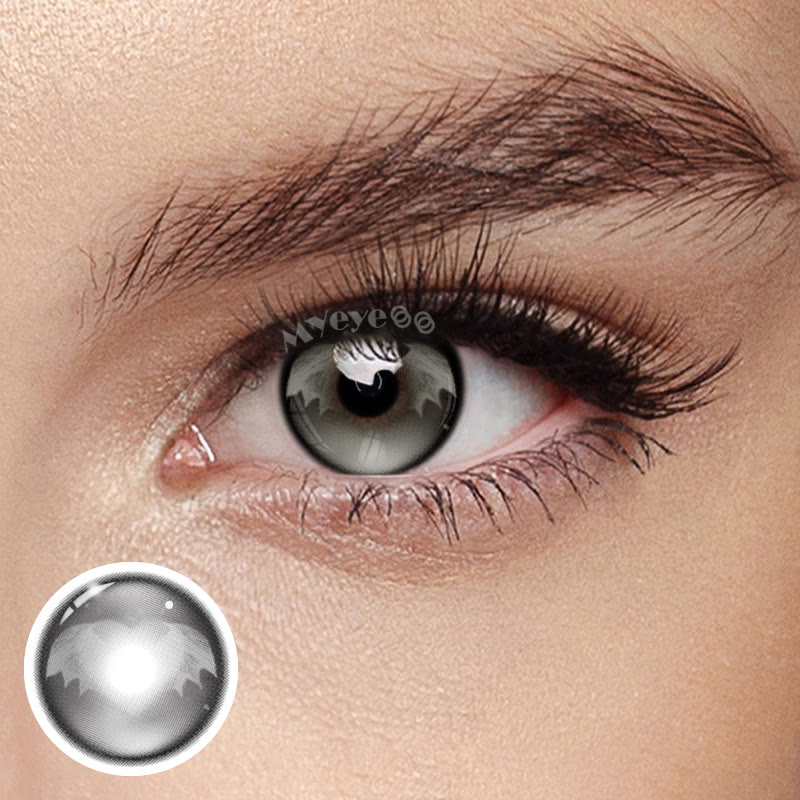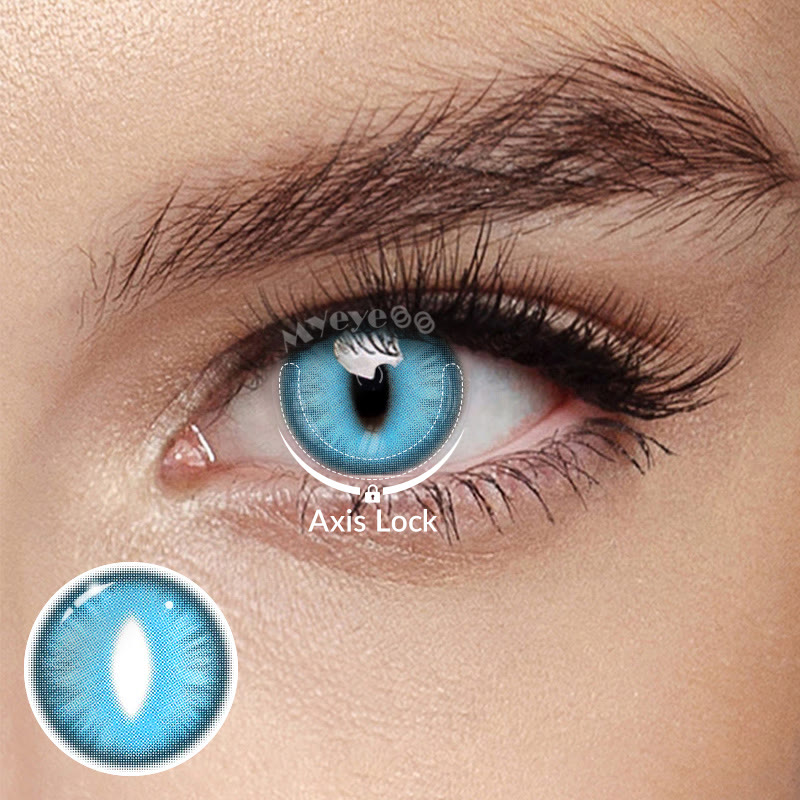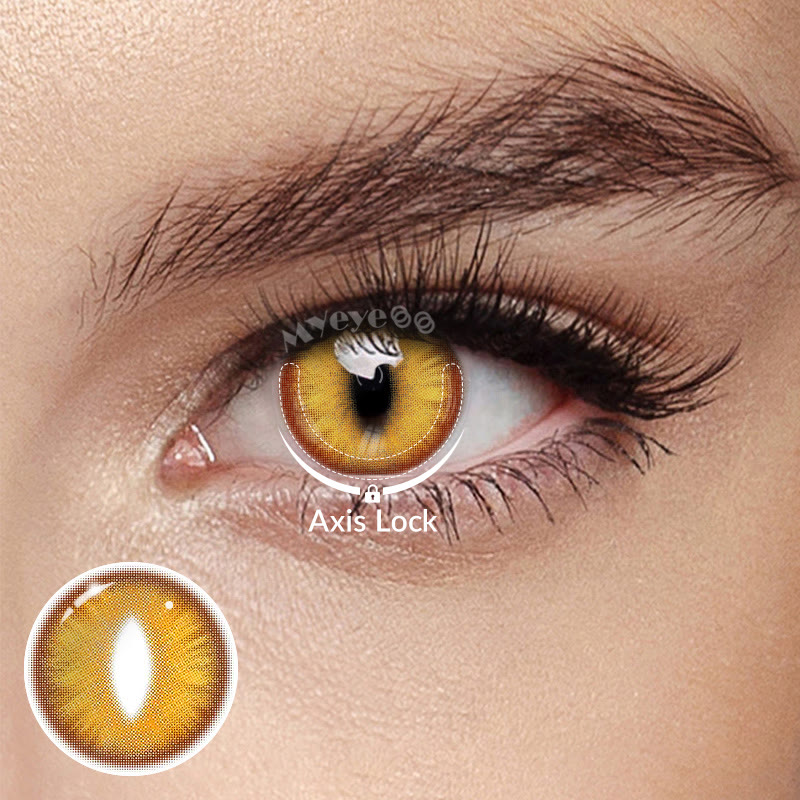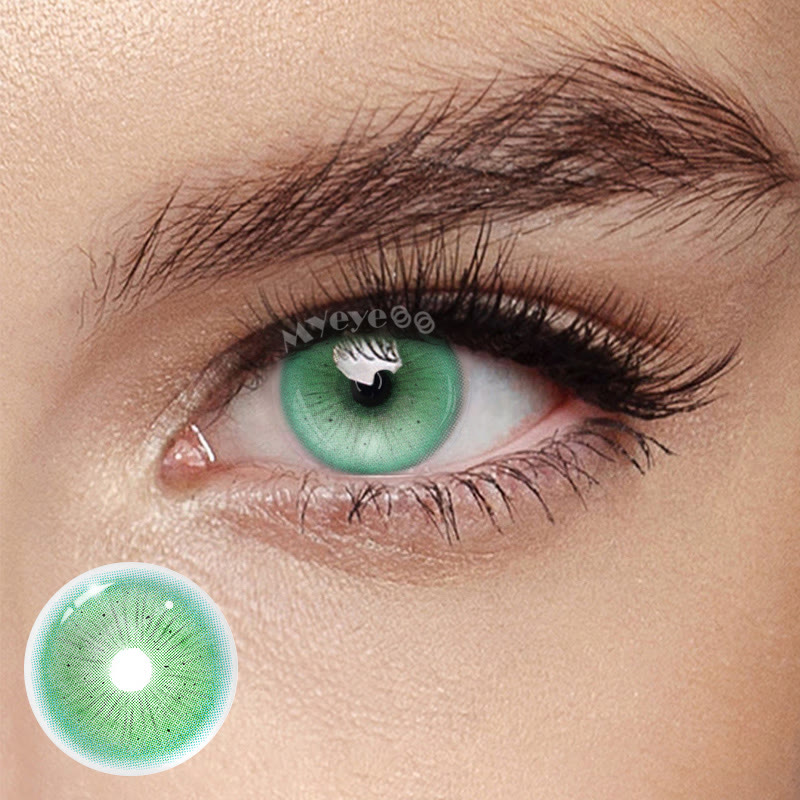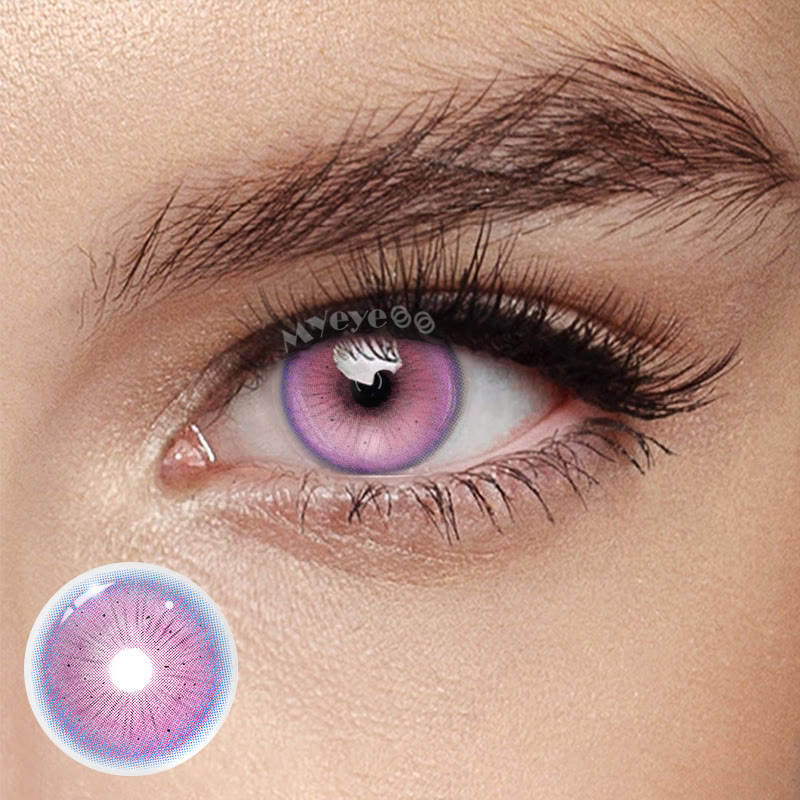


Aqua Colored Contacts
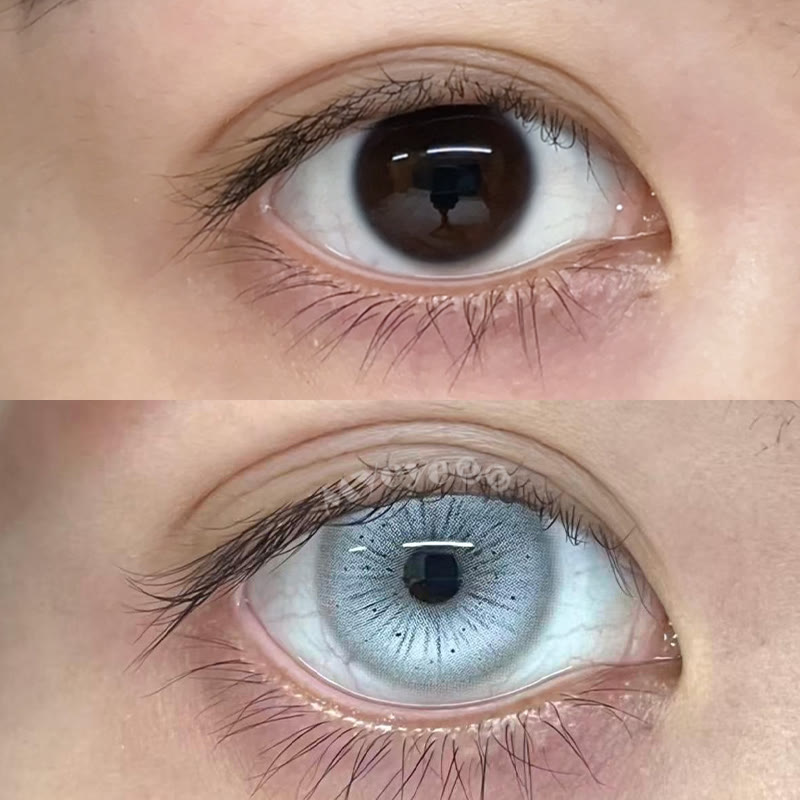
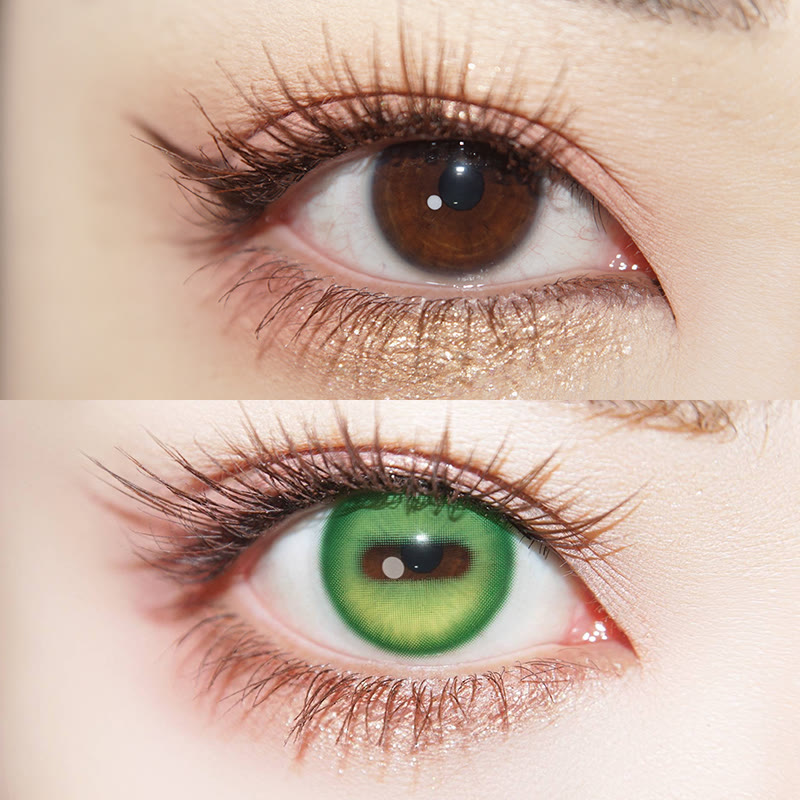
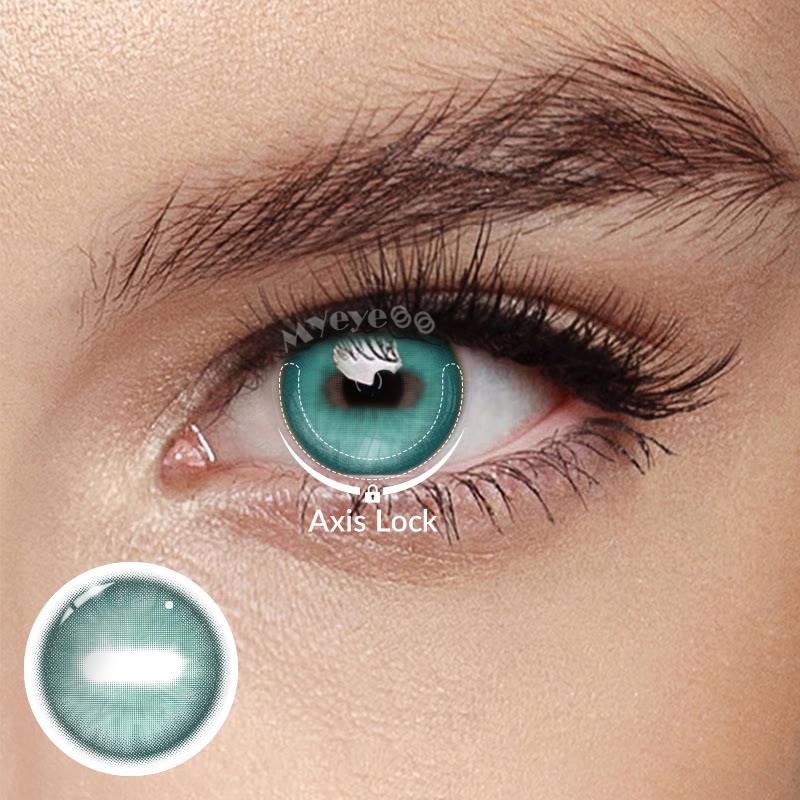
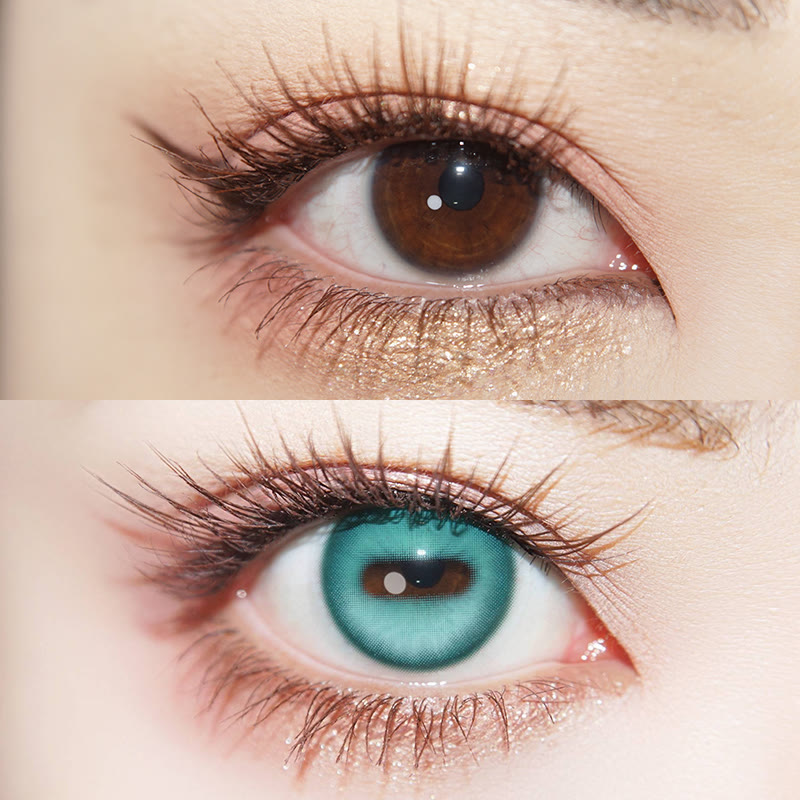
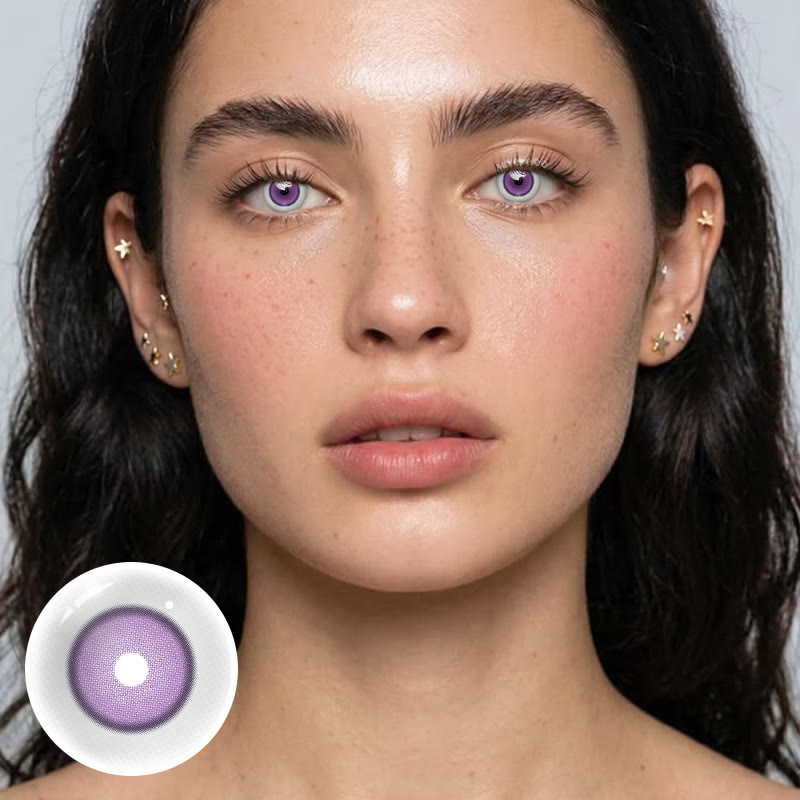
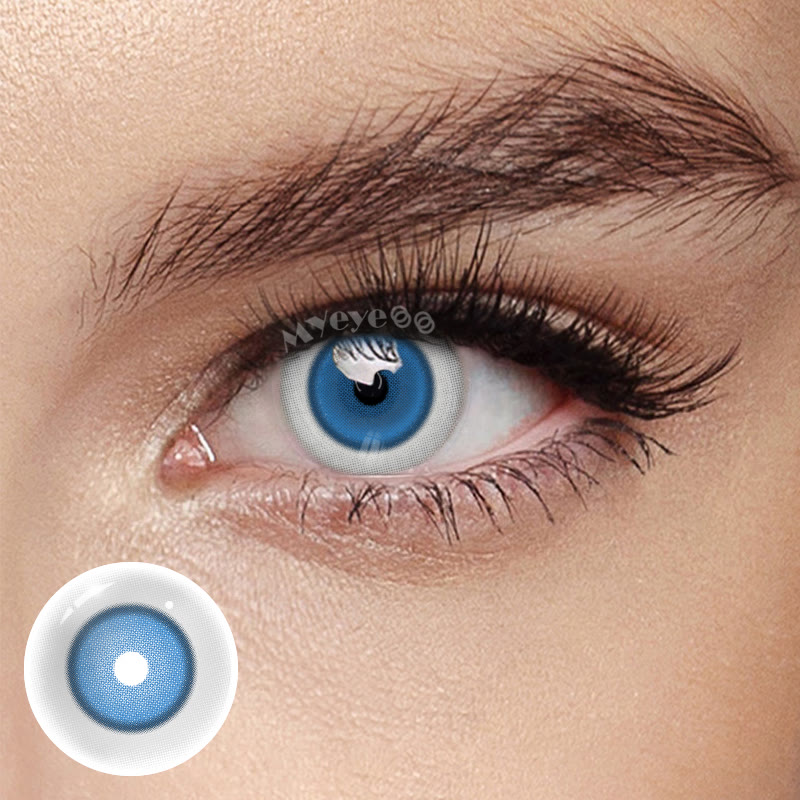
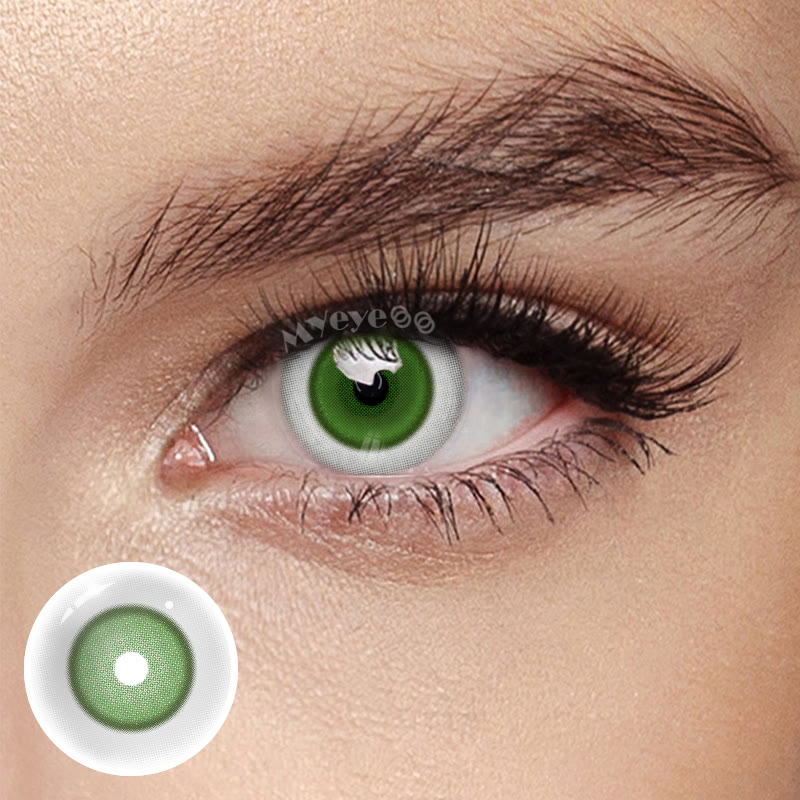
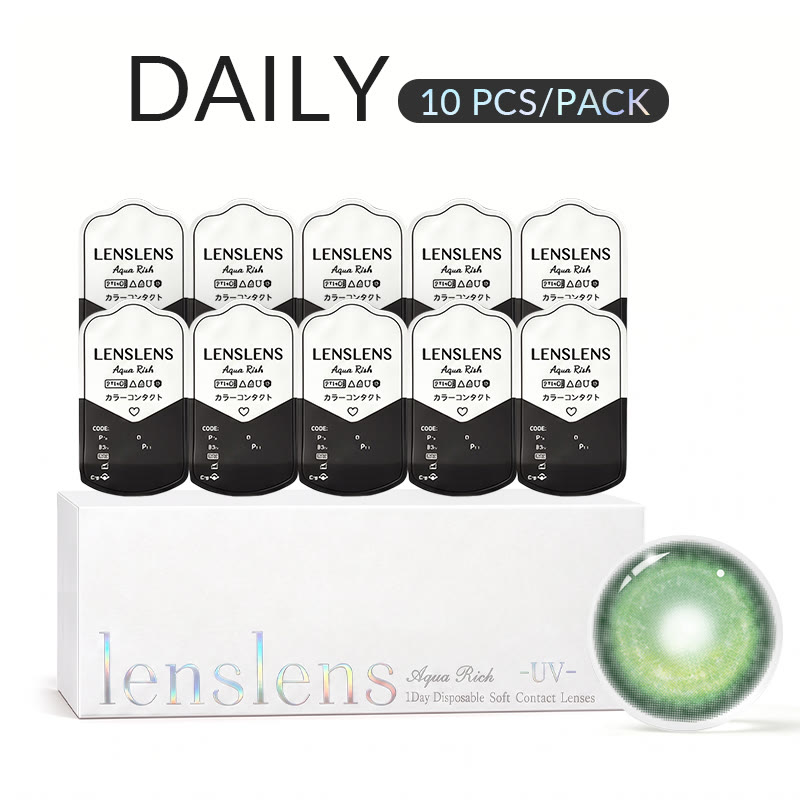
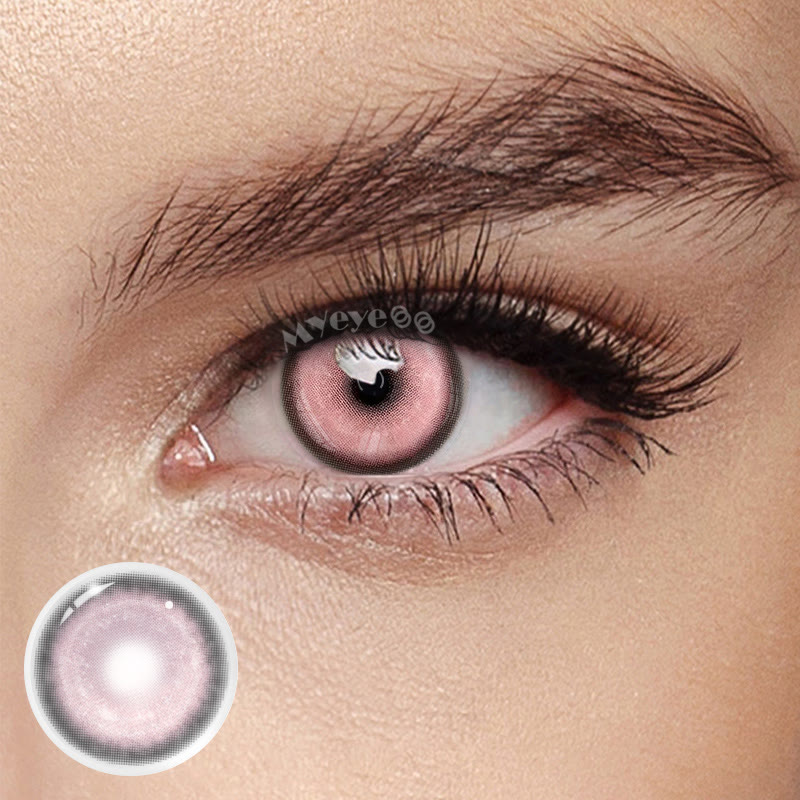
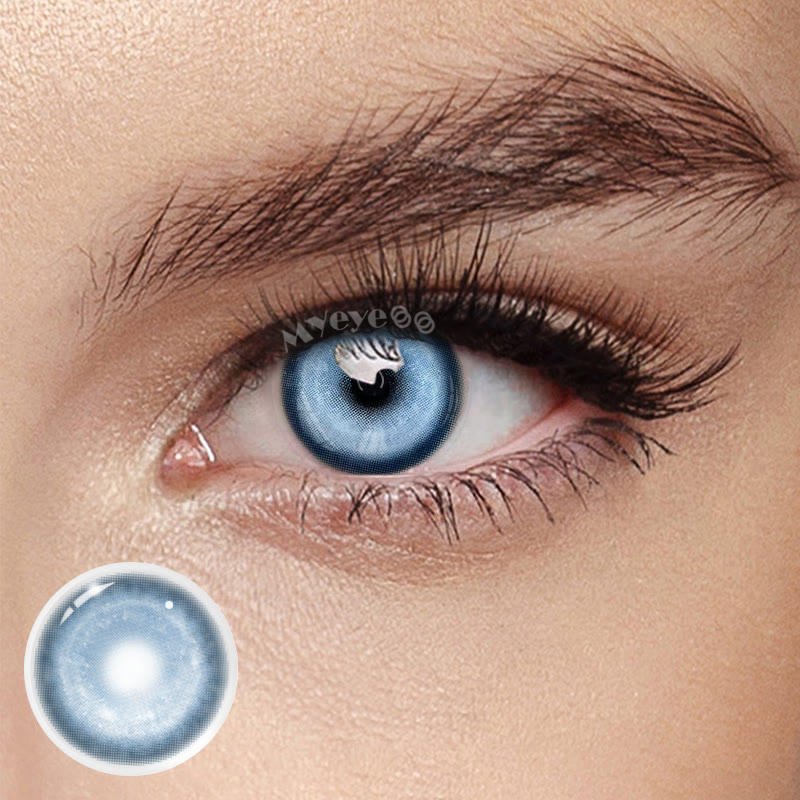
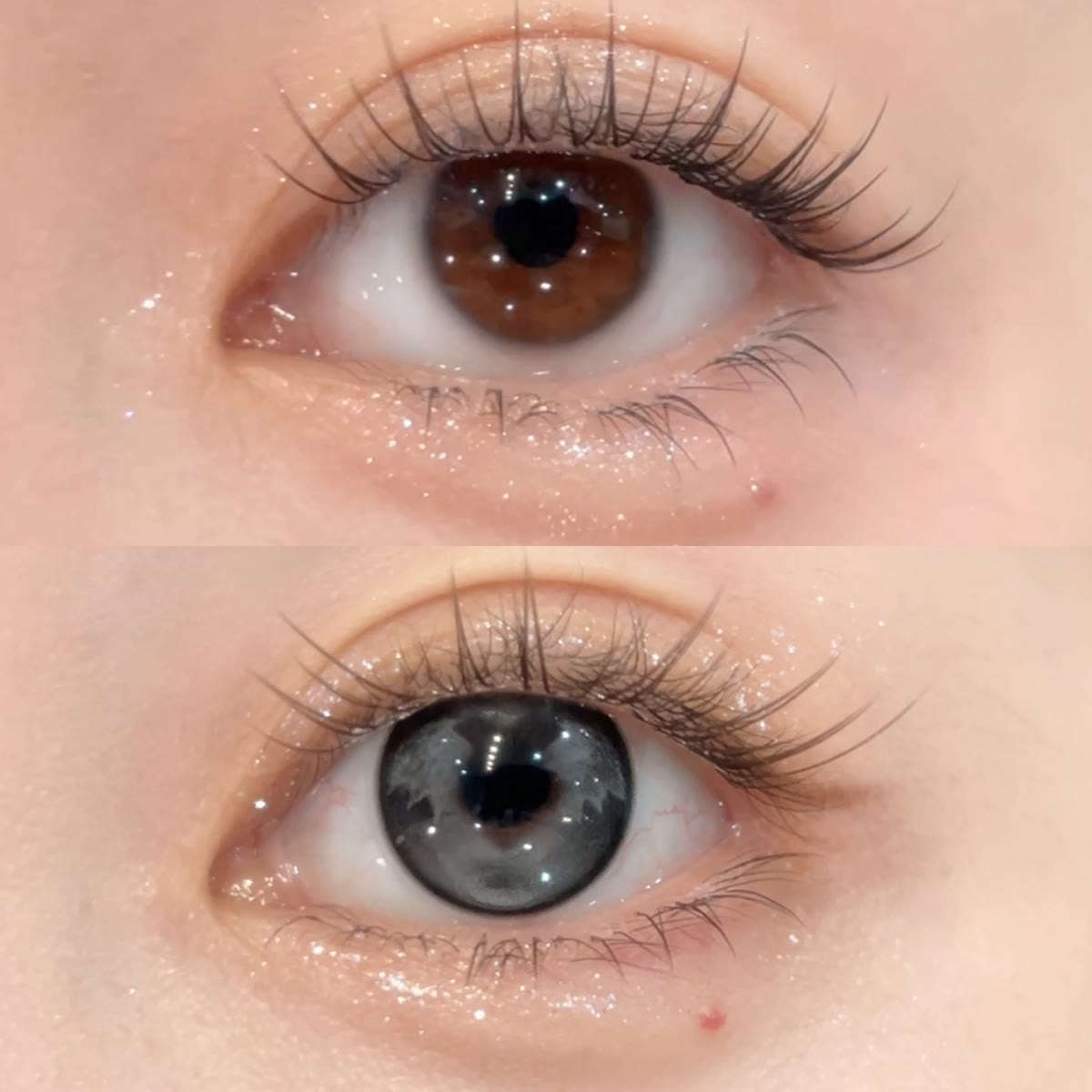
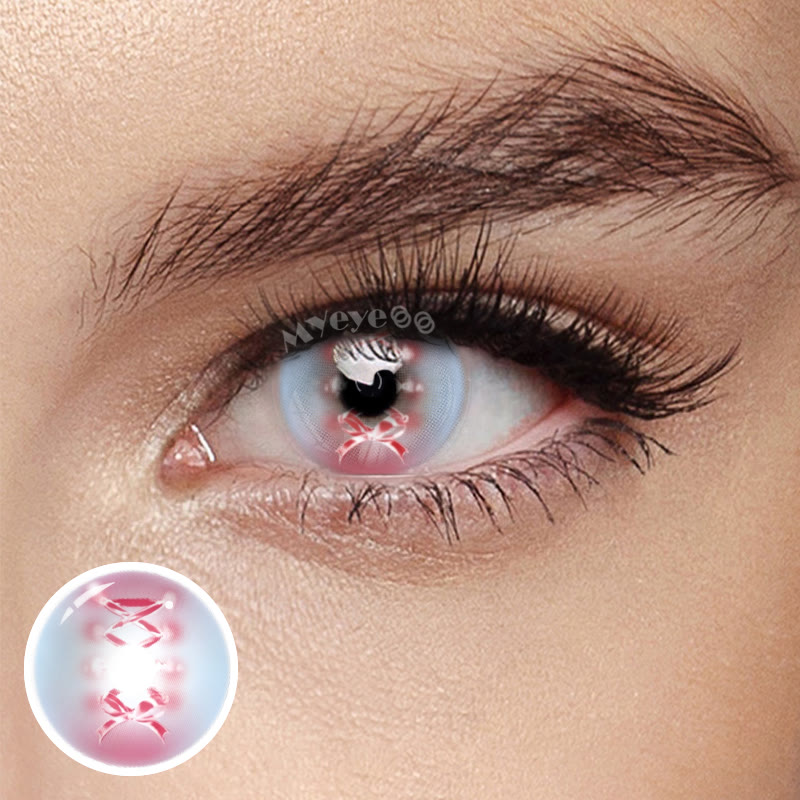
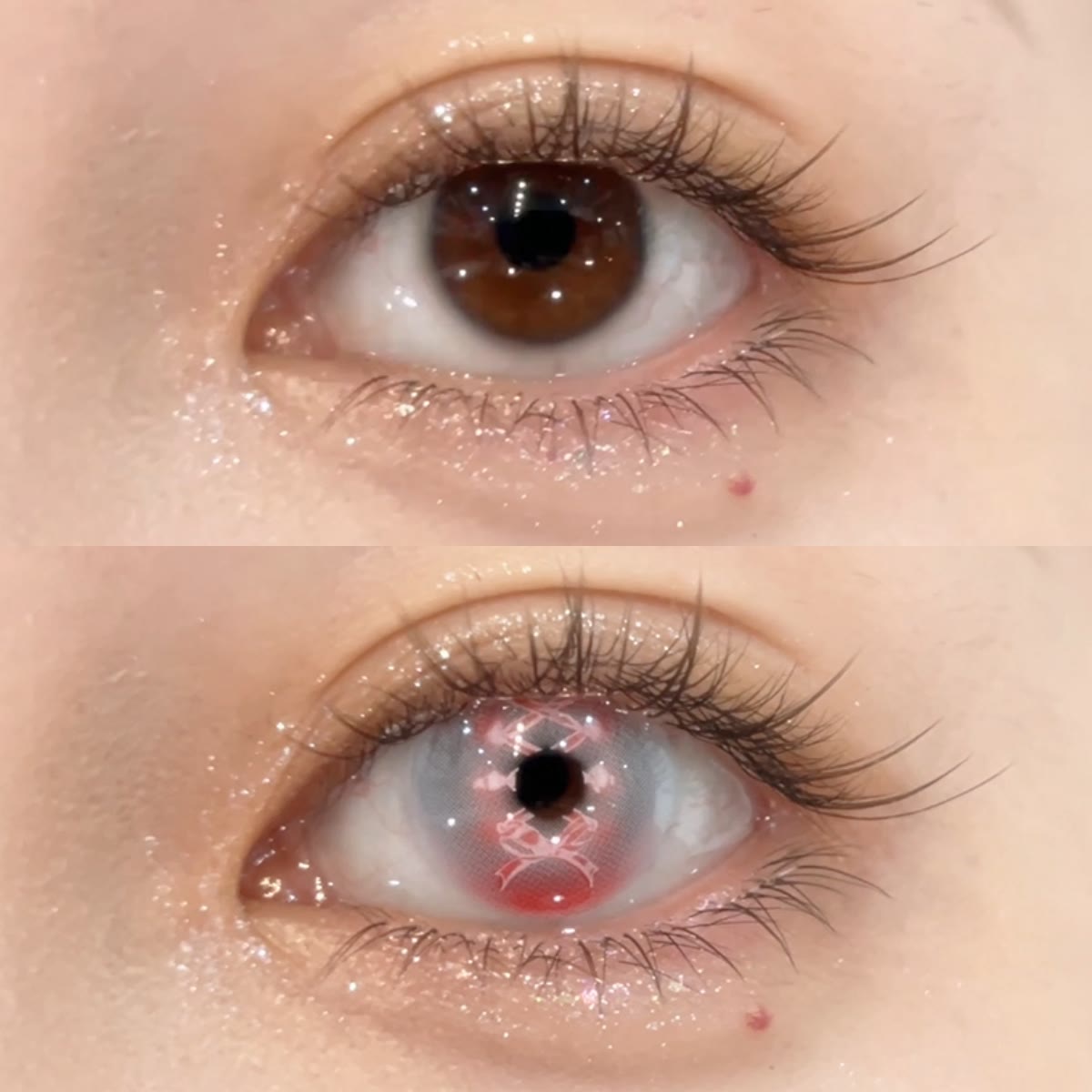
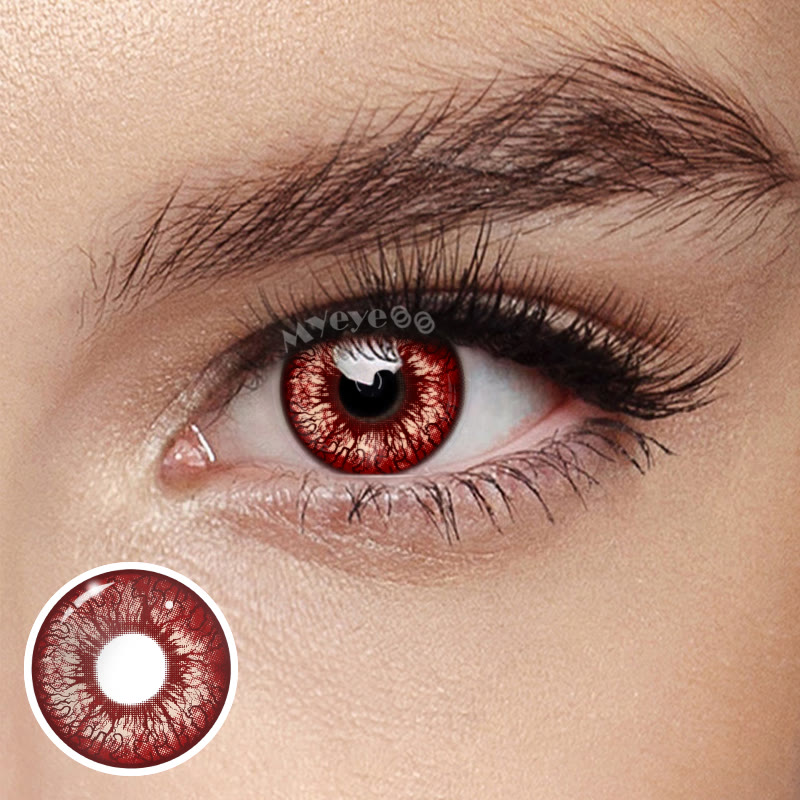
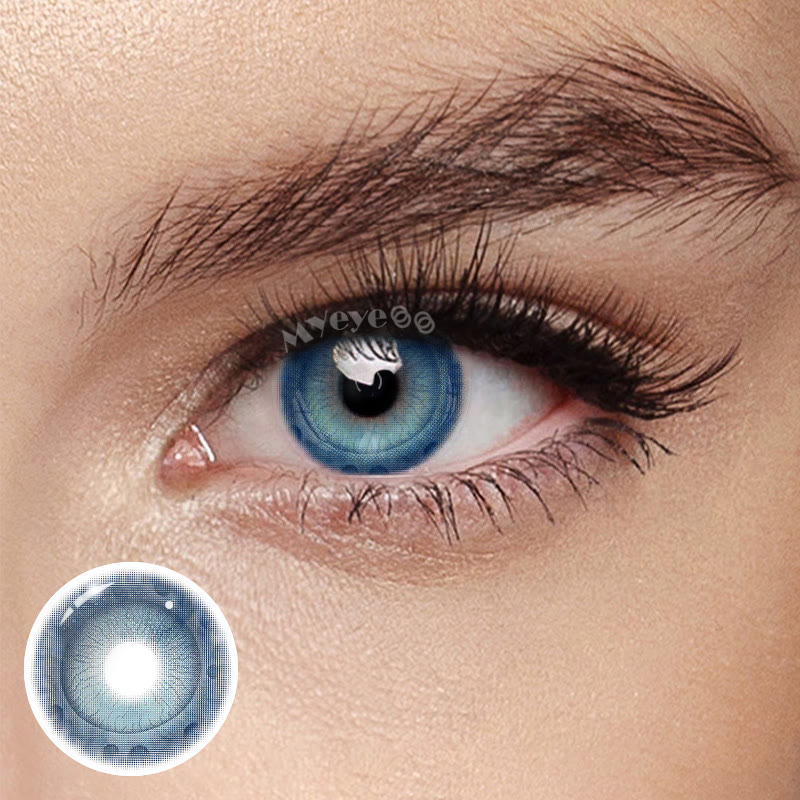
Aqua colored contacts change your eyes with their cool light blue tone and jewel-like sparkle. These vibrant lenses mix stunning blue and green hues to create a fresh, striking look that works for any occasion. They'll give you an unforgettable gaze and boost your confidence, but your safety should be the main goal before you try them.
New to aqua blue colored contacts? Here are some key things to know. People with dark eyes need opaque blue lenses to get that perfect aqua effect. On top of that, these colored contacts come in different durations. Daily options make a great starting point for beginners. You can even preview these lenses' look on your eyes with virtual try-on tech at no cost. Whatever type you pick - prescription or non-prescription - proper usage and care will protect your eye health.
This piece walks you through all you need to know as a first-time wearer of aqua contacts. You'll learn everything from picking the right lenses to mastering insertion, removal, and maintenance techniques that keep your eyes safe and healthy.
What to Know Before Buying Aqua Colored Contacts
Getting your first pair of aqua colored contacts? You'll need to check some technical details to make sure they're comfortable and safe. These details will help you get the right fit and the look you want.
Understanding lens diameter and base curve
The lens diameter and base curve are vital measurements that determine how contacts fit on your eyes. Diameter shows the width of the contact lens in millimeters, usually around 14.2mm for many aqua colored lenses. The base curve shows how much the back of the lens curves, measured in millimeters - usually 8.6 for aqua contacts.
The wrong specifications can cause major discomfort. A contact lens with the wrong diameter for your eye's size will feel uncomfortable and might move too much. A base curve that doesn't match your eye's shape prevents proper adhesion and leads to blurry vision or irritation.
Your optometrist will measure these details for your eye's unique shape at your original appointment. You should stick to these measurements when you order aqua colored contacts, even if they're non-prescription.
How aqua blue is different from other blue contact lenses
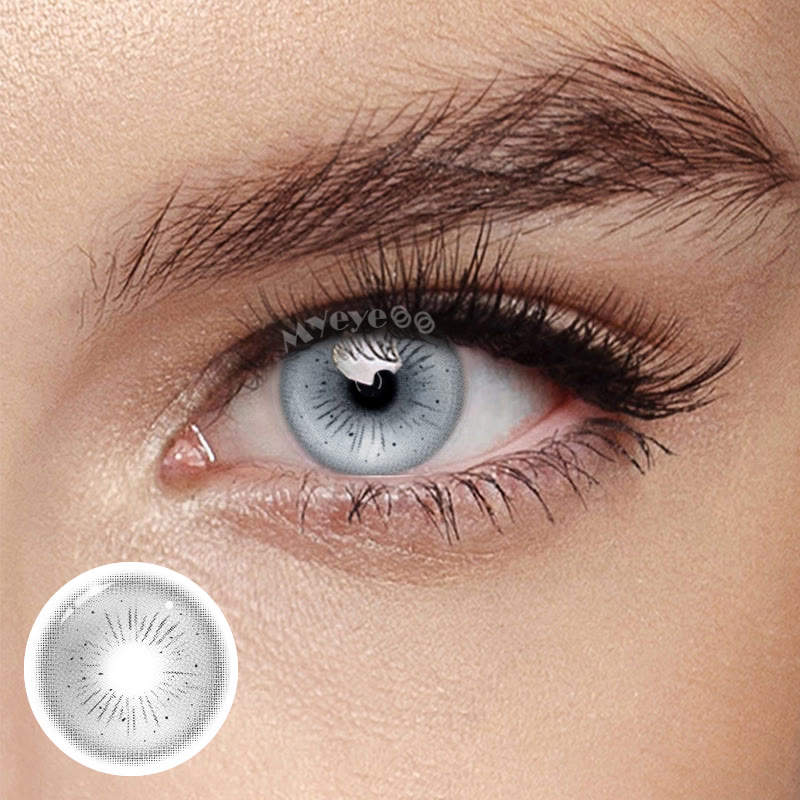
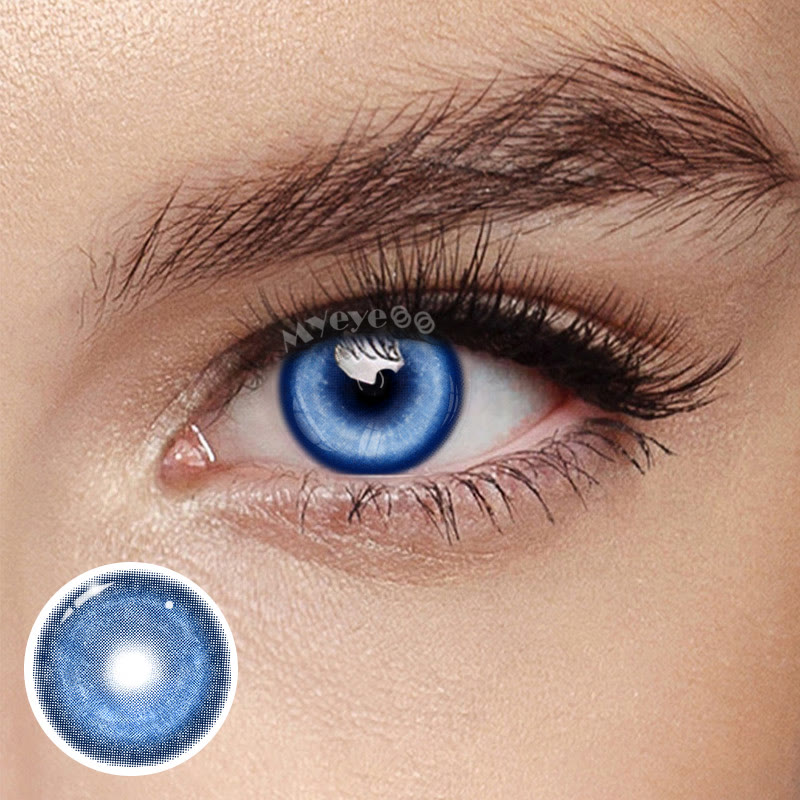
Aqua colored contacts have a unique blue-green turquoise shade that makes them stand out from regular blue lenses. This fresh color looks like crystal-clear mountain lakes and sits right between blue and green on the color spectrum.
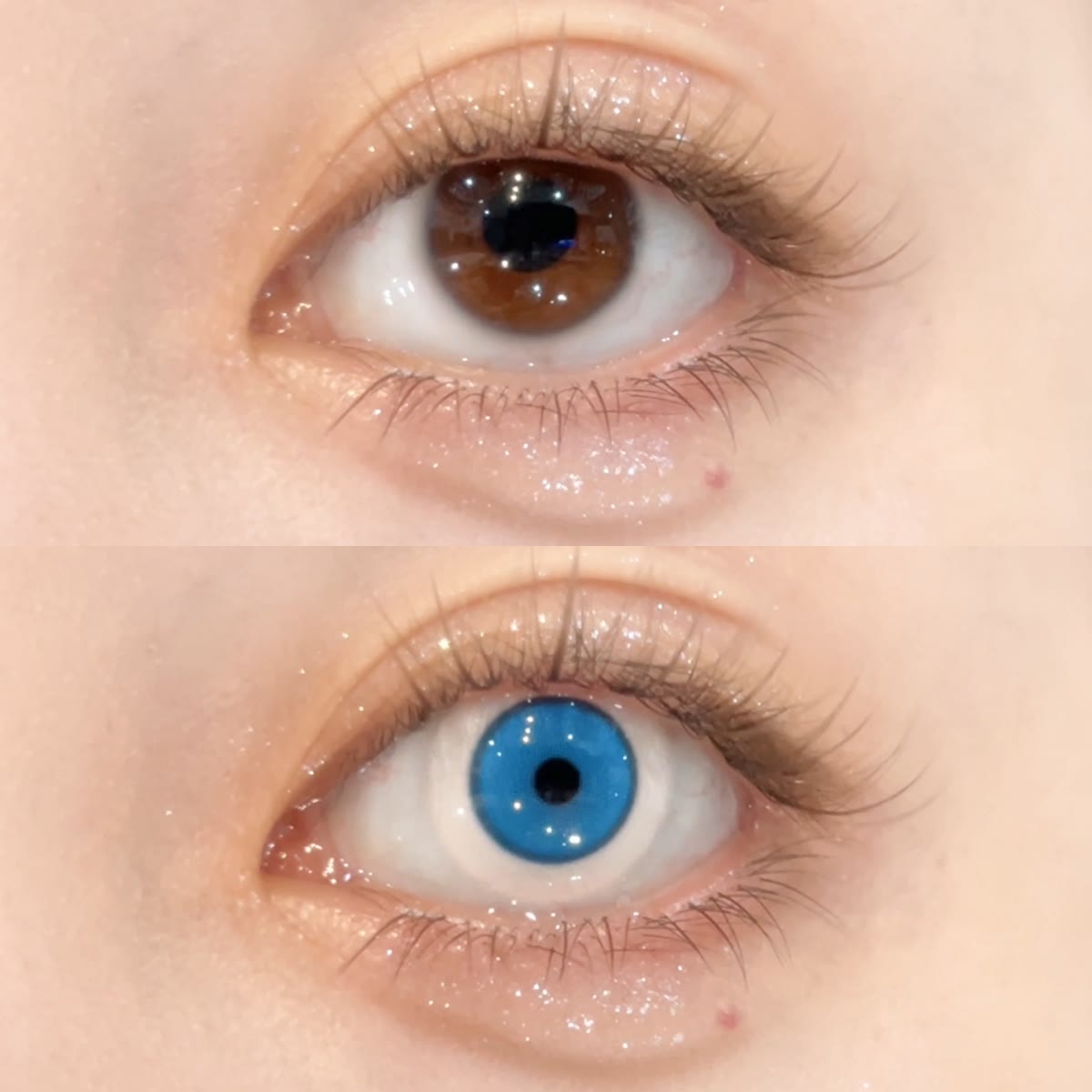
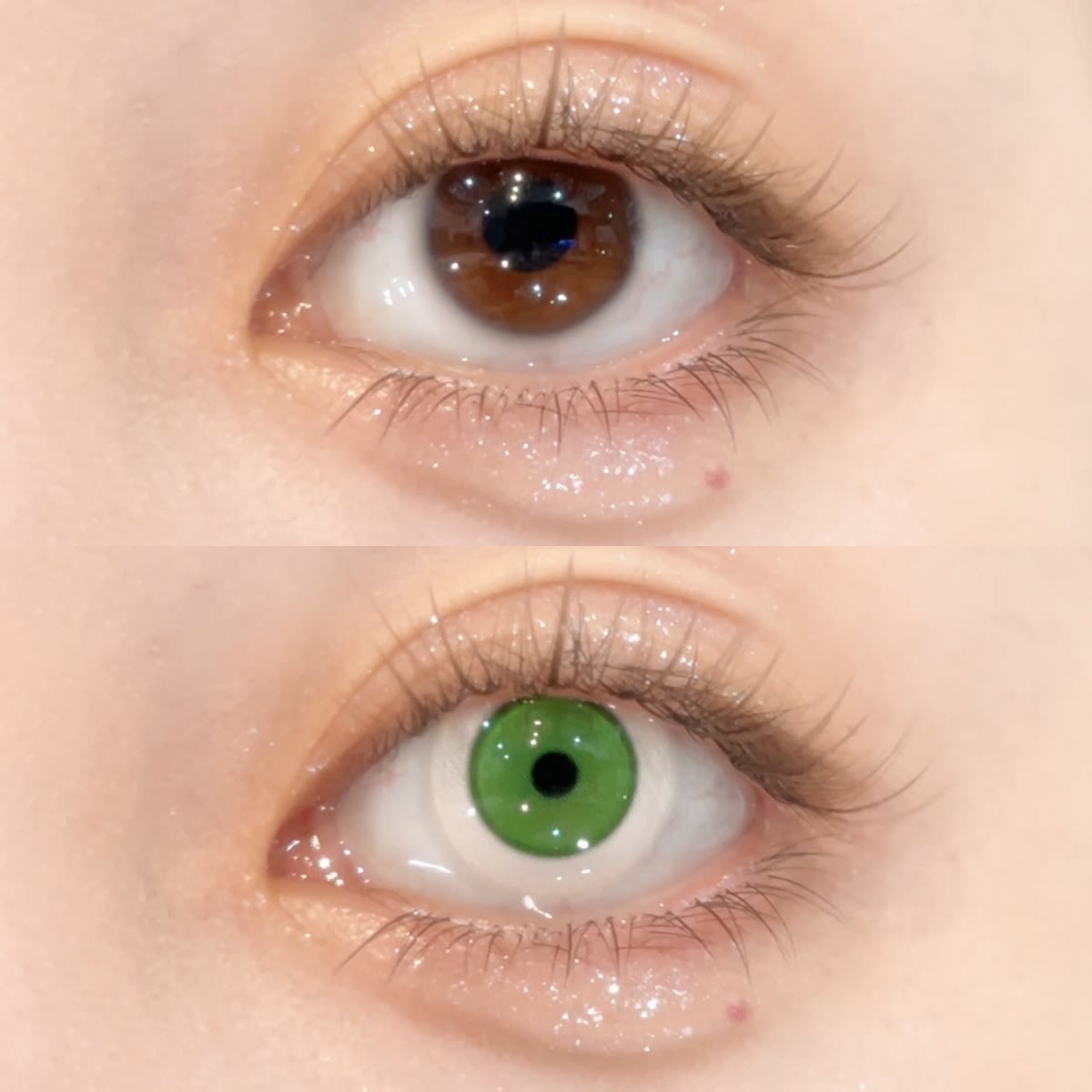
Aqua lenses work well with natural eye colors of all types. Their semi-transparent tint lets your natural eye color show through partially and creates a custom look. Dark eyes make the aqua tone slightly deeper compared to light eyes. This makes aqua a great choice if you have brown eyes and want a noticeable but not dramatic change.
Aqua blue looks more natural than electric or royal blue options. Light eyes look enhanced with aqua blue, while naturally blue eyes transform better with aqua green.
Why first-timers should start with dailies
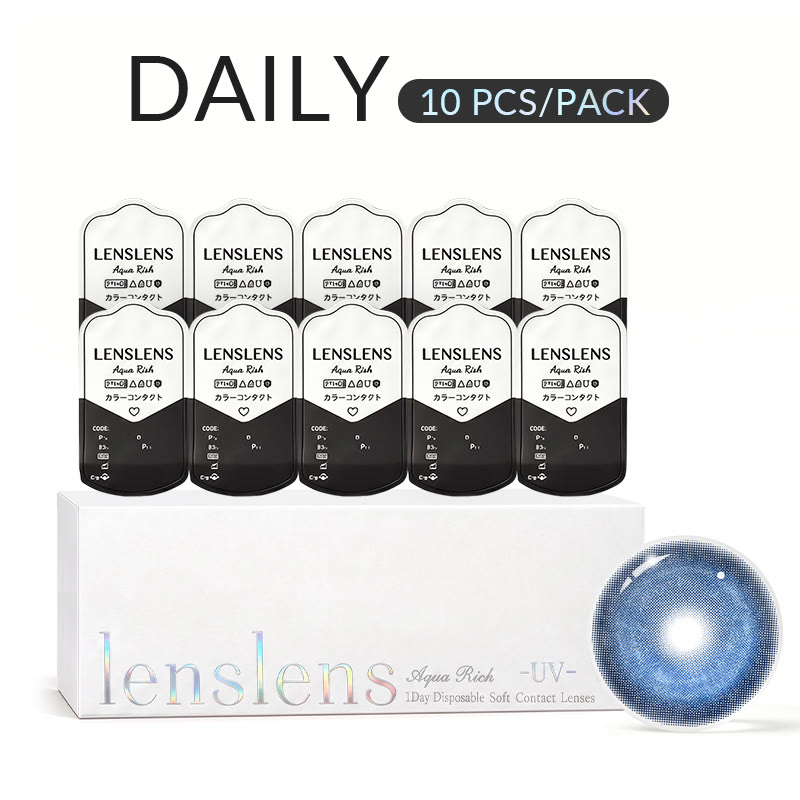
Daily disposable aqua lenses are a great way to get started with colored contacts instead of monthly or extended-wear options. You wear these single-use lenses once for up to 8 hours before throwing them away.
Daily aqua contacts give beginners several advantages:
- Simplified care routine - No need for cleaning solutions or storage cases
- Reduced infection risk - Fresh, sterile lenses each time you wear them
- Convenience for occasional use - Perfect for special events or trying out a new look
- Less commitment - Test how you feel wearing contacts without investing in longer-duration lenses
Dailies feel less daunting since you don't need to learn about proper cleaning and storage. Whatever type you choose, you should wear all colored contacts only for the recommended time—usually no more than 8 hours each day.
One last thing - non-prescription aqua colored contacts still need proper fitting. They might not correct vision, but they touch your delicate eye tissues and count as medical devices rather than simple accessories.
How to Safely Insert and Remove Aqua Contacts
You need practice and patience to become skilled at putting in and taking out aqua colored contacts, especially when you're just starting out. The right techniques will protect your eyes while you enjoy your new aqua blue look.
Step-by-step guide for beginners
Inserting your aqua contacts:
-
Prepare properly: Clean your hands really well with soap and water, then dry them with a lint-free towel. This keeps bacteria away from your eyes.
-
Check the lens: Put it on your fingertip and look for damage or debris. Make sure the lens isn't inside out—it should look like a bowl with straight edges, not a cup with flared edges.
-
Position your fingers: Your non-dominant hand should hold your upper eyelid open (think of "pinning it against your brow"). Use your dominant hand's middle finger to pull down your lower lid.
-
Apply the lens: Look straight ahead or slightly upward. Place the aqua contact on your eye with a light touch—let natural adhesion do the work.
-
Settle the lens: Let your eyelids go slowly and blink a few times to center the lens.
Removing your aqua contacts:
-
Begin with clean hands: Clean and dry your hands first.
-
Look upward: Stand before a well-lit mirror and tilt your head back slightly.
-
Open your eye: Your non-dominant hand's index finger should lift your upper eyelid away from the eye.
-
Access the lens: Pull down your lower eyelid with your dominant hand's middle finger.
-
Extract gently: Break the suction by squeezing the lens lightly with your index finger and thumb, then pull downward to remove it.
Rewetting drops make removal easier when your eyes are dry. Many newcomers find colored lenses easier to handle since you can see them and track their position.
Common mistakes to avoid
Most eye complications come from poor contact lens hygiene. Never clean aqua colored contacts with water or saliva - these contain microorganisms that can cause serious infections, including Acanthamoeba keratitis which might lead to blindness.
"Topping off" your lens solution creates a breeding ground for bacteria and reduces its disinfecting power. You should throw out old solution and add fresh solution each time.
Your corneas won't get enough oxygen if you sleep in aqua contacts not meant for overnight wear. This can cause inflammation and tiny blood vessels to grow. This condition, keratitis, can lead to serious problems if left untreated.
Red or irritated eyes need immediate attention. Take out your aqua colored contacts right away if they feel uncomfortable rather than "waiting it out." Wearing them longer can make infections or injuries worse.
Using tools like tweezers and applicators
Special tools can help if you struggle to put in and take out contacts manually. Contact lens removal tools often include small suction devices or soft-tipped tweezers that lift the lens safely.
Stick to tools made specifically for contact lenses—regular tweezers or other makeshift tools could harm your eyes or lenses. Contact lens applicators come with rounded, smooth surfaces that won't scratch your cornea or tear the lens material.
Clean any tool with contact lens solution before use (never water). Keep your hand steady while using applicators and look in a mirror for accuracy. These tools work great with opaque aqua colored contacts for dark eyes, which tend to be thicker than clear ones.
Remember to clean your applicator or removal tool with fresh solution after use. Let it air dry completely before storing it in a clean container.
8 Essential Safety Tips for First-Time Users
Safety comes first when you wear any contacts, especially aqua blue lenses. These colored contacts are medical devices that touch your eyes directly, so they need proper care to avoid problems. Here are eight safety practices you must follow as a first-time wearer:
1. Don't wear damaged or expired lenses
Your risk of eye infections and irritation goes up when you wear expired or damaged aqua colored contacts. Take a good look at your lenses for tears, deposits, or warping before you put them in. You should throw away your lenses when their time is up—daily, monthly, or yearly—even if they still feel fine. Old lenses collect protein and lipids that make them less comfortable and more likely to cause infections.
2. Avoid water contact (showers, pools)
Your aqua contacts should never mix with water. Microorganisms in tap water, lake water, and pool water stick to your lenses. An amoeba called Acanthamoeba lives in many water sources and can cause a painful eye infection that doctors find very hard to treat. Take out your contacts before you shower, swim, or hop in a hot tub.
3. Don't use saliva to clean lenses
You might think about using saliva when you don't have solution nearby, but don't do it. Your saliva carries bacteria that can infect your eyes. Stick to the contact lens solution your eye doctor approves.
4. Replace your lens case every 1-3 months
Bacteria can grow in your lens case even when it looks clean. Clean your case with fresh solution daily (not tap water), let it air dry, and get a new one every 1-3 months. A clean case helps keep your aqua contacts safe.
5. Don't wear lenses if your eyes are irritated
Take your aqua contacts out right away if your eyes turn red, feel itchy, hurt, or don't feel right. Your eyes could get infected or your corneas might get damaged if you keep wearing lenses when your eyes are irritated. Pay attention to what your eyes tell you—they hurt for a reason.
6. Follow the wear schedule strictly
Stick to the wearing time recommended for your aqua colored contacts. Most lenses aren't made for sleeping, so take them out before bed. Wearing them too long keeps oxygen from reaching your cornea and can cause problems.
7. Use rewetting drops if needed
Preservative-free rewetting drops can help if you have dry or sensitive eyes. These drops add moisture quickly, stop irritation, and make your lenses more comfortable.
8. Get a proper eye exam before using prescription lenses
You need an eye exam even if you want non-prescription aqua contacts just to change your eye color. Your eye care professional will check your eye size, look for any existing issues, and make sure colored contacts will work for you. This step makes sure your lenses fit right and won't hurt your eyes.
How to Choose the Best Aqua Lens for Your Needs
Your esthetic goals and natural eye color play key roles in picking the perfect aqua colored contacts. These lenses feature a distinctive blue-green turquoise shade that adds a refreshing, jewel-like quality to your gaze, unlike standard blue lenses.
Caribbean aqua colored contacts for bold looks
Caribbean aqua colored contacts catch everyone's attention with their vibrant blue-green hue and innovative outer starburst pattern. These lenses create a dramatic yet natural look by using translucent colors that add depth to your eyes. Your eyes will appear bigger and brighter—perfect for creating striking, attention-grabbing looks.
Caribbean aqua works best with light to medium eye colors, as these lenses improve rather than completely mask your natural color. Many wearers get compliments from friends and coworkers while wearing these distinctive lenses.
Natural vs. cosplay styles
Your intended purpose should guide your choice of aqua colored contacts. Natural effect lenses give you an everyday look with aqua-blue tones from light blue to rich oceanic aqua. They come in three main designs:
- One-tone styles for bright, consistent color
- Two-tone designs for added dimension
- Three-tone pairs for a remarkably realistic appearance
Cosplay aqua contacts deliver extreme, dramatic effects unlike natural styles. These include specialty designs such as cat eye shapes or solid opaque colors that are the foundations of character accuracy. You can pair aqua lenses with themed makeup for costumes—maybe even a mermaid look with iridescent fish-scale inspired eye makeup or a "Get The Blues" style with shimmering light blue eyeshadow.
Aqua colored contacts for dark eyes: what works best
Dark eyes need specific features in aqua colored contacts. High-opacity designs with bold pigmentation and layered tones work best. These features help override deep brown or black irises, so the aqua shade stays vibrant and true.
Highly pigmented lenses with strong opacity will effectively hide your darker eye color. Product pages often show transparency and opacity information, plus images of how lenses look on different eye colors - check these before buying.
Note that enhancing tint lenses might not show up well on very dark eyes because their translucent pigmentation becomes hard to see. Make sure your chosen aqua contacts provide enough coverage for your specific eye color.
Caring for Your Aqua Contacts Long-Term
The right lens care is the foundation of healthy eyes for people who wear aqua colored contacts. Your lenses will last longer and your vision stays protected from complications if you take good care of them.
Cleaning and storing your lenses
Clean hands are essential before you touch your aqua contacts. Users with reusable lenses should put them in their palm and add a few drops of multipurpose solution. A gentle 20-second rub will do the trick. Use fresh solution to rinse - never water or saliva since they carry harmful bacteria. Your lenses need a clean case with new solution each time you store them. Old solution should never be topped off. The case needs daily cleaning with solution and a new replacement every 1-3 months. Daily disposable users can just throw them away after use.
Signs it's time to replace your lenses
You need new lenses right away if you spot:
- Cloudy lenses that indicates protein buildup even after cleaning
- Any tears or bent edges you can see
- Your eyes feel uncomfortable, red, or irritated while wearing them
- The solution has expired and isn't sterile anymore
Your lenses need replacement based on their schedule - daily, monthly, quarterly, or yearly - even if everything seems fine.
Tips for traveling with colored contact lenses
Smart travelers pack extra aqua contacts in their carry-on bags. Security checkpoints require solution bottles to be separate from other liquids. A sealed bag prevents solution leaks from pressure changes, so squeeze out extra air from bottles. Your destination's climate might affect how comfortable your lenses feel. The air in airplane cabins gets very dry, so pack some rewetting drops.
Conclusion
Aqua colored contacts can dramatically change your look with their unique blue-green hue. All the same, your safety should be the primary focus when using these eye-enhancing accessories. This piece covers everything in aqua contact lens use - from technical specifications like base curve and diameter to proper insertion techniques.
Daily disposables are a great choice if you're new to contacts. They need less maintenance and have lower infection risks while you get comfortable with them. Your eye care professional must fit even non-prescription colored lenses since they interact with delicate eye tissues.
A steadfast dedication to the eight safety practices will protect your eyes while you rock your new aqua look. Damaged lenses, water exposure, poor cleaning, and ignored irritation can cause serious problems that aren't worth the style upgrade.
Your natural eye color and desired look will determine the best choice between Caribbean aqua, natural styles, or cosplay options. People with dark eyes should pick high-opacity designs with bold pigmentation to get that vibrant aqua shade they want.
Good cleaning, storage, and timely replacement are the foundations of success with colored contacts. Smart travel planning helps keep your lenses safe and effective away from home.
Aqua colored contacts without doubt can make you look amazing when used right. Your attention to proper care lets you safely enjoy the confidence boost and striking appearance these beautiful lenses give. Learn these practices at your own pace, pay attention to any discomfort, and you'll soon become skilled at wearing aqua contacts while keeping your eyes healthy.