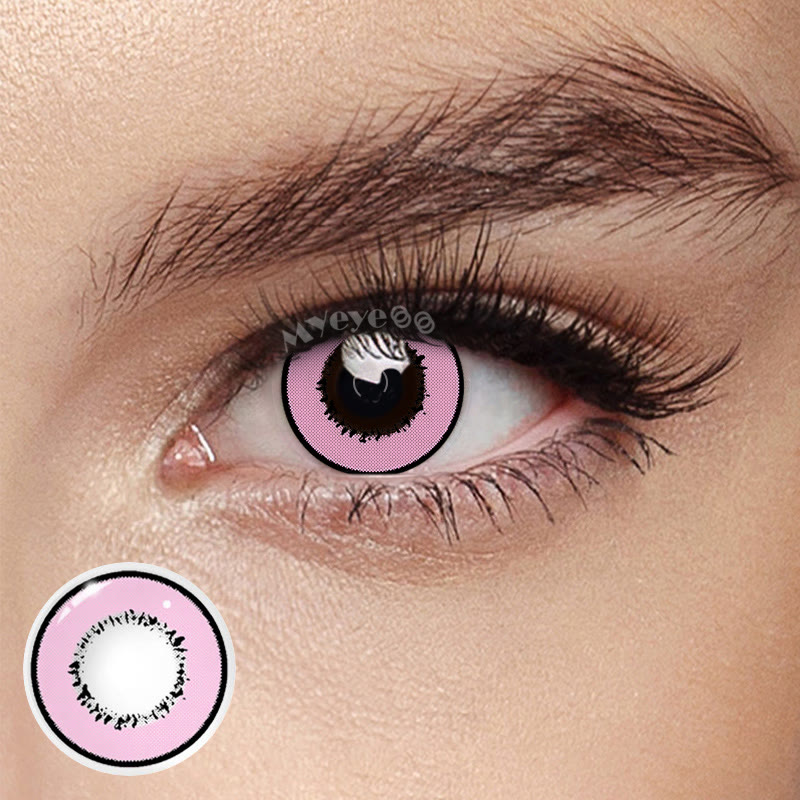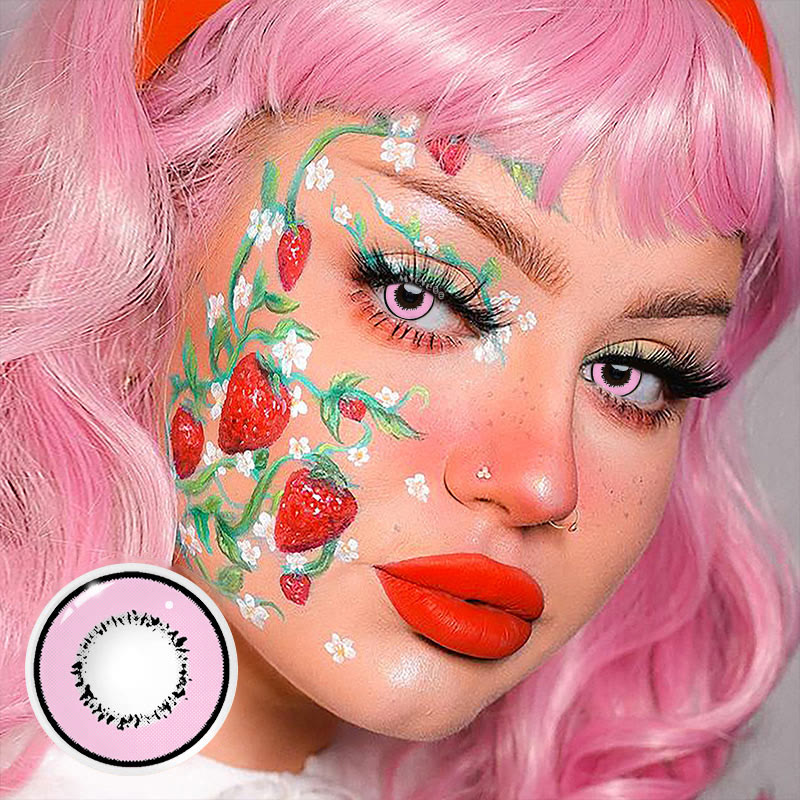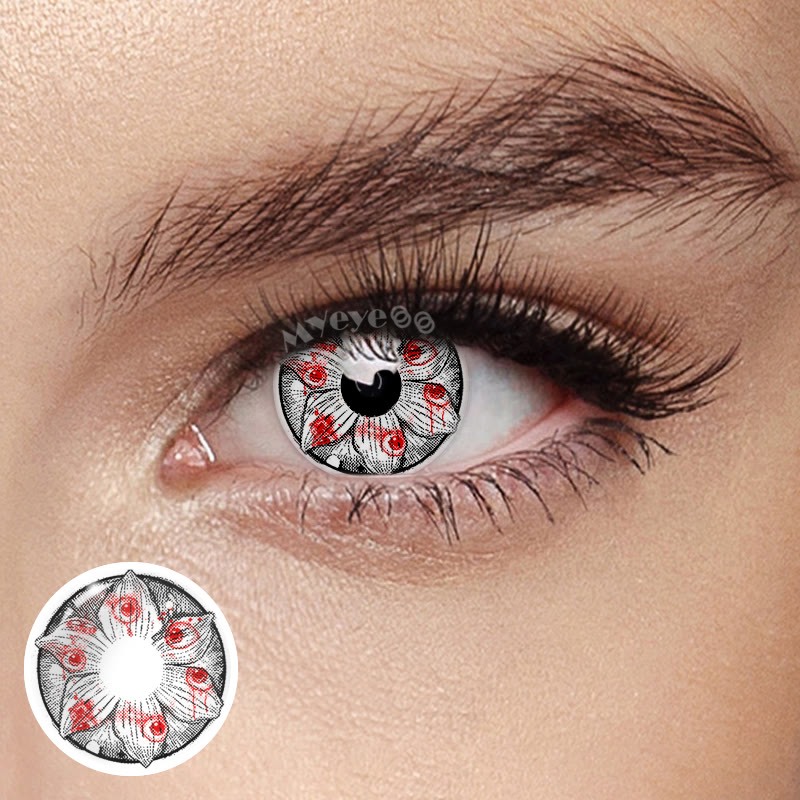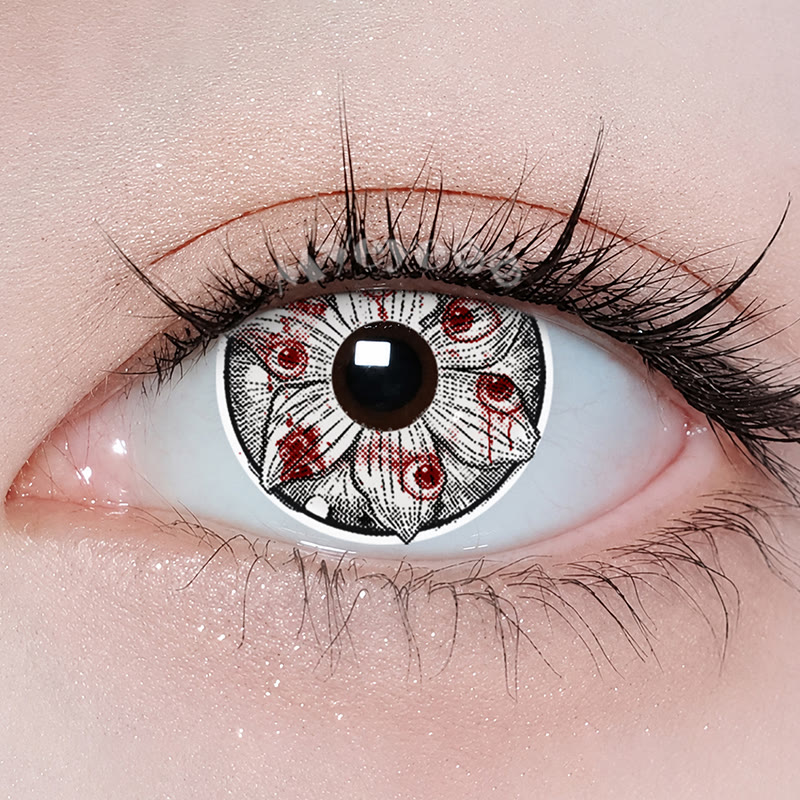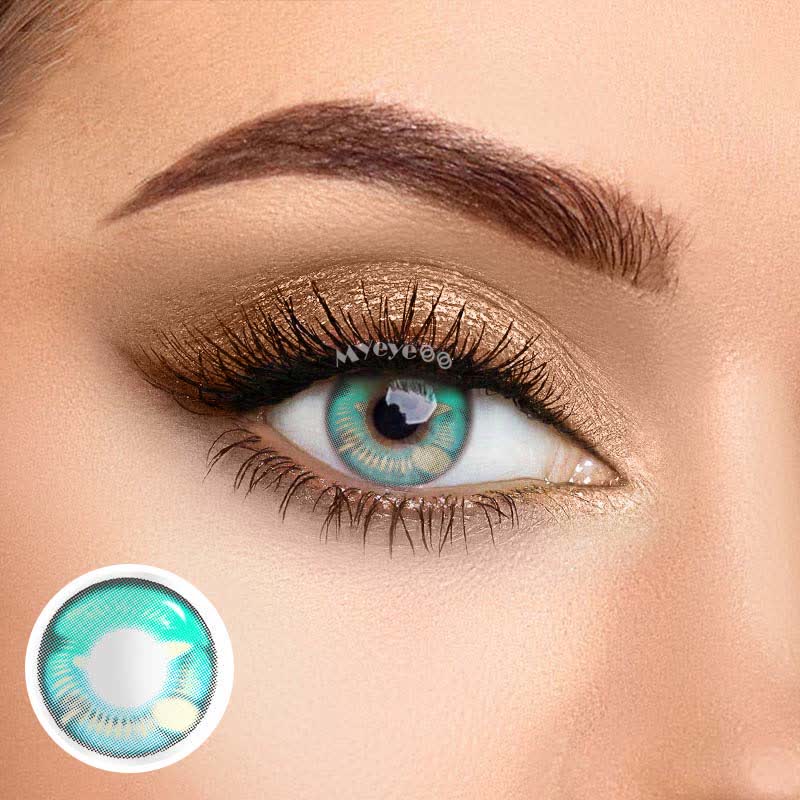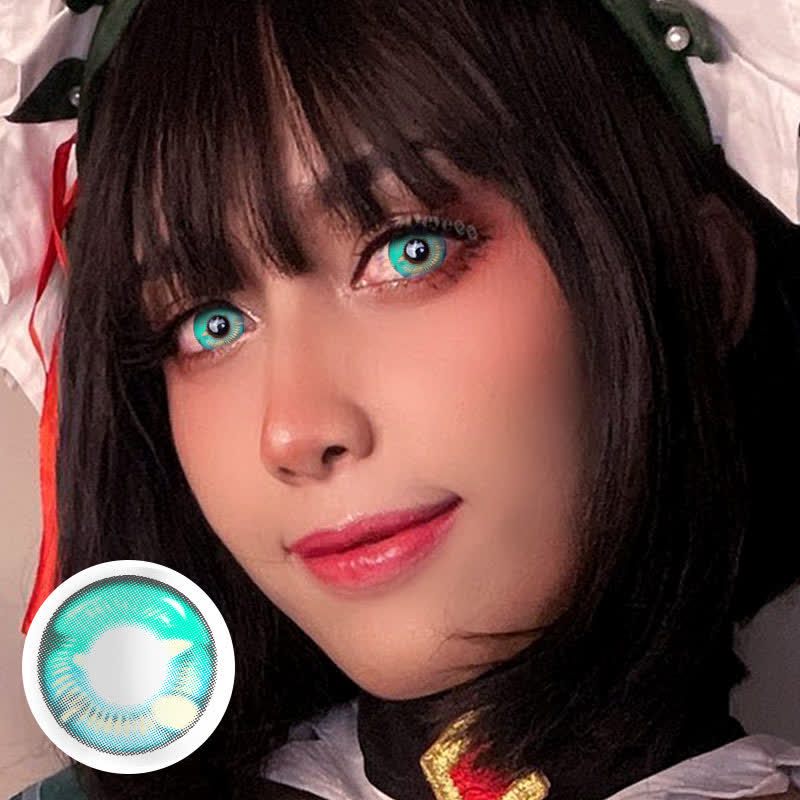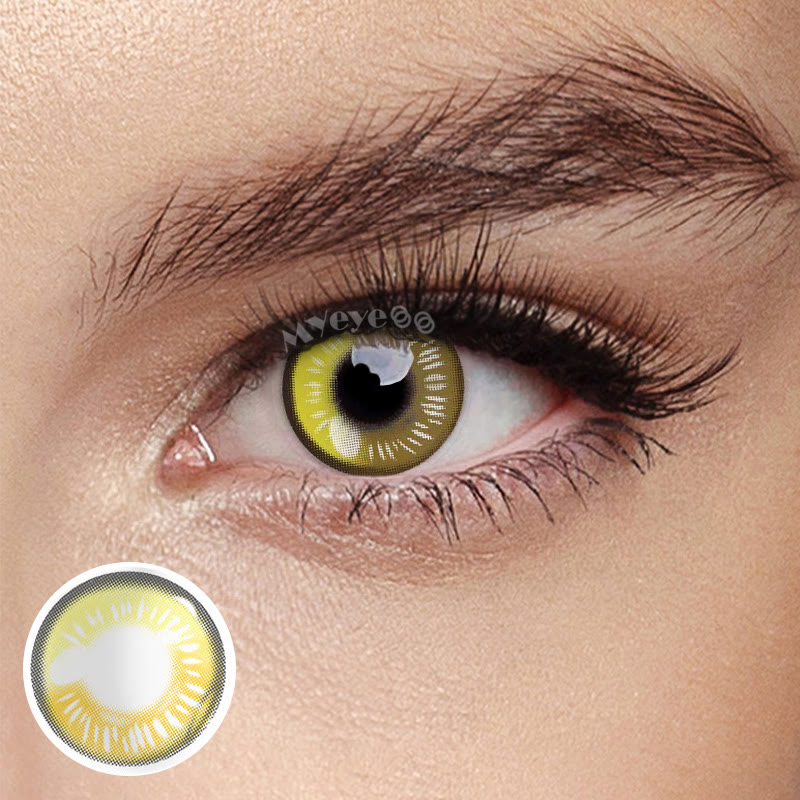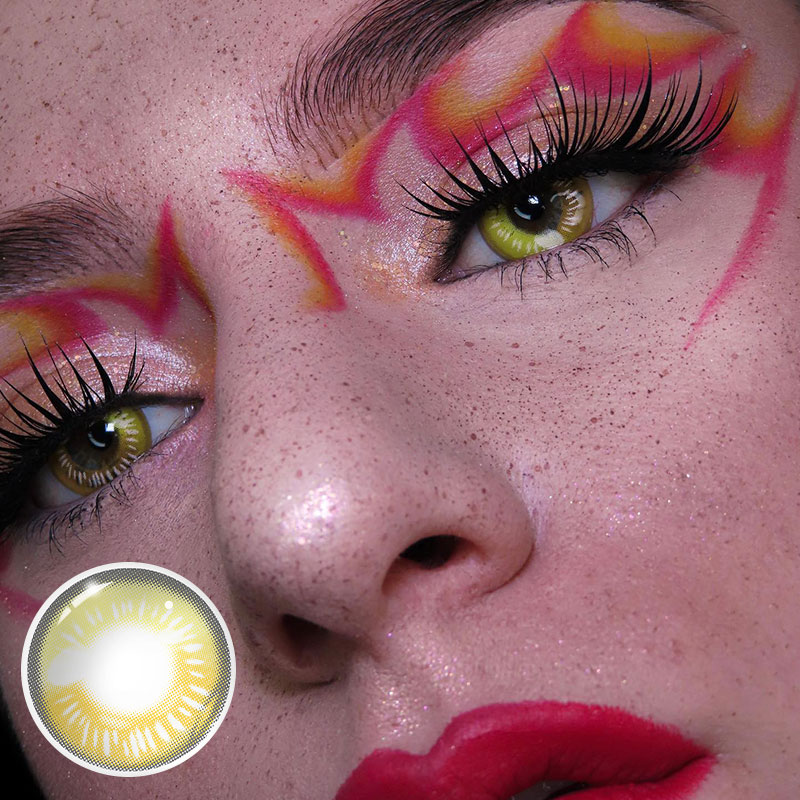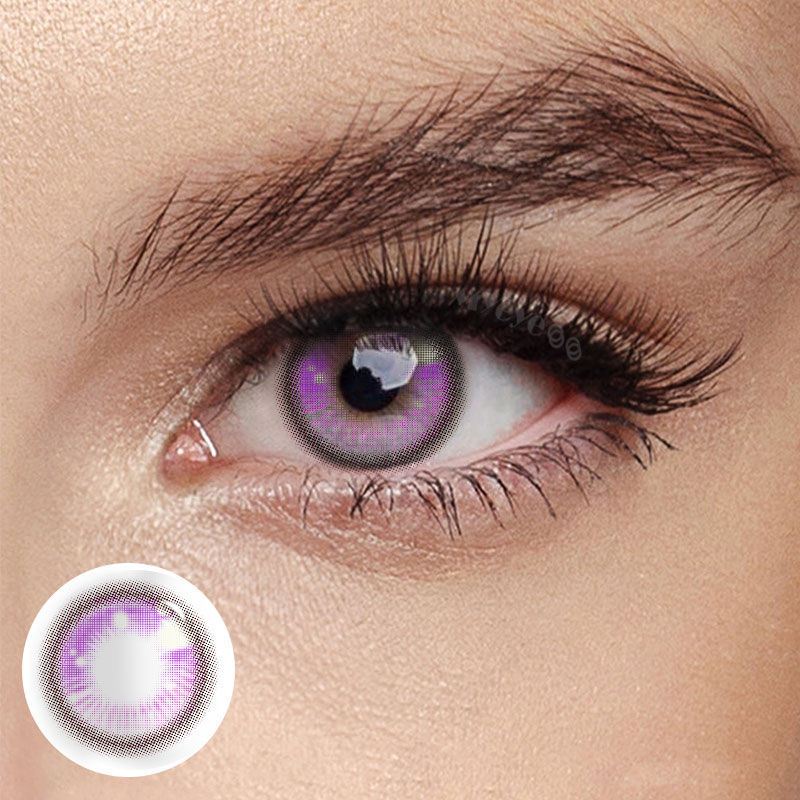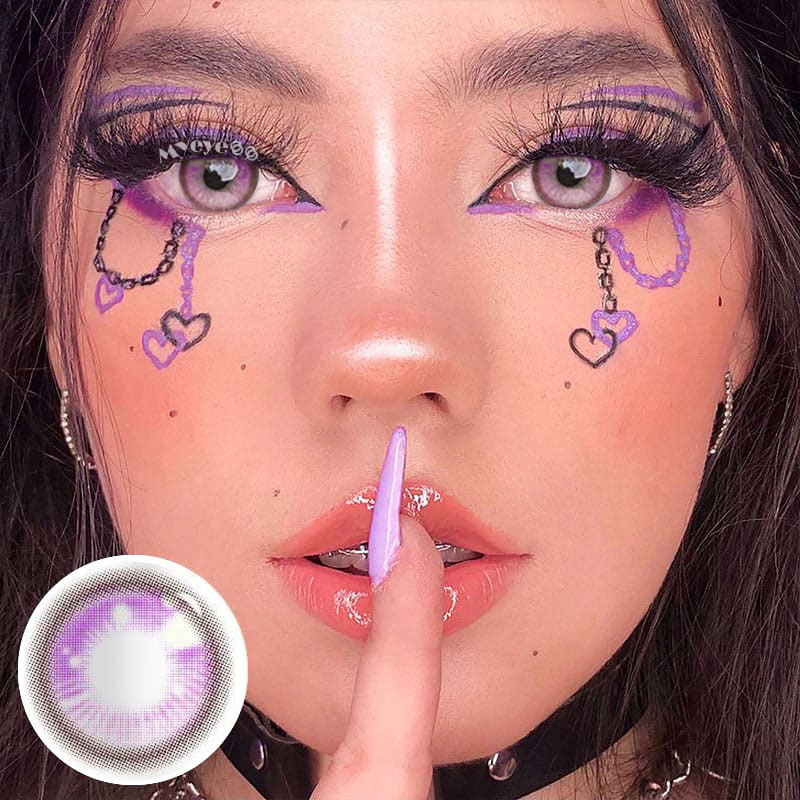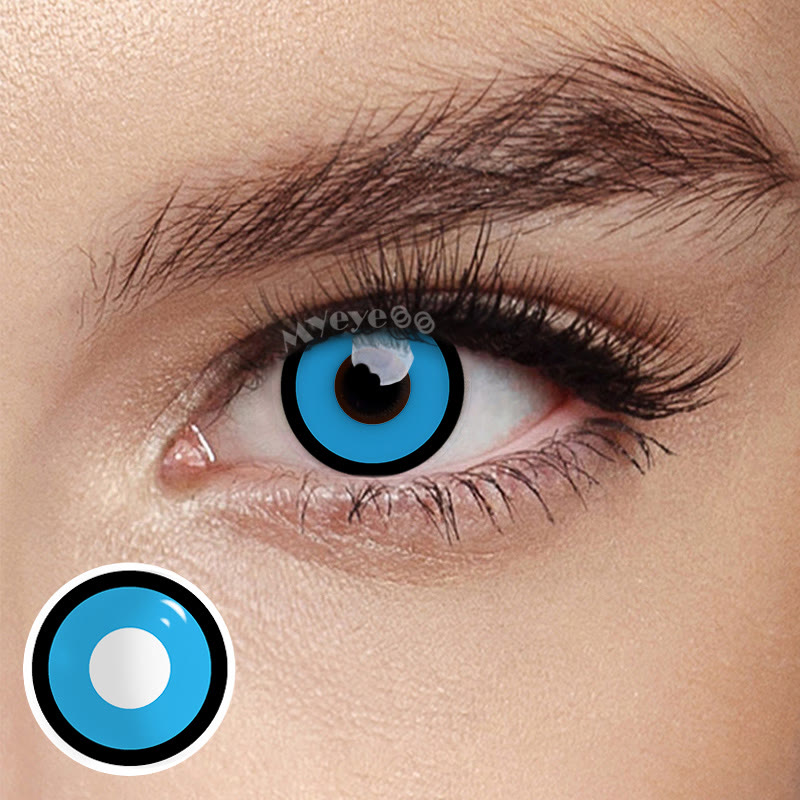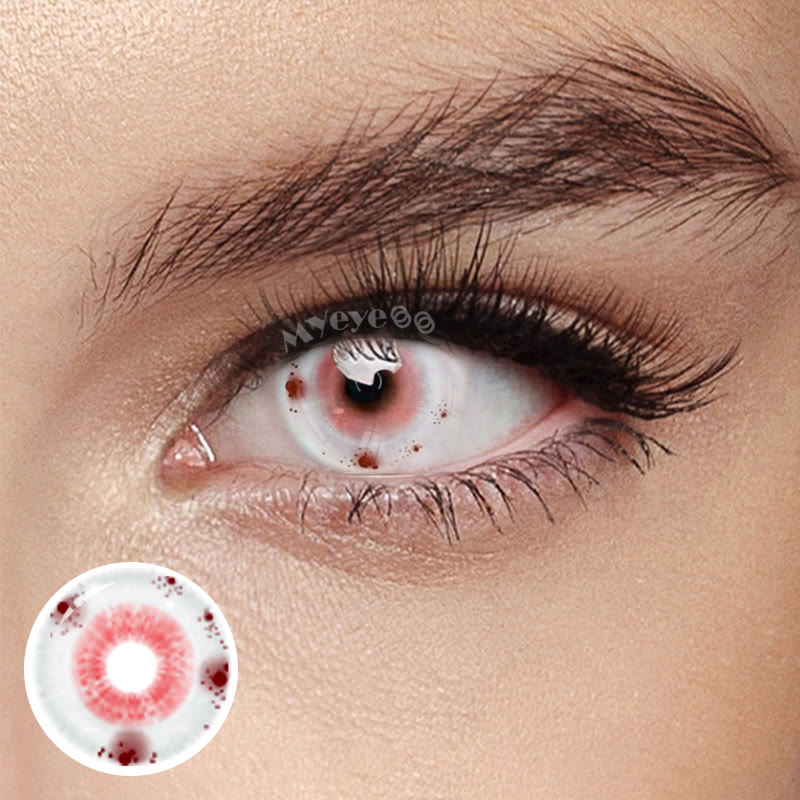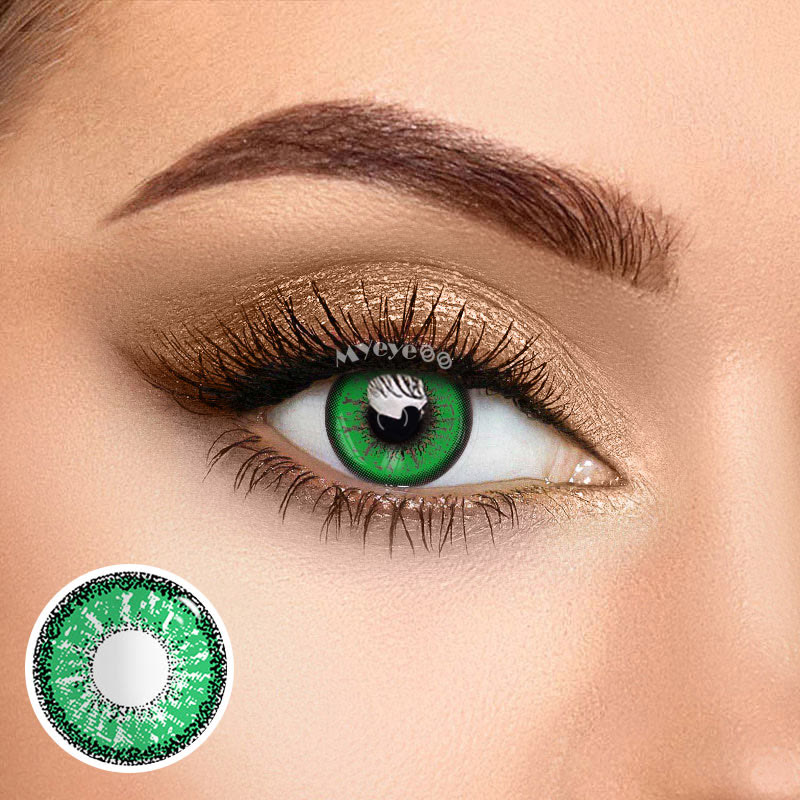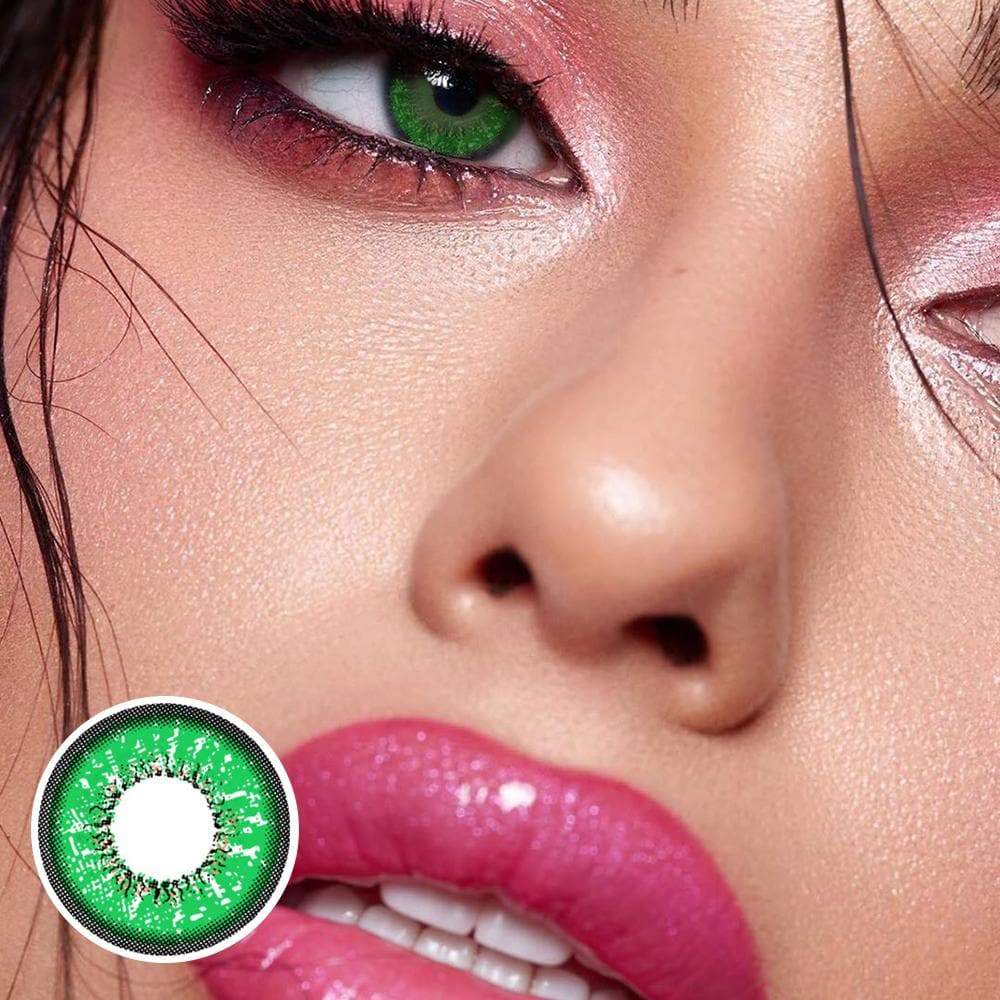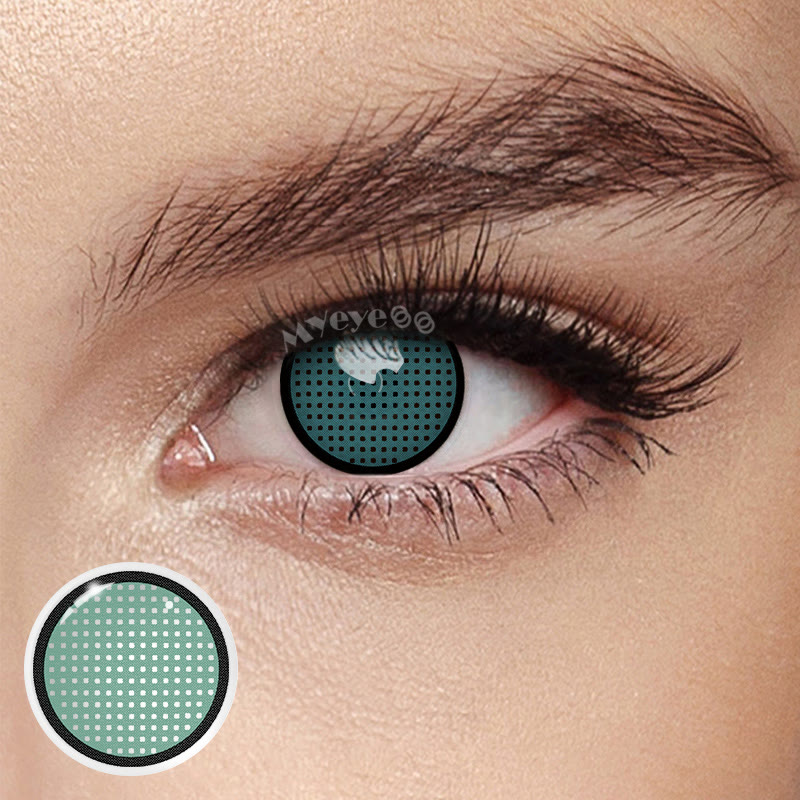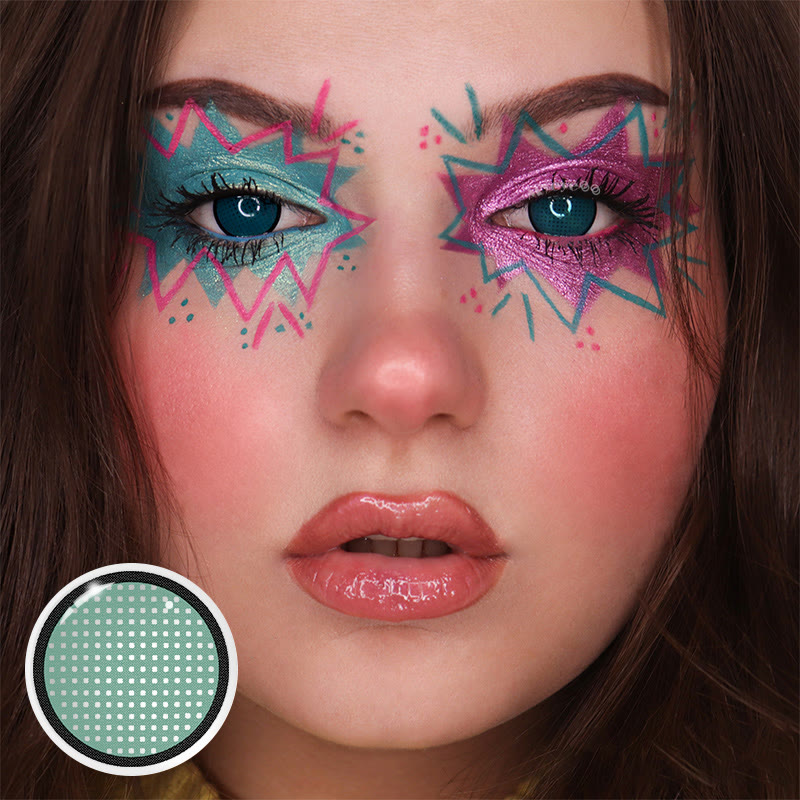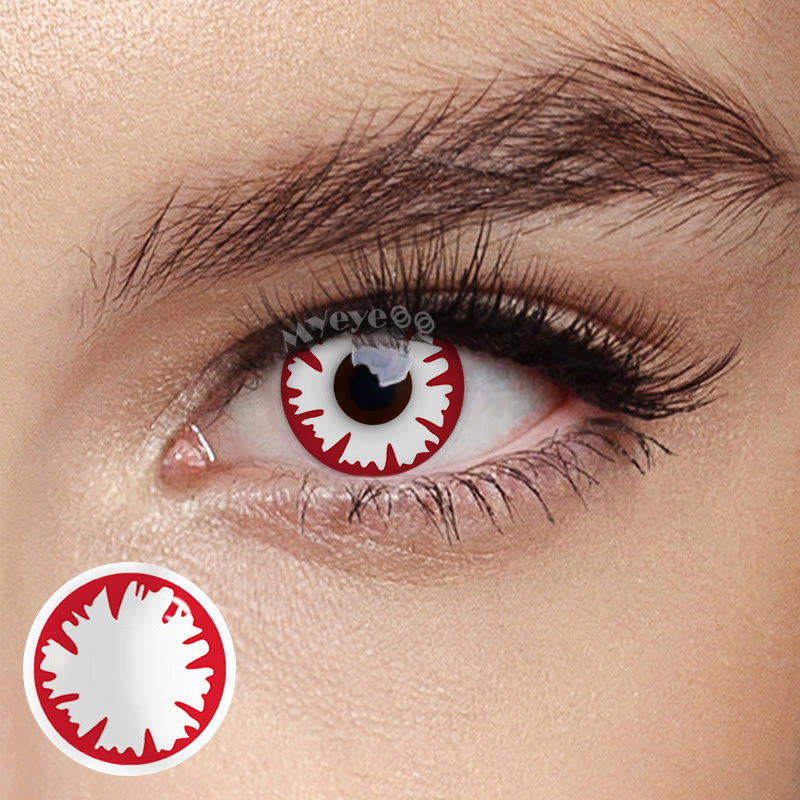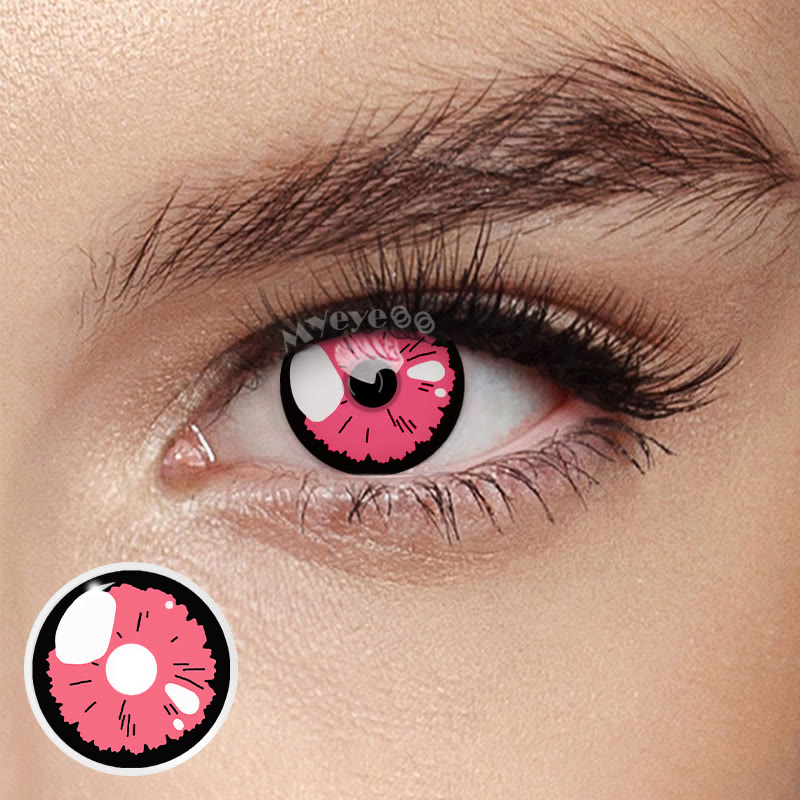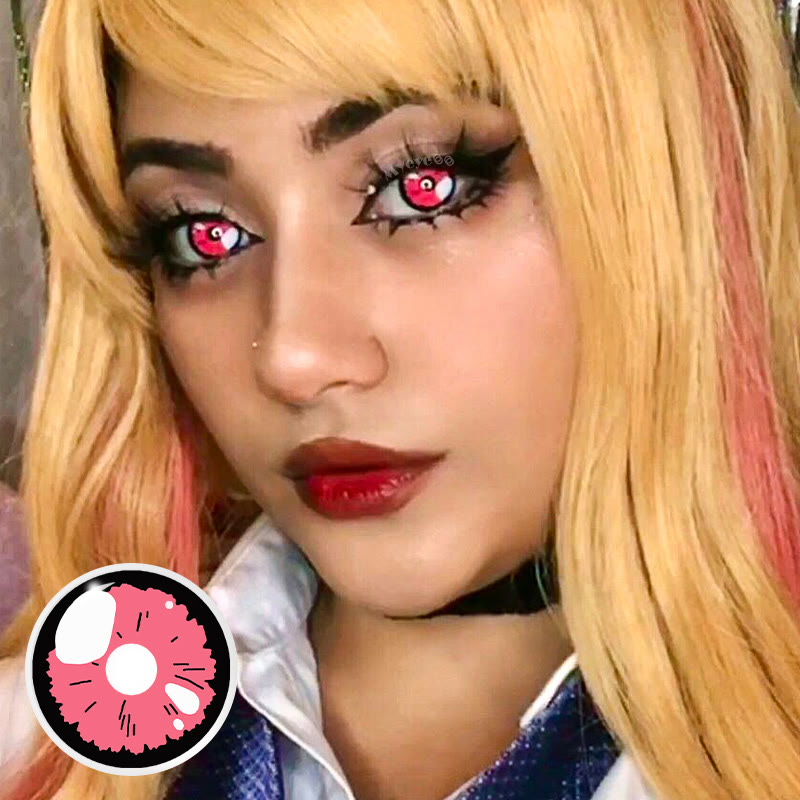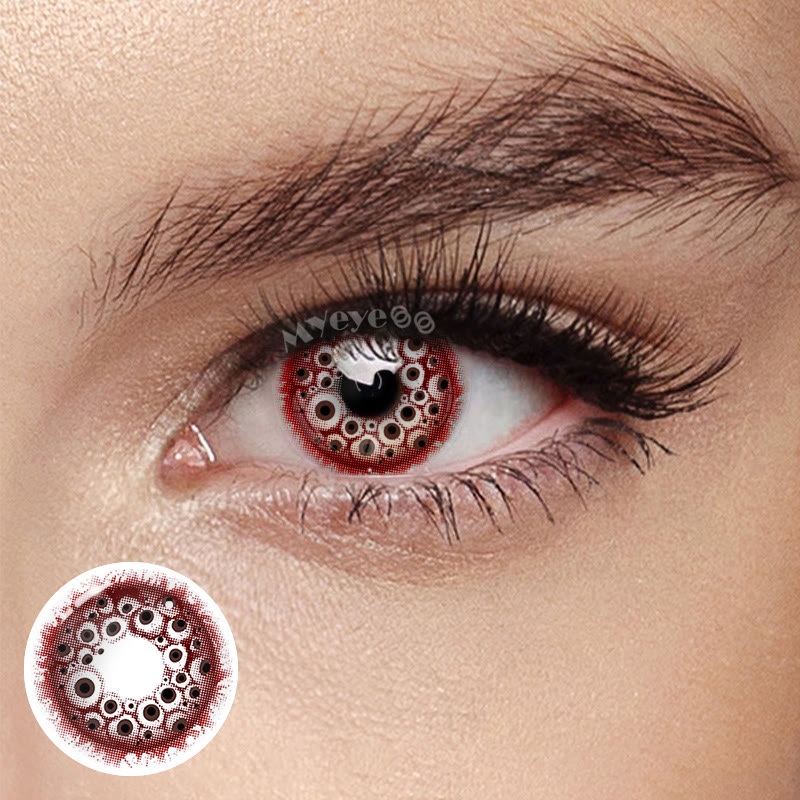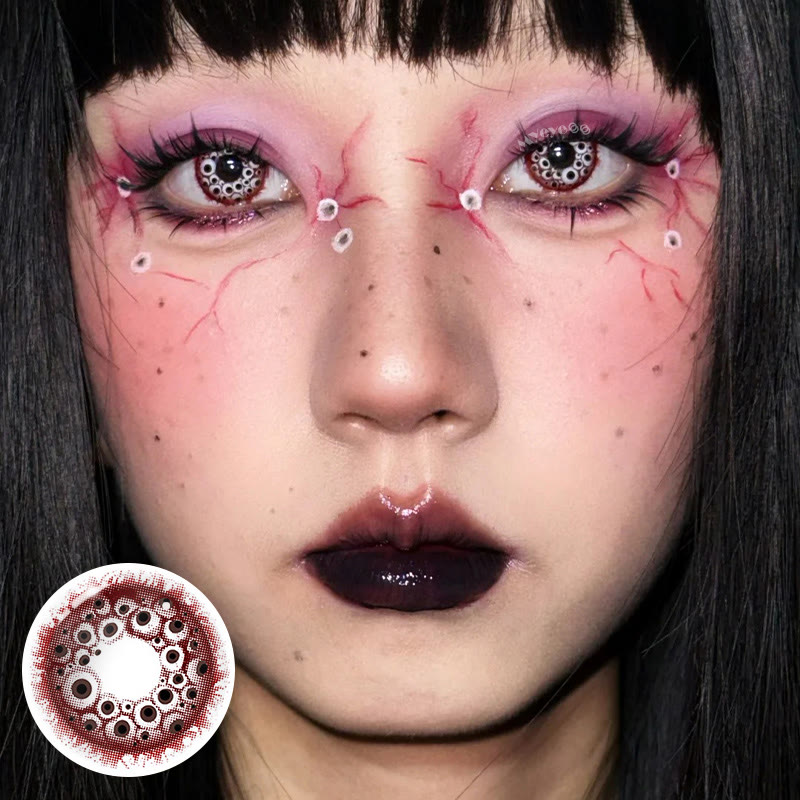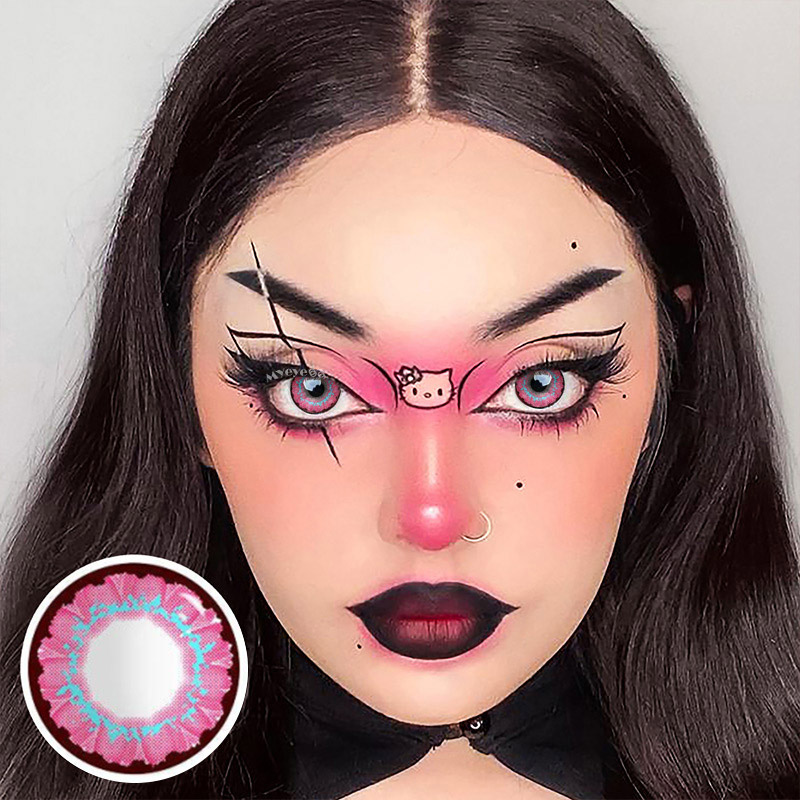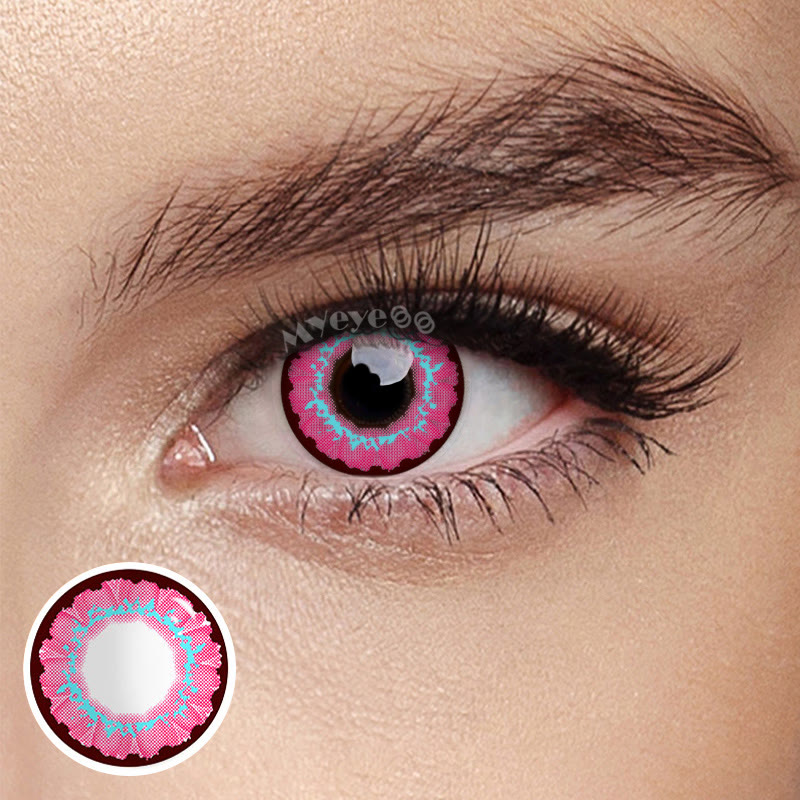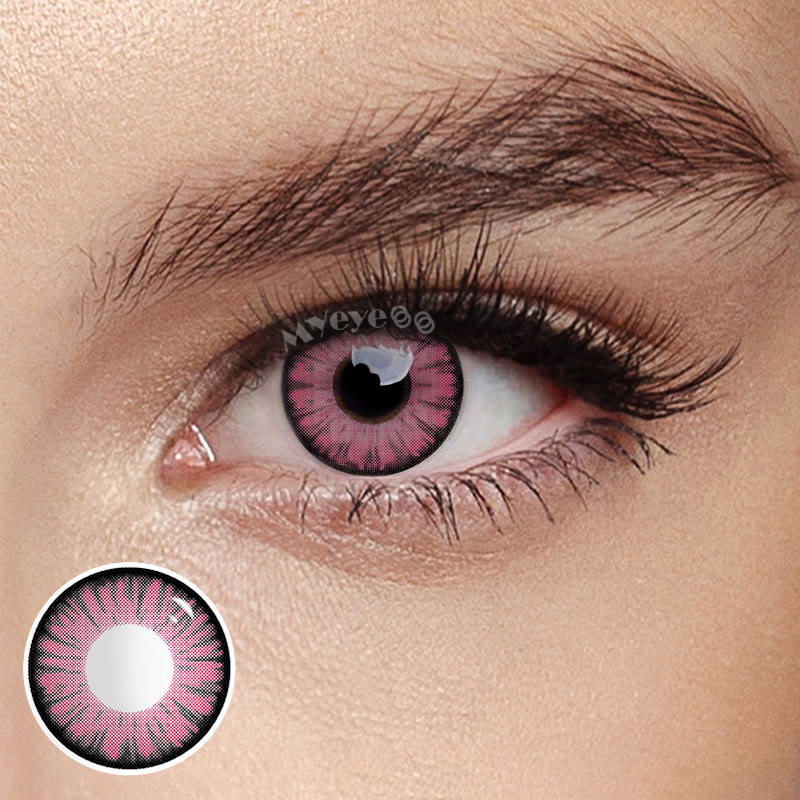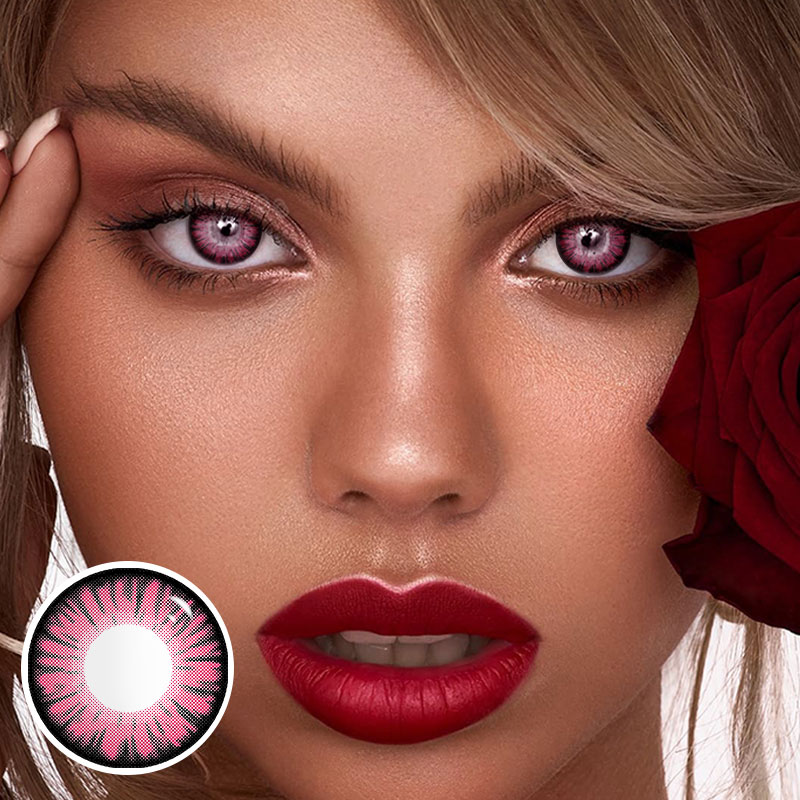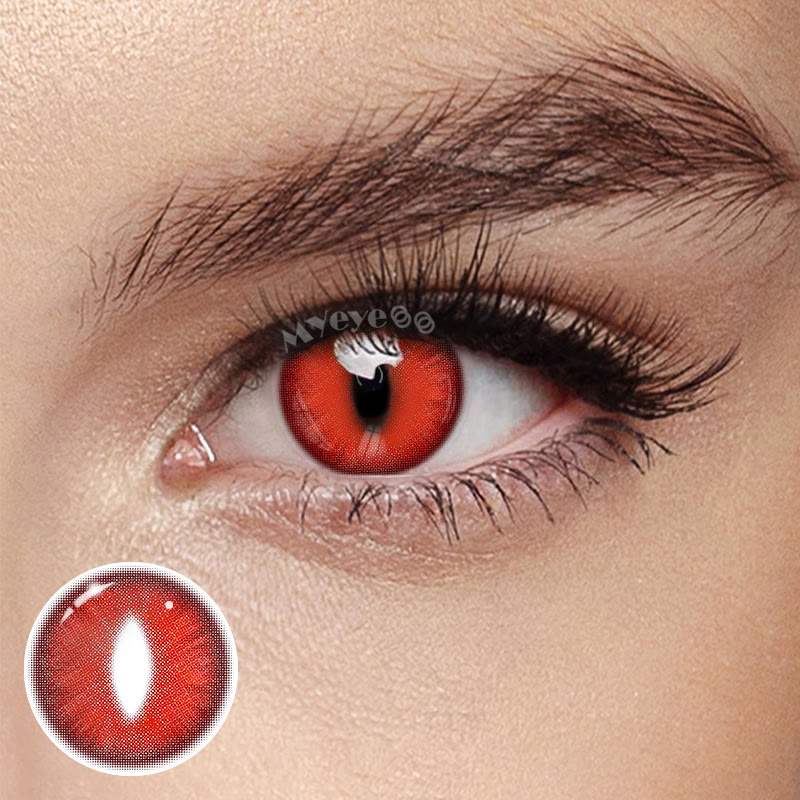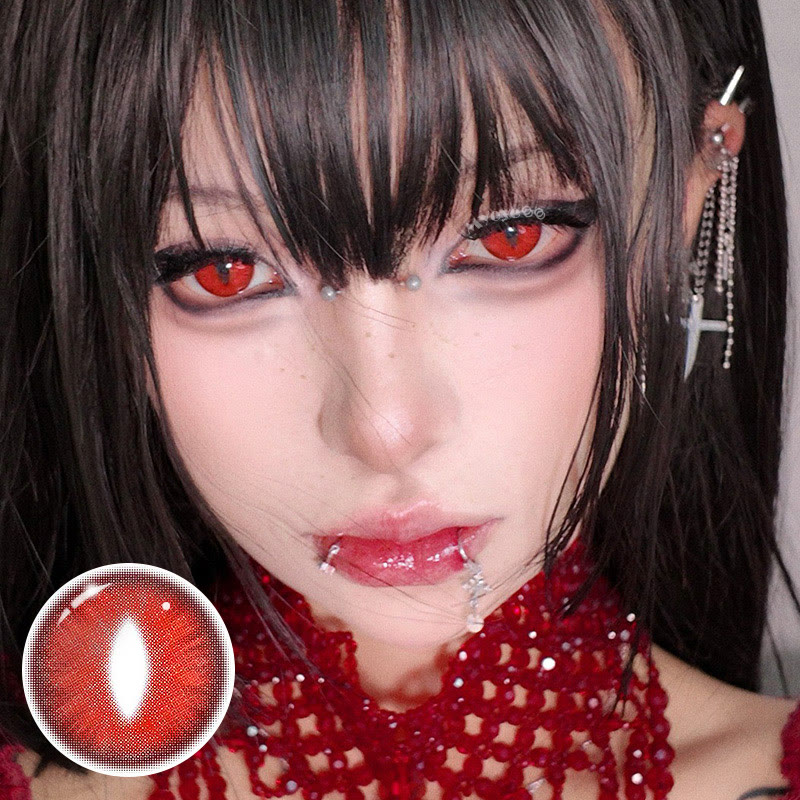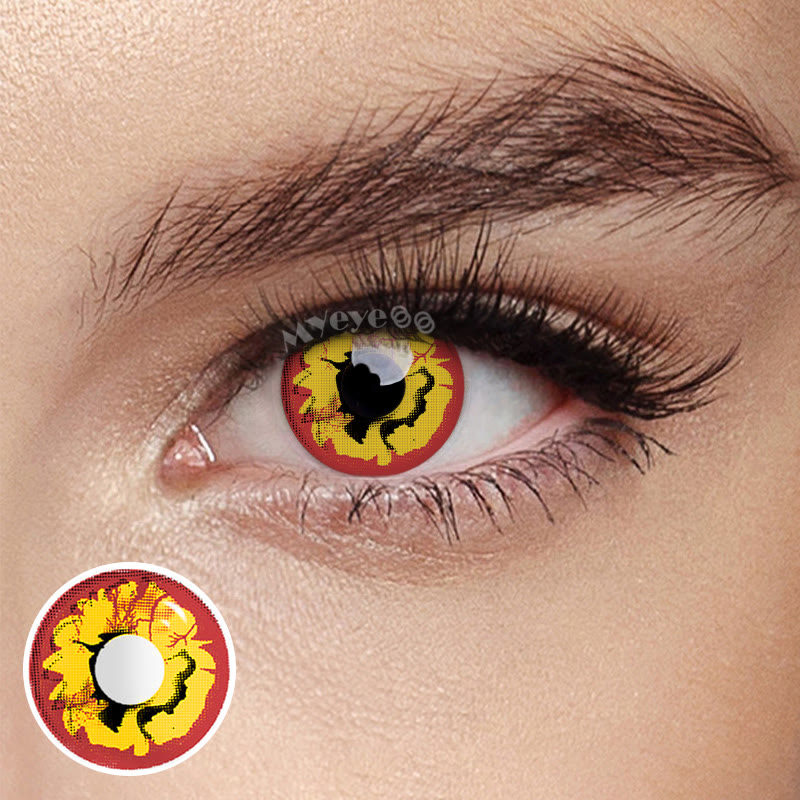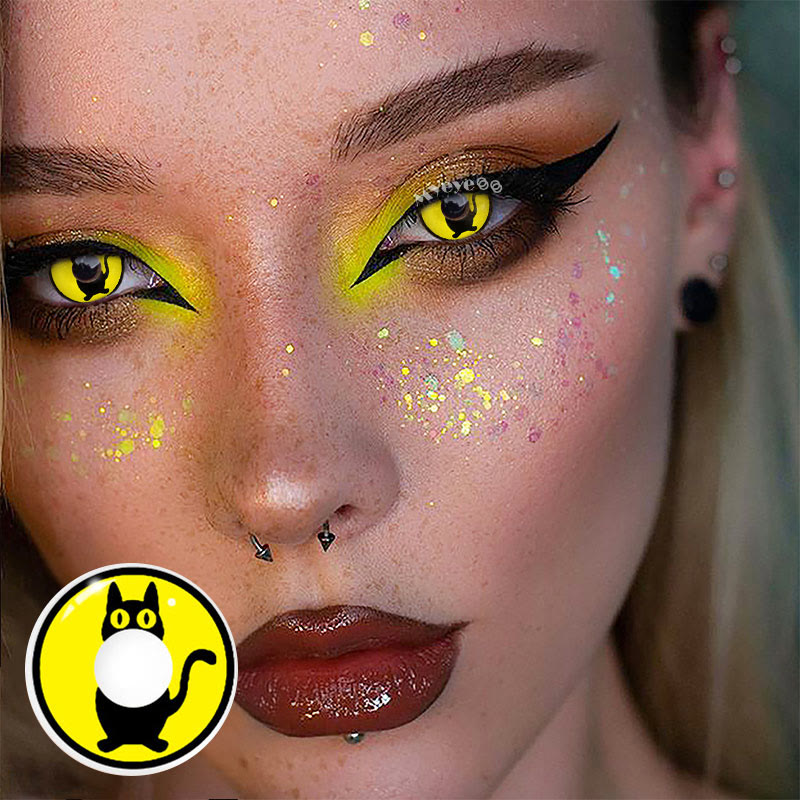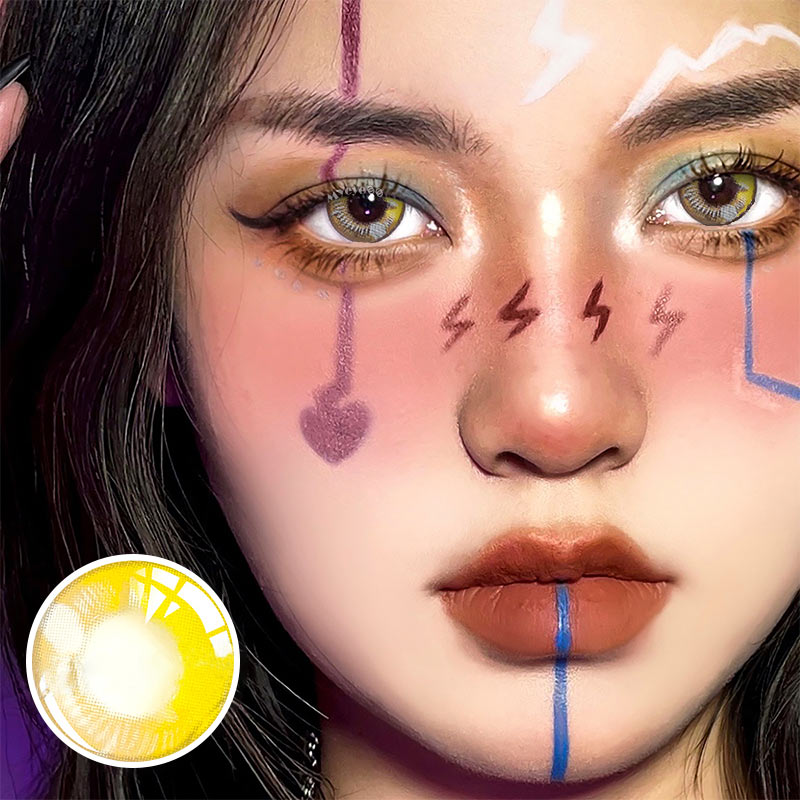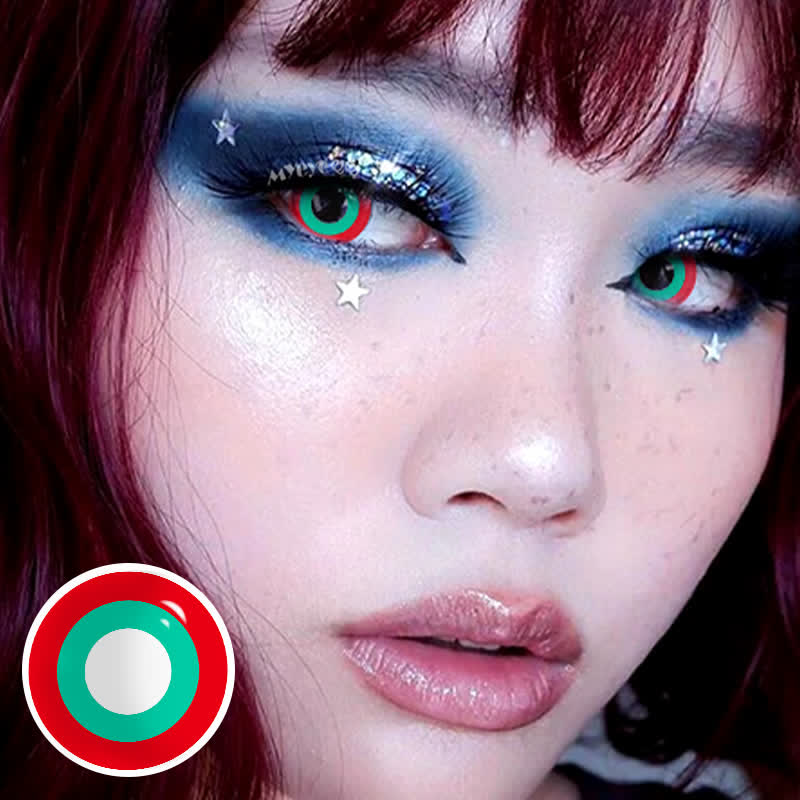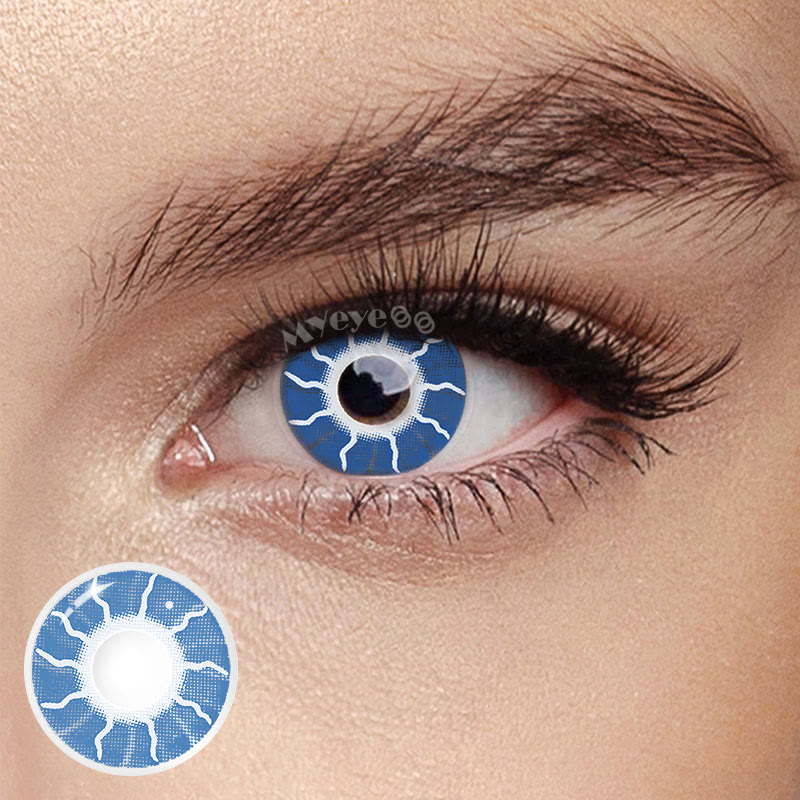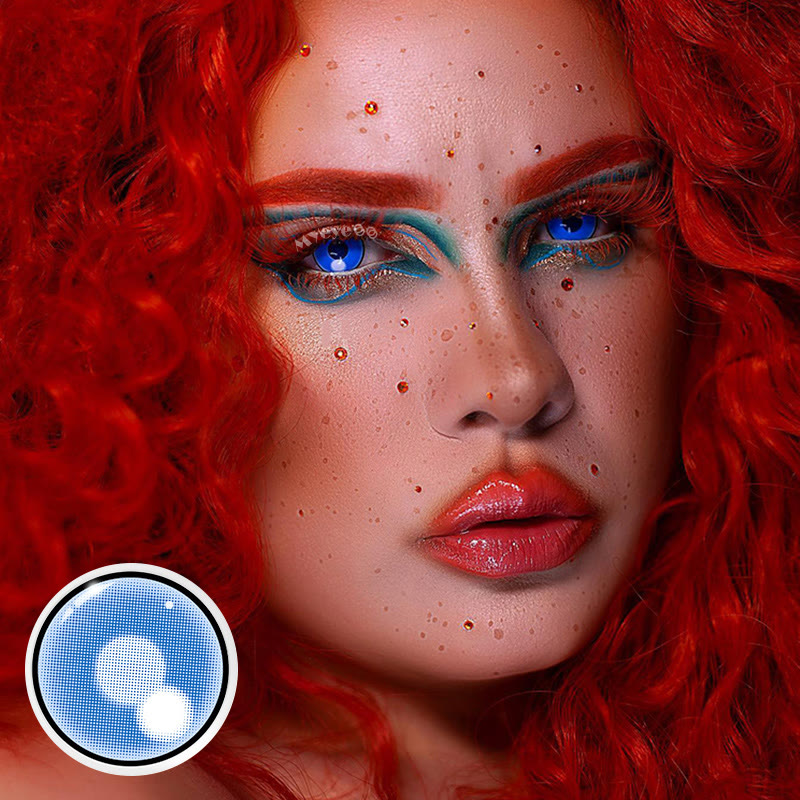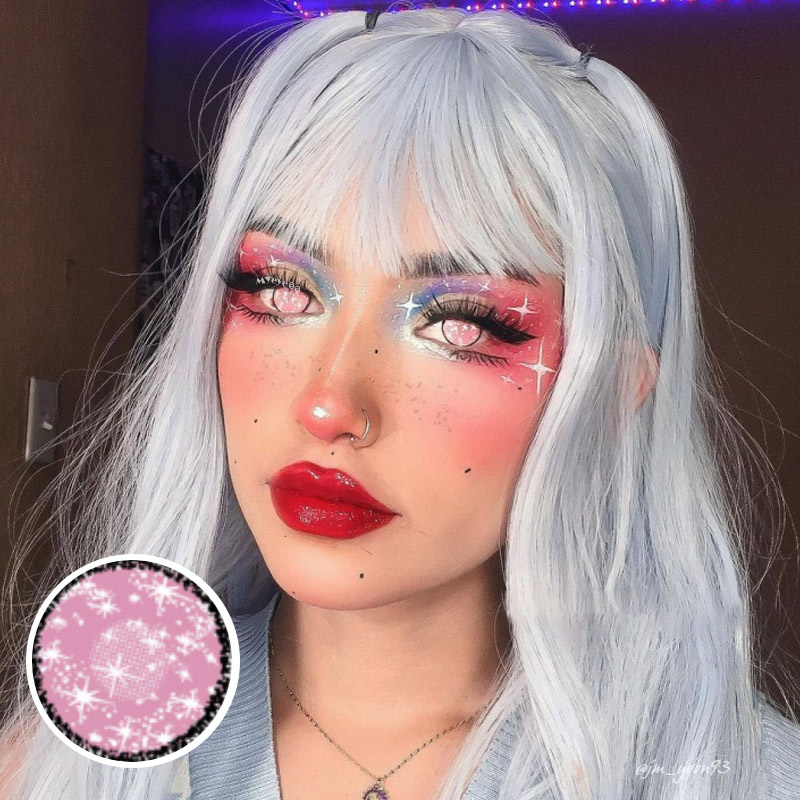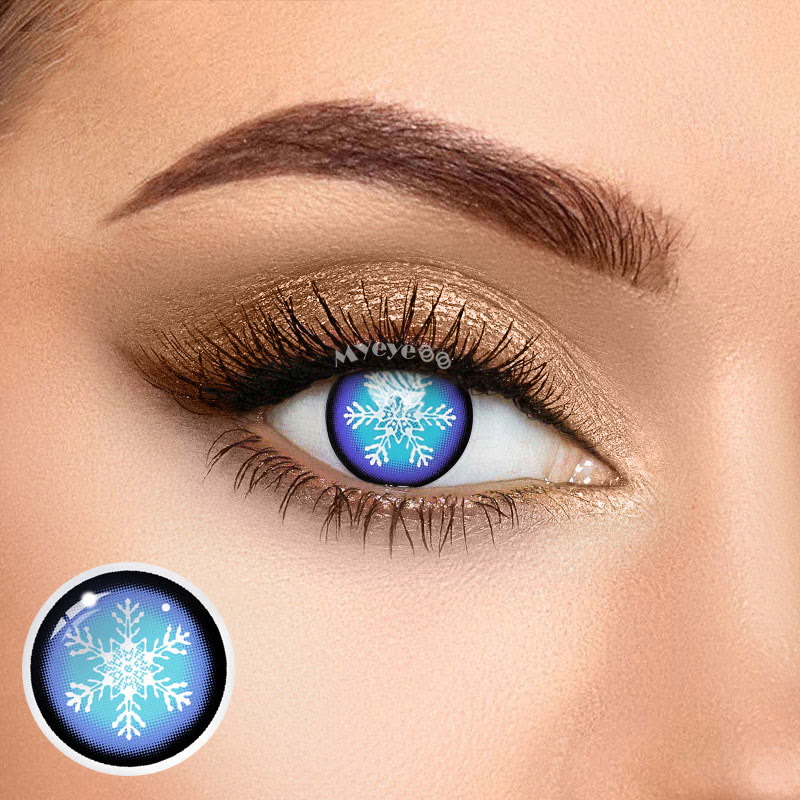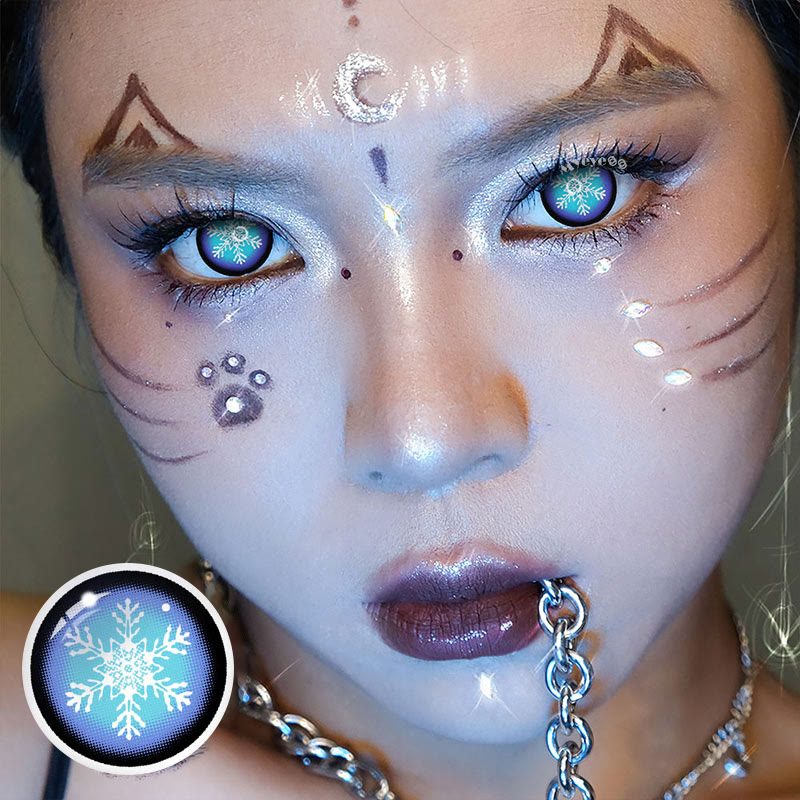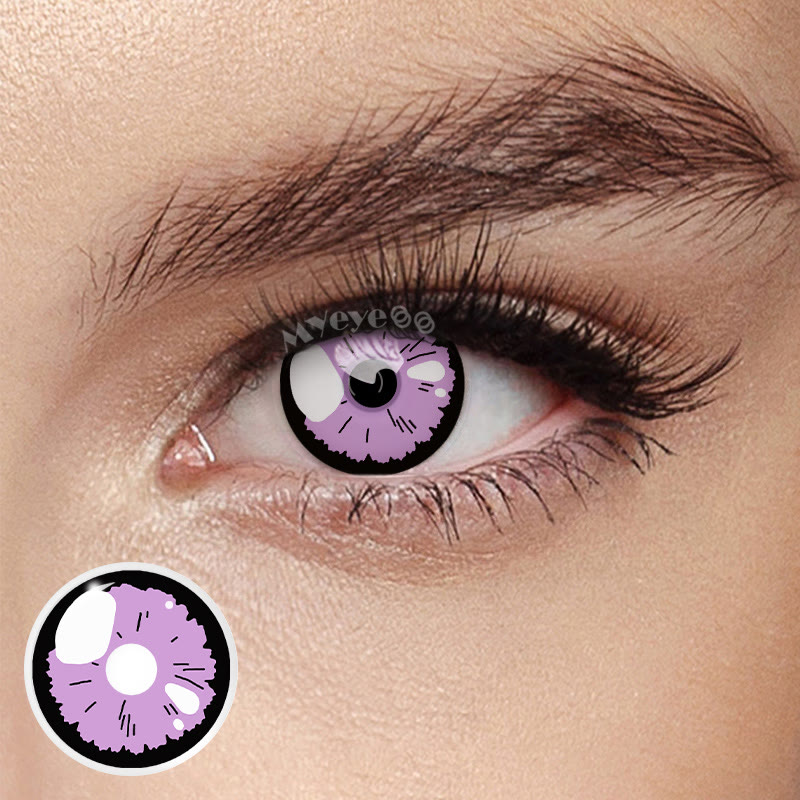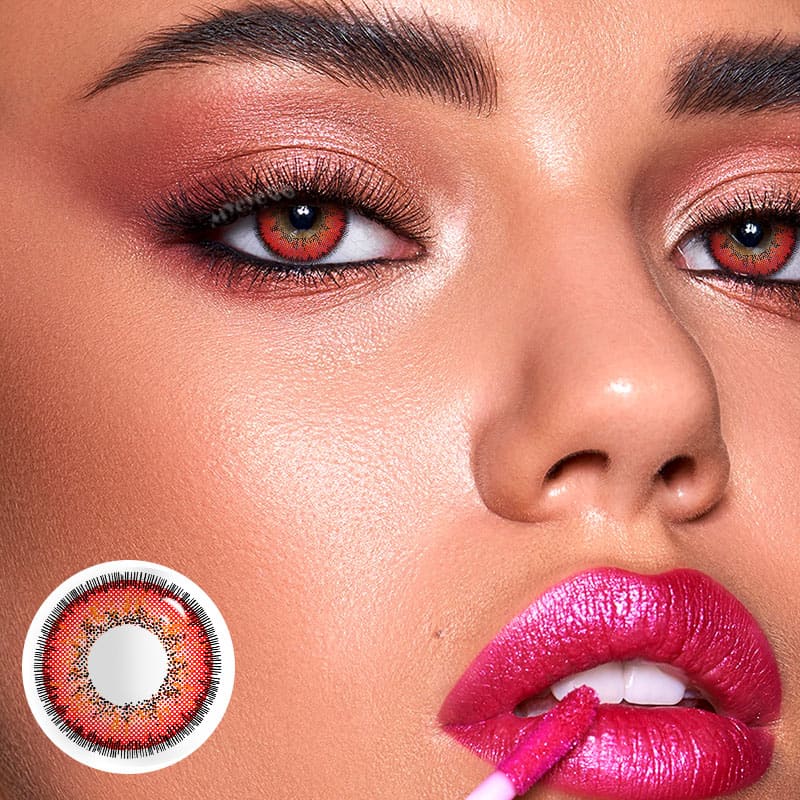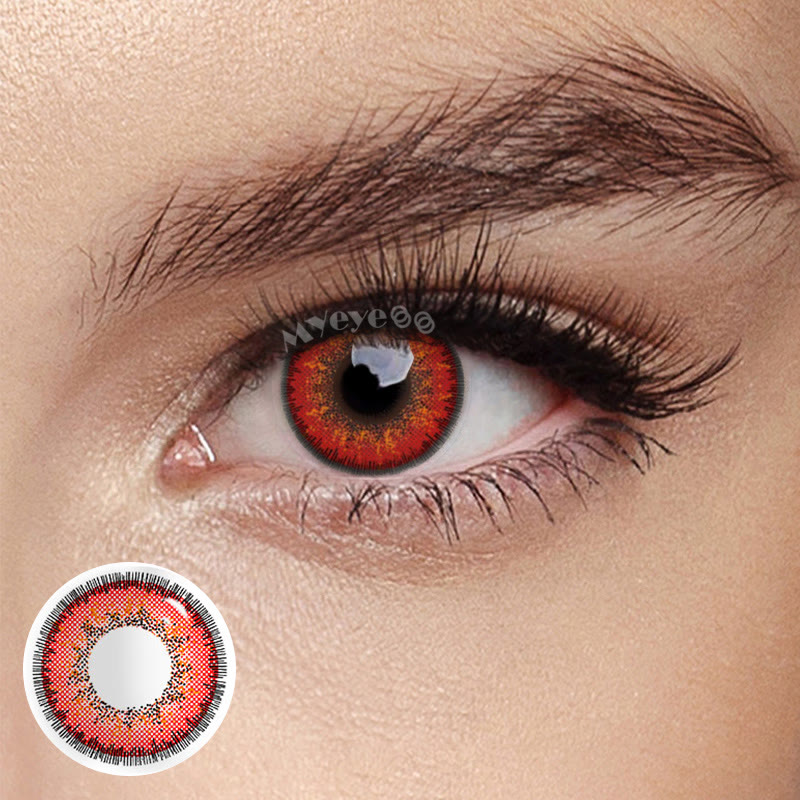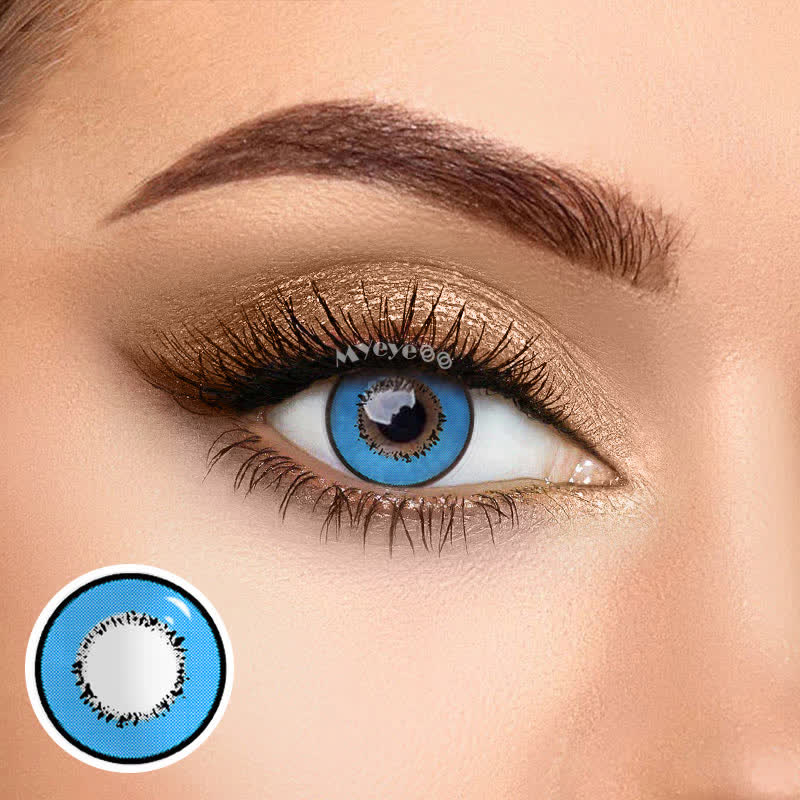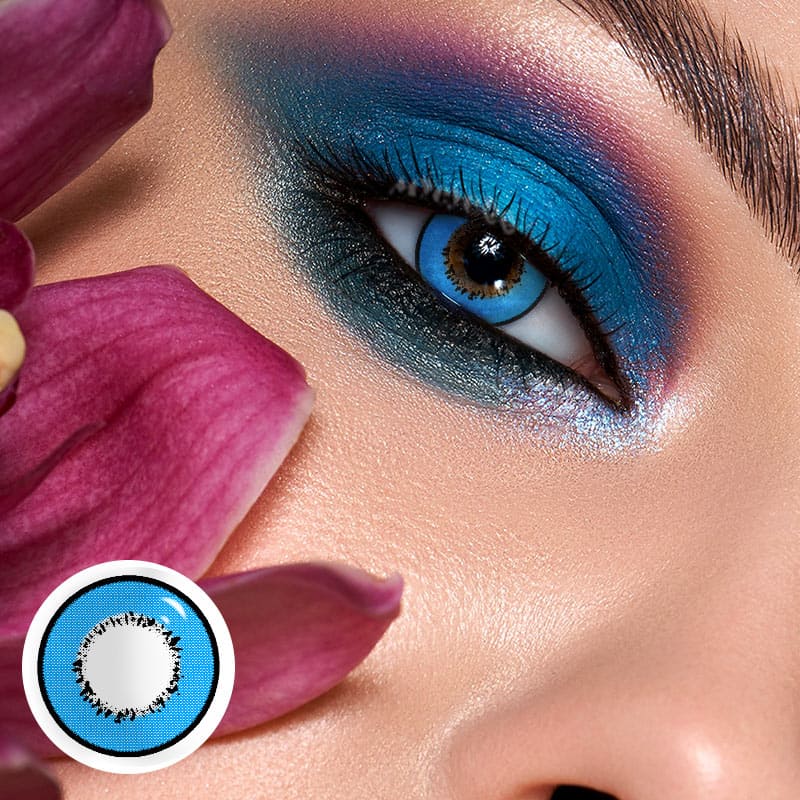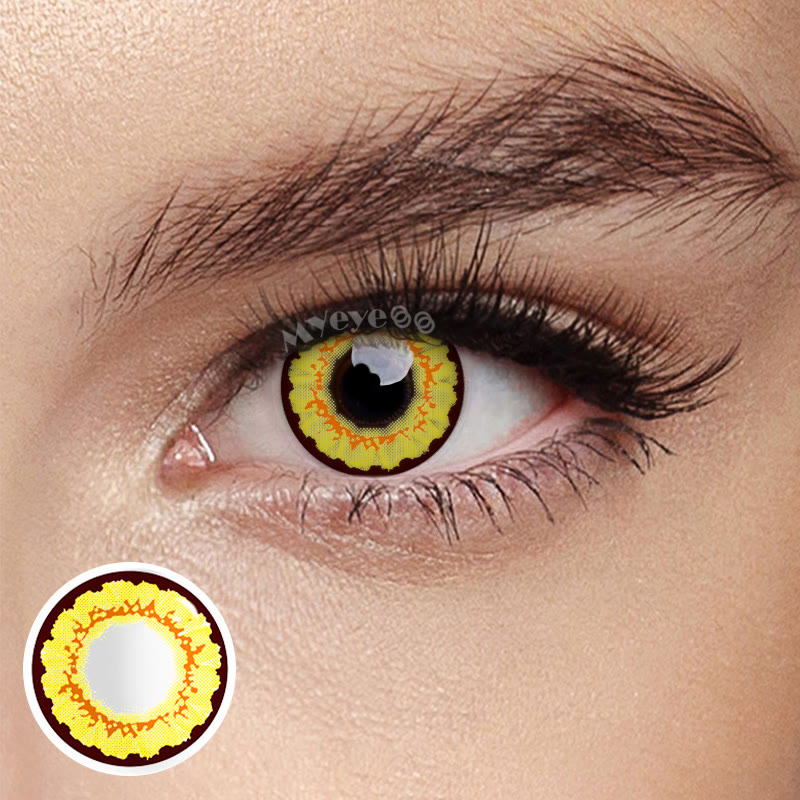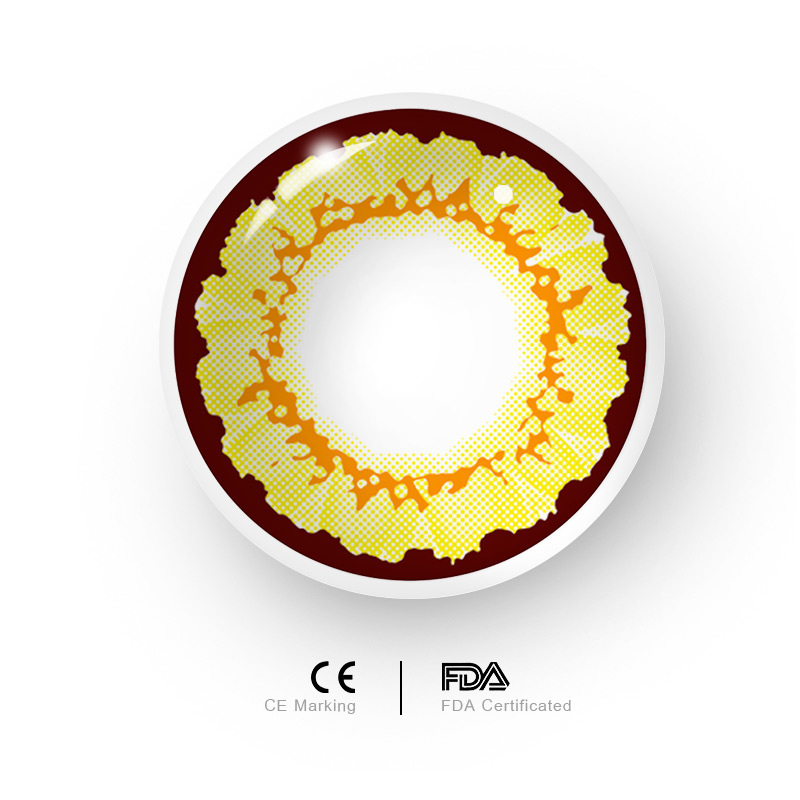
Big Pupil Contact Lenses
Big pupil contact lenses have revolutionized eye enhancement since circle lenses first emerged in 2004. Regular colored contacts differ from these lenses, which feature a larger clear center that allows your natural eye color to show through for subtle yet striking results. Circle contact lenses create the illusion of bigger, more defined eyes by extending the iris appearance onto the sclera. Whether you're wondering what circle lenses are or searching for the perfect big eye contacts, this piece covers everything in detail, including how to choose the right pair and popular styles with safety practices for wearing big pupil contacts.
What Are Big Pupil Contact Lenses
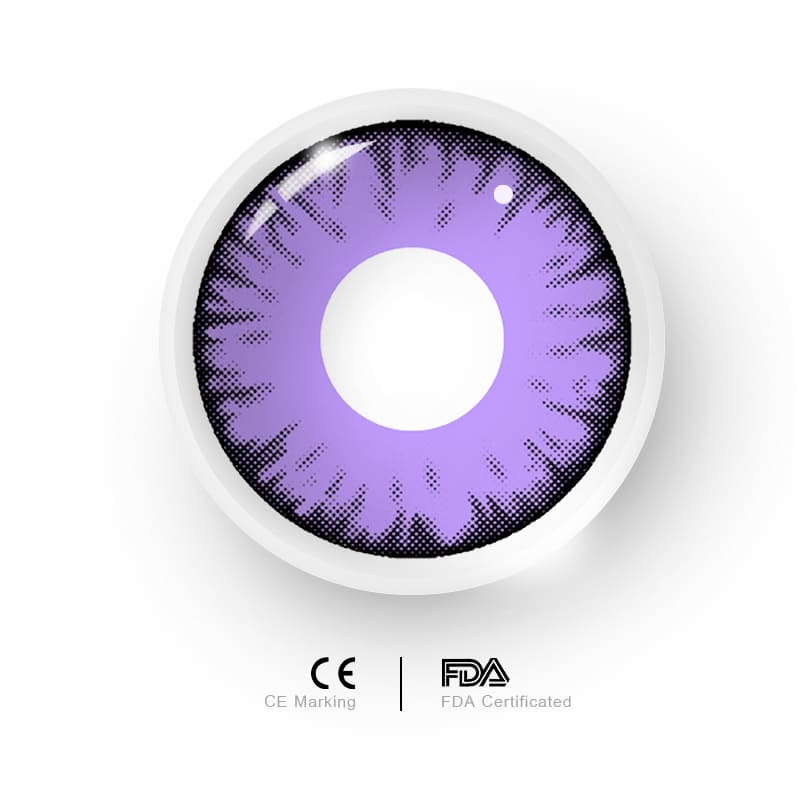
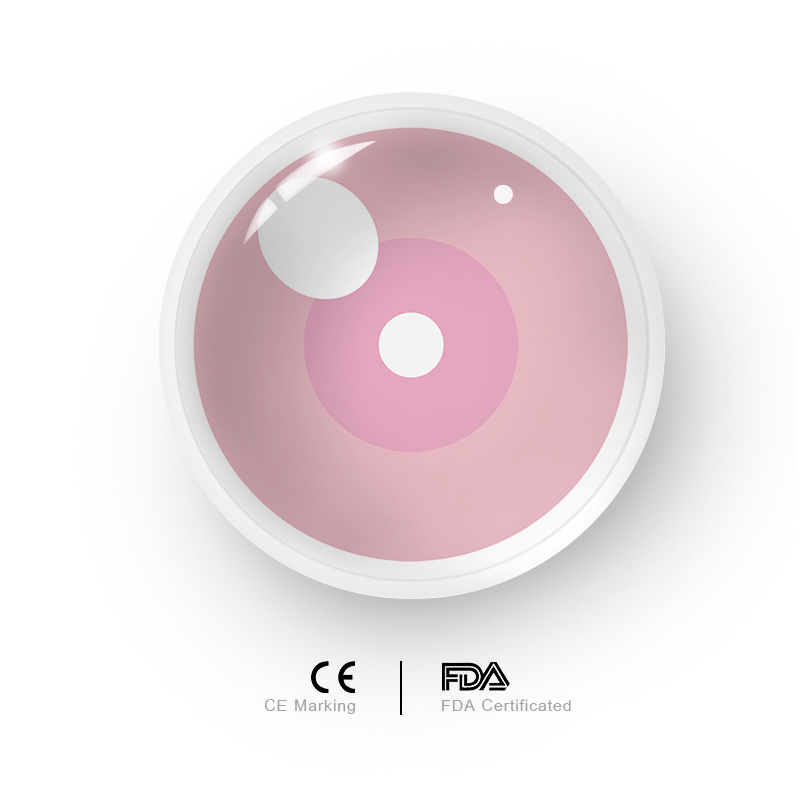
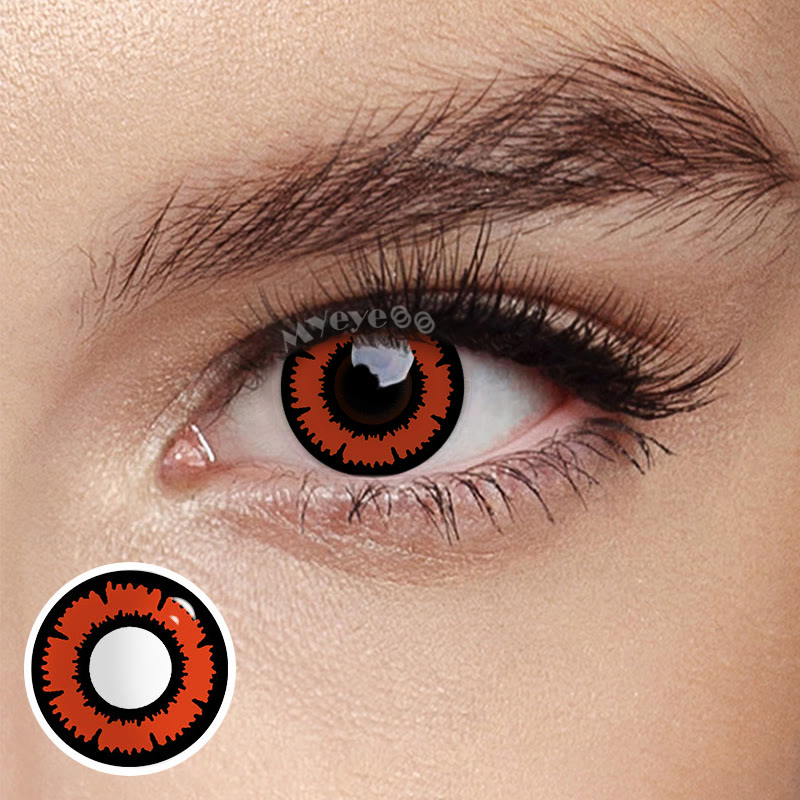
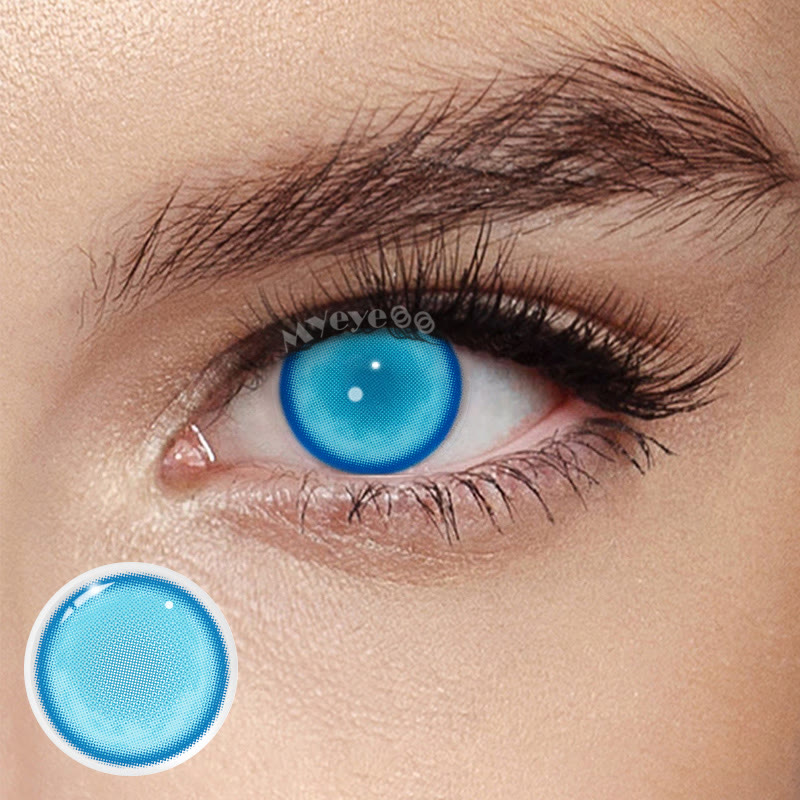
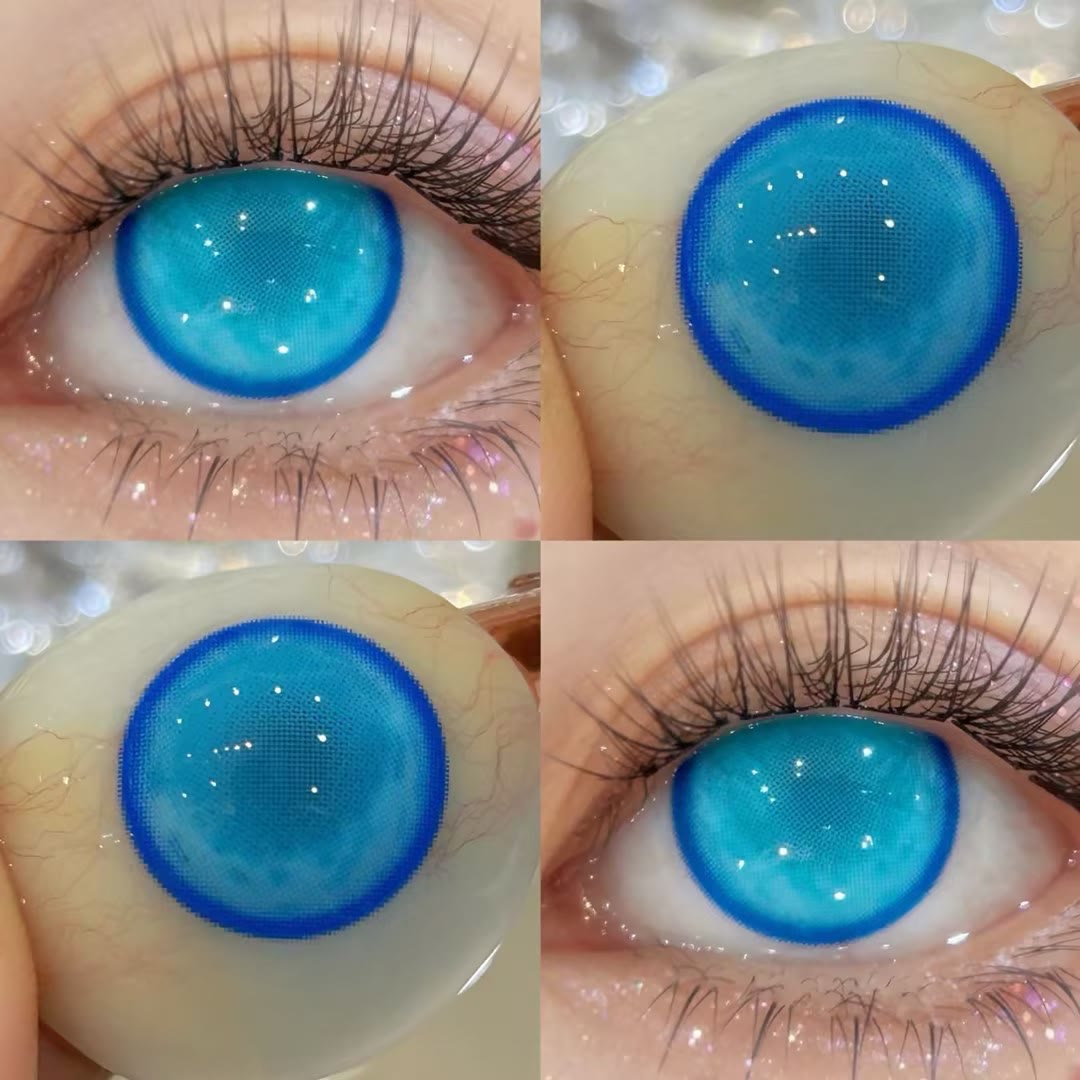
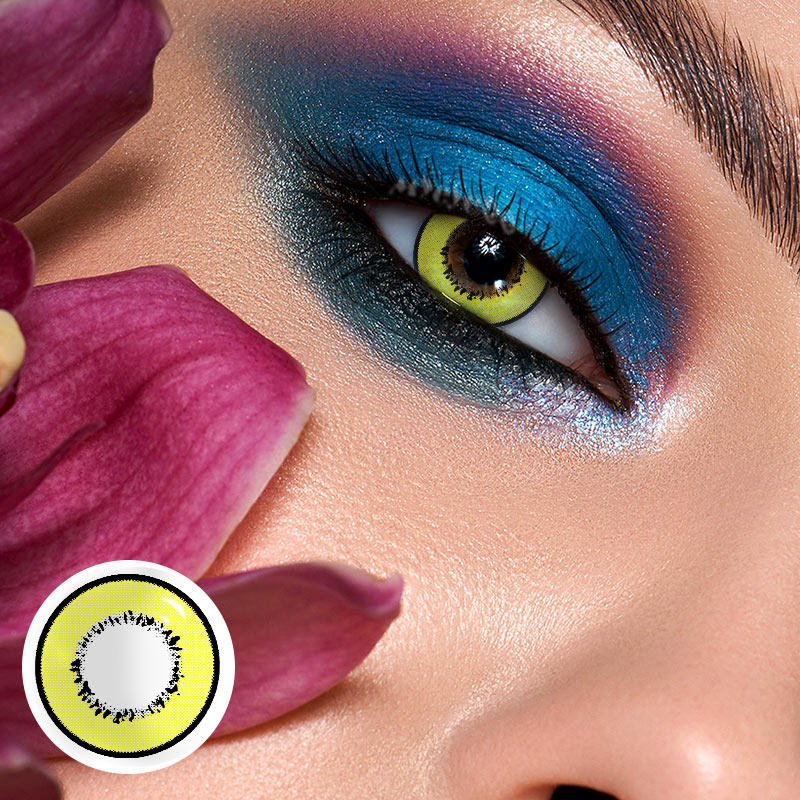
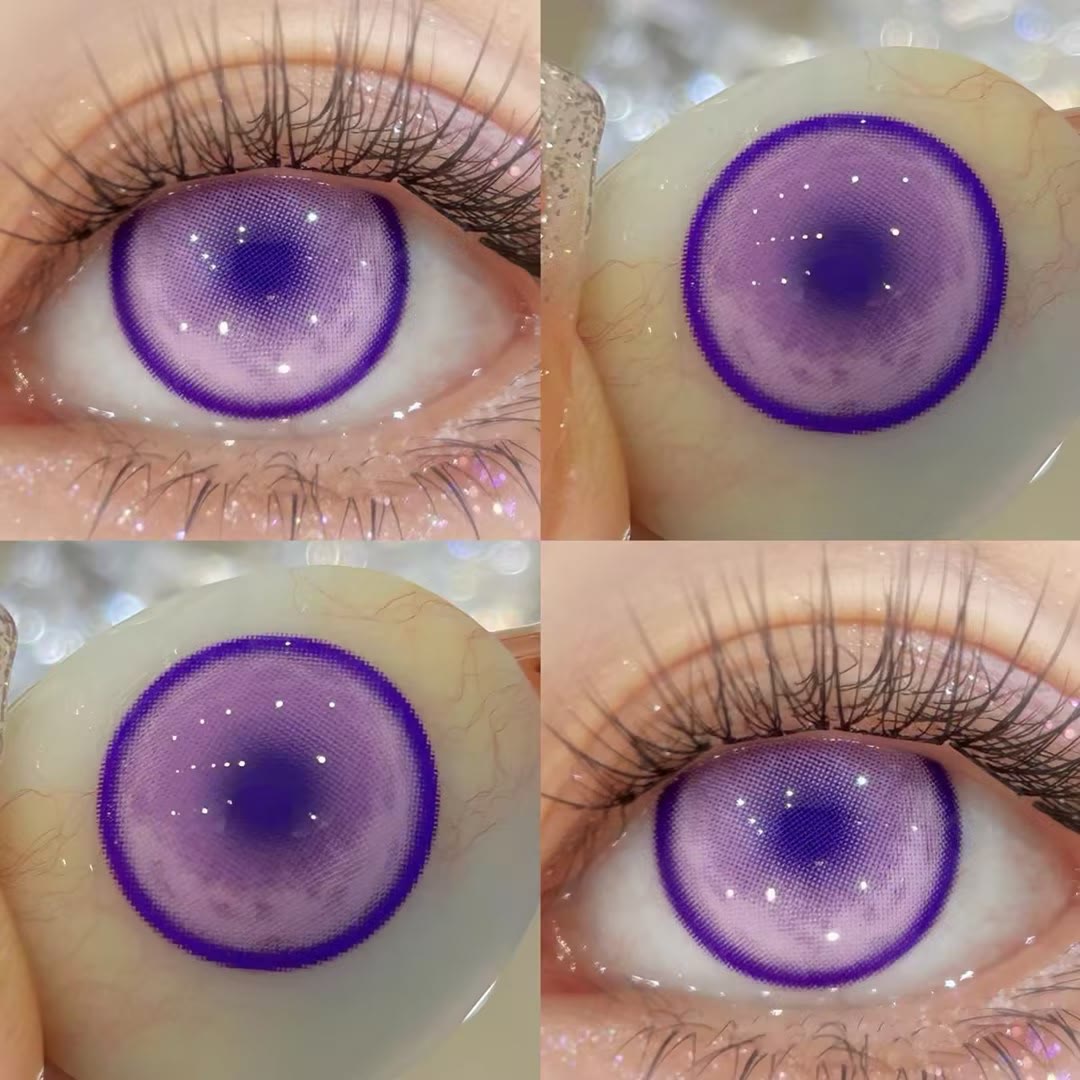
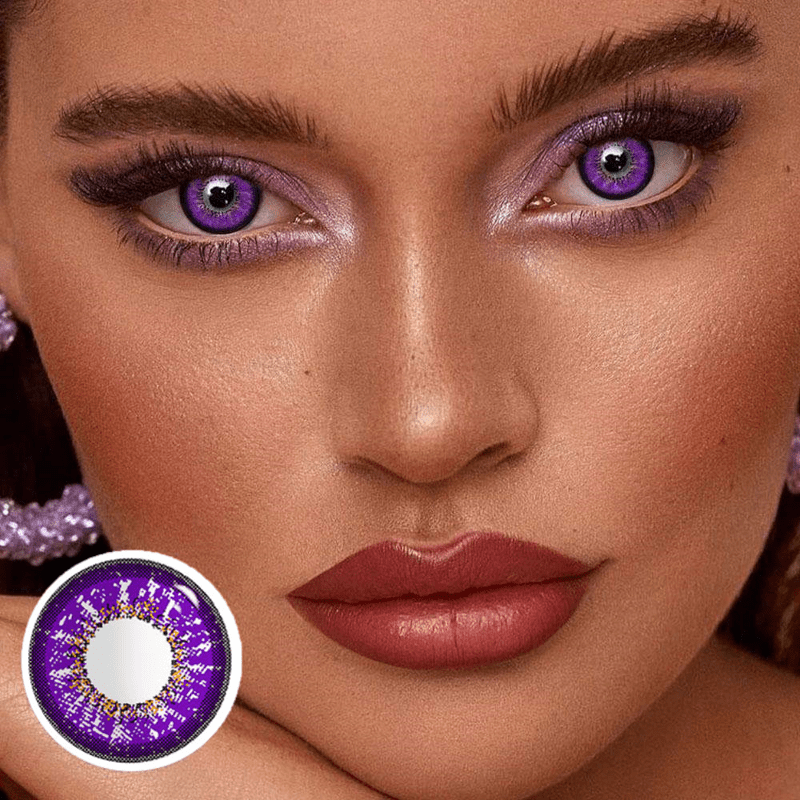
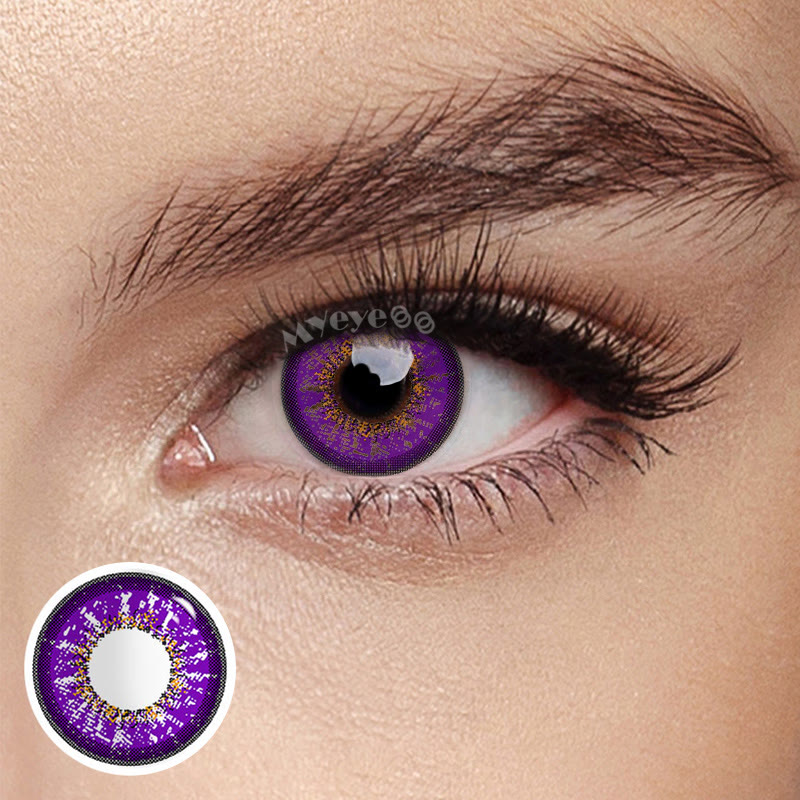
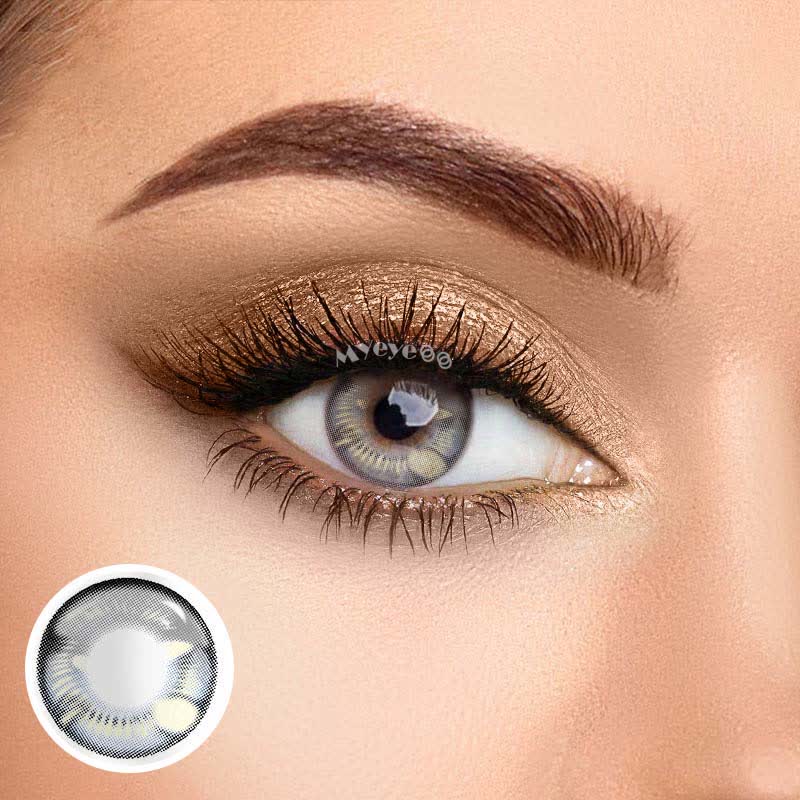
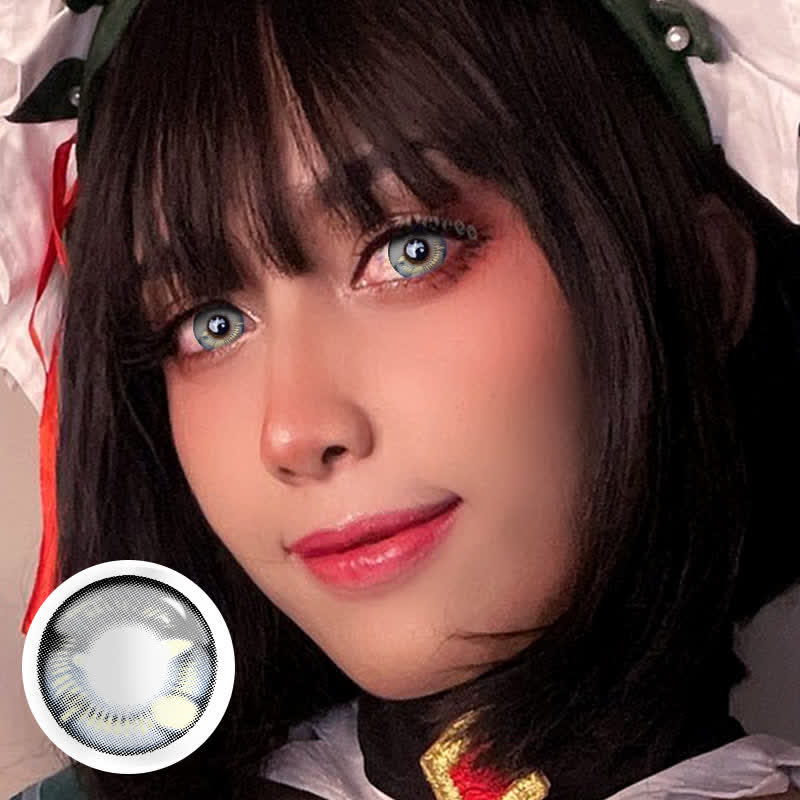
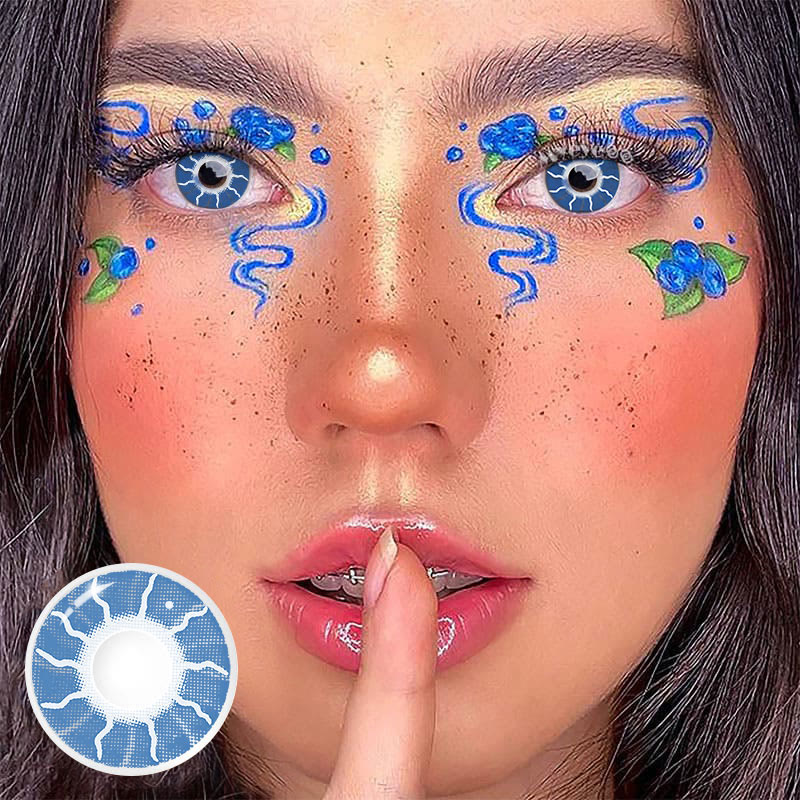
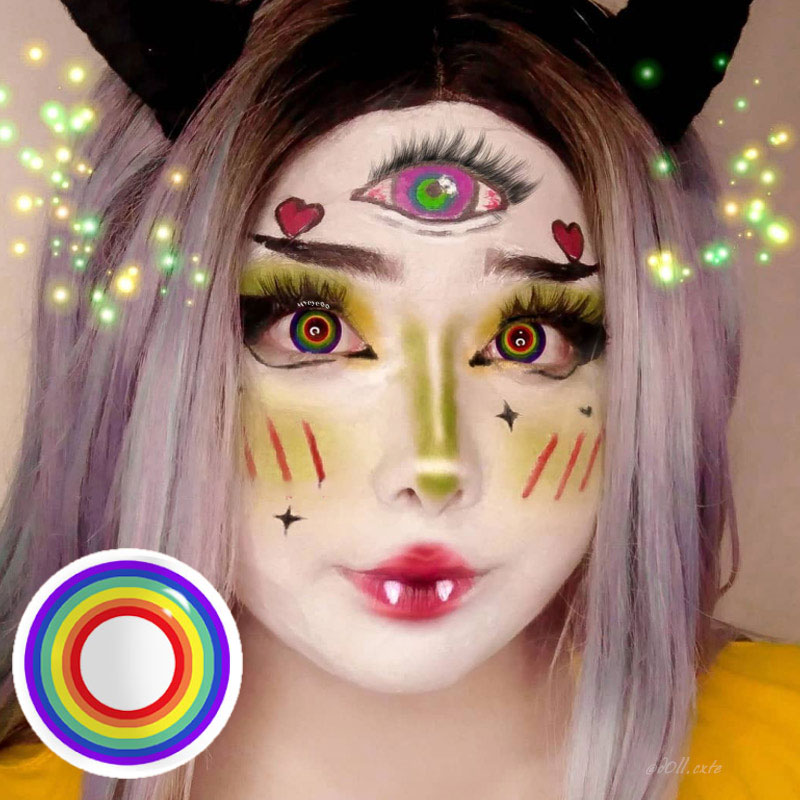
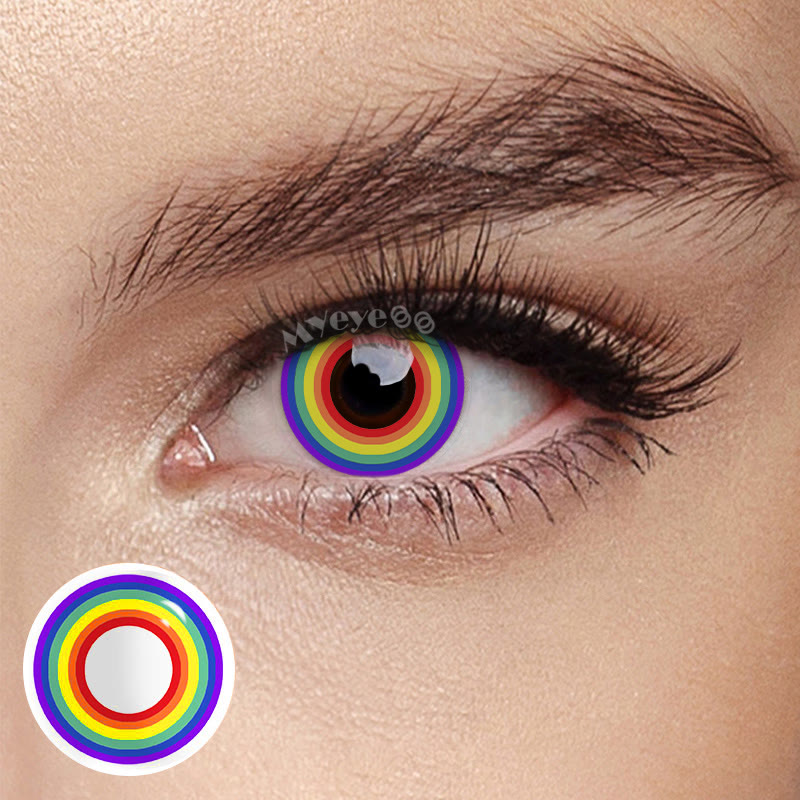
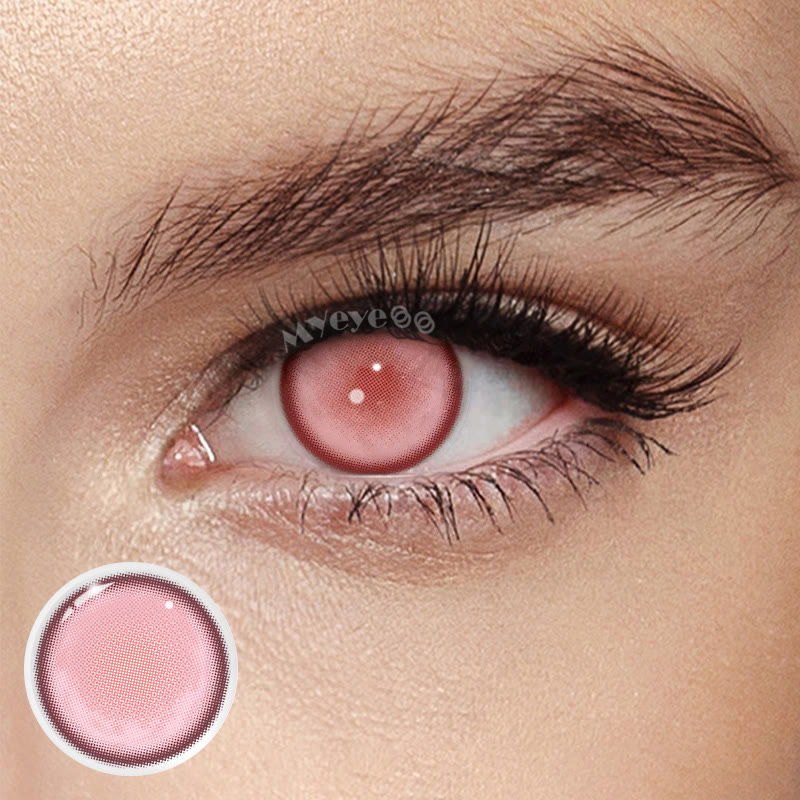
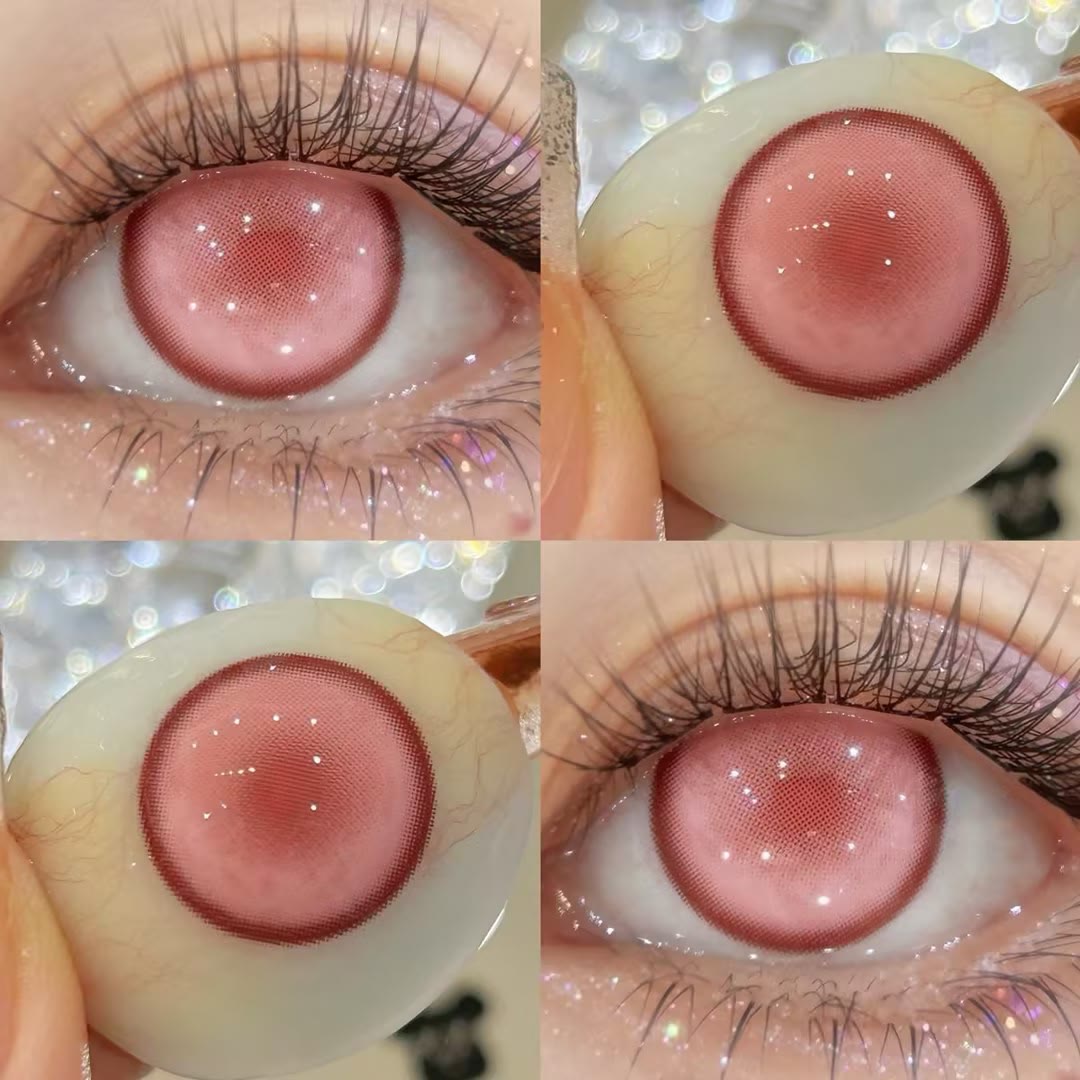
Big pupil contact lenses, also called circle lenses or big eye contacts, are cosmetic lenses that feature a larger clear center compared to standard colored contacts. This larger pupil opening serves a specific purpose: allowing more of your natural eye color to show through while still providing the colored enhancement around the iris.
How Big Pupil Contacts Differ from Regular Colored Contacts
The key difference lies in the pupil opening size. Regular colored contacts have smaller pupil holes that can sometimes overlap with your pupils, especially when you have them dilate in darker conditions. Big pupil contacts solve this problem with their expanded clear center. This prevents vision obstruction and maintains clarity whatever the lighting conditions.
Standard colored contacts focus on changing your iris color and often cover most of it with opaque pigments. Big pupil contacts feature a larger clear center that lets your natural eye color shine through for a subtle enhancement. This design makes your eyes pop without distorting your vision, which can be an issue with smaller pupil openings that restrict what you see.
Circle lenses also differ in their approach to eye enhancement. Regular colored contacts measure around 14mm in diameter on average, but circle lenses extend the colored area beyond your natural iris boundary. They incorporate a visible limbal ring, the dark ring around the iris. This enhances contrast and creates a wide-eyed effect. These features make circle contact lenses distinct from simple color-changing lenses.
The Role of Graphic Diameter in Eye Enhancement
Graphic diameter determines how your eyes will look when wearing contacts. This measurement refers to the colored or patterned area of the lens and excludes the transparent outer portion. You can choose the right look, whether subtle or dramatic, when you understand this concept.
The diameter on your prescription refers to the base lens size. Graphic diameter is what determines how large your eyes appear. Colored contacts range from 13mm to 15mm in both overall diameter and graphic diameter. The average human iris measures about 12.0mm, so even slight increases in graphic diameter create noticeable changes.
Smaller graphic diameters around 12.0mm to 12.8mm provide natural enhancement that matches your iris size. Medium sizes from 12.9mm to 13.5mm make eyes appear larger and more pronounced without looking extreme. Graphic diameters above 13.6mm create the dramatic doll-eyed look popular in cosplay and fashion.
Why People Choose Large Pupil Opening Lenses
Vision clarity ranks as the main reason. The large pupil hole at the center keeps your vision crystal clear and allows your natural eye color to shine through. This design doesn't restrict your vision at all compared to lenses with smaller openings. The large pupil hole allows you to see clearly when it gets darker and your pupils dilate.
The limbal ring effect attracts many wearers. Most large pupil contact lenses come with a limbal ring that enhances your eyes' natural beauty. This adds a dolly touch and gives you a cute appearance perfect for achieving that kawaii look. The limbal ring, which separates the iris from the sclera, tends to fade with age. Circle lenses restore this youthful feature.
Big pupil contacts also offer diverse options. Just like normal colored contacts, they come in various colors and styles that cater to both subtle enhancements and bold transformations. Most are available in prescription options and make them available to more people whether you need vision correction or not.
Key Benefits of Big Pupil Contacts
Your eyes deserve contacts that improve rather than hinder your vision. Big pupil contacts deliver several advantages that set them apart from standard colored lenses, especially when it comes to visual clarity and esthetic appeal.
No Vision Distortion with Larger Pupil Openings
The expanded pupil opening in big circle lenses eliminates a common problem with smaller-aperture contacts. Regular colored contacts have restricted pupil holes that can interfere with your vision as your pupils dilate and contract throughout the day. Research shows that multifocal contact lenses increase light distortion effects under low light conditions, with the size of distortion increasing with pupil size.
Big pupil contacts avoid this issue. The larger clear center stays well within your pupil's range of movement, even when your pupils expand in dim environments. This design prevents the colored portion from encroaching on your visual field and maintains sharp, unobstructed sight from morning to night.
Natural Eye Color Shows Through
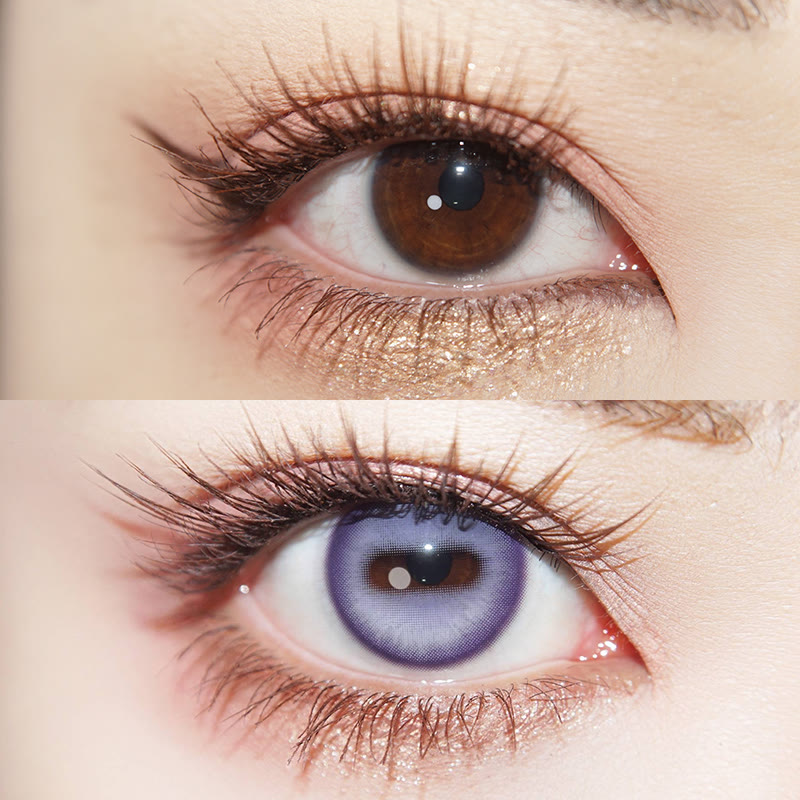
The transparent center does more than prevent vision problems. It allows your natural iris color and pattern to remain visible and creates a hybrid look that blends your authentic eye shade with the lens color. Natural colored contacts use pixelated patterns that mimic the real pigments found in human irises, printed on standard-sized lenses for a realistic look that blends naturally with your eye.
This transparency gives you depth and dimension that opaque contacts can't match. Rather than covering your entire iris, big pupil contacts work with your natural features to create subtle enhancement or bold transformation, depending on your color choice.
Better Performance in Low Light Conditions
Larger pupils allow peripheral optical aberrations to affect visual quality more. But big pupil contacts with proper design can improve certain aspects of low-light vision. Blue-violet filtering lenses improved contrast sensitivity, especially in low light and glare conditions.
Your pupils dilate in darker settings to gather more light. With big eye contacts, this dilation happens freely without running into the edge of a small pupil opening that would create halos or blur. The result is better functional vision when lighting conditions change.
Limbal Ring Enhancement Effect
The limbal ring ranks as one of the most attractive features of big circle lenses. This dark circle surrounds the iris and is more pronounced during younger years, tending to fade as you age. A defined limbal ring provides a clean and clear difference between the iris and the sclera, giving the effect of a brighter, whiter sclera and leading to a lively, healthier-looking eye.
Research shows that attention is drawn to individuals with defined limbal rings as they are associated with a healthy and youthful appearance. Circle contact lenses recreate this effect by incorporating a visible limbal ring that increases contrast and creates a wide-eyed effect. The dark limbal ring also provides depth to the look of your eyes and makes them appear larger without increasing lens diameter.
Lenses featuring a limbal ring offer sharper definition, making eyes more noticeable and expressive while imparting a youthful and lively look.
How to Choose the Right Big Pupil Contact Lenses
Selecting the right big pupil contacts requires understanding several technical specifications that affect both comfort and appearance. Your choice depends on multiple factors, from measurements to your vision needs.
Understanding Lens Diameter vs Graphic Diameter
Lens diameter measures the entire contact from edge to edge, ranging from 13mm to 15mm. This overall size determines how the lens sits on your eye and affects comfort. Graphic diameter, by contrast, measures only the colored or patterned portion of the lens. Smaller diameters around 13mm closely match your iris size and offer seamless blending with subtle enhancement for a natural look. Bold transformations require larger graphic diameters from 14mm to 15mm. These create a defined and dramatic effect that makes eyes appear bigger.
The average human iris measures around 12.0mm, so graphic diameters from 12.0mm to 12.8mm provide natural-effect enhancement. Medium sizes ranging from 12.9mm to 13.5mm deliver noticeable enlargement while maintaining a somewhat natural balance. Anything above 13.6mm produces the true doll-like effect popular for cosplay and special occasions. Balance both measurements to achieve your desired look. Larger diameters may require an adjustment period for comfort.
Selecting the Right Base Curve for Your Eyes
Base curve represents the curvature of the lens' back surface that sits against your cornea. Common soft lens base curves include 8.30mm, 8.40mm, 8.50mm, 8.70mm, 8.80mm, and 9.00mm when measured in millimeters. Steeper base curves use smaller millimeter numbers and create tighter fits. Flatter base curves use larger numbers for looser fits.
Your eye care professional measures your corneal curvature during fitting to match the appropriate base curve. Soft lenses select a base curve on or slightly steeper than the flat keratometry reading. An incorrect base curve causes discomfort, excessive lens movement, redness, blurred vision, or reduced oxygen flow to the cornea. Even a 0.1mm difference may affect comfort for some wearers. Always order the exact measurements your professional prescribes rather than guessing.
Choosing Between Prescription and Non-Prescription Options
Prescription colored contacts suit those needing vision correction. Non-prescription options work for anyone wanting to change their eye color without corrective power. Both types require proper fitting from an eye care professional, even for cosmetic use.
Low-quality lenses from unregulated sources pose real-life risks. Most complications occur in people wearing lenses they weren't prescribed, often colored contacts. Subpar lenses with oxygen transmission ratings below 25dk/T numb your eyes due to lack of oxygen. Wrong measurements cause breathability issues even with premium lenses.
Picking Colors That Work with Your Natural Eye Color
Light-colored eyes need only enhancement tints to intensify natural color. Dark eyes require opaque tints that completely change their color since lighter shades won't show through. Think about your skin tone and hair color among eye color when selecting shades. Decide whether you want subtle changes for everyday wear or dramatic looks for special occasions. Always purchase from reputable sources that meet safety standards.
Popular Styles and Types of Big Eye Contacts
Circle lenses span a wide spectrum of styles, from barely-there enhancements to attention-grabbing transformations. Your choice depends on whether you want daily wearability or standout looks for special occasions.
Natural Enhancement Circle Lenses
Enhancement lenses work with your natural eye color and add complex tones to give you a brighter, deeper look. These contacts feature solid, translucent colors that enhance the beauty of your natural iris, perfect if you want to make your eyes appear more vibrant. Diameters around 14.0mm to 14.2mm provide gentle definition without looking fake for a natural everyday look. Light tints and thin limbal rings blend with your eye.
Opaque tinted contact lenses work on darker eyes if you're looking to change your eye color by a lot. Flat colors don't work as well. Think about tonal contact lenses with hints of amber or honey that add depth while maintaining a natural look. Muted shades make it easier to finish a natural look. Overly bold colors can make contacts look fake. Soft gradients and smoother transitions create seamless blending.
Bold Circle Contact Lenses for Dramatic Looks
Dramatic circle lenses create striking changes with larger diameters from 14.5mm to 15.0mm and vibrant colors. These lenses feature bold color blocks, crisp patterns, or larger diameters that increase eye shape and intensity. Diameters of 14.8mm to 15.0mm give you the maximum dolly-eye effect, often used for cosplay or bold styles.
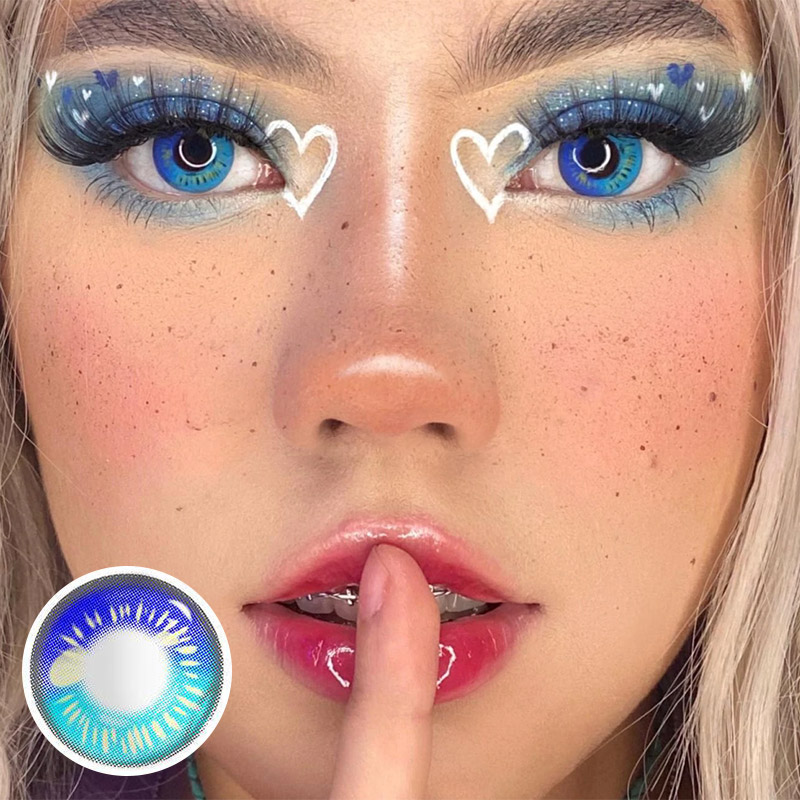
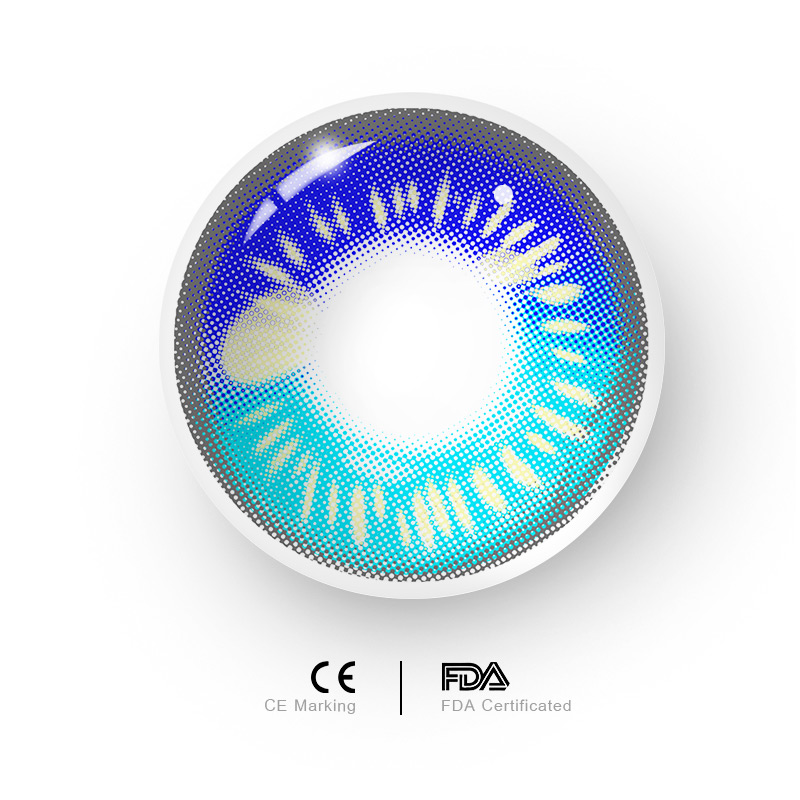
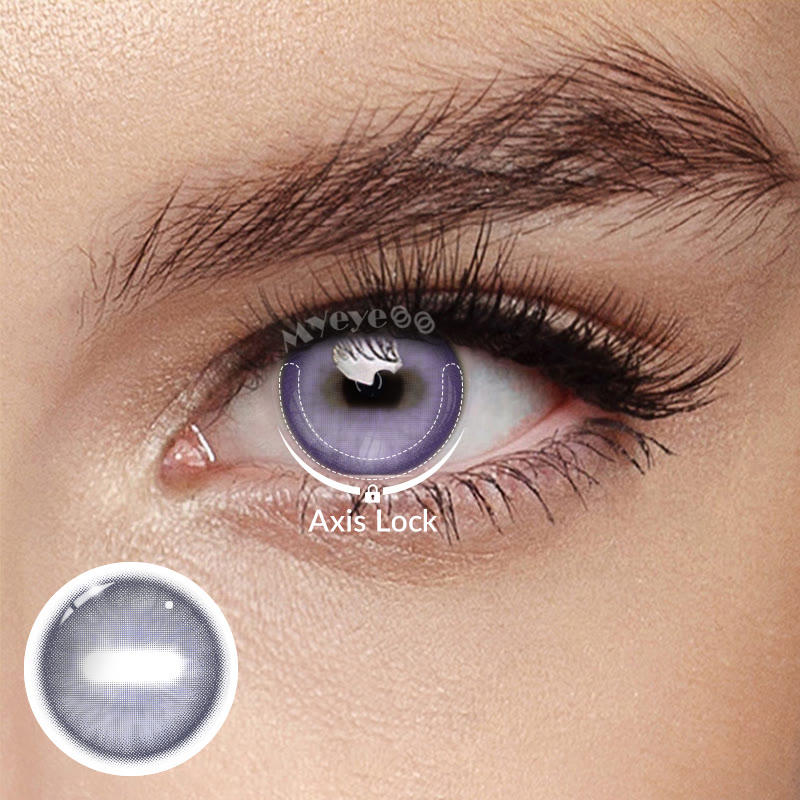
Thick limbal rings in solid black, brown, or gray create stronger contrast. Two-tone designs radiate color from the pupil in vibrant hues like violet, pink, and blue. Pattern complexity varies among different designs. Some feature intricate details that mimic natural iris patterns while others use simpler designs focused on enlargement effects.
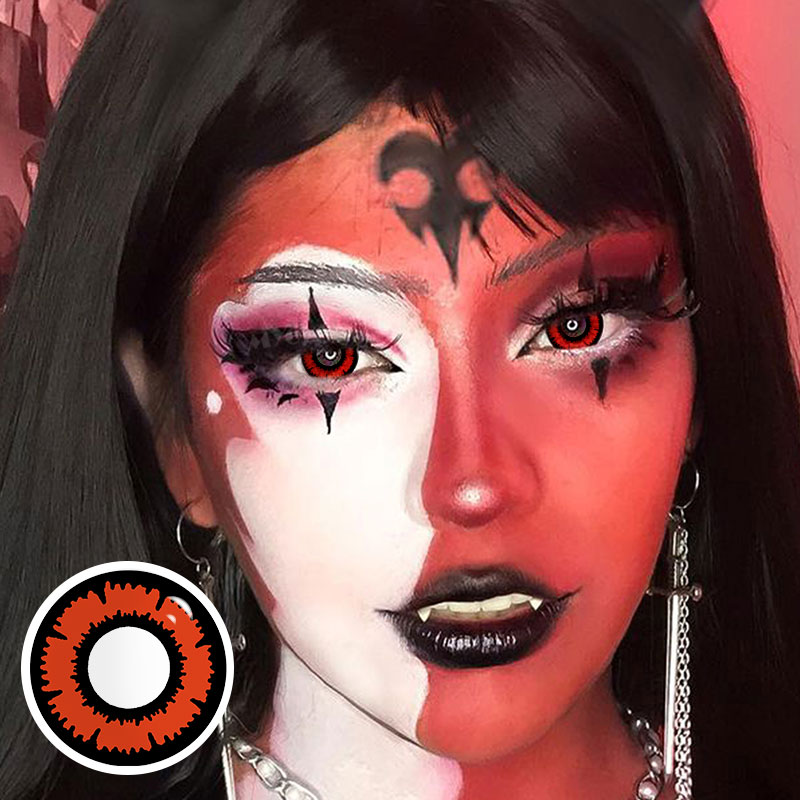
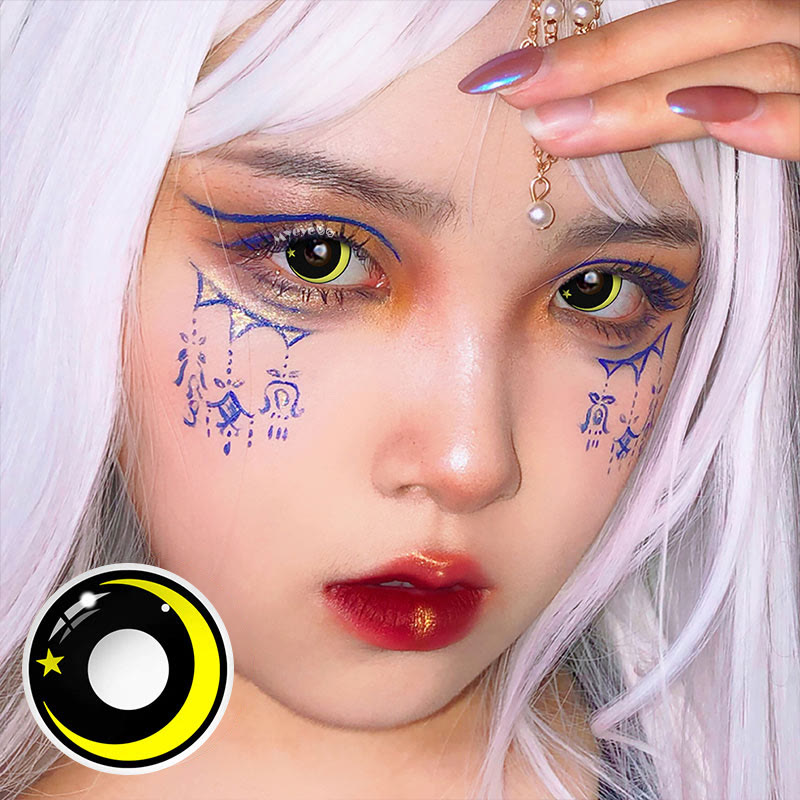
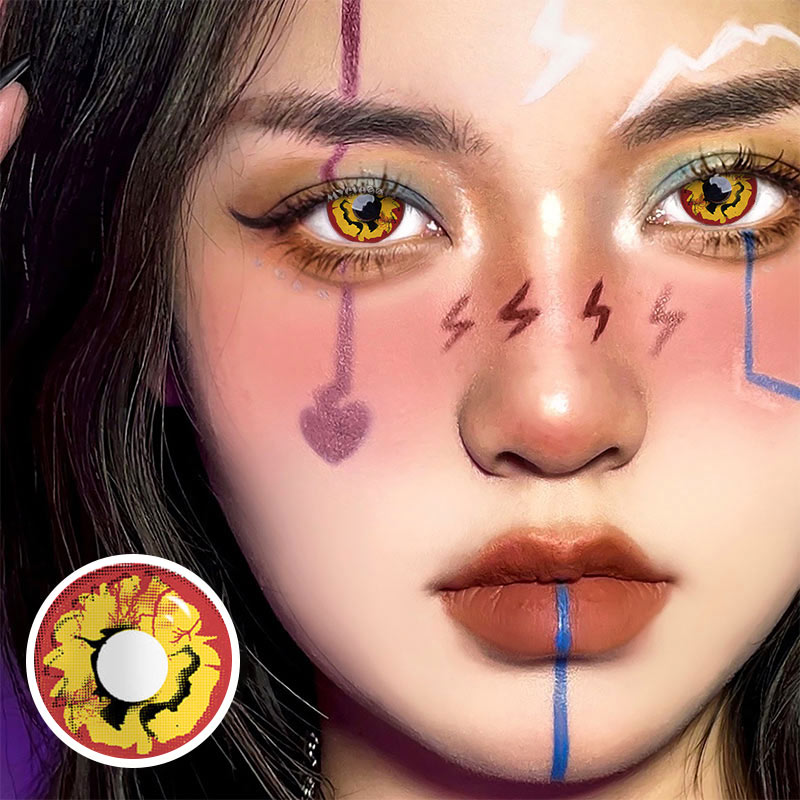
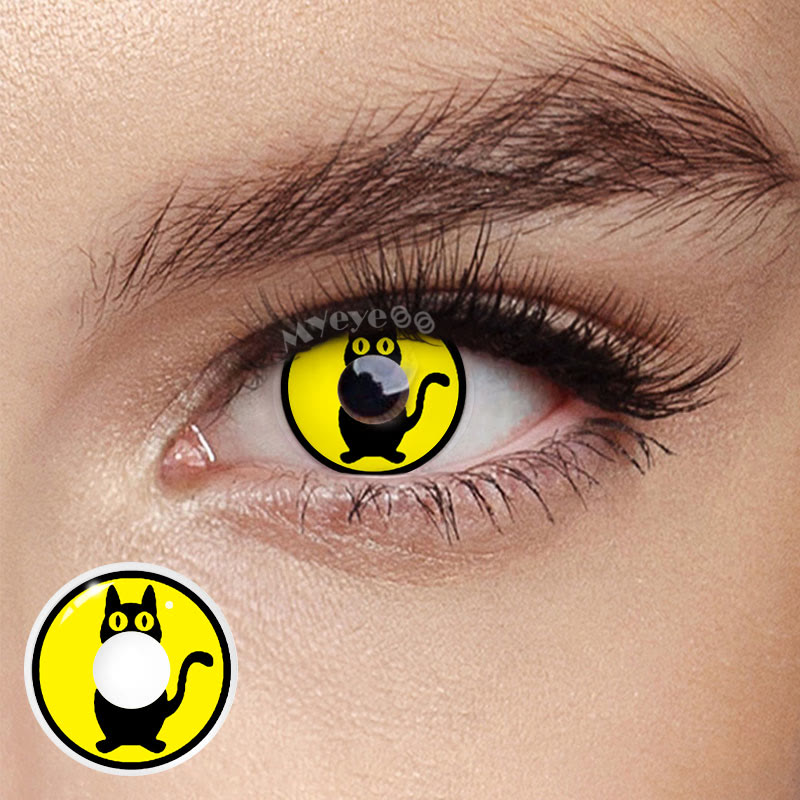
Cosplay and Special Effect Big Pupil Contacts
Cosplay contacts change the way your eyes look to match your favorite characters and go beyond costumes and makeup for a truly immersive touch. Popular cosplay lens types include:
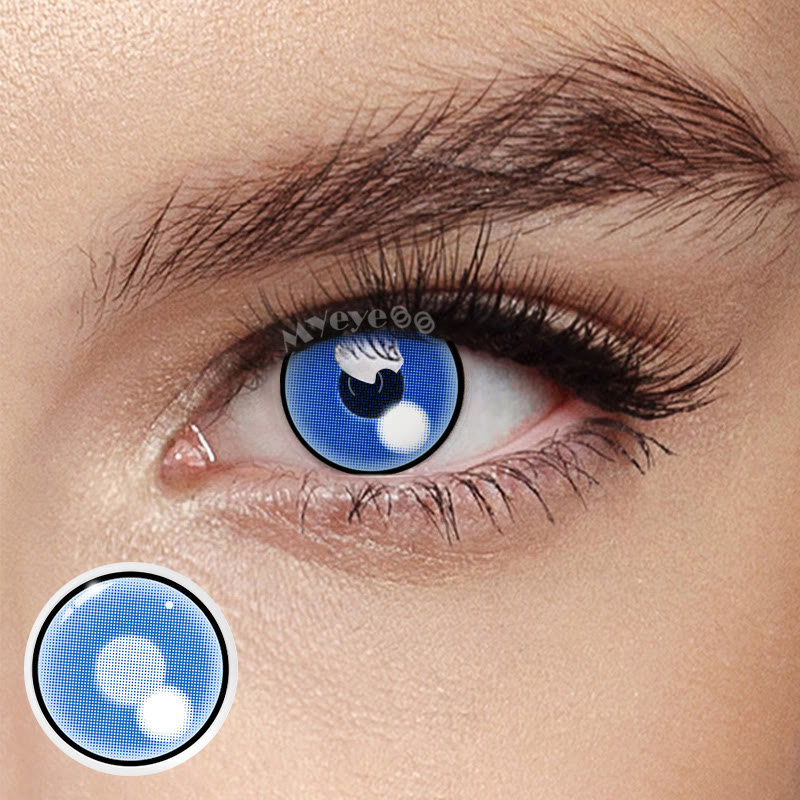
- Anime contacts: Perfect for creating exaggerated doe-eyed looks with both natural tones and bold block colors
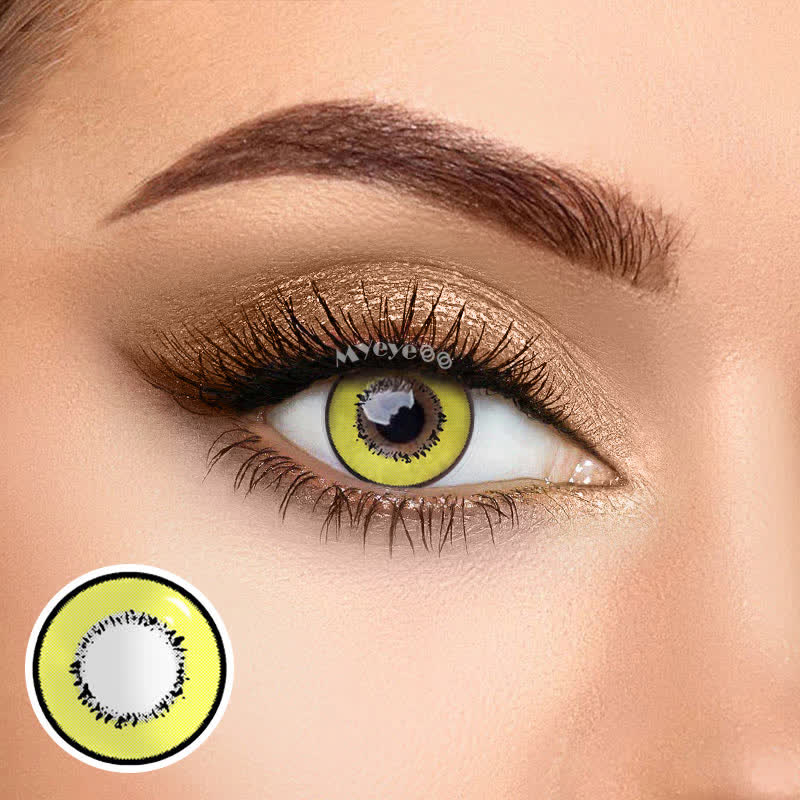
- Cat eye lenses: Designed for mystical or animal-themed characters
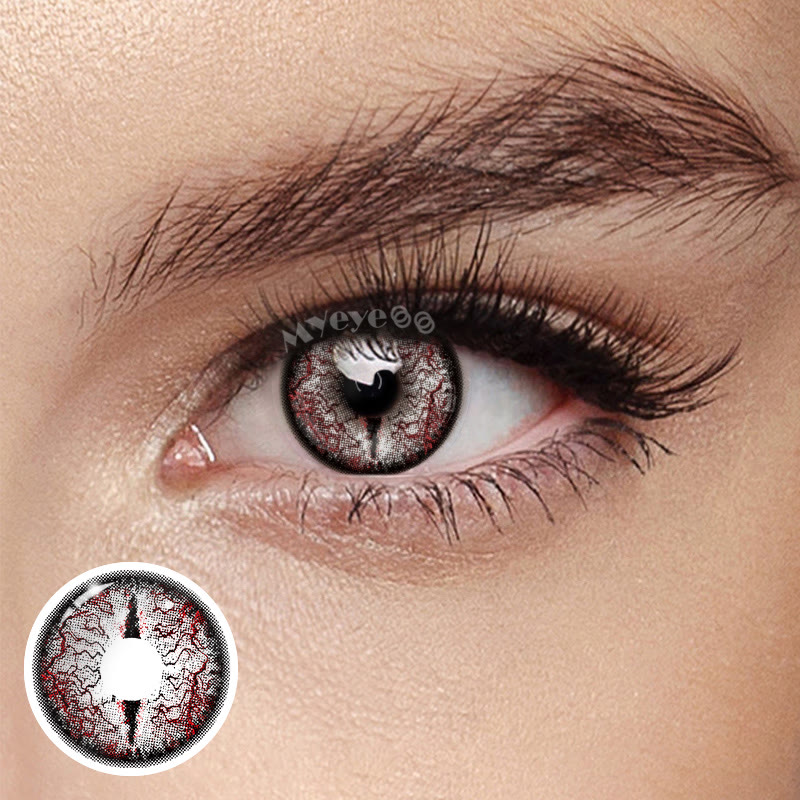
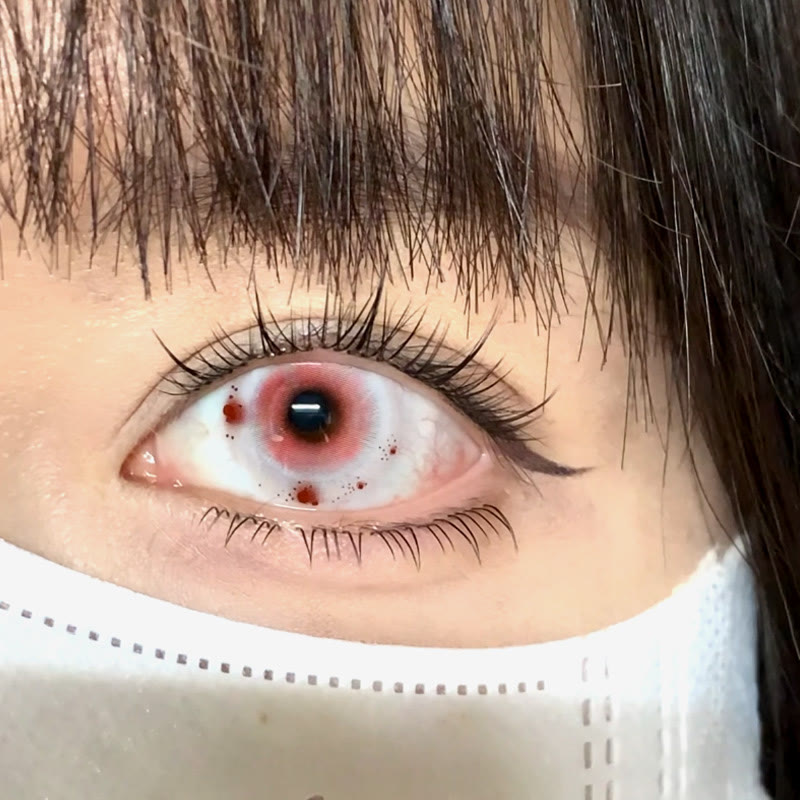
- Sclera lenses: Full-eye coverage extending beyond your iris for horror or alien characters
- Custom character lenses: Replicate unique eye designs with intricate details
Special effect contact lenses create realistic transformations for professional use in movies, TV ads, theater productions, and photoshoots. These contacts are available in different durations. Reusable options last 30 to 90 days for regular performers.
Safety Guidelines and Proper Care for Big Circle Lenses
Proper care practices protect both your vision and investment in big pupil contacts. Safety protocols prevent complications and maximize comfort when you follow them.
Getting a Valid Prescription from an Eye Care Professional
All contact lenses are medical devices that require a prescription, even non-corrective plano lenses. Eye care professionals must perform a complete examination, try lenses on your eyes, determine proper fit, test your vision through the contacts and provide wear and care instructions. You can suffer eye injury, infection or other complications if you buy contacts without proper fitting.
Daily Wear Time Limits and Best Practices
Most eye care professionals advise wearing contact lenses for a maximum of 8-16 hours at a time. This limit minimizes the risk of eye irritation and dryness. Remove daily wear contacts before sleeping. Overnight wear increases serious eye infection risk by more than eightfold. Remove lenses right away if you experience redness, irritation, dryness, blurred vision or unusual tearing.
Cleaning and Storage Requirements
Rub and rinse contacts with multipurpose solution after each use, even with "no-rub" solutions. Store lenses in fresh solution. Never reuse or top off old solution. Replace your lens case every three months to prevent bacterial contamination. Never use water, saline or saliva on contacts.
When to Replace Your Big Pupil Contacts
Daily disposable lenses must be discarded after single use. Monthly lenses last 30 calendar days from opening, whatever the actual wear days. Replace contacts right away if you notice cloudy vision, scratchy feeling, excessive drying, redness or rough lens edges.
Conclusion
Big pupil contact lenses provide clear advantages over standard colored contacts, from unobstructed vision to striking limbal ring effects. Above all, the larger pupil opening keeps your sight sharp while your natural eye color shows through.
You might want natural enhancement for everyday wear or dramatic transformation for special occasions. Understanding graphic diameter and color selection helps you make the right choice. But note that all contacts require a valid prescription and proper care practices, whatever the style or purpose.
Take the time to consult an eye care professional and purchase from reputable sources. Your eye health matters more than any cosmetic enhancement.