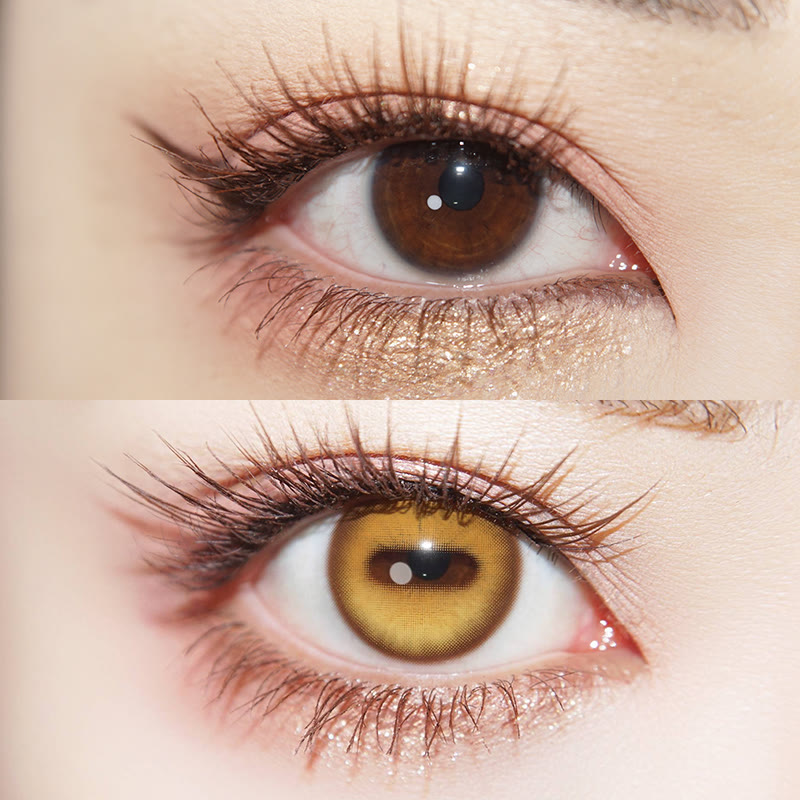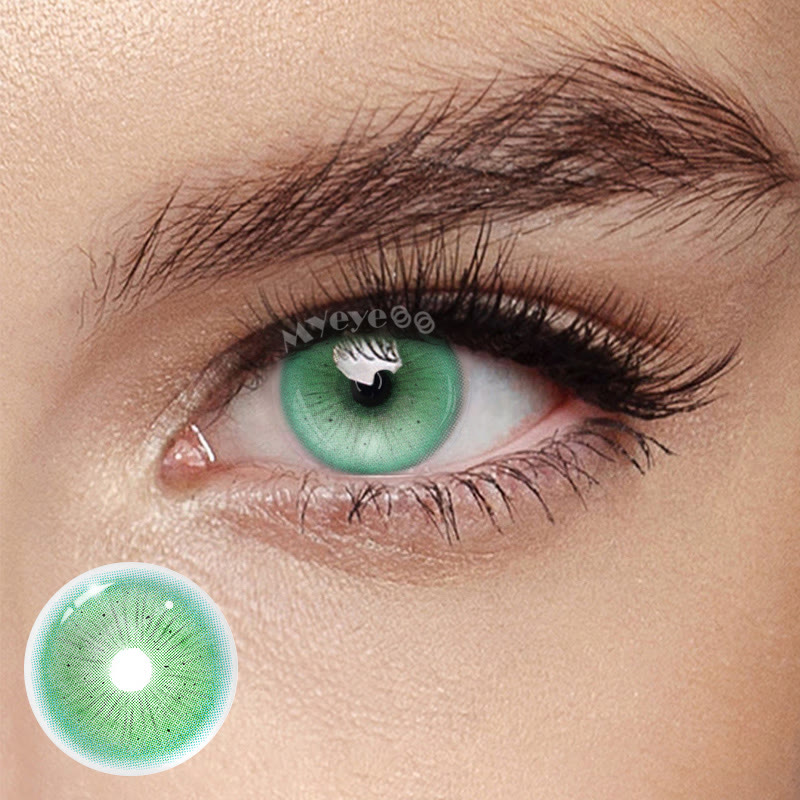


Dilated Pupil Contacts
You've just left your eye appointment wondering about dilated pupil contacts and whether you can safely wear them. The National Eye Institute reports that a detailed dilated exam is the only way to make sure your eyes are healthy, but the aftermath leaves many contact lens wearers confused. Can you wear contacts with dilated eyes, or should you wait? The answer matters because dilating eye drops interact with the eye's surface. Your eyes remain very sensitive for about 4 to 6 hours afterward. This piece answers your questions about contacts after eye dilation and provides clear safety guidelines every lens wearer needs.
Understanding Dilated Pupils: What Happens During Eye Dilation
What pupil dilation is and why eye doctors do it
Dilating drops widen your pupil so your eye doctor can get into the internal structures of your eye. The pupil is the black circle in the center of your iris. It gets smaller when light shines into your eye. Dilating drops work by relaxing the muscles in your eyes and preventing the pupil from constricting when your doctor uses a bright examination light.
Your doctor places special eye drops into your eyes that contain medications like tropicamide or hydroxyamphetamine. These drops relax two mechanisms: they keep your pupil open and reduce your knowing how to focus on nearby objects. Without dilation, your doctor would be looking through what amounts to a peephole when understanding your eye health.
The widened pupil allows your eye doctor to use a magnifying lens to see your retina, optic nerve, blood vessels and macula. These structures at the back of your eye can reveal signs of serious conditions that often have no early warning symptoms. Your doctor can diagnose diabetic retinopathy, glaucoma, age-related macular degeneration, retinal detachments and cataracts during a dilated exam.
Dilation also helps detect chronic health conditions beyond your eyes. High blood pressure can damage the blood vessels in your retina. Diabetes can cause changes visible only when your eye is dilated. Your dilated eye exam becomes a window into your overall health.
How long dilation lasts
Your pupils begin to dilate within a few minutes after the drops are administered, but full dilation takes 20 to 30 minutes. The actual dilation effect lasts anywhere from 4 to 6 hours for most people.
Several factors determine how long your eyes stay dilated. Eye color plays the most important role in the duration. If you have lighter colored eyes like blue, green or hazel, your pupils dilate faster and remain dilated longer than those with brown eyes. People with light irises may experience dilation lasting up to 24 hours.
Age affects dilation duration as well. Children need stronger dilating drops to measure their need for glasses, so their eyes may stay dilated longer than adults, sometimes lasting a full day after the exam. The type and strength of drops your doctor uses also affects how long the effects persist.
You should exercise caution as long as your vision remains blurry or your eyes feel sensitive to light. You need to wait until these effects wear off before putting in contacts after dilation.
Common side effects you'll experience
The most immediate sensation you'll feel is a brief stinging or burning when the drops first make contact with your eyes. This discomfort passes within a minute or two.
Once the drops take effect, you'll notice several changes to your vision and comfort:
- Blurry vision: Your near vision becomes unclear, making reading or close-up tasks difficult
- Light sensitivity: Your pupils remain large and let in more light than normal, making sunlight and even indoor lighting feel harsh
- Trouble focusing on close objects: The drops paralyze your eye's focusing muscles for a while and affect your knowing how to see things up close
- Difficulty with distance vision: While less common, some people experience blurred distance vision that makes driving unsafe
These side effects fade within 4 to 6 hours as the medication wears off. You may feel a tightening sensation in your eyelids as your pupils remain enlarged.
Allergic reactions to dilating drops are rare but can include eyelid swelling and red eyes. More severe reactions might produce dry mouth, facial flushing, fever or a rapid pulse. Contact your doctor if any effects continue for longer than 24 hours after the exam.
Can You Wear Contacts With Dilated Eyes? The Short Answer
While you can technically wear contacts with dilated eyes, eye care professionals advise against it. The short answer: skip your contact lenses for several hours after dilation and bring your glasses to your appointment instead.
Why contact lenses and dilated pupils don't mix
Your eyes enter a heightened state of sensitivity after dilation drops take effect. The drops work by enlarging your pupils to let more light enter your eye, which creates an uncomfortable environment for contact lens wear. Adding contacts to already-sensitive eyes magnifies the irritation and discomfort.
Contact lenses rest on your cornea to correct vision. Your eyes may already feel dry or off following dilation, and inserting contacts into this compromised environment makes the situation worse. Your tear film becomes disrupted when you wear contacts, which can lead to a gritty feeling and general discomfort.
The combination of dilated pupils and contact lenses creates stress on your eyes when they need gentleness most.
How dilating drops interact with the eye surface
Dilating drops don't disappear after your doctor administers them. The medication interacts with your eye and leaves a thin residue on the cornea. This residue needs time to absorb into your eye tissues or wash away through your tear production.
Your contact lenses correct vision by sitting on that same corneal surface. Inserting your contacts too soon creates a problematic scenario where the medication residue gets trapped between the lens and your eye. This trapped residue causes potential irritation and prevents proper oxygen flow to your cornea.
You should wait at least 30 minutes to an hour after dilation before thinking over contact lens insertion. This waiting period allows your pupils to begin returning to their normal size and decreases your sensitivity to light.
The discomfort factor: increased sensitivity with contacts
Contact lenses can disrupt your eye's natural tear film even under normal circumstances. Your eyes need lubrication not just for comfort but also to provide clear vision. Your body signals through feelings of irritation and grittiness when your eyes are dry.
Dilation already dries out your eyes, and contacts worsen this dryness. The sensitivity from dilated pupils combined with contact lens wear creates a compounding effect. Your eyes work overtime to stay comfortable and often fail at the task.
Vision concerns when wearing contacts after dilation
Your pupils remain dilated to blur your vision during the examination process. This blurriness affects close-up tasks most, but many people also experience impaired distance vision. Neither contact lenses nor eyeglasses can resolve the blurriness that stems from dilation itself.
Your contacts correct refractive errors like nearsightedness or farsightedness. They cannot compensate for the temporary paralysis of your eye's focusing muscles caused by dilating drops. Wearing contacts after dilation proves both unnecessary and inconvenient since they won't improve your vision until the medication wears off.
The medication must exit your system before your vision returns to normal. Contacts sit uselessly on your eyes during this period and add discomfort without providing any visual benefit.
When Can You Safely Put Contacts In After Dilation
The 4 to 6 hour waiting period explained
Most eye care professionals recommend waiting 4 to 6 hours after dilation before putting contacts back in. This timeframe allows the dilating drops to wear off and gives your vision and light sensitivity time to return to normal.
Some doctors suggest you can wear contacts after dilation in as little as 30 minutes to an hour, or 1 to 2 hours. But these shorter wait times carry risk. Your eyes might still retain medication residue and your pupils may not have constricted. You could experience ongoing discomfort. Waiting the full 4 to 6 hours provides maximum comfort and safety.
The effects of dilating drops last 4 to 6 hours for most adults. Your vision returns to normal as the medication leaves your system. Your eyes need rest rather than the added stress of contact lens wear during this period.
How to tell when your eyes are ready for contacts
Check that your eyes feel normal before you reinsert your lenses. Your body provides clear signals when dilation has worn off:
- No lingering dryness or irritation
- Light sensitivity has disappeared
- Vision has cleared and you can focus on close objects
- Your eyes feel comfortable without any tightness
Contact your optometrist if blurry vision or light sensitivity continues beyond 6 hours. While rare, some people experience prolonged dilation effects that require professional guidance. Reinsert your contact lenses only when your vision has cleared and your eyes feel comfortable.
Factors that affect how long dilation lasts
Eye color affects dilation duration. People with lighter colored eyes such as blue or green stay dilated longer than those with darker eyes. Darker irises contain more pigment, which binds to the drops and reduces the reaction. So lighter-colored eyes may experience dilation effects lasting up to 24 hours.
Age plays a vital role as well. Children have stronger eye muscles responsible for focusing and require more potent dilating drops. Their eyes may remain dilated for 24 hours or even longer.
The type and strength of eye drops your doctor uses impacts how long effects persist. Different medications wear off at different speeds. Individual response varies too, since everyone's eyes react differently to the drops.
What To Do Instead: Caring For Your Eyes After Eye Dilation
Dilated pupil contacts aren't an option for several hours, so your focus changes to protecting and resting your eyes during recovery.
Wear sunglasses to protect dilated eyes
Your doctor's office will provide disposable sunglasses as you leave. Wear them. Dilated pupils can't constrict to protect your eyes from bright sunlight. UV rays and glare cause discomfort without this natural defense mechanism.
Choose sunglasses with UV protection and a wraparound style to shield your eyes from harmful rays and reduce glare. Polarized lenses work well to minimize light sensitivity and make you feel more comfortable. Wear your sunglasses both outdoors and during the ride home. Some people find polarized sunglasses helpful even indoors under harsh artificial lighting.
Avoid driving until vision clears
Eye dilation poses real risks when you drive. Blurry vision and heightened light sensitivity make it difficult to judge distances and respond to visual cues on the road. You can't predict how your eyes will react if you've never had dilation before.
Arrange alternative transportation before your appointment. Ask a friend or family member to drive you, or book a rideshare service. Public transportation provides another safe option. If you must drive, wear sunglasses to reduce glare sensitivity. But waiting until your vision returns to normal remains the safest choice.
Rest your eyes from screens and close work
Limit screen time after dilation. Blue light from phones, computers and tablets makes light sensitivity worse and causes additional eye strain. Small print becomes frustrating to read and triggers eye fatigue and headaches.
Avoid precision tasks that require close focus or attention to detail. Activities like reading fine print, sewing or technical work should be postponed until your vision clears. You may find it hard to go back to work or school after getting your eyes dilated. Rest in a low-lit room for a few hours after your exam.
Use artificial tears for dryness
Artificial tears are safe to use after eye exams with dilating drops. These lubricating drops relieve temporary dryness or discomfort caused by the examination. Many eye care professionals recommend using artificial tears after dilation to restore moisture to the eye surface.
Select preservative-free drops for gentle hydration. Apply a drop in each eye if your eyes feel dry or irritated while the dilation subsides.
What to bring to your eye exam
Plan ahead to make your dilated exam less stressful. Bring sunglasses to manage light sensitivity when you leave the clinic. Arrange transportation beforehand if you know you'll have trouble seeing even with sunglasses.
Special Considerations For Contact Lens Wearers
Contact lens wearers face unique situations during eye exams that require different approaches than the general dilation guidelines.
Do they dilate your eyes for contact lens fittings
Your eye doctor performs dilation toward the end of your contact lens fitting appointment. This timing matters because dilation makes it impossible to perform a refraction or contact lens fitting once the drops take effect. Your doctor needs to measure your cornea's curvature, assess your tear film, and check how trial lenses fit before administering dilating drops. The detailed exam comes first, followed by the contact-specific measurements, and dilation happens last.
Can you wear contacts to your eye exam appointment
The answer depends on your appointment type. Wear your contacts if you need an updated contact lens prescription so your eye care professional can assess lenses on your eyes. But remove your contacts at least 2 hours before a routine eye exam. Your doctor needs to see how your eyes function without lenses to determine an accurate prescription. Arrive wearing your lenses for contact lens follow-up exams so your doctor can assess fit and comfort.
Contact lens care after a dilated eye exam
You can wear contact lenses after your dilated examination, though sunglasses are recommended for the drive home. Follow the standard 4 to 6 hour waiting period before reinserting lenses to avoid trapping medication residue.
What about specialty contacts like colored or prosthetic lenses
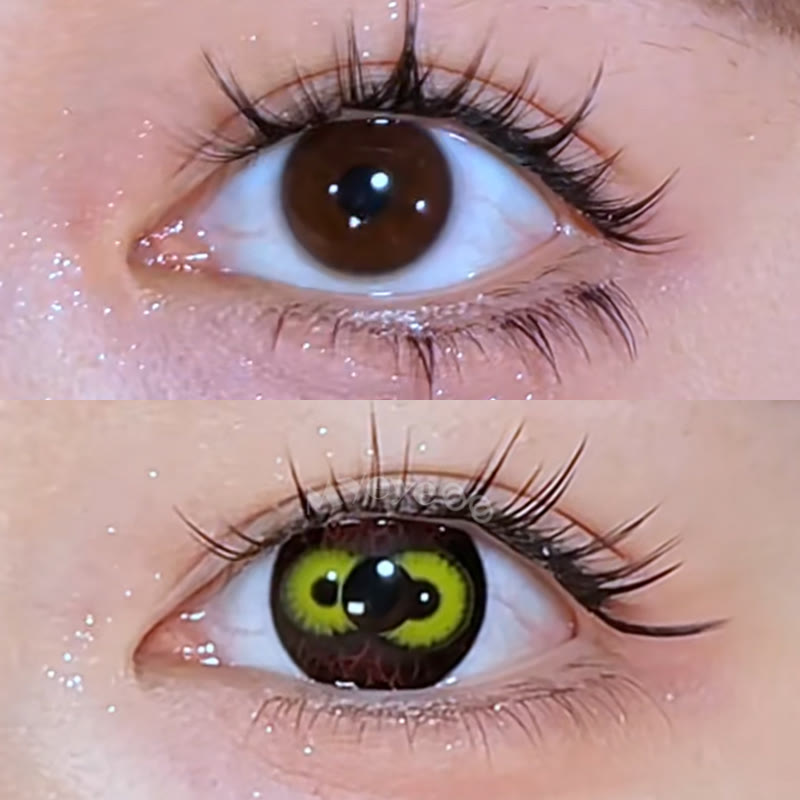
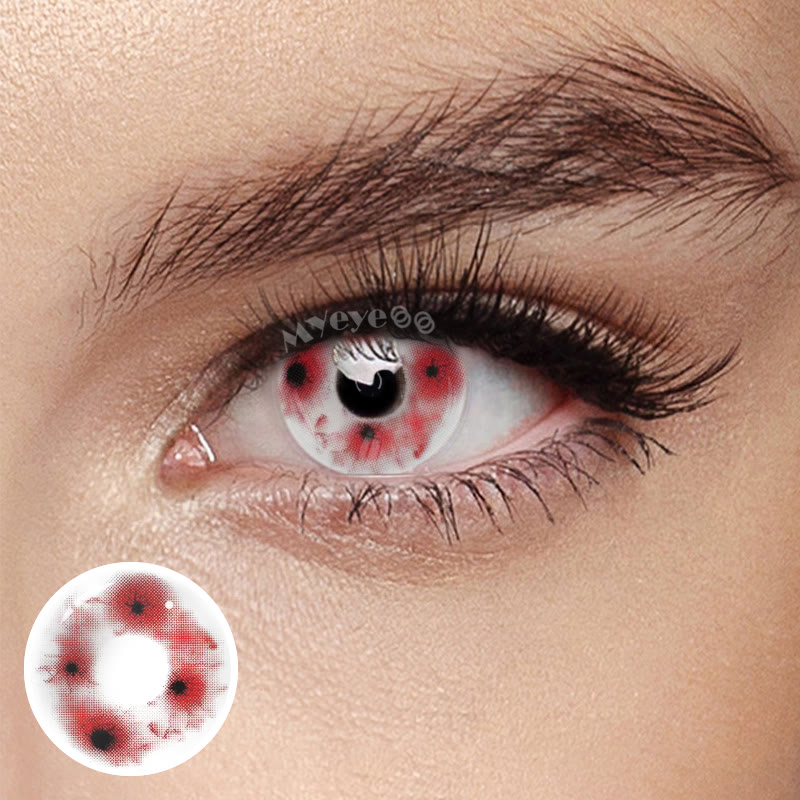
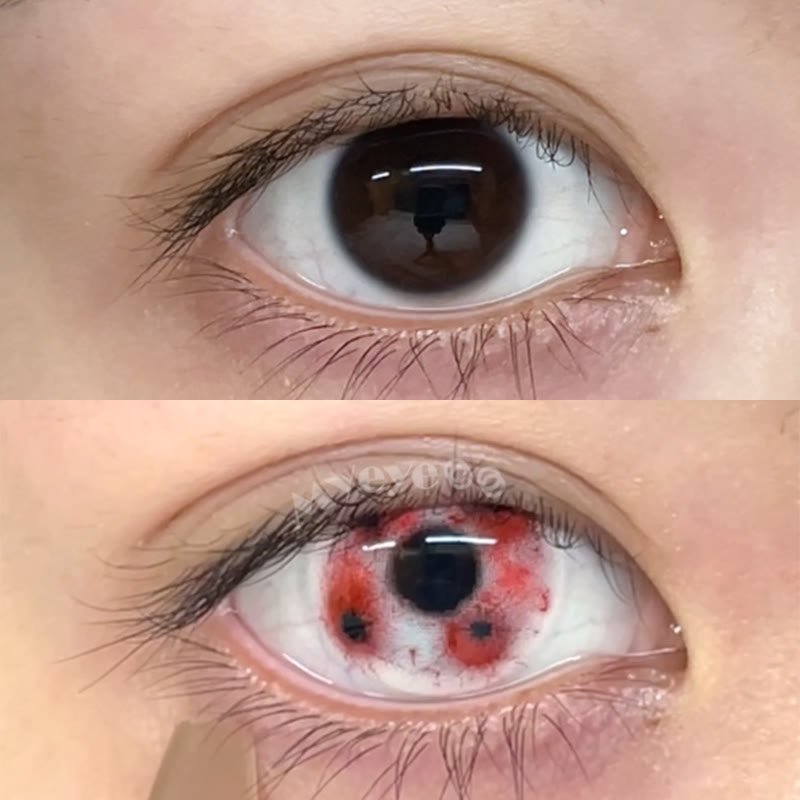
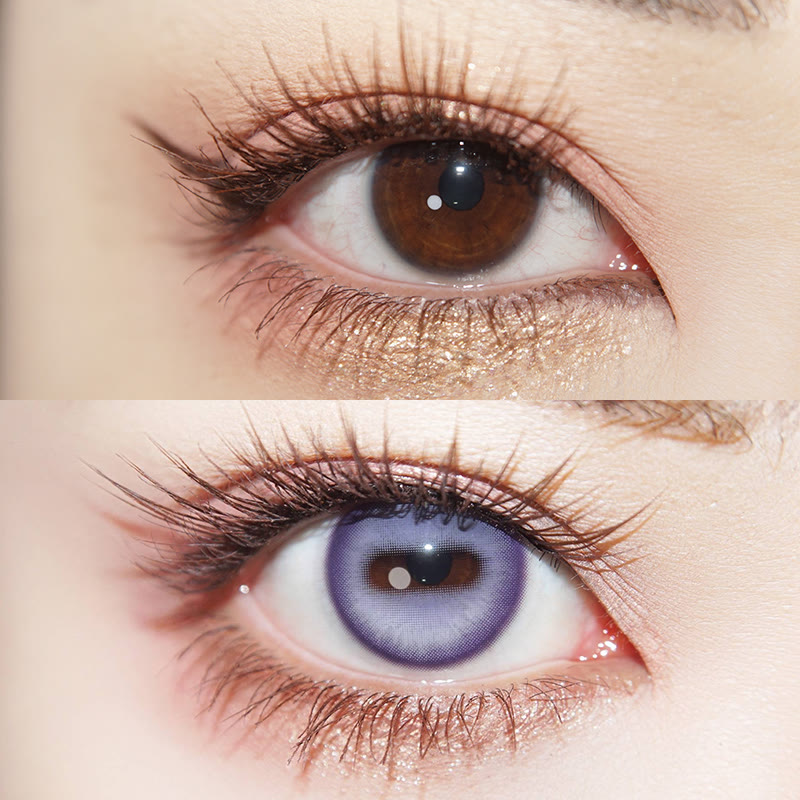
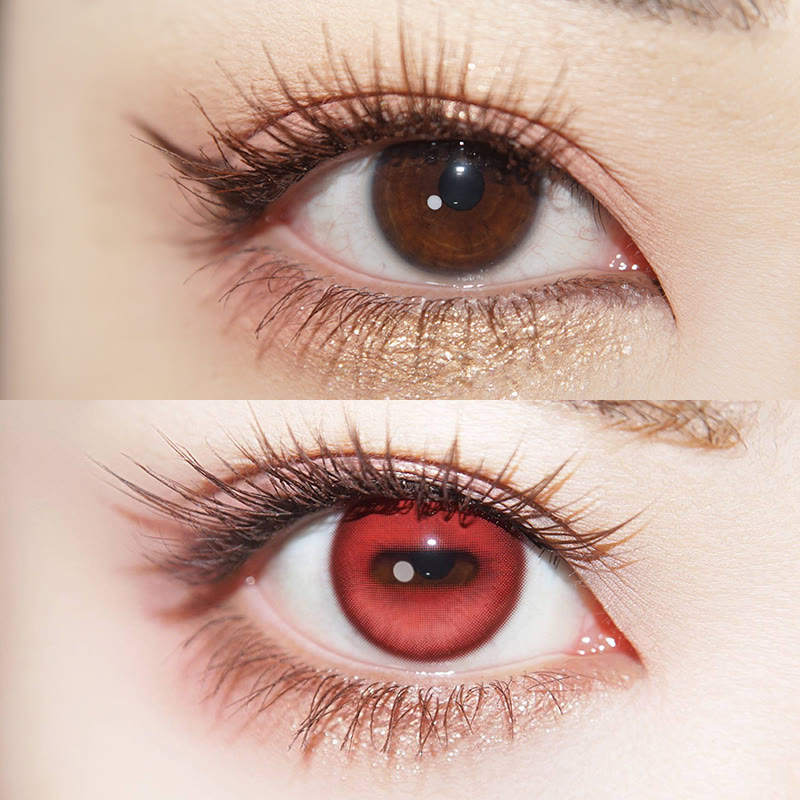
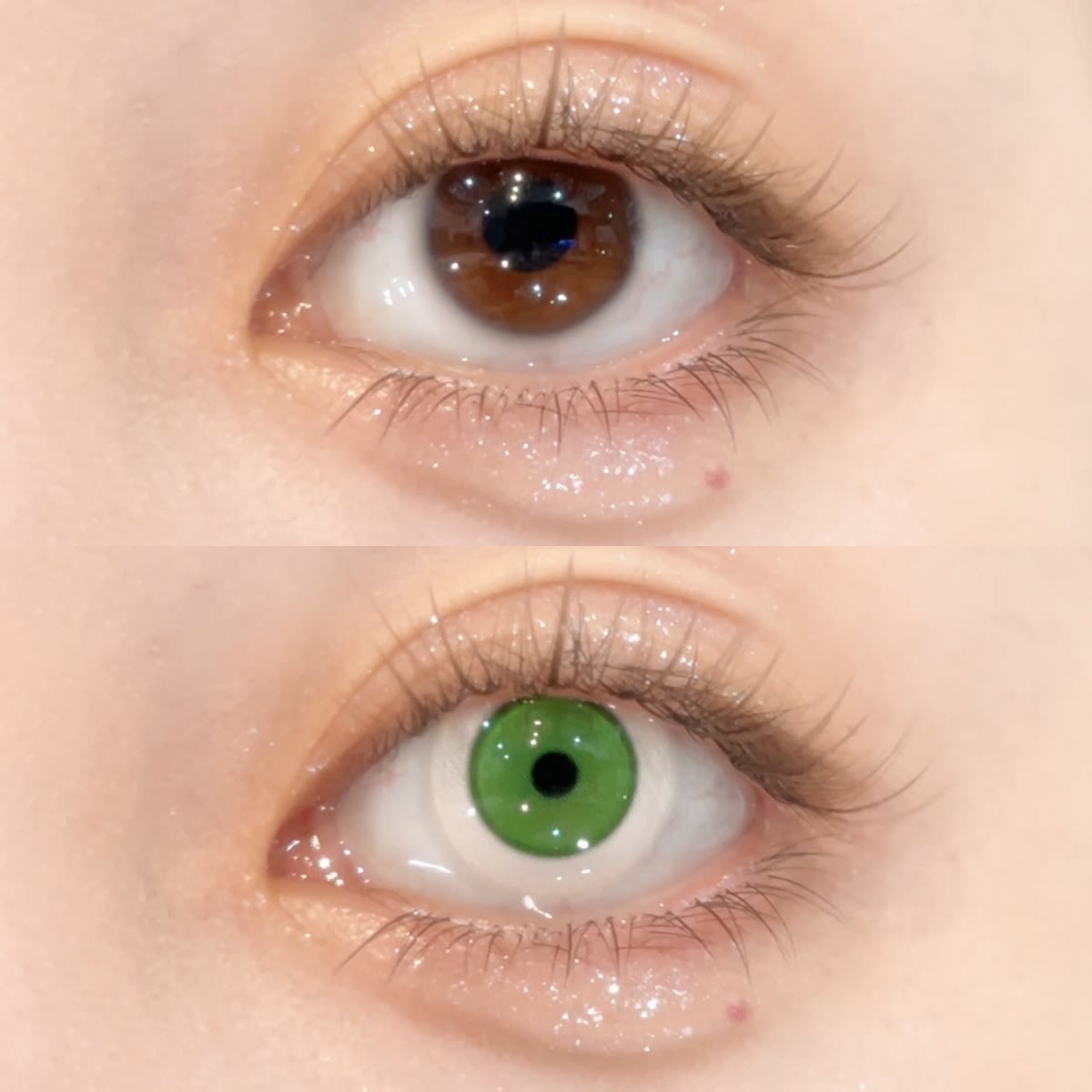
Prosthetic contact lenses serve patients with pupils that remain dilated from eye trauma. These custom lenses feature painted designs that mimic your natural iris and include an artificial pupil that blocks excess light. The painted pupil functions like your natural iris and reduces glare while improving comfort in bright environments. Prosthetic lenses can include vision correction if needed.
Conclusion
Your dilated eye exam shows everything in your eye health that no other test can match. Don't skip this important screening. Plan ahead to make the experience comfortable and safe. You might find the 4 to 6 hour waiting period before reinserting contacts inconvenient, but protecting your eyes during this sensitive window matters more than temporary convenience.
Bring your glasses to every dilated exam. Arrange transportation ahead of time. Your eyes will thank you for the extra care. You can return to your normal contact lens routine once your vision clears and light sensitivity fades without risking irritation or discomfort.