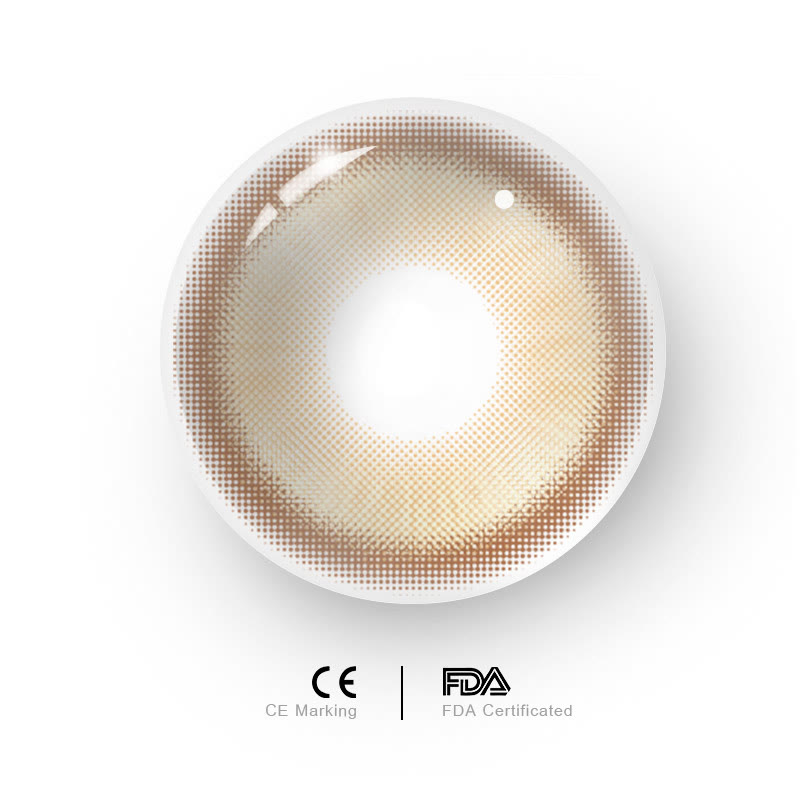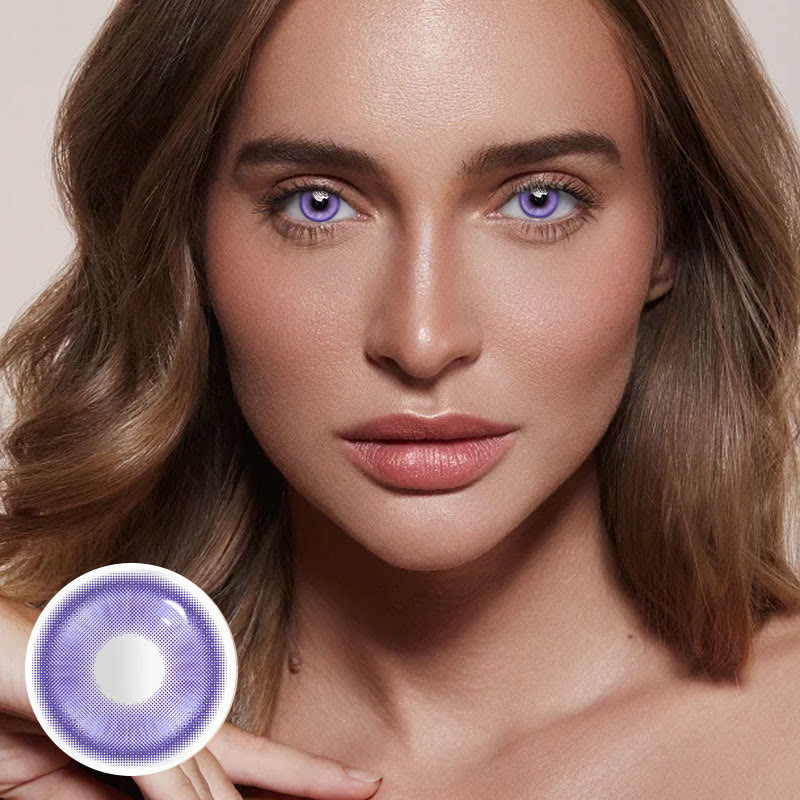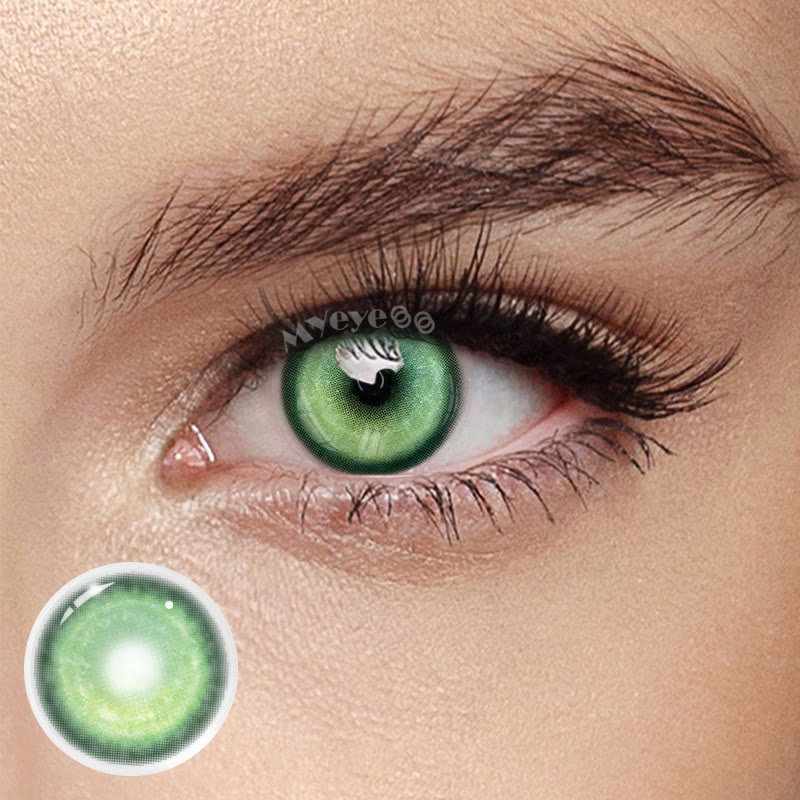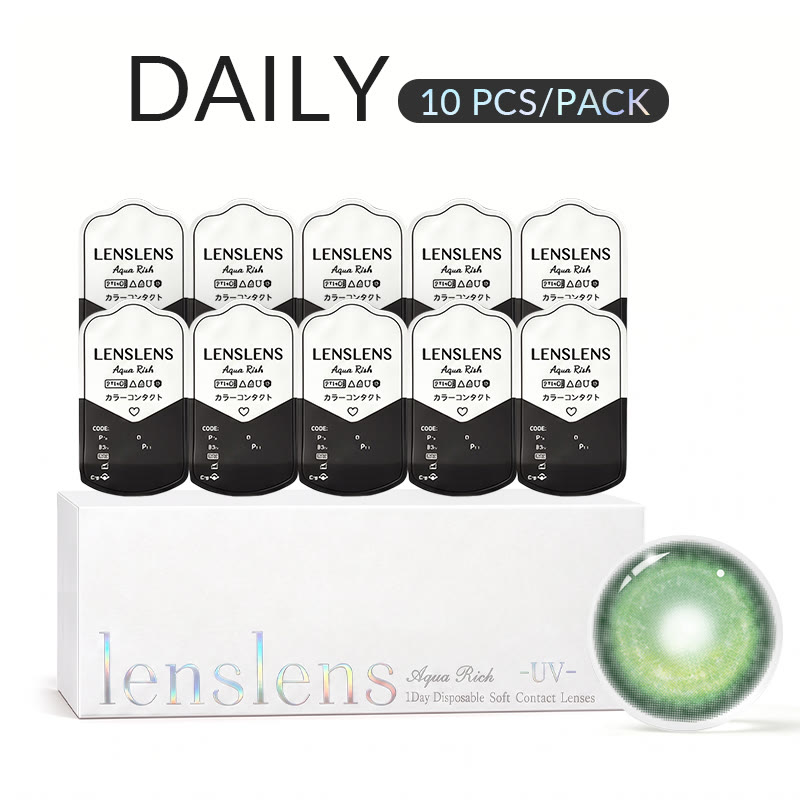
FDA Approved Cosplay Contacts
FDA approved cosplay contacts are essential for safe costume transformations. Bacteria are present in about 60% of colored contacts purchased online without a prescription. Non-approved contacts for costume can cause corneal abrasions and infections. They may lead to permanent vision loss. All contact lenses legally require a prescription in the United States. This includes cosmetic contacts and halloween eye contacts. This piece covers everything in choosing fda approved colored contacts. You will learn about the risks of non-approved options and proper care techniques. We also explain where to safely purchase colored contacts prescription lenses for your cosplay needs.
Understanding FDA Approval for Colored Eye Contacts
What Makes Contact Lenses FDA Approved
The FDA classifies all contact lenses as Class II or Class III medical devices, whatever their purpose—vision correction or decoration. Class II lenses, which include most soft, rigid gas permeable, and hybrid contacts, require 510(k) clearance to prove substantial equivalence to an FDA-approved predicate device. Class III lenses require Premarket Approval (PMA) with clinical testing. These include specialty options with drug-infused coatings, scleral lenses for keratoconus and therapeutic lenses.
Manufacturers must register their establishment with the FDA each year and list every lens type in the FDA's database. They also need to conduct sterility and biocompatibility testing that meets ISO 10993 standards. This regulatory framework applies the same way to clear vision-correcting lenses and colored contacts prescription options designed for cosplay or halloween eye contacts.
The Three-Tier FDA Screening Process
The FDA review process examines contact lenses through multiple criteria before clearance. Material safety checks what the lens is made from and how the material behaves during wear. Lens design covers the shape, thickness, optics and intended type of vision correction.
Manufacturing reviews production, sterilization, packaging and consistency from one lens to the next. Wear schedule confirms that testing matches the approved use, such as daily wear or extended wear. Replacement timing states how often the lens should be removed, cleaned and replaced. Instructions include wear limits, care directions and safety warnings. Clinical data shows how the lens performed during testing before approval or clearance.
The review path depends on the product. Some contacts go through the FDA's 510(k) process, which compares them with a lens like one already sold in the United States. Higher-risk lenses go through Premarket Approval, which requires a closer review of safety and performance data. FDA clearance applies to the exact product and use listed on its label. A lens cleared for daily wear isn't cleared for sleeping automatically.
Why All Contacts for Costume Need Prescriptions
Federal law has classified all contact lenses as medical devices since 2005. This classification restricts their distribution to licensed eye care professionals. Decorative contact lenses are not cosmetics or over-the-counter merchandise. Places that advertise them as cosmetics or sell them over-the-counter without a prescription are breaking the law.
Costume contacts sit on the eye, which means safety matters just as much as the final look. A proper fitting confirms that the lens size, shape and design match your eyes before you wear them for cosplay or stage performance. Illegal sale of contact lenses can result in civil penalties of prison time and fines of up to $200,000.
FDA vs Non-FDA: Material and Safety Differences
FDA-approved colored contacts meet safety standards for materials, labeling and performance. The FDA developed classifications of hydrophilic contact lens materials (Group 1 through Group 4) based on iconicity and water content. Silicone hydrogel materials have substantially different lens surface characteristics than hydrogel materials, including wettability and deposition of proteins and lipids.
Contacts sold through illegal channels bypass several safeguards, including professional lens fitting. They don't come with instructions about wear and care specific to your eyes and your contacts. Counterfeit lenses are common through illegal outlets. Some illegal lenses have been re-packaged and can be contaminated.
The Serious Risks of Non-Approved Creepy Contacts for Eyes
Corneal Abrasions and Scratches
Poorly fitting contacts scrape against the surface of your eye and create corneal abrasions that range from minor scratches to serious tissue damage. Corneal abrasions comprise 8 percent of all eye presentations in primary care and rank as the third leading cause of red eye. Contacts that don't match your eye's specific measurements can scratch the cornea's clear dome of tissue.
Contact lens-related abrasions differ from other eye injuries because they often harbor specific pathogens. Your eyes become colonized with Pseudomonas aeruginosa and other gram-negative organisms once you wear contacts. Bacterial superinfection can progress faster to corneal perforation and permanent vision loss once an abrasion occurs. One woman experienced severe pain from corneal abrasions just 10 hours after inserting non-prescription lenses, which "stuck to my eye like suction cups". She now lives with a corneal scar, vision damage, and a drooping eyelid.
Eye Infections and Bacterial Contamination
Bacterial infections can be very fast and result in corneal ulcers that cause blindness—sometimes within as little as 24 hours if not diagnosed and treated right away. Research shows wearing non-prescription contacts increases the risk of keratitis by 16 times. Contact lens storage containers have persistent microbial contamination, which has been linked to microbial keratitis and clear corneal invasion.
Water exposure creates dangerous scenarios. Acanthamoeba, a free-living single-celled protist found in water, causes serious infections that can lead to blindness and prove challenging to cure. Contact lenses relate to 90% of Acanthamoeba keratitis cases. Robyn Rouse required corneal transplant surgery after getting an infection from non-prescription lenses bought at a local store. Twelve years later, she still has blurry vision in her left eye and uses daily drops to curb dry eye.
Vision Loss and Potential Blindness
Non-approved creepy contacts for eyes can result in permanent vision loss through multiple pathways. Corneal ulcers develop once abrasions or infections penetrate deeper tissue layers. Julian Hamlin has had more than 10 surgeries and is now legally blind in his left eye after wearing contacts to change his eye color. The rate of microbial keratitis in daily wear is estimated to be 2 to 5 people per 10,000 lens wearers per year. The highest occurrence of infectious keratitis comes from overnight soft contact lens wear with a prevalence of 9.2 to 20.9 per 10,000 users.
Survey Data: How Common Are Contact-Related Injuries
A questionnaire completed by 686 women in Texas revealed that 1 in 4 women reported using non-prescription contacts. These wearers reported eye problems such as pain, itchiness, redness, and swelling at a rate of 60%. The rate of eye problems rose to 88% among women who had borrowed someone else's lenses. A 2015 CDC survey found that 99 percent of contact lens wearers admitted to at least one bad lens hygiene habit. Poor hygiene and overnight wear are responsible for 33% and 43% of cases among the risk factors of all types for contact lens-induced infectious keratitis.
Best FDA-Regulated Contact Lenses for Cosplay Characters
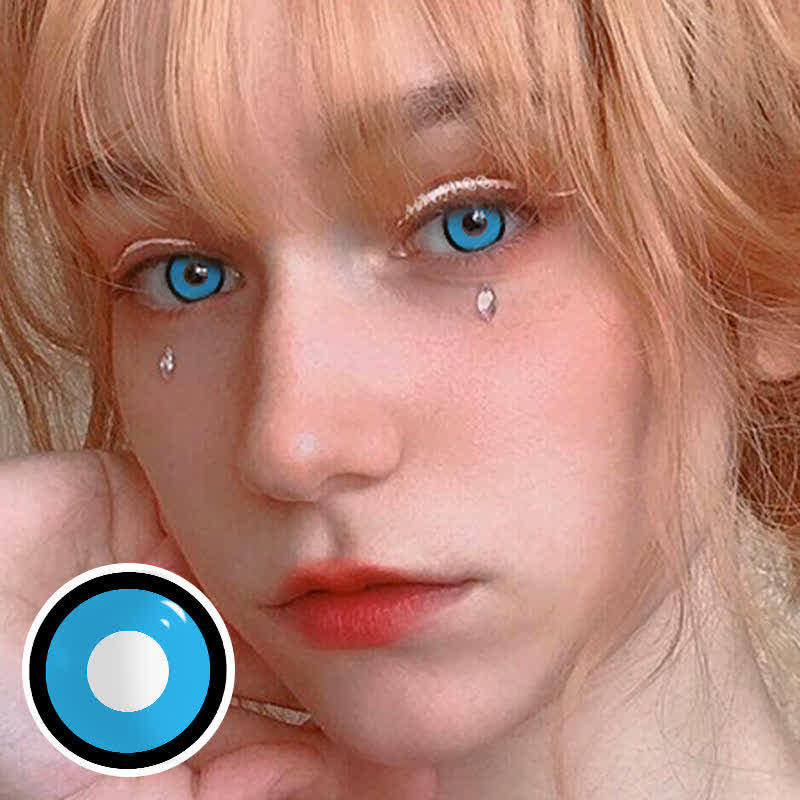
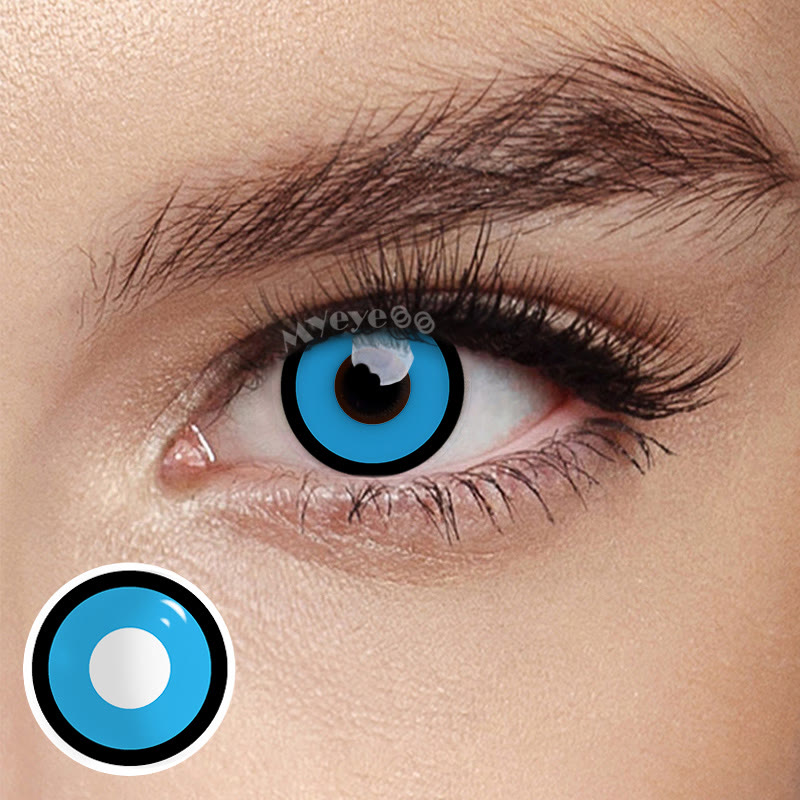
Cosplay contact lenses can completely transform your character look, whether you're creating a fantasy costume, building a horror-inspired appearance, or adding an otherworldly touch to a convention outfit. From vivid red and yellow designs to dramatic white and black effects, colored contacts offer plenty of ways to change your eye appearance.
When shopping for cosplay contacts in the United States, look for products from reputable sellers and verify that the lenses are legally marketed and appropriately prescribed for your use. Both plano and prescription options may be available, depending on the design.
Color Contact Lenses for Fantasy and Cosplay Looks
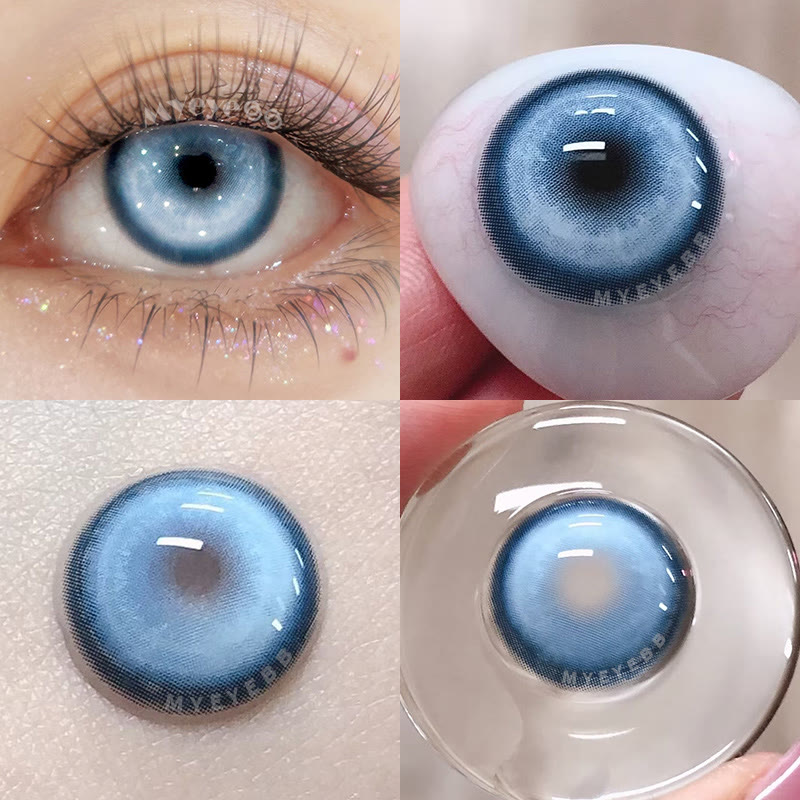
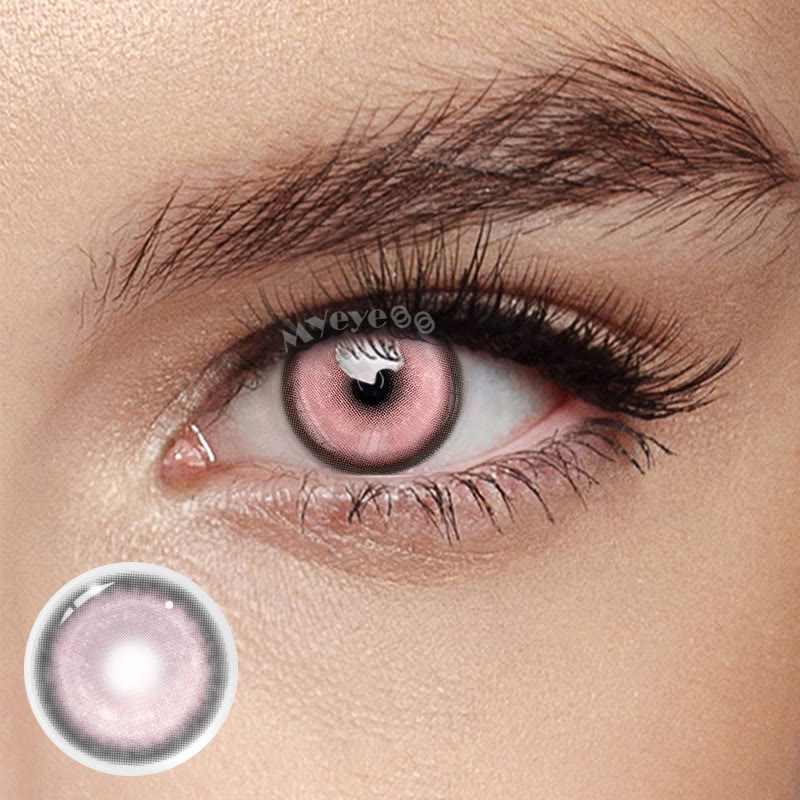
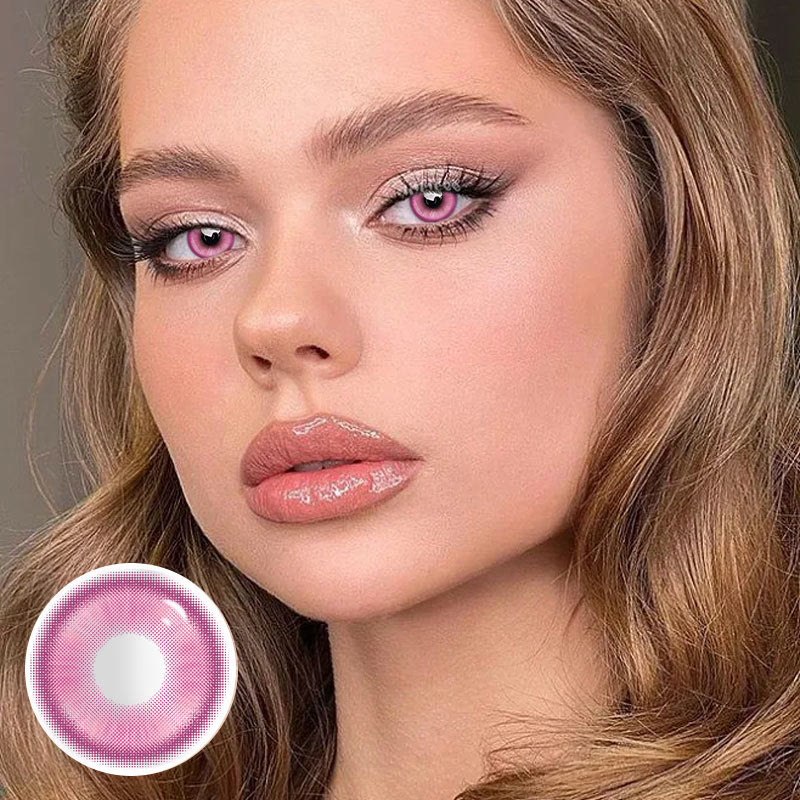
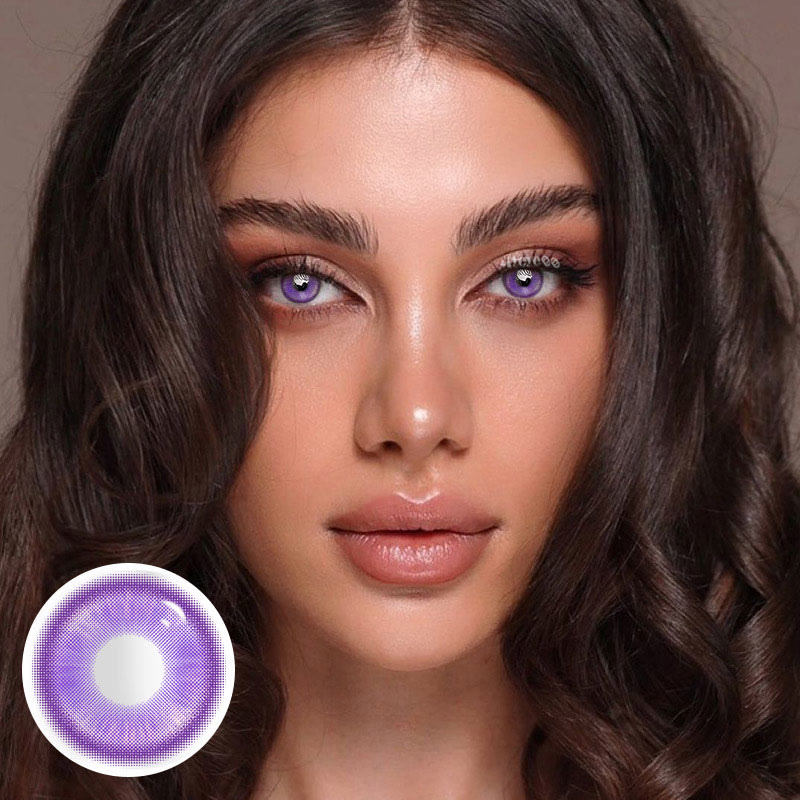
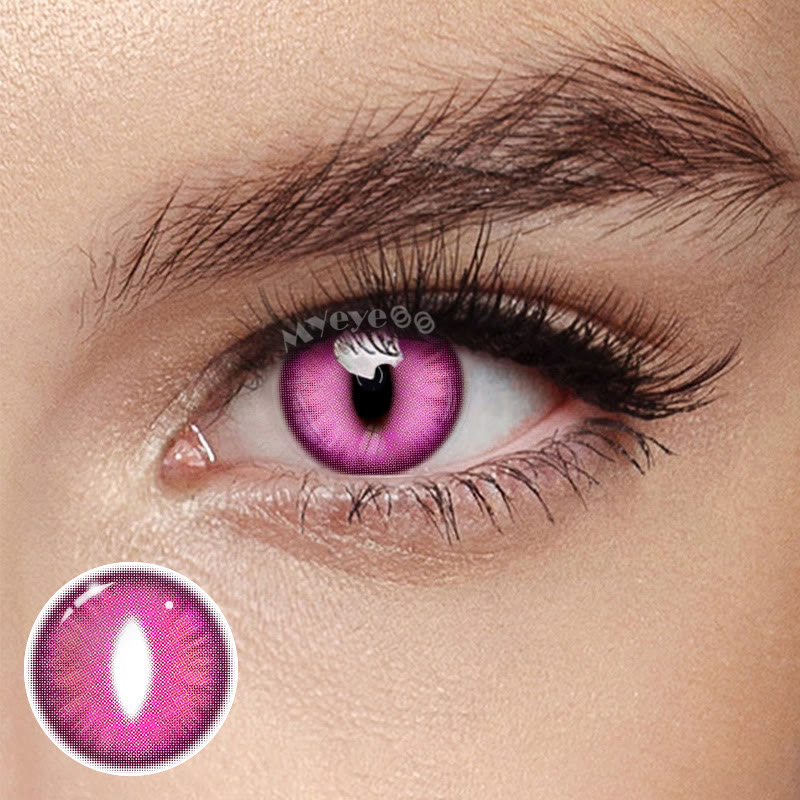
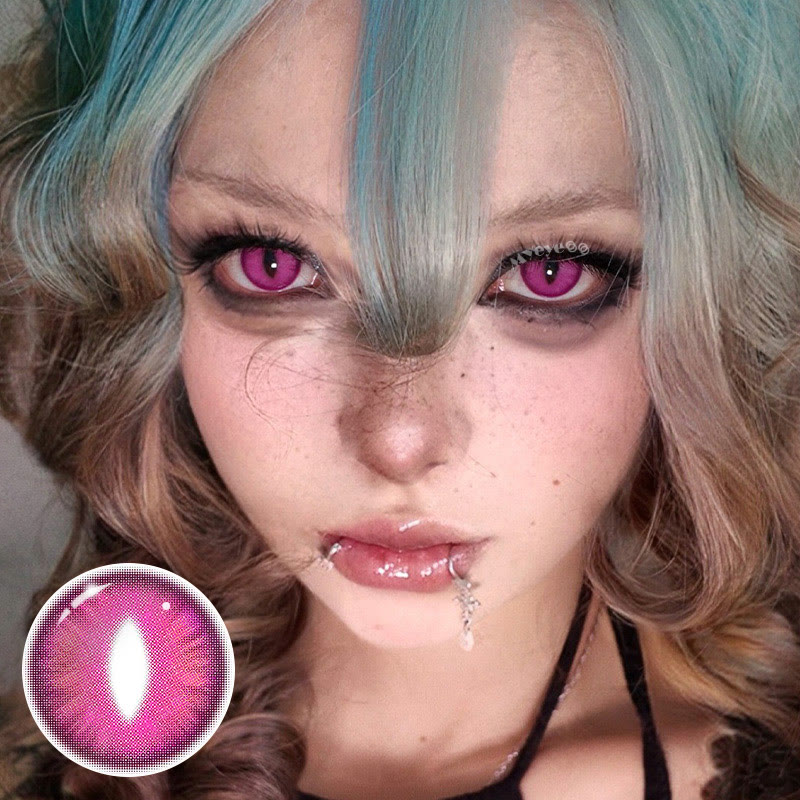
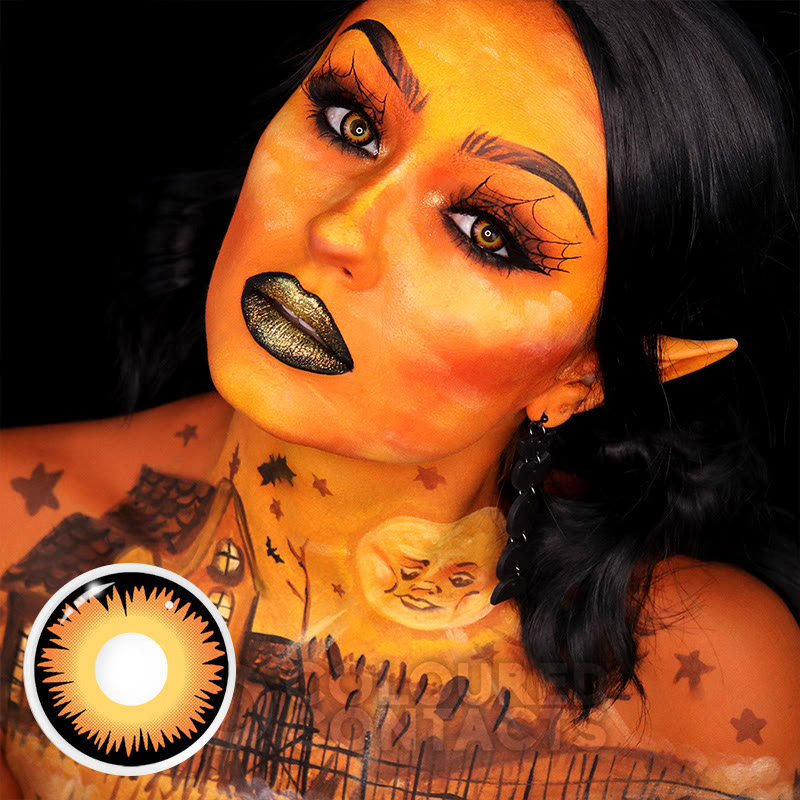
Fantasy-inspired colored contacts are available in a wide range of colors, patterns, and coverage levels. Bold red, violet, yellow, white, and gray lenses can create dramatic character-inspired looks, while blue, green, hazel, and brown designs can produce a more subtle transformation.
For costumes that require intense color changes, opaque lenses can provide stronger coverage over the natural eye color. More translucent designs create a blended effect that allows some of your natural eye color to show through.
Popular cosplay-inspired styles include:
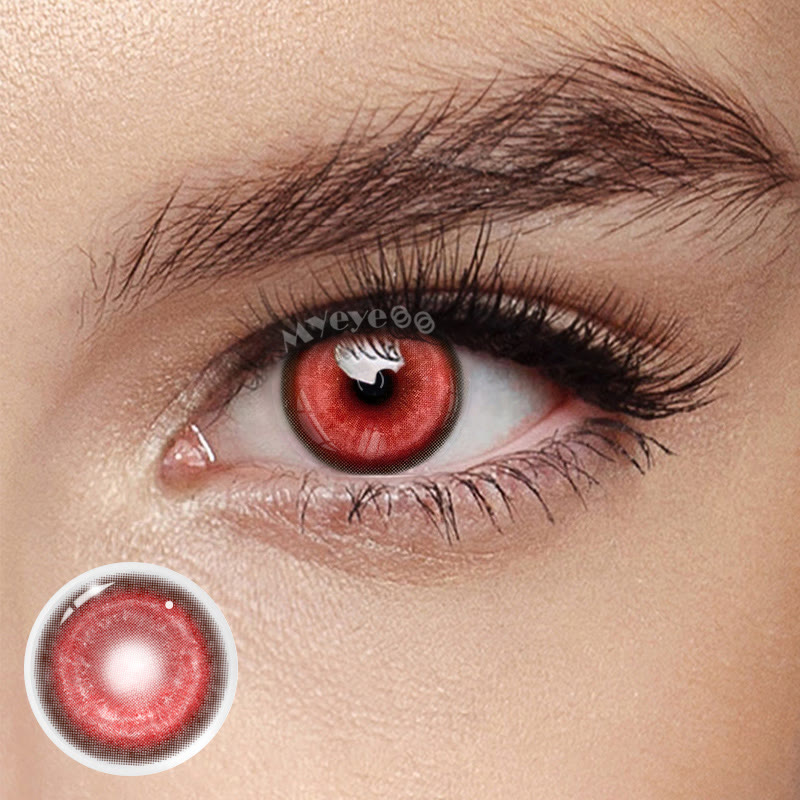
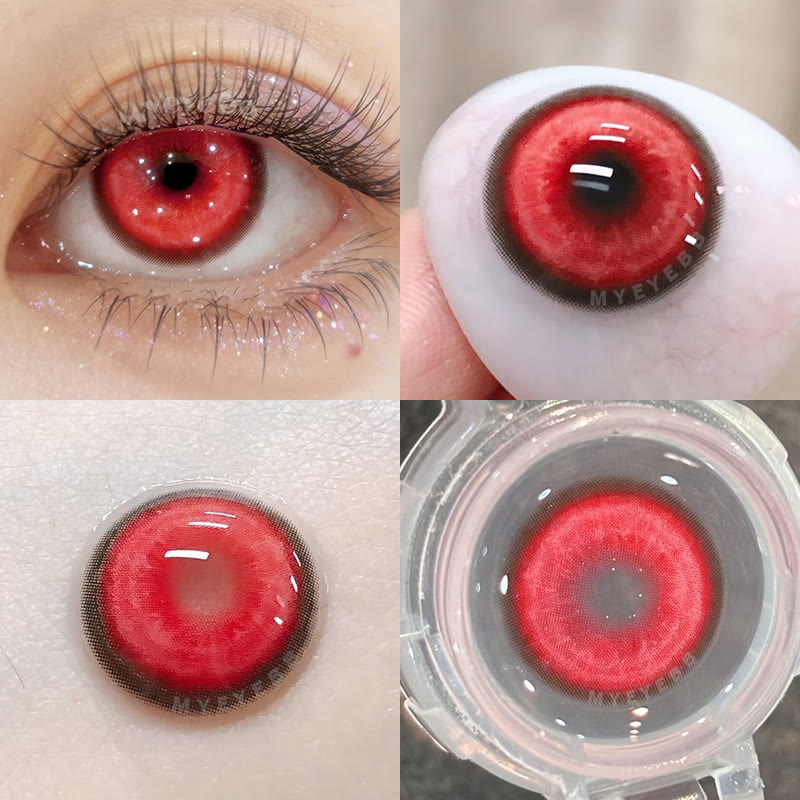
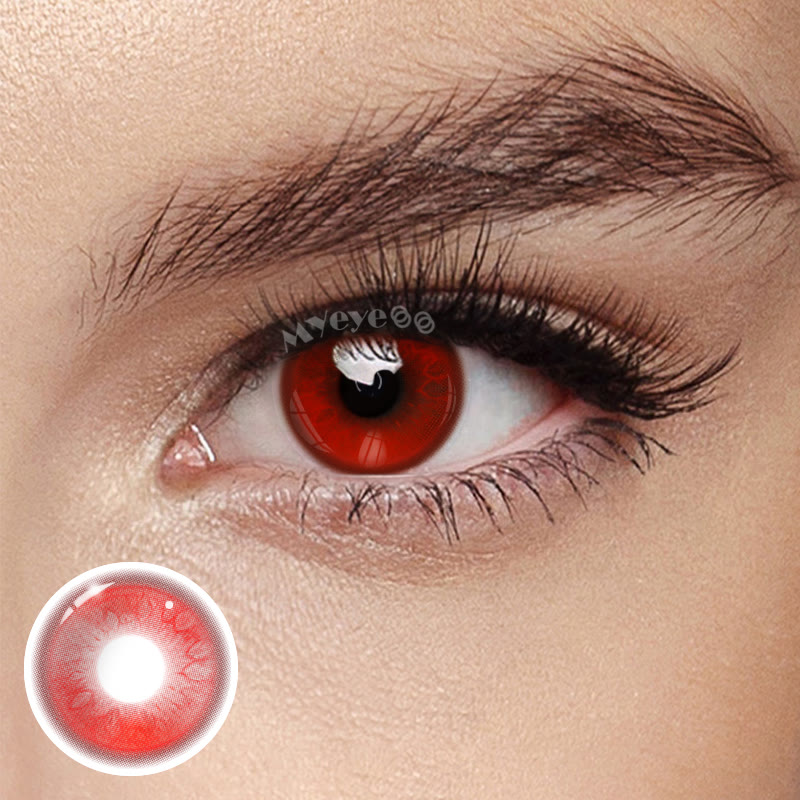
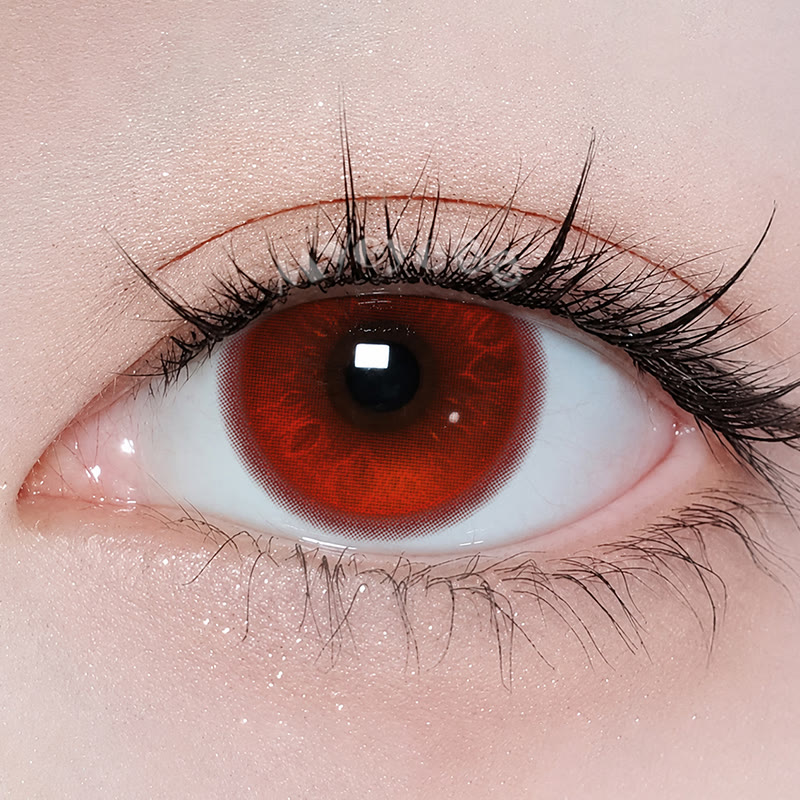
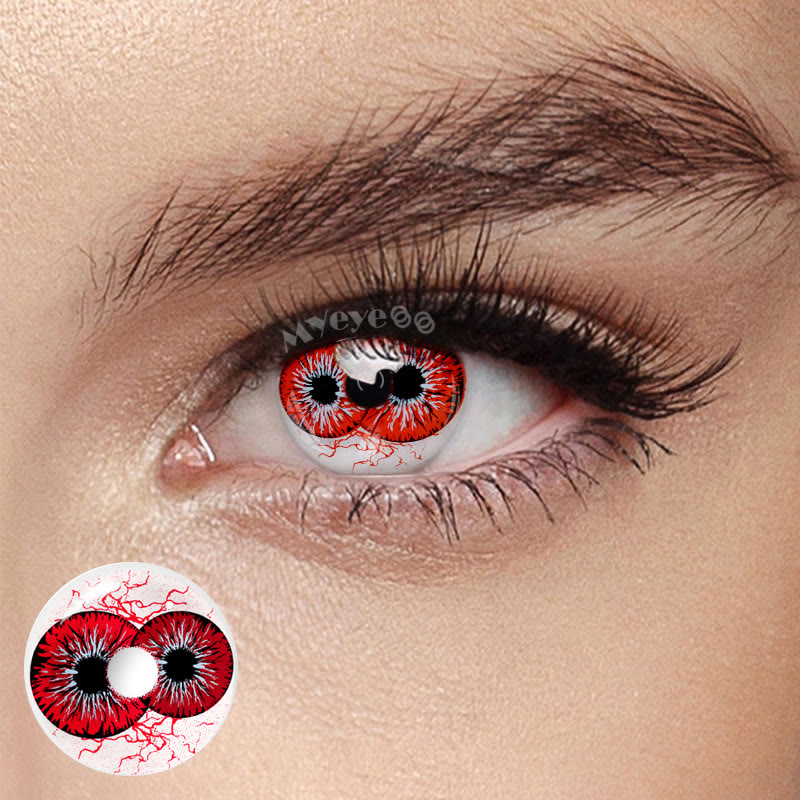
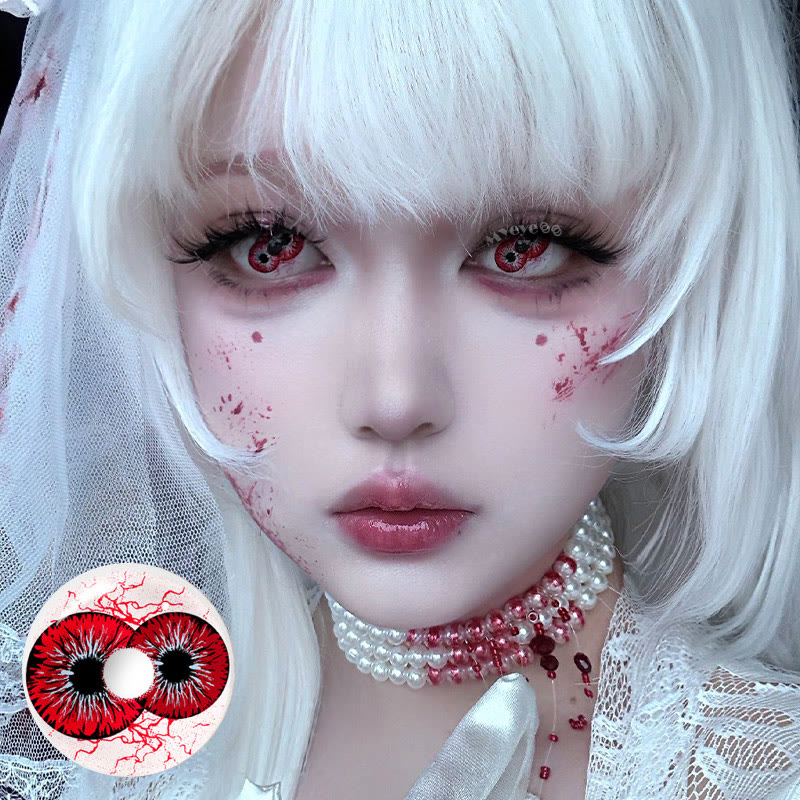
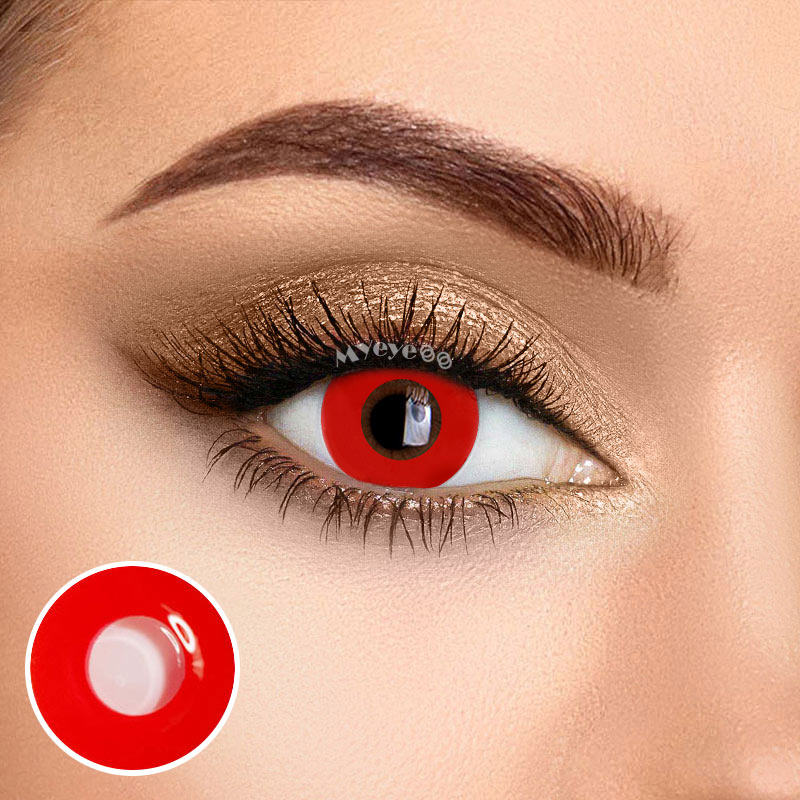
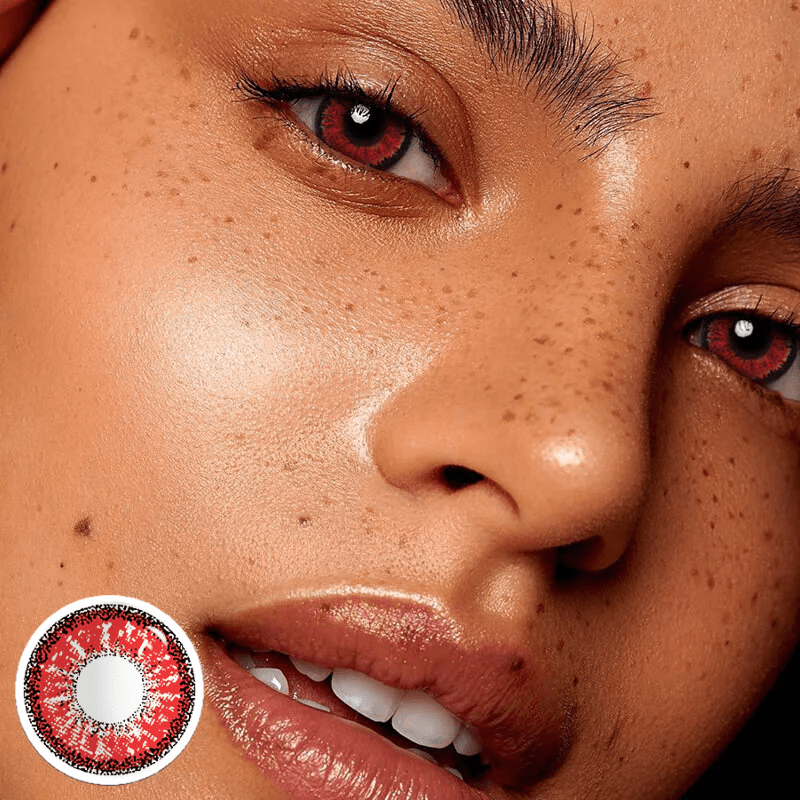
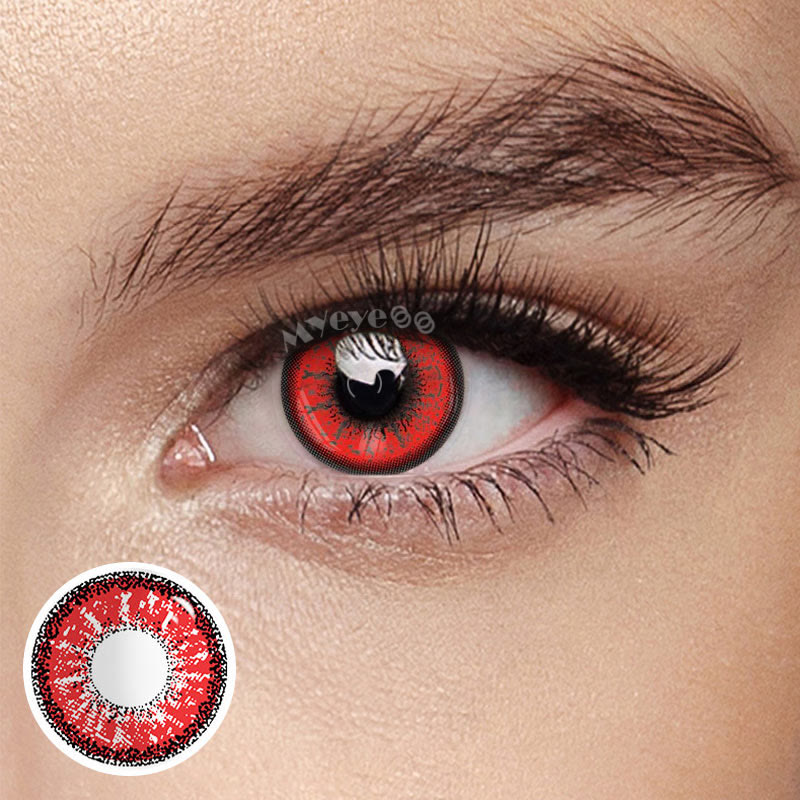
- Red contacts: Suitable for vampire, demon, supernatural, and dark fantasy costumes
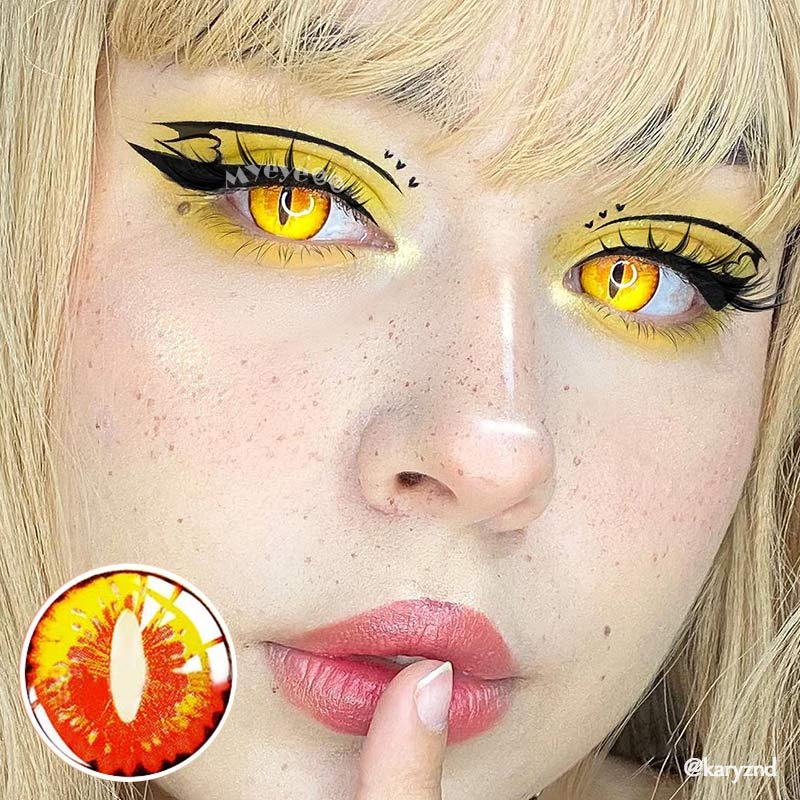
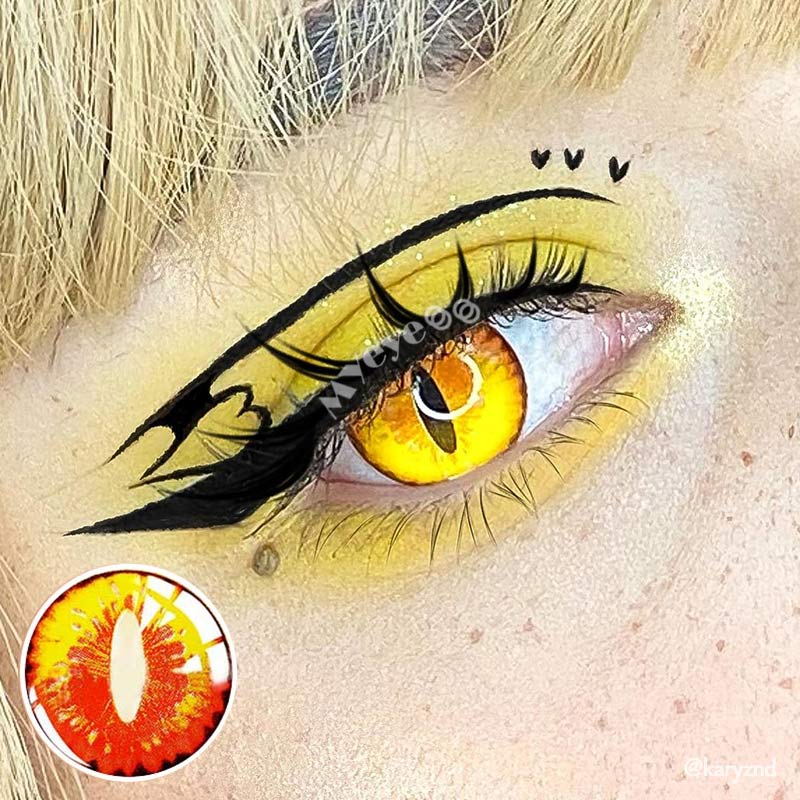
- Yellow contacts: Create striking creature, mystical, or supernatural effects
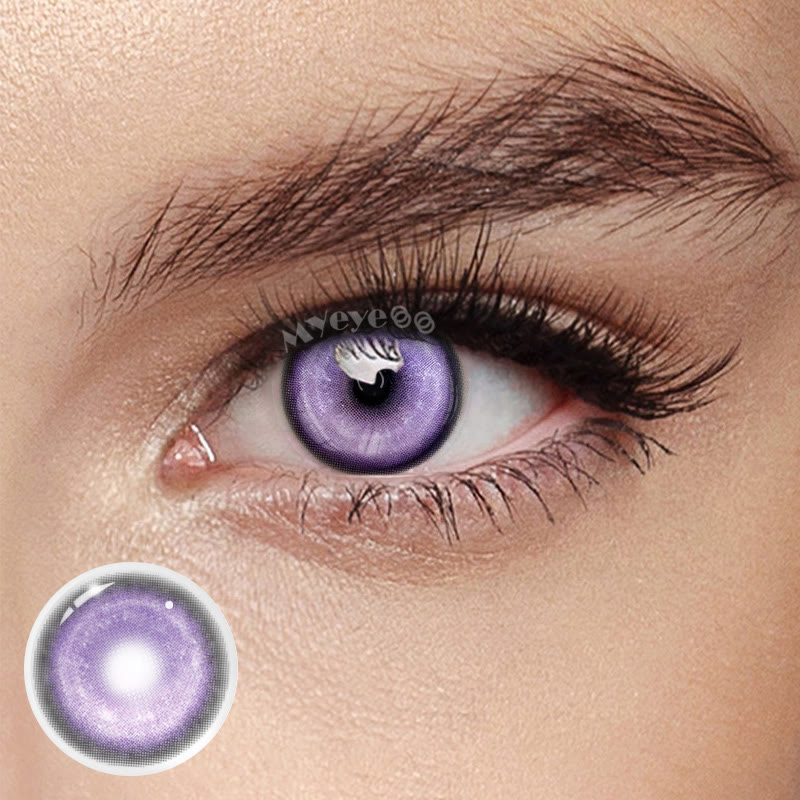
- Violet contacts: Add a magical or fantasy-inspired appearance
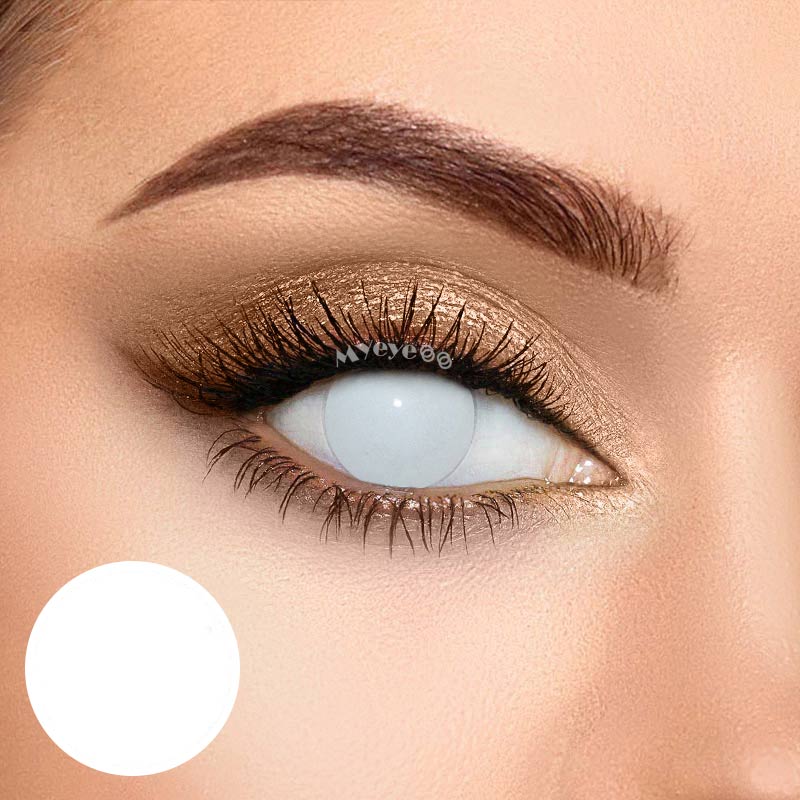
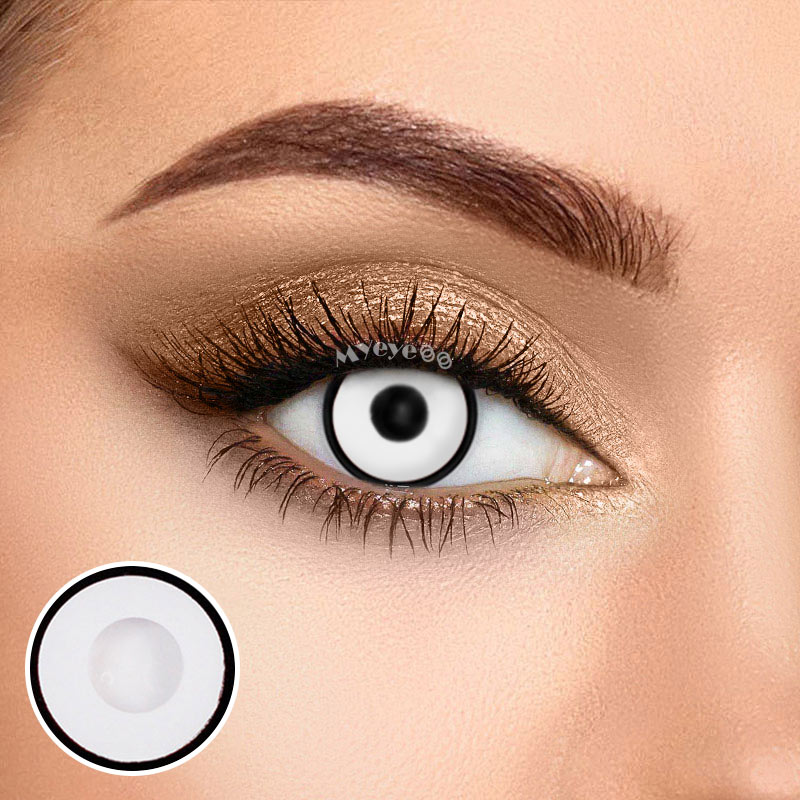
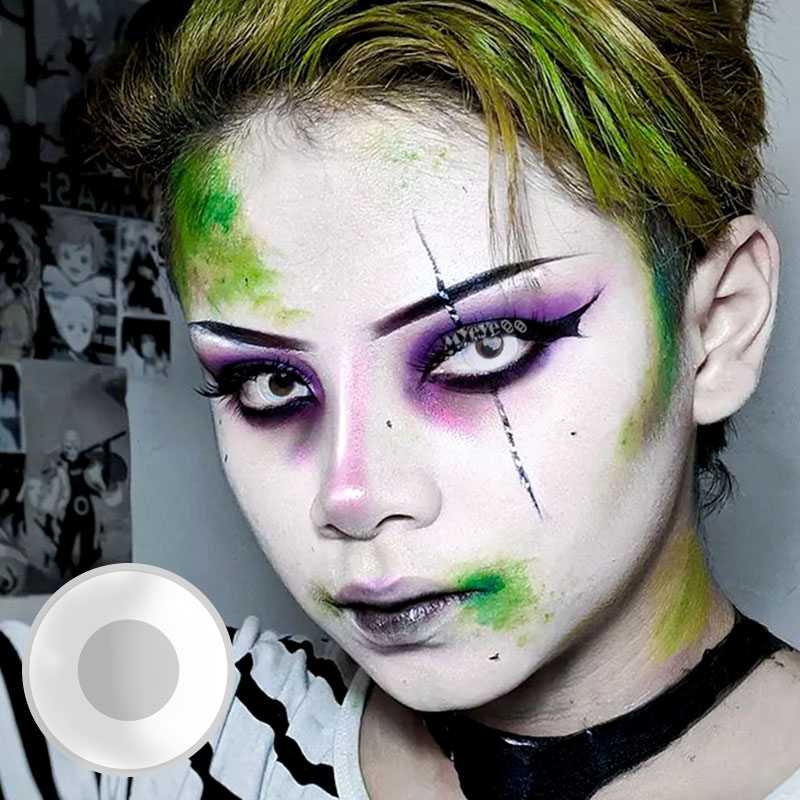
- White contacts: Create ghostly, supernatural, or horror-inspired effects
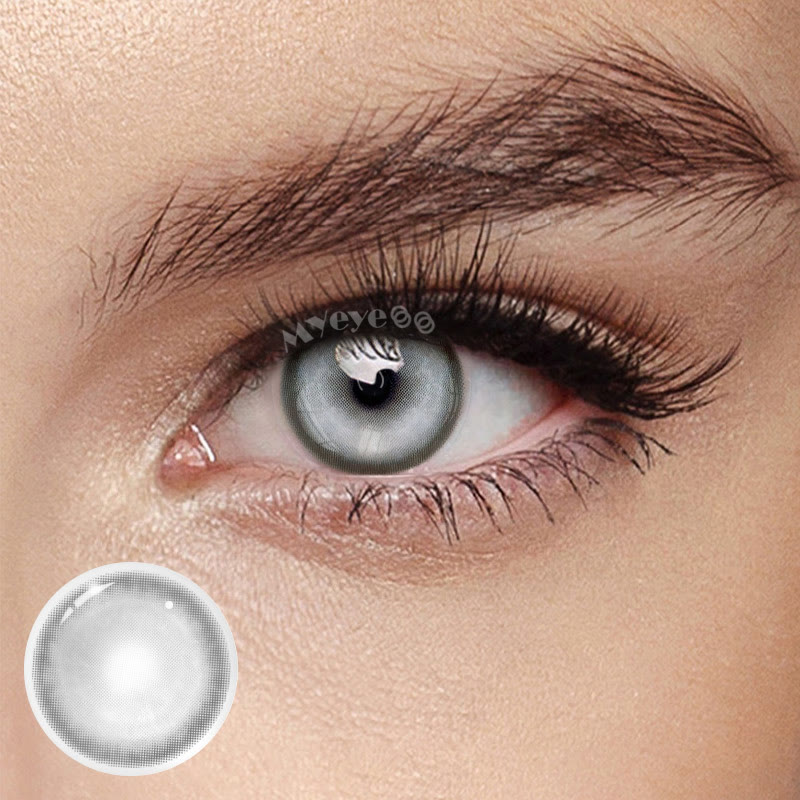
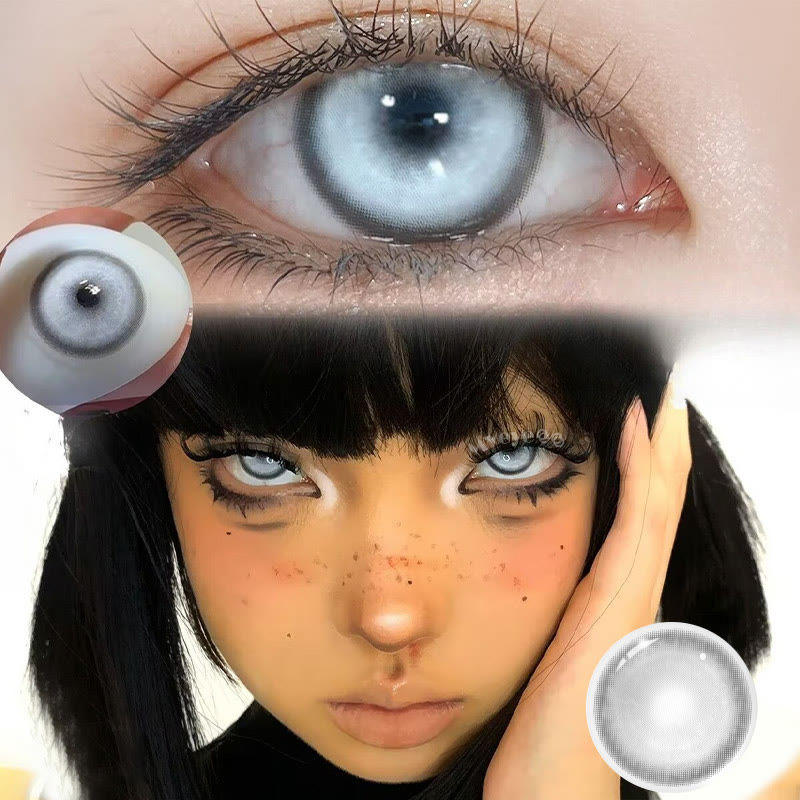
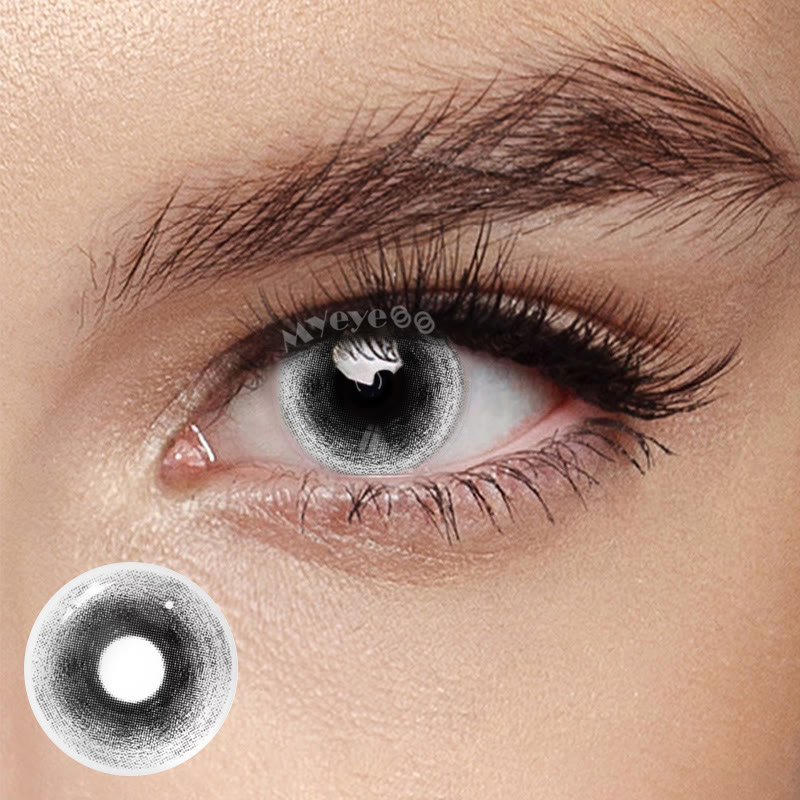
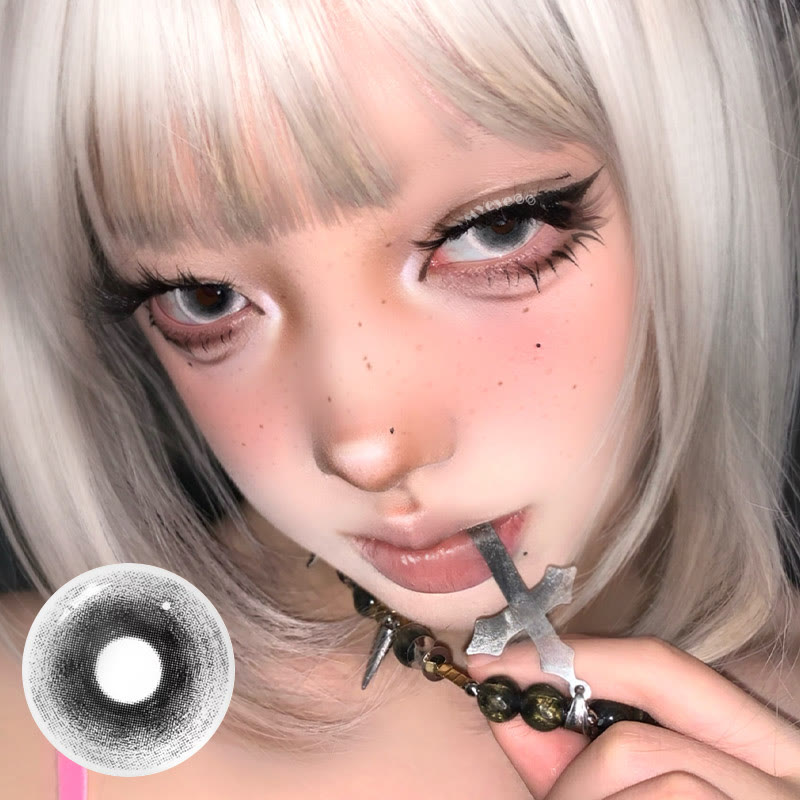
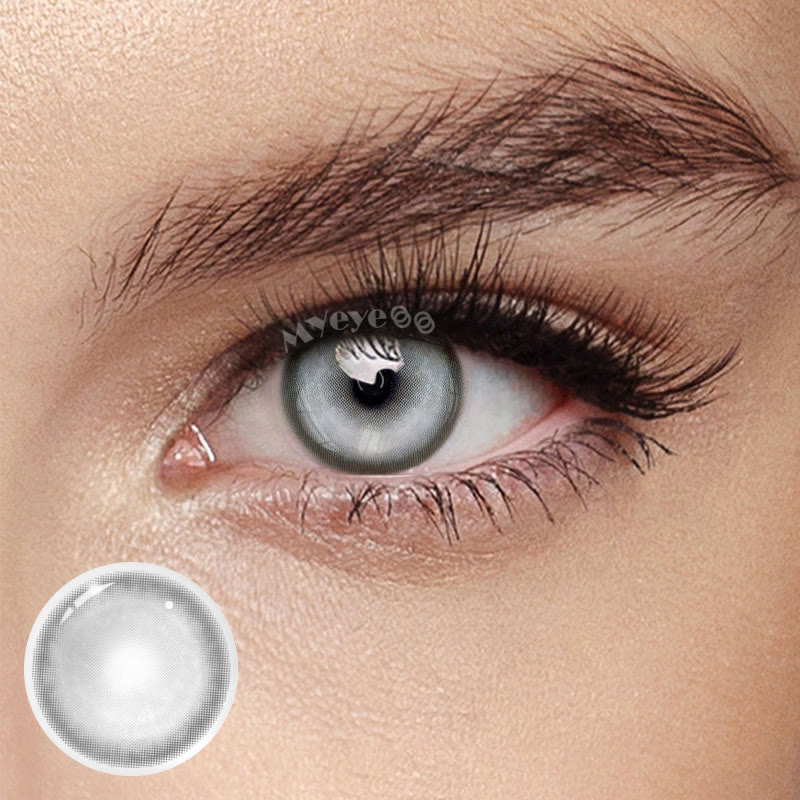
- Gray contacts: Work well for mysterious, futuristic, and fantasy characters
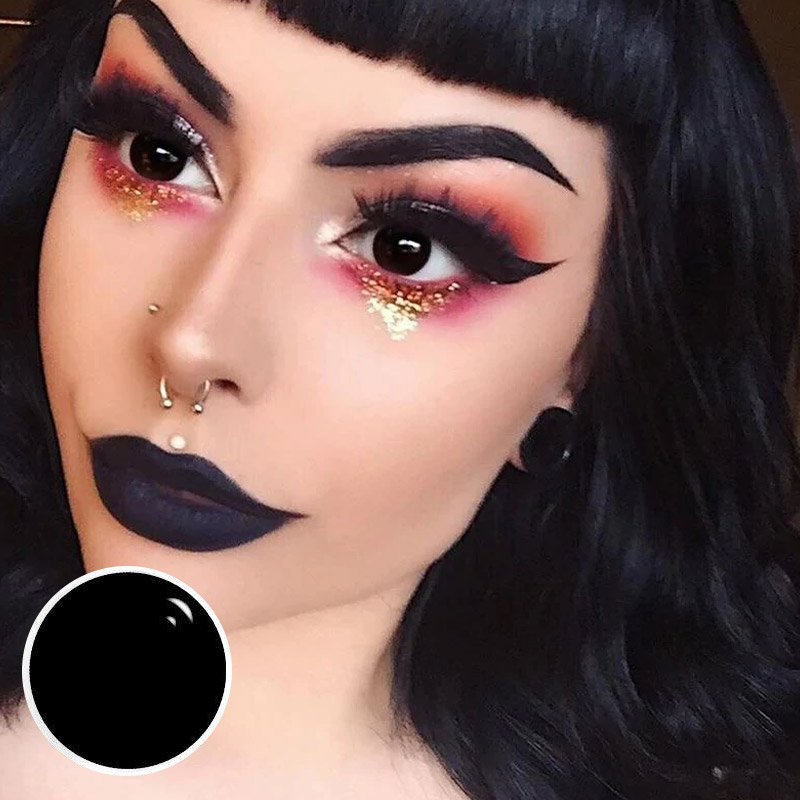
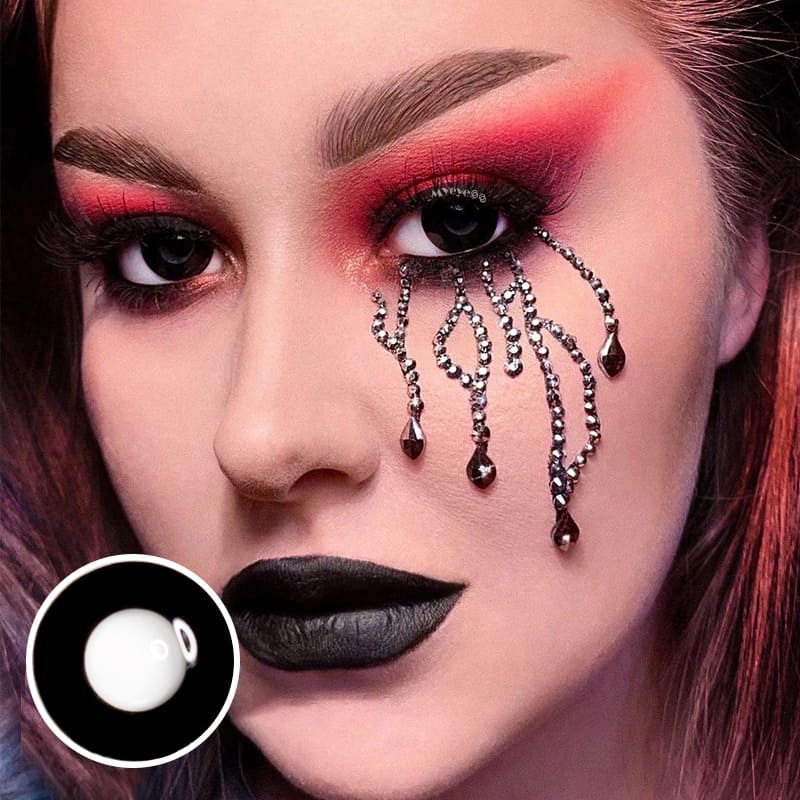
- Black contacts: Create dramatic effects for dark or horror-themed costumes
White and Red Halloween Contacts
White and red contacts are among the most recognizable choices for Halloween and horror cosplay.
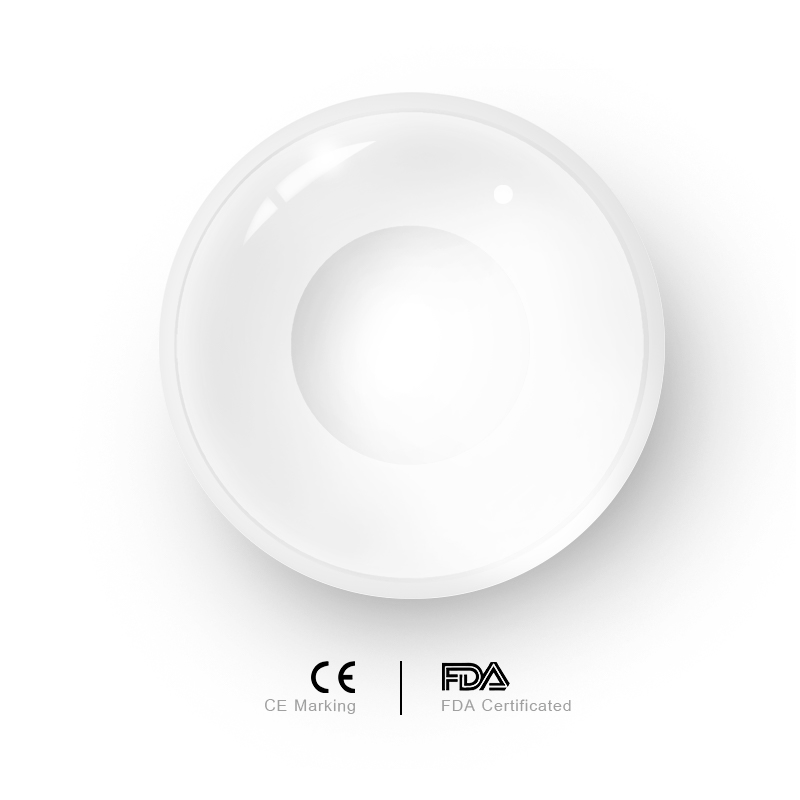
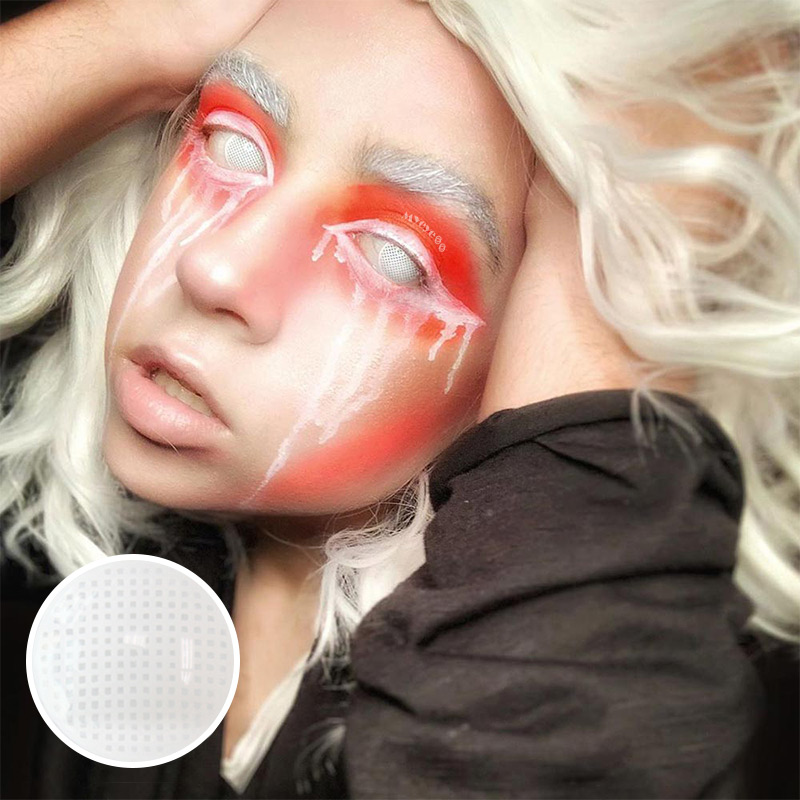
White contacts can create a ghostly or supernatural appearance by significantly changing the visible color of the iris. Whiteout-style designs offer a particularly dramatic effect, while mesh patterns can create a more unusual, distorted appearance.
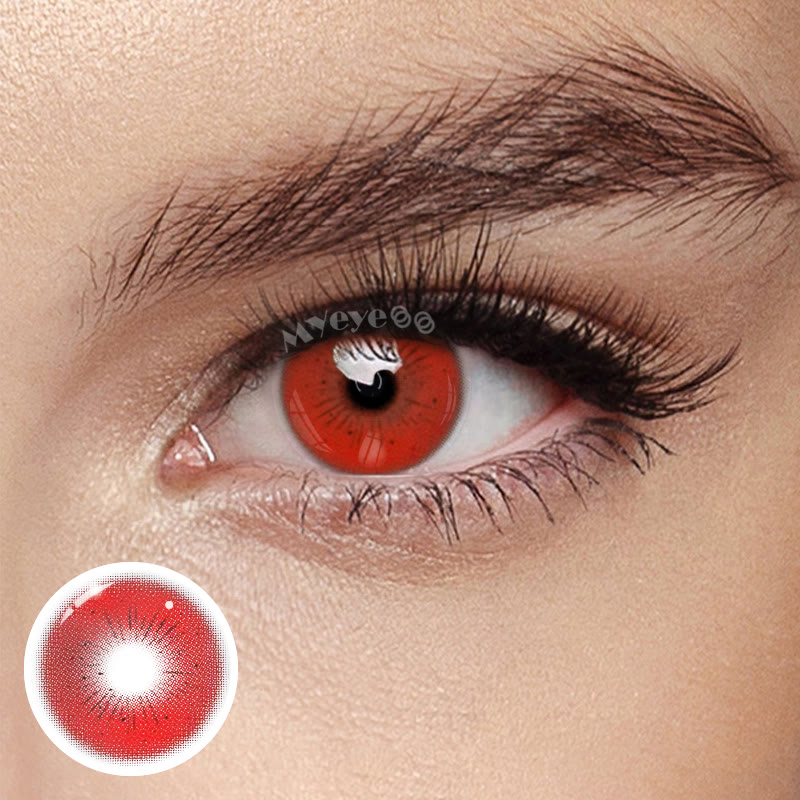
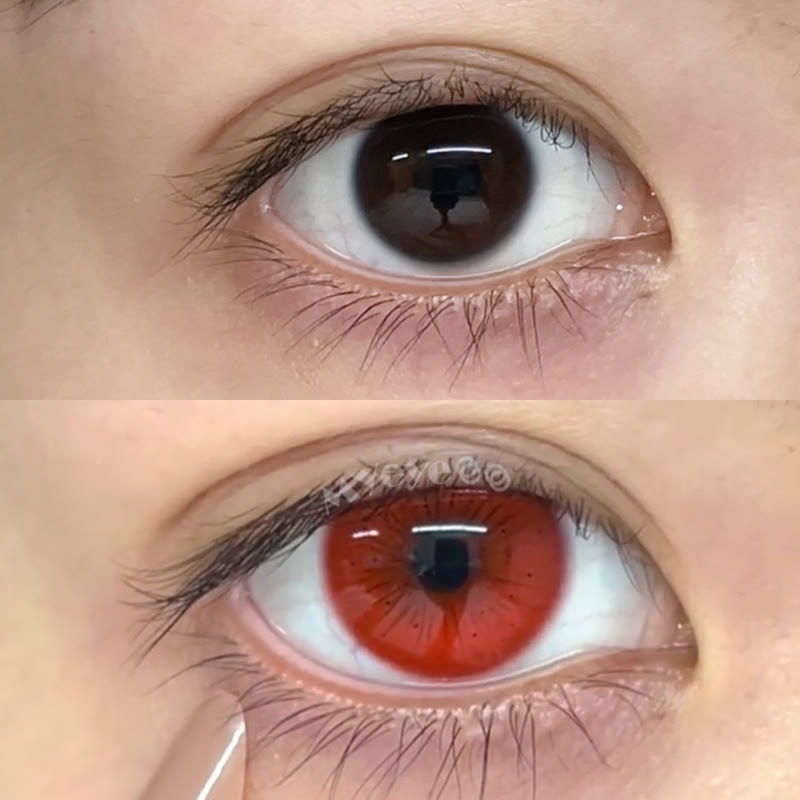
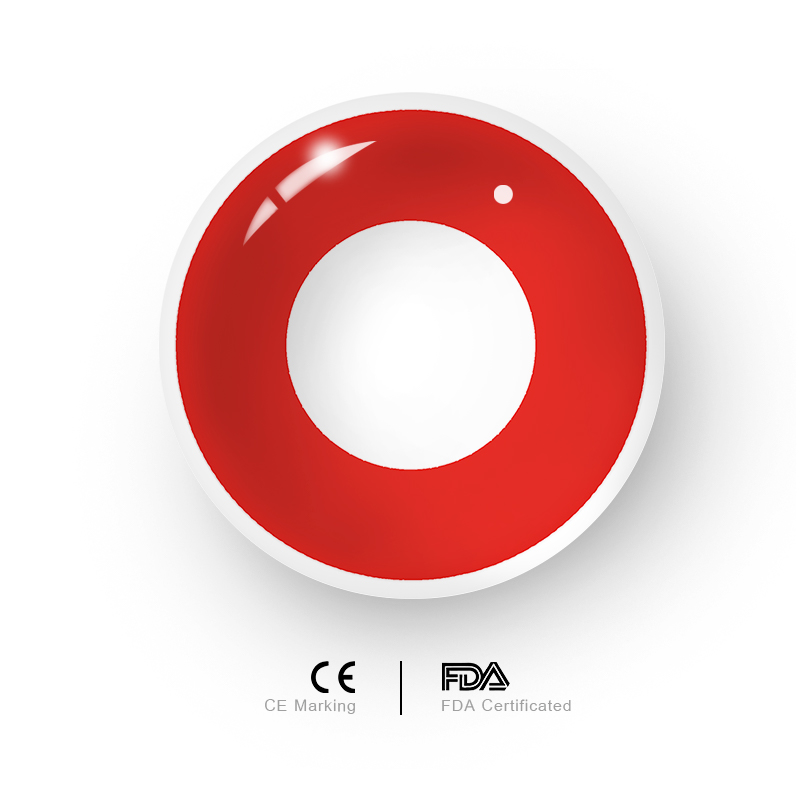
Red contacts are commonly used for vampire, demon, possessed, and other supernatural-inspired costumes. Depending on the design, a solid red lens can create a bold transformation, while patterned lenses can add additional depth and visual detail.
When selecting highly opaque lenses, check how the design interacts with your natural eye color before purchasing. The final appearance can vary depending on your original eye color and lighting conditions.
Sclera and Special-Effect Contact Lenses
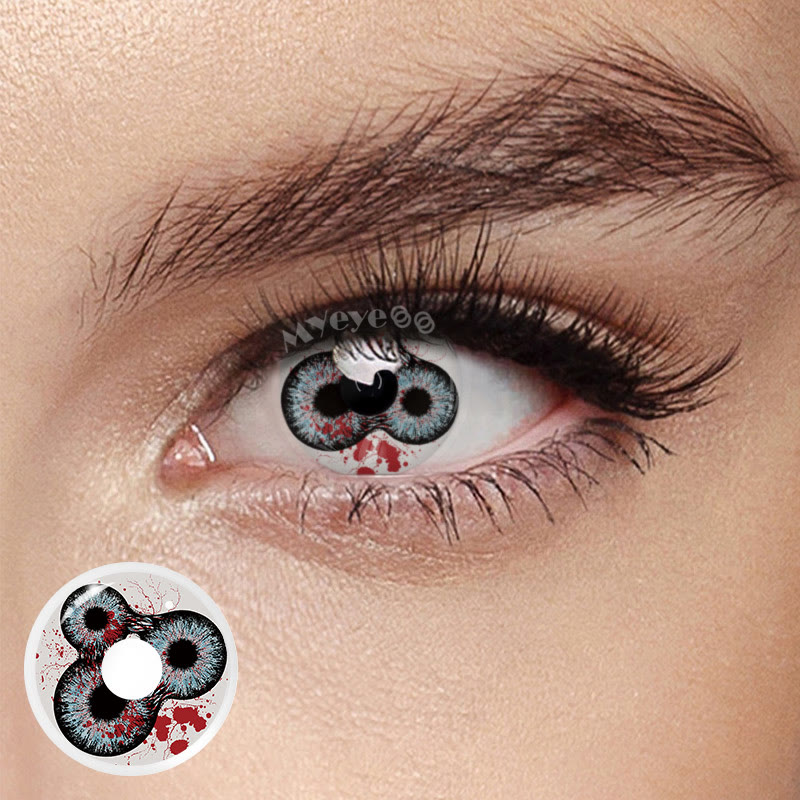
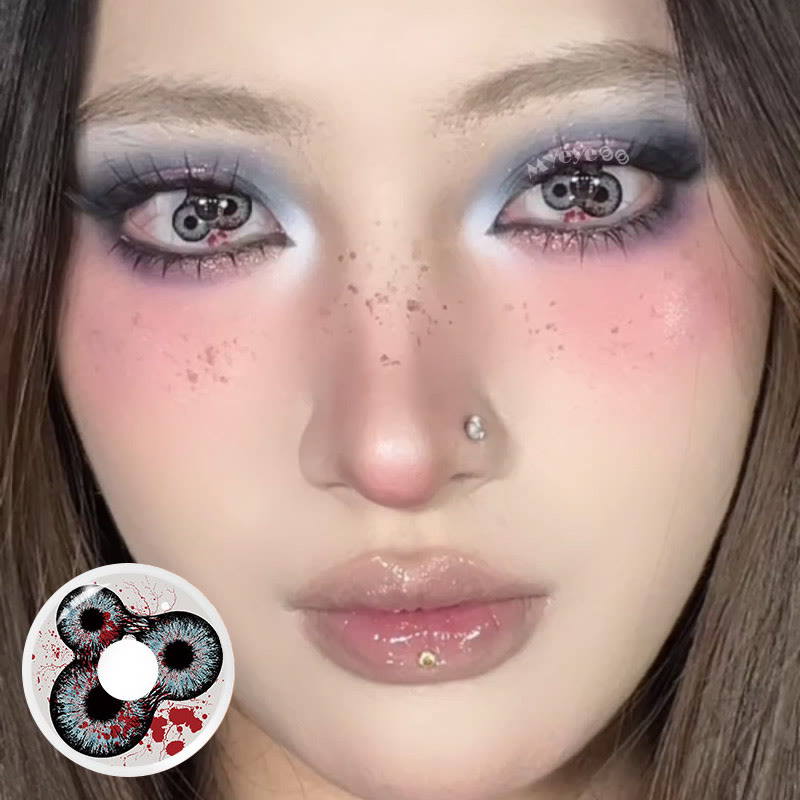
For an especially dramatic costume transformation, special-effect and sclera-style lenses can create effects that extend beyond a conventional iris color change.
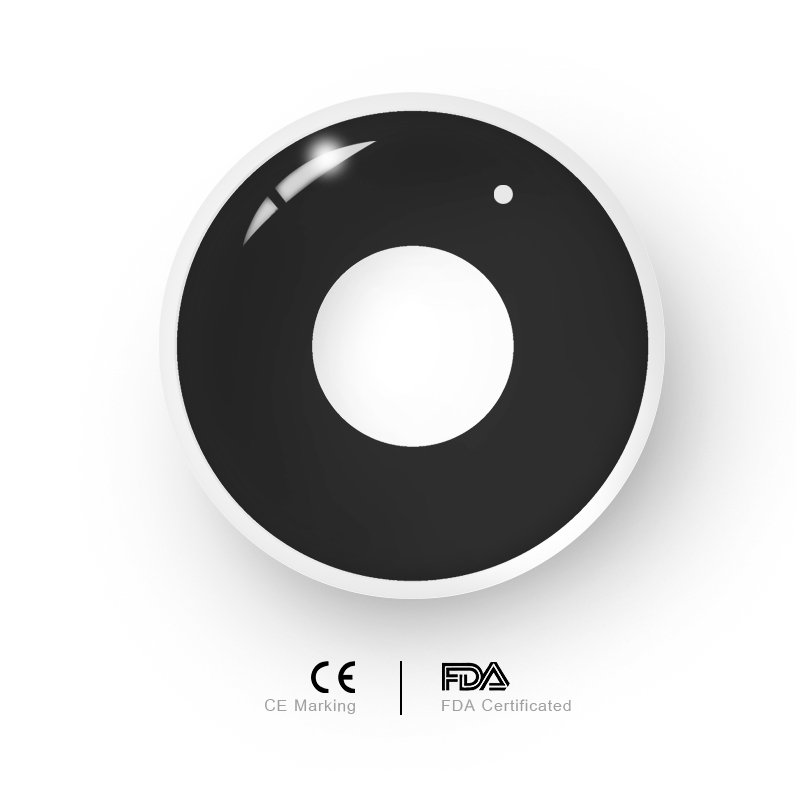
Sclera lenses are designed to cover a larger visible portion of the eye than standard colored contacts. Black, white, red, and other high-contrast designs can create intense horror, monster, or supernatural-inspired appearances.
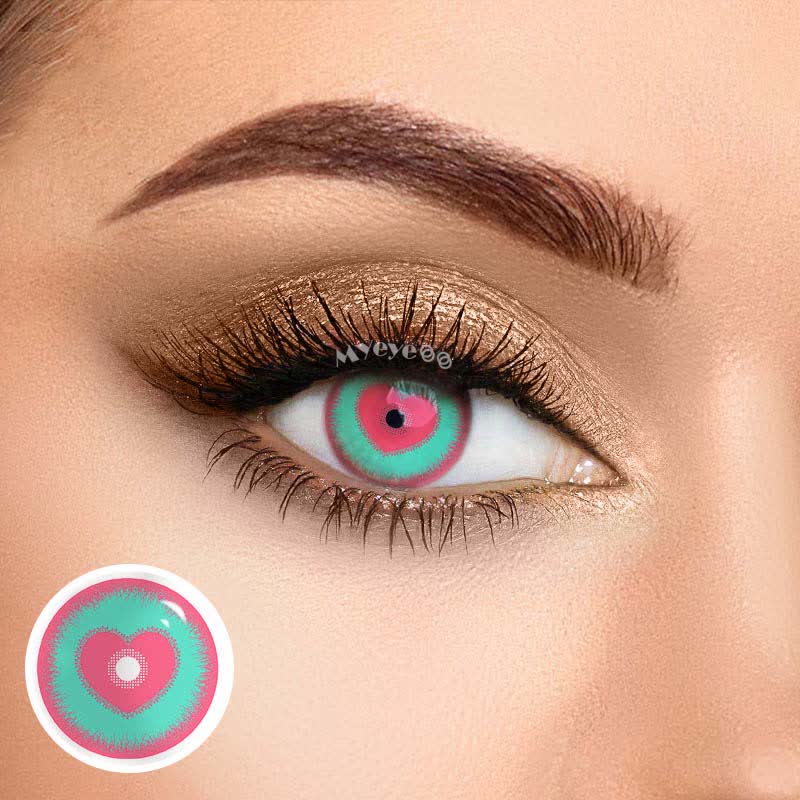
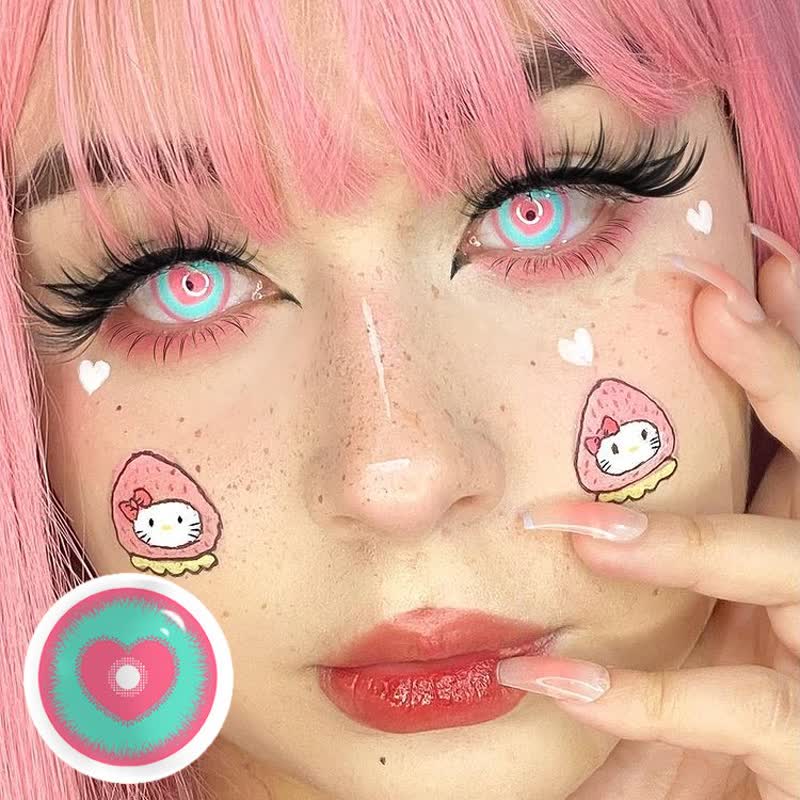
Other special-effect designs use patterns, gradients, rings, and contrasting colors to create creature-inspired eyes without completely covering the visible eye.
Because these lenses can have a larger coverage area and may affect vision more noticeably, proper fitting and professional guidance are particularly important.
Natural-Looking Colored Contacts for Subtle Cosplay
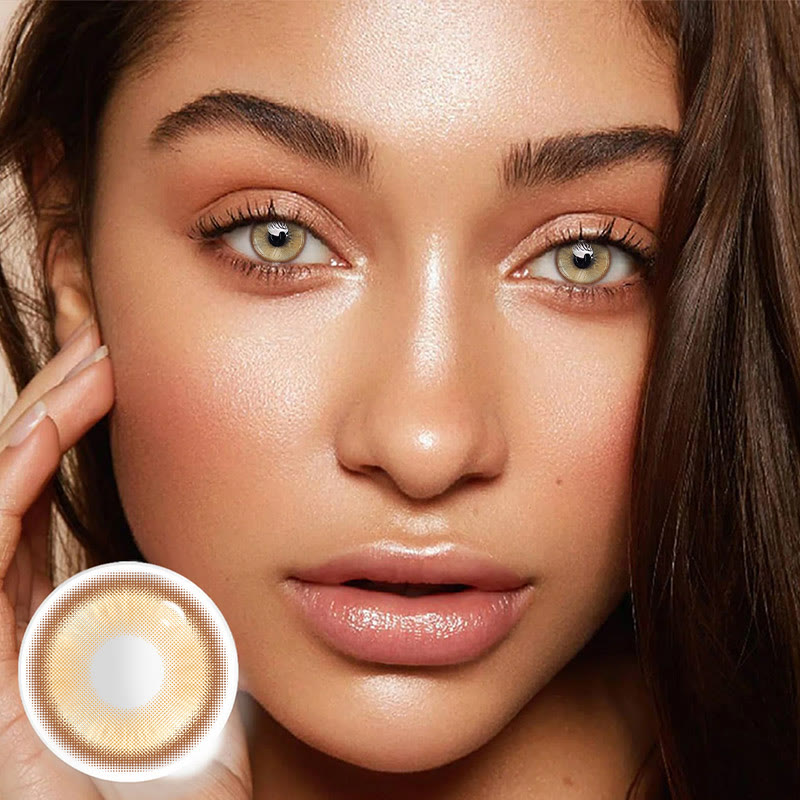
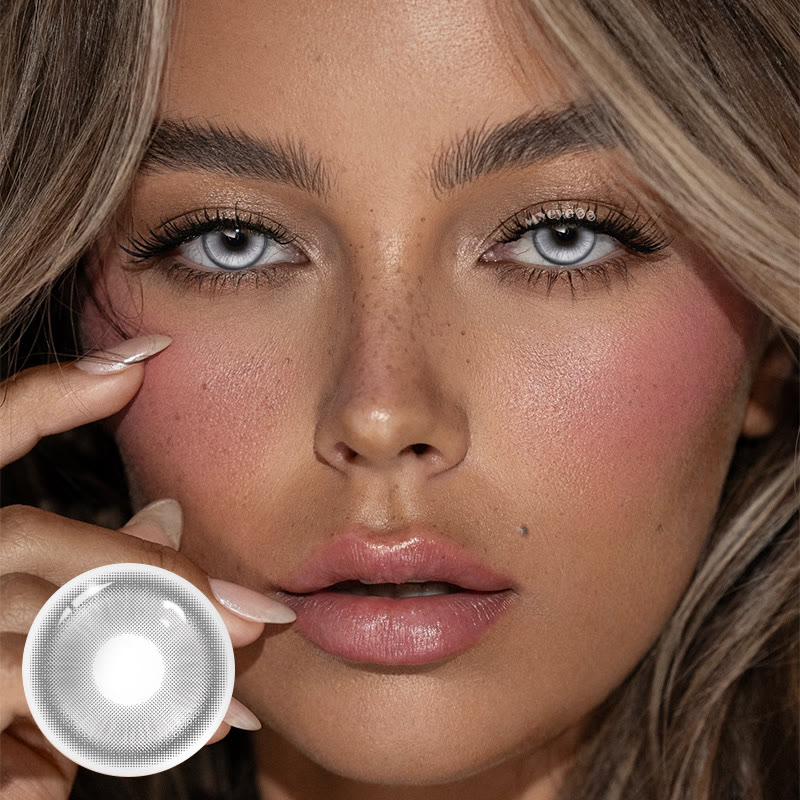
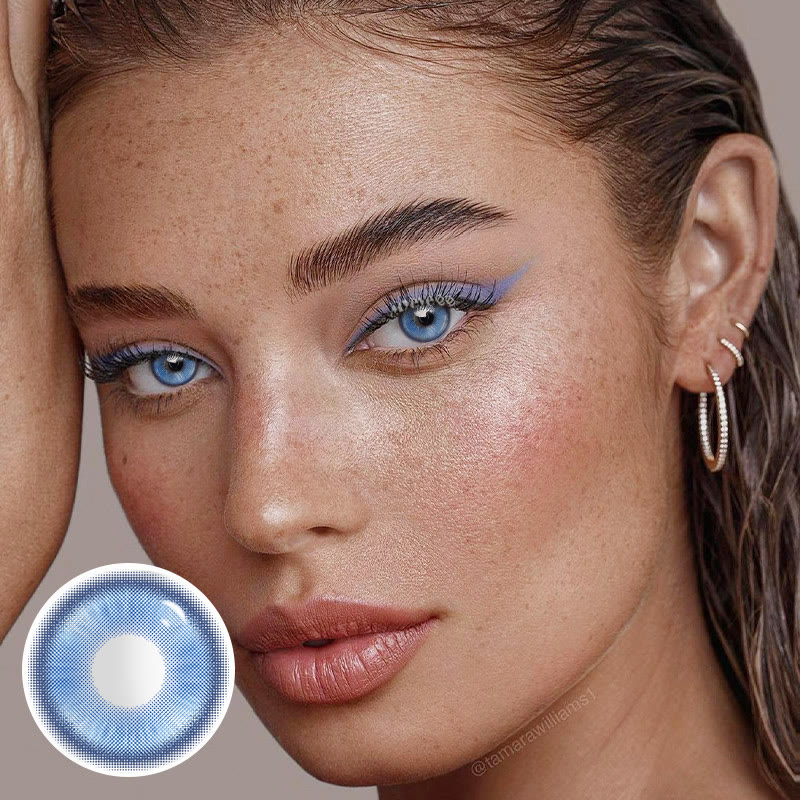
Not every cosplay requires an extreme eye transformation. Natural-looking colored contacts can subtly alter your eye color while keeping the overall appearance realistic.
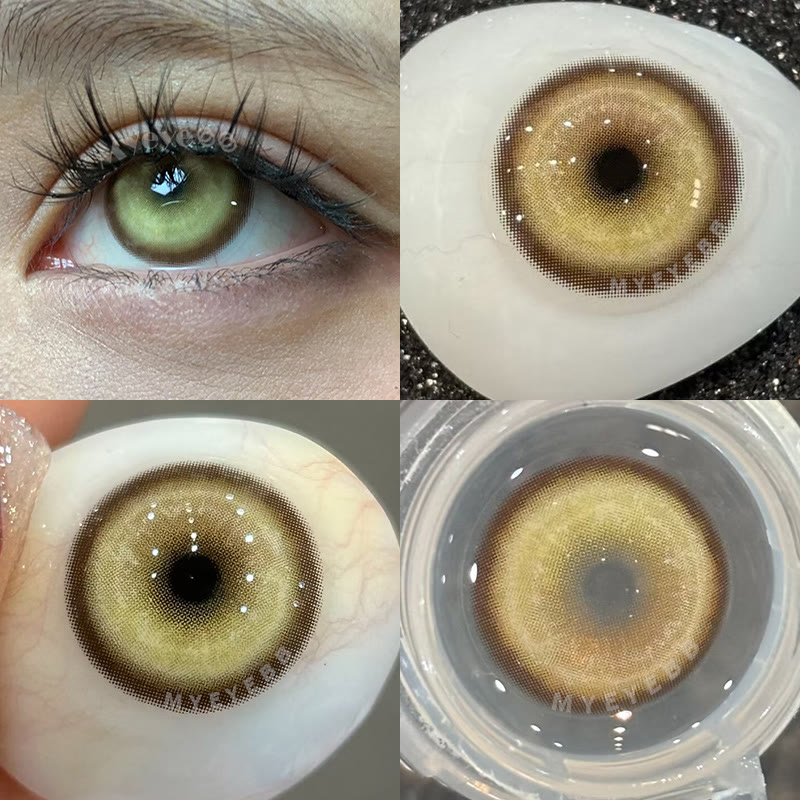
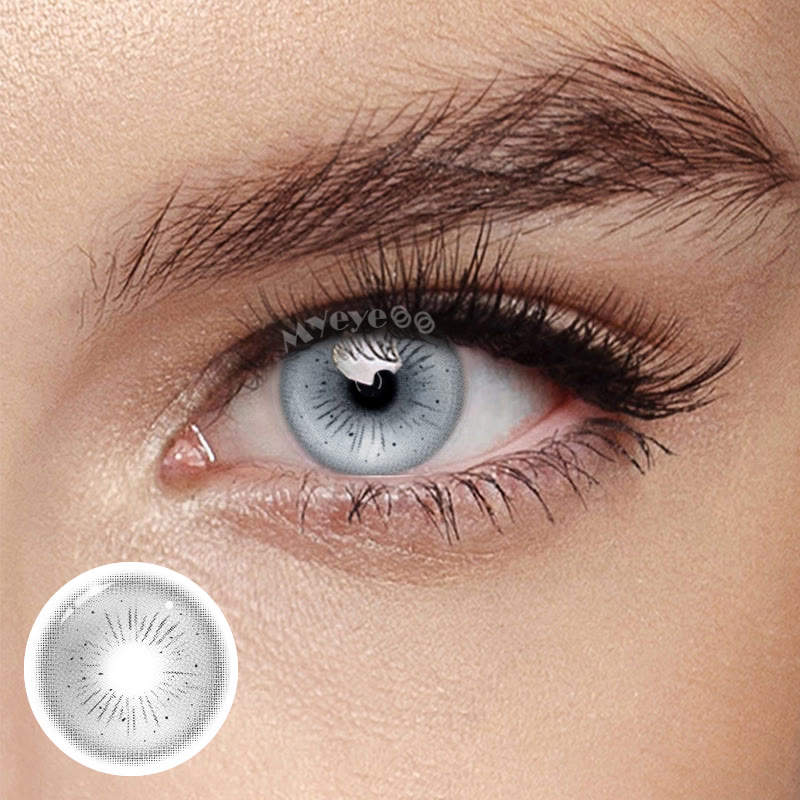
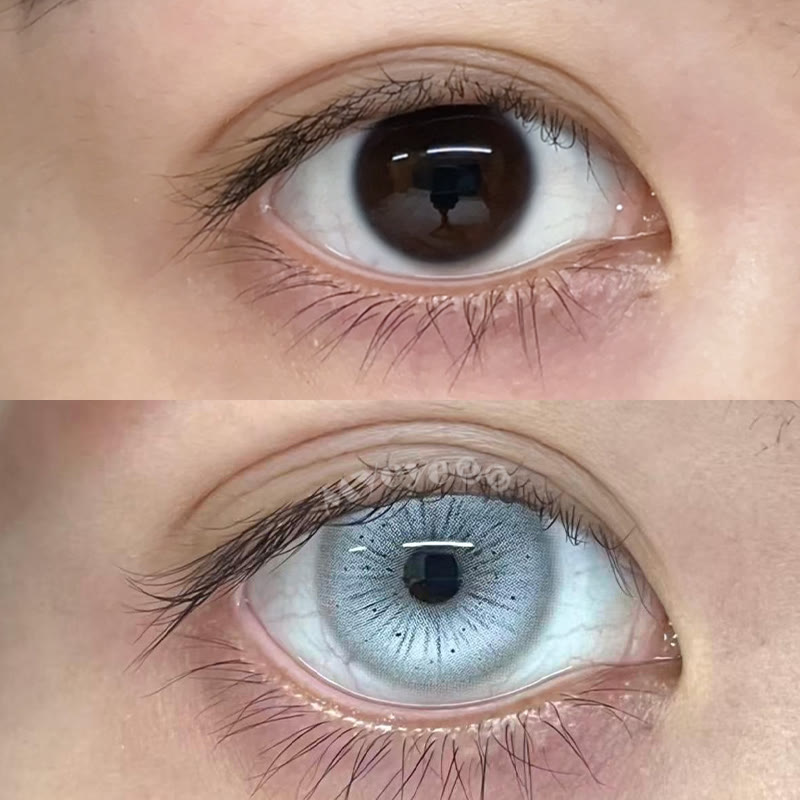
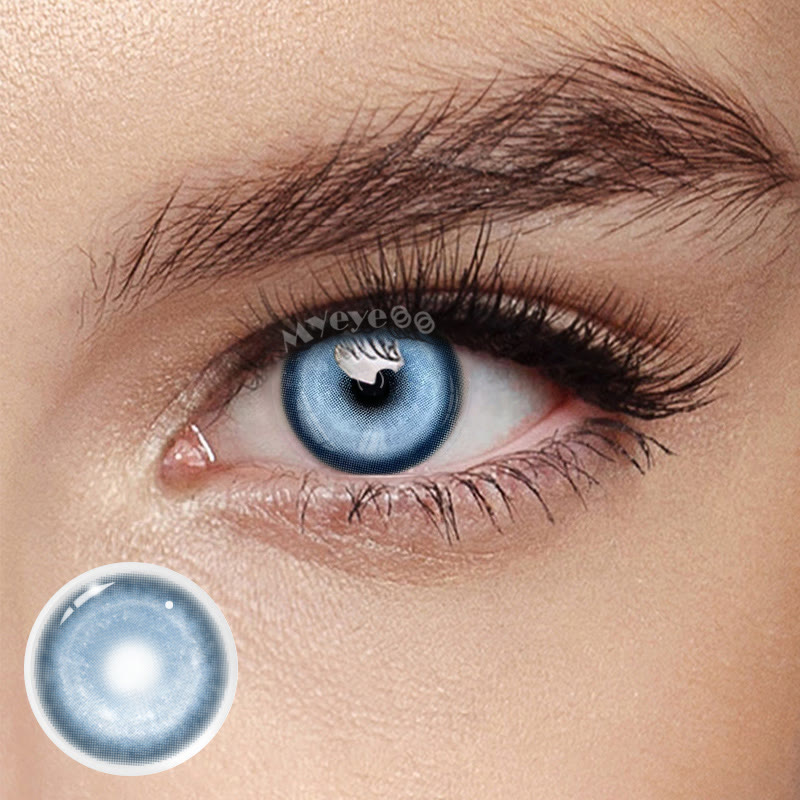
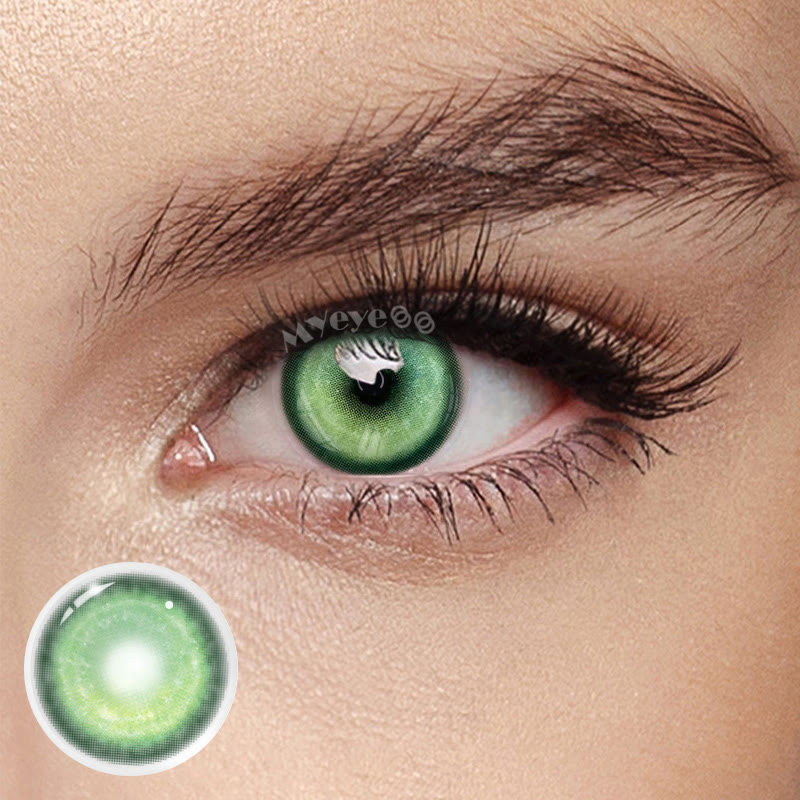
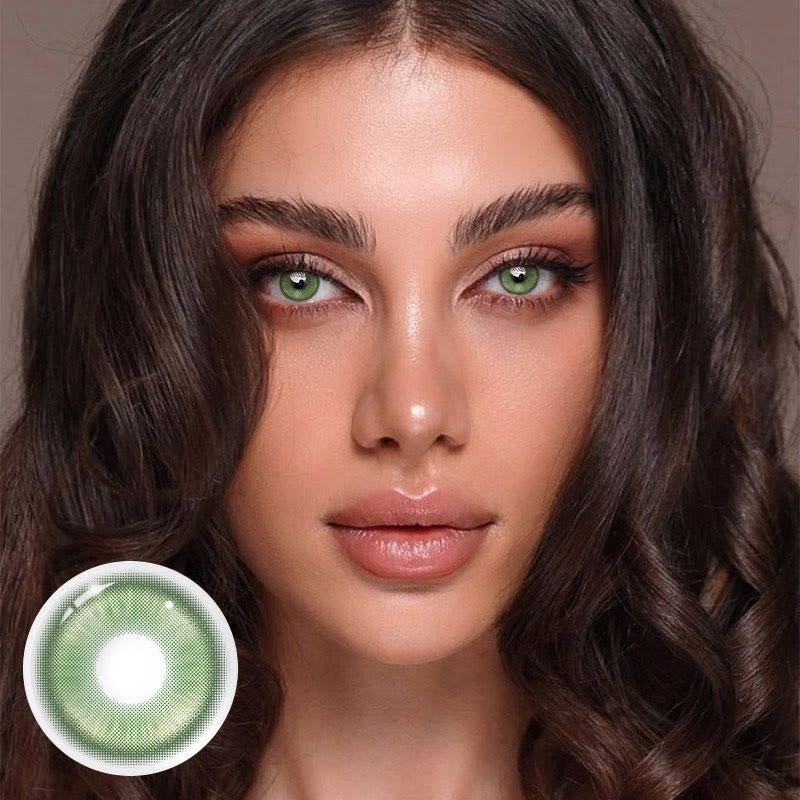
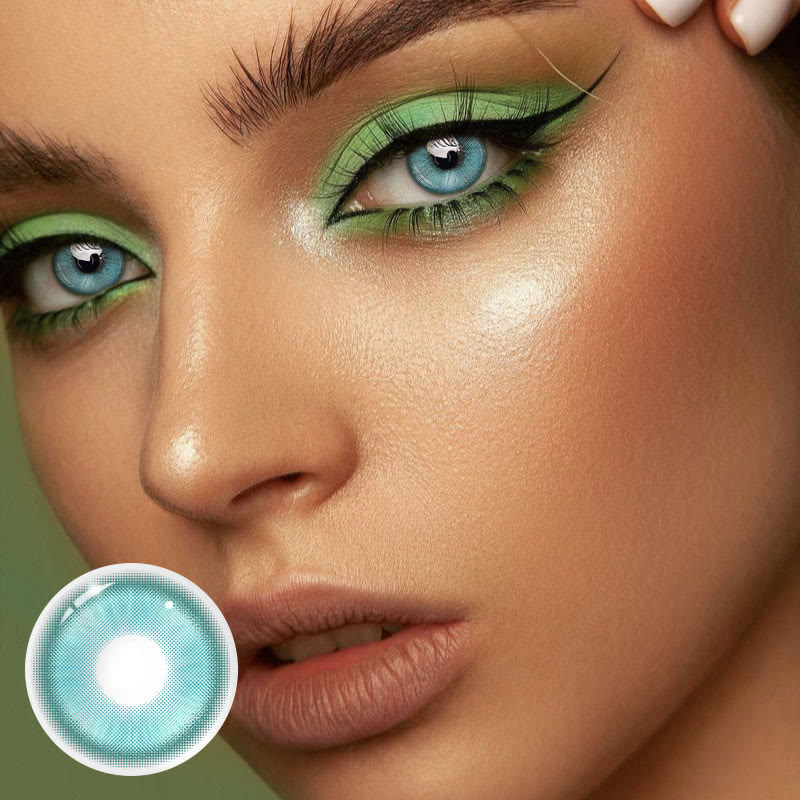
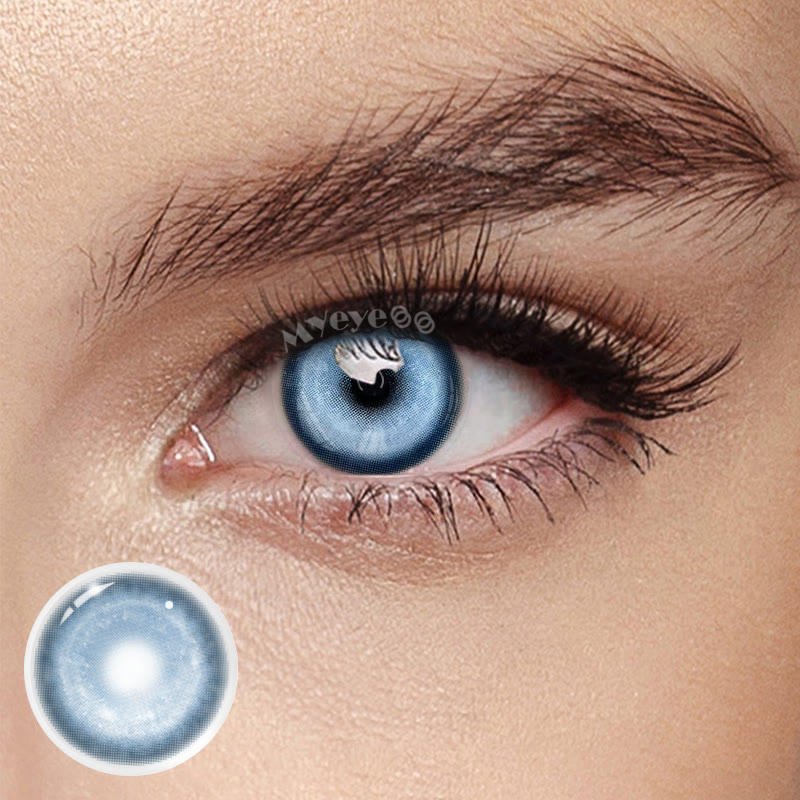
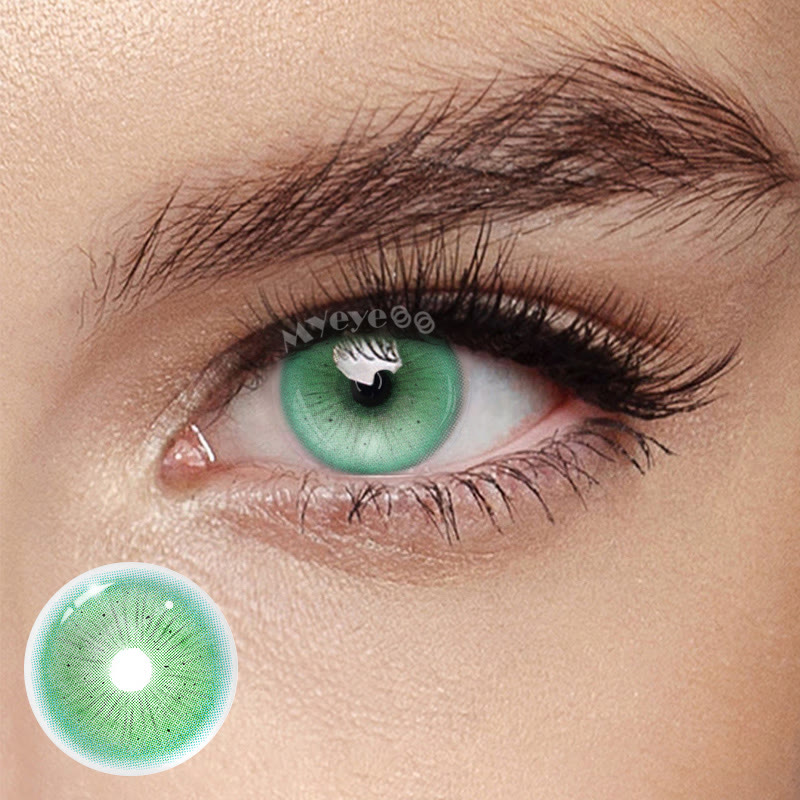
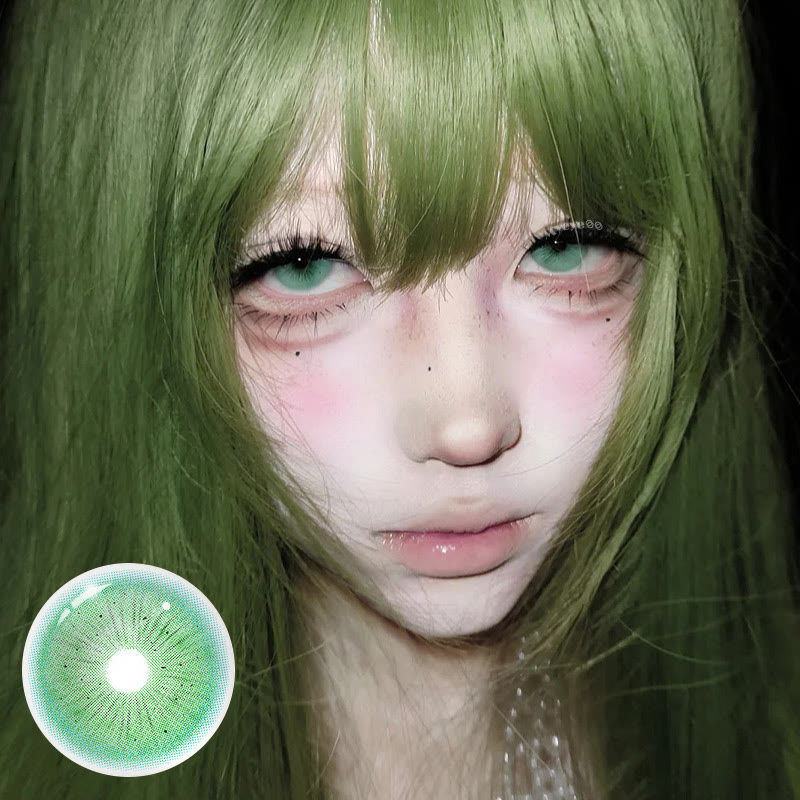
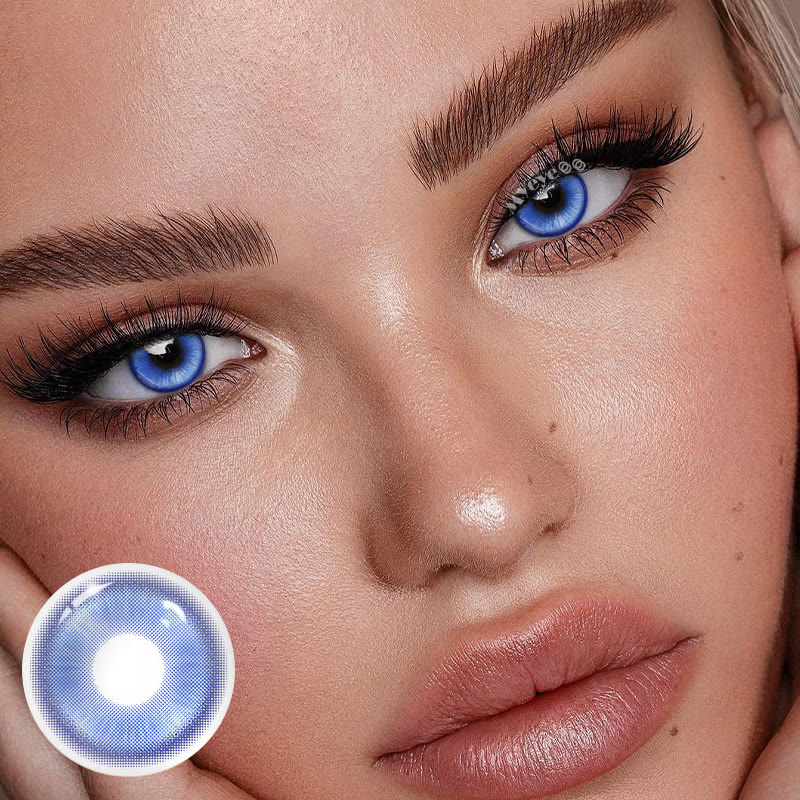
Blue, green, gray, hazel, honey, and brown lenses can work well for characters with naturally occurring eye colors. They are also useful for costumes where you want the eyes to complement the makeup and clothing without becoming the main visual focus.
For a softer effect, consider:
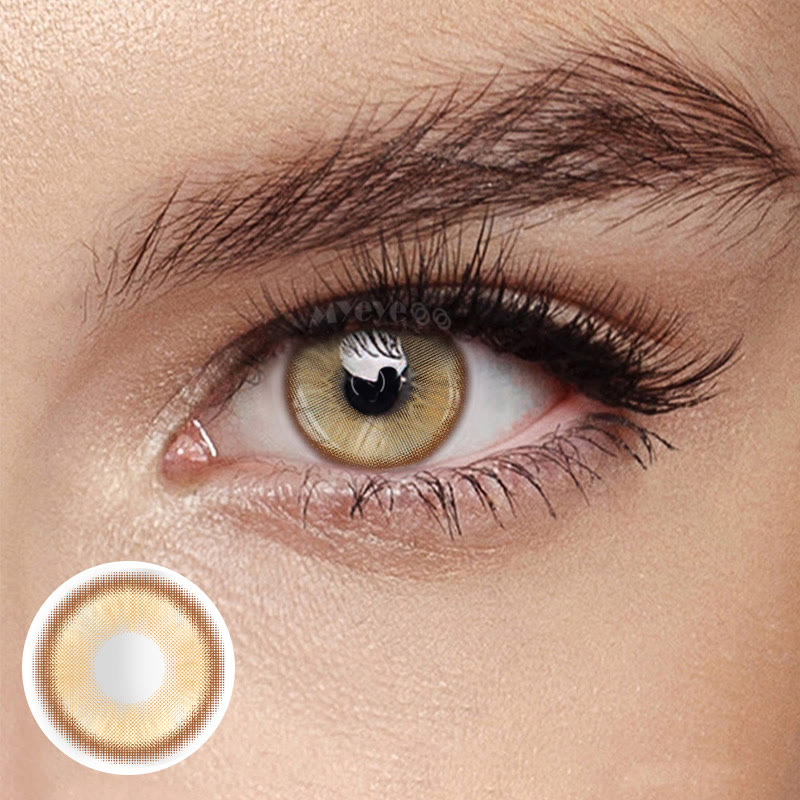
- Hazel contacts for warm, blended eye color
- Honey contacts for golden-brown tones
- Green contacts for fantasy and natural-inspired looks
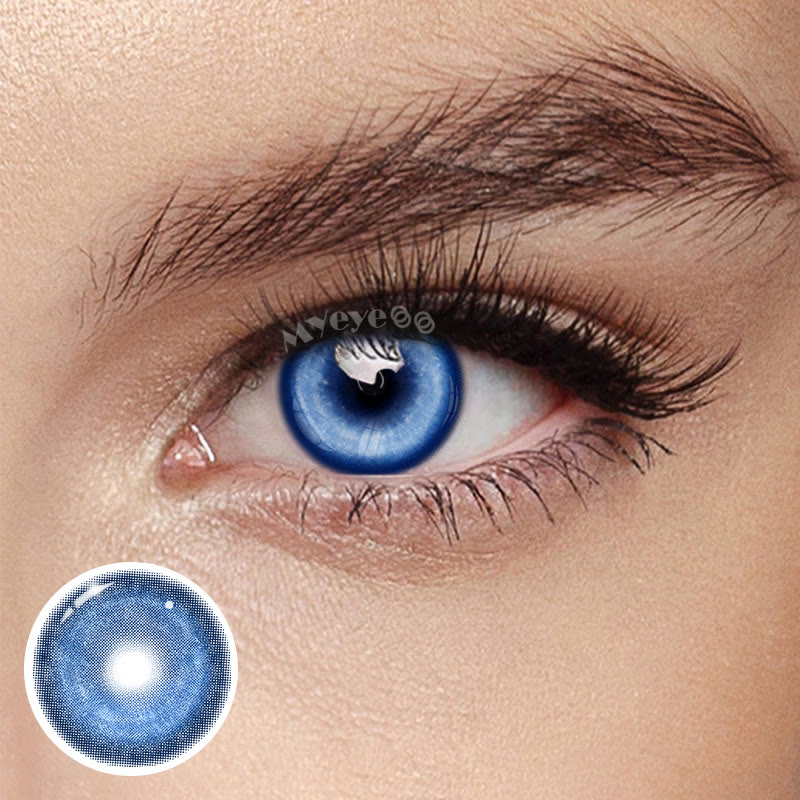
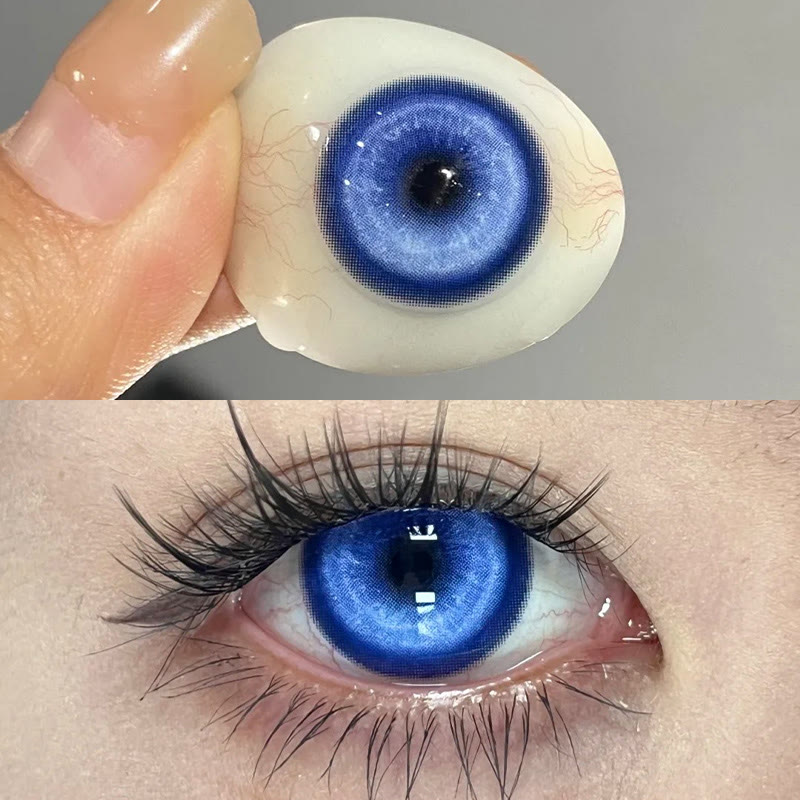
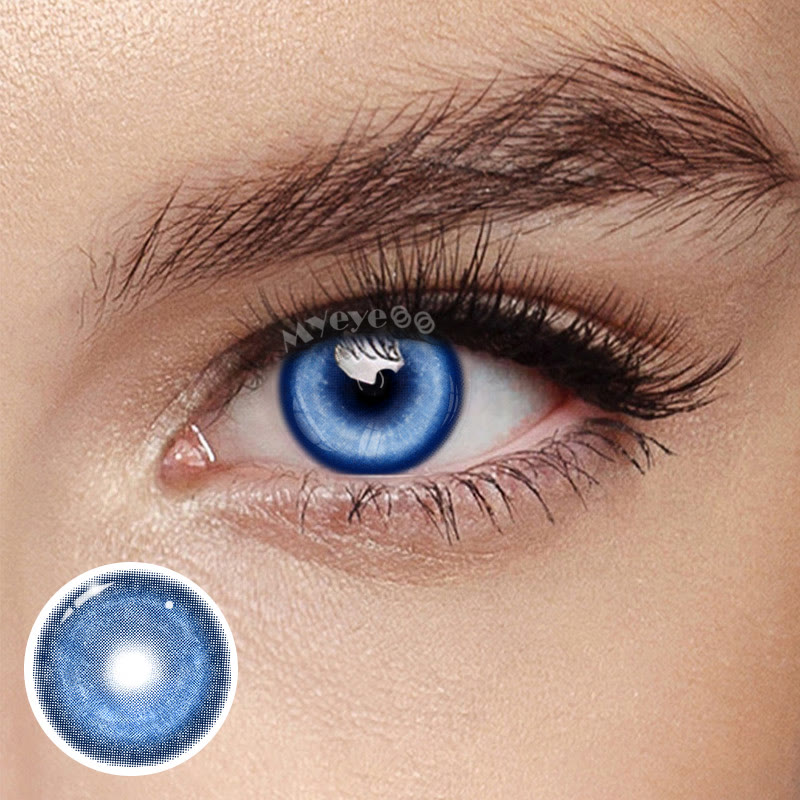
- Blue contacts for cool, bright transformations
- Gray contacts for muted and mysterious appearances
- Brown contacts for subtle changes to your natural eye color
Prescription and Plano Cosplay Contacts
Cosplay contact lenses may be available in both prescription and plano (non-prescription) versions. However, availability depends on the specific lens design and manufacturer.
If you need vision correction, don't assume that a cosmetic lens can simply replace your regular prescription contacts. Check whether the exact design is available in your required prescription strength.
Even plano cosmetic lenses require appropriate fitting and care. In the United States, contact lenses are medical devices, so purchasing them from a legitimate source and following professional eye-care guidance is important.
How to Choose Cosplay Contacts Safely
A dramatic eye effect should never come at the expense of eye health. Before purchasing cosplay contacts, consider the following:
Check the source: Purchase from a legitimate seller rather than an unknown marketplace or unverified individual.
Verify the lens information: Look for clear information about material, diameter, base curve, wearing schedule, and available prescriptions.
Get a proper fitting: Contact lenses should fit your eyes correctly, even when they are used only for cosmetic purposes.
Follow the recommended wearing time: Do not wear lenses longer than instructed.
Use appropriate lens solution: Follow the manufacturer's cleaning and storage instructions and never share contact lenses with another person.
Replace lenses as directed: A lens designed for limited use should not be worn beyond its recommended replacement schedule.
With the right color, pattern, and coverage, cosplay contacts can become an important part of your costume design. Whether you're creating a subtle fantasy look or a dramatic supernatural transformation, choosing the right lens style can help bring your character concept to life while keeping eye care a priority.
Complete Safety and Care Guide for Costume Contacts
Pre-Wear Preparation: Soaking and Cleaning
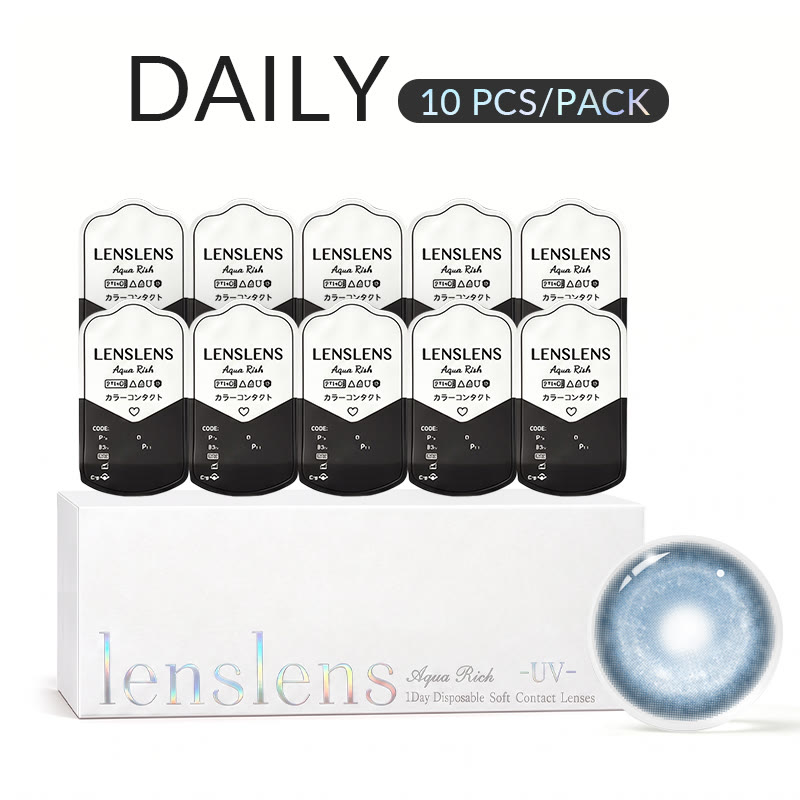
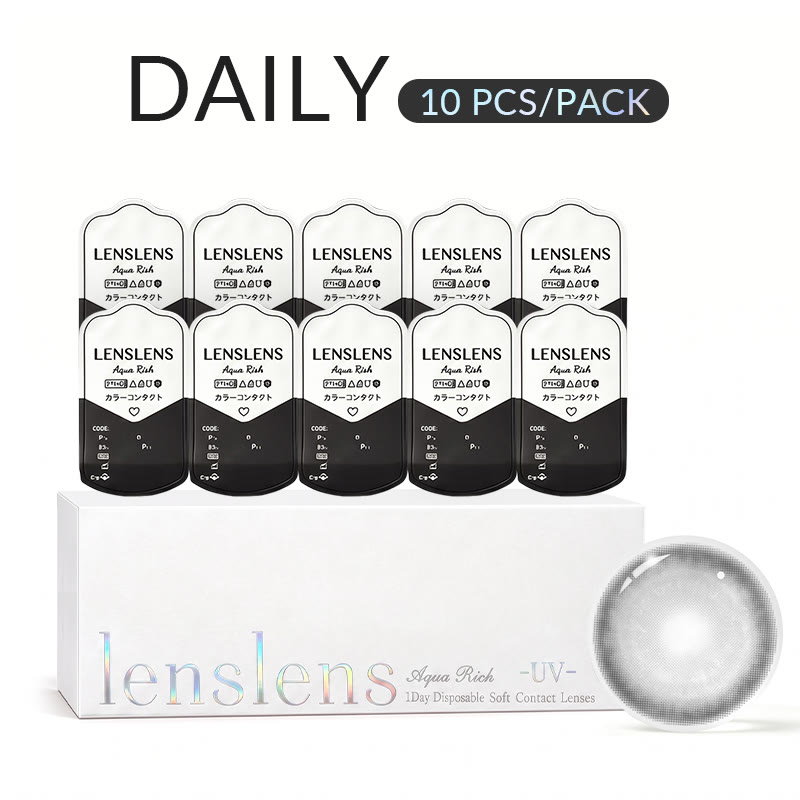
Reusable colored contacts prescription lenses require proper preparation before first wear. Soak your lenses for at least 4 to 6 hours in fresh multipurpose solution to ensure complete disinfection. Hydrogen peroxide-based systems demand a full 6-hour neutralization period before insertion. Never skip this step. Unneutralized peroxide can cause severe burning and corneal damage. Daily disposable fda approved cosplay contacts eliminate this step. They come pre-sterilized in blister packs.
Proper Insertion and Removal Techniques
Wash your hands really well with soap and water for at least 20 seconds before handling your halloween eye contacts. Dry hands with a lint-free towel to prevent fiber transfer. Check each lens for tears, chips, or debris before insertion. Place the contact on your index fingertip and verify it isn't inside out by looking at its shape. Pull your lower eyelid down with your middle finger while holding the upper lid toward your eyebrow. Look upward for removal, slide the lens down to the white of your eye, and gently pinch it between your thumb and index finger.
Daily Cleaning with Eye-Safe Solution
Rub each lens for 15 to 20 seconds on both sides using multipurpose solution, never water or saliva. This mechanical rubbing removes protein deposits and bacteria that accumulate during wear. Rinse the lens with fresh solution for 5 to 10 seconds afterward to wash away loosened contaminants. Multipurpose solutions both clean and disinfect in one system. Some hydrogen peroxide systems require placing lenses in a special case with built-in neutralizers.
Storage in Sterile Lens Cases
Store your colored contacts in fresh solution after each use. Replace the solution completely rather than topping off existing solution. This prevents bacterial growth and maintains optimal lens hydration. Rinse your contact lens case with fresh solution daily and allow it to air dry face down with caps removed. Replace your lens case every 1 to 3 months to minimize bacterial contamination.
When to Replace Your Colored Contacts
Replace costume contacts according to their designated timeline starting from when you first open the package. Inspect lenses regularly for tears, nicks, protein deposits that won't clean off, or shape distortion. These deterioration signs require immediate replacement even within the approved schedule.
What to Do If You Experience Eye Discomfort
Remove your contacts right away if you experience eye irritation, burning sensation, blurred vision, excessive tearing, or redness. These symptoms may indicate lens damage, contamination, or infection. Contact your eye doctor if discomfort persists beyond removal. Serious conditions like corneal ulcers or iritis may be present.
Where and How to Purchase FDA Approved Colored Contacts
Getting Your Contact Lens Prescription
A contact lens prescription is different from eyeglass prescriptions and requires a separate exam with an optometrist or ophthalmologist. The eye exam costs between $100 and $250 when done separately. Your doctor measures your eye's curvature, size and overall health to ensure proper lens fit. The prescription has brand name, lens measurements and expiration date, with a minimum validity of one year. You still need this prescription even for plano fda approved colored contacts that don't correct vision.
Licensed Eye Care Professionals vs Illegal Sellers
Purchase your cosmetic contacts from your eye doctor, licensed optical stores or FDA-approved online retailers. Never buy from street vendors, beauty supply stores, flea markets or unknown online distributors. These unauthorized venues often sell contaminated or counterfeit products. 60% of counterfeit lenses test positive for bacterial contamination.
Online Retailers That Verify Prescriptions
Reputable online contact lens retailers typically require a valid prescription before completing an order. During checkout, you may be asked to provide your prescription details and information for your eye care professional so the prescription can be verified.
Prescription verification helps ensure that the lenses you purchase match your current vision needs and are appropriate for your eyes. In the United States, contact lenses are regulated as medical devices, so consumers should purchase lenses through legitimate sources and use a valid prescription when required.
Before ordering online, check that the retailer clearly explains its prescription verification process, lens specifications, return policy, and customer support options. If your prescription has expired or your vision has changed, schedule an eye exam before purchasing new contact lenses.
Red Flags: Identifying Illegal Contact Lens Vendors
If a seller doesn't request your prescription, they're breaking federal law. Additional warning signs have missing brand names, unlabeled packaging, no return policy or customer service contact information and unrealistic prices. Avoid any retailer that allows contact purchases without verifying your prescription.
Conclusion
FDA approved cosplay contacts deliver your desired character transformation safely if you follow proper protocols. Non-approved lenses pose severe risks. These range from painful corneal abrasions to permanent vision loss. Your costume should never compromise your eye health.
Get a valid prescription from a licensed eye care professional, even for non-corrective colored contacts. Purchase only from authorized retailers that verify prescriptions and follow proper cleaning and storage protocols. You can enjoy stunning cosplay looks without risking your vision as long as you prioritize safety with esthetics. Your eyes deserve the same protection you'd give any other aspect of your health.