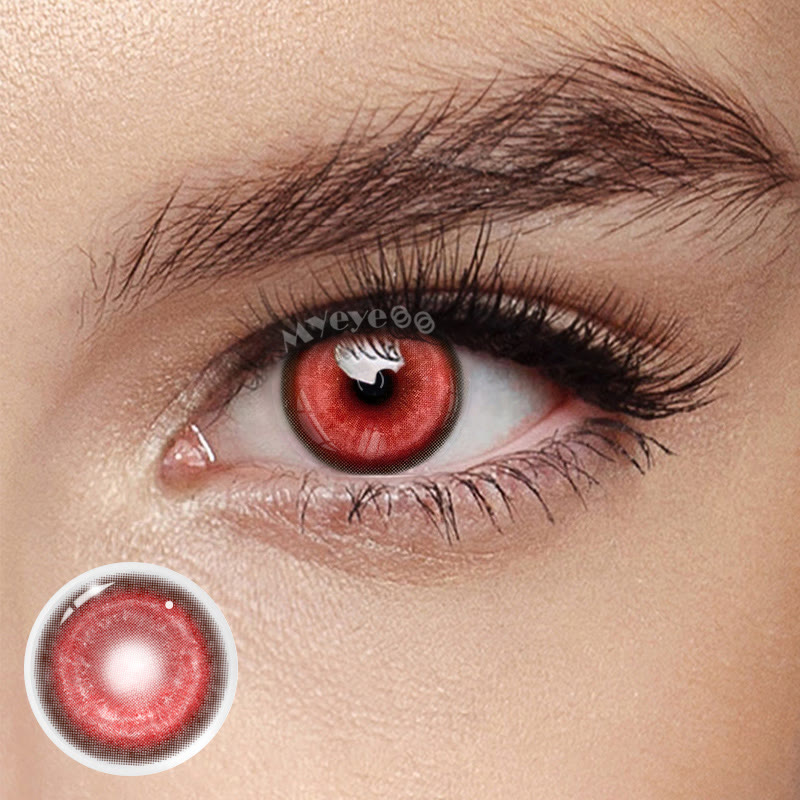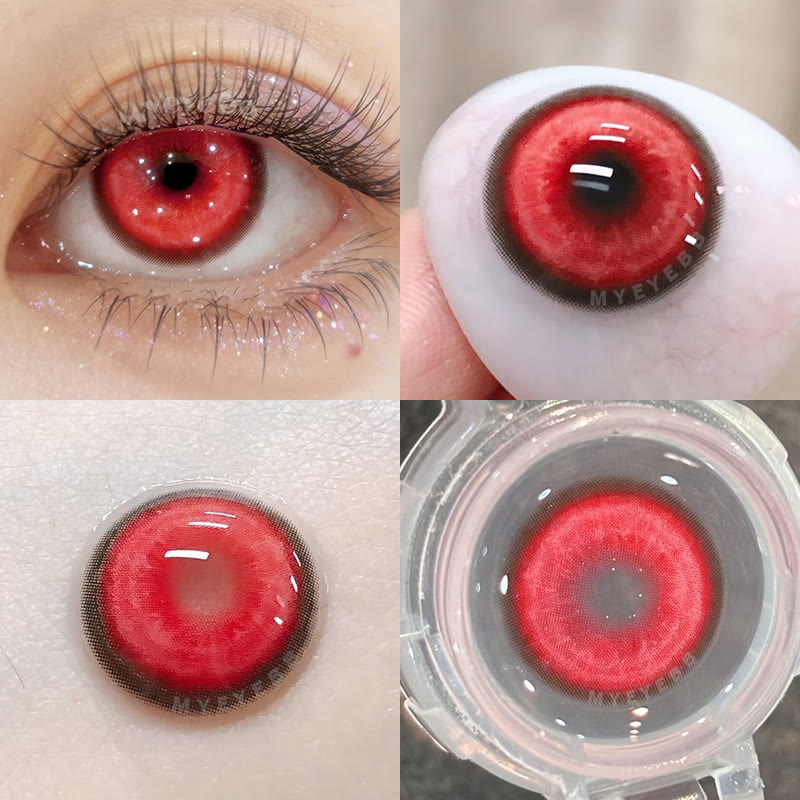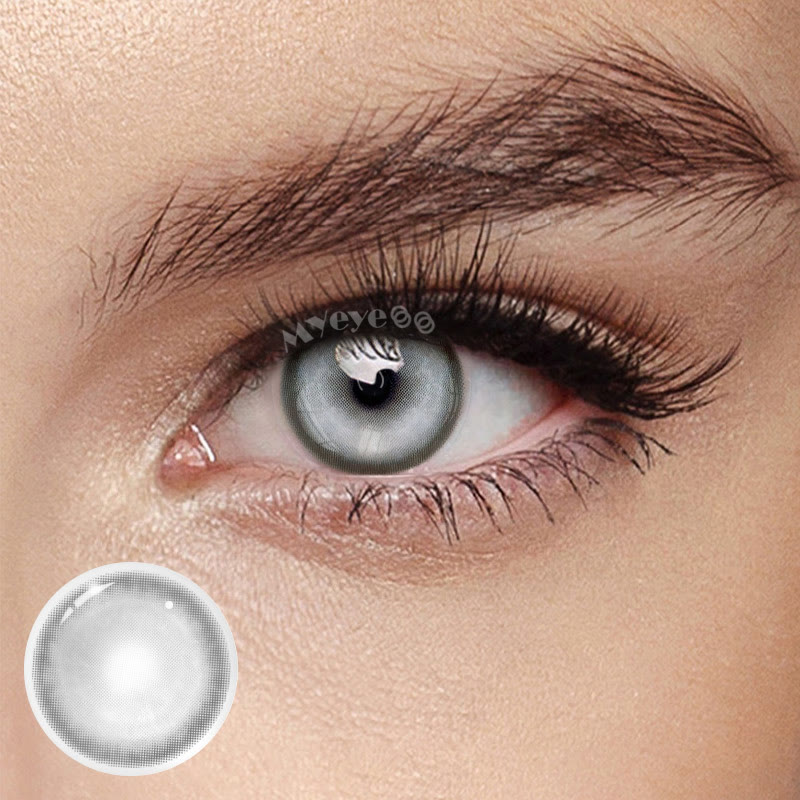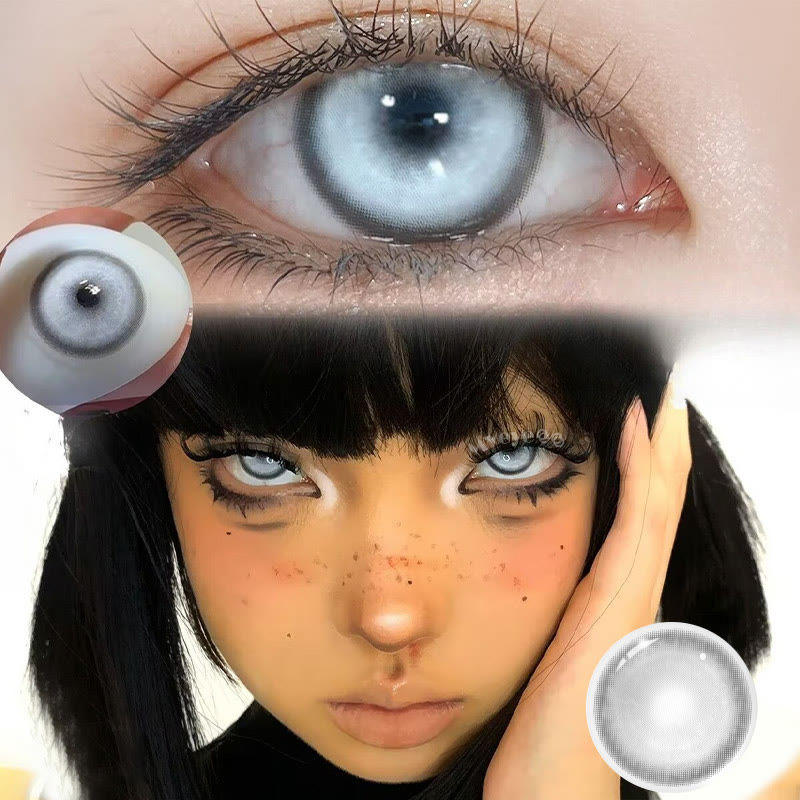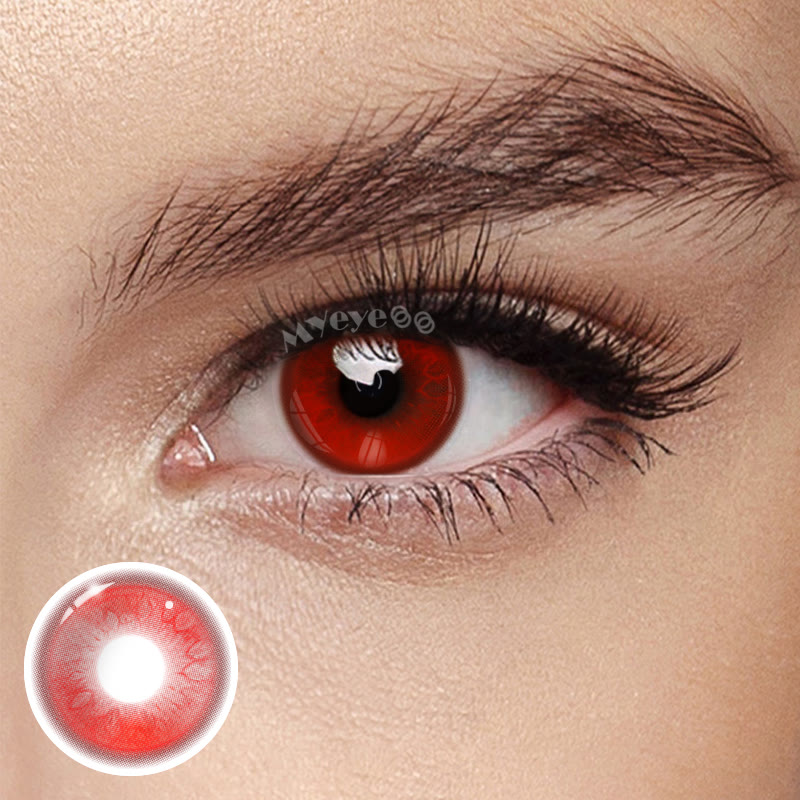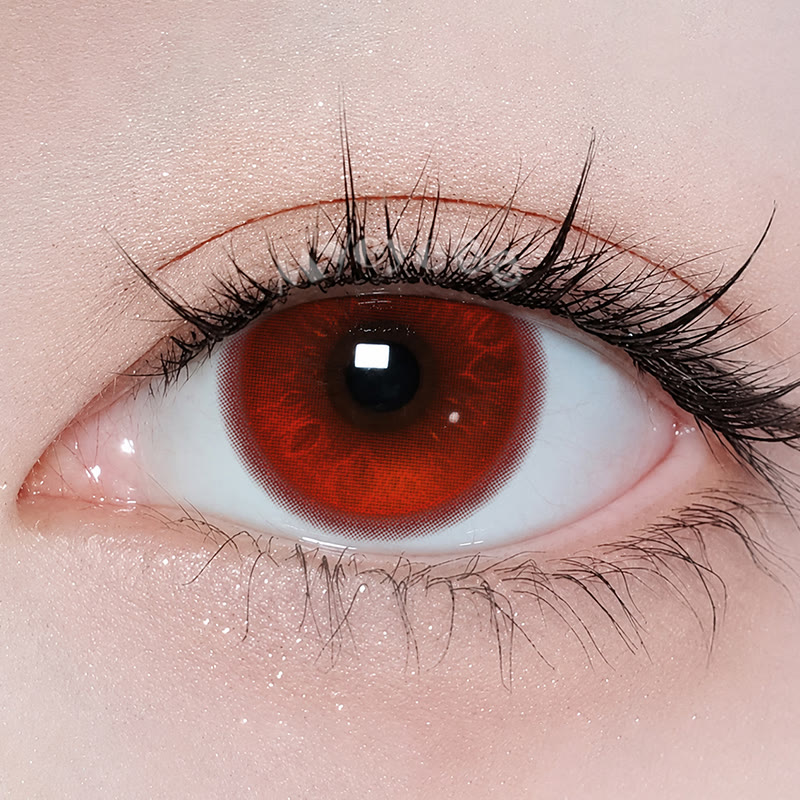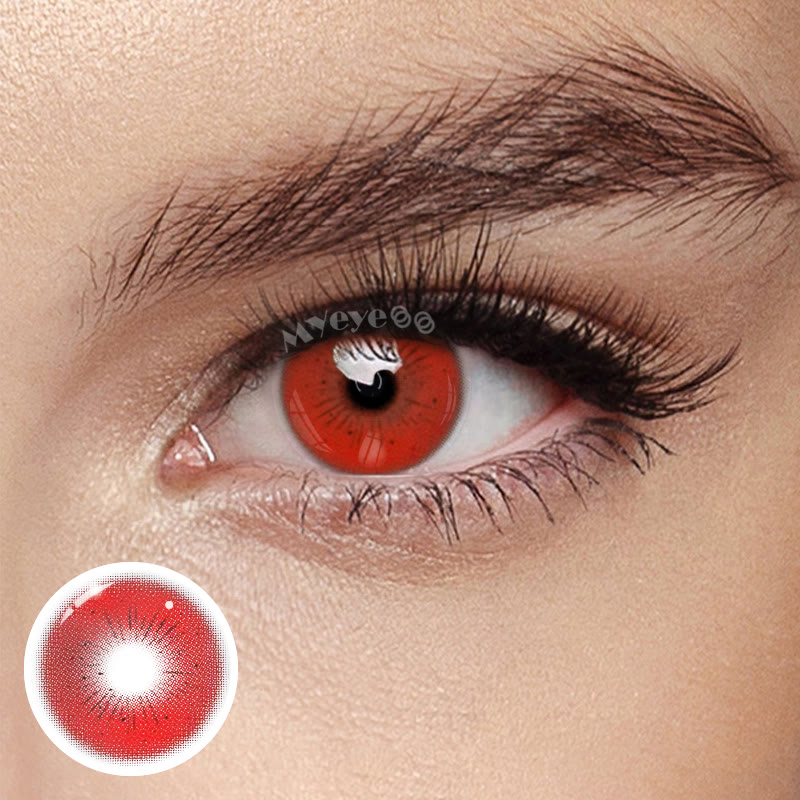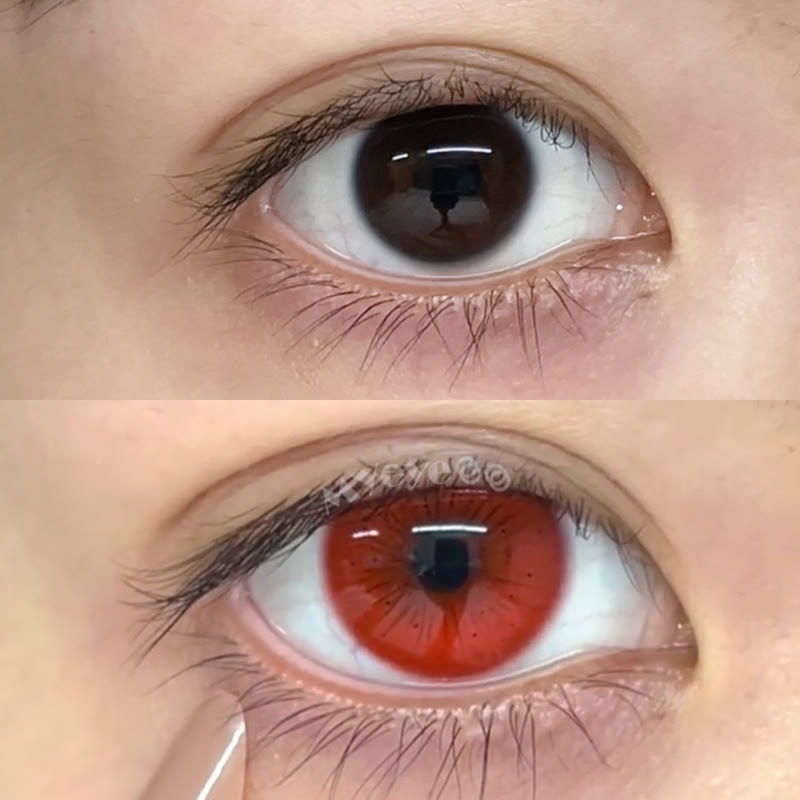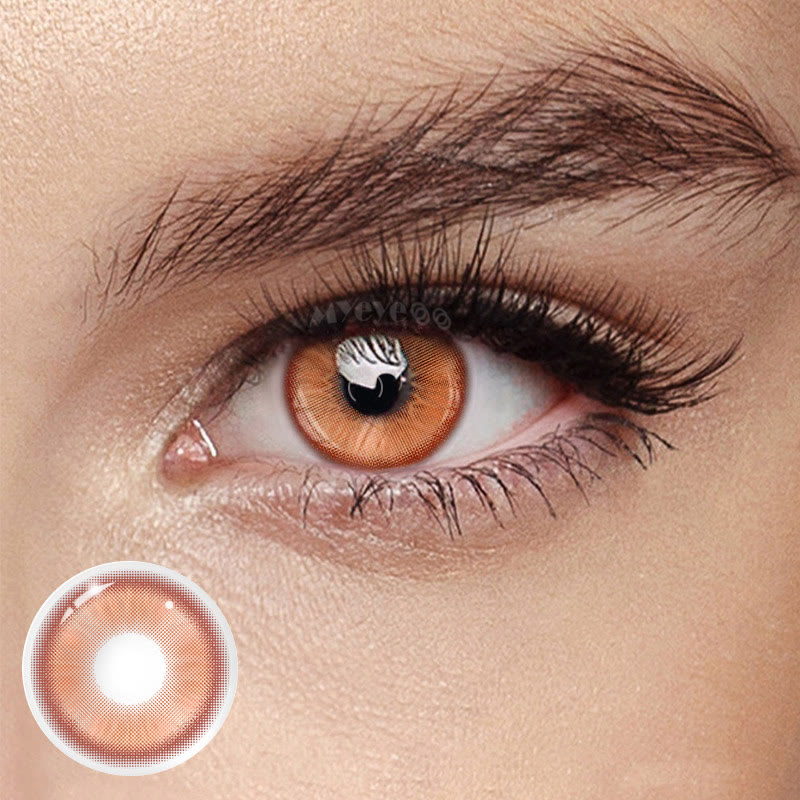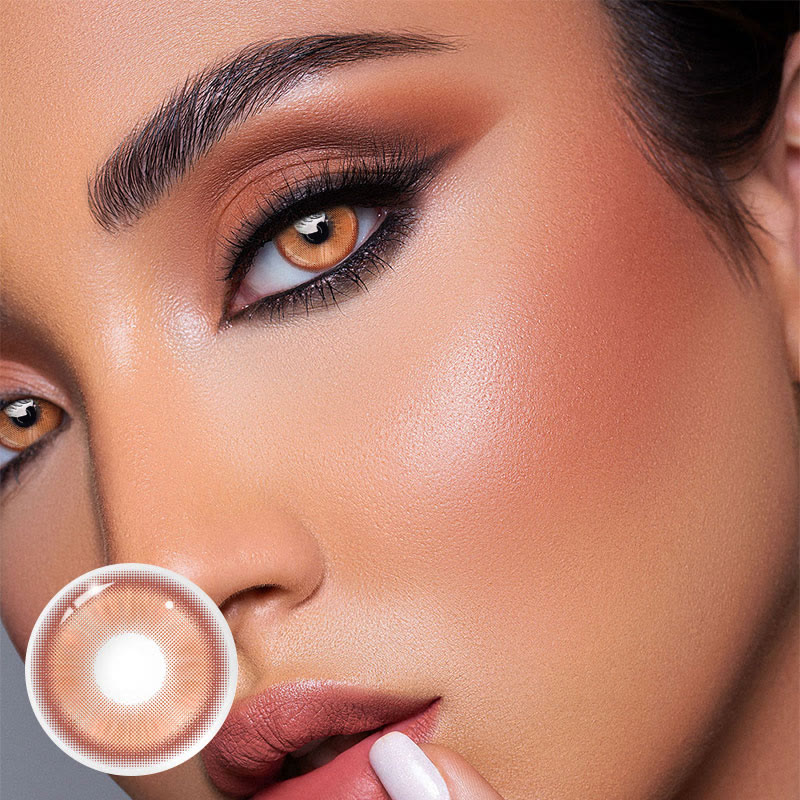


Non Prescription Colored Contacts
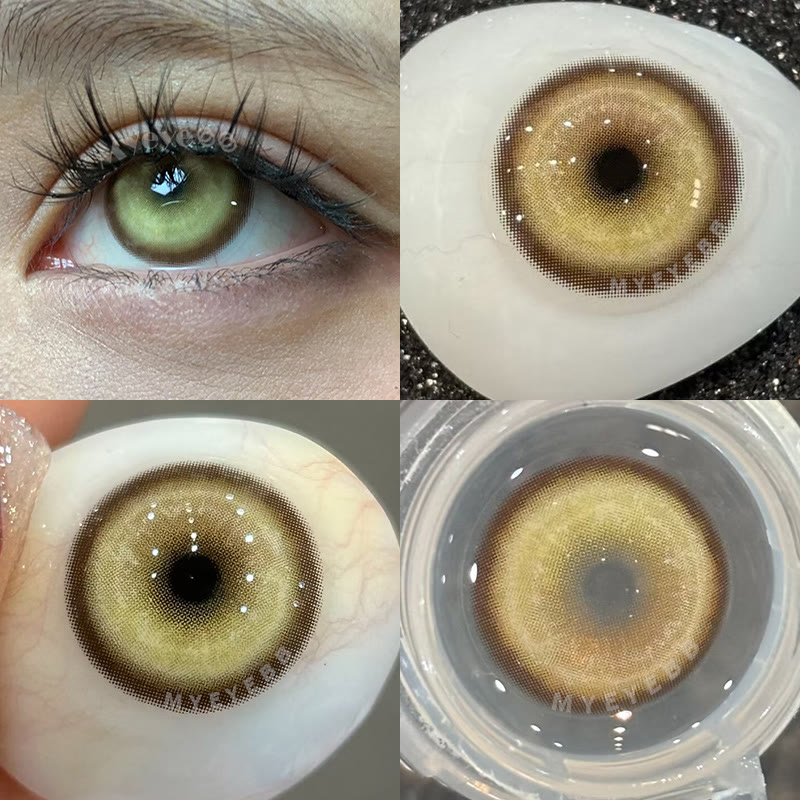
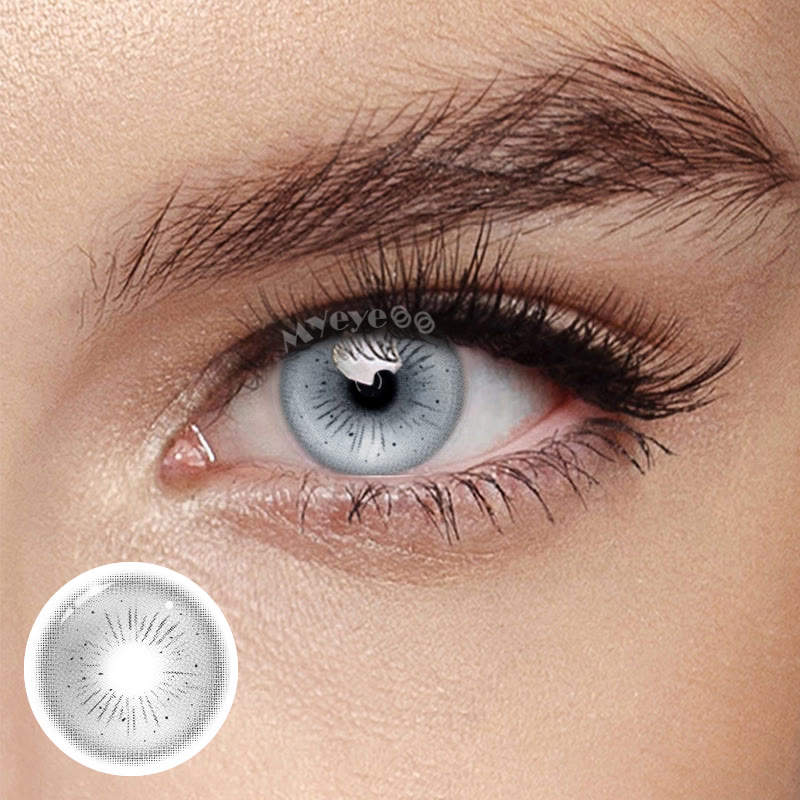
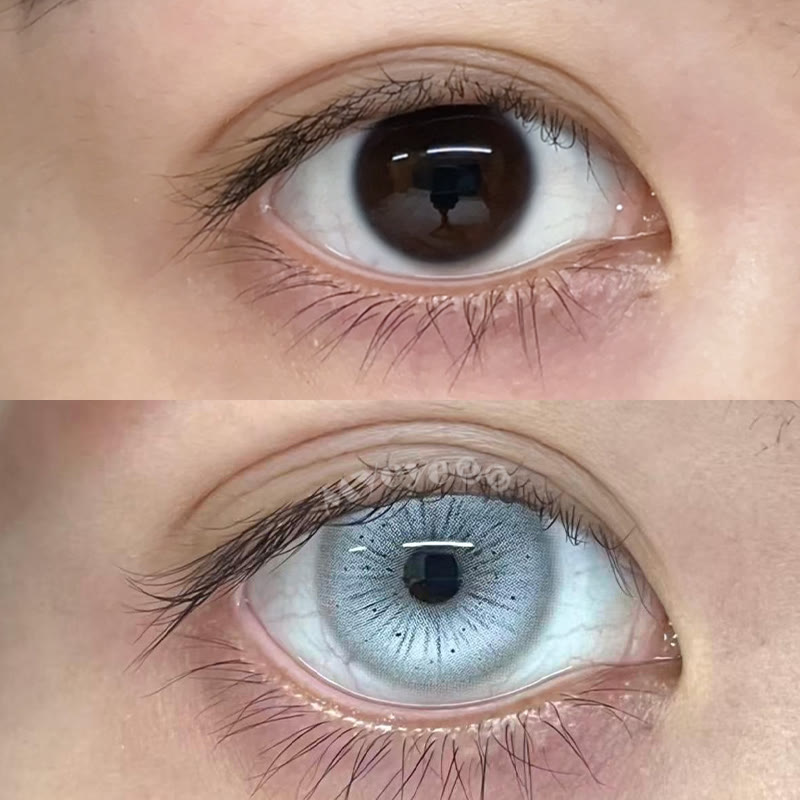
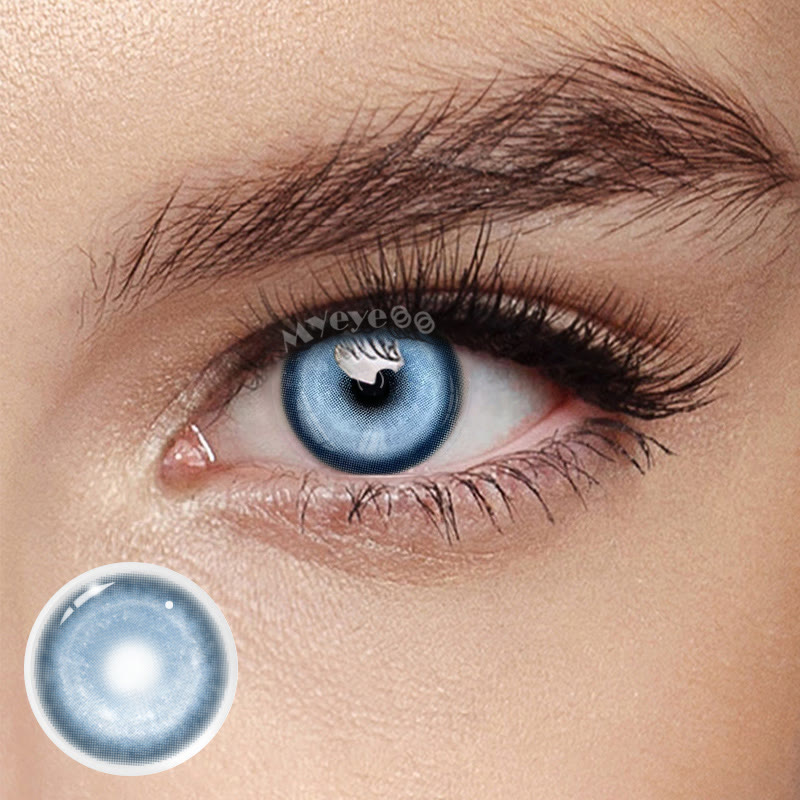
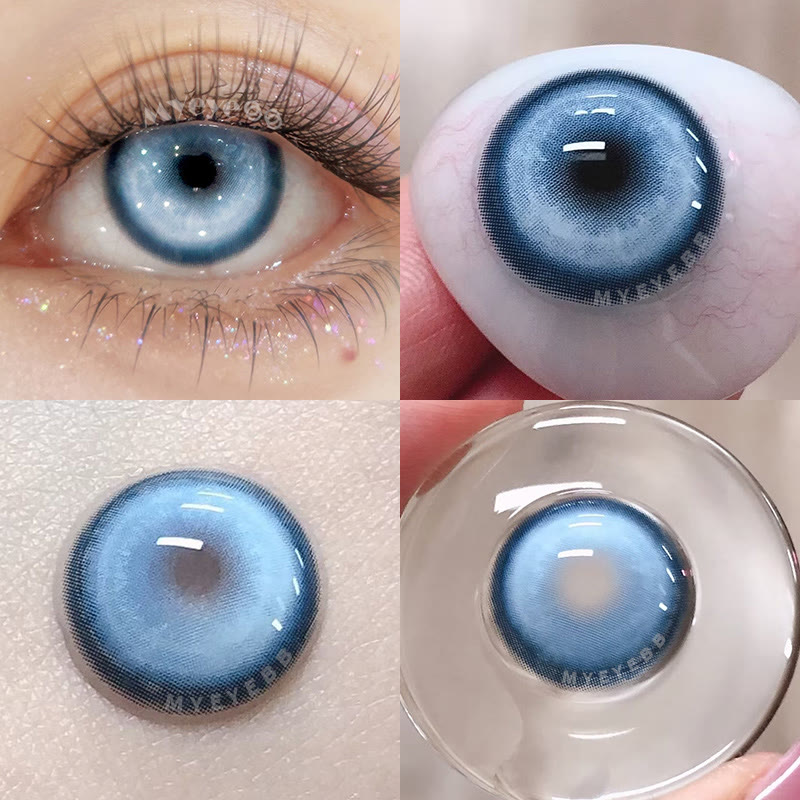
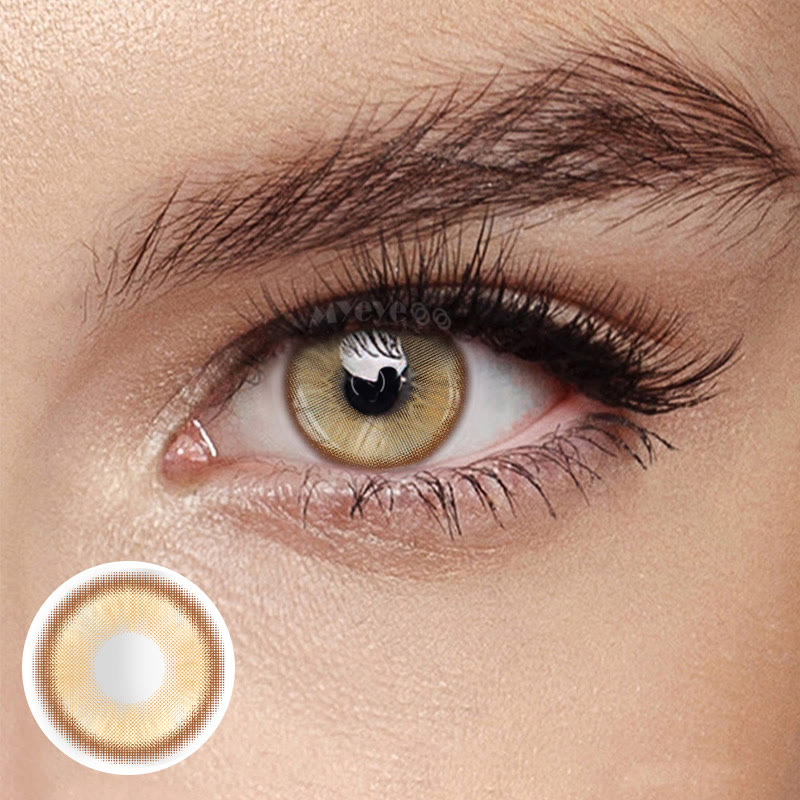
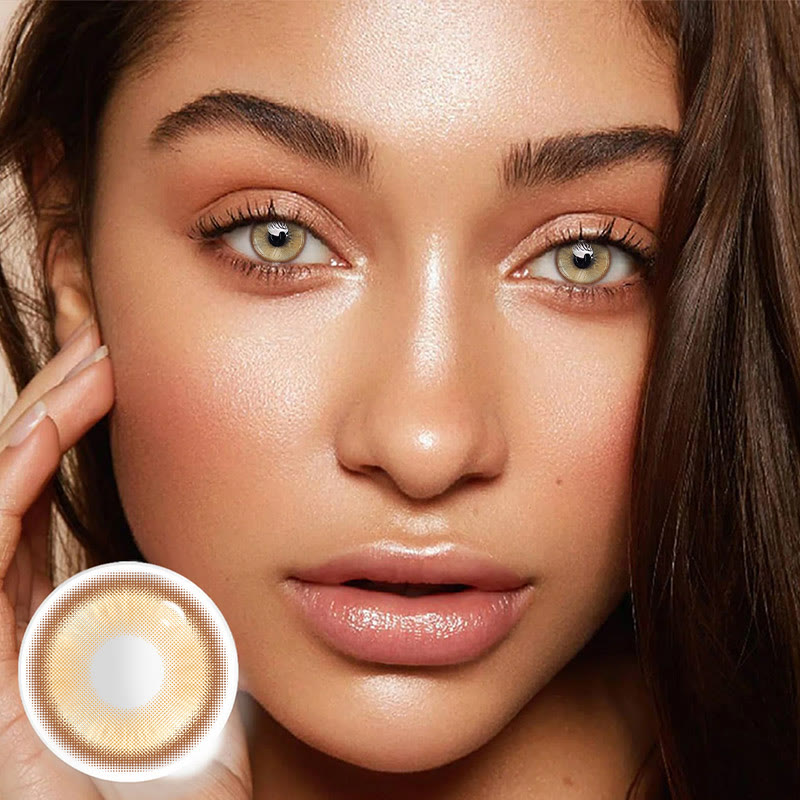
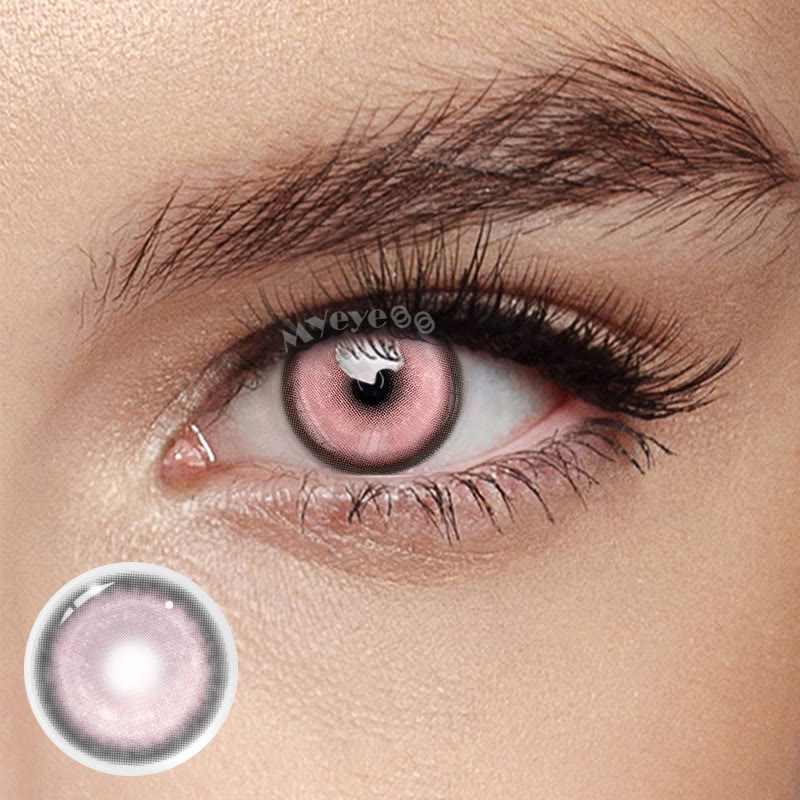
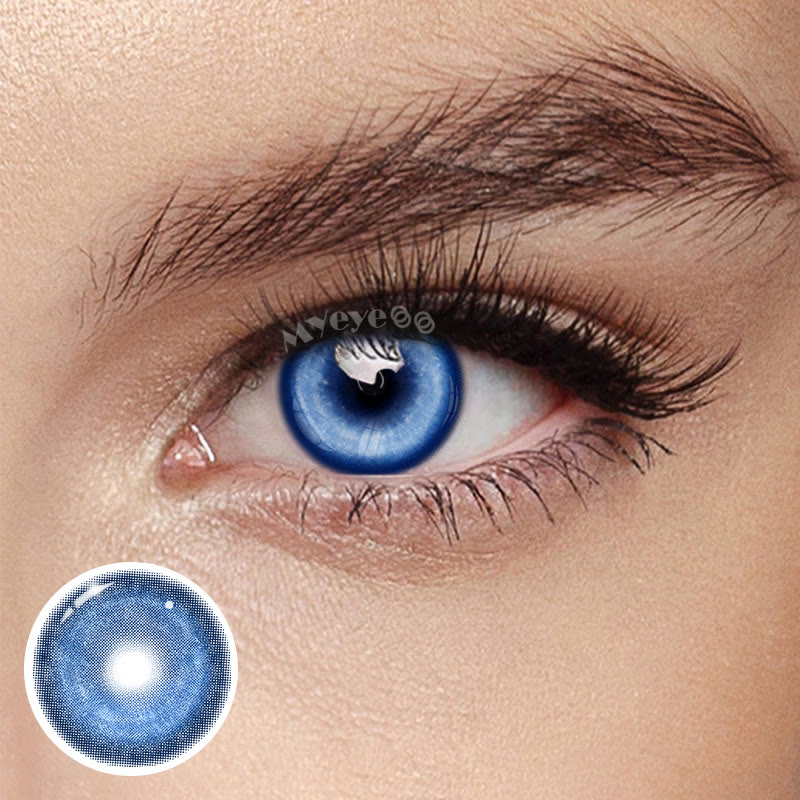
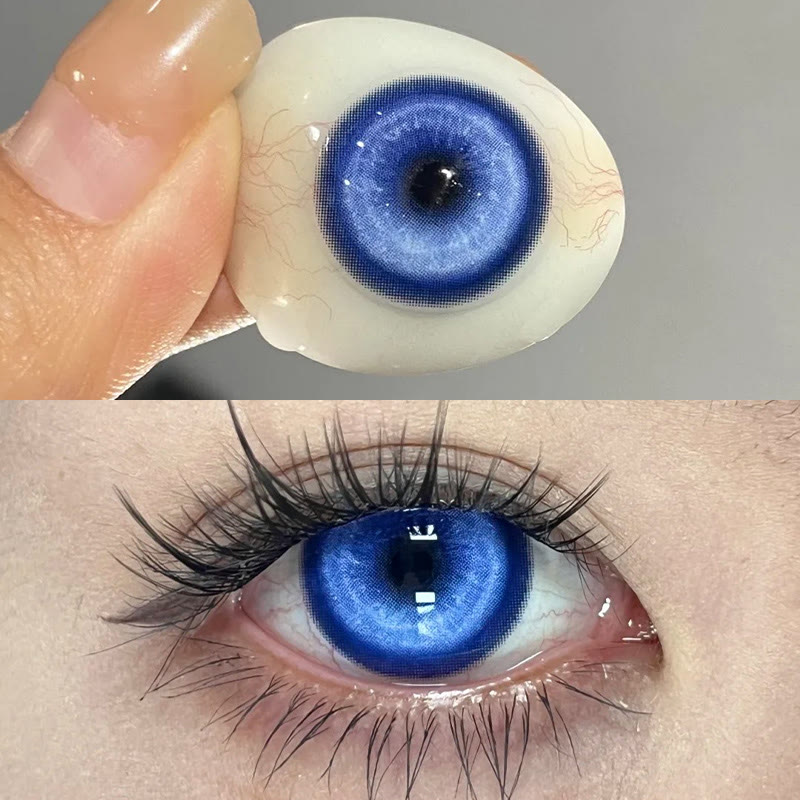
Non prescription colored eye contacts are designed purely for cosmetic purposes. You can change your eye color without correcting vision. These plano contact lenses don't require a prescription, but that doesn't mean they're risk-free. They sit directly on your eyes and must meet the same safety standards as prescription contacts.
Are non prescription colored contact lenses safe to wear? Where you buy them and how you use them determines the answer. This piece will walk you through what makes colored contacts safe, where to buy legitimate lenses online, and how to wear them without damaging your eyes.
What are non prescription colored eye contacts?
Cosmetic contact lenses vs prescription lenses
The U.S. Food and Drug Administration classifies all contact lenses as medical devices, whatever their purpose for vision correction. This means cosmetic contact lenses fall under the same regulatory framework as prescription lenses, even though they serve different purposes.
Prescription colored contacts contain corrective power to address refractive errors like nearsightedness or farsightedness. They adjust how light enters your eye and improve visual clarity while changing your eye color. Cosmetic lenses contain zero corrective power. They sit on the surface of your eye and alter its visible color without affecting how you see.
Both types must meet similar safety standards. High-quality cosmetic lenses undergo the same manufacturing processes, quality controls and safety certifications as their prescription counterparts. The key difference lies in the optical zone, not the safety requirements or material quality.
You cannot purchase either type without a valid prescription from a licensed eye care professional. Decorative lenses are not one size fits all. An eye doctor must measure each eye to determine proper fit and assess how your eyes respond to contact lens wear. Places that sell these lenses without asking for a prescription break federal law.
Plano contact lenses explained
Non prescription colored lenses are referred to as plano lenses or zero-power lenses. The term "plano" comes from the Latin word meaning "flat". Plano indicates the lens has no corrective power in technical terms, labeled with a value of 0.00 diopters.
The sphere (SPH) section shows the corrective power when you look at a contact lens prescription. Plano appears in this field when no vision correction is needed. These lenses maintain your natural vision without any optical adjustment.
The manufacturing process for plano lenses requires careful attention to design engineering. Pigments are encapsulated between polymer layers to prevent leaching. This encapsulation keeps color particles from touching your eye or breaking down during wear. Materials undergo impact and scratch testing to ensure durability and comfort.
Quality control focuses on smooth surfaces and comfortable edges. Fit and surface quality still determine comfort and safety, even though these lenses don't correct vision. Some products require specific solutions to protect tints, making proper care similar to standard prescription lens maintenance.
Common uses: cosplay, Halloween, and everyday wear
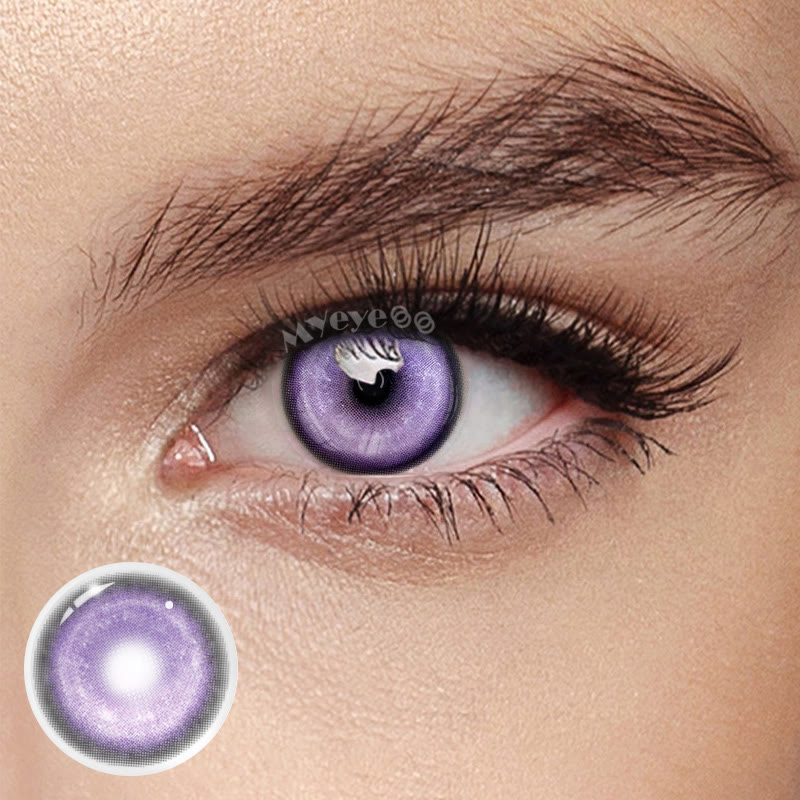
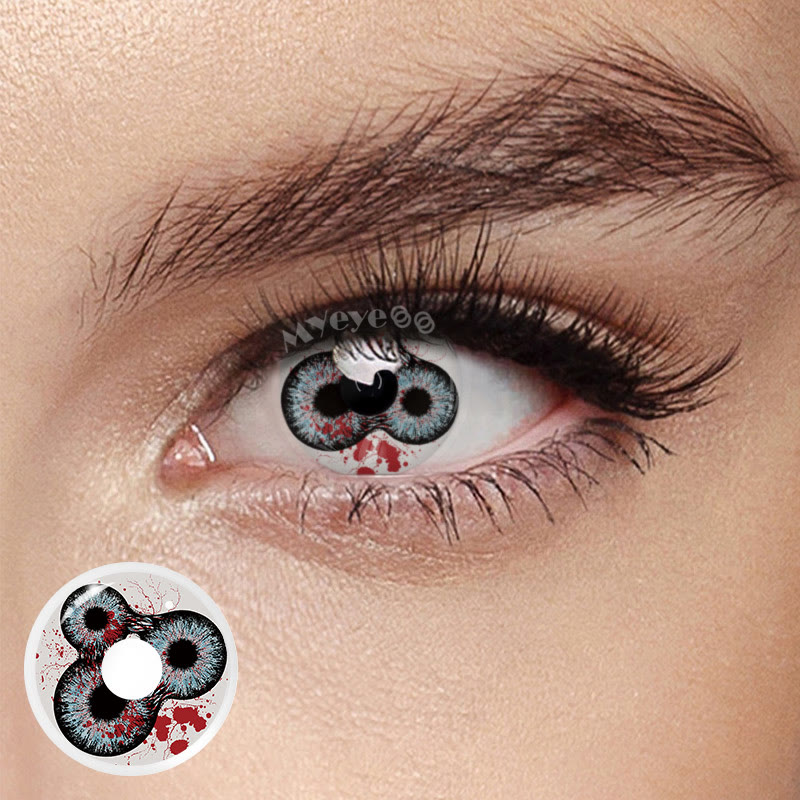
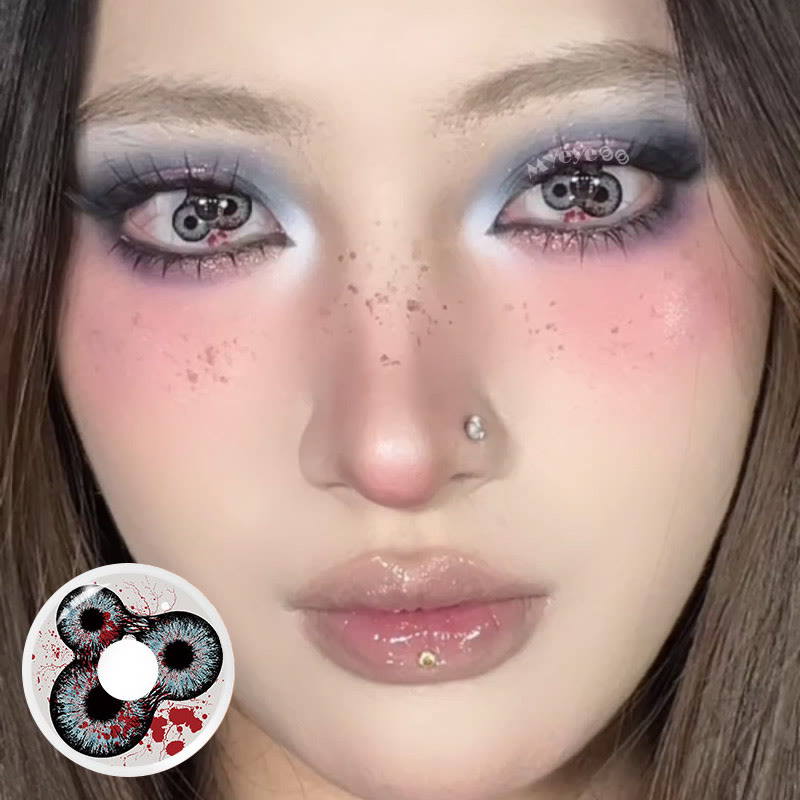
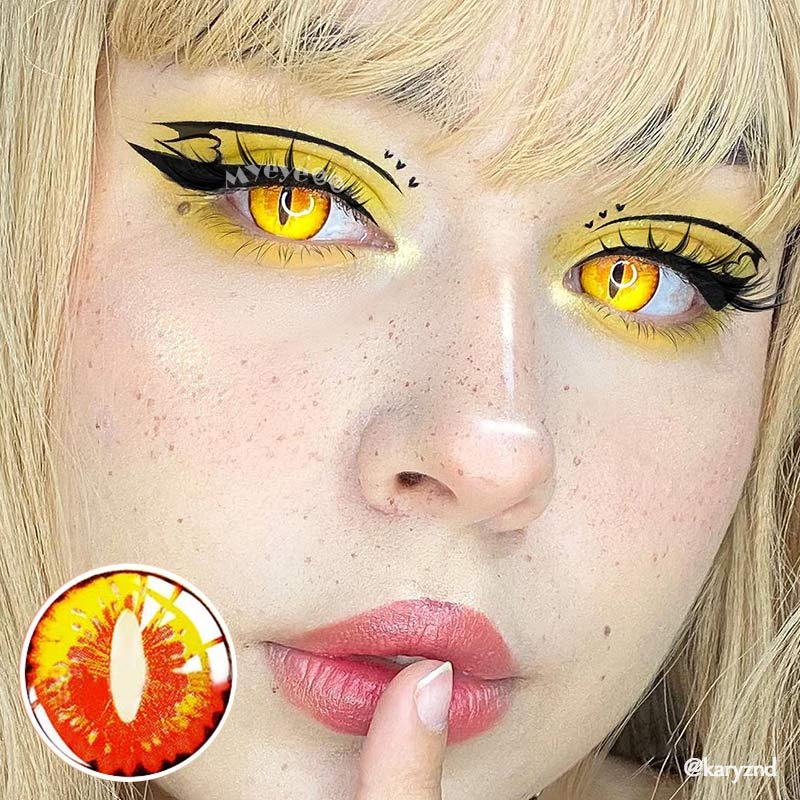
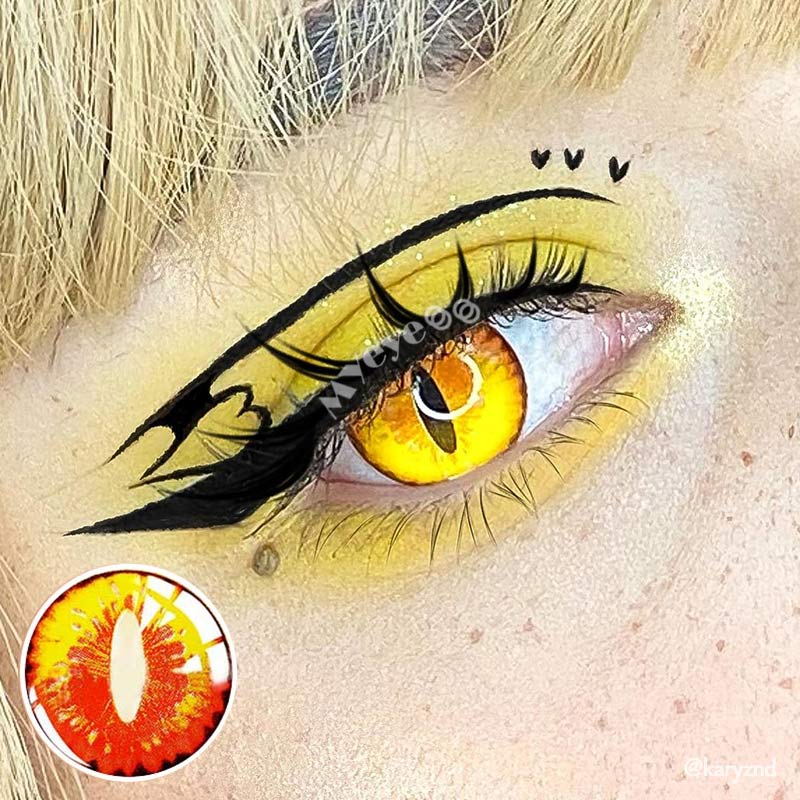
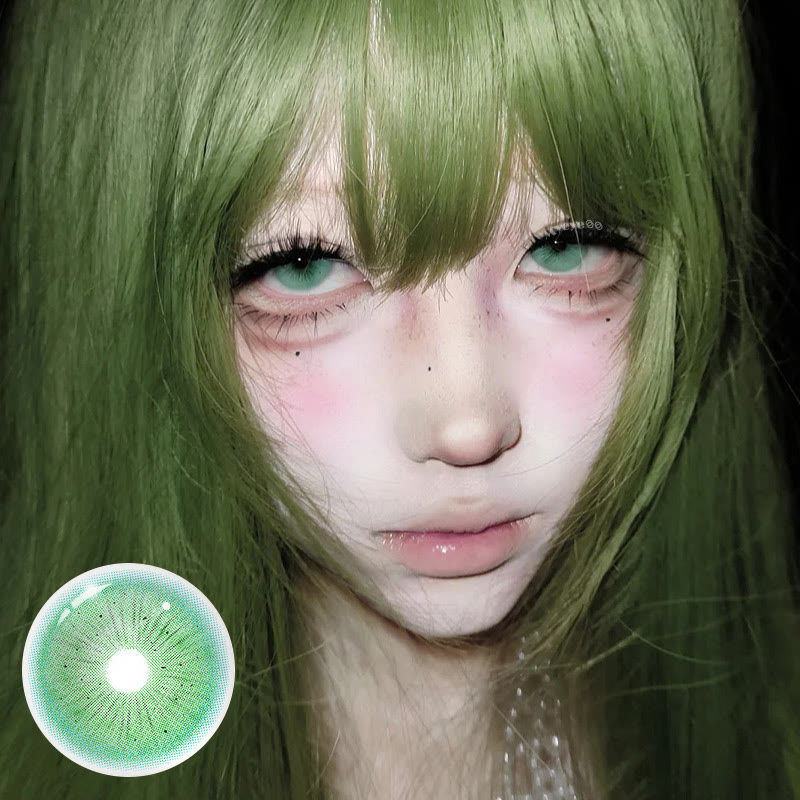
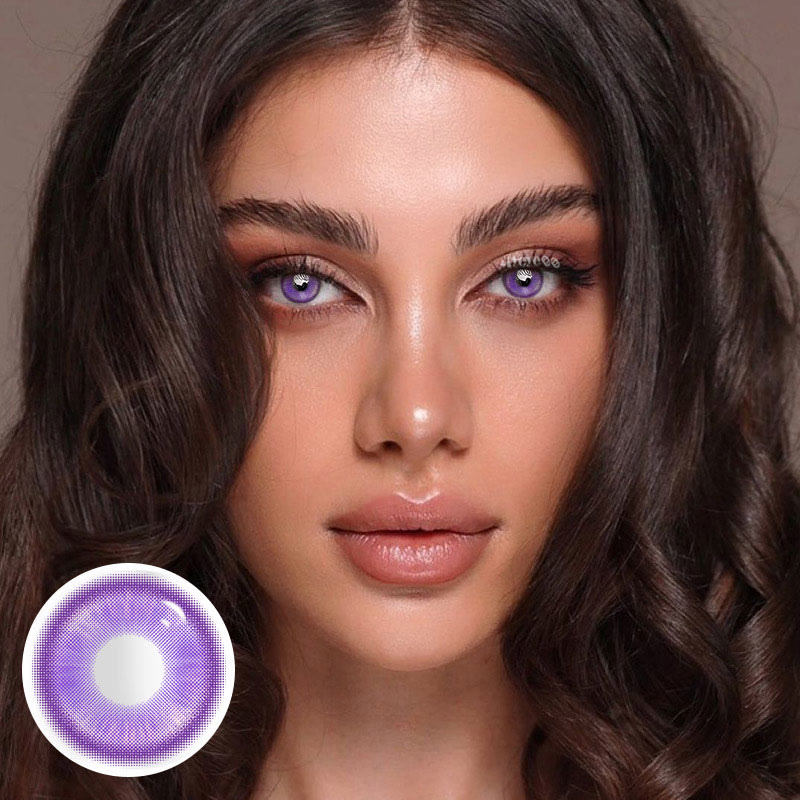
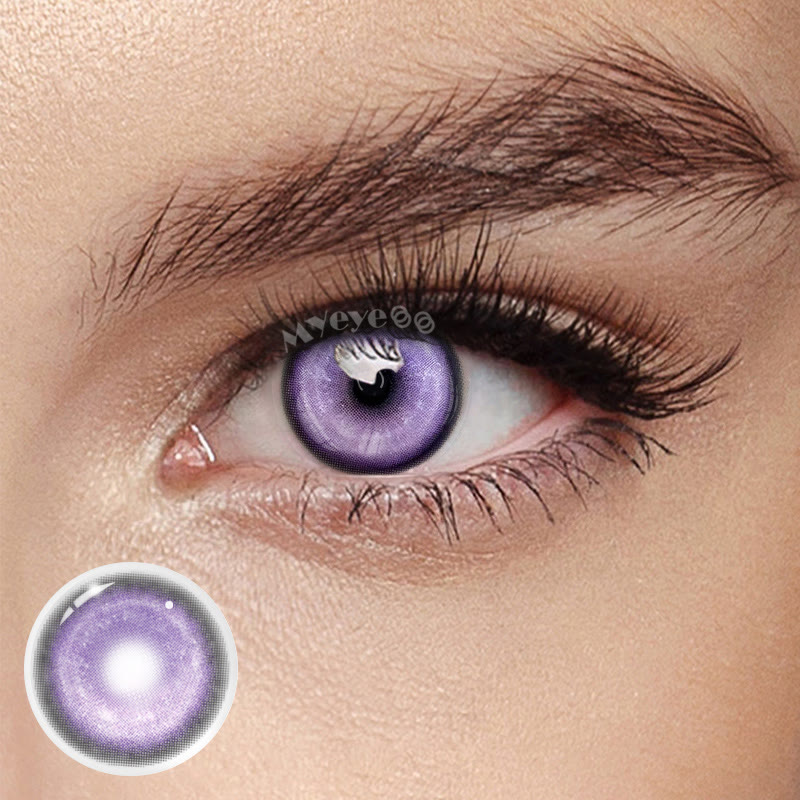
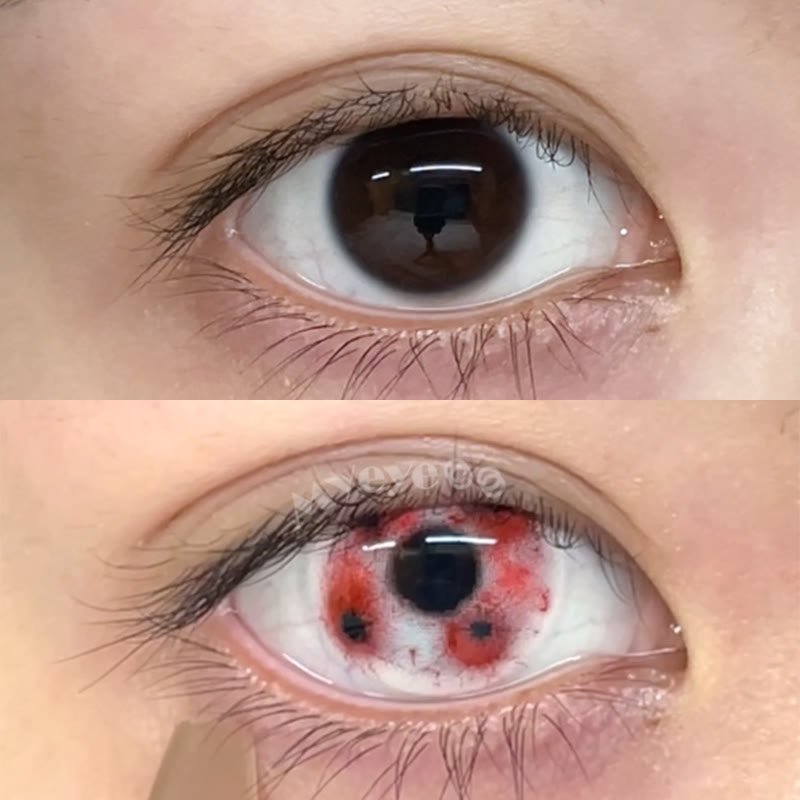
Cosplay enthusiasts rely on colored contacts to replicate fictional characters. Dramatic colors such as violet, bright blue or unusual designs transform costumes and make character portrayals more authentic. Exact eye color details matter especially when cosplaying anime characters, where eye design plays a central role in character identity.
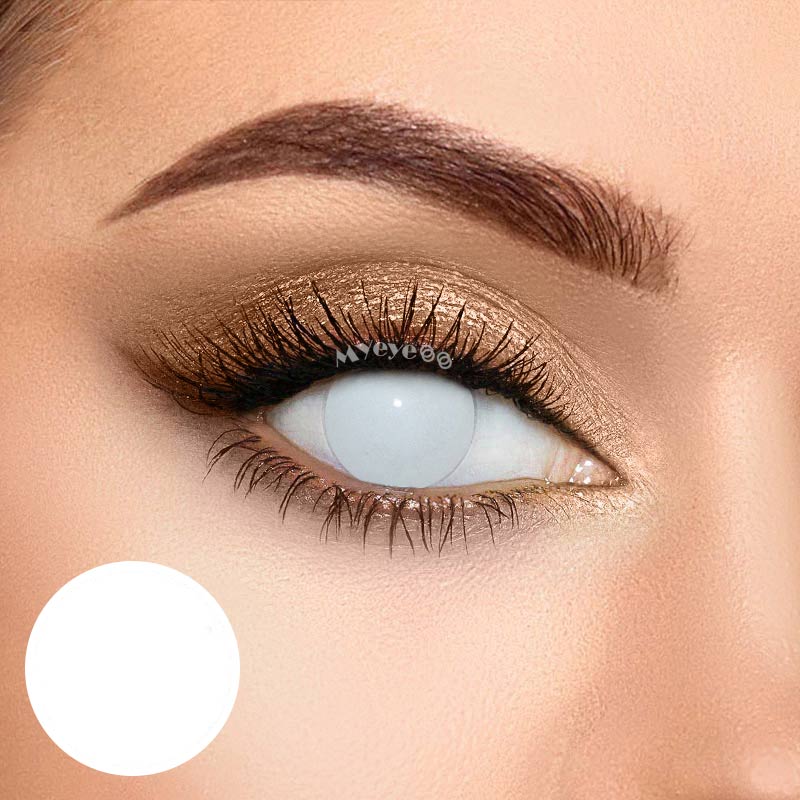
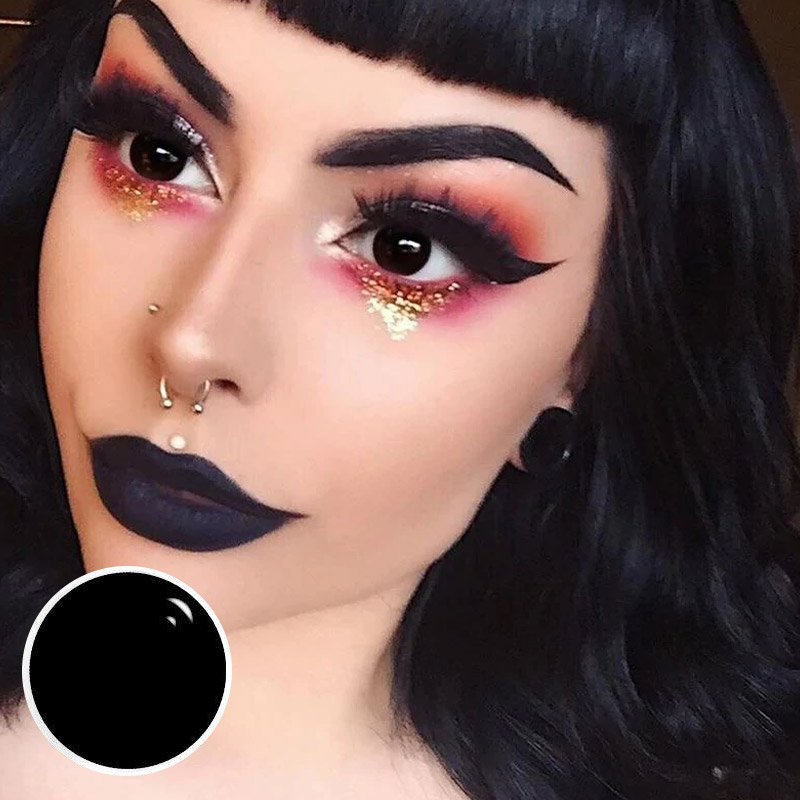
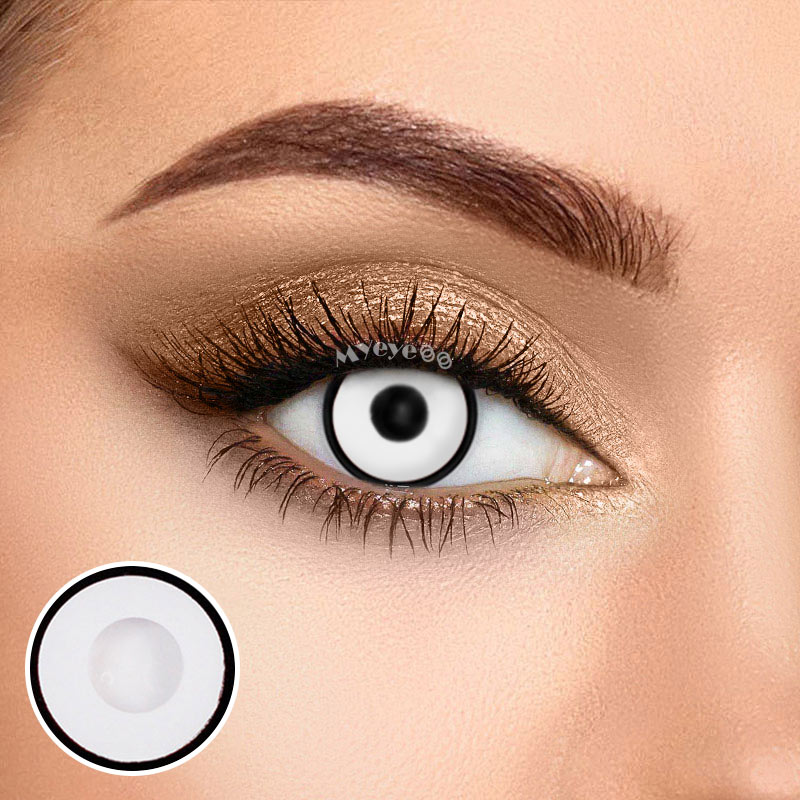
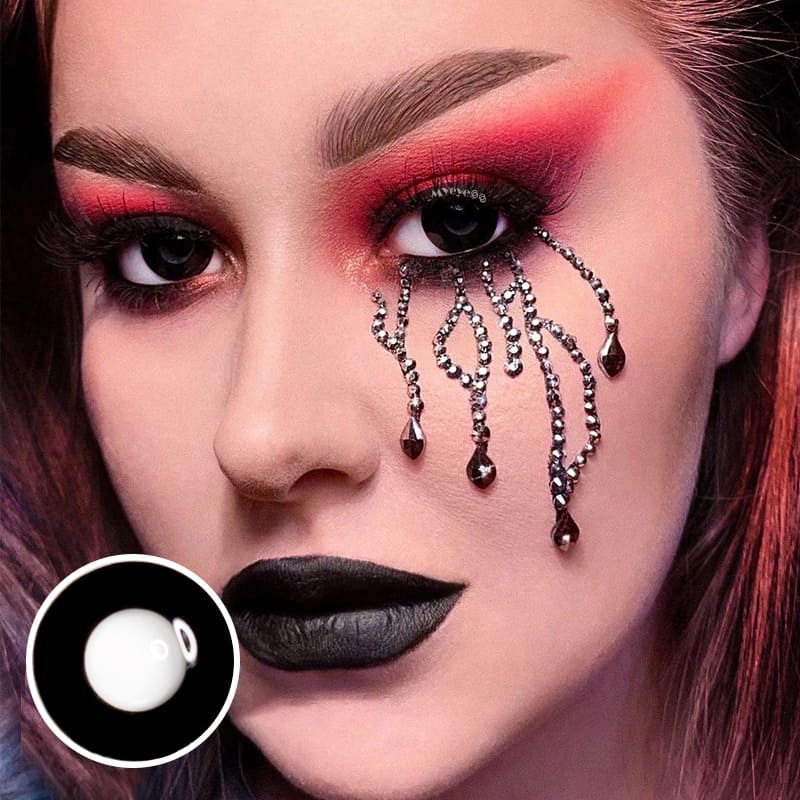
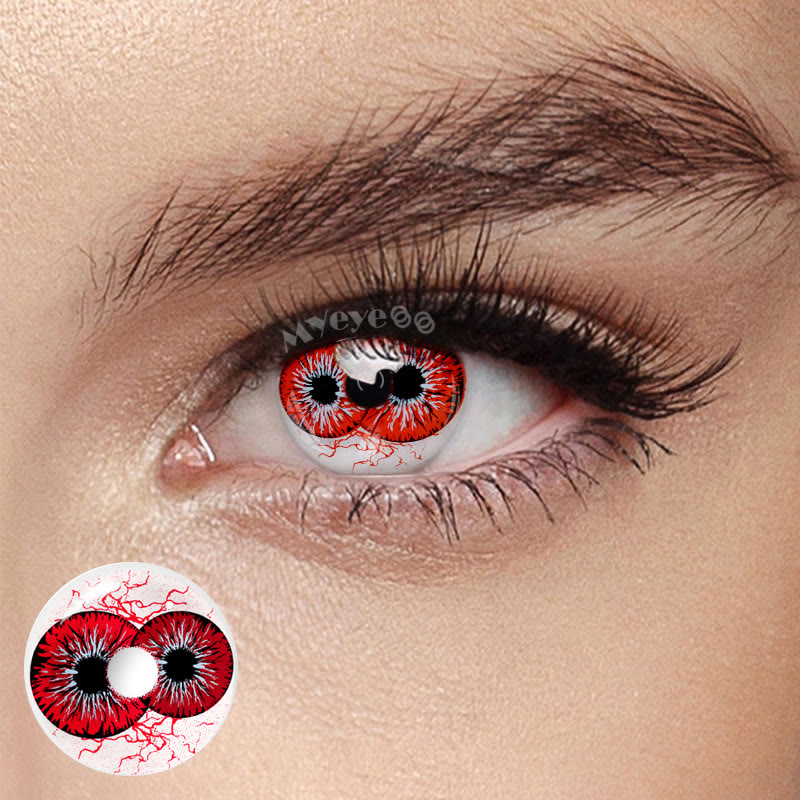
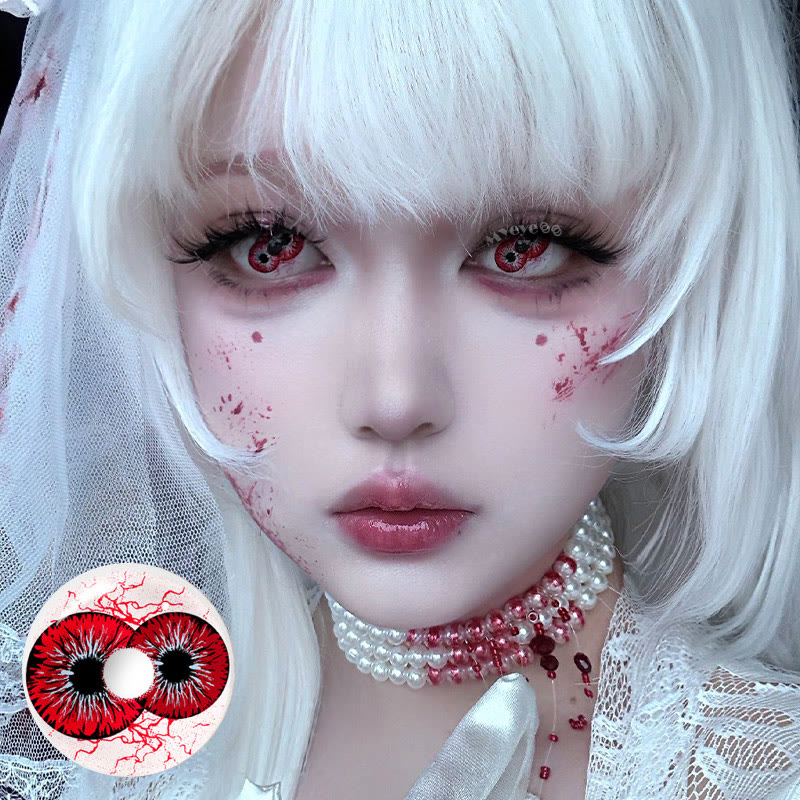
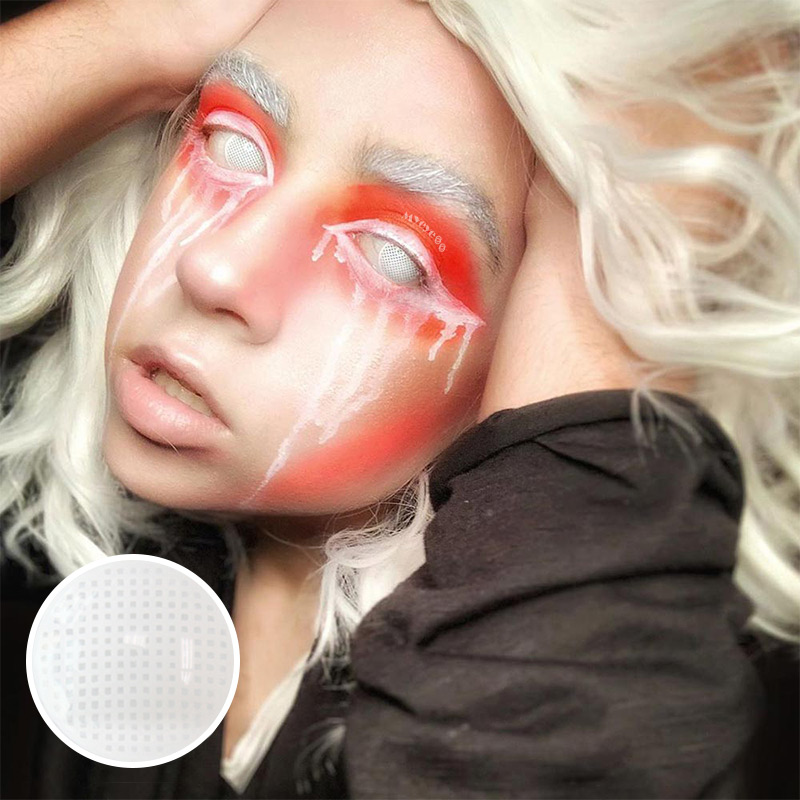
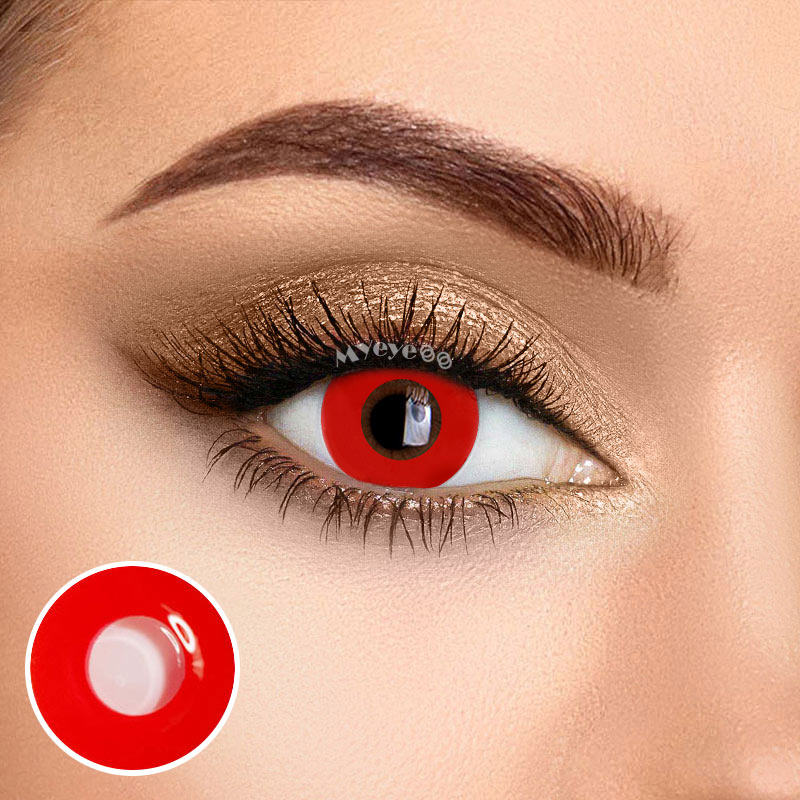
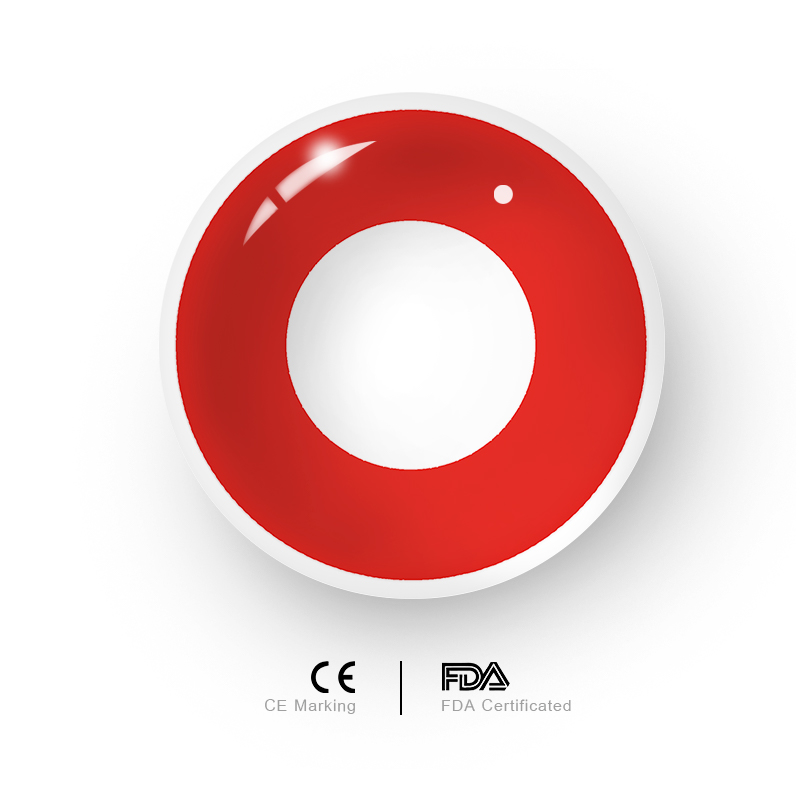
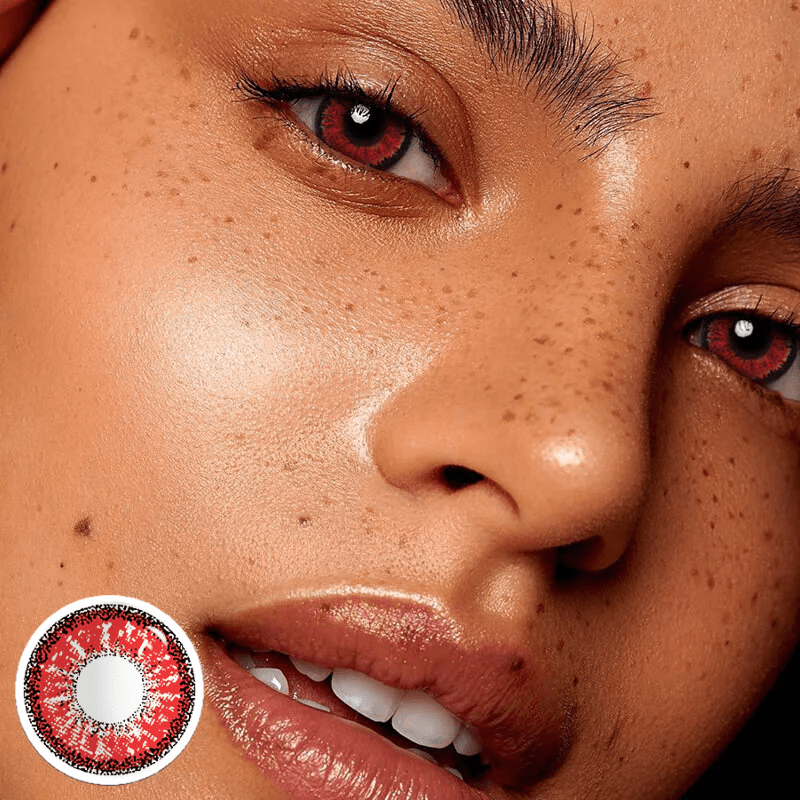
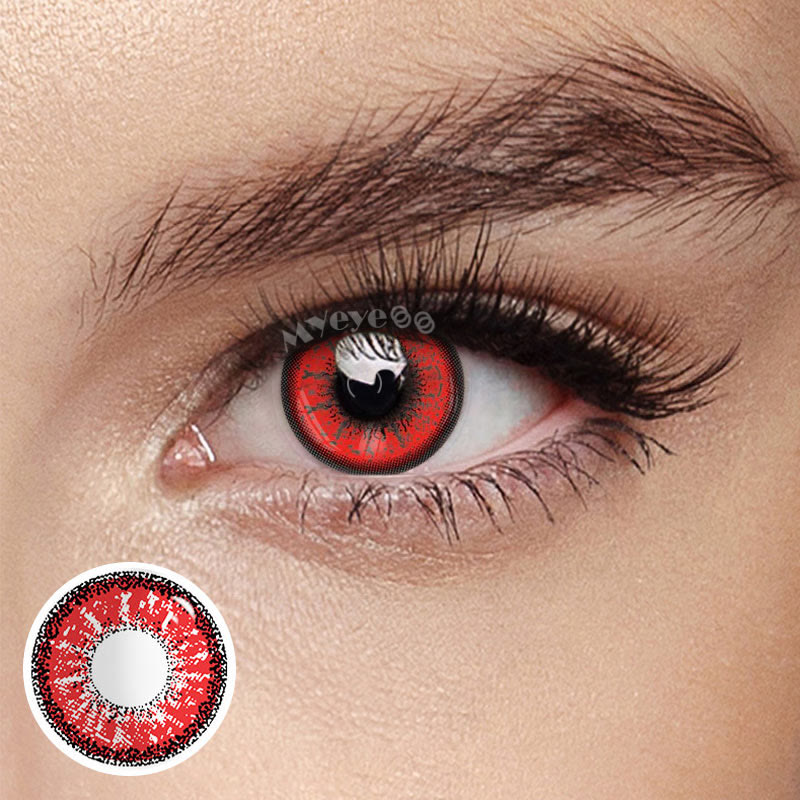
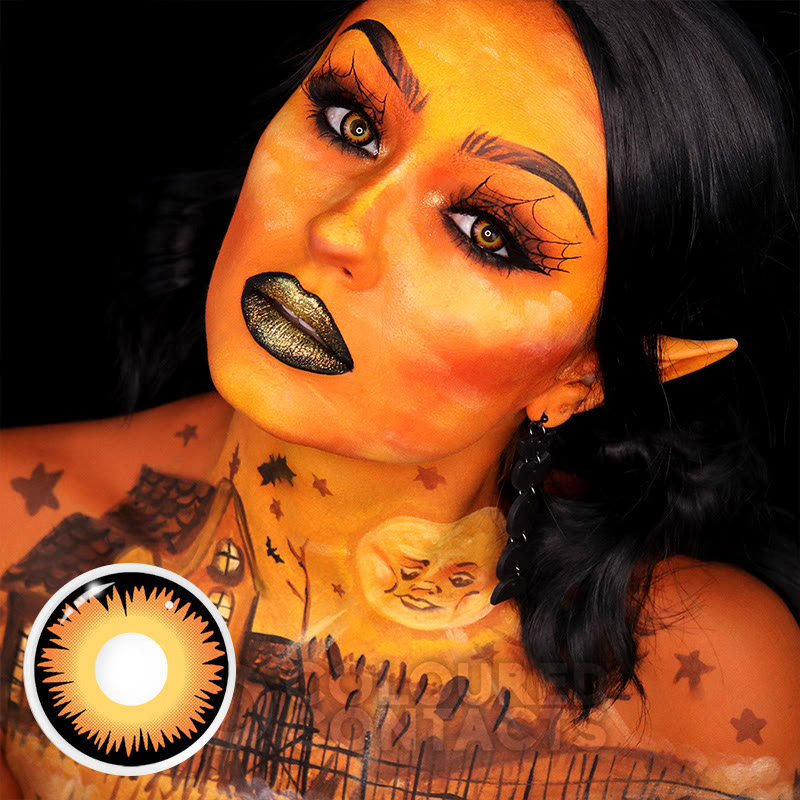
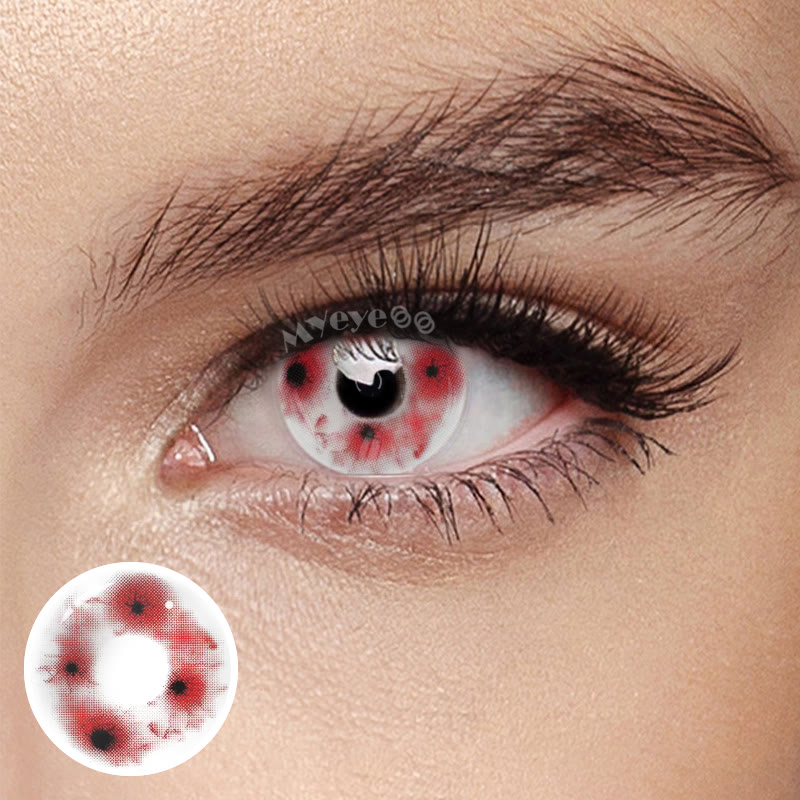
Halloween represents one of the most popular times for wearing fashion contact lenses. Zombie whites to vampire reds complete scary costumes and special effects makeup. Professional makeup artists use them to recreate iconic characters like Pennywise or White Walkers. Many Halloween lenses feature yearly wear cycles and allow you to reuse them for multiple events, conventions or themed parties throughout the year.
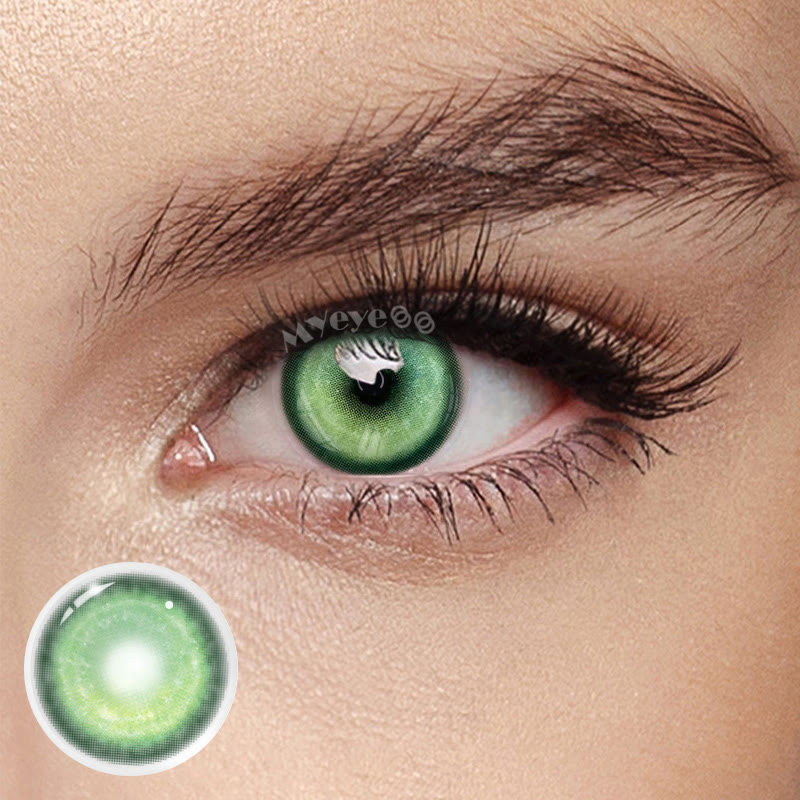
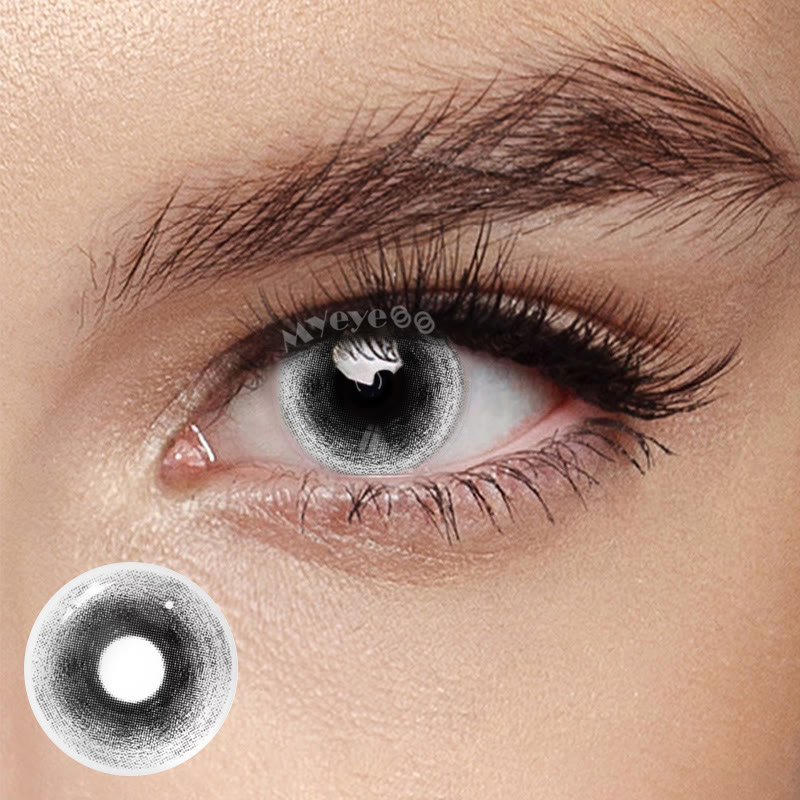
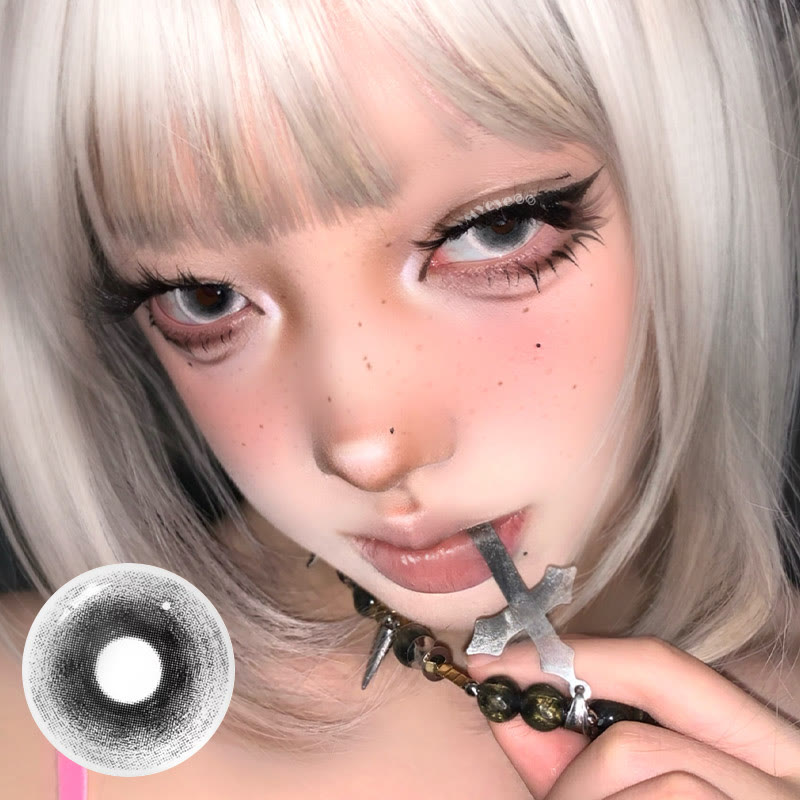
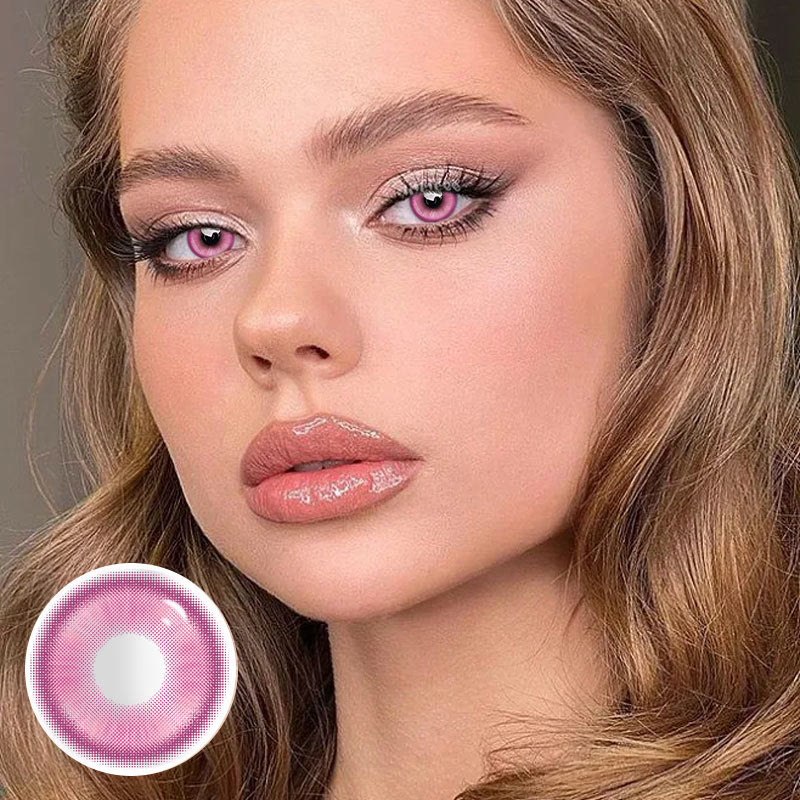
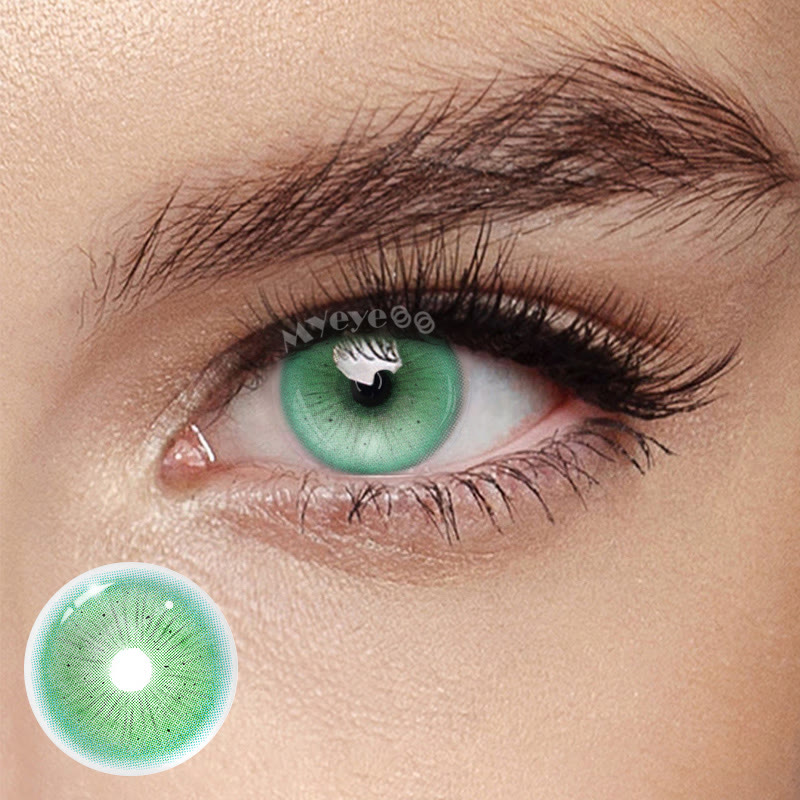
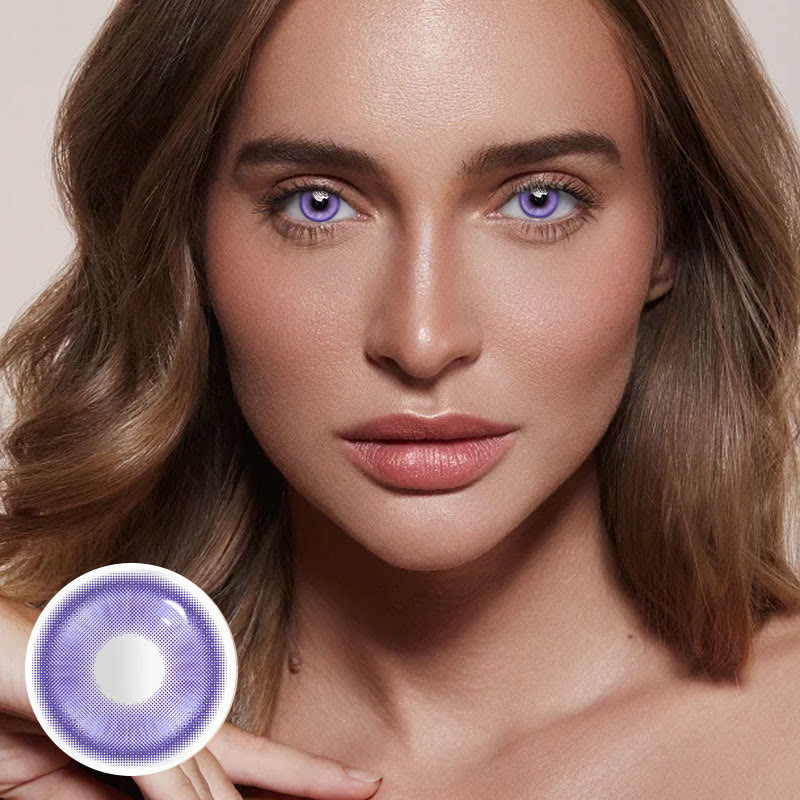
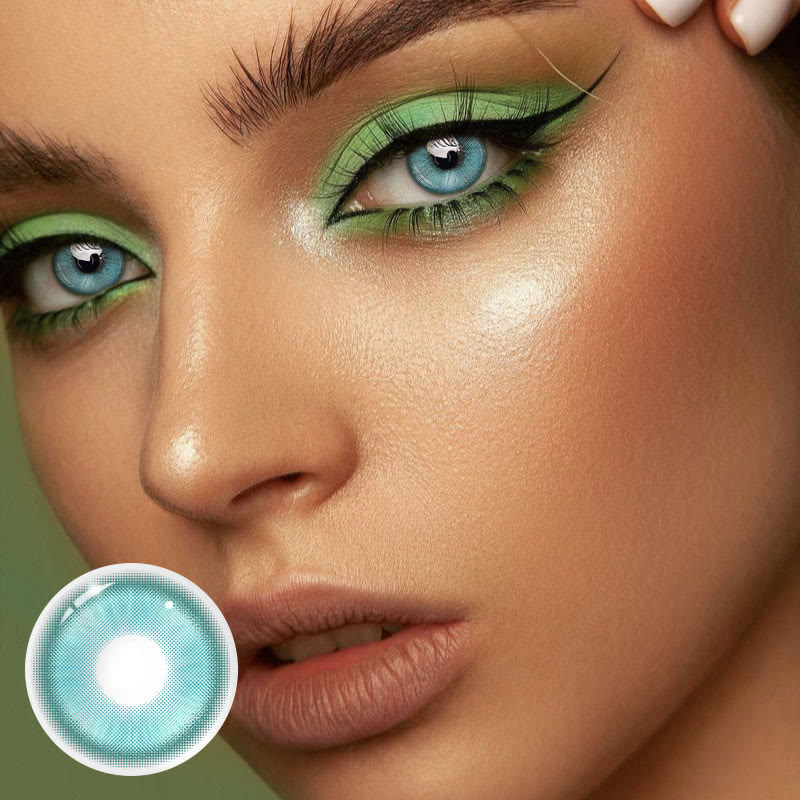
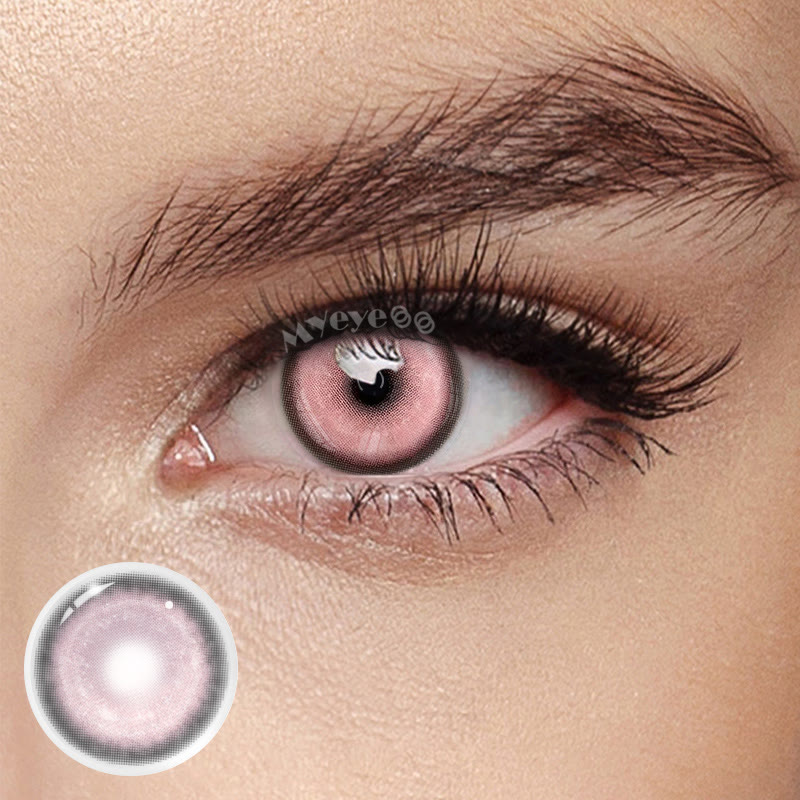
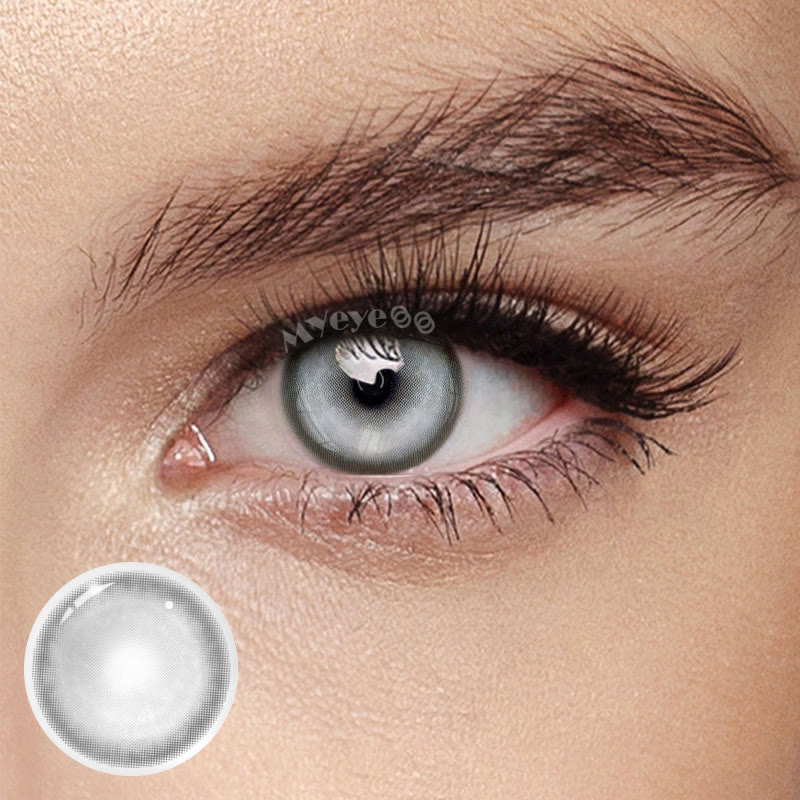
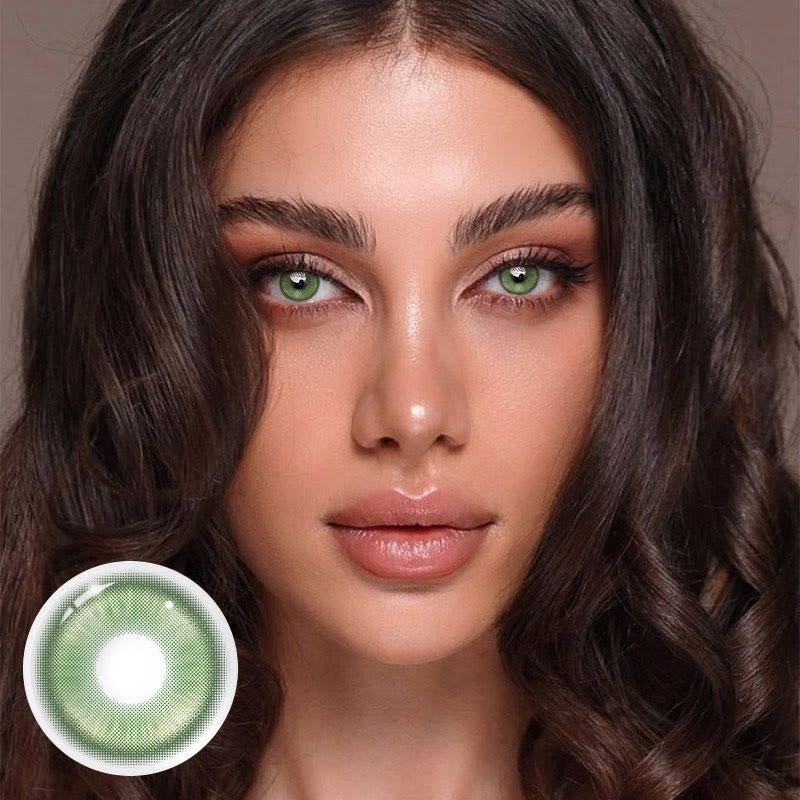
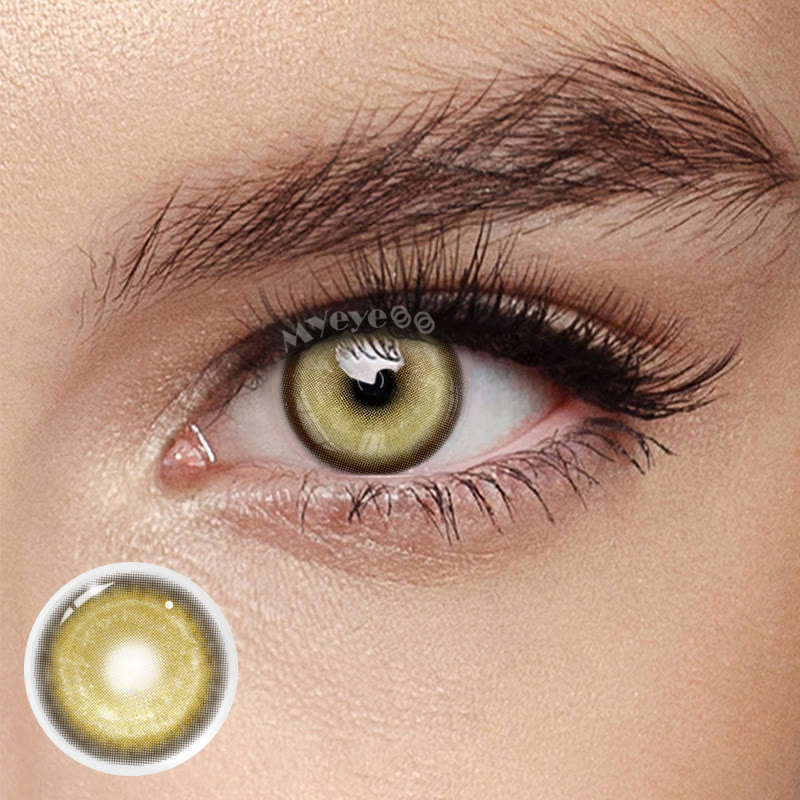
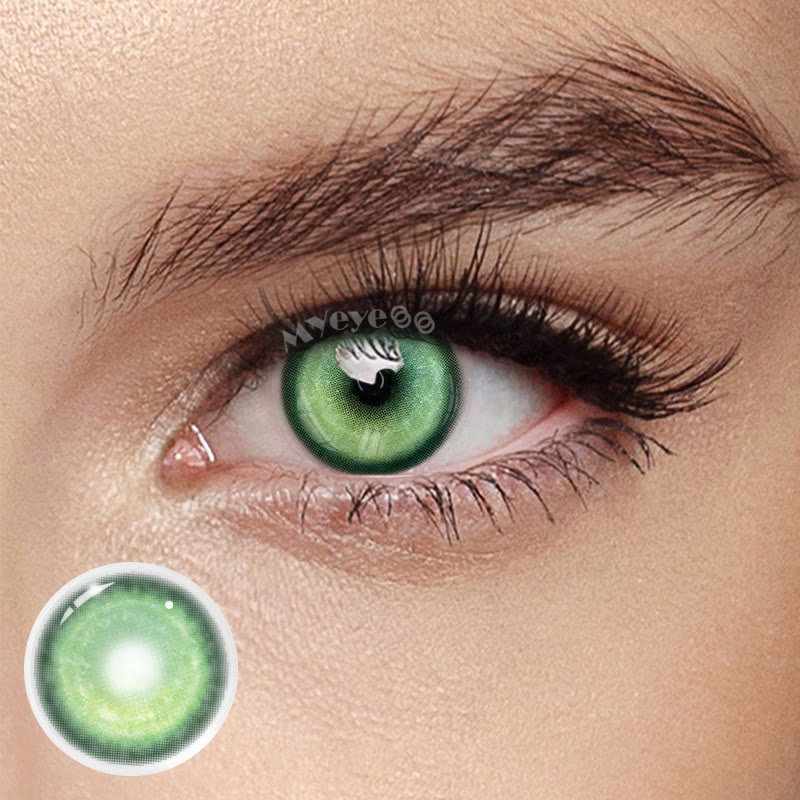
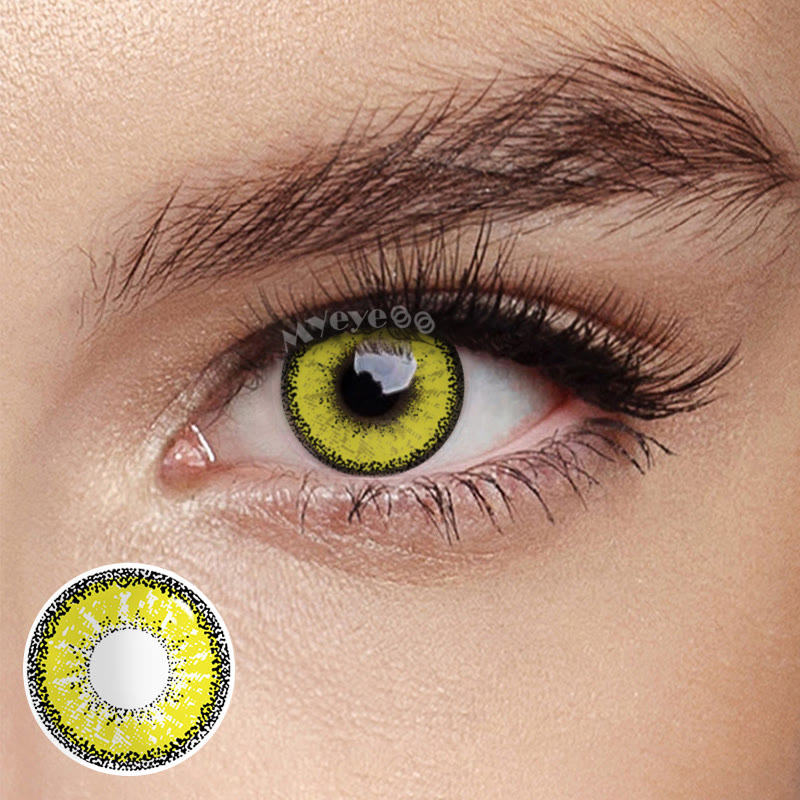
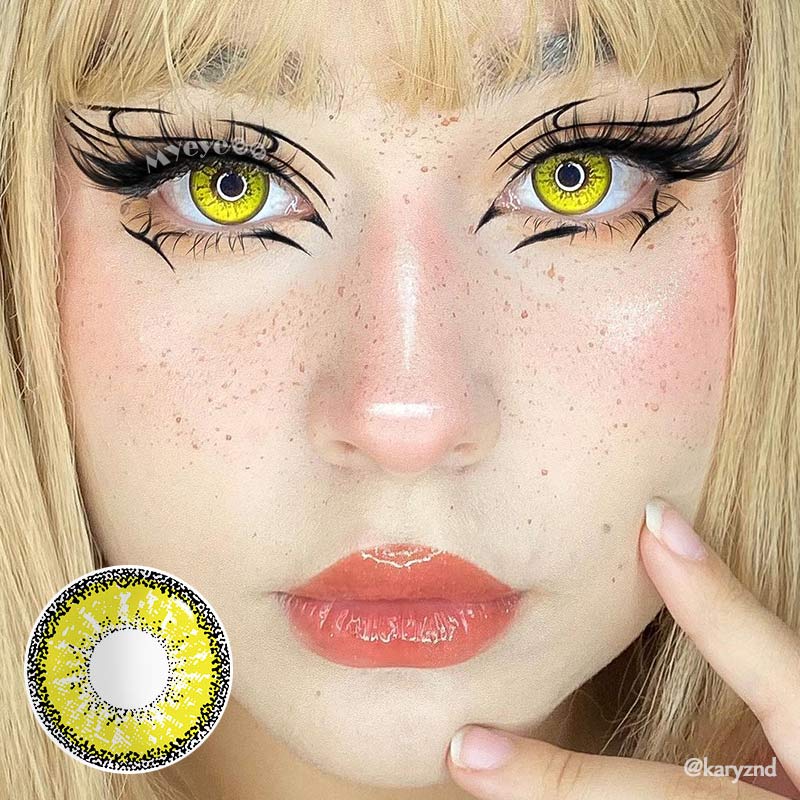
People wear colored contacts for everyday fashion styling beyond special occasions. You might want to experiment with different eye colors for social media content, photography sessions or to change your daily look. Someone with brown eyes can try blue, gray or green lenses for subtle boost or dramatic transformation.
Fashion events, festivals and parties also drive the need for these lenses. Occasional wearers appreciate the flexibility of trying new eye colors without committing to permanent changes. The lenses work well for performances and photos where the look stays subtle when designs match natural features closely.
Are non prescription colored contacts safe to wear?
The FDA classification of colored contacts
Federal law makes it illegal to sell contact lenses without a prescription. Contact lenses require a prescription from a licensed eye care practitioner. Non-licensed vendors cannot sell them. This ban covers gas stations, convenience stores, beauty parlors, costume shops and flea markets. Federal law enforcement agencies work to stop the illegal importation and sale of counterfeit contact lenses.
These strict regulations exist because unregulated contacts pose serious risks to your eyes. The classification as medical devices applies to all contact lenses. This covers those marketed as "costume," "cosmetic," or "decorative" lenses. Anyone claiming you can buy colored contacts without a prescription breaks the law.
Why 'non prescription' doesn't mean 'no risk'
The term "non prescription" misleads many buyers. They think these lenses are harmless accessories. A national study shows that 53 percent of consumers who have worn decorative lenses purchased them without a prescription. This widespread misconception creates dangerous situations.
Non prescription colored contacts carry the same risks as prescription lenses when improperly fitted or manufactured. Decorative lenses purchased without a prescription may not fit correctly. This makes your eye more vulnerable to scratches on the outer layer or ulcers on the cornea. Lenses that aren't professionally fitted to your eye can scratch the clear front window. This causes a corneal abrasion that's painful and can cause permanent damage.
Unlicensed manufacturers don't follow stringent FDA requirements for manufacturing and packaging. You never know what bacteria or toxins are on your lenses when you put them in your eyes. The FDA reviewed over 300 cosmetic contact lenses. They found that 60% of counterfeit lenses and 27% of unapproved lenses contained microbial contamination.
Real safety concerns and eye damage
Corneal abrasions represent one of the most common injuries from improperly fitted lenses. Laura Butler experienced severe pain due to corneal abrasions 10 hours after putting in non prescription lenses, which "stuck to my eye like suction cups". She now lives with a corneal scar, vision damage and a drooping eyelid. One girl became blind in her left eye after a mere four hours of wearing non prescription contact lenses she bought at a jewelry booth.
Corneal ulcers may appear as white dots on the iris, the colored part of the eye. Eyedrop medicine usually treats these ulcers. But when an ulcer heals, it can scar over and affect your vision. The cornea becomes so damaged that you need a corneal transplant to restore vision in some cases. Robyn Rouse had to have that surgery after she got an infection from wearing non prescription lenses she bought at a local store. Twelve years later, she still has blurry vision in her left eye and uses daily drops to curb dry eye.
Bacteria, viruses and amoebas become dangerous organisms when they affect your eyes. A 2011 study found that people who wore colored contacts were 16 times more likely to get keratitis than people who wore regular contact lenses. Keratitis is a serious eye infection that harms the cornea. These infections can cause irreversible damage within hours if left untreated. Bacterial infections of the eye progress faster and can guide to ulcers on the eye and even blindness in as little as 24 hours.
The chemicals used to color over-the-counter tinted contact lenses have chlorine and other harmful substances. These chemicals, known to be toxic to human tissue, can seep into your eye and possibly cause vision loss. Lead is one of the key ingredients used to give many of these contacts their color. Your eyes absorb the toxic lead into your bloodstream.
Julian Hamlin has had more than 10 surgeries and is now legally blind in his left eye after wearing contacts to change his eye color. Severe, ongoing problems from non prescribed contact lenses put you at risk for developing other vision-limiting diseases like cataract and secondary glaucoma.
Statistics on contact lens-related complications
An estimated 40.9 million U.S. adults wear contact lenses. Nearly one million U.S. healthcare visits for keratitis or contact lens complications occur each year, at a cost of $175 million. Approximately 99% of wearers reported at least one contact lens hygiene risk behavior. Nearly one third of contact lens wearers reported having experienced a previous contact lens-related red or painful eye requiring a doctor's visit.
Half or more of wearers reported sleeping overnight in contact lenses at 50.2%. Napping in contact lenses was reported by 87.1% of wearers. Topping off disinfecting solution instead of emptying and cleaning the case before adding new solution was reported by 55.1%. Extending the recommended replacement frequency of lenses was reported by 49.9% and cases by 82.3%. Showering in contact lenses was reported by 84.9% and swimming by 61.0%.
How to identify safe non prescription colored contacts
Buying safe non prescription colored eye contacts requires checking specific details before making a purchase. Legitimate lenses display clear technical specifications and meet regulatory standards that protect your eyes.
Check for proper lens parameters (DIA, BC, water content)
Safe colored contacts include detailed specifications on their packaging. A valid prescription specifies the brand name, correct lens measurements and expiration date. These measurements ensure the lenses fit your unique eye shape.
Look for stated diameter (DIA), base curve (BC) and water content percentages. Missing or vague measurements signal potential problems. Lenses may not fit right and can scrape against your cornea without proper parameters.
Look for recognized brands and manufacturers
Reputable manufacturers adhere to rigorous health regulations and quality standards. Choose trusted stores that provide authentic products, clear safety information and proper customer support when shopping online.
Look for lenses labeled "FDA-cleared" or "FDA-approved". Vague, generic or foreign-language-only packaging raises major red flags. Skip it if there's no clear information about who makes the lenses or where they come from.
Verify replacement schedules and expiration dates
All contact lenses expire. Contact lens solution packaging degrades over time and is no longer guaranteed to stay stable and sterile. This increases contamination risk. Contact lenses expire about every four years from their manufactured date.
Replace lenses according to the recommended schedule, even if you only use them once for a party or event. You must dispose of them by the expiration date whatever the wear frequency.
Read care instructions before buying
Cleaning, disinfecting and wearing lenses the right way prevents infections. That's a warning sign if instructions aren't provided with the product listing. Ask the seller for detailed care protocols before purchasing.
Avoid mystery lenses and unbranded products
Reputable sellers always offer clear customer service options and product guarantees. Avoid street vendors, online retailers or beauty supply stores offering cheap colored contacts. Purchase authentic colored contacts from reliable sources to reduce the risk of counterfeit or unsafe lenses.
Where to buy safe non prescription contacts online
What makes a seller legitimate
Legitimate online retailers must request your prescription and verify it with your eye care provider. They should ask for your prescription details, your doctor's name and phone number. A seller that doesn't request this information breaks federal law and could be selling illegal contact lenses.
FDA-approved online retailers sell only FDA-cleared or approved contact lenses. Reputable sellers work with certified manufacturers that follow controlled production standards. Look for retailers that provide detailed product descriptions, prescription options and verified customer reviews. Transparent shipping and return policies matter too.
Red flags when shopping for colored contacts
Retailers advertising "no prescription needed" violate FDA guidelines. Other warning signs include missing brand or manufacturer names, unlabeled packaging and no return policy or contact information. Unbelievably cheap prices are another red flag. Contacts that are very cheap are likely made with substandard materials.
Trusted retailers vs social media sellers
Purchase lenses only from your eye care provider, licensed optical stores or FDA-approved online retailers. Never buy from street vendors, salons, beauty supply stores, boutiques, flea markets, novelty stores, Halloween stores, convenience stores or beach shops. These venues are not authorized distributors of contact lenses.
Social media sellers and third-party marketplace listings often sell unregulated lenses. These products may be counterfeit, improperly stored or made from unsafe materials.
Price warnings: when cheap isn't worth it
Unsafe colored contacts can cause eye infections, corneal scratches and reduced oxygen flow. Severe cases lead to permanent vision damage. The wrong seller can give you long-term vision problems. Cheap lenses that compromise your eye health cost more than any original savings.
Safe wear practices for colored eye contacts
Understanding proper wear practices protects your eyes from serious complications while using colored eye contacts non prescription.
How long can you safely wear colored contacts
Most colored contacts are approved for 8-12 hours of daily wear. Daily disposables work for 8-16 hours maximum wear time, while monthly or yearly lenses should stay in no more than 8-12 hours. Colored contacts have lower oxygen permeability than clear contacts due to pigments used to create color effects.
Is it bad to wear colored contacts everyday
You can wear colored contacts everyday if you follow care routines and give your eyes regular rest. Take several hours each day without lenses and keep one day each week contact-free. Daily wear can lead to dry eyes as lenses hinder tears from flowing over the cornea.
Proper cleaning and storage methods
Wash hands before handling lenses. Use only recommended cleaning solutions, never water or homemade solutions. Store lenses in fresh solution after each use and replace solution rather than topping off. Replace contact lens cases every 3 months minimum to prevent bacterial contamination.
When to replace your lenses
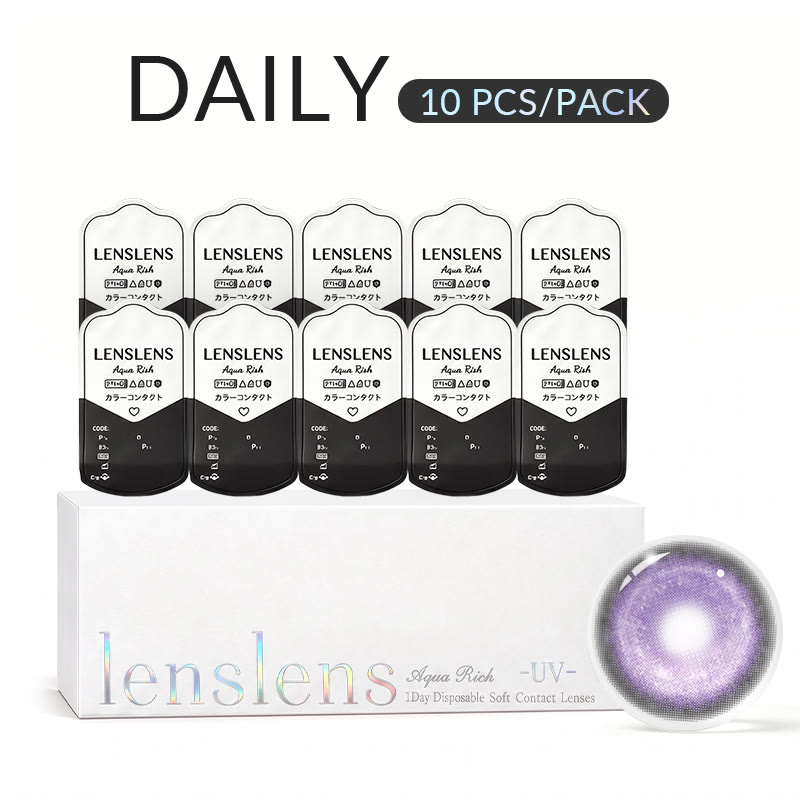
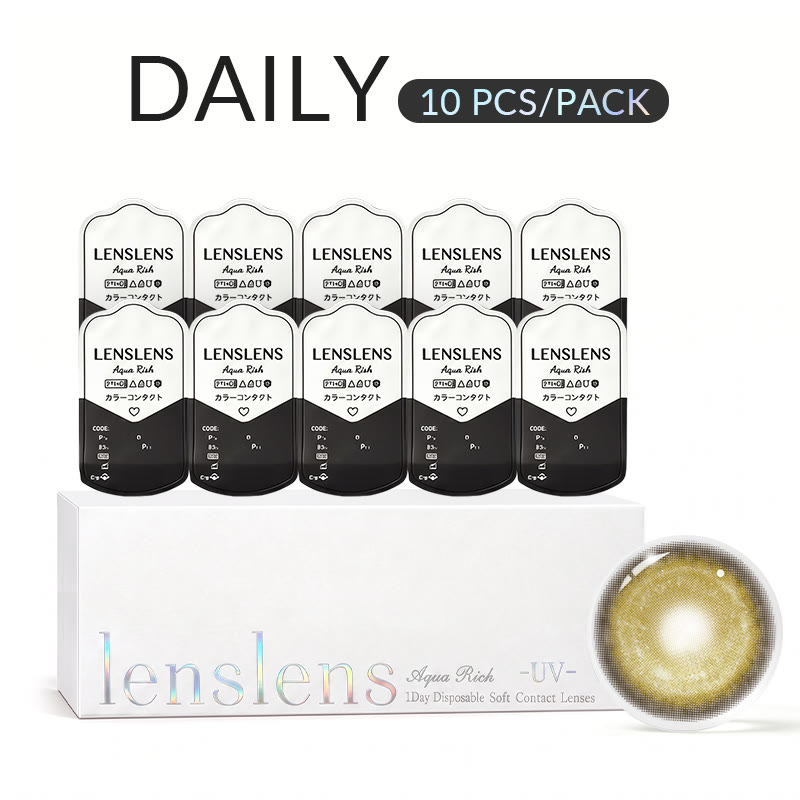
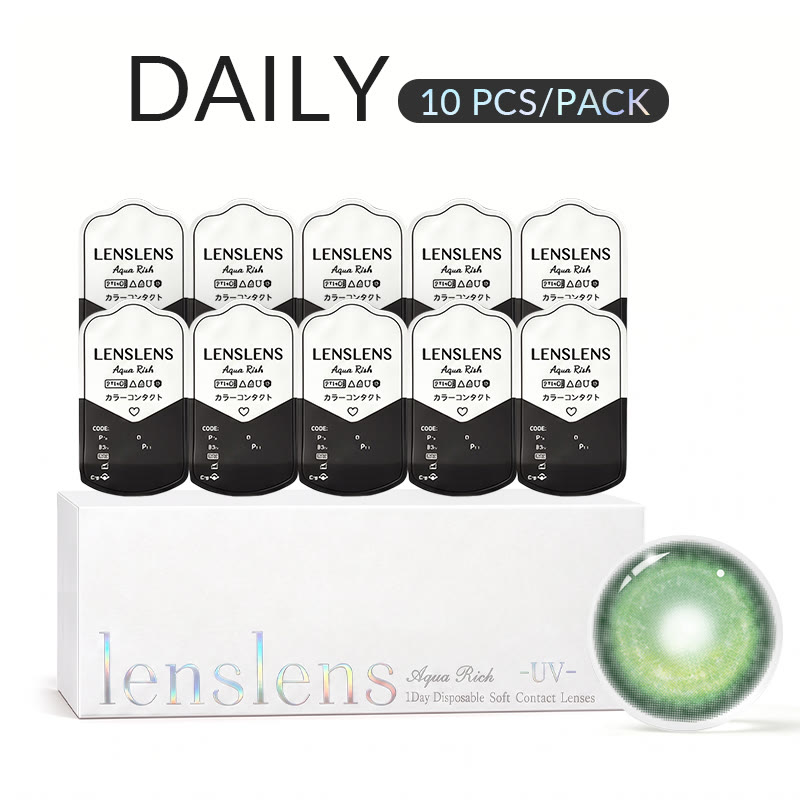
Replace colored contacts according to their designated timeline from opening. Daily contacts need disposal after single use, monthly lenses after 30 days, and quarterly contacts after 3 months.
Never share contacts or sleep in them
Contact sharing raises infection risk exponentially. Never sleep in colored contacts as they block oxygen transmission and increase infection risk substantially.
Conclusion
Colored contacts are a fun way to transform your look, but only when you treat them as the medical devices they are. Never buy from sellers claiming "no prescription needed." They violate federal law and risk your vision. Your eyes deserve the same protection whether you're correcting vision or simply changing color.
Start with a proper eye exam and prescription fitting. Purchase only from legitimate retailers selling FDA-approved lenses. You must follow cleaning protocols carefully and replace lenses on schedule. Your eyes need regular breaks from lens wear.
The right approach lets you enjoy colored contacts safely without compromising your eye health.