Shop Anime Contacts | Best Anime Colored Contacts | 100+ Characters
Top Anime Contacts for Cosplay: Find Your Perfect Pair
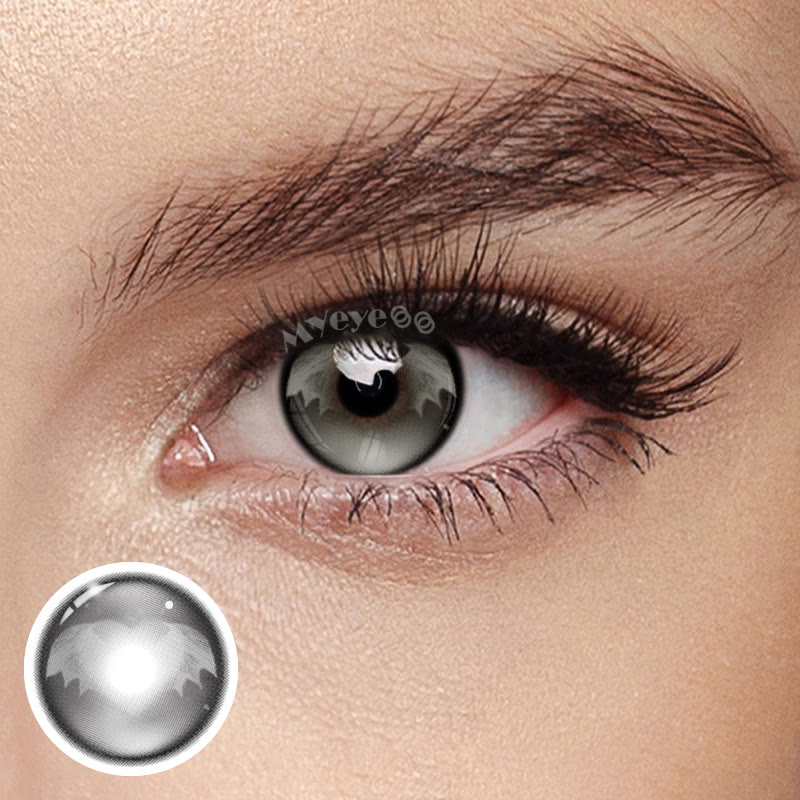
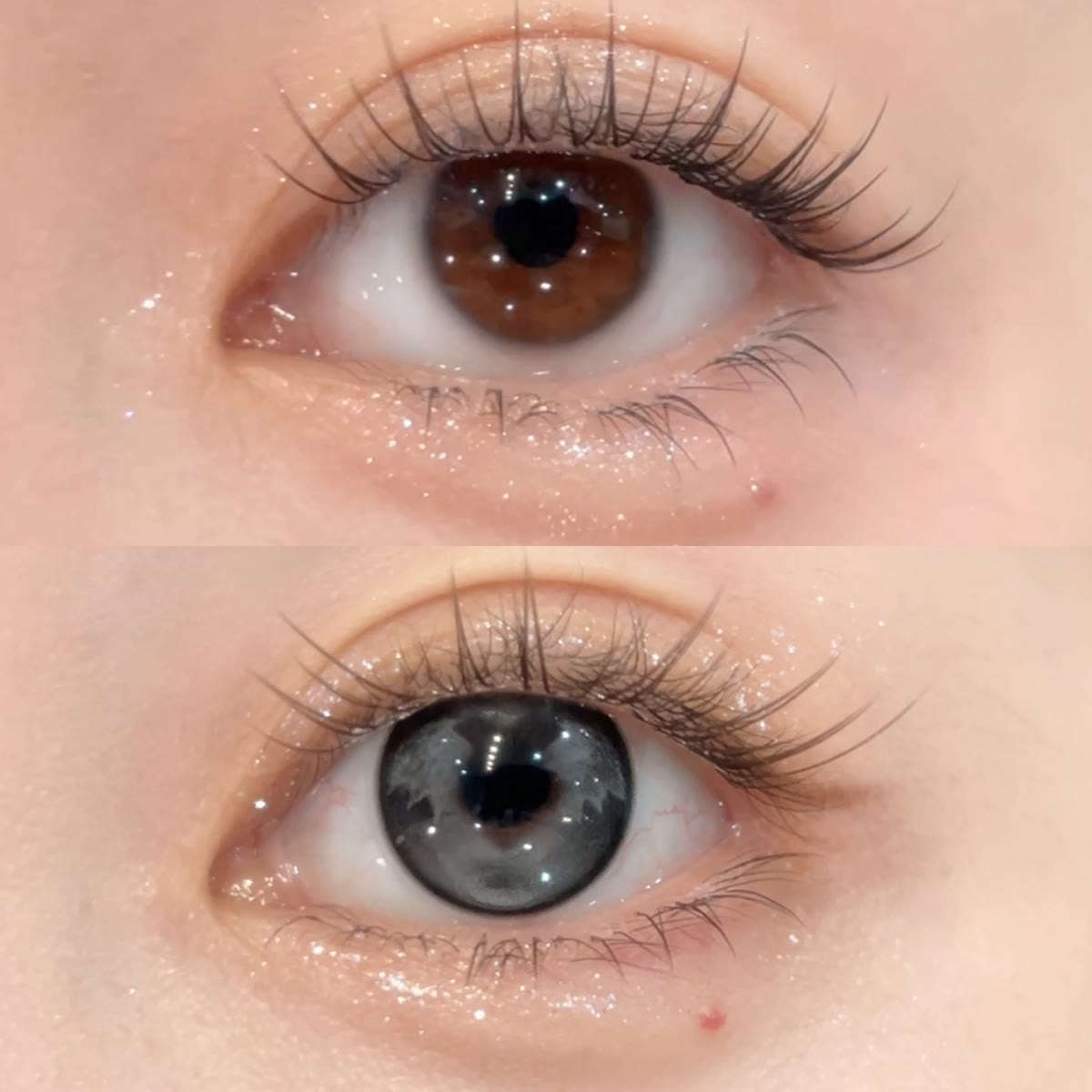
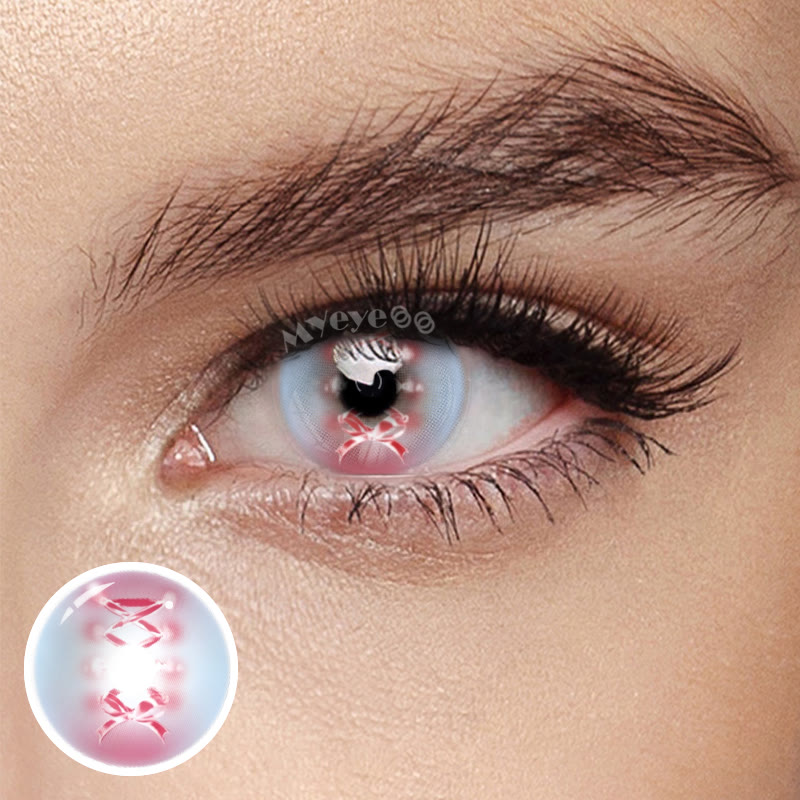
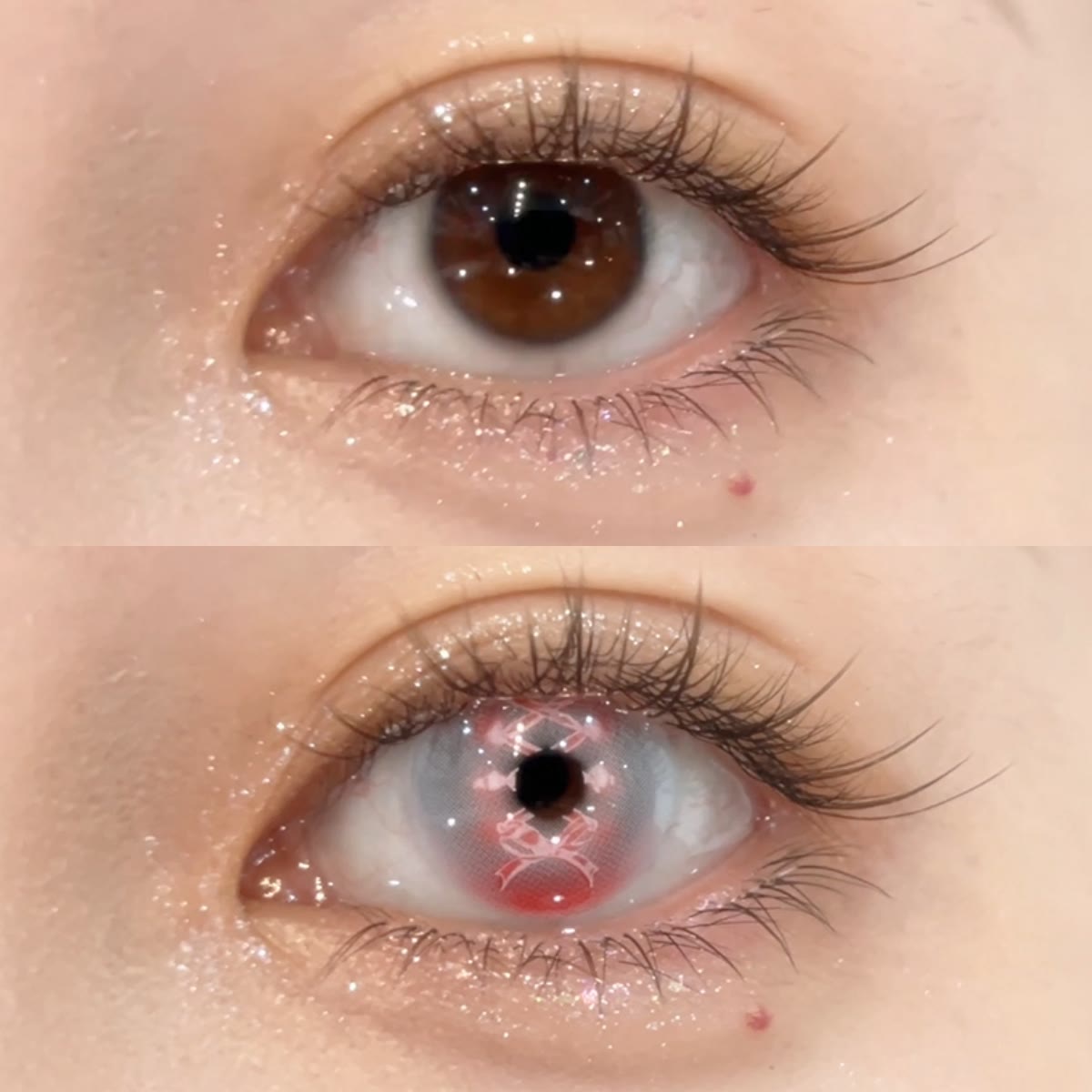
Need anime contacts for your next cosplay? This guide helps you choose the right lenses, highlights popular character styles, and shows you where to buy them safely and comfortably. Anime contact lenses are a vital component of cosplay, offering various colors and designs to bring anime characters to life, from subtle enhancements to bold, exaggerated looks.
Choosing the right lenses involves ensuring comfort and proper fit, with reputable retailers like Myeyebb offering a range of high-quality options, including prescription lenses for vision correction. Proper care and maintenance of anime contact lenses are crucial for eye health, involving regular cleaning, correct storage, and adhering to the recommended replacement schedule.
Transform Your Look with Anime Contact Lenses
Anime contact lenses are not just accessories; they’re a form of self-expression that can dramatically alter your appearance and make your cosplay stand out. They can capture the essence of anime’s exaggerated eye aesthetics, offering an array of colors and designs to match any character you envision. Whether you’re stepping into the shoes of an iconic ninja from the Naruto series or embracing the ethereal beauty of a Sailor Moon princess, the right pair of lenses can be the final touch that brings your character to life.
Understanding Anime Eye Contacts
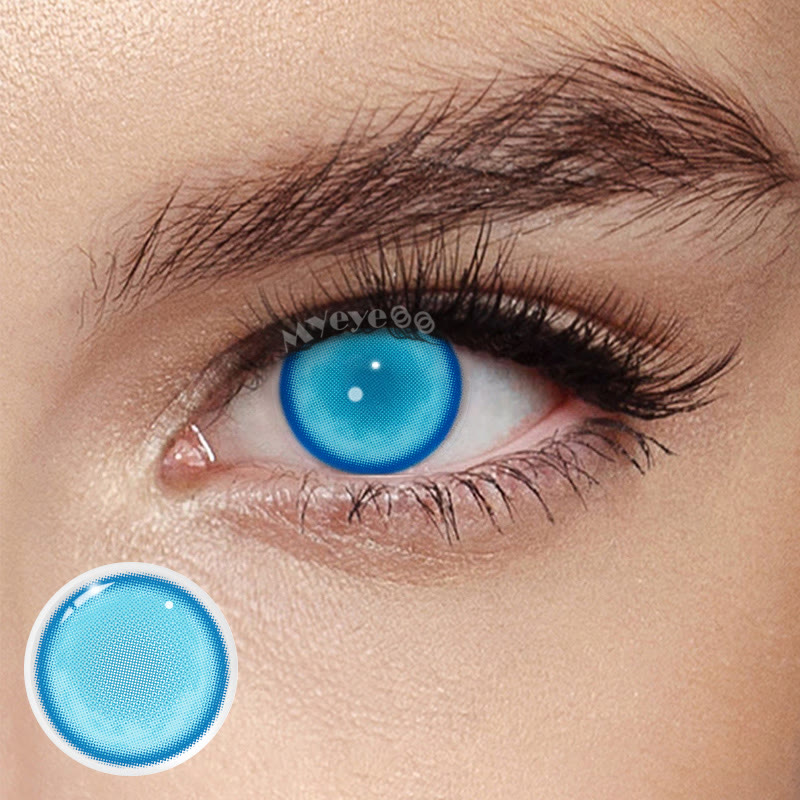
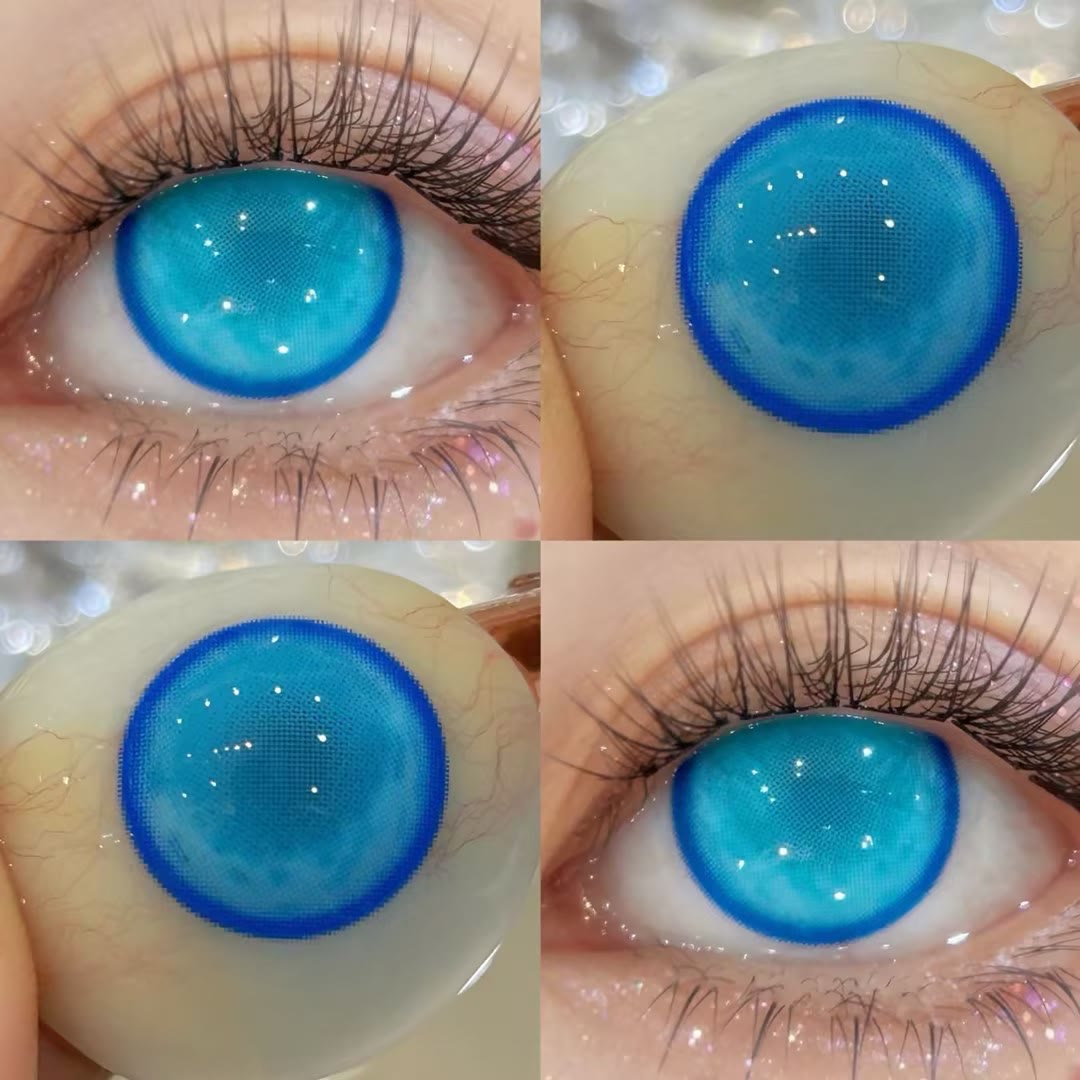
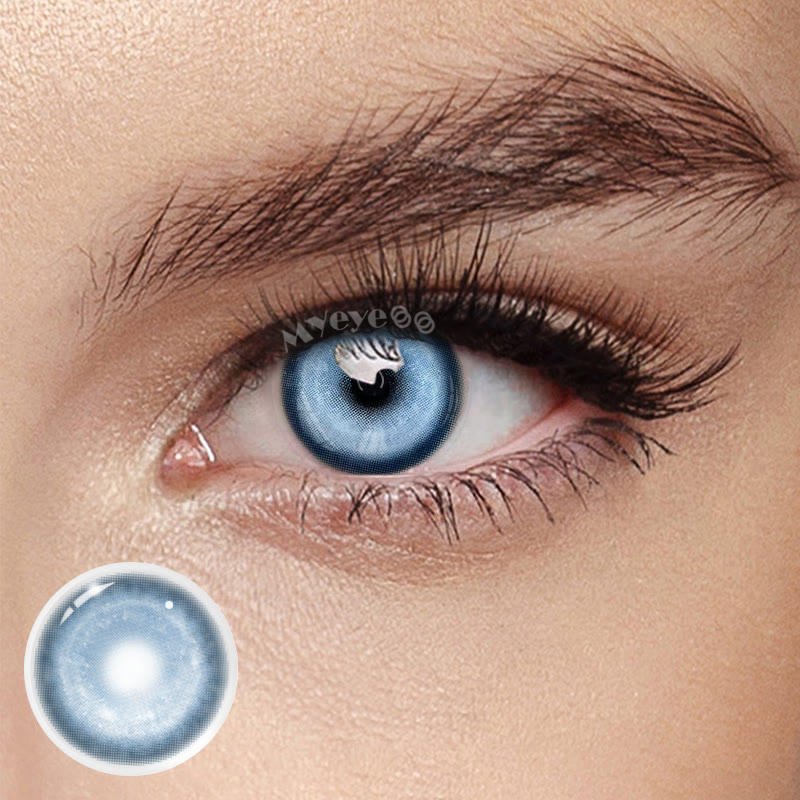
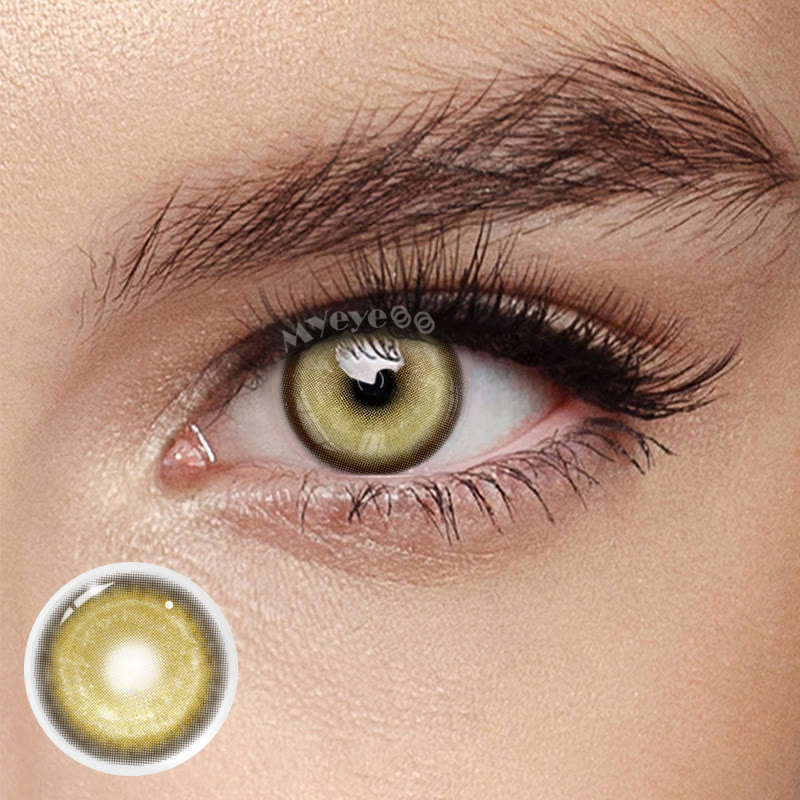
Anime eye contacts are meticulously crafted to emulate the varied and vibrant eye colors that are a hallmark of anime characters. From the profound dark eyes of Lelouch Lamperouge to the bright blue eyes of Yato, these lenses feature designs that range from subtle enhancements to bold, exaggerated doe-eyed looks. They’re not just about color, but also shape and size; with anime circle lenses, you can achieve that coveted wide-eyed innocence, while sclera lenses offer a more edgy, full-eye transformation.
Choosing the Right Anime Lenses
Picking the perfect anime lenses is more than just matching a color; it’s about finding a comfortable fit that complements your cosplay and everyday style. Starting with the basics, the material and curvature of the circle lens should match your eye’s natural shape for comfort during those long convention days or photoshoots. Whether you need the bold color payoff of opaque lenses or the natural enhancement of circle lenses, it’s crucial to choose lenses that not only look good but also feel good.
Popular Anime Characters to Emulate
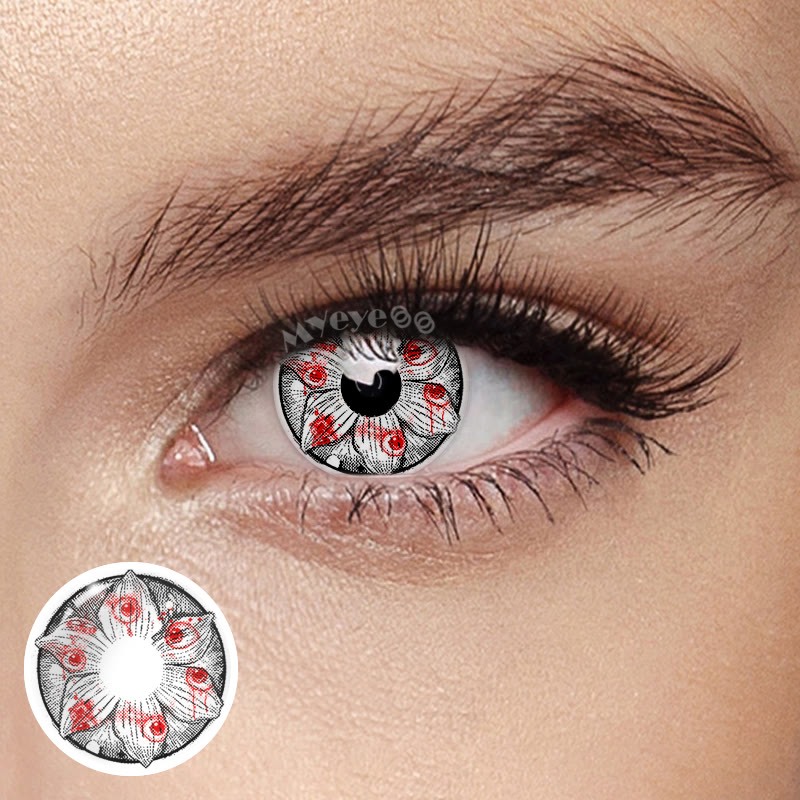
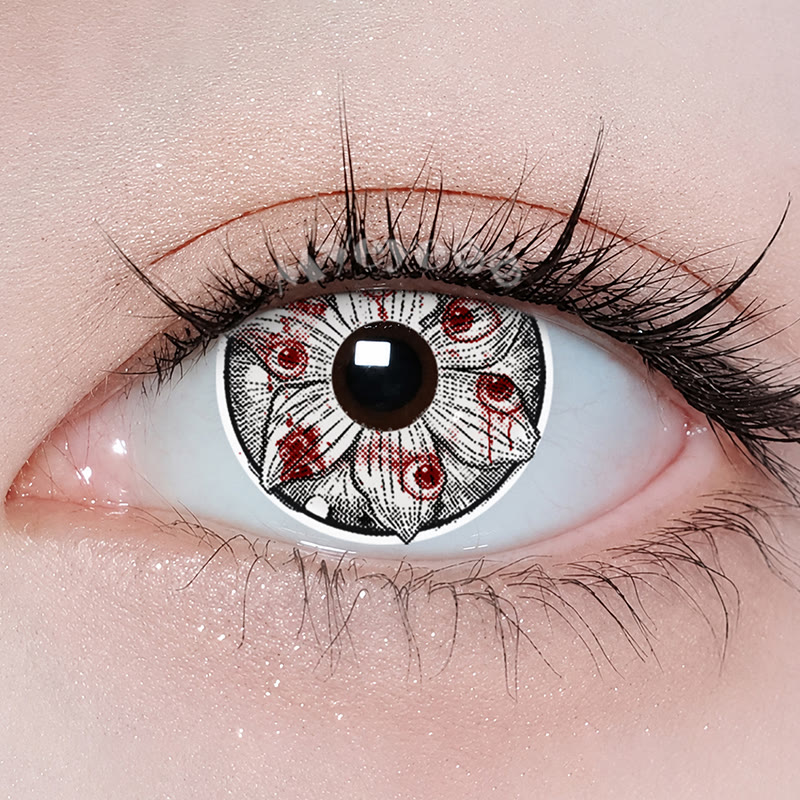
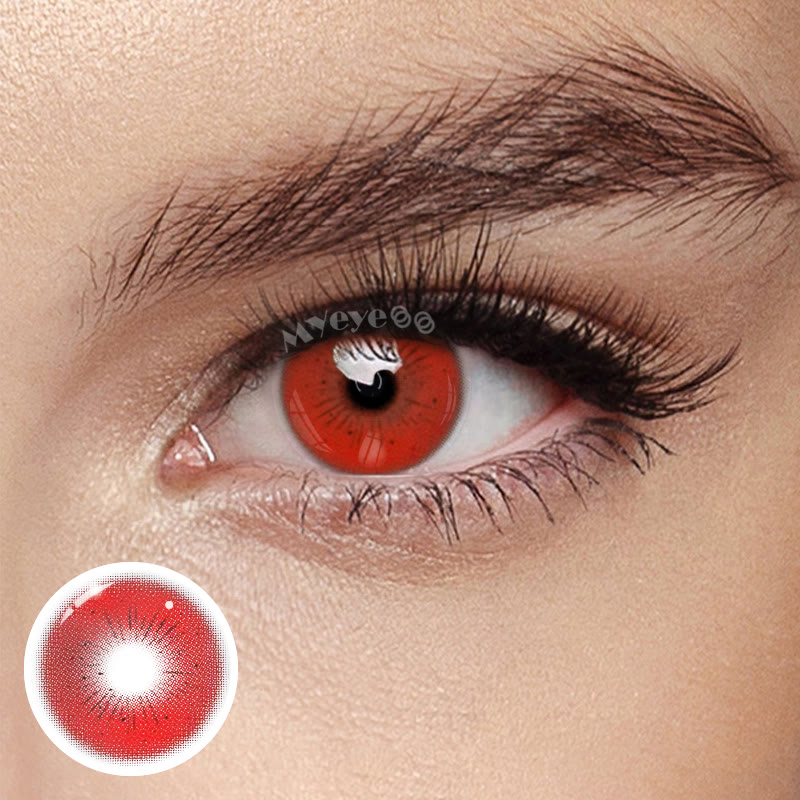
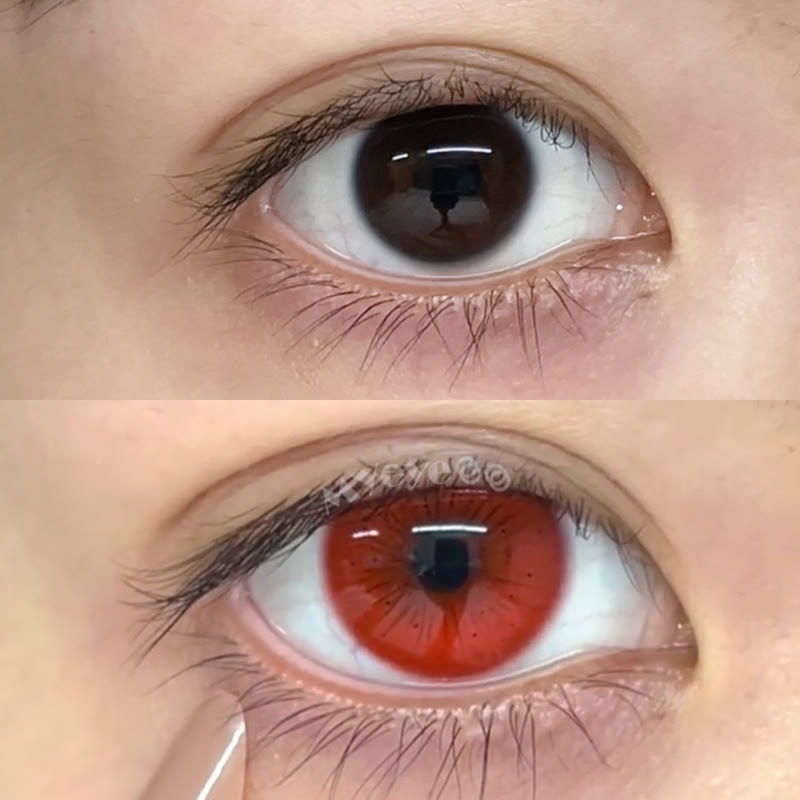
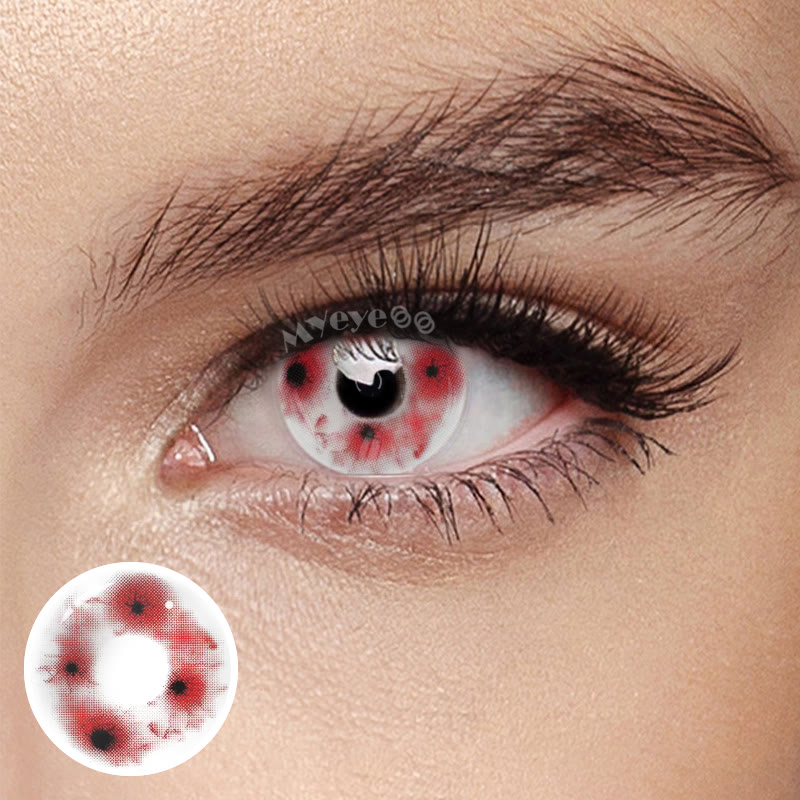
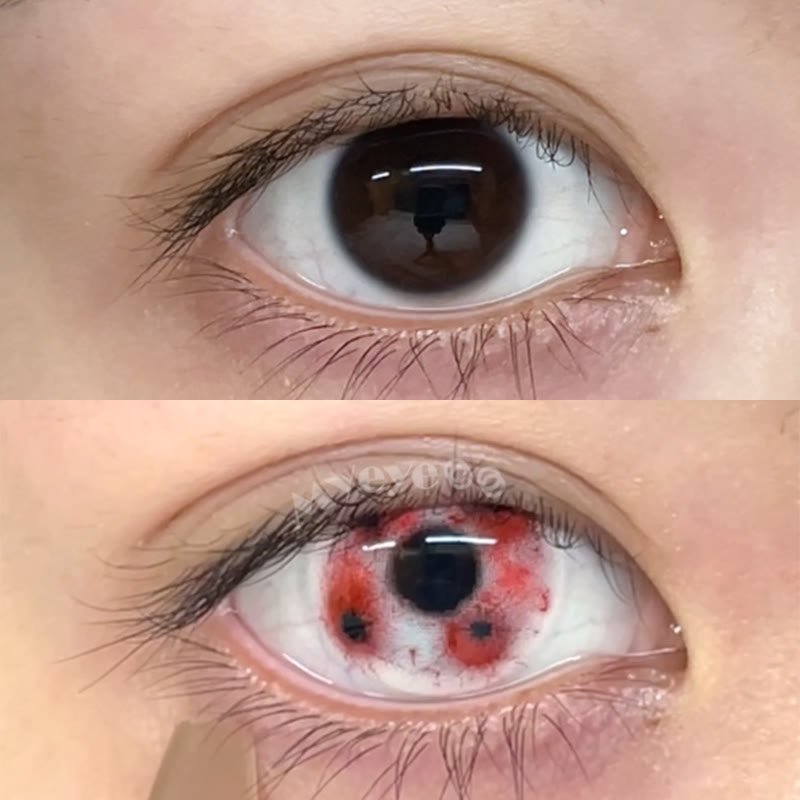
When it comes to iconic anime characters, their eyes are often the window to their souls, and choosing the right lenses can help you channel the essence of your favorite characters. Sasuke Uchiha’s and Itachi Uchiha’s Sharingan eyes are as much a part of their identity as their storied backgrounds in the Naruto series. Cosplayers might opt for Sharingan lenses for that fierce, geometric red and black pattern, or perhaps blue and red lenses to mimic the duality of Code Geass’s Lelouch.
Where to Buy High-Quality Anime Contact Lenses
Navigating the sea of retailers offering anime contact lenses can be as daunting as traversing the world of anime itself. Quality and authenticity are paramount, as the lenses you choose will not only affect your appearance but also your eye health.
Reputable stores like Myeyebb boast a wide array of options, ensuring that you find the perfect pair of lenses to bring your chosen character’s eyes to life with comfort and style.
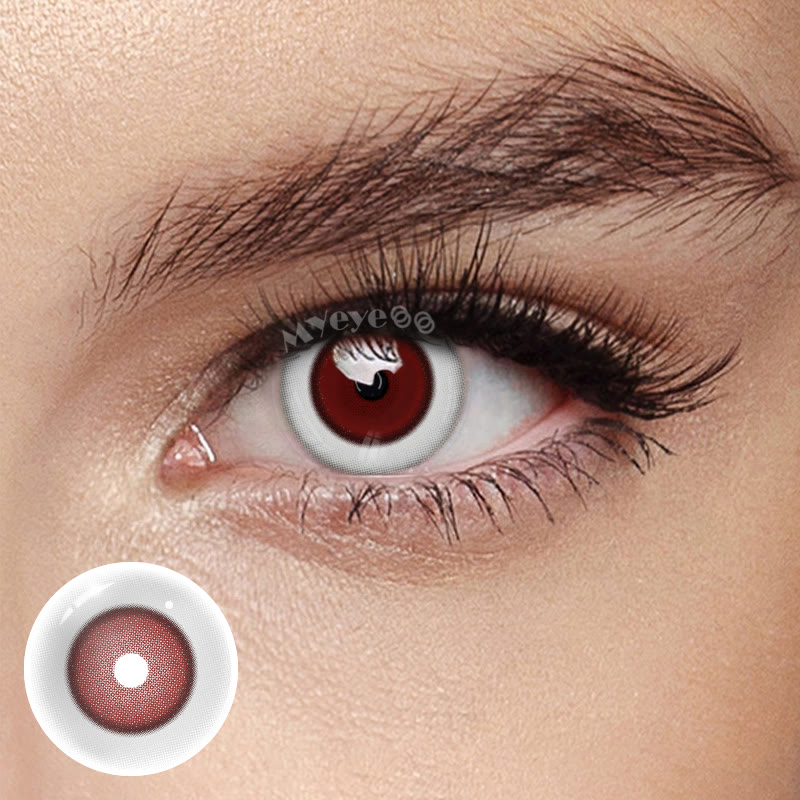
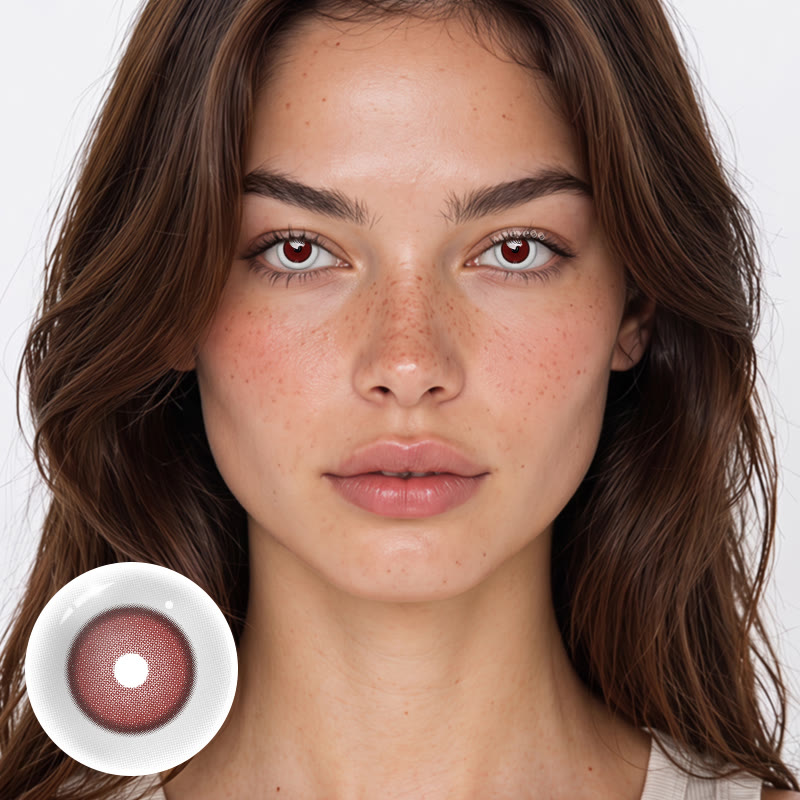
An anime contacts lens helps you match your character's exact eye color and design, from vivid solids to detailed patterns. These lenses show up well in photos and under event lighting. They work great for cosplay shoots, conventions and livestreams. Anime contacts lenses can be worn for up to 8 hours a day and give you plenty of time to perfect your look. Whether you're searching for what are circle lenses contacts, red anime eye contacts, or other anime colored contacts lenses, this piece covers everything you need to choose, wear and care for your first pair.
What Are Anime Contact Lenses and Why They Matter for Cosplay
Cosplay can go on for hours, and your eyes need to keep up with your costume. The right anime contacts lens makes the difference between a character that looks authentic and one that falls flat.
Anime contacts lenses vs regular colored contacts
Anime contacts lenses serve a different purpose than the colored contacts you might wear daily. Standard lenses change your eye color with softer, natural-looking tones that match the human iris's natural size. Anime colored contacts lenses, but, create a stylized look for cosplay and events where you need high-effect visuals.
Several elements show the core differences:
| Element | Anime Contact Lenses | Standard Colored Contacts |
|---|---|---|
| Enlargement Effect | Creates bigger, wider iris appearance | Matches the human iris's natural size |
| Color Intensity & Opacity | Bold, vibrant colors with full coverage | Softer, natural-looking colors |
| Stylized Patterns | Specialized designs with shapes and contrast | Natural patterns |
| Context of Usage | Cosplay & events, limited-time, high-effect usage | Everyday daily wear and natural enhancement |
A reason exists behind these design choices. Anime characters have exaggerated features that makeup alone can't copy. You need opaque lenses that cover your natural eye color completely to get dramatic transformations.
What are circle lenses contacts and how they create the anime eye effect
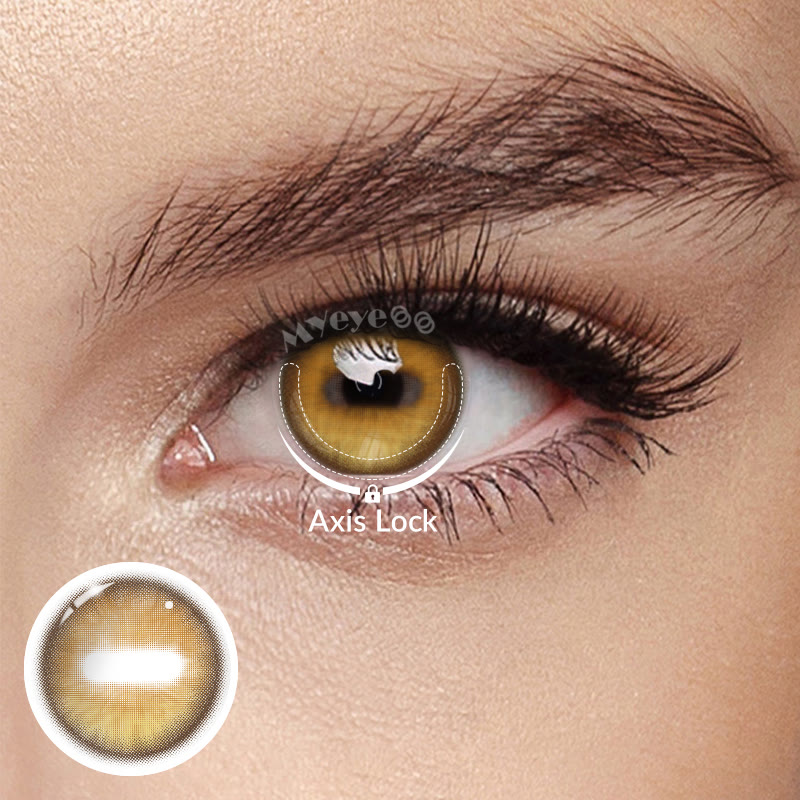
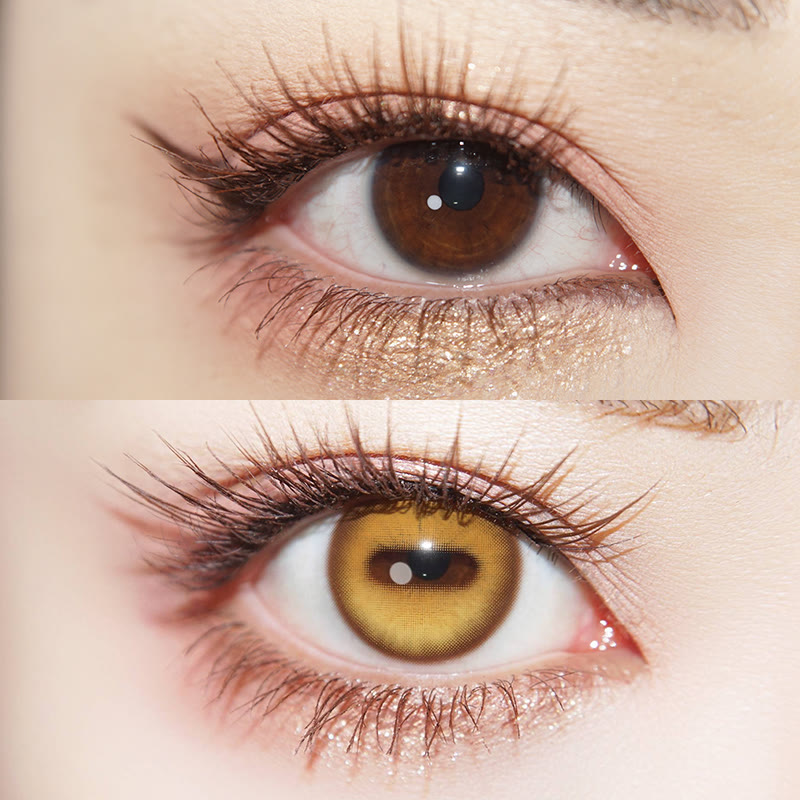
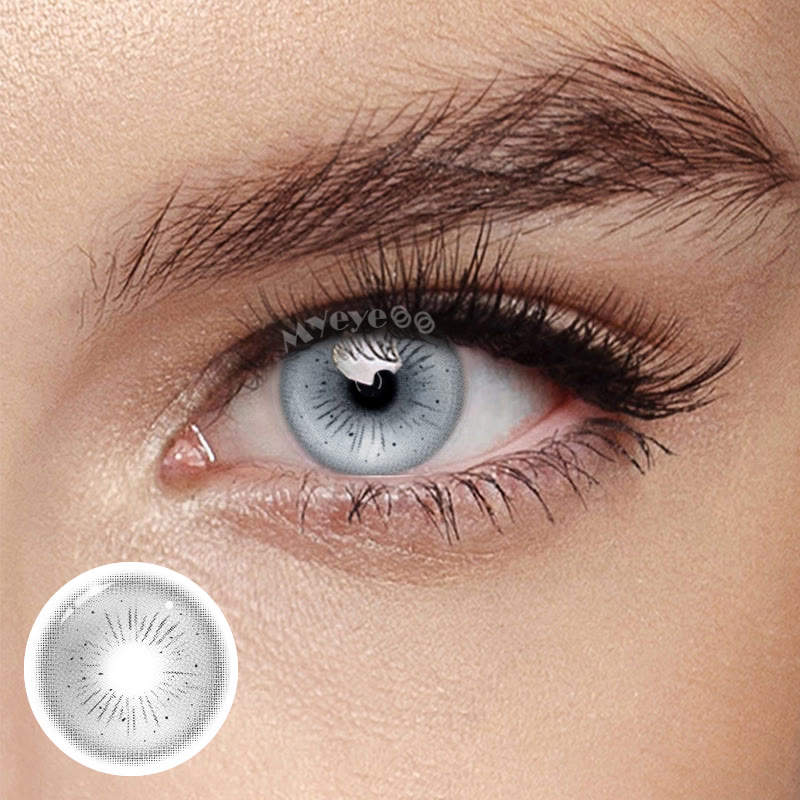
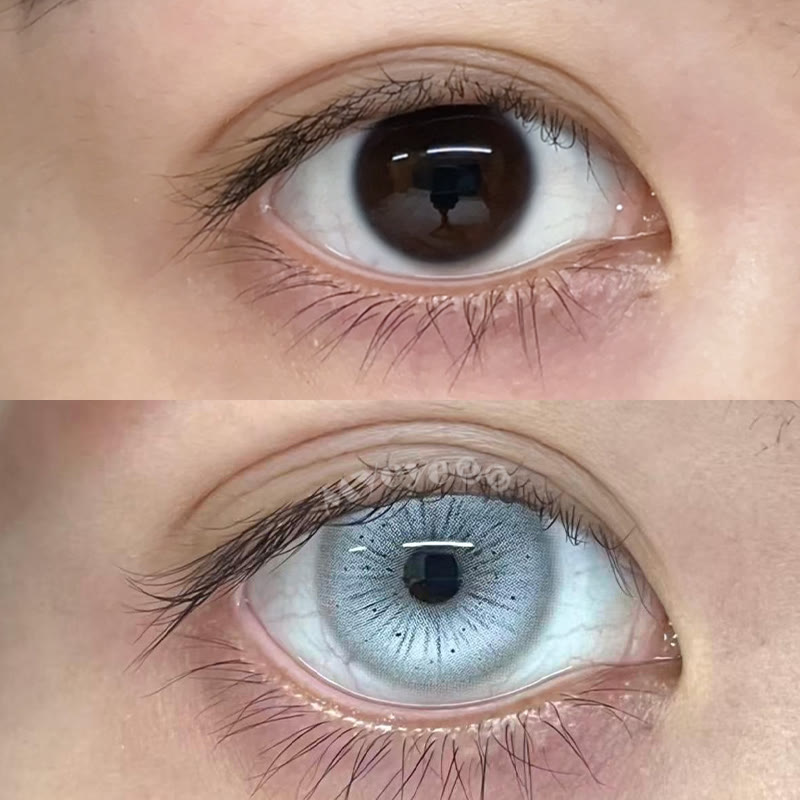
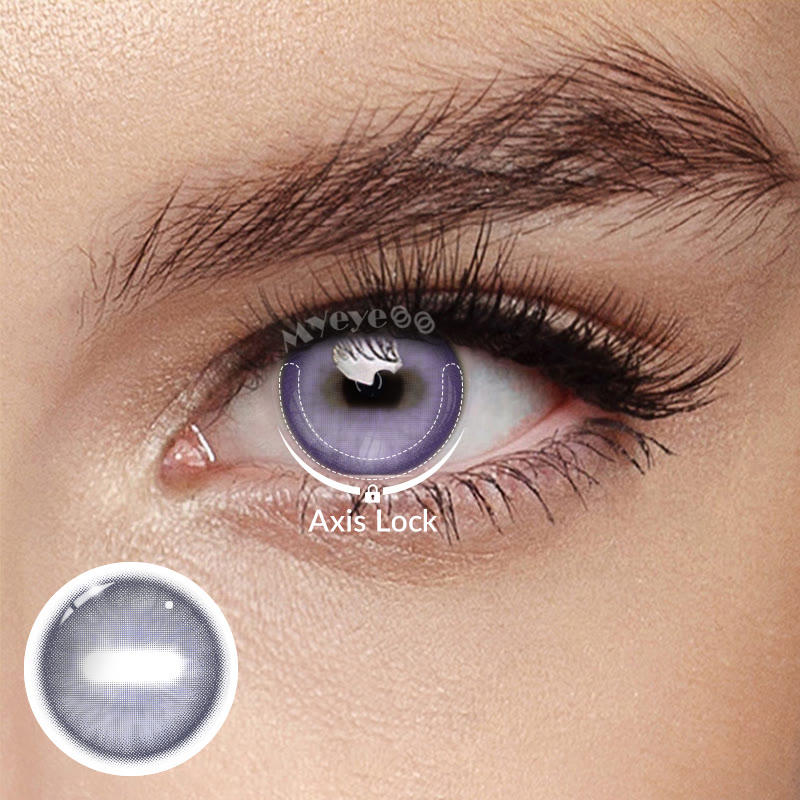
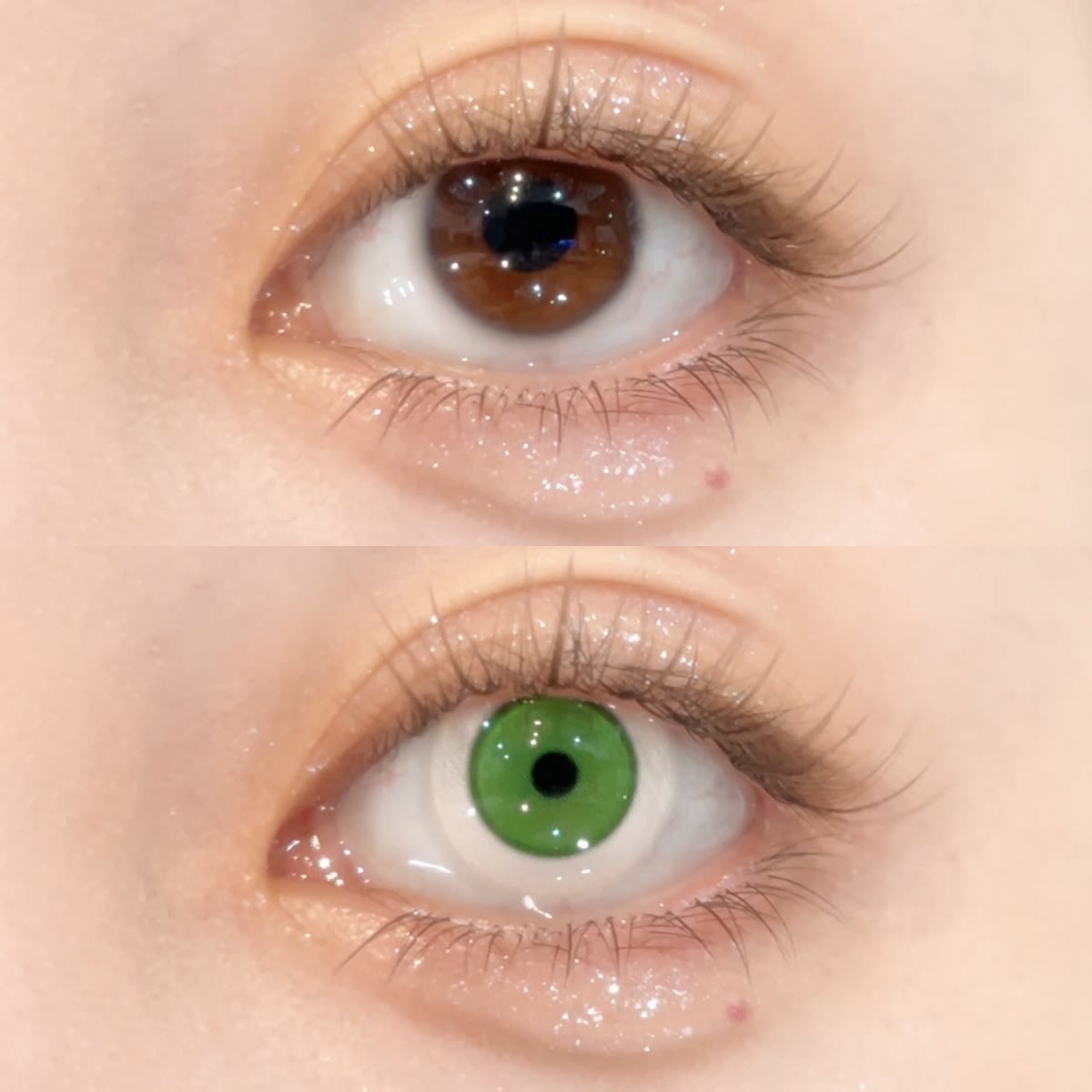
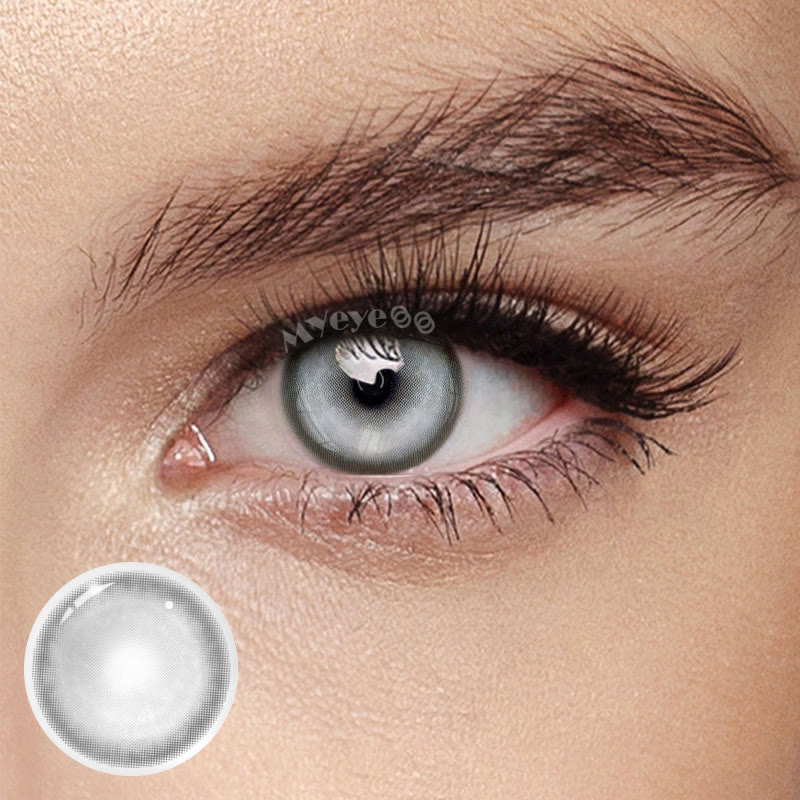
Circle lenses are cosmetic contact lenses that enlarge the appearance of your iris and give your eyes a bigger, more pronounced look. These lenses feature a darker outer ring (limbal ring) that creates the illusion of larger eyes, not just a color change.
The mechanics behind this effect are straightforward. Circle lenses extend the colored part onto your eye's white area through a dark-tinted section. Your brain notices this dark circle as part of your iris instead of a separate element. Your iris looks bigger because the boundary darkens and extends.
Size matters when you choose circle lenses. The lens diameter (DIA) ranges between 14.0mm to 15.0mm, while normal contacts measure no bigger than 14.0mm. Both your iris and part of your sclera get covered by this extra size.
Graphic diameter (GD) determines how dramatic the enlargement effect appears, beyond the overall lens size. A GD below 13.3mm creates a bigger look that seems natural. A doll-like effect appears when the GD exceeds 13.7mm. Look for a GD above 14.5mm to get the anime-inspired appearance, which creates a very large eye effect perfect for costumes.
Why eye accuracy completes your character transformation
Eyes rank among the most striking features of any character. Your cosplay gains authenticity when you match your character's eye color, and your final look becomes recognizable instantly.
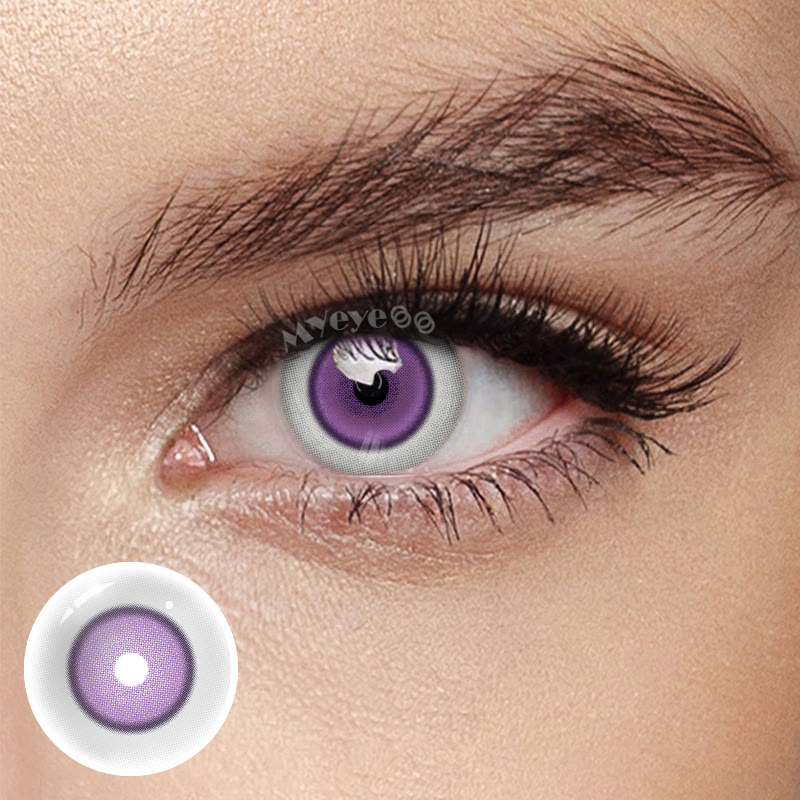
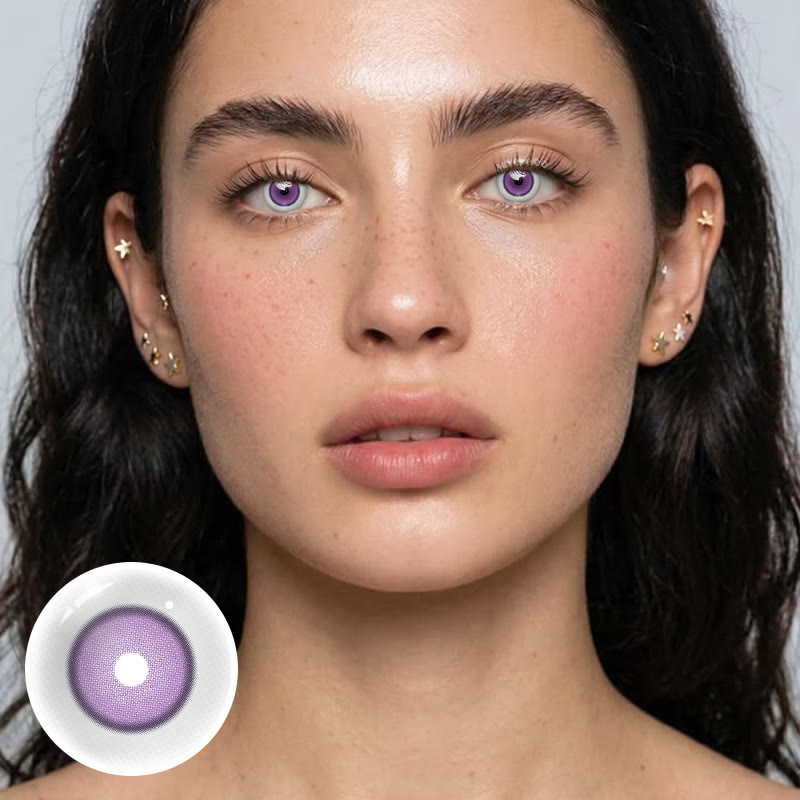
Hatsune Miku's electric blue eyes, Nezuko's soft purple, or Deku's intense green serve as defining characteristics. A character's eye color conveys information about their history and identity. These details matter, and matching them shows respect that appeals to fans who appreciate attention to every aspect.
Different conditions affect how your cosplay performs, and your lens choice plays a role. Anime contacts lenses improve your overall look without requiring heavy edits or filters. They provide bold, larger-than-life eye effects that intensify your expressions and add striking visual effect. Even if a character's natural eye color sits close to your own, contacts make the eyes pop under convention lighting and photography.
Accurate color matching and the right diameter help you embody your character's vibe. Soft, natural tones suit gentle or cute characters, while bold colors and sharp patterns work for intense or powerful roles.
How to Choose the Right Anime Colored Contacts Lenses for Your Character
Selecting the right anime colored contacts lenses starts with understanding your character's specific visual traits and how different lens features bring those traits to life.
Matching your character's eye color and pattern
Study official character artwork before buying lenses. Small differences in tone or pattern affect accuracy. Some characters have bright golden eyes, while others use darker amber shades. Compare screenshots, manga panels, or game renders to identify the most accurate style.
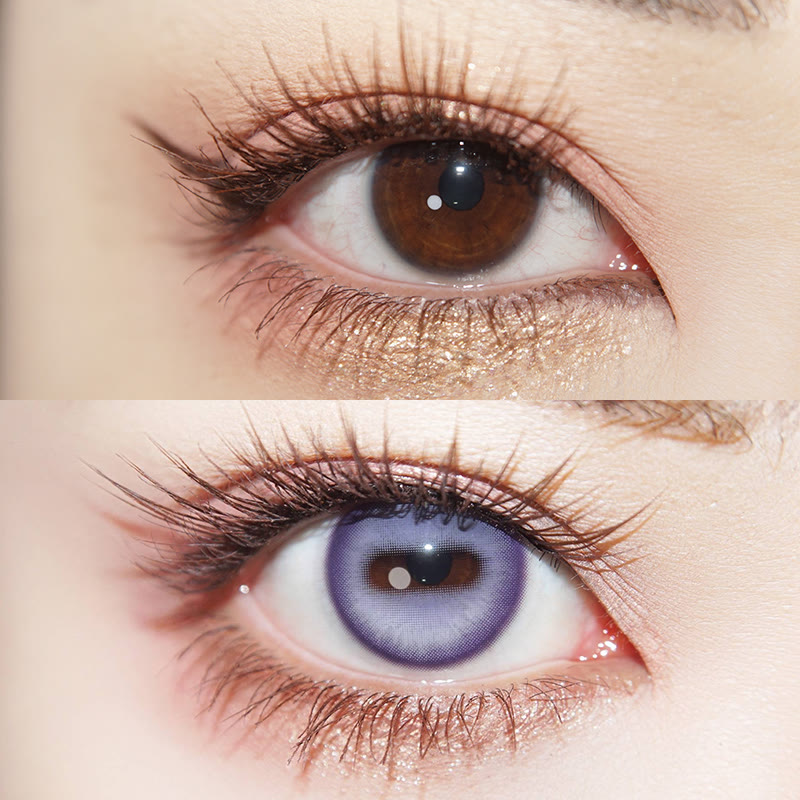
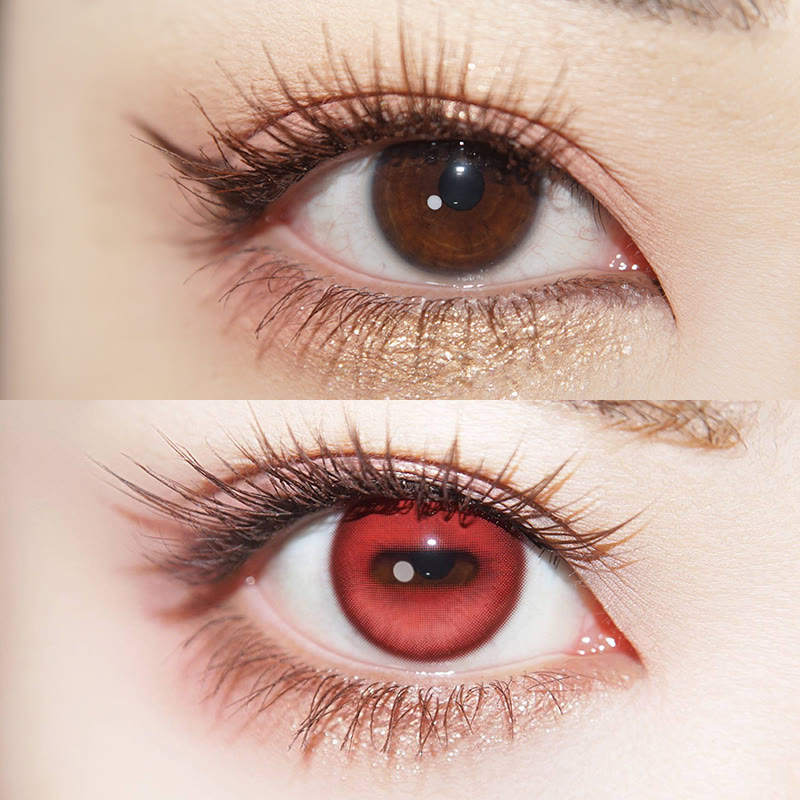
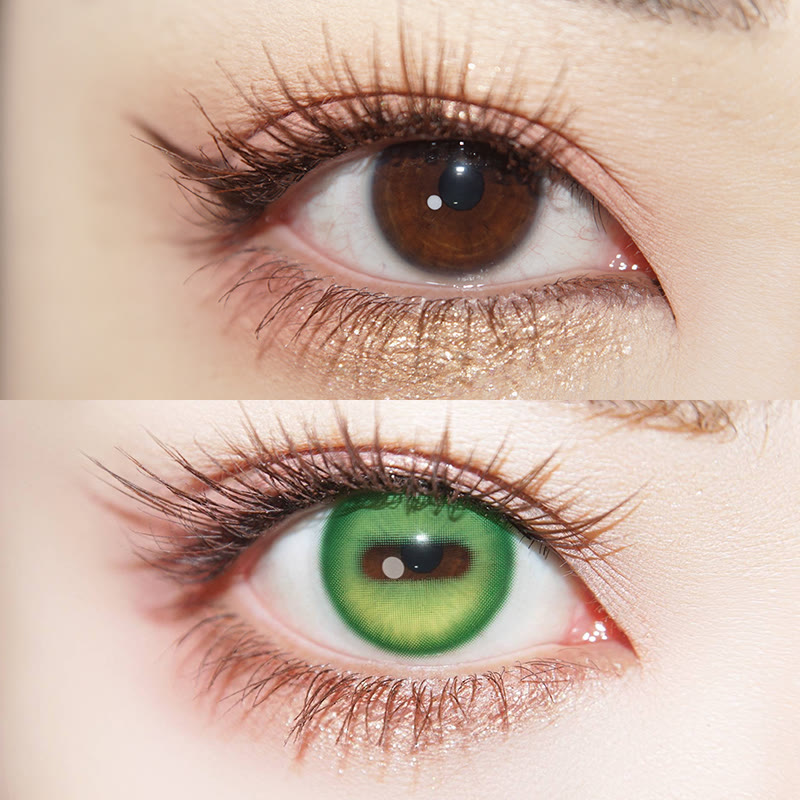
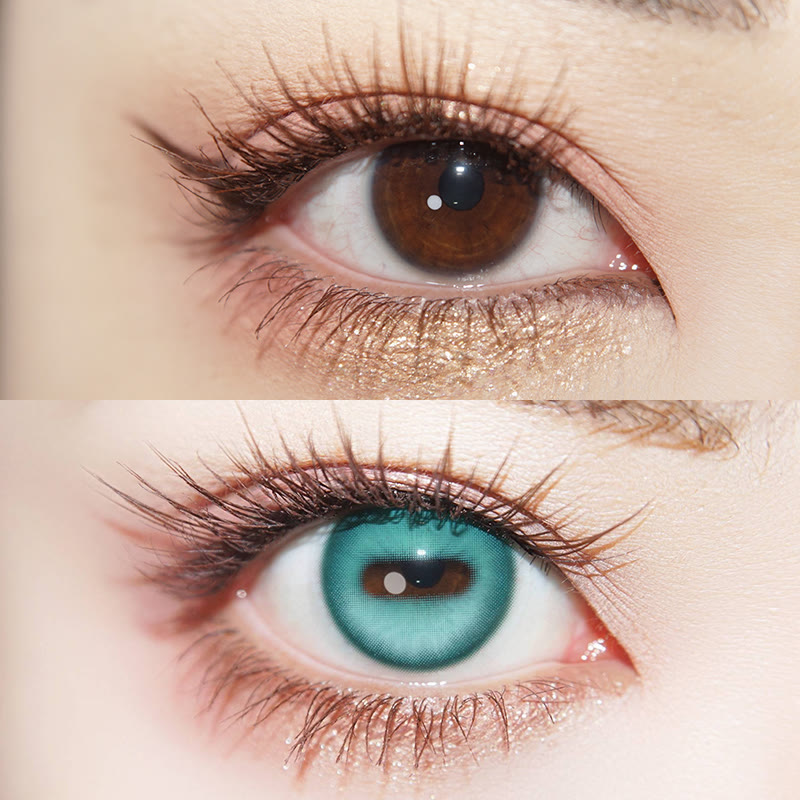
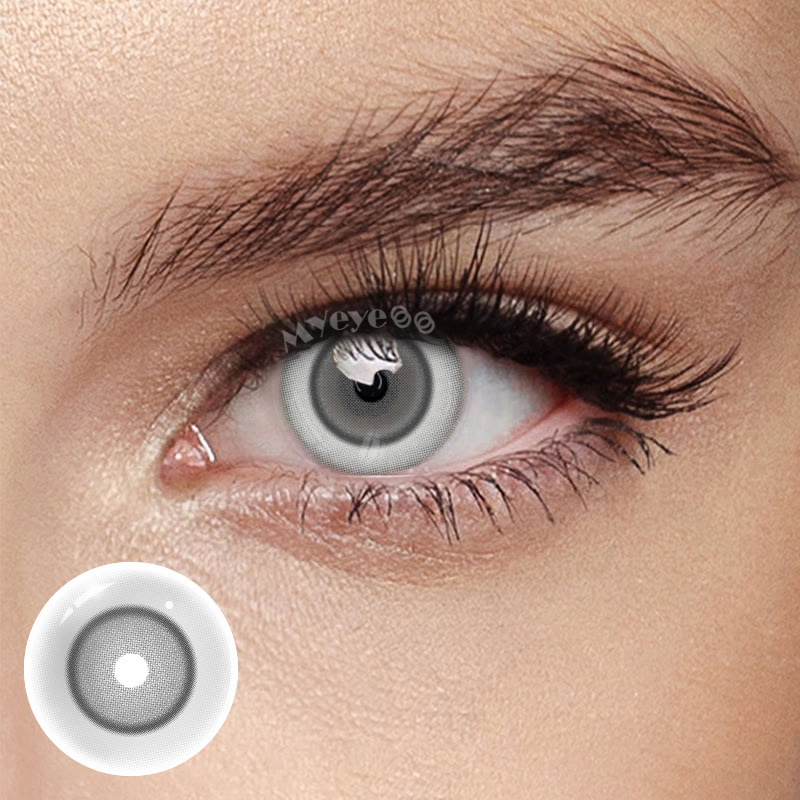
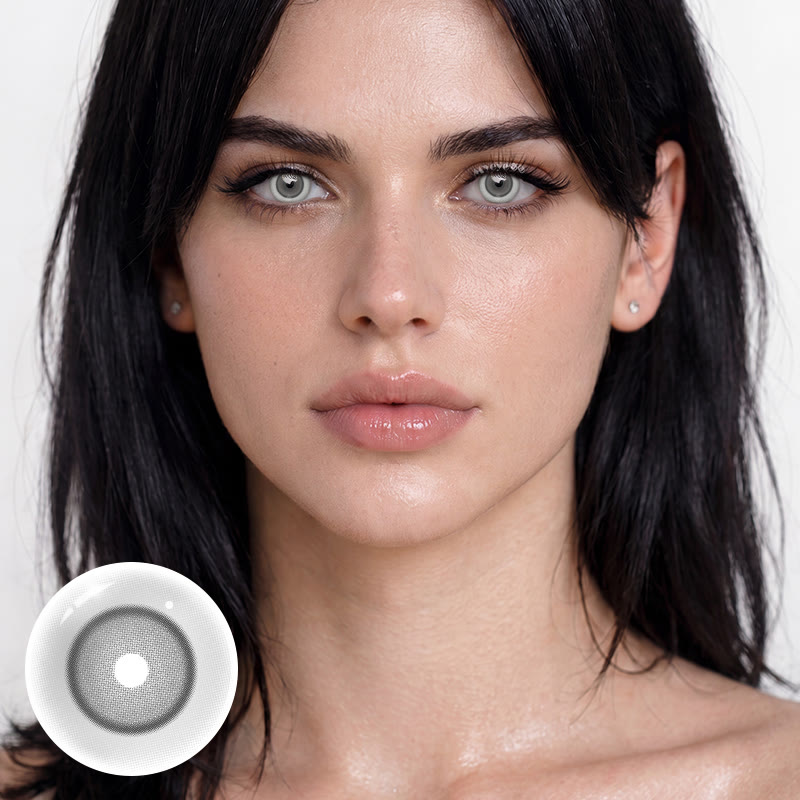
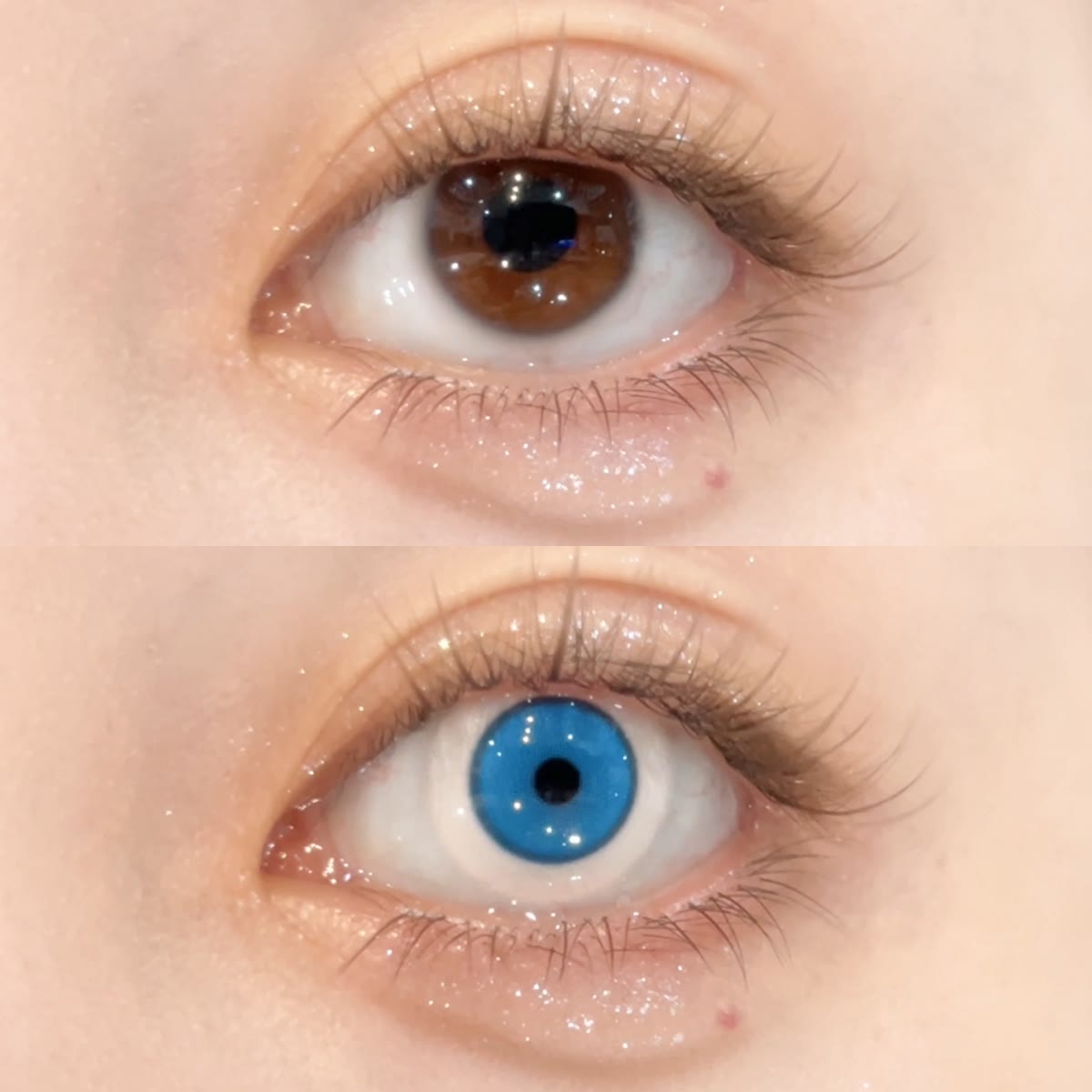
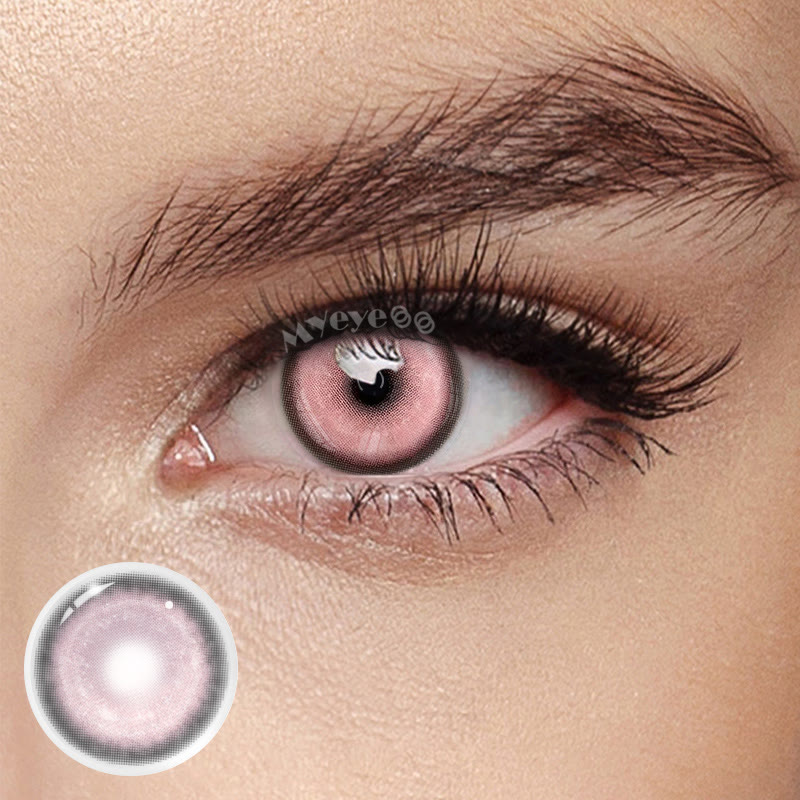
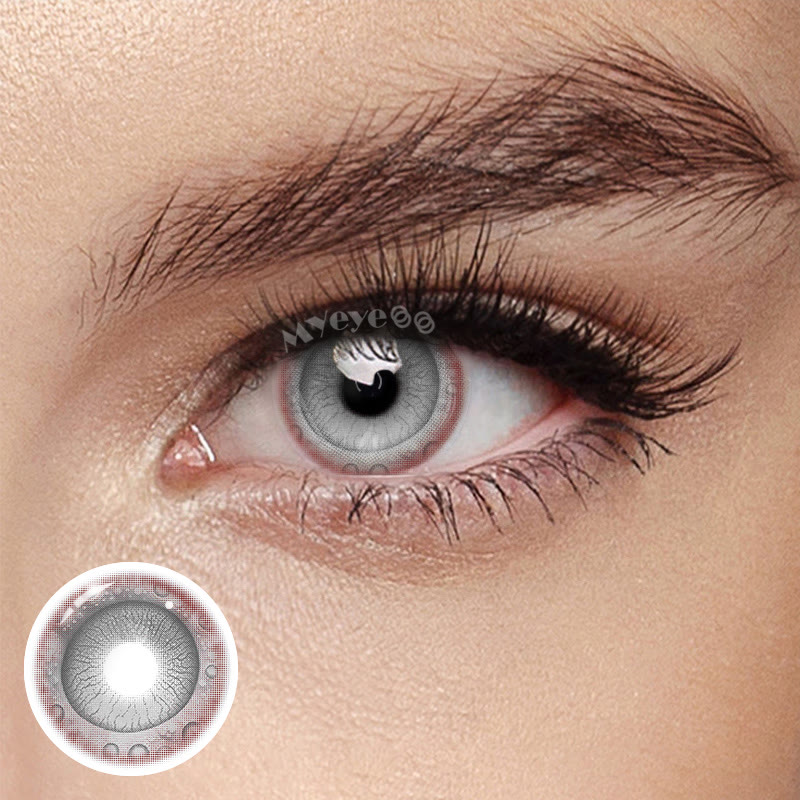
Your natural eye color determines which lens designs work best for you. Opacity becomes one of the most important factors if you have brown or dark eyes. Anime contacts for brown eyes should have strong pigmentation so the color remains visible instead of blending into the natural iris. This applies especially to lighter shades like blue, gray, pink, or violet, which can lose brightness on dark eyes if the lens design lacks opacity. Dark eyes benefit from enlarging contacts with defined limbal rings because the contrast helps make the eyes appear wider and more expressive.
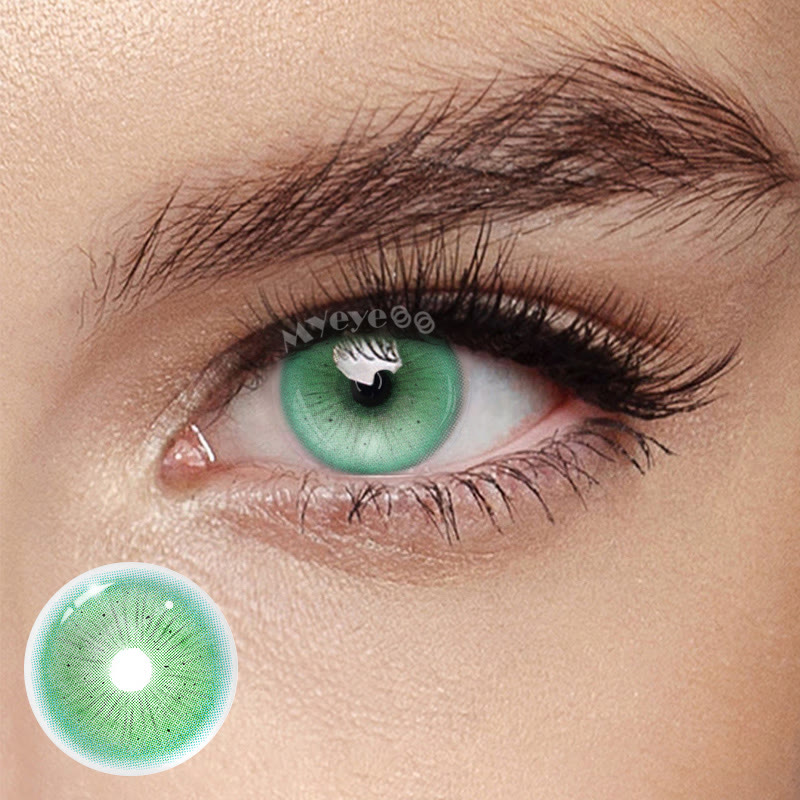
Softer and more transparent lens designs often create the most realistic anime effect for light eyes. Overly opaque lenses can sometimes appear flat or artificial on blue, green, or hazel irises. Semi-transparent anime contacts allow the natural eye color to blend with the lens pattern and create more dimension.
Understanding lens diameter for the big-eye anime look
Lens diameter ranges between 13mm to 15mm. Smaller diameters around 13mm blend naturally with your iris for subtle enhancement. Larger ones at 14mm to 15mm create a bold, bigger eyes effect. The graphic diameter refers to the colored portion's width, and larger graphic diameters cover more of your eye for a dramatic change. Larger diameters create a more doll-like effect for the anime-inspired appearance, perfect for shōjo or fantasy characters.
Red anime eye contacts and other vibrant color options
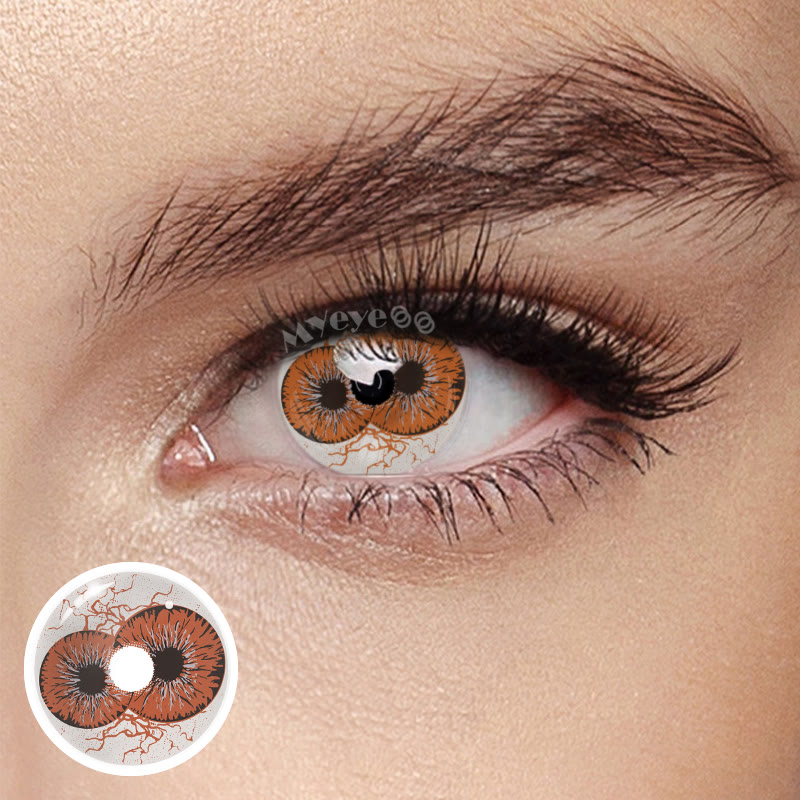
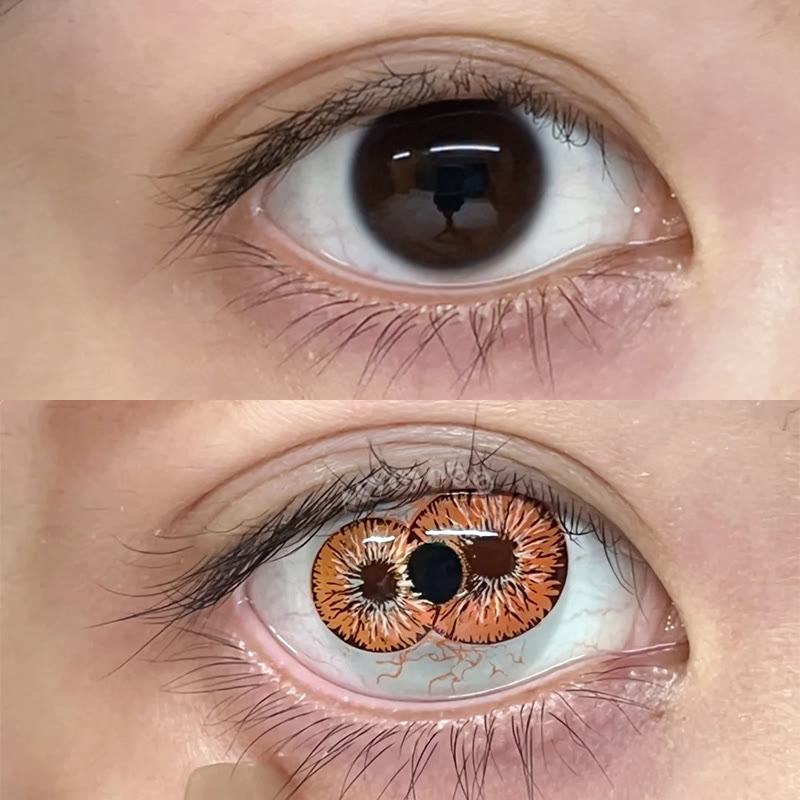
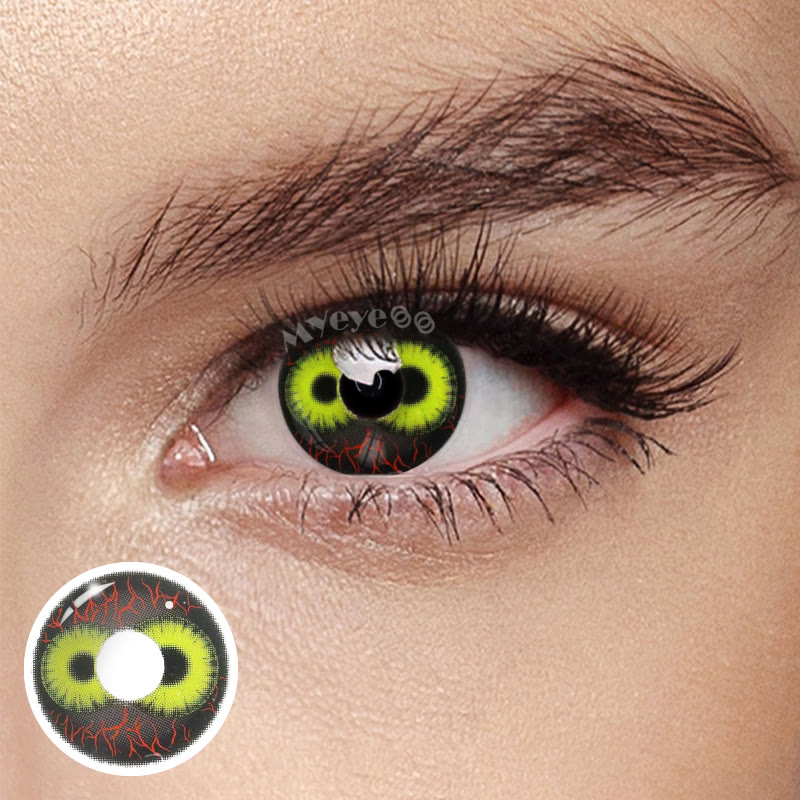
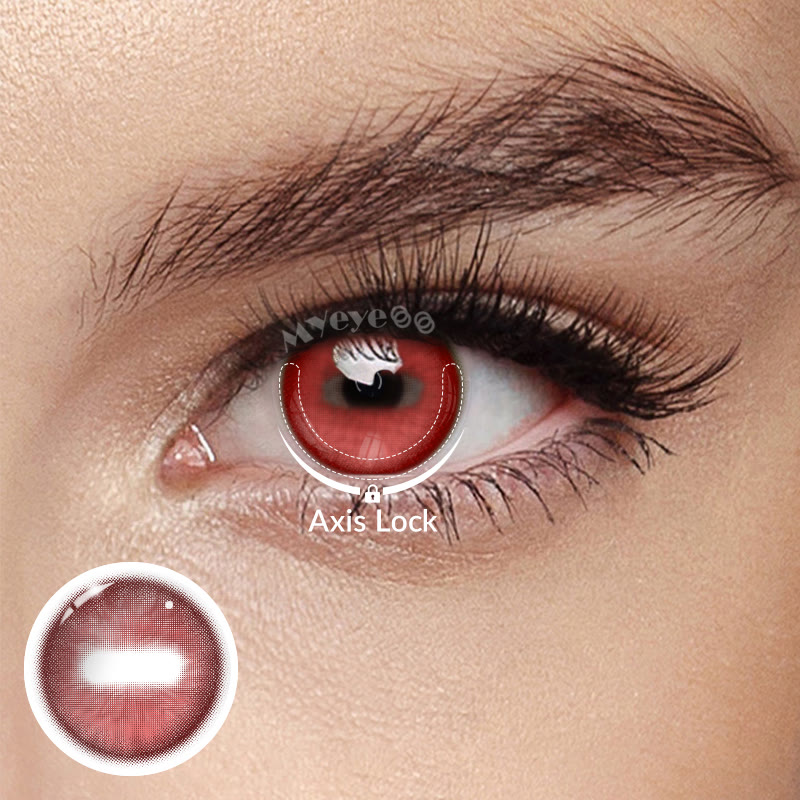
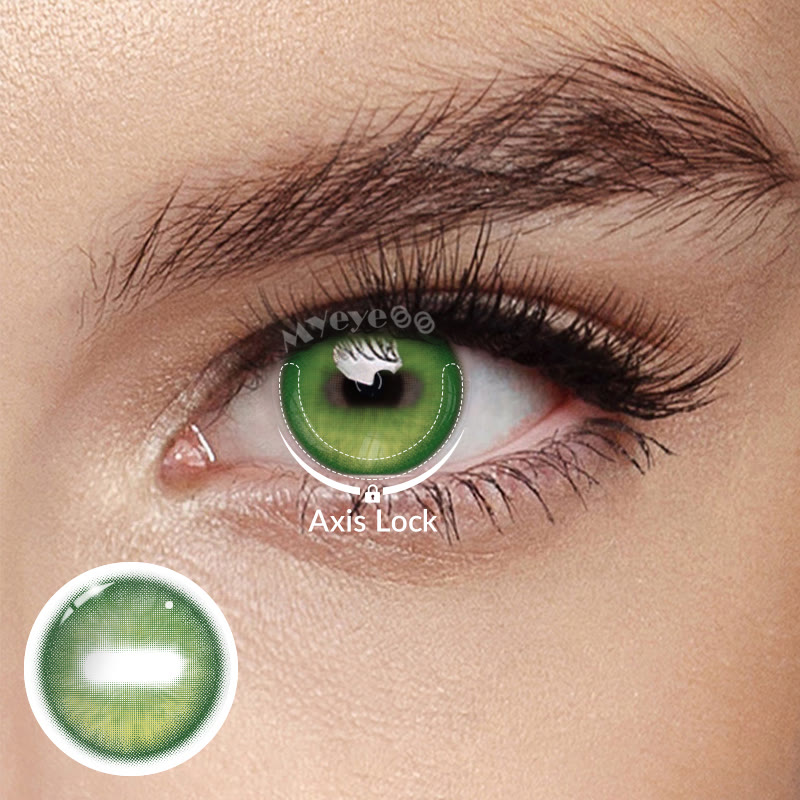
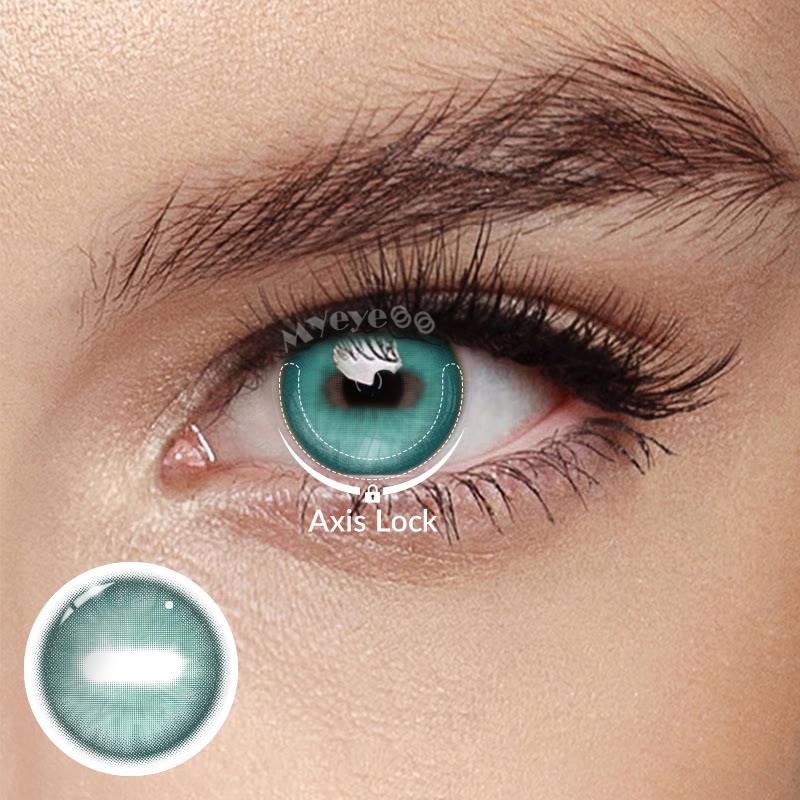
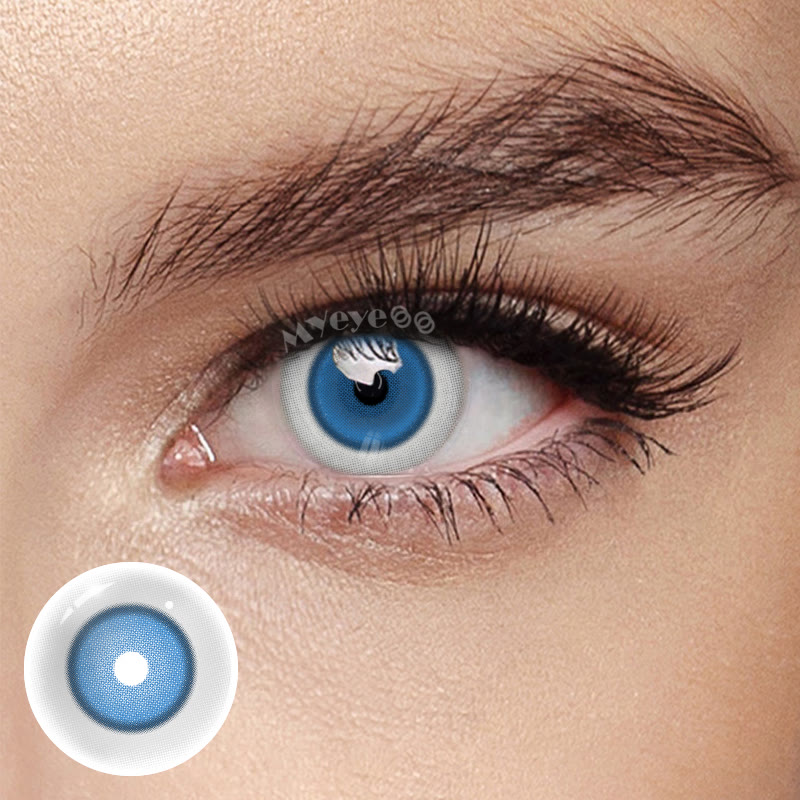
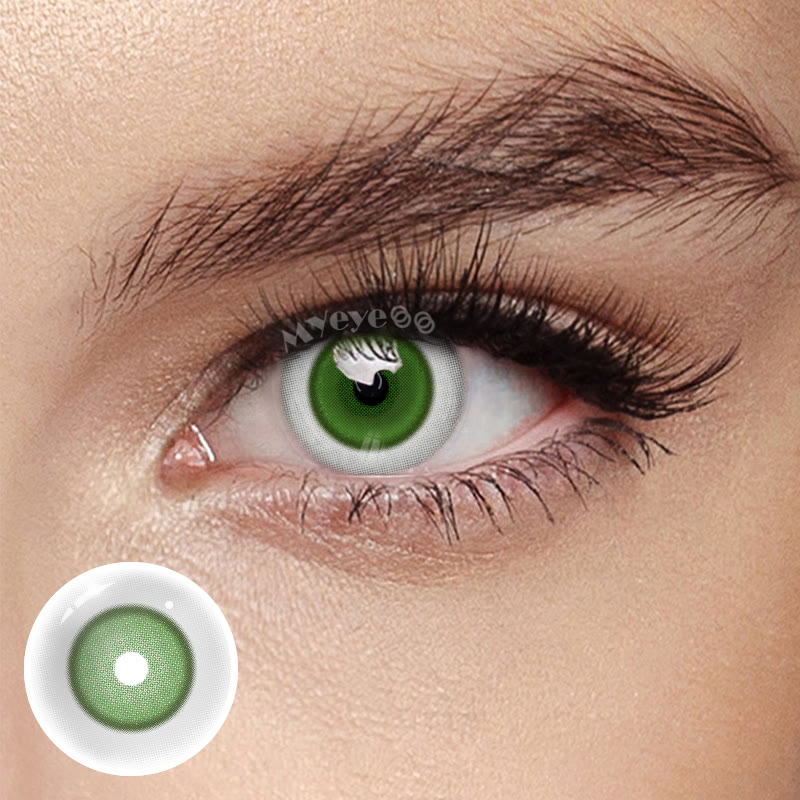
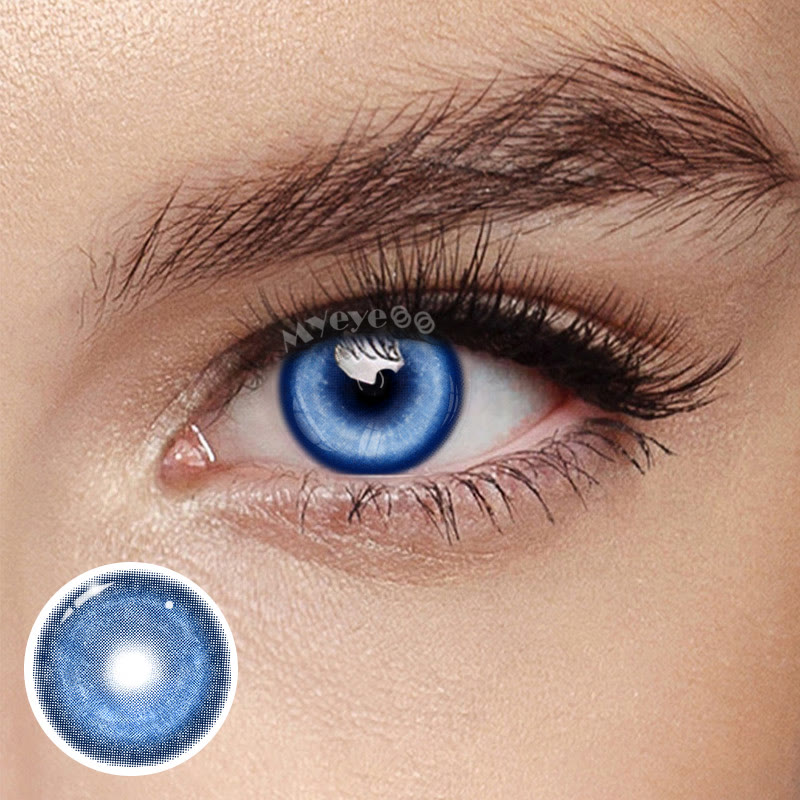
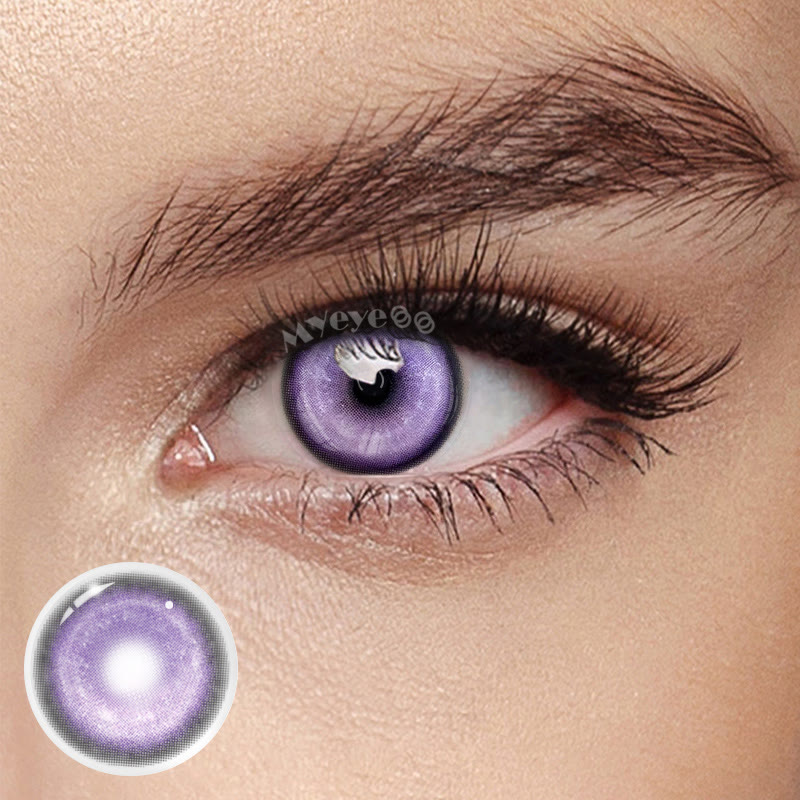
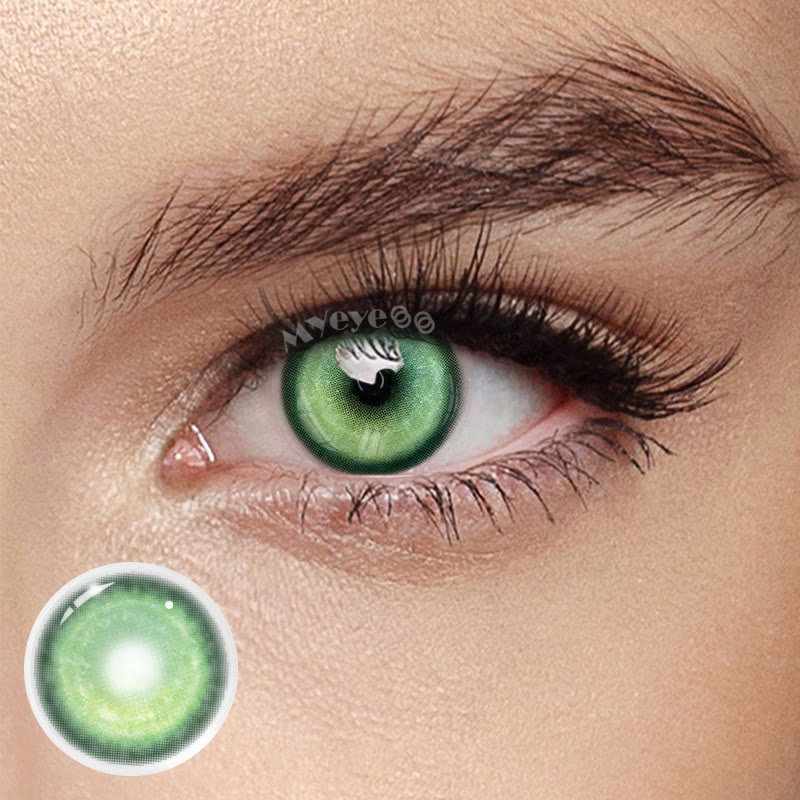
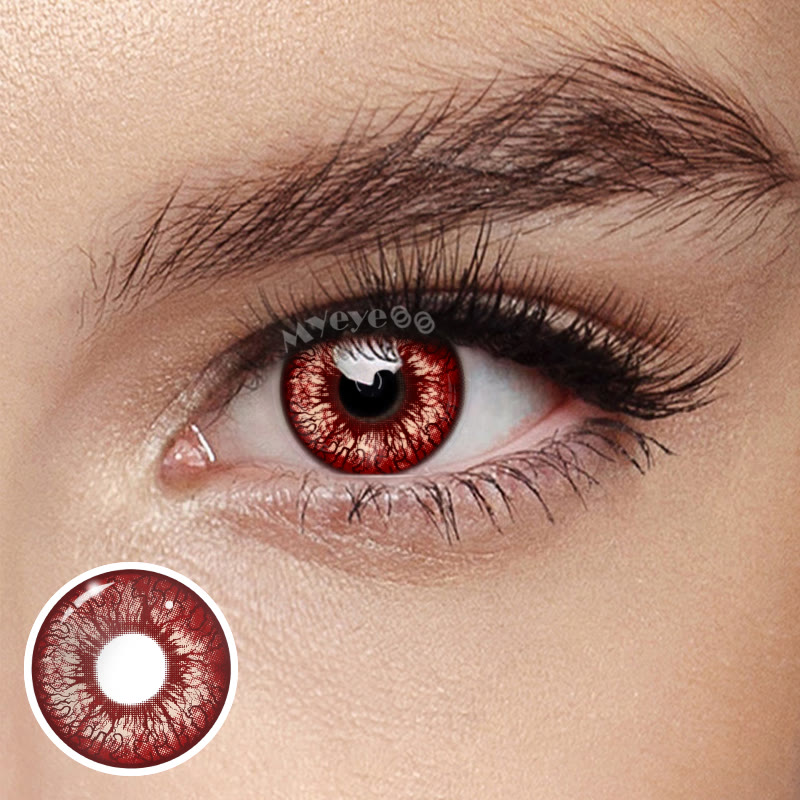
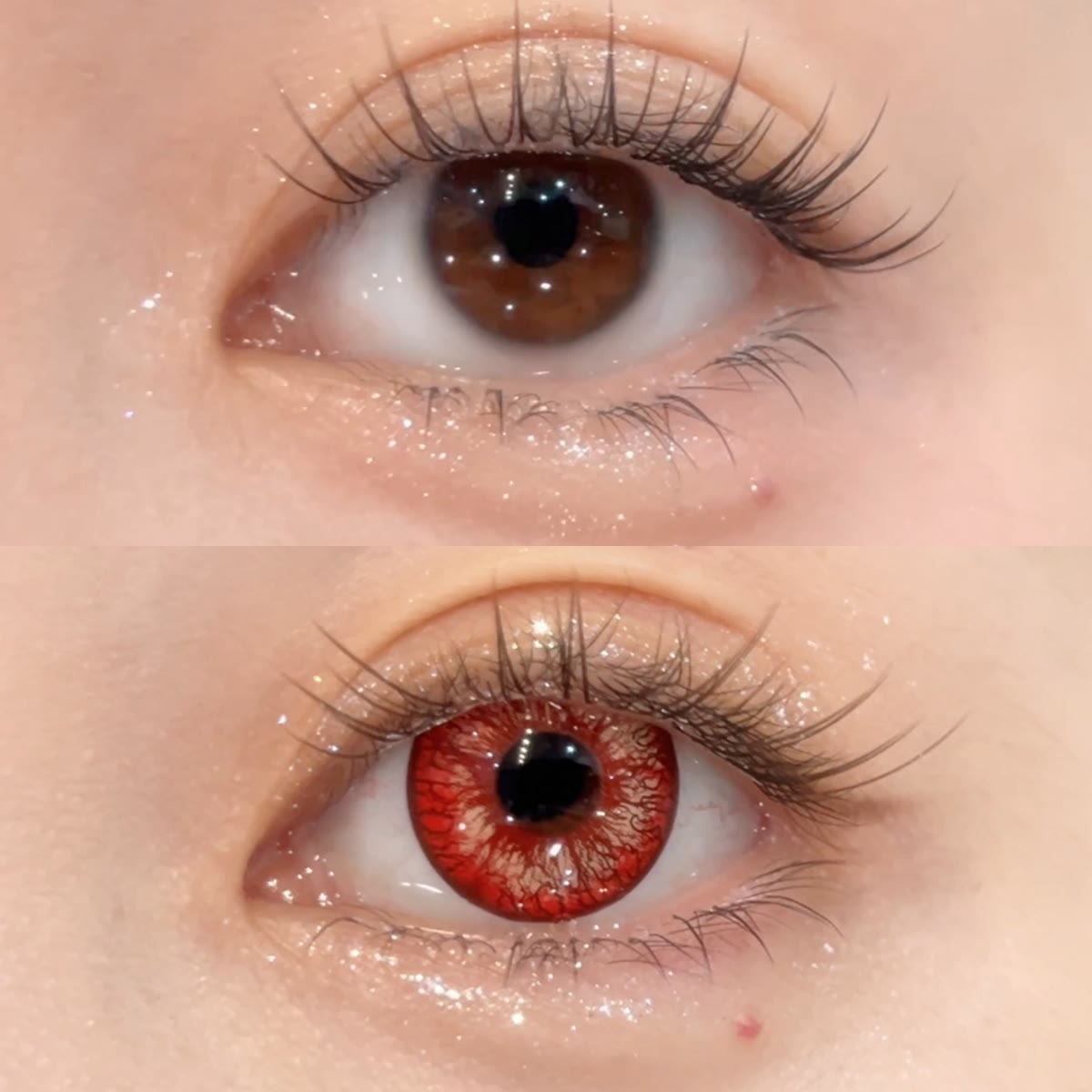
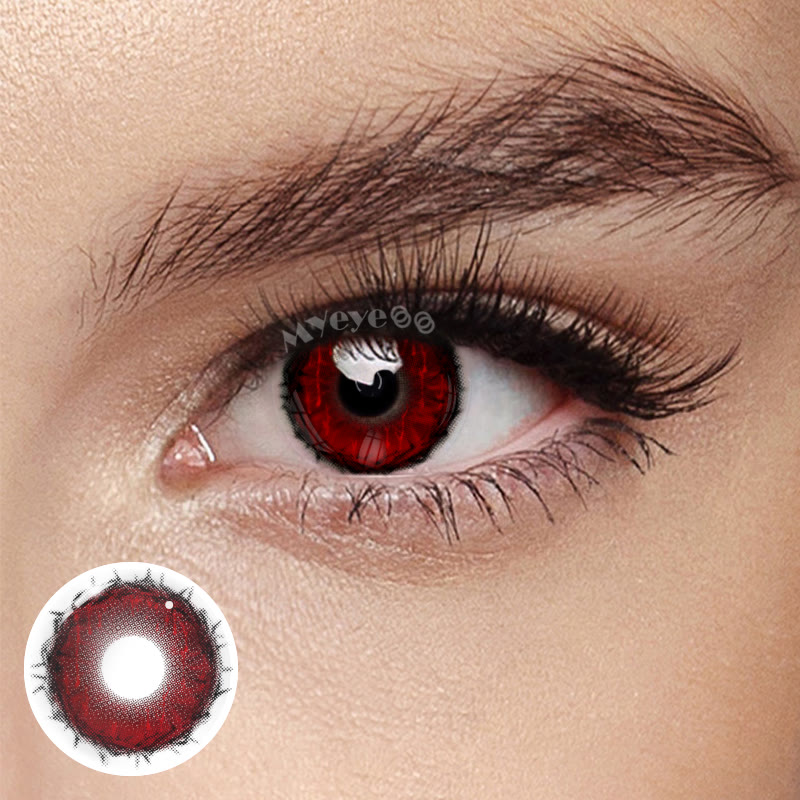
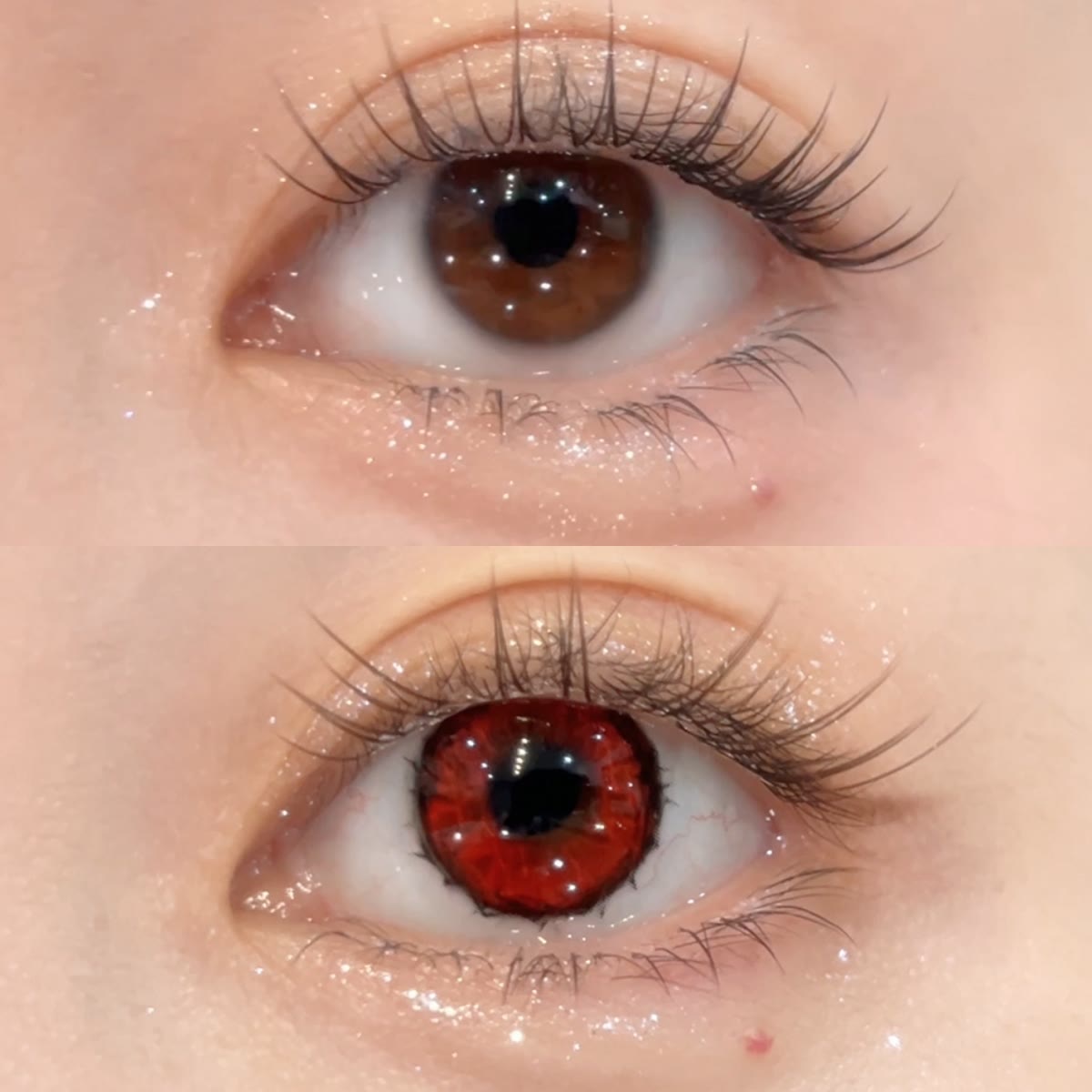
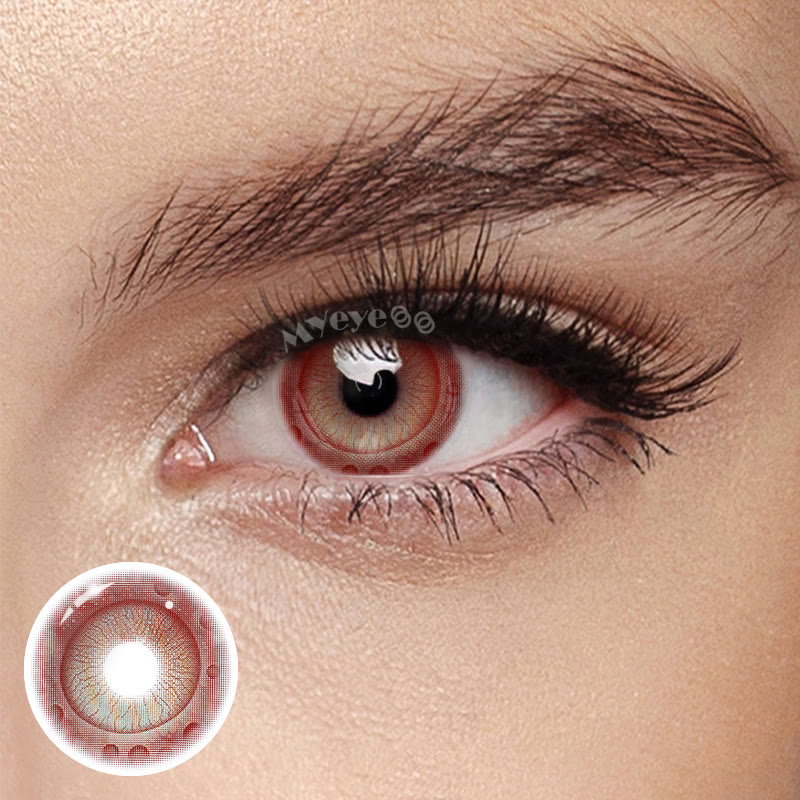
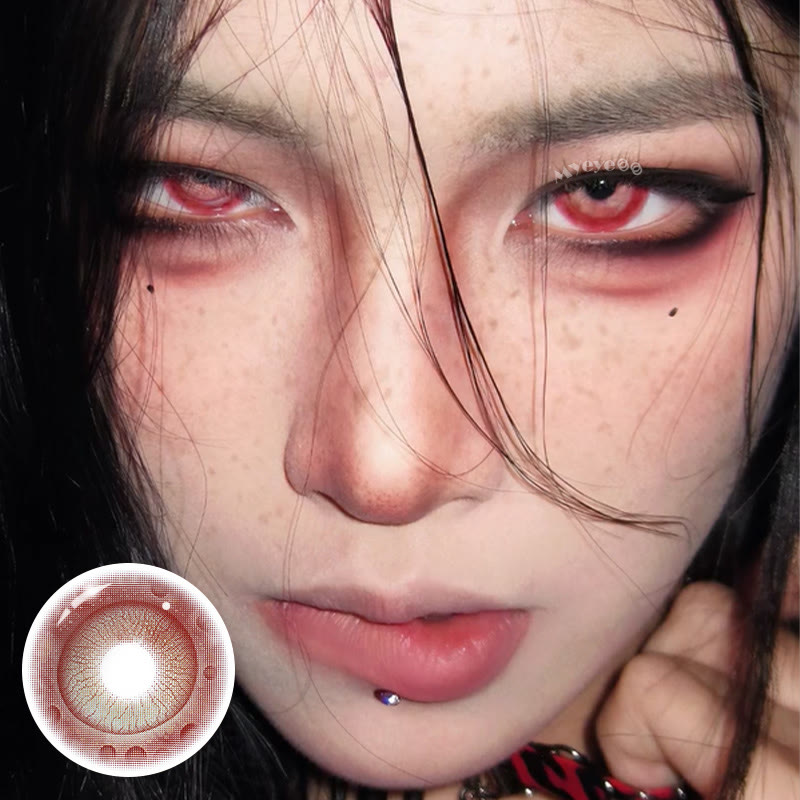
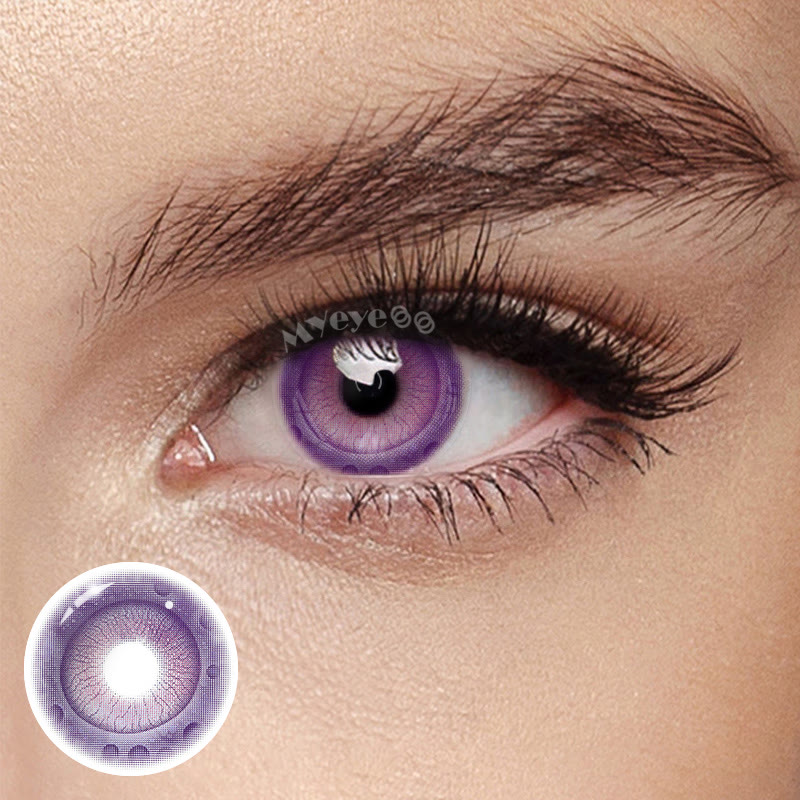
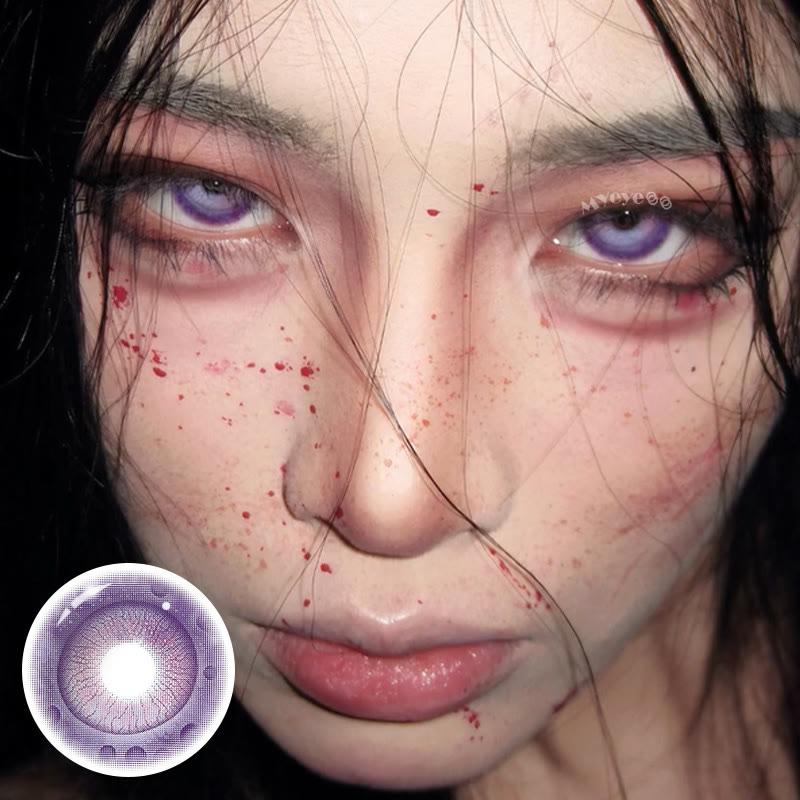
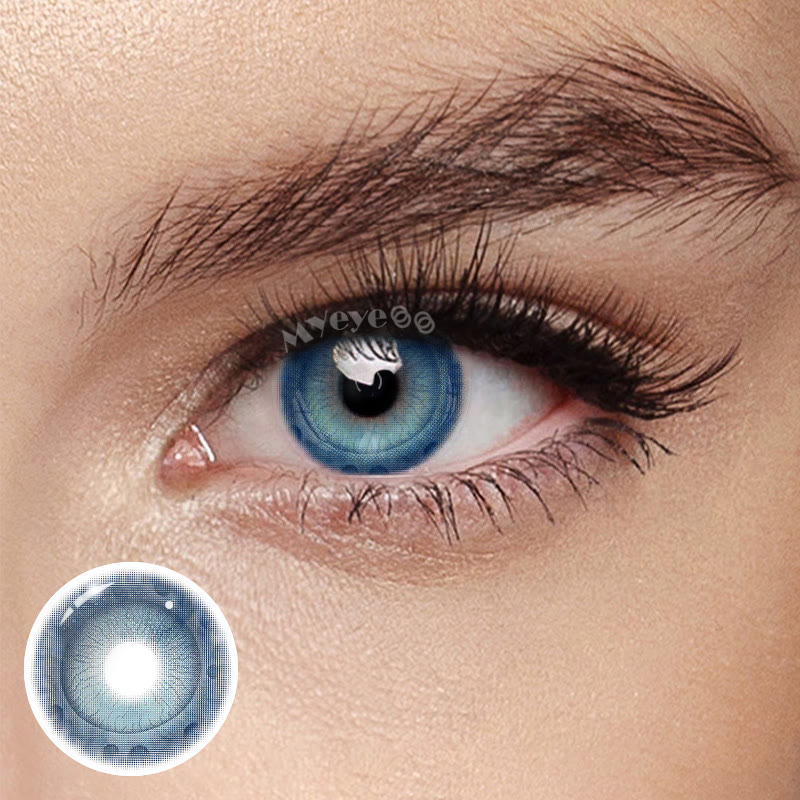
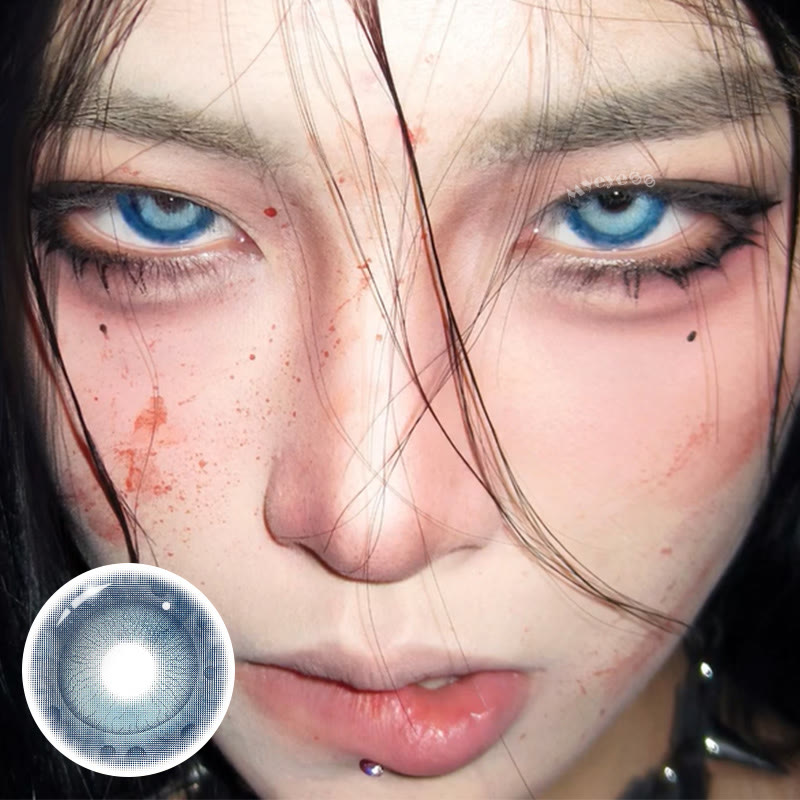
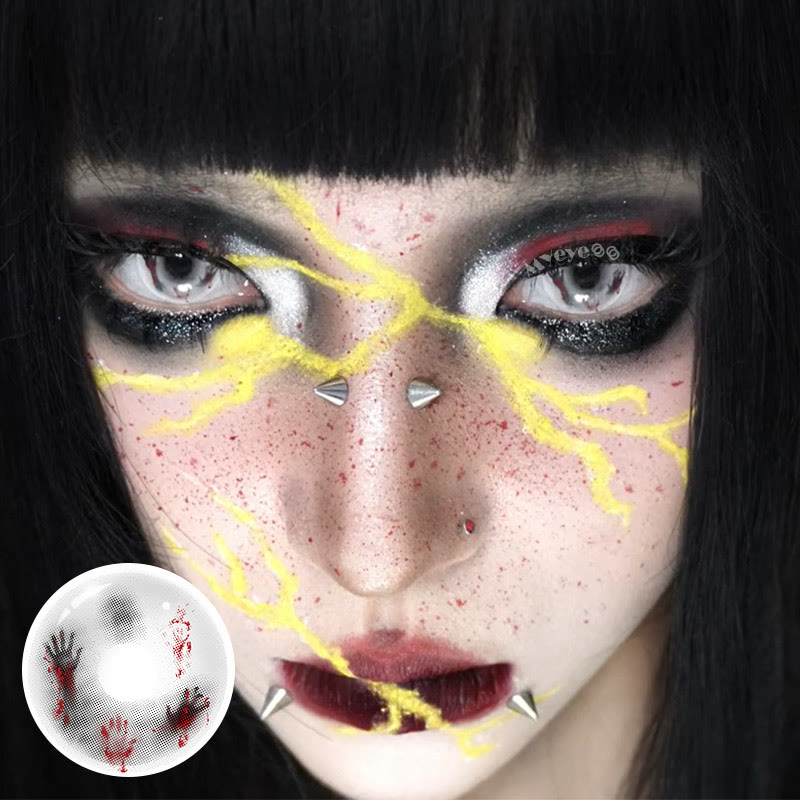
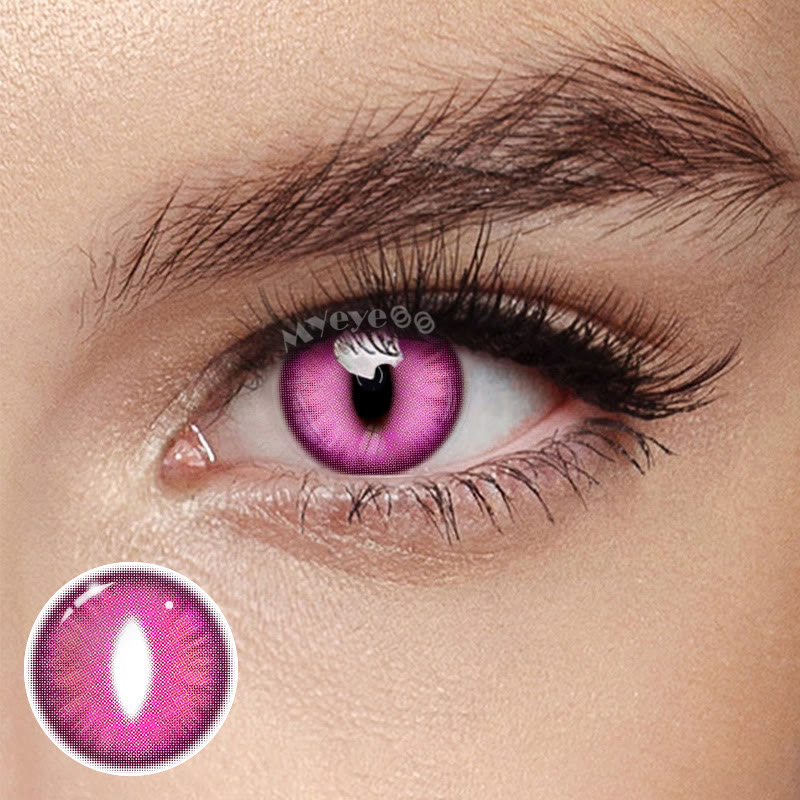
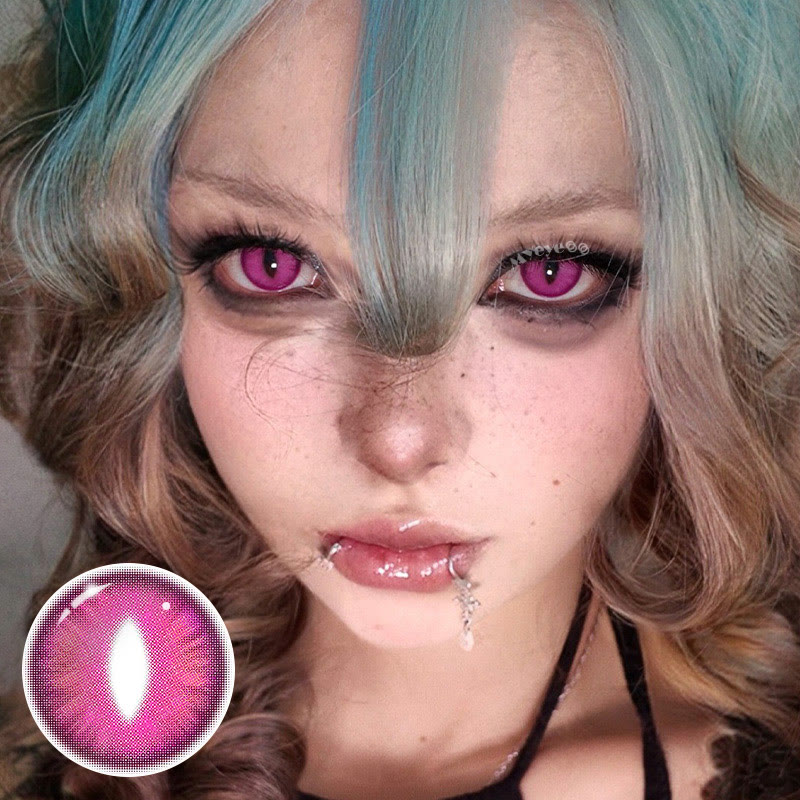
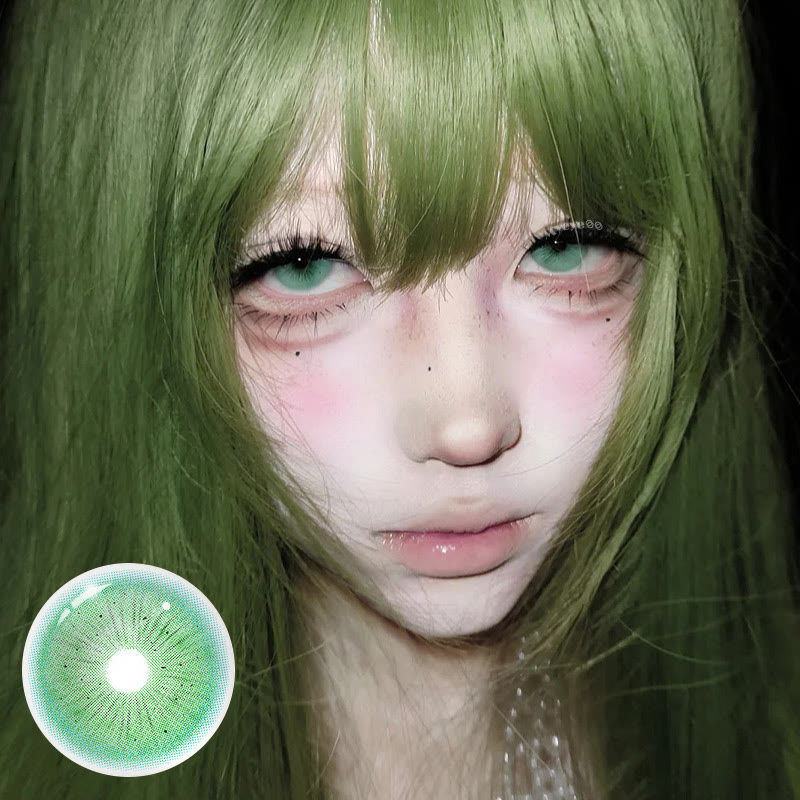
Red lenses are associated with vampire characters, dark fantasy themes, and anime abilities like the Sharingan. They create a powerful visual effect and attract attention in photos. Anime-inspired cosplay includes vibrant eye colors that do not occur naturally. Bright blue, neon green, and vivid purple lenses are common for fantasy heroines, magical characters, and futuristic designs.
Solid colors vs detailed pattern lenses
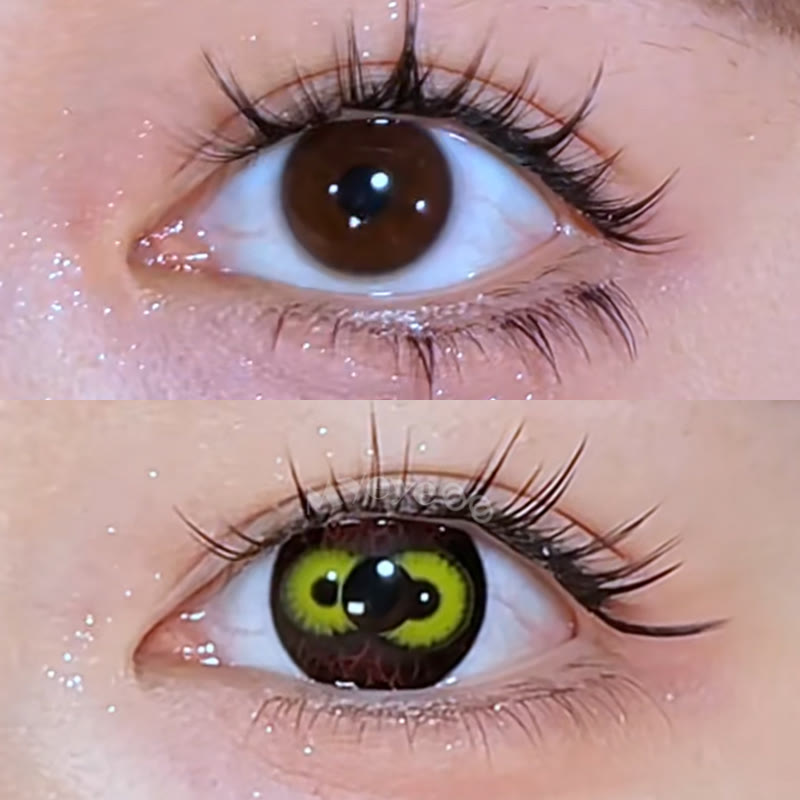
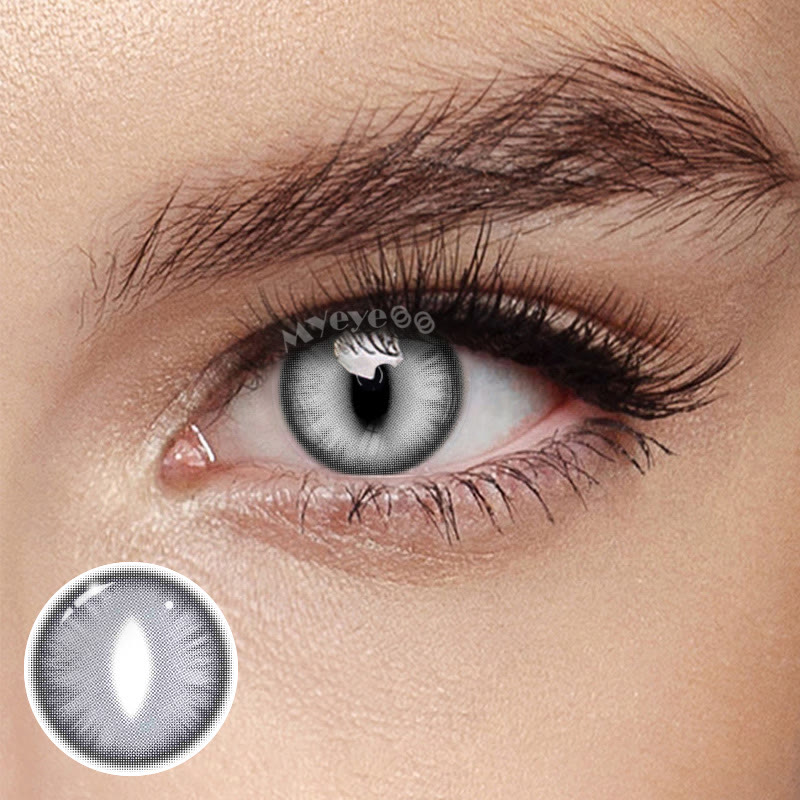
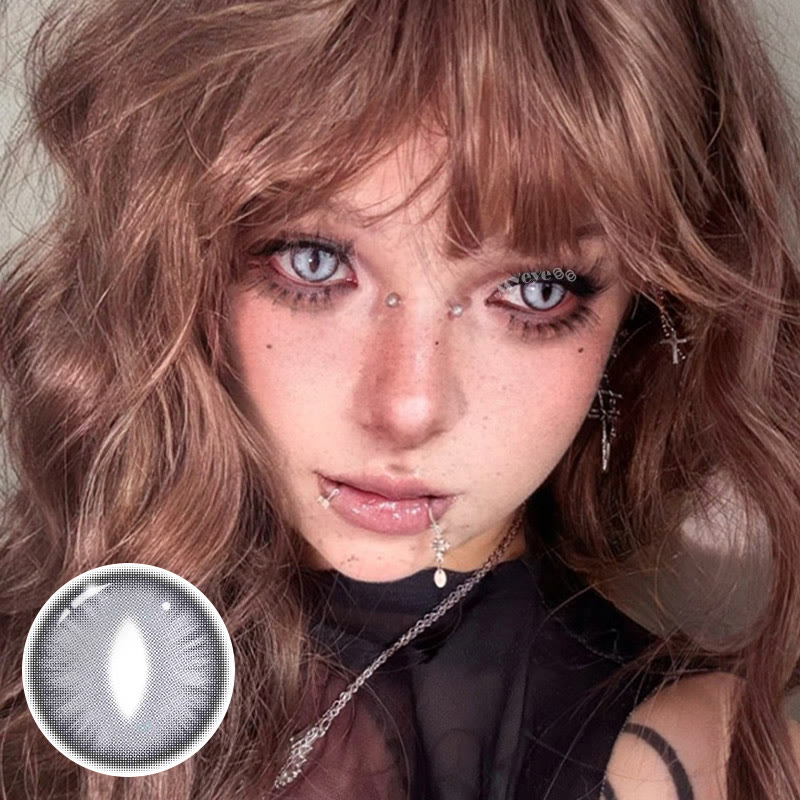
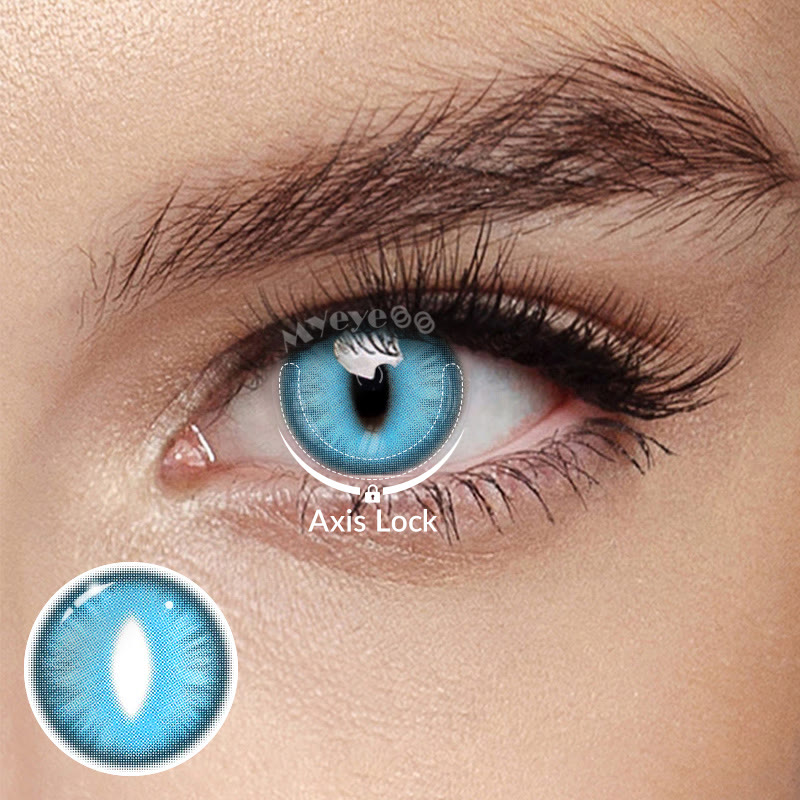
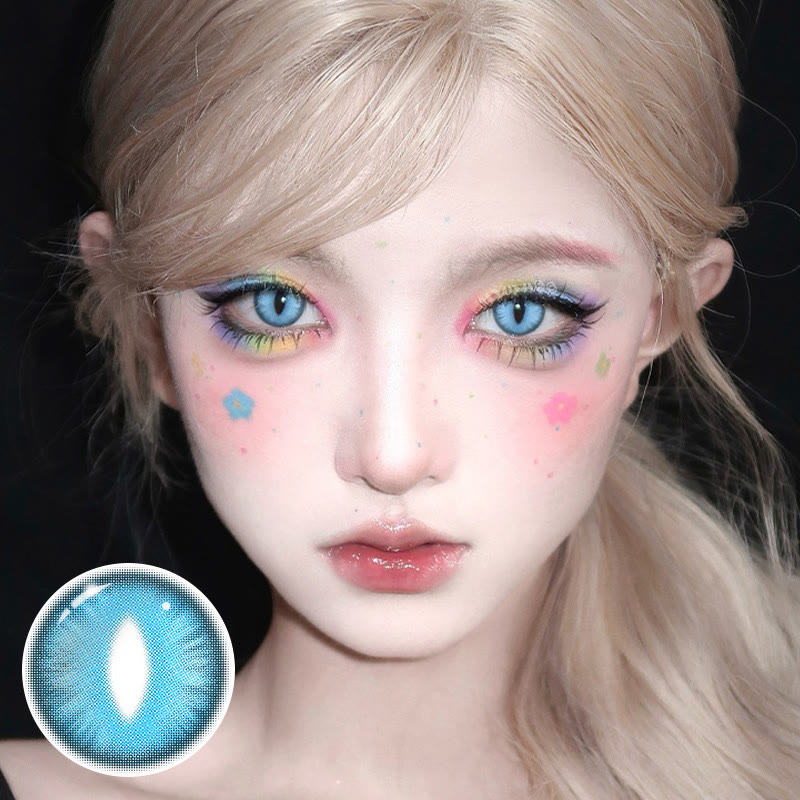
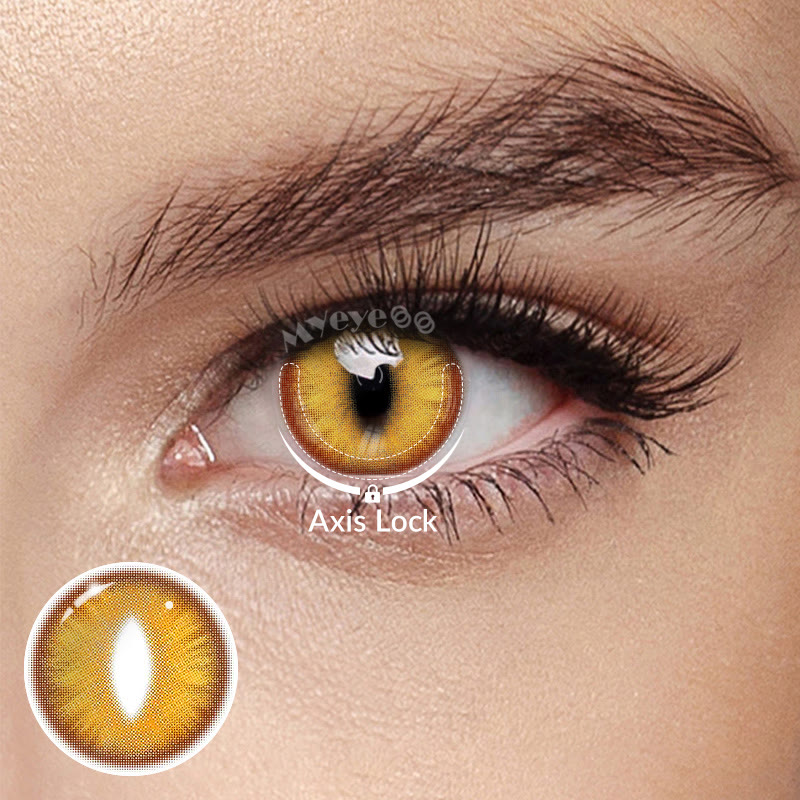
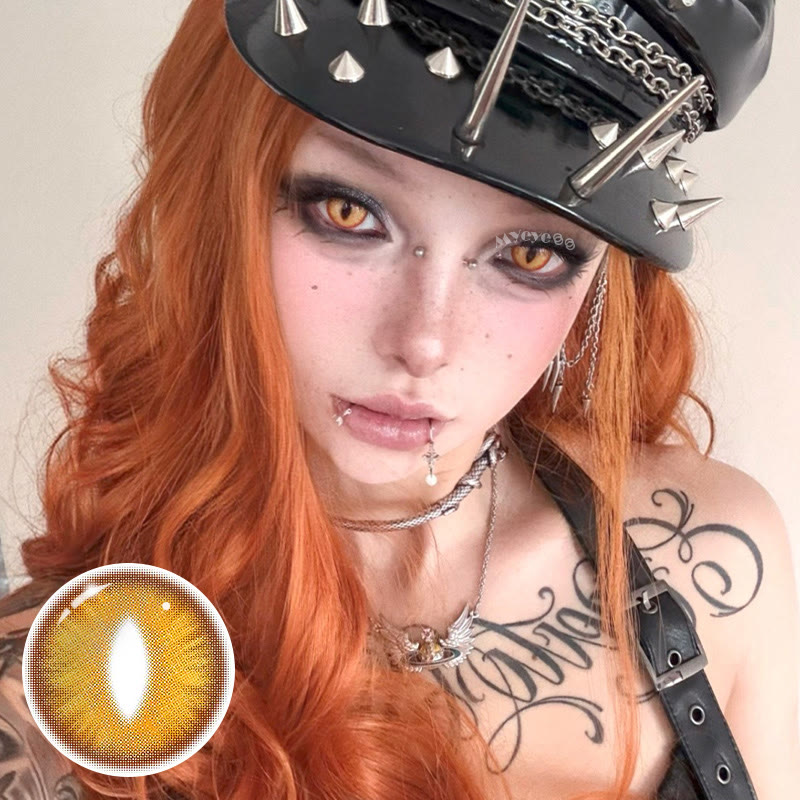
Solid yellow lenses provide a cleaner anime-style appearance. Patterned designs add texture and realism. Many cosplayers choose patterned lenses for photography because they reflect light more dynamically. Others prefer solid colors for convention wear because they appear more visible from a distance. Pupil shape changes the overall mood. Round pupils look more natural and versatile. Slit pupils create a reptilian or predatory appearance. Slit-pupil lenses are used for dragons, demons, snakes, and cat-inspired characters.
Safety First: Prescription Requirements and Eye Health
Buying anime colored contact lenses requires you to follow federal law, whatever the purpose—vision correction or pure cosmetics.
Why you need a prescription even for non-corrective lenses
Federal law classified all contact lenses as medical devices on November 9, 2005. This classification has decorative, non-corrective contact lenses intended only to change eye appearance. All contact lenses must now have FDA clearance or approval before legal sale. Lenses must be dispensed only upon a prescription order.
Red anime eye contacts, circle lenses and other decorative styles fall under the same regulations as vision-correcting lenses. Selling contact lenses without requiring a prescription violates federal law. This applies whether you buy from physical stores or online retailers.
Getting your first eye exam for contacts
A contact lens exam is different from a standard vision test. Your eye doctor measures each eye to fit the lenses and review how your eye responds to contact lens wear. Contact lens exams cost somewhere between $100 and $250.
The exam has several specific measurements. Your optometrist measures the curvature of the cornea using specialized equipment to determine which lens shape fits. The tear film evaluation checks whether your eyes produce enough moisture for comfortable lens wear. The doctor also measures the diameter and curve of your eye for correct lens fitting, plus the pupil and iris dimensions.
Some people cannot wear contacts due to dry eyes, certain corneal conditions or other eye health issues. The exam confirms whether contacts suit your situation.
Understanding your contact lens prescription
Your contact lens prescription contains different information than an eyeglass prescription. Glasses sit about 12-14 millimeters from your eyes. Contacts rest on the eye surface. This requires different measurements and specifications.
A valid prescription has your name, examination date, issue date, expiration date, prescriber information, lens power, material or manufacturer, base curve and diameter. The prescription expires after one year in most states, though some require two-year renewals. Federal regulation sets a one-year minimum unless your eye care professional determines a medical reason for less time.
FDA regulations and buying from legitimate sellers
The FDA oversees contact lens safety, effectiveness and manufacturing. The FTC enforces the Contact Lens Rule requiring prescribers to provide prescription copies. Legitimate sellers must verify your prescription before selling lenses.
Verification works through direct communication by phone, fax or email between the seller and your prescriber. A prescription verifies if the prescriber confirms accuracy, provides corrections or fails to respond within eight business hours. Any site advertising "no prescription needed" operates outside regulated channels. Federal standards require legitimate retailers to get prescription details and contact your eye doctor for verification.
Street vendors, beauty supply stores, flea markets, novelty stores, Halloween stores and unverified online distributors sell illegal lenses. These sources may provide contaminated, counterfeit or improperly fitted products.
How to Wear and Care for Your Anime Contacts
Proper handling makes the difference between comfortable wear and constant eye irritation.
Inserting contacts for the first time
You need to wash your hands really well with oil-free, fragrance-free soap and dry them with a lint-free towel before touching your lenses. Put the lens on your index finger and check the orientation. A correctly positioned lens looks like a bowl with straight edges, while an inside-out lens has flared edges. Use one hand to hold your upper eyelid open and prevent blinking. Look straight ahead at a fixed point. Bring the lens to your eye slowly and touch it to the surface. The lens adheres to your eye's moisture without additional pressure. Blink several times to center the lens.
Recommended wear time for beginners
You should start with four to six hours on your first day. Your eyes need time to adjust to having a foreign object on their surface. Increase wear time each day as your eyes adapt. Most soft contact lenses can be worn for 12 to 16 hours at a time, but consult your optometrist for your specific lens type. Take your contacts out before sleeping unless you have extended wear lenses approved for overnight use.
Daily vs monthly vs yearly lens options
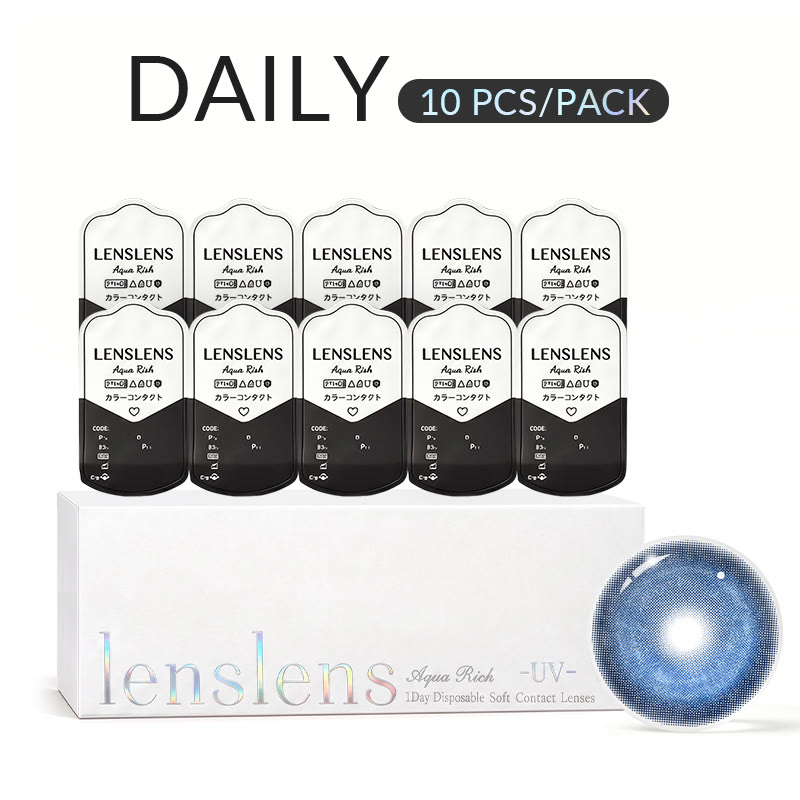
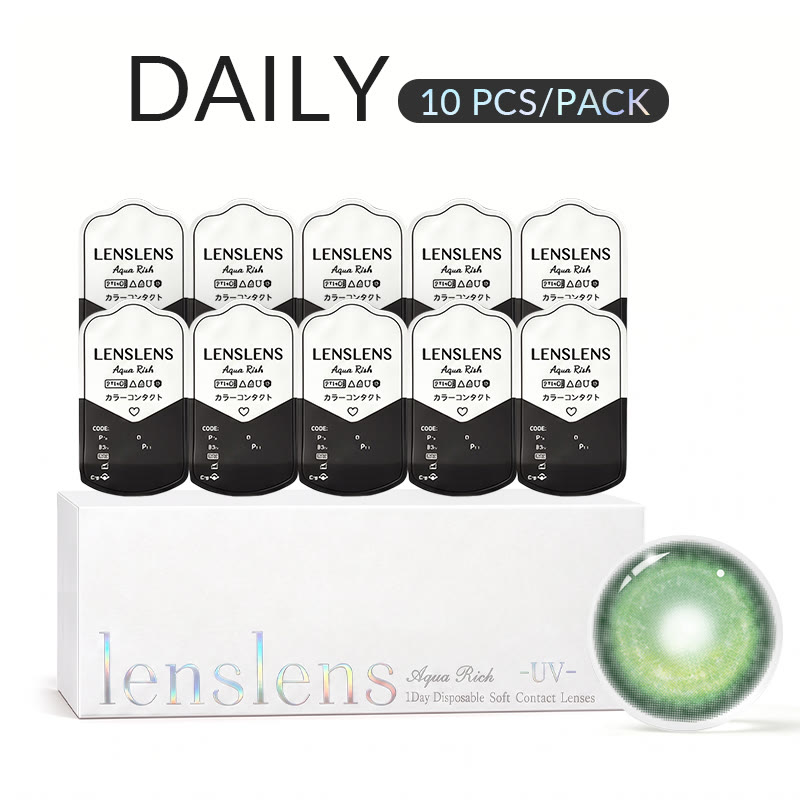
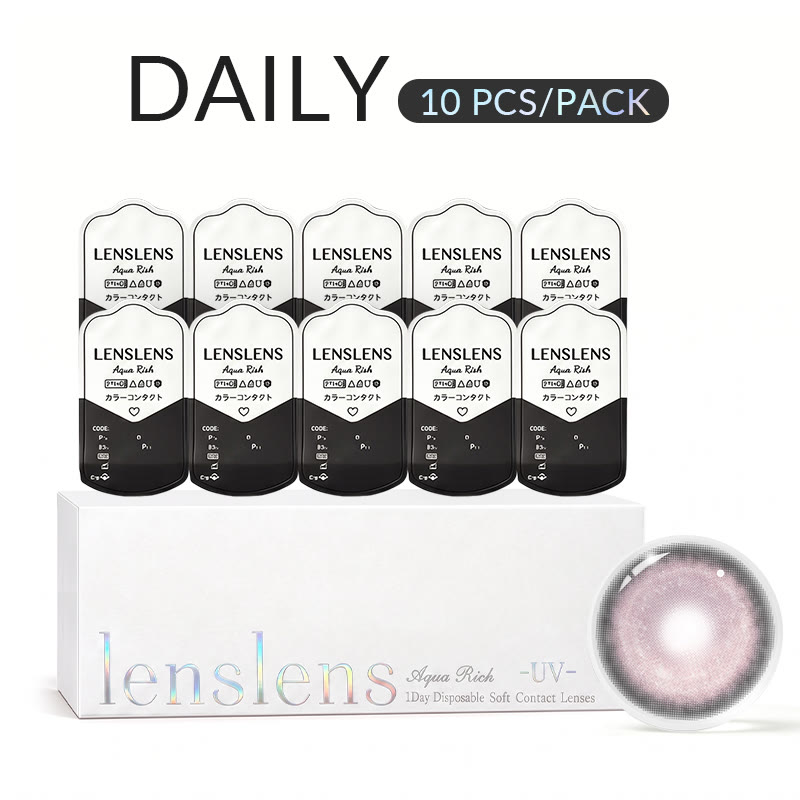
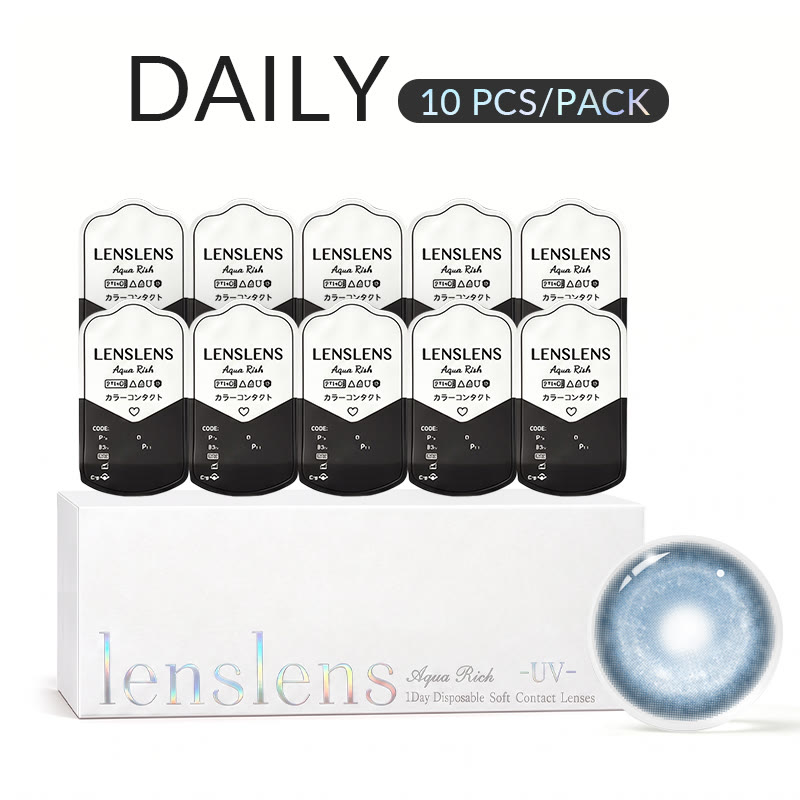
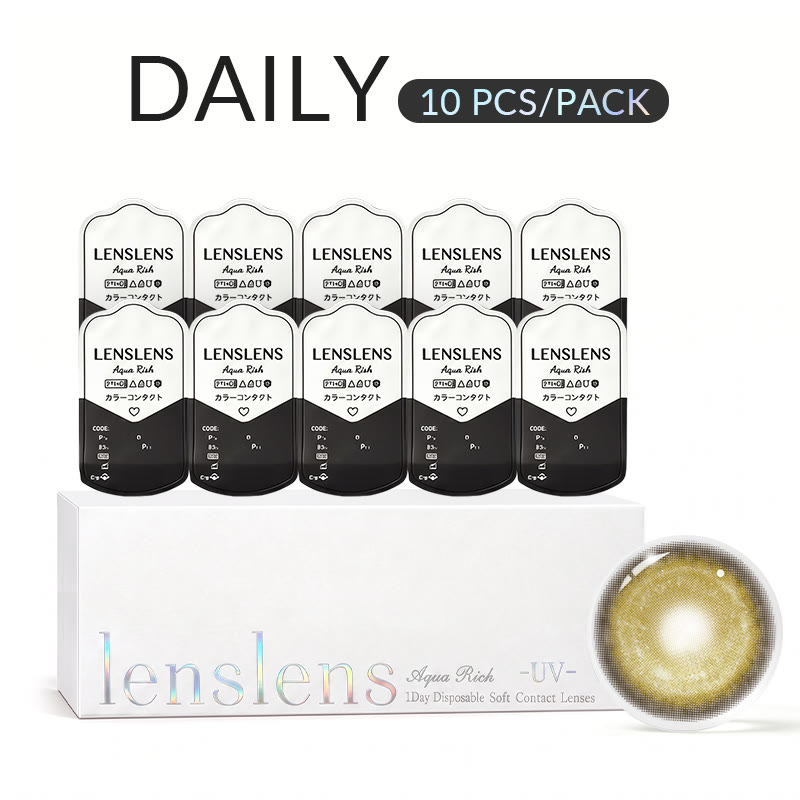
Daily disposable lenses are worn once and discarded. They require no cleaning or storage. Monthly lenses last 30 calendar days from the moment you open the package, whatever how often you wear them. They require nightly cleaning and storage. Yearly lenses provide the longest use period but demand consistent maintenance. Daily lenses cost more upfront but eliminate cleaning solution expenses. Monthly options balance cost and convenience for regular wearers.
Cleaning and storage basics
You should rub each lens with multipurpose solution for 10 to 20 seconds per side, even if the solution label says "no-rub". Rinse with fresh solution and store in a clean case filled with new solution. Don't reuse or top off old solution, as this reduces disinfection effectiveness. Your lens case needs replacement every three months to prevent bacterial contamination.
What to do if your eyes feel uncomfortable
Take your lenses out right away if you experience discomfort. Give your eyes several hours of rest or wear glasses for the remainder of the day. Check the removed lens for tears, scratches, or debris. Stop wearing your lenses and contact your eye doctor right away if you notice redness, pain, discharge, light sensitivity, or blurred vision.
Where to Buy Anime Contact Lenses and What to Look For
Finding reliable sources is essential when shopping for anime contact lenses. Whether you're preparing for a cosplay convention, creating an anime-inspired look, or experimenting with bold eye colors, prioritize lens quality, proper fitting, and eye safety.
Choosing Reliable Online Retailers
When shopping for anime contacts, look for retailers that provide clear product specifications, prescription options where available, lens care instructions, and transparent purchasing policies.
Myeyebb offers a destination for shoppers exploring colored contact lenses and anime-inspired eye looks. Browse the available designs to find styles that complement your cosplay character or personal aesthetic, and review each product's specifications before purchasing.
Avoid buying contact lenses from unverified sellers that provide little information about manufacturing standards, lens materials, or fitting requirements. Poorly manufactured or improperly fitted lenses can increase the risk of eye irritation, corneal injury, and infection.
Before placing an order, check the lens diameter, base curve, material, replacement schedule, and prescription requirements. Even non-prescription cosmetic contacts require proper fitting and appropriate care. Consult an eye care professional before wearing them, especially if you're new to contact lenses.
Quality indicators: material, water content, and pigmentation
Pigment placement affects safety by a lot. Lenses with pigment on the surface created 122% more cytokines than non-tinted lenses and 71% more than lenses with embedded pigments. Surface pigmentation increases conjunctival redness and corneal staining while creating more friction. Water content determines comfort levels. Higher percentages offer better moisture retention.
Prescription vs plano options
Plano lenses contain no corrective power and change appearance without vision adjustment. Federal law requires a valid prescription for all contact lenses, including plano options.
Budget considerations for first-time buyers
Balance cost against quality. Cheap lenses often use outdated materials and surface pigmentation. Quality lenses provide better comfort and safety despite higher upfront costs.
Conclusion
Anime contact lenses revolutionize your cosplay from good to exceptional. These lenses are medical devices, so you must prioritize safety through prescriptions and FDA-approved sellers to protect your eye health while achieving that character look. Start with a professional eye exam. Choose lenses that match your character's specific eye color and diameter. Follow care routines for comfortable wear.
Quality matters more than cost when shopping for your first pair. Reputable retailers offer legitimate products that look better and feel safer than cheap alternatives. Once you've selected the right red anime eye contacts or circle lenses for your character, you'll see the difference authentic eye accuracy makes in photos and at conventions.