
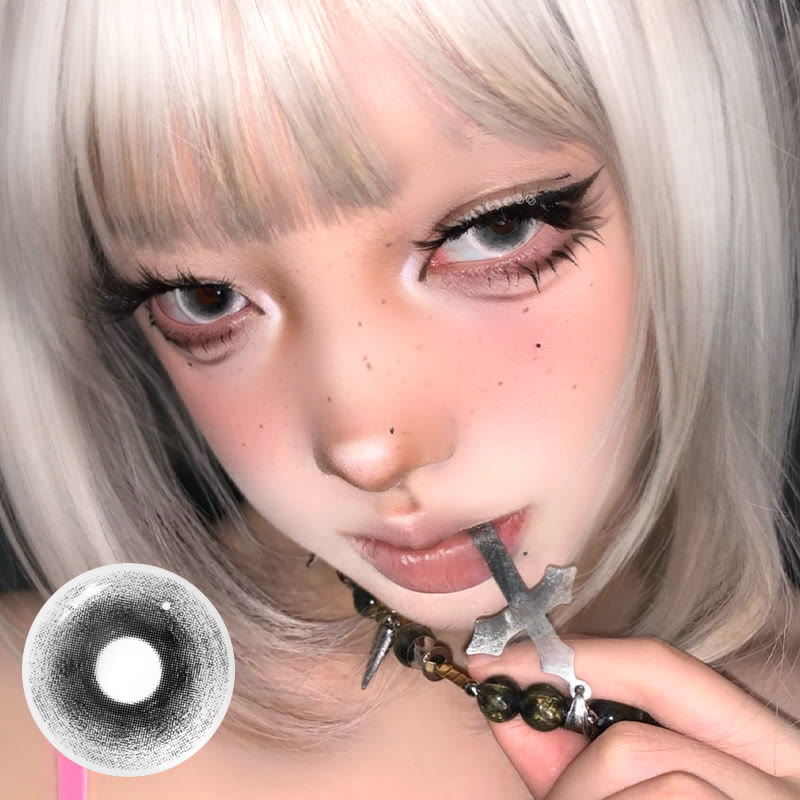
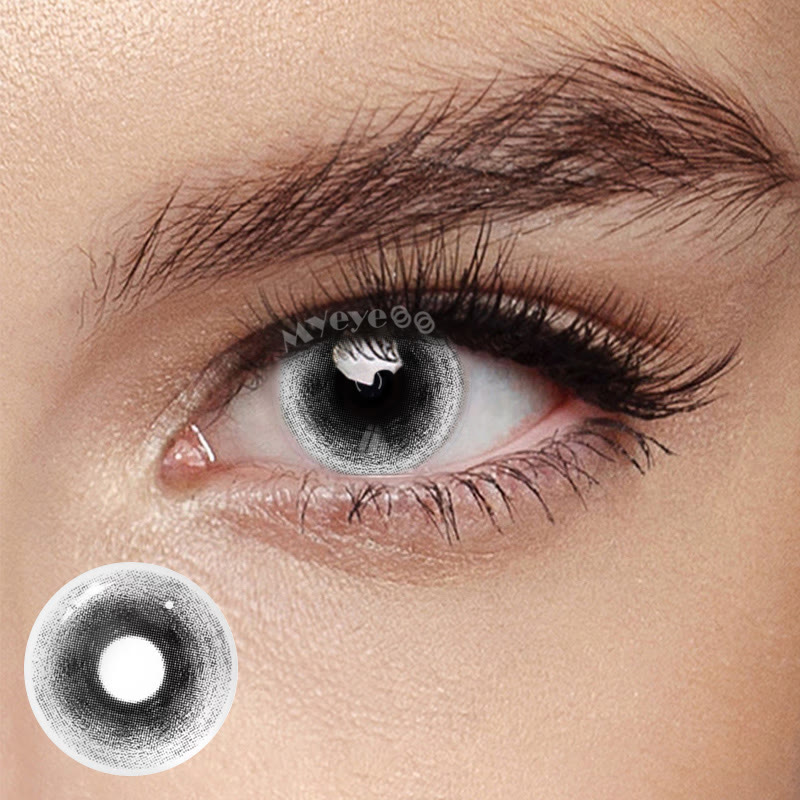
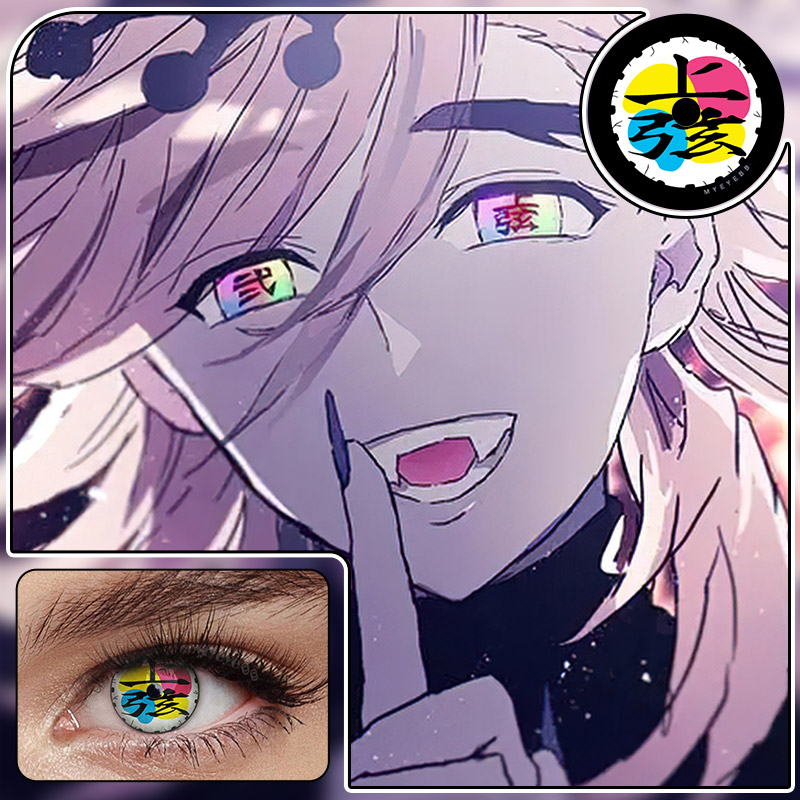
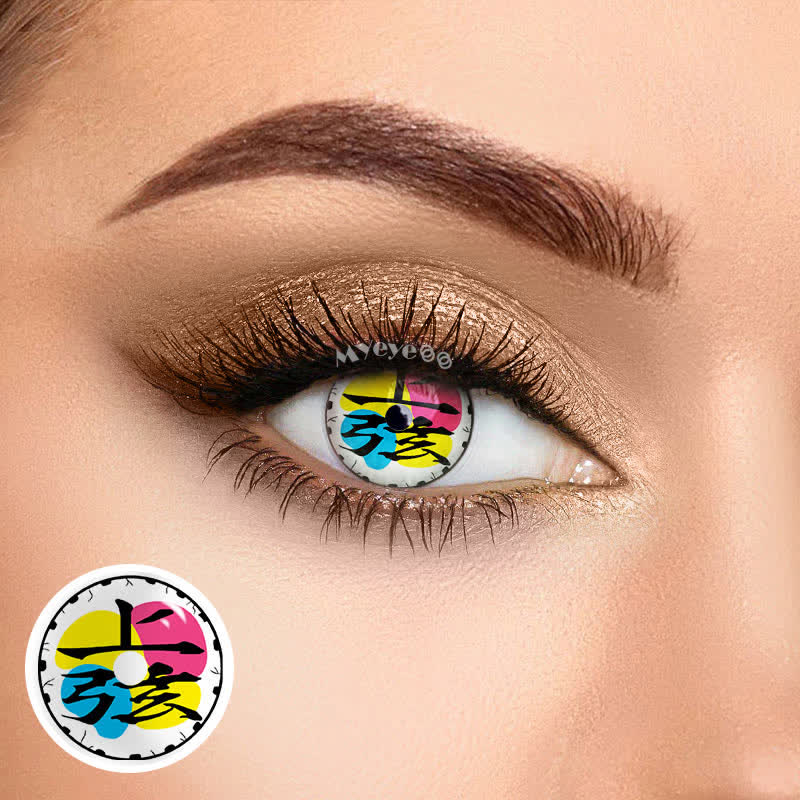

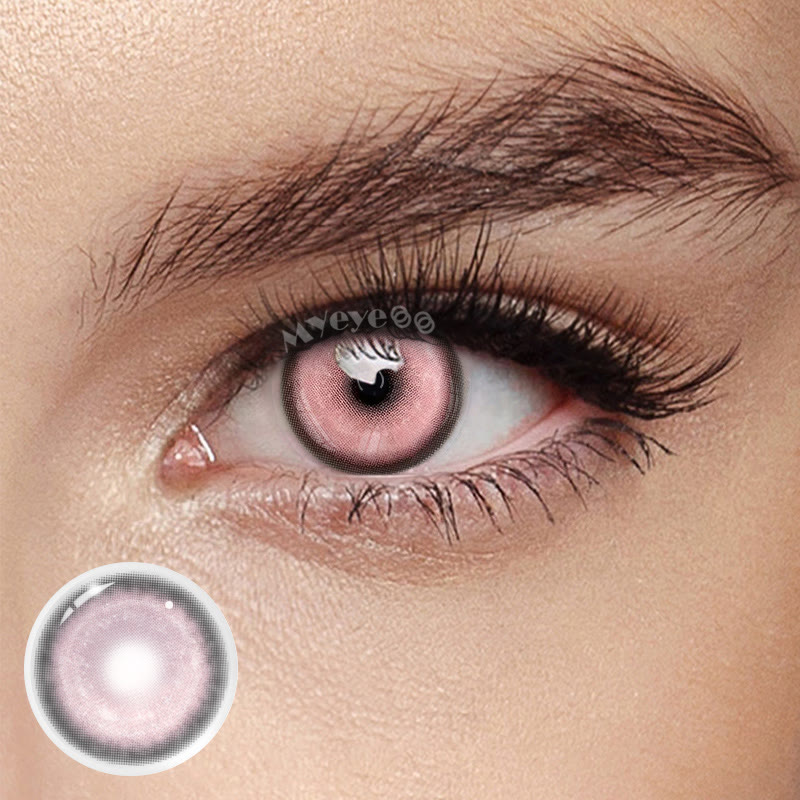
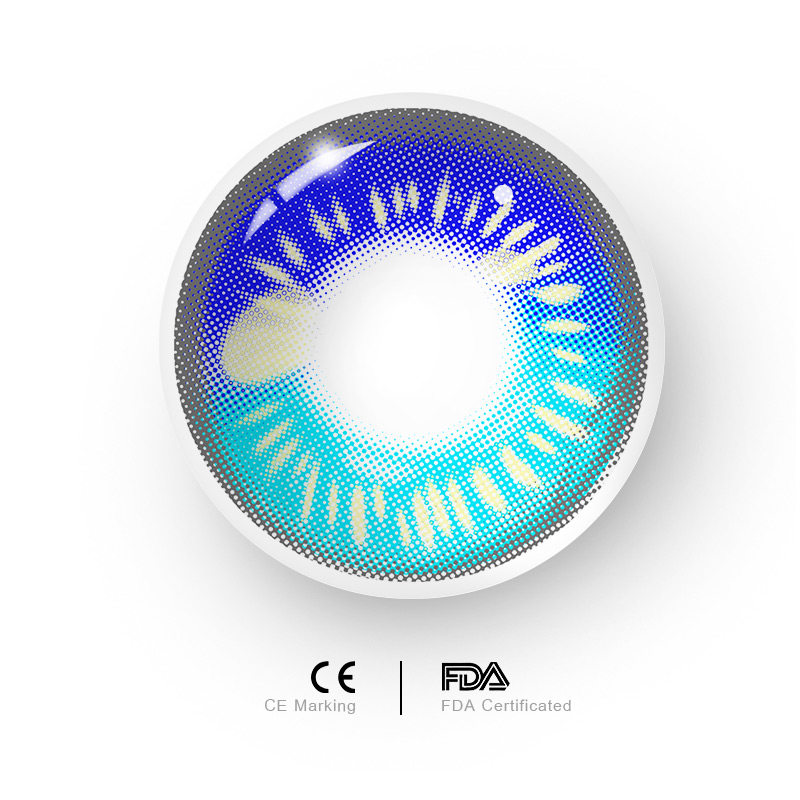
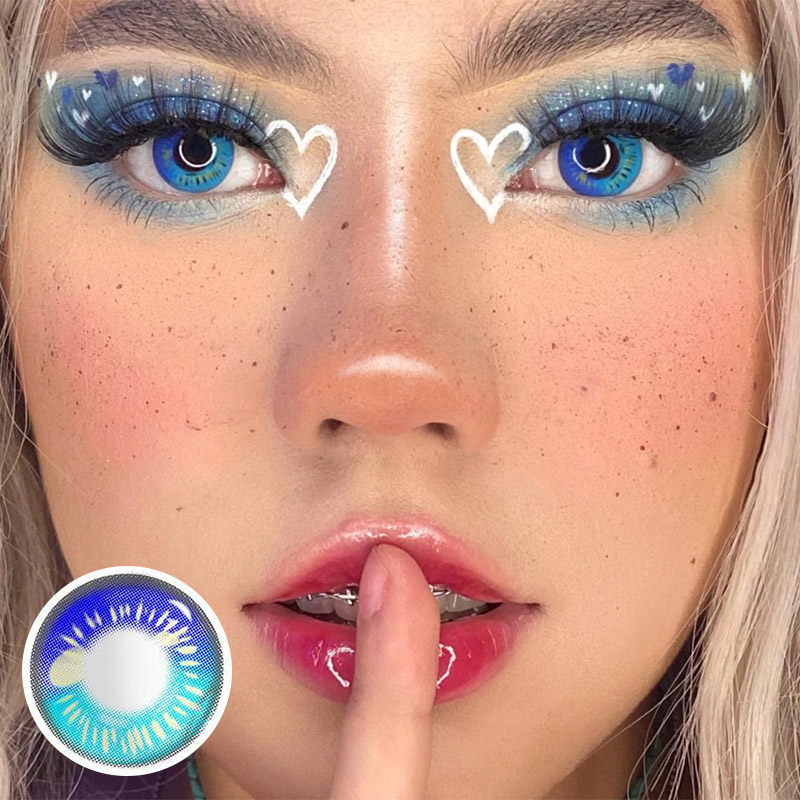
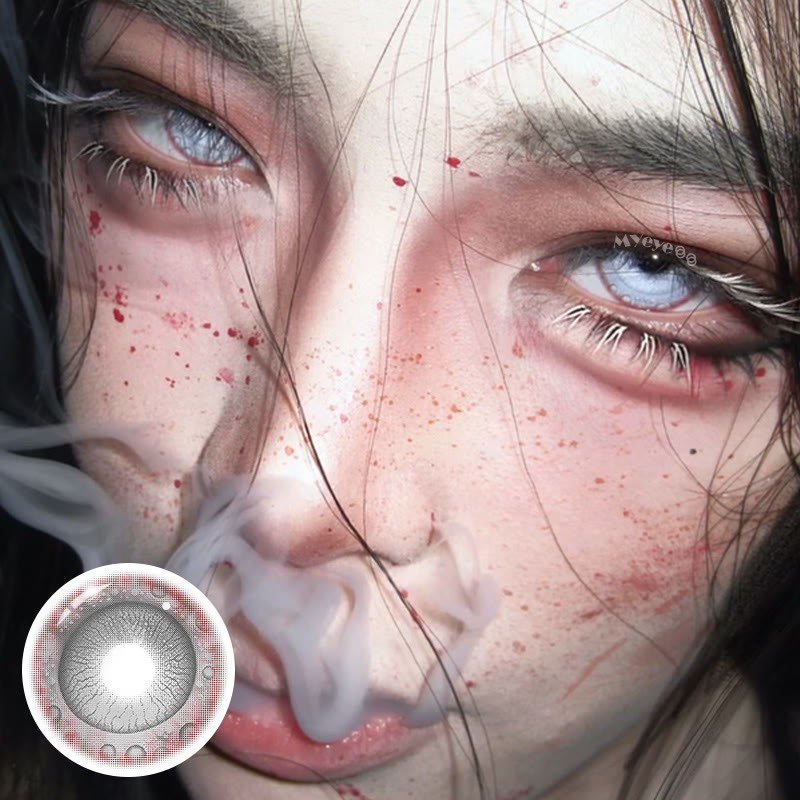
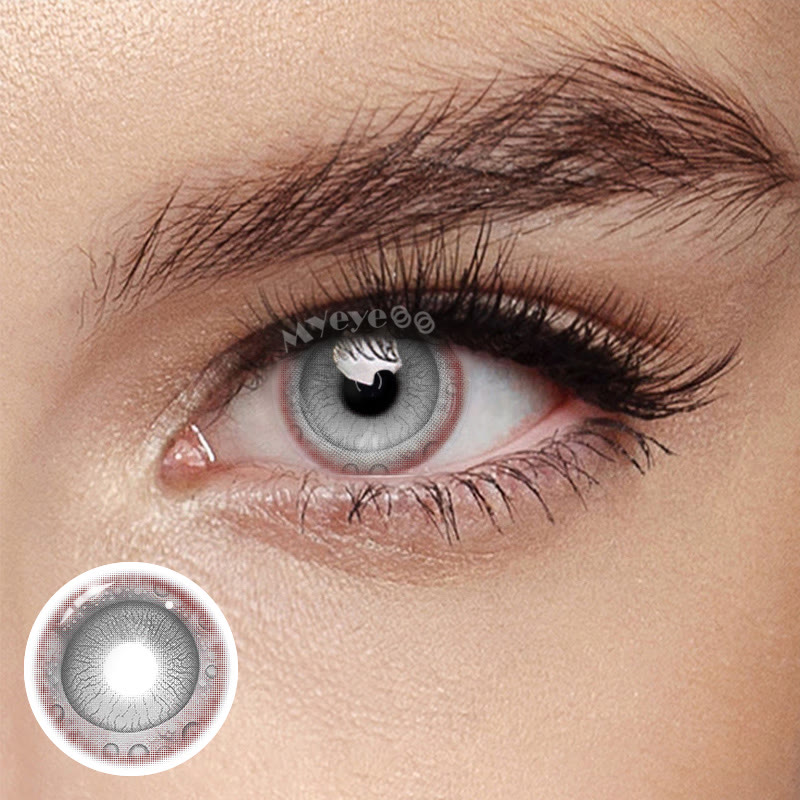
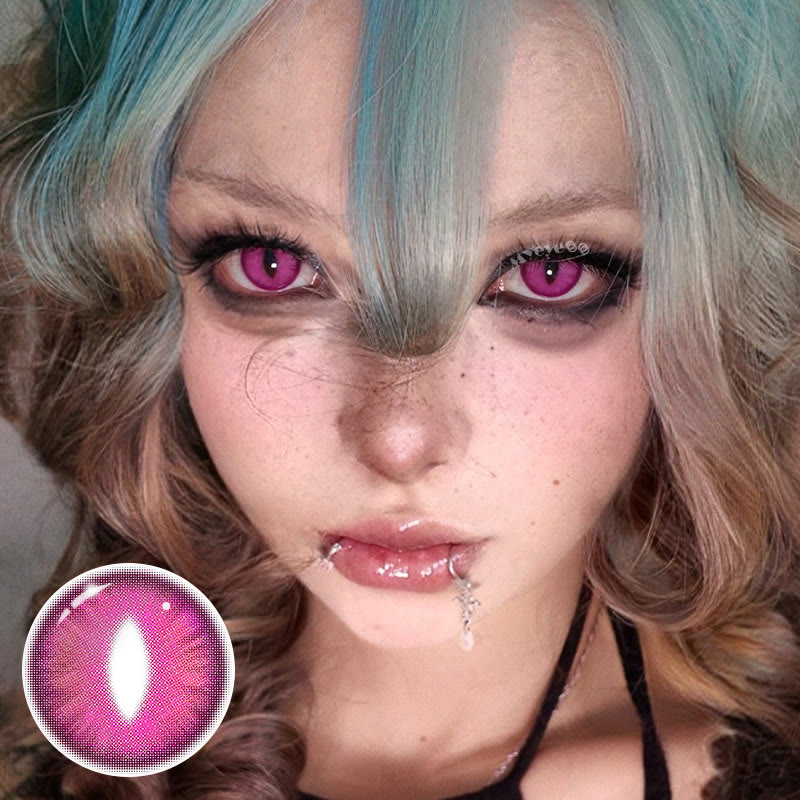
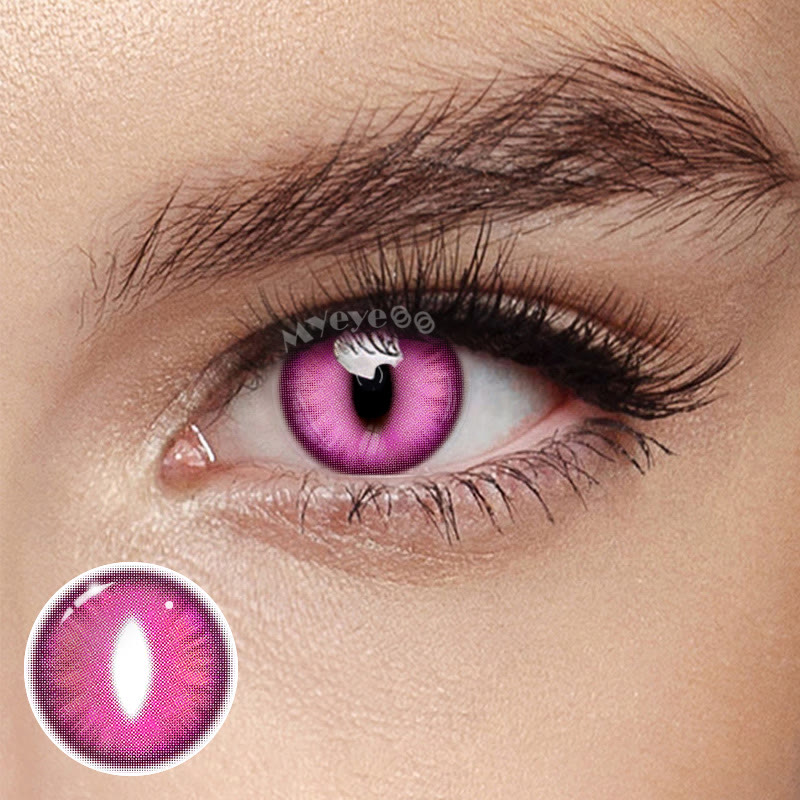
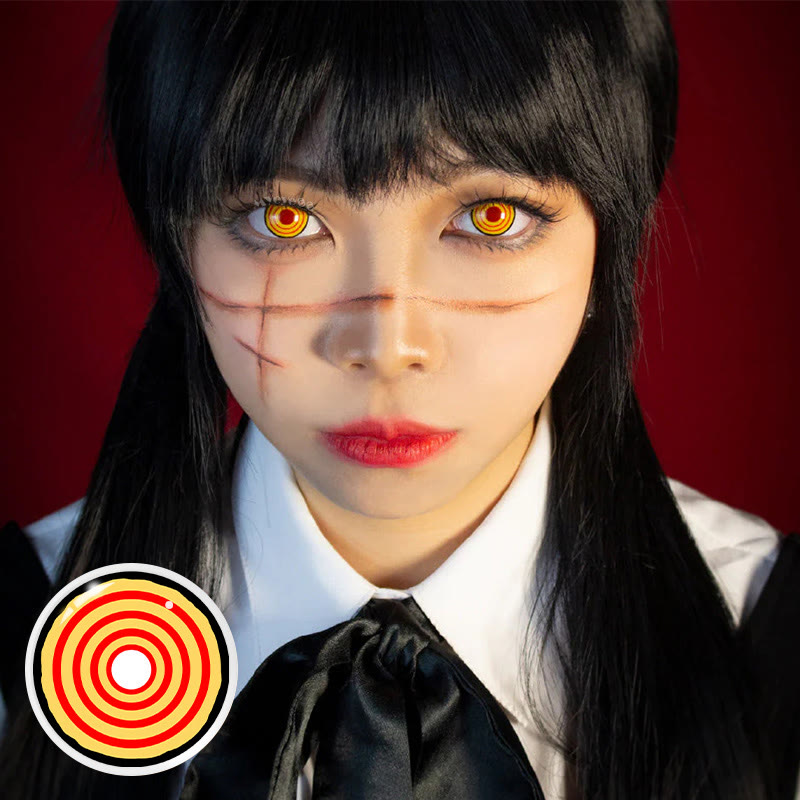
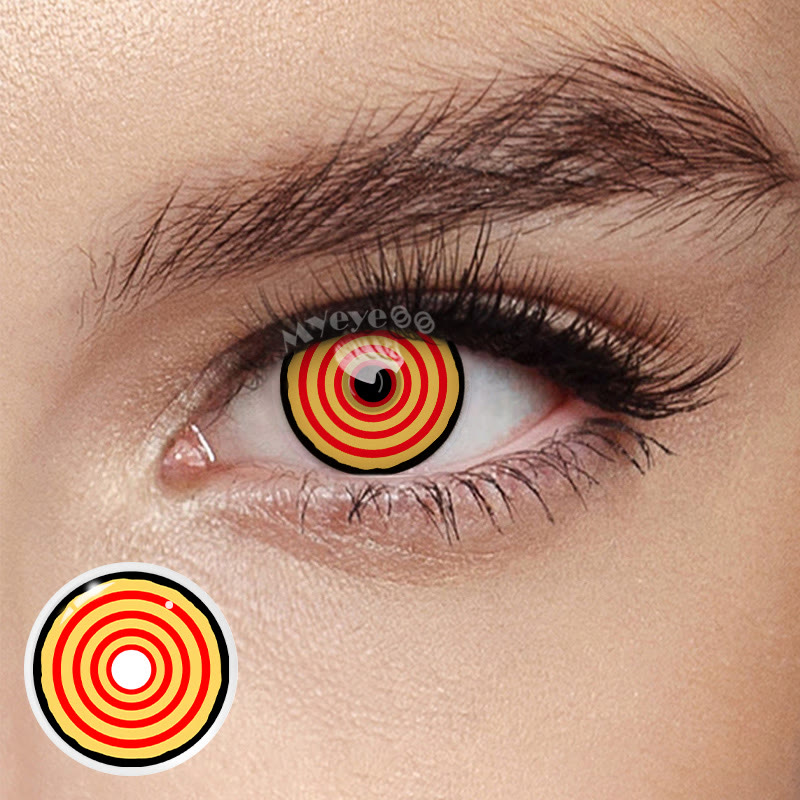


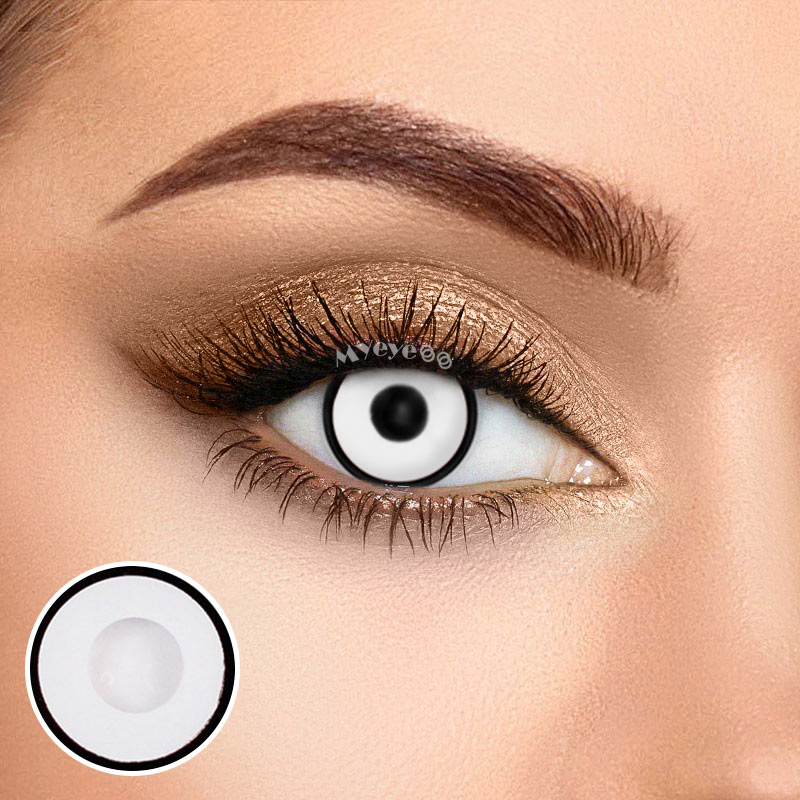
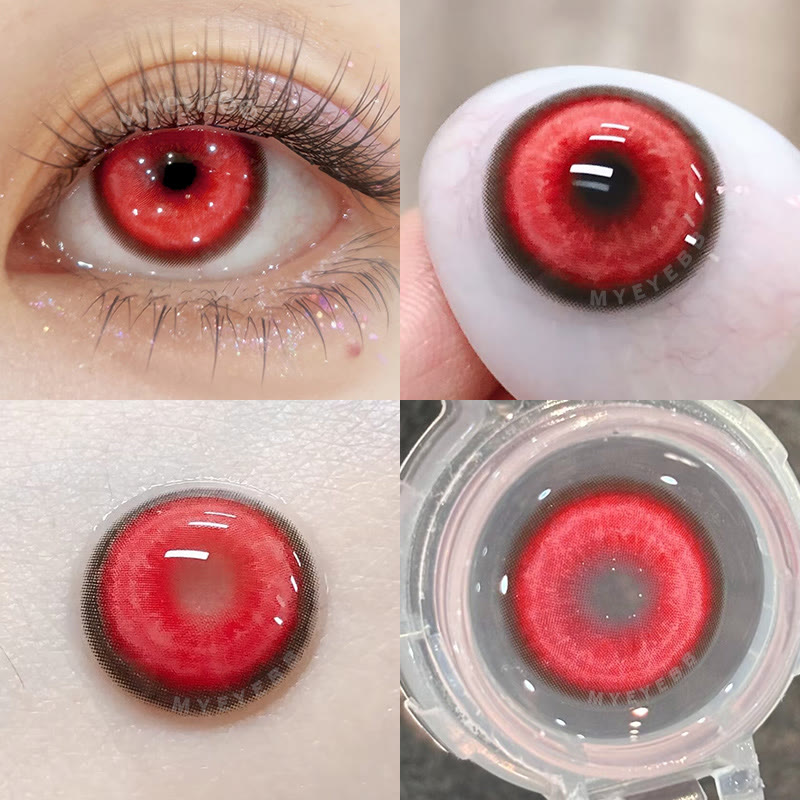
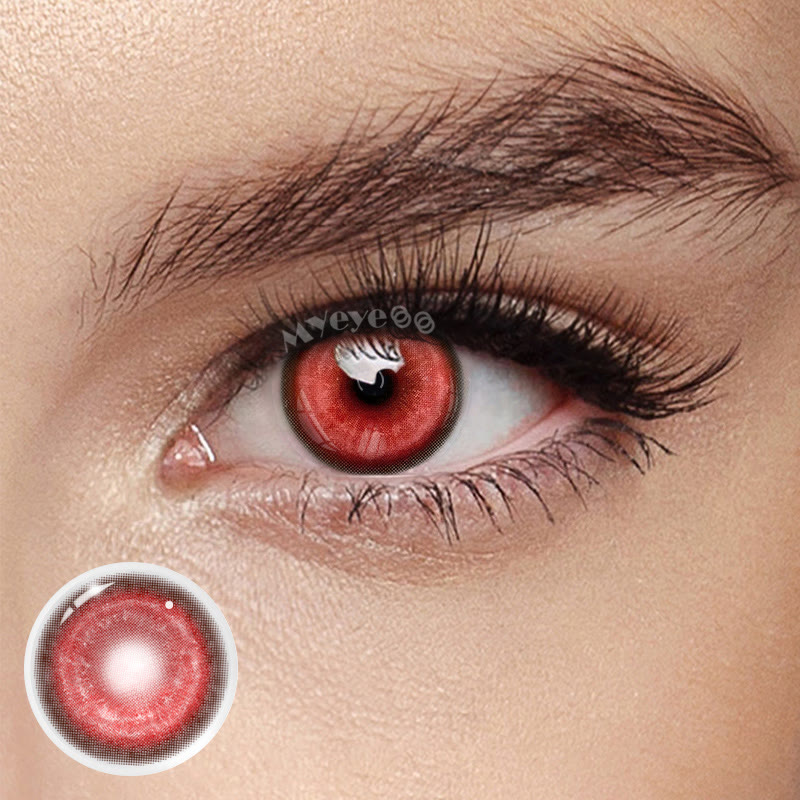
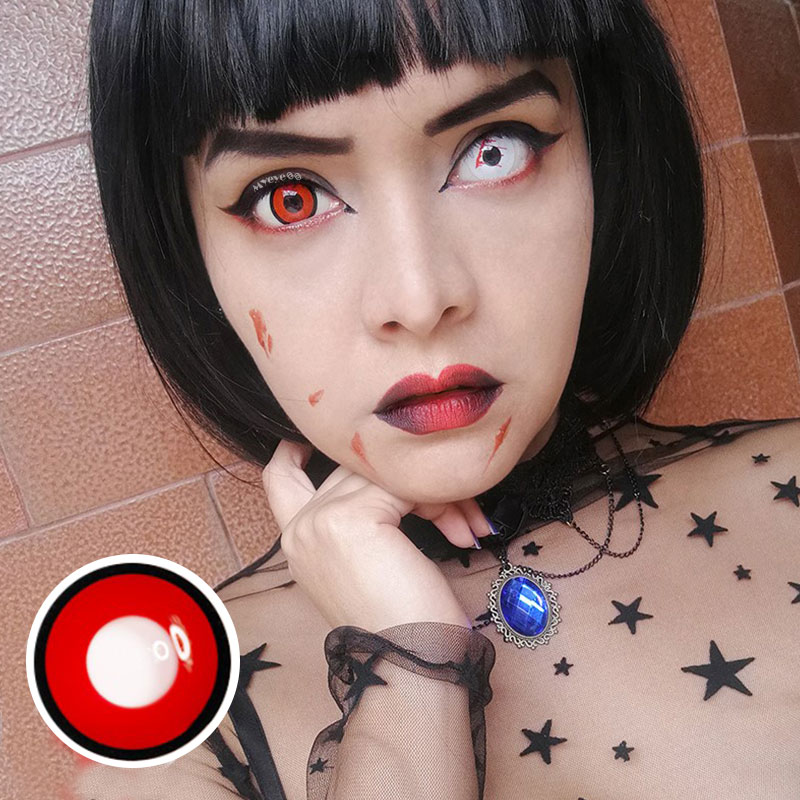
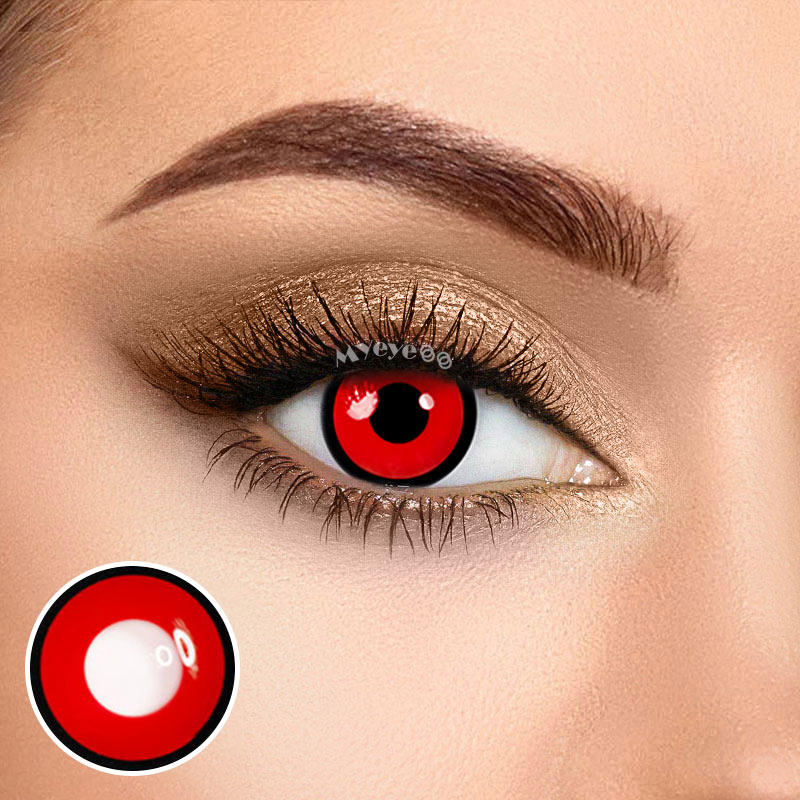
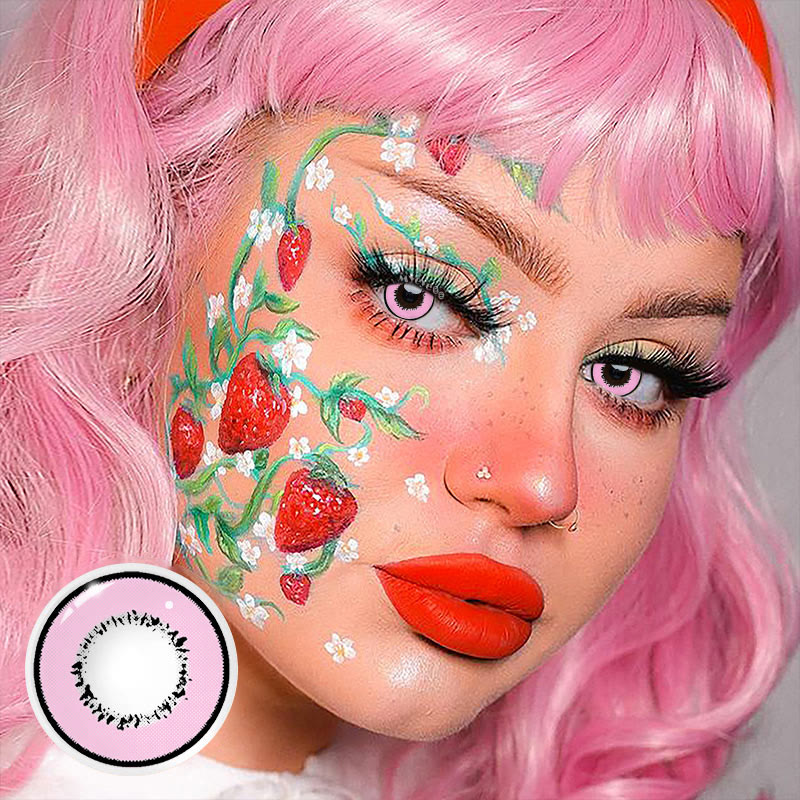
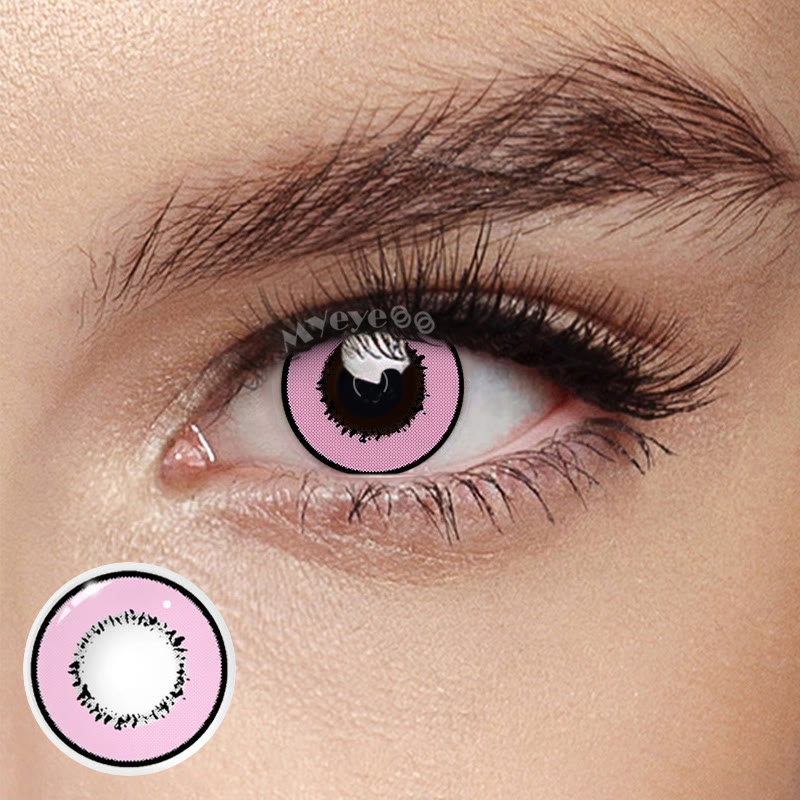
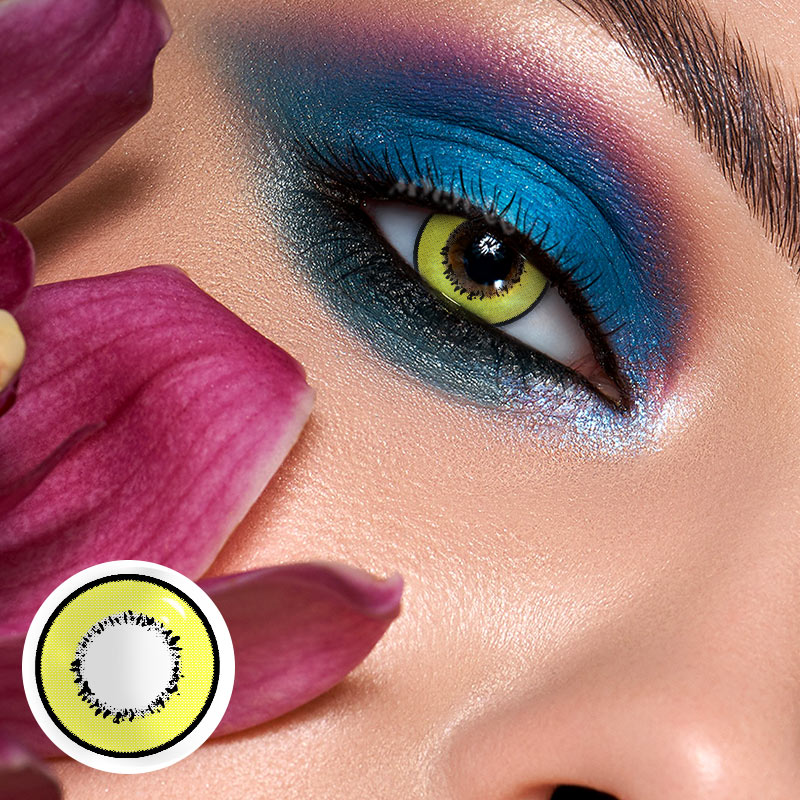
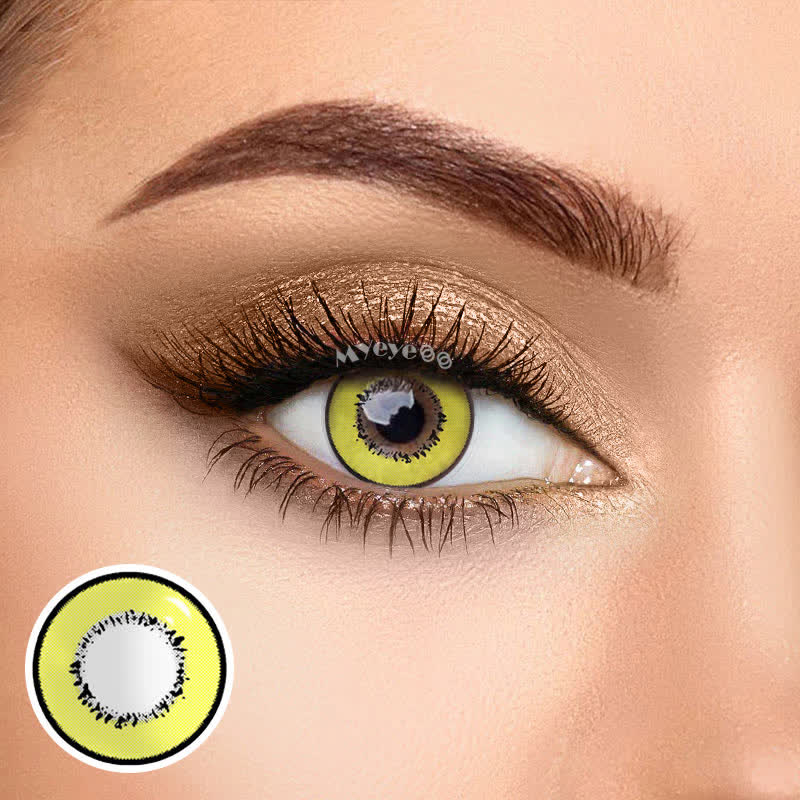


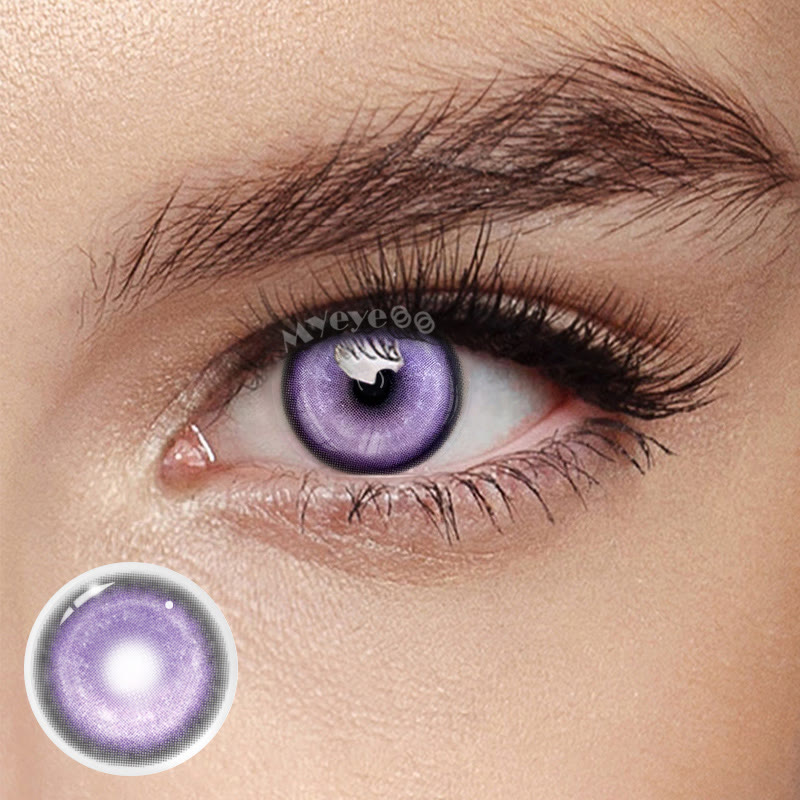
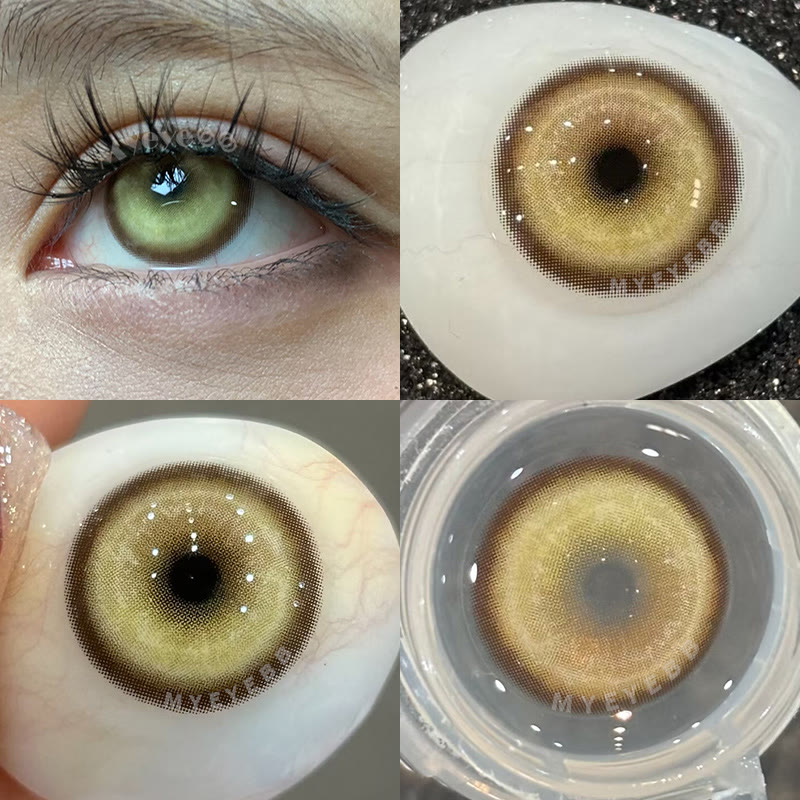

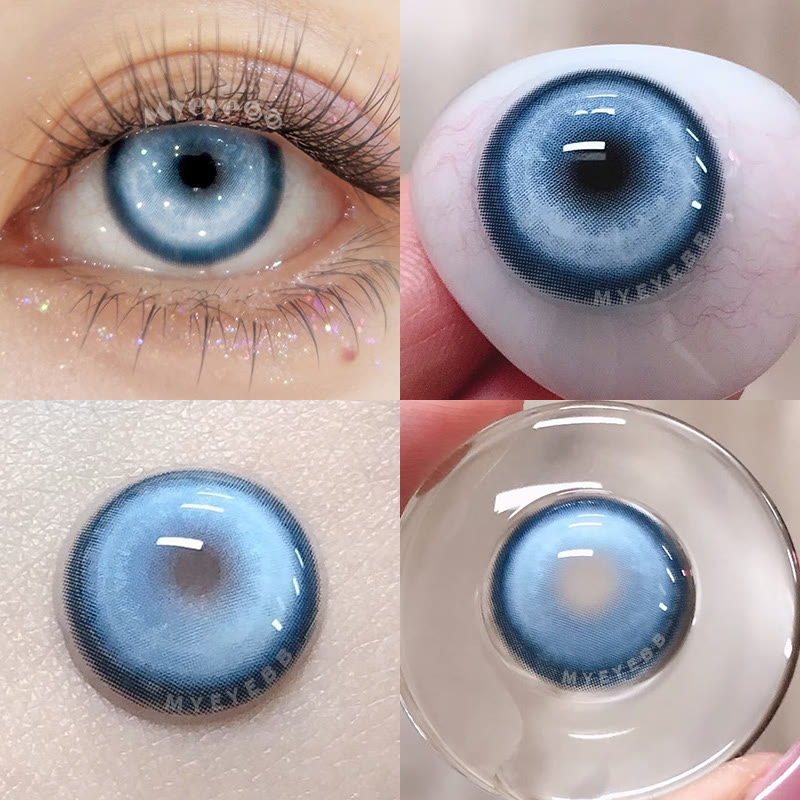
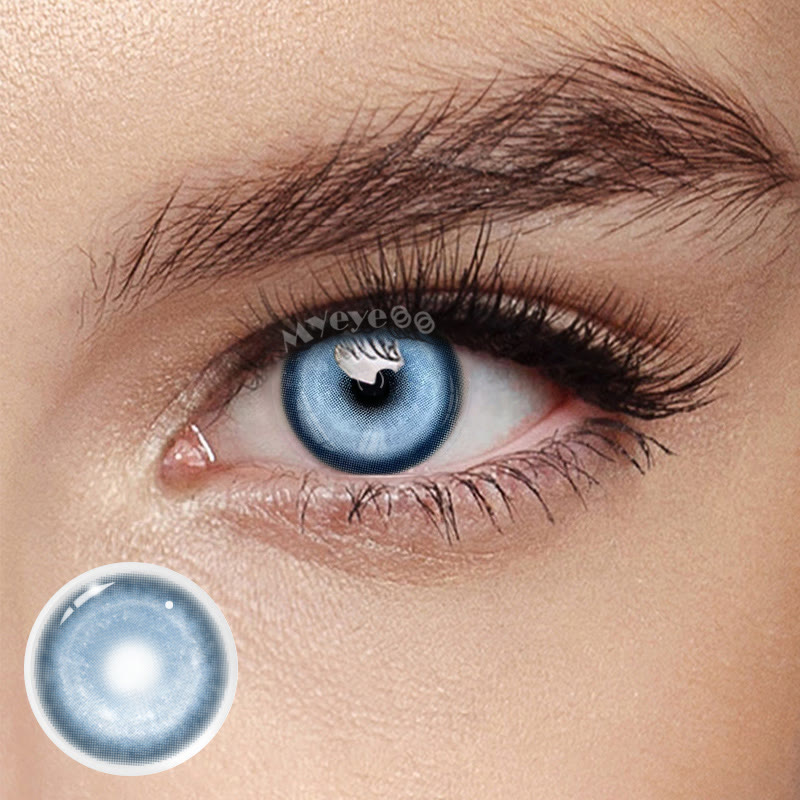
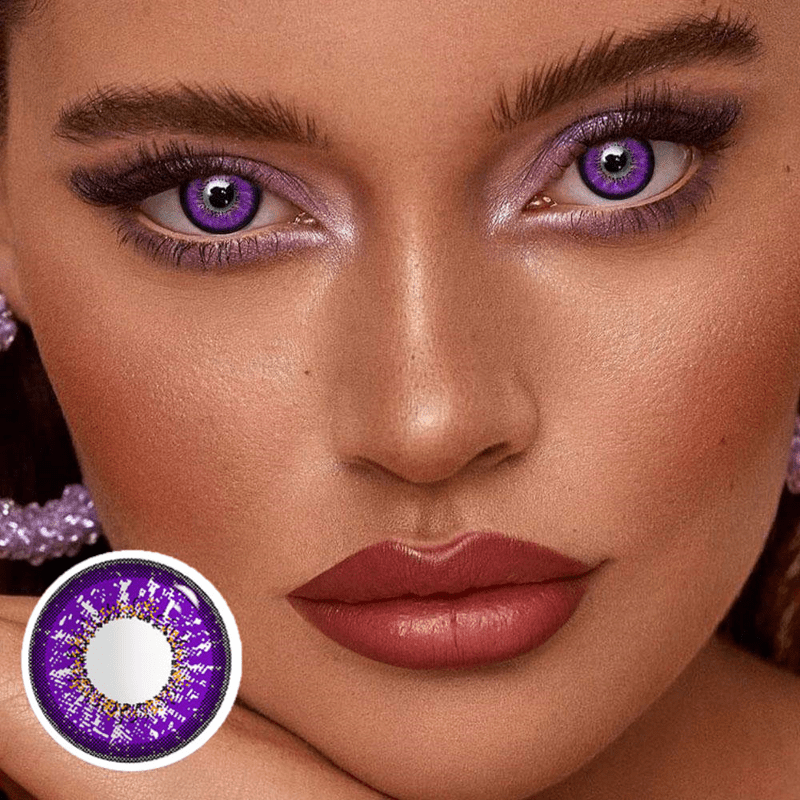
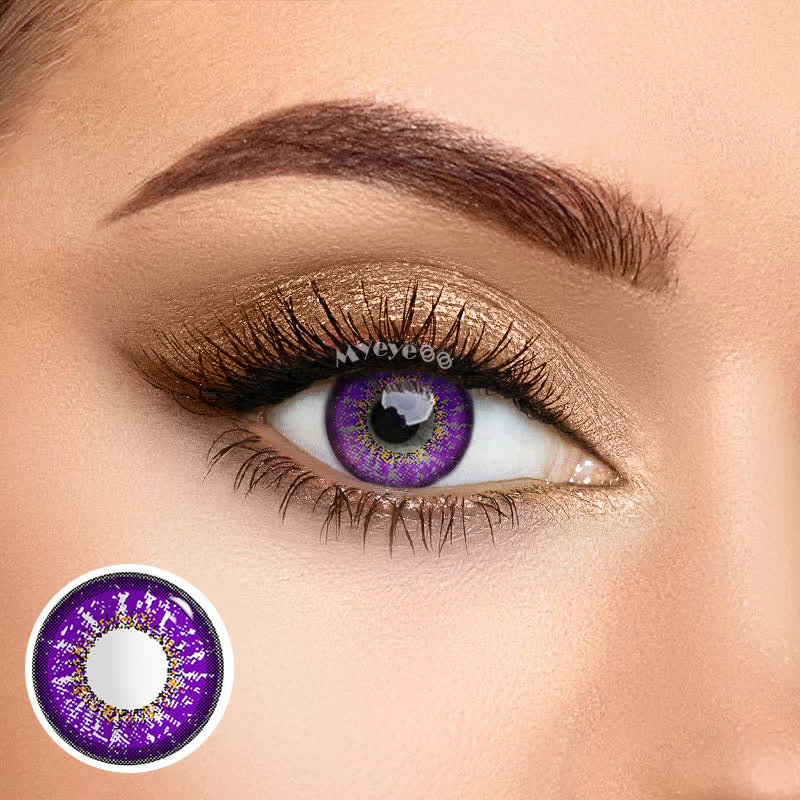
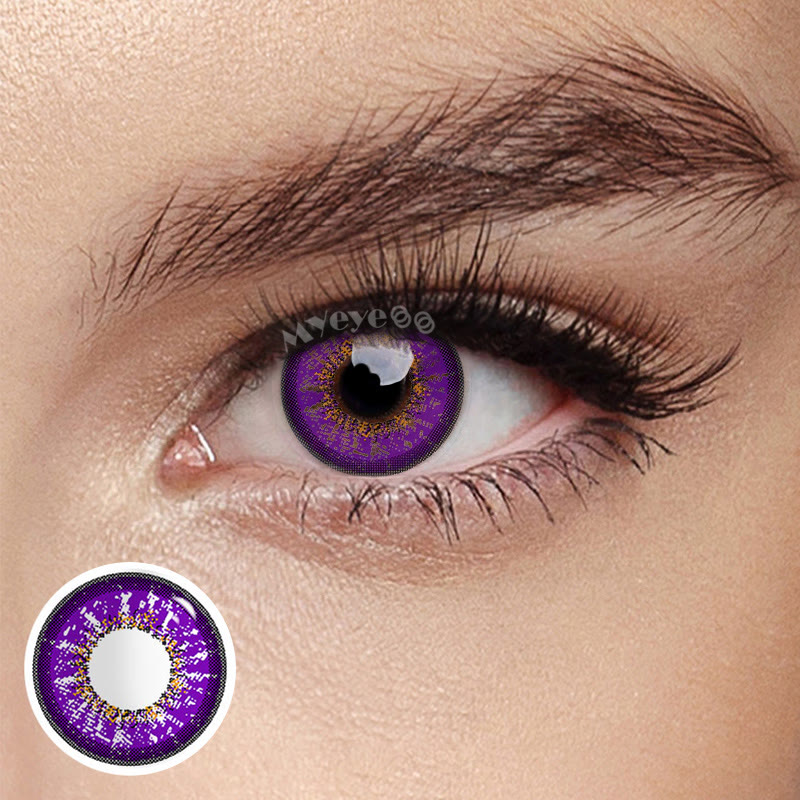
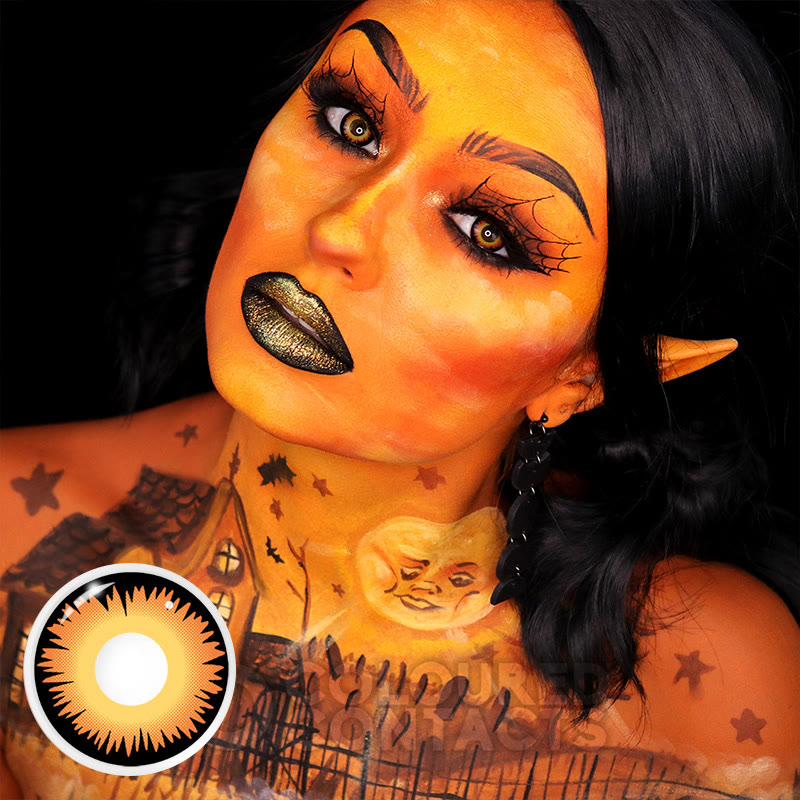

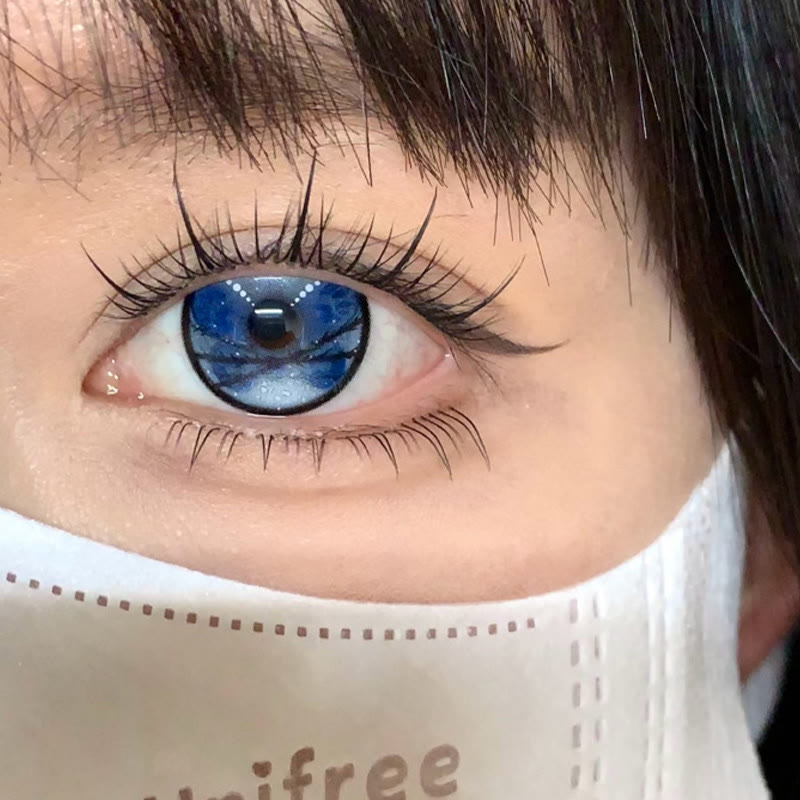
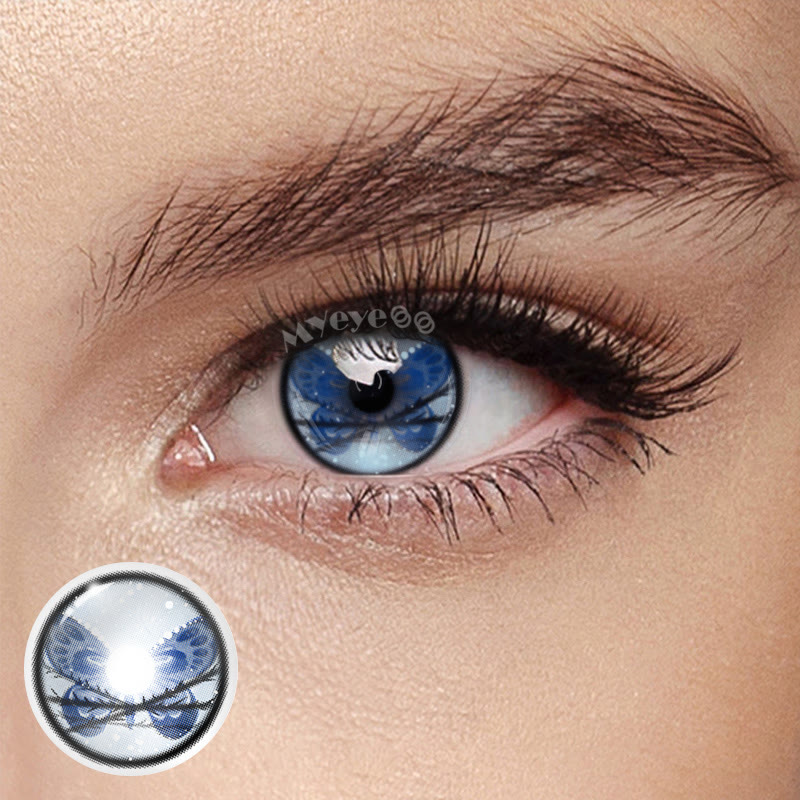
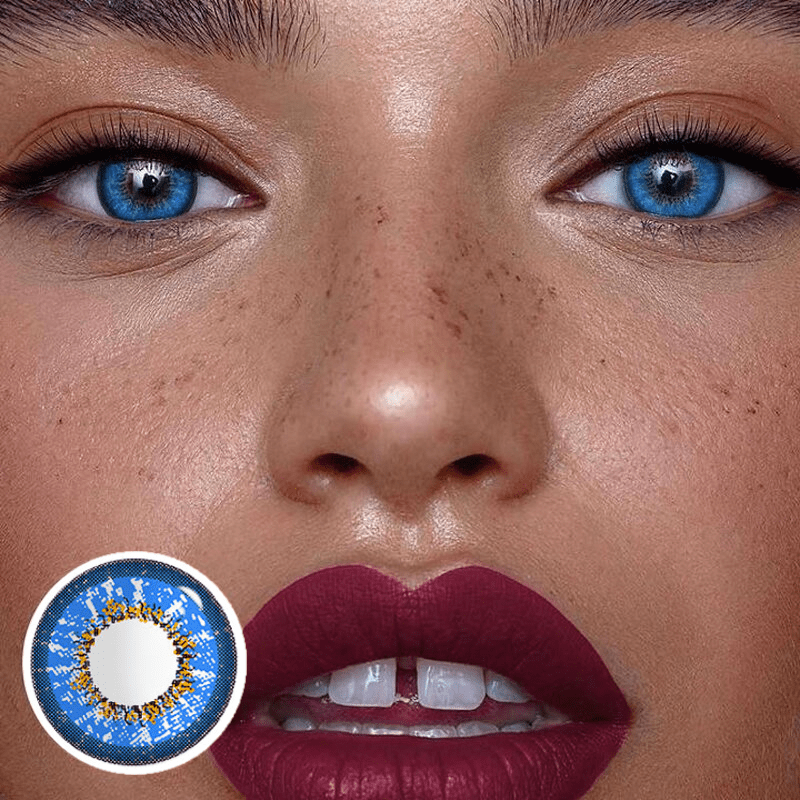
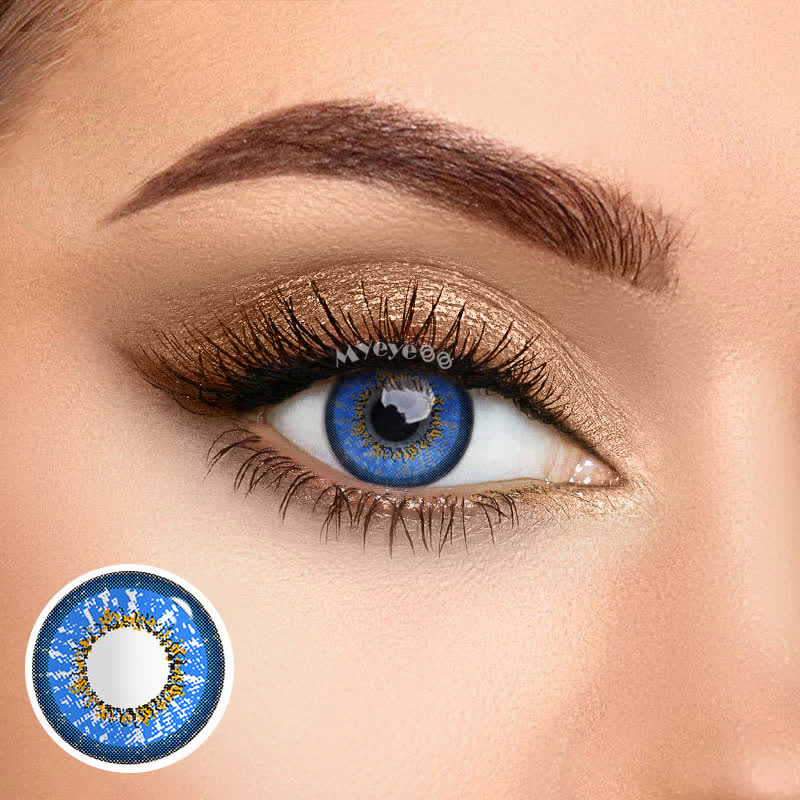
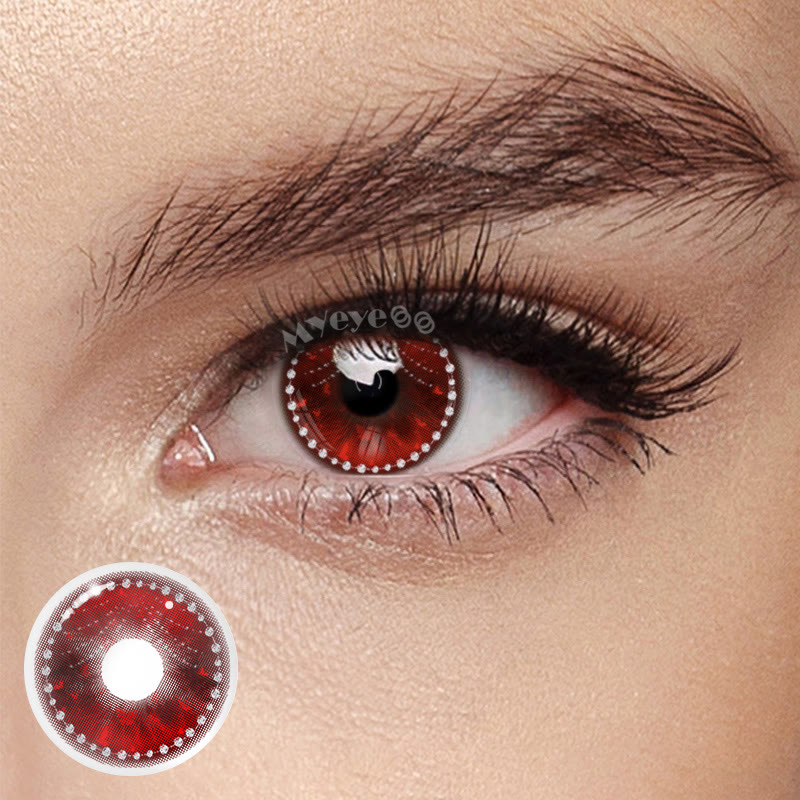
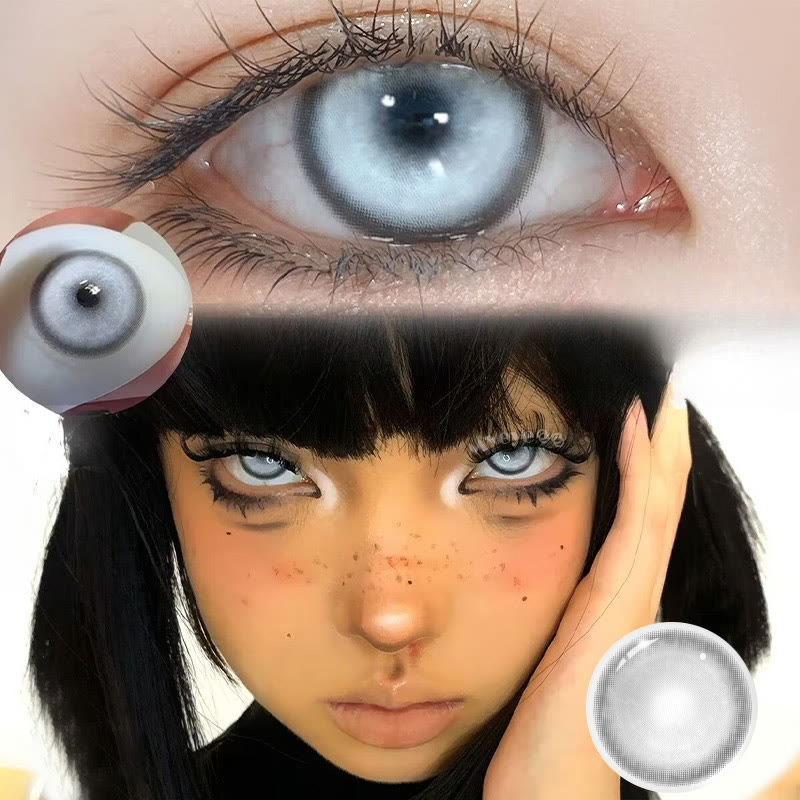
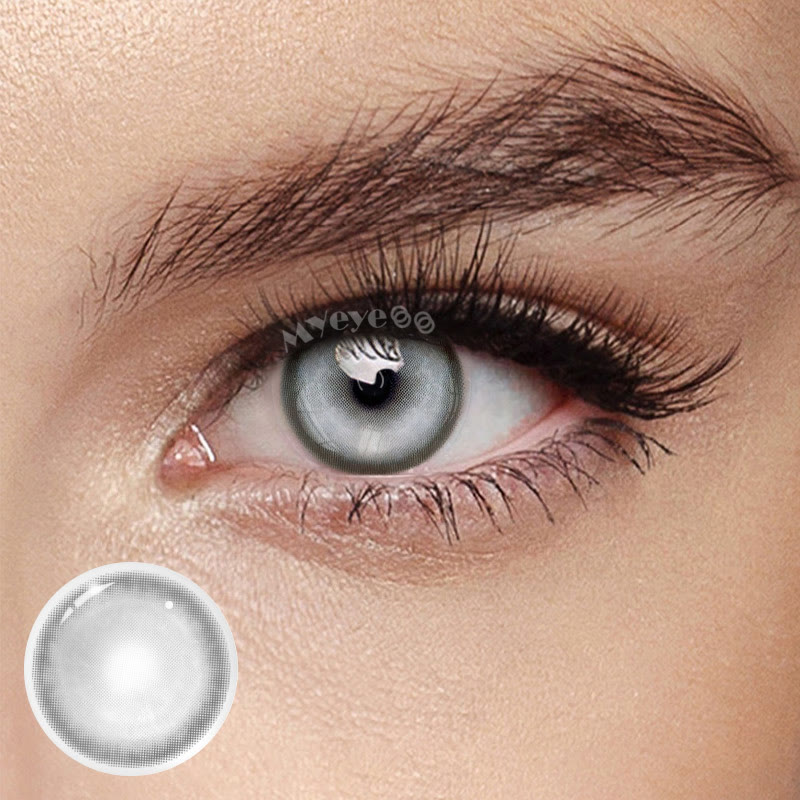
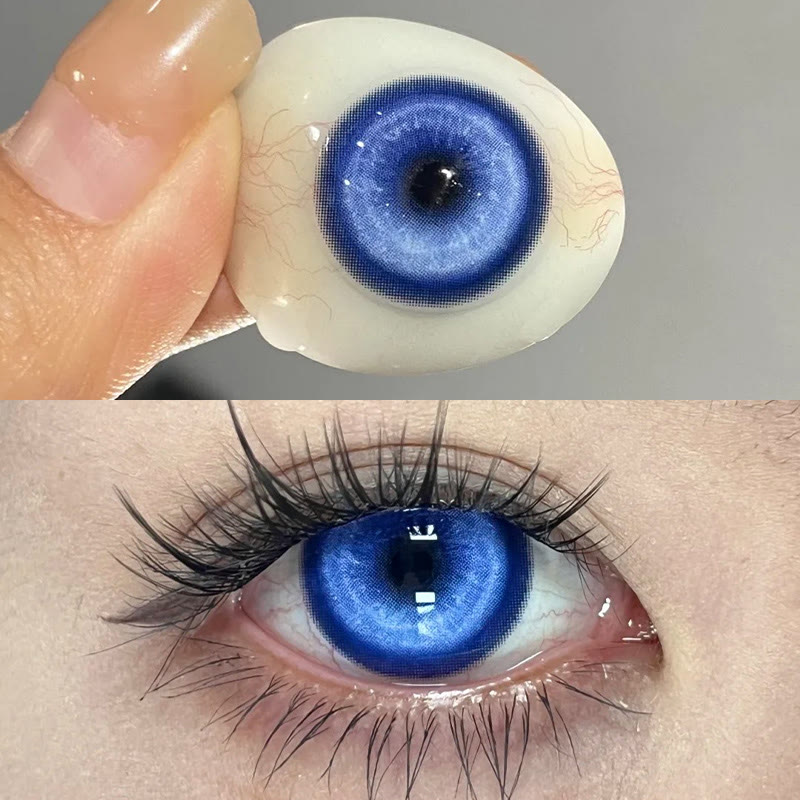
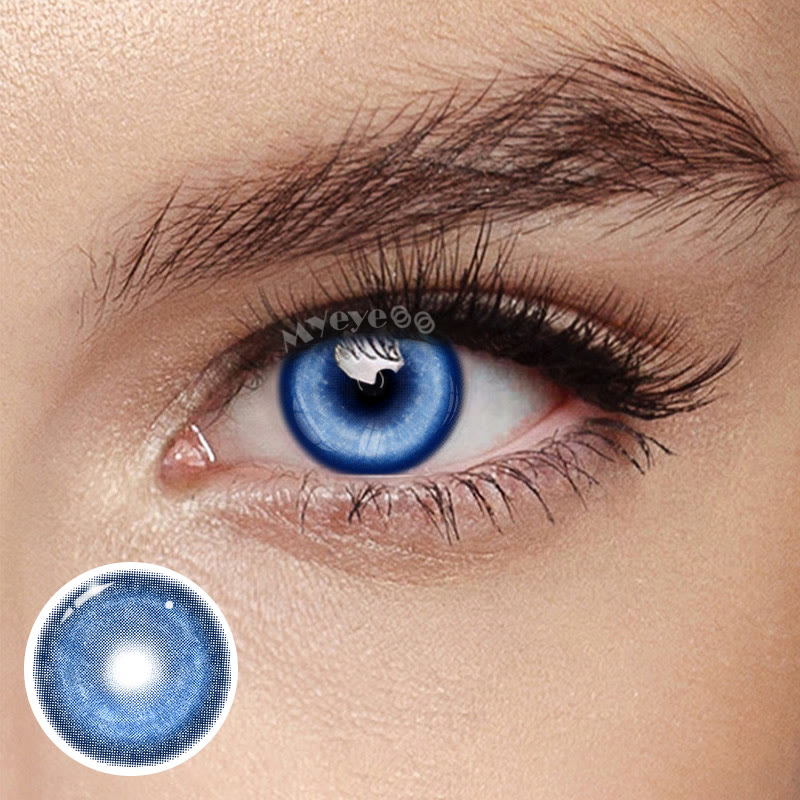
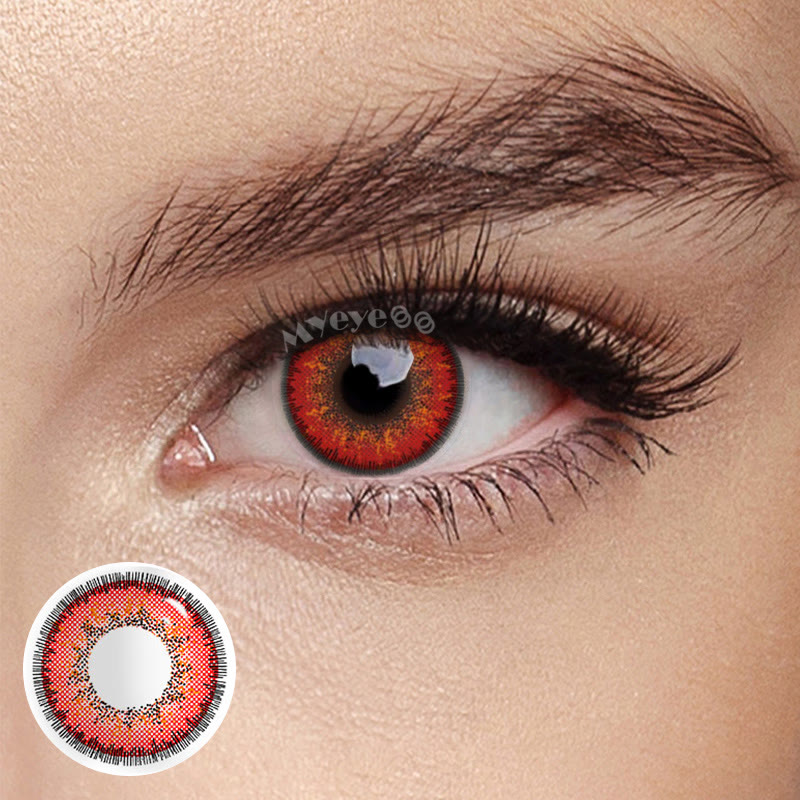
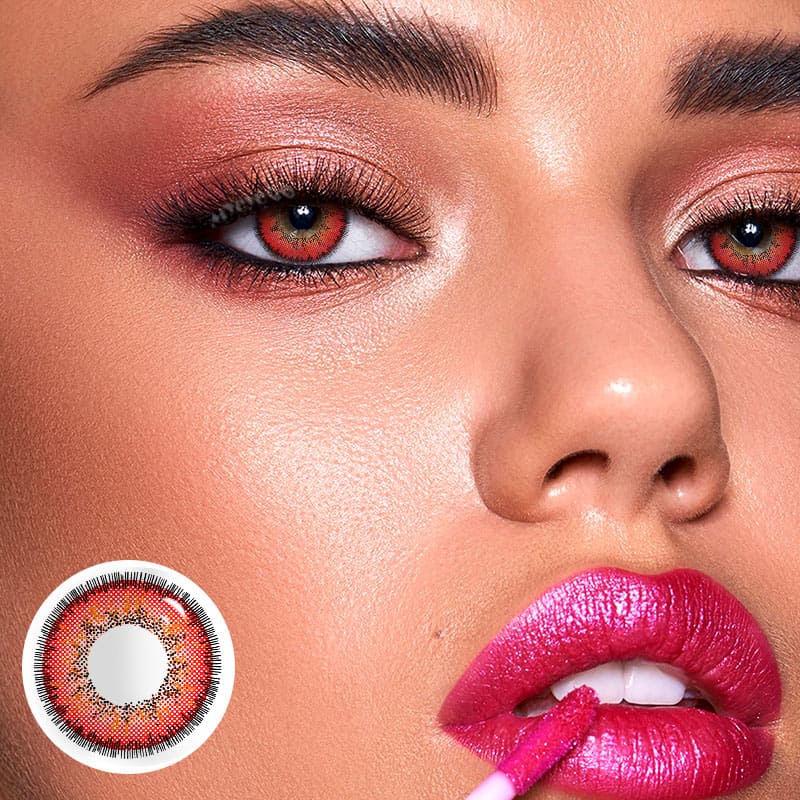
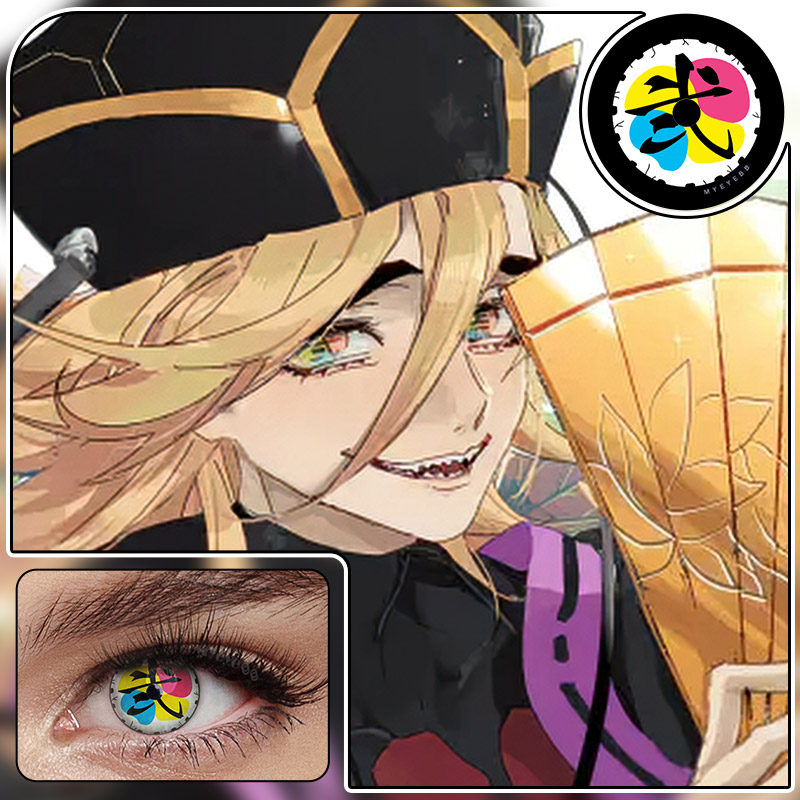
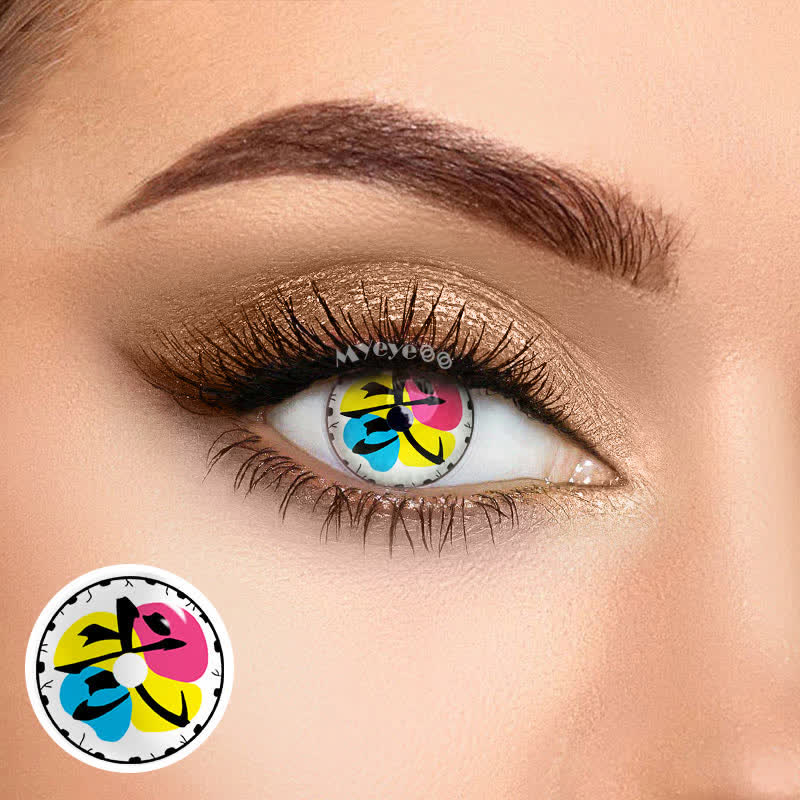
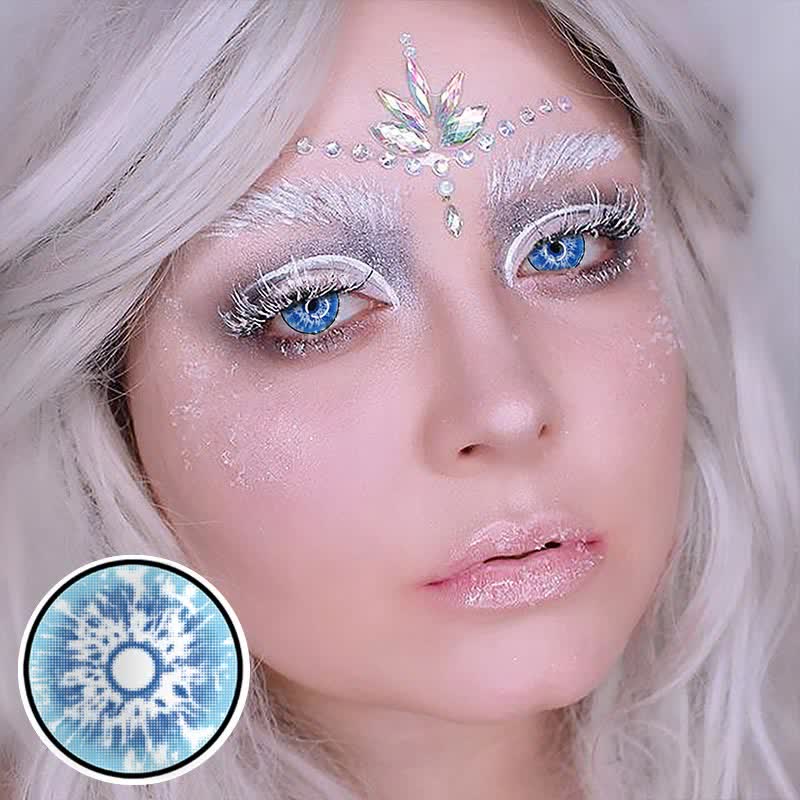
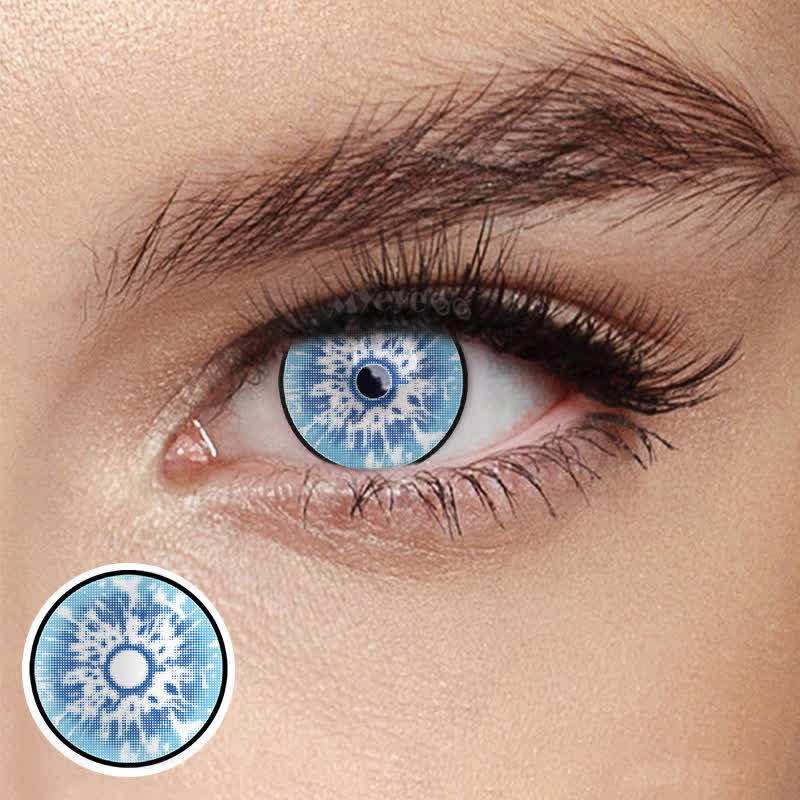
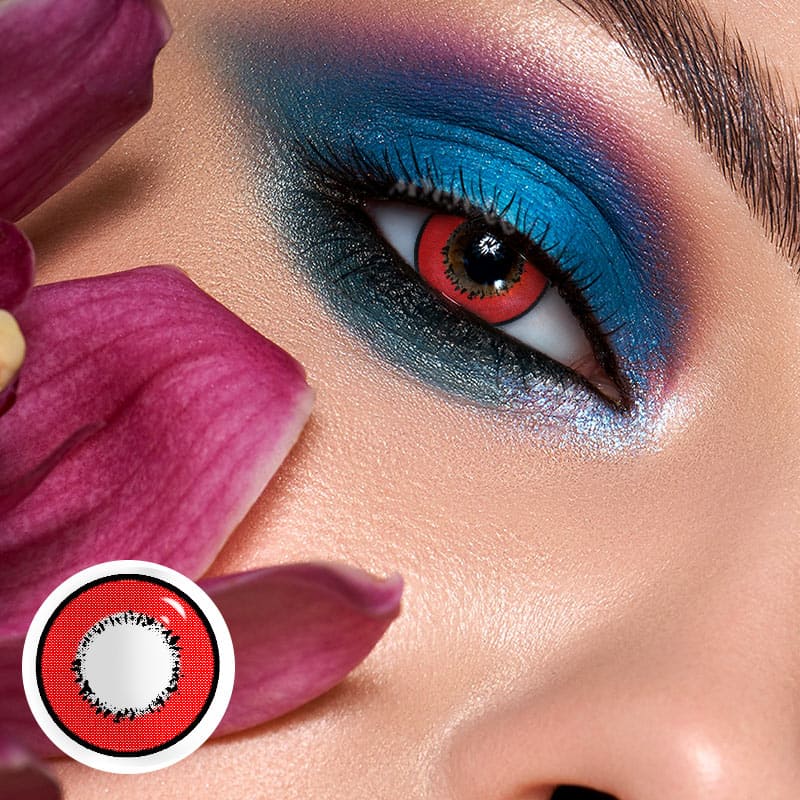
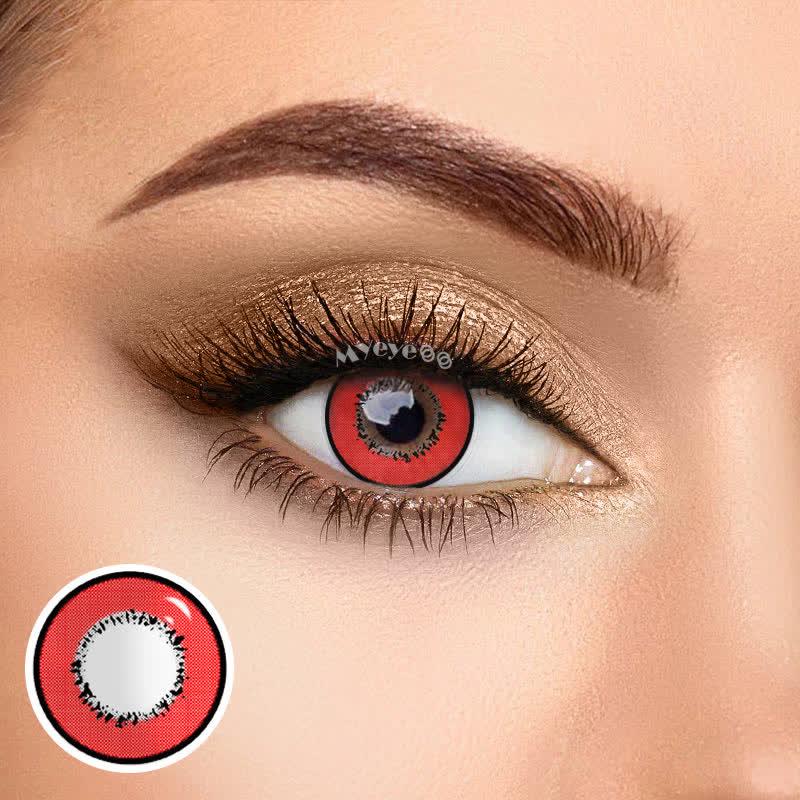
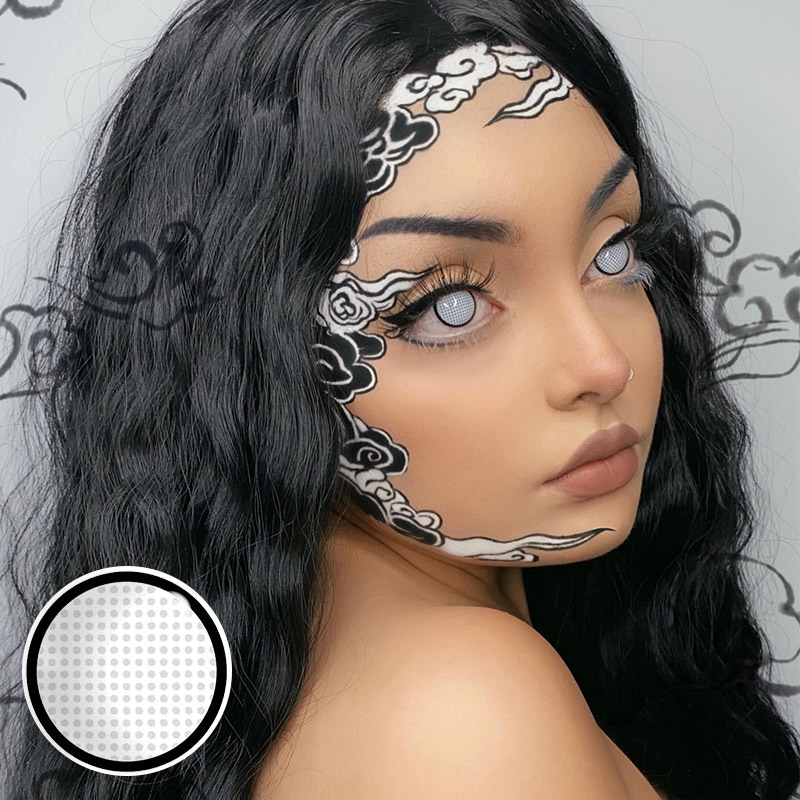
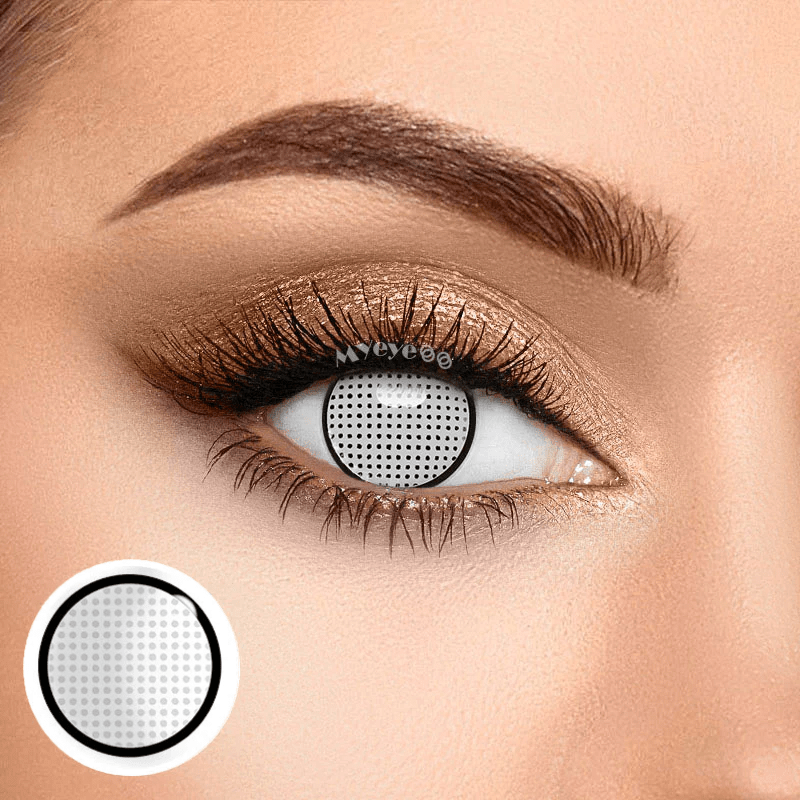
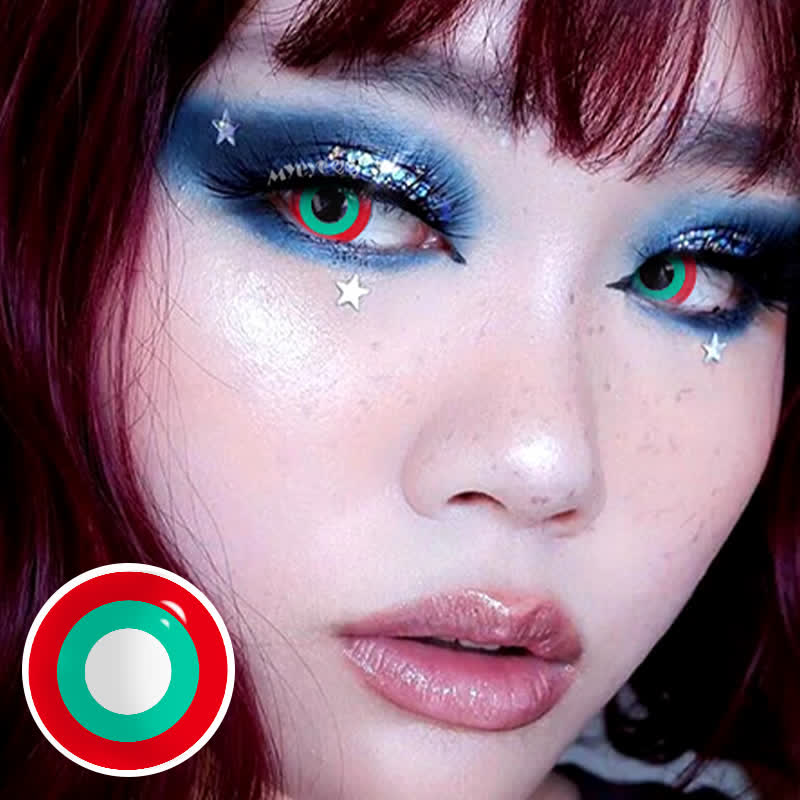

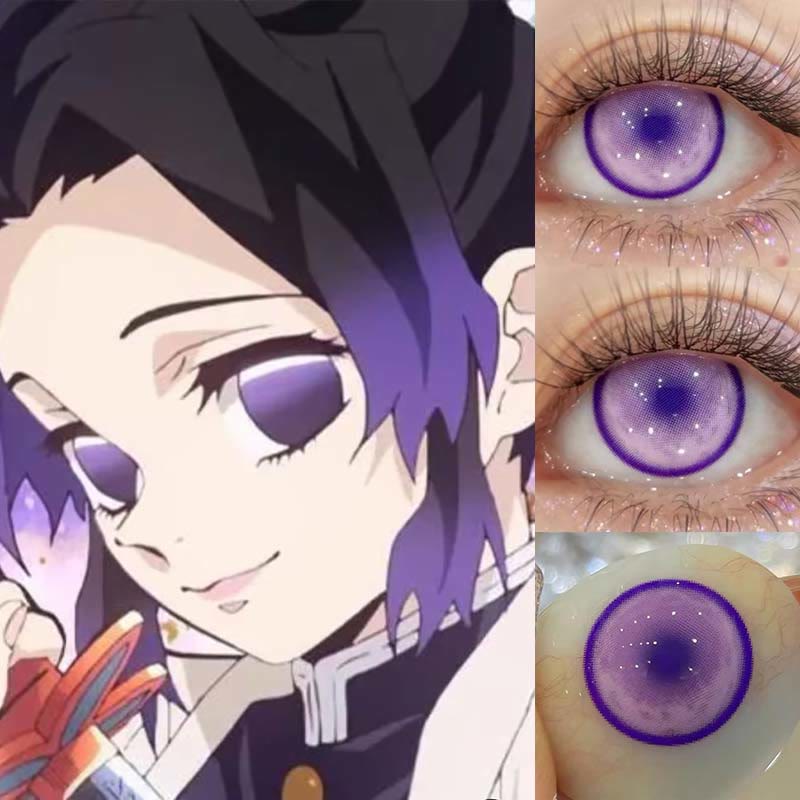

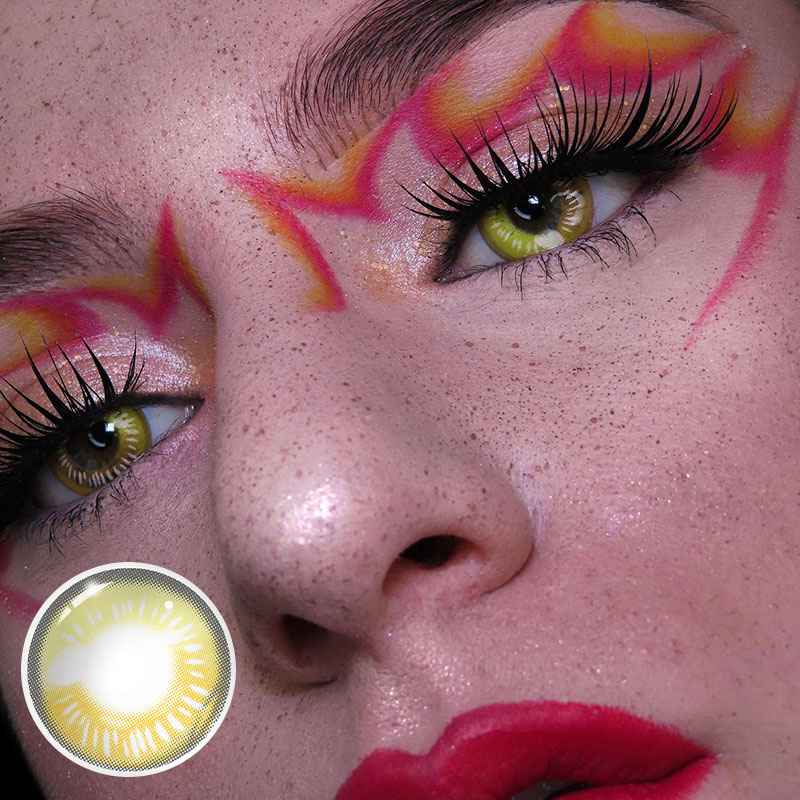
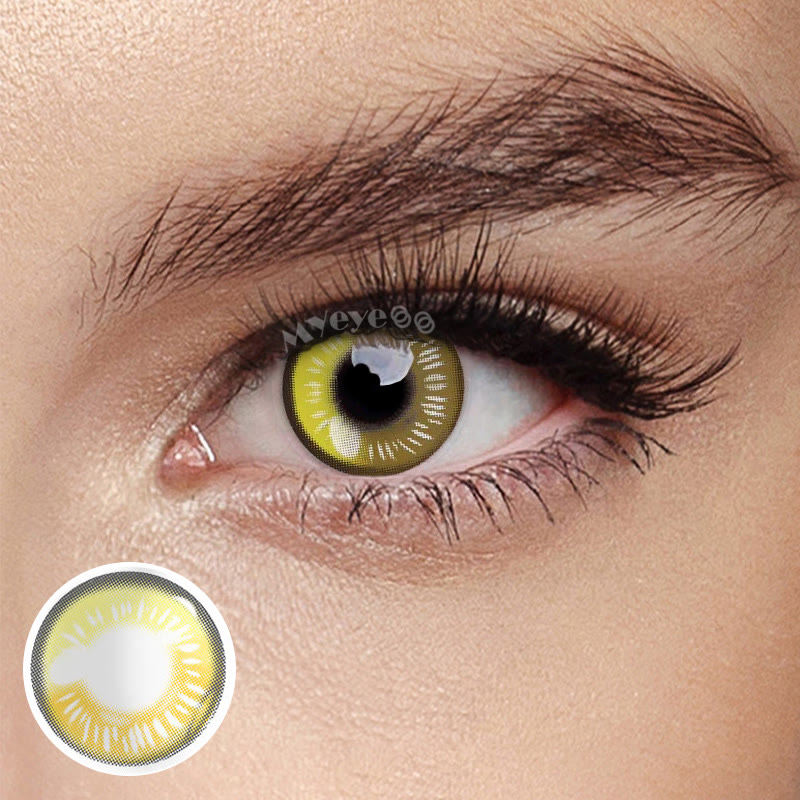
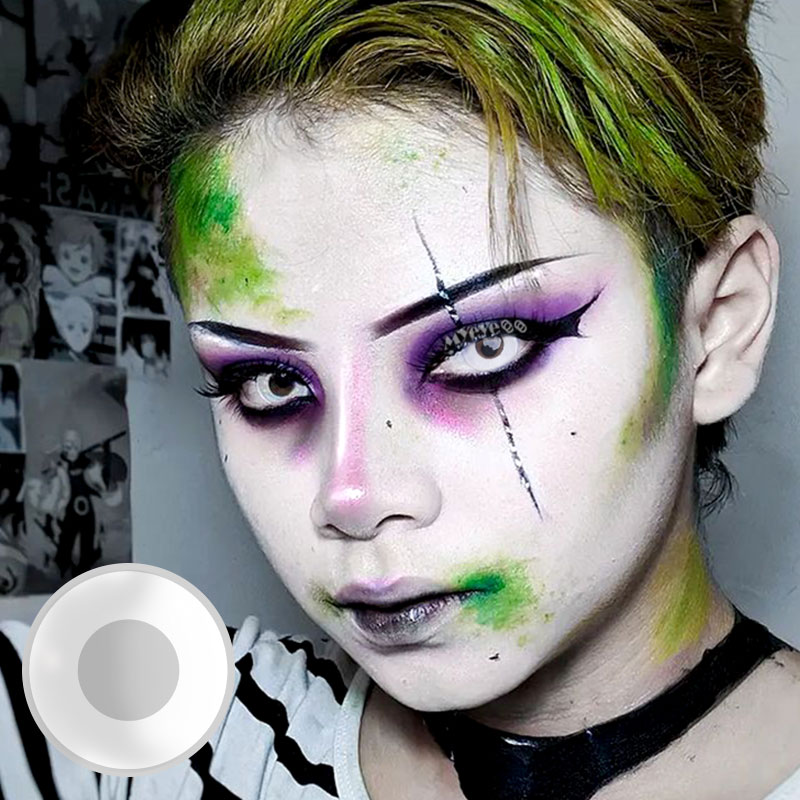
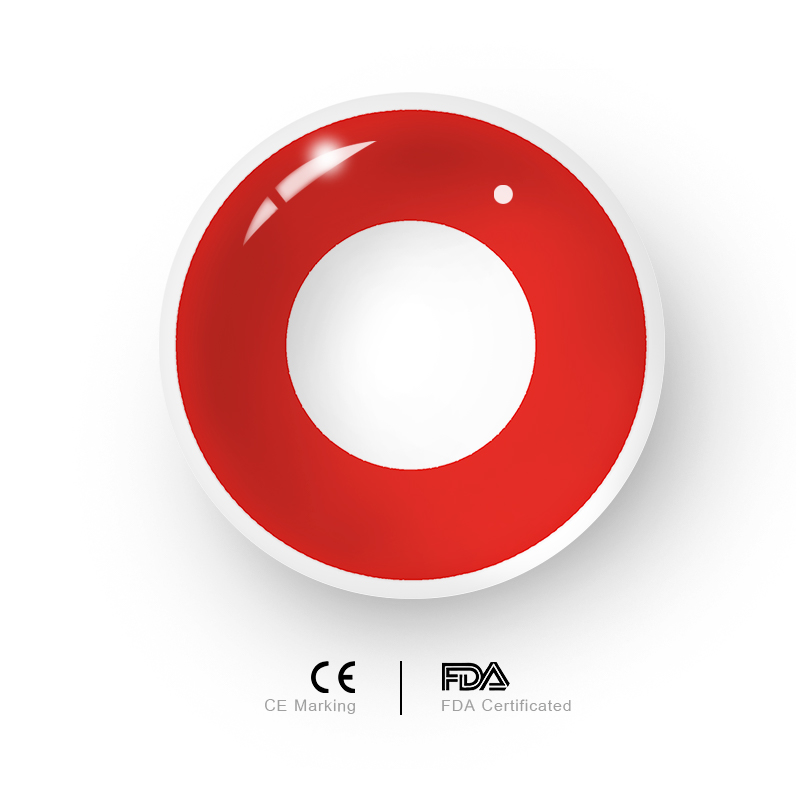
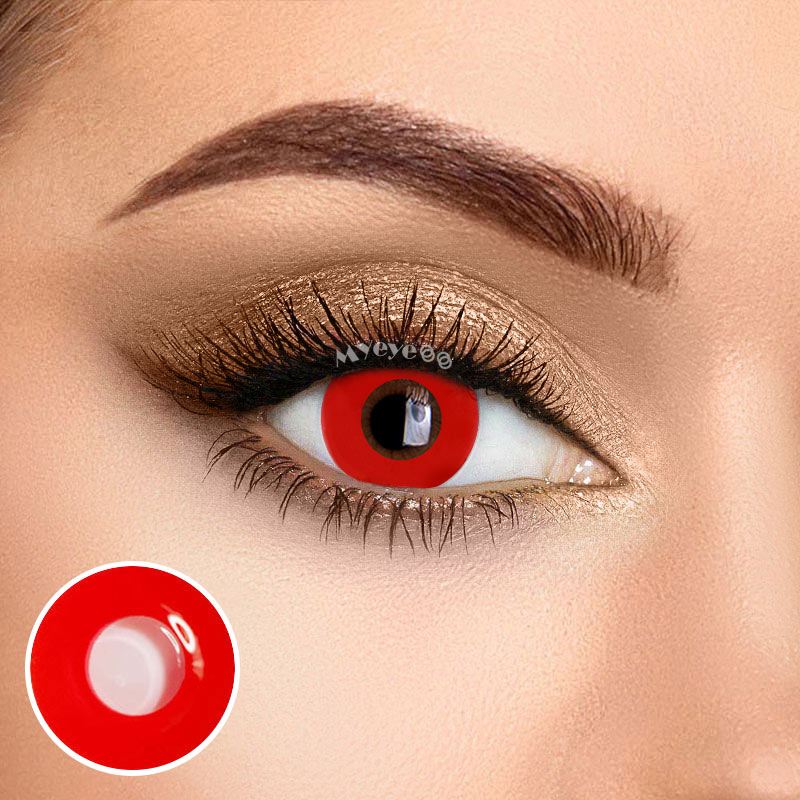
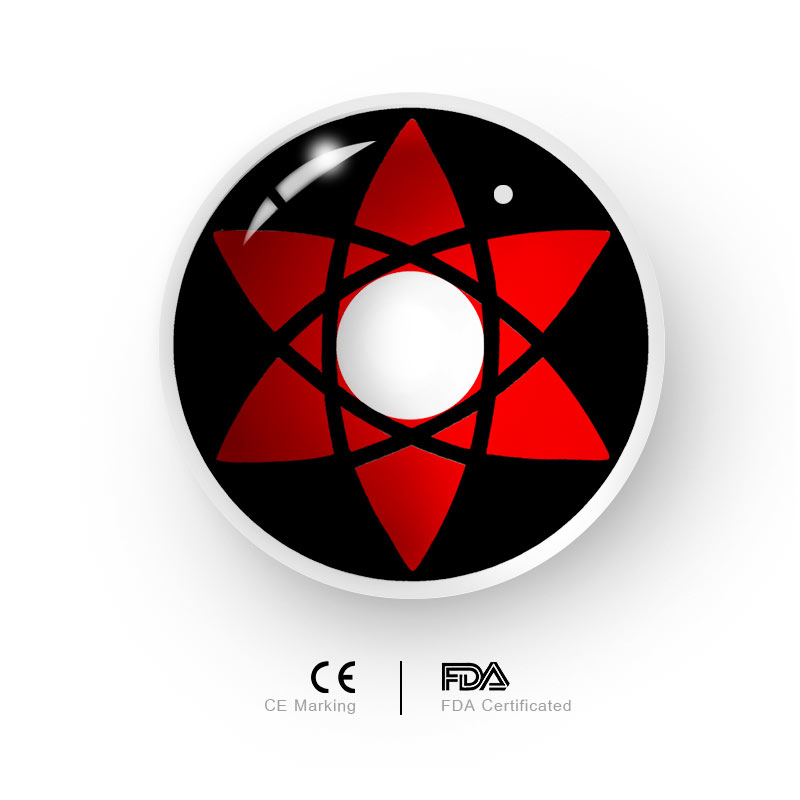
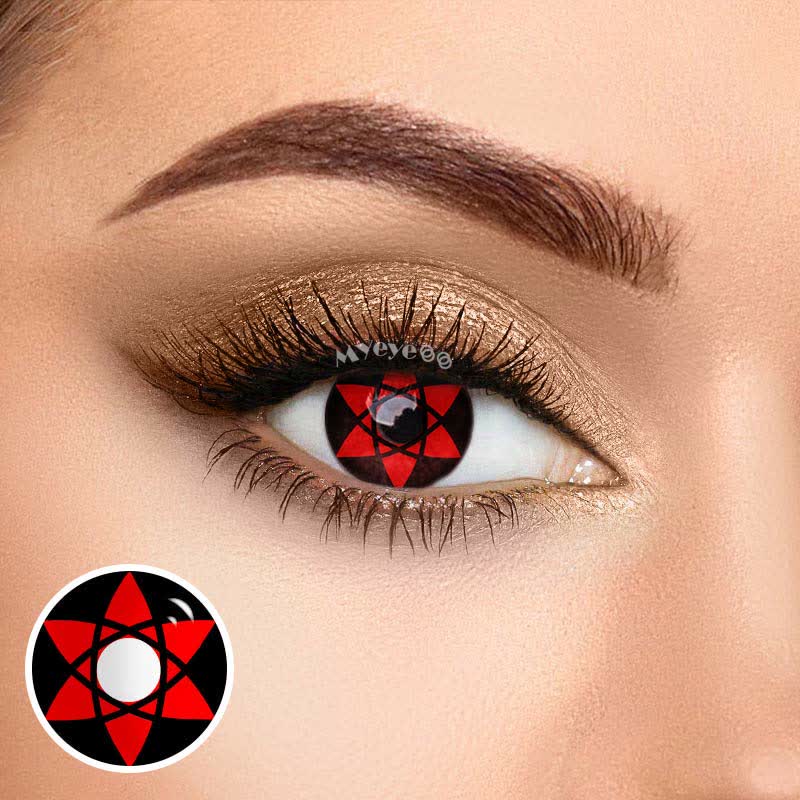
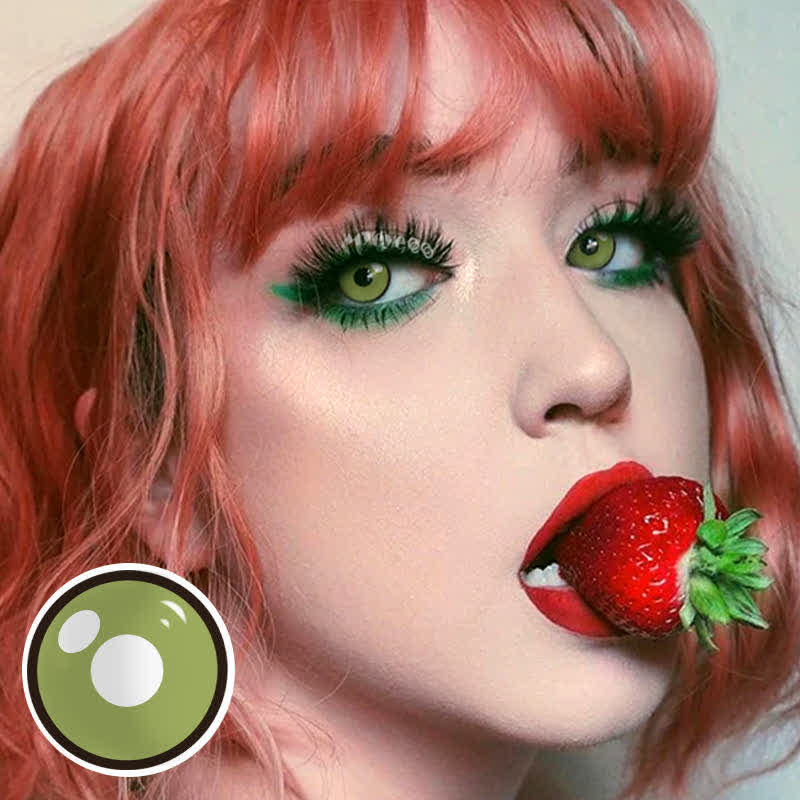
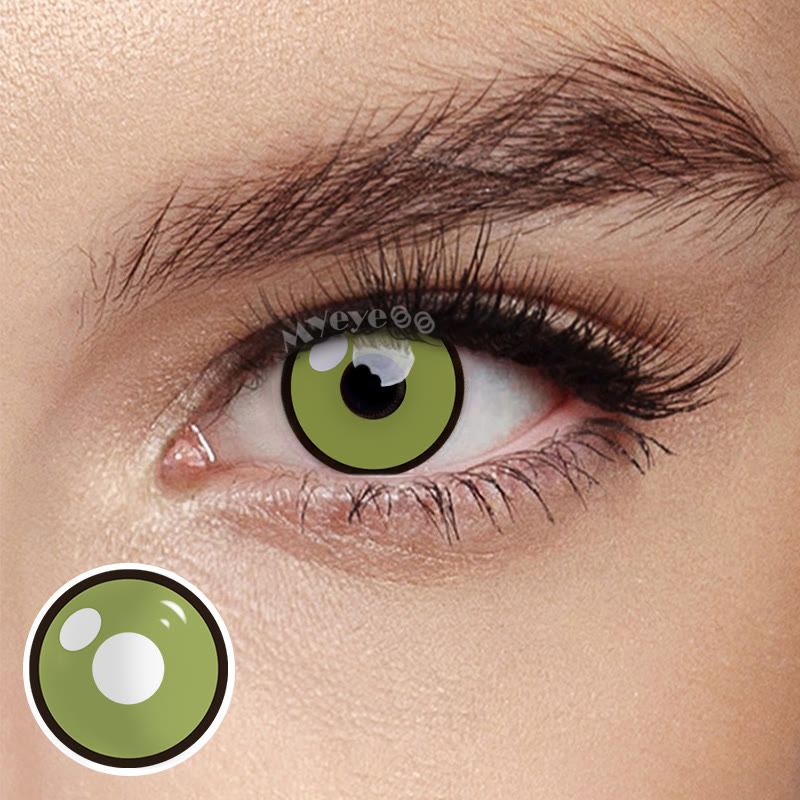
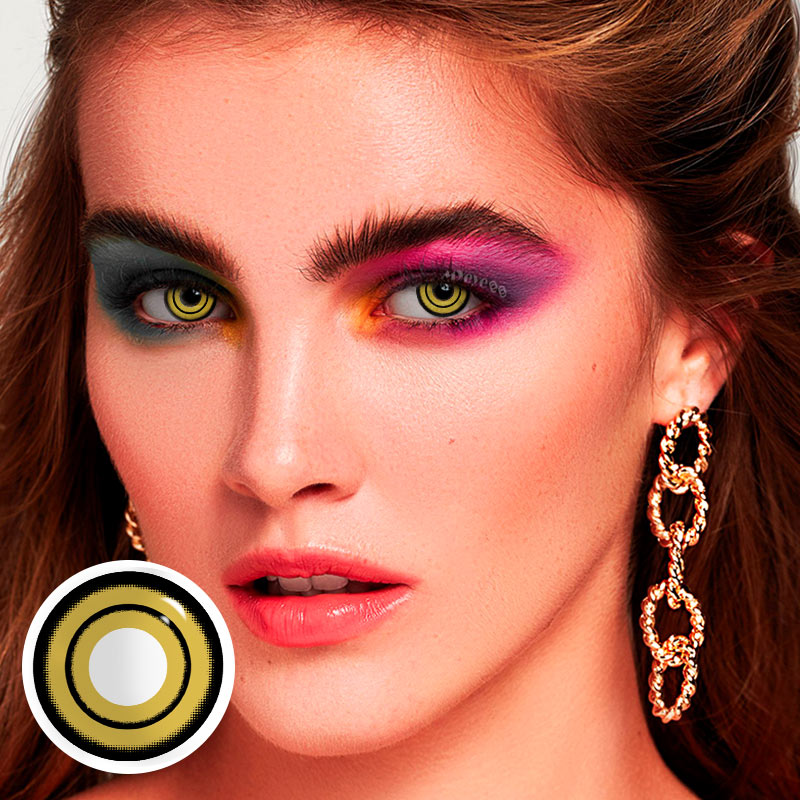
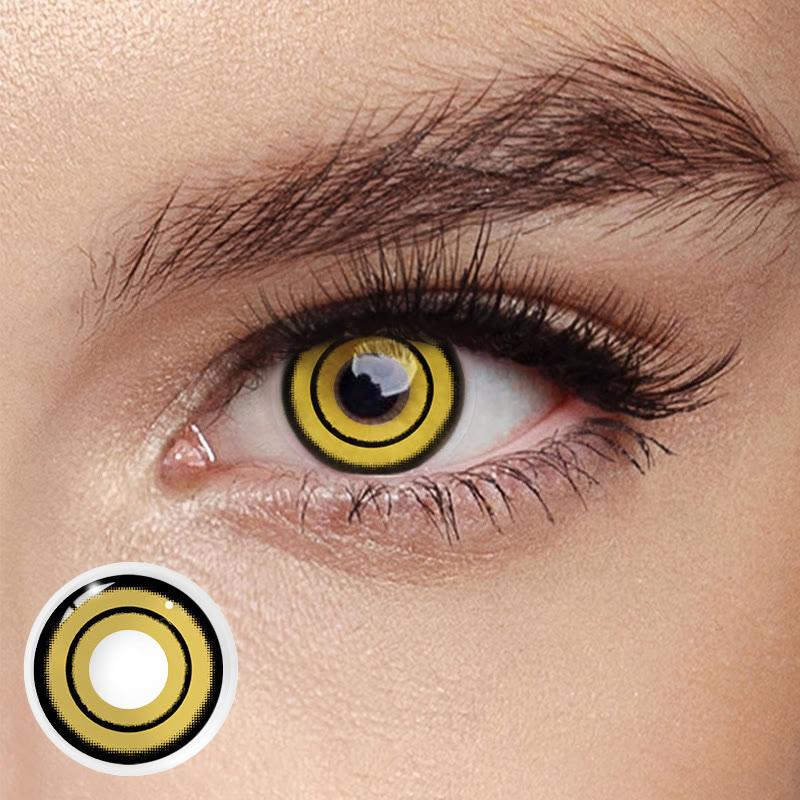
Star eye contacts change your ordinary look into something extraordinary with their captivating, celestial designs. People shopping for these eye-catching lenses will find they typically feature a 14.0-14.5mm diameter and 38% water content, with most having an 8.6mm base curve to wear comfortably. But choosing the right star contact lenses needs more than just picking a pretty design.
Star shaped contacts and star colored contacts have become popular because of anime characters and cosplay trends. These lenses create stunning effects, and you should keep in mind they need replacement within 12 months of opening, preferably within 3 months to maintain hygiene. Quality star contacts use soft materials that provide maximum comfort and have FDA approval to ensure your eyes' safety. In this piece, you'll learn everything about selecting, wearing, and caring for your star eye contacts - from subtle star pupils to dramatic galaxy-inspired designs.
What are star eye contacts and why are they trending?
Star contact lenses have caught the eye of fashion enthusiasts, cosplayers, and anime fans with their mesmerizing celestial patterns. These specialty lenses showcase unique star designs that radiate from the pupil. They create an otherworldly effect you can't get with regular colored contacts.
The rise of star pupil contacts in anime and cosplay
Star pupil contacts have become hugely popular through anime and cosplay communities. These eye-catching lenses help fans transform into their favorite characters who have distinctive star-shaped eyes. Fans love them because they know how to create large, round eyes with a magical quality.
The growing interest in cosplay has stimulated the need for specialty lenses. Enthusiasts use them to achieve accurate character representations. Star contacts are now must-have accessories for anyone who wants to embody characters with supernatural or celestial qualities.
The unique starburst effect makes your eyes look like they hold "the mysteries of the universe," especially when you have a thing for sci-fi and futuristic looks. Many star contacts look natural from far away. The sun ray style becomes visible only when you get close—creating an fascinating visual effect.
Popular styles like Ai Hoshino contacts and galaxy lenses
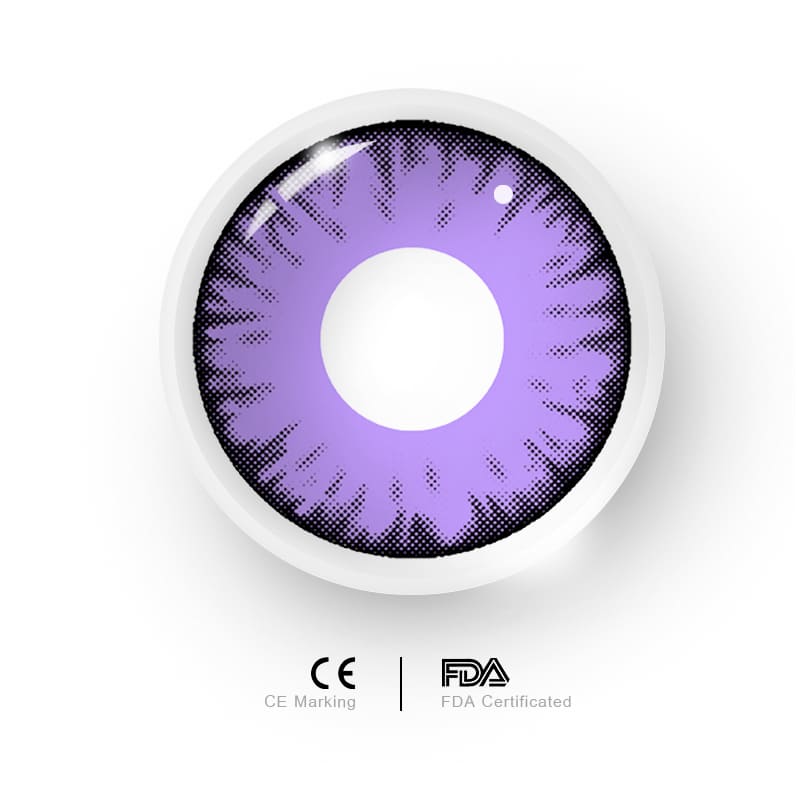
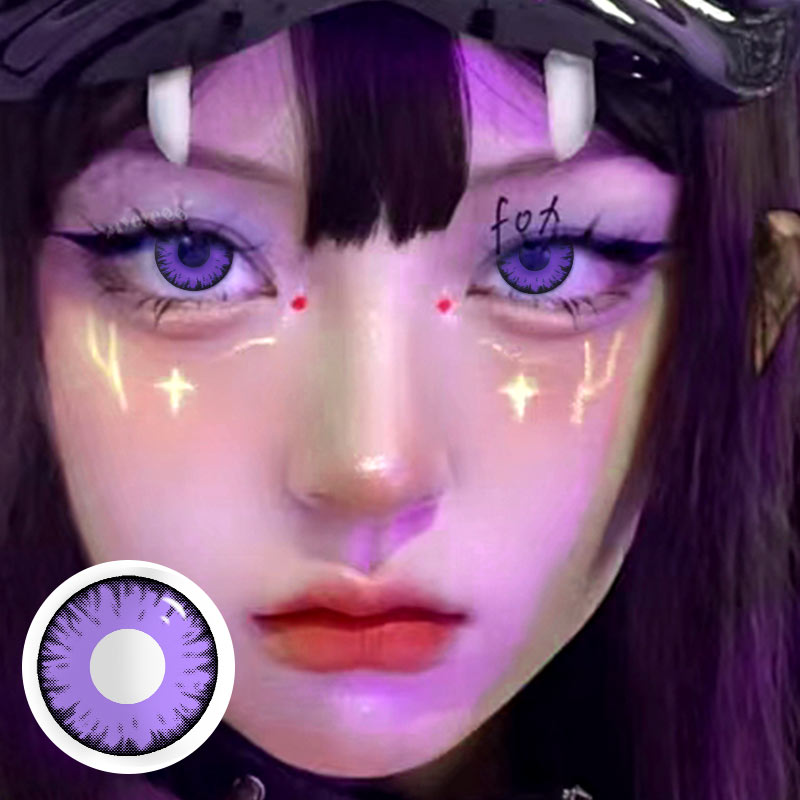
Ai Hoshino-inspired contacts from the anime "Oshi no Ko" top the list of most wanted star contact designs. These stunning purple and pink gradient contacts come with a 4-tone painted manga design. They feature a mesh screen center and starry catch-light effect. The brilliant violet base and sharp pink starburst pattern radiating from the pupil match Ai's captivating "star eyes" perfectly.
Galaxy lenses are another hot trend that lets you wear "universe contact lenses." You'll find them in several patterns and colors:
- Silver Glimmer Contacts: Light gray lenses that add sparkle to any eye color
- Blue Hypnotic Dream Contacts: Feature a dark starry-eyed look with stars bursting to the iris edges
- Butterfly Blue Contacts: All-black background with an electric blue ring resembling space plasma
Solar star contact lenses offer a more subtle option with their two-tone design that improves your natural eye color. The starburst effect adds an extra dimension that makes your eyes look like they contain celestial elements.
Difference between star shaped and star colored contacts
You should know the difference between star shaped and star colored contacts to pick the right pair.
Star shaped contacts show a physical star pattern extending from the pupil. These create a distinct graphic element on the lens. The mesh design displays the star shape prominently. To cite an instance, see the 8-pointed star contacts that project outward from the pupil against various background colors.
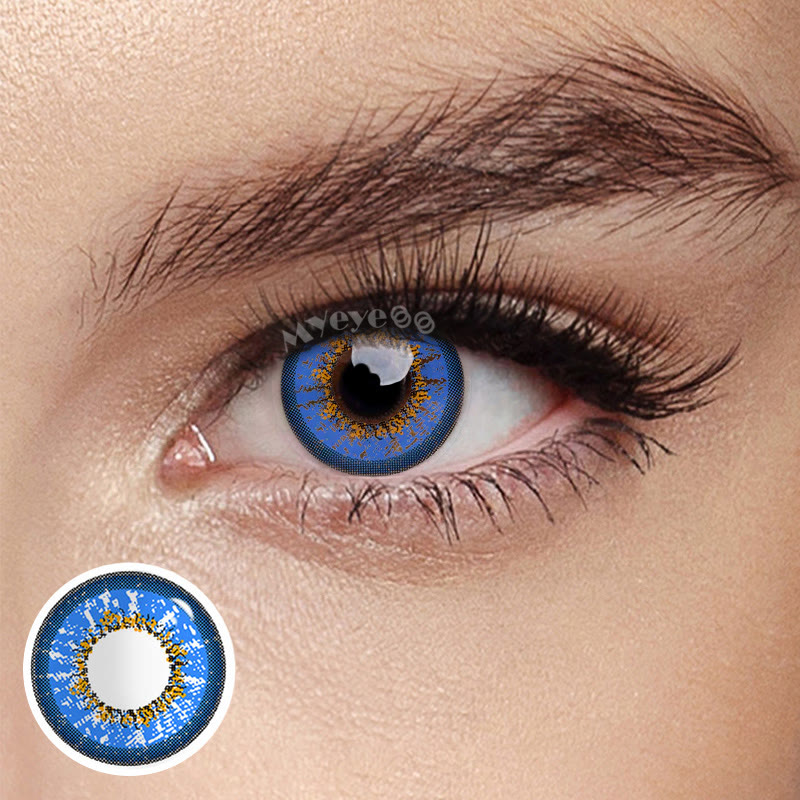
Star colored contacts focus on color enhancement with a subtle star effect in the design. Blue solar contacts show a light blue star on a darker blue background, while hazel solar colored contacts display a dark star with a lighter background.
Some designs mix both approaches. Purple Tempest contacts blend bright purple with white to create a hypnotic starburst effect. These bold designs stand out more than the subtle solar styles.
Note that most star contacts have a standard 14.5mm diameter, 38% water content, and 8.6mm base curve, though specs vary between brands. Many designs use a mesh pattern for the distinctive star effect but might slightly affect vision—something first-time wearers should keep in mind.
How to choose the right star contact lenses for your eyes
Picking the perfect star contact lenses needs more than just choosing a design you like. These specialty lenses sit right on your eye, so finding the right match matters a lot for comfort and looks.
1. Match your eye color and skin tone
Star contacts should complement your natural features to create a balanced look. Your natural eye color affects how the lenses will look when you wear them. Dark eyes need opaque lenses to show any visible color change, especially with vibrant star designs. Light eyes work better with enhancement tints that blend with your natural color while adding the star effect.
Your skin tone matters just as much when picking the right star contacts. Light brown, hazel, or soft gray star contacts create a natural look for fair skin. Green or honey-colored star lenses look great with medium or tan skin tones and bring out golden undertones. Bold star contacts in sapphire blue, amethyst, or icy gray create stunning contrasts with deeper skin tones.
Your hair color also plays a role with your chosen star contacts. Light colored contacts work well with blonde hair. Brunettes can rock almost any star lens color. People with black hair might prefer vibrant blues or greens to create dramatic contrast.
2. Decide between natural vs. dramatic effect
Solar star contact lenses take a subtle approach. They feature a two-tone design that improves your natural eye color with a stunning star effect. These lenses look natural from far away but show their unique starburst pattern up close. They work great for daily wear or professional settings where you want a fresh look without standing out too much.
Dramatic star contacts make a bold statement. These lenses come with bright colors, distinct patterns, and larger graphic diameters. They're perfect for cosplay, special events, or making a fashion statement. Ai Hoshino-inspired contacts fit this category with their vivid purple base and pink starburst pattern.
The purpose behind buying star contacts matters. Character accuracy in cosplay needs exact color and pattern matches. Daily enhancement works better with subtle star effects.
3. Choose diameter and graphic size
Star contact lenses' diameter shows the overall lens size, usually between 13mm and 15mm. This measurement helps ensure they fit well and feel comfortable. Here's a quick guide:
- For smaller eyes: 13.8mm-14.0mm diameter
- For average eyes: 14.0mm-14.2mm diameter
- For larger eyes: 14.2mm-14.5mm diameter
The graphic diameter is just as vital - it's the colored part where the star design shows up. This measurement determines how dramatic your eyes will look. Smaller graphics (around 13.2mm) look more natural. Medium sizes (13.3mm-13.6mm) give a dilation effect. Larger ones (13.8mm+) create dramatic looks perfect for cosplay and theater.
4. Choose between plano and prescription lenses
You can get star contacts in both plano (non-prescription) and prescription versions. Plano lenses have no corrective power (0.00) and serve only cosmetic purposes. They're great if you don't need vision correction or plan to wear them over regular corrective lenses.
Prescription star contacts mix function with style. These special lenses fix vision problems like myopia, hyperopia, and astigmatism while giving you that star effect you want. Most brands offer prescriptions from -0.50 to -10.00, though available options vary by design.
Note that even plano lenses need a valid prescription from an eye doctor. This gives you proper fitting and cuts down eye damage risks, whatever your vision needs are.
Safety tips when wearing star contact lenses
Your top priority should be safety when using star eye contacts. These lenses sit directly on your cornea, so you need to protect your vision and eye health by following proper safety measures.
1. Check for FDA approval and material quality
You should buy star contact lenses only from companies that sell FDA-cleared or approved products. The FDA classifies all contact lenses—including decorative star contacts—as medical devices that need a prescription even for cosmetic use.
Make sure your retailer asks for your prescription and confirms it with your doctor before buying star contacts. They're breaking federal law and might be selling unsafe products if they skip this step. Good quality star contacts use breathable, medical-grade materials that let oxygen reach your cornea. Unauthorized lenses might have toxic dyes or cheap plastics that can damage your eyes.
2. Avoid sharing lenses
Star contact lenses are not meant to be shared with anyone, no matter how tempting it might be. Everyone's eyes have unique dimensions, and shared lenses won't fit properly and can harm your cornea.
Shared star contacts increase your risk of serious eye infections by a lot. You could get keratitis, conjunctivitis, or even fungal infections. Viruses like herpes simplex can spread through shared contacts and cause lasting damage. Bacterial infections from borrowed lenses can create corneal ulcers that may lead to scarring, vision loss, or the need for a corneal transplant if left untreated.
3. Understand vision obstruction risks with mesh lenses
Star-shaped contacts often come with mesh designs that create their unique patterns. Product specs warn that these lenses "may obstruct your vision". You should never drive with mesh-style star contacts because they can impair your vision and distract other drivers.
Star contacts with prominent mesh designs work best for short-term, special occasion wear. Your peripheral vision might get affected more if the star pattern is intricate.
4. Know the maximum wear time
Eye doctors recommend wearing contact lenses no longer than 8-16 hours at a time. Most star eye contact manufacturers suggest wearing them for 10-12 hours max per day.
Here's what you need to know about replacement:
- Use star contacts within 12 months of opening
- Replace them within 3 months after first use
- Clean and store contact lenses in fresh solution at least weekly, even if you rarely wear them
Don't sleep with your star contacts unless your doctor says they're safe for extended wear. Sleeping with lenses on raises your risk of serious eye infections. Take out your lenses right away and see an eye doctor if you feel pain, burning, blurred vision, or any discomfort.
How to wear and care for your star contacts
Taking good care of your star contact lenses is a vital part of protecting your eye health and making your specialty lenses last longer. Learning everything in lens care will help keep your star eye contacts safe and comfortable.
1. How to insert and remove lenses safely
Start by washing your hands with antibacterial soap and dry them with a lint-free towel to keep bacteria away from your eyes. Place the star contact on your fingertip (never use fingernails) and make sure it's right-side up—you should see it form a bowl shape. Hold your upper eyelid open with one finger and pull down your lower eyelid with the other. Look upward, place the lens on the white part of your eye, then let your eyelids go slowly.
To take out your star contacts, look up while pulling your lower eyelid down. Break the water forces by gently pinching the sides of the lens, then lift it away carefully. Note that you should always start with the same eye during insertion and removal to avoid mixing up your lenses.
2. Cleaning and storing your lenses
Clean your star contact lenses right after removal. Apply fresh solution and rub gently for 10-15 seconds, then rinse them well. Bacteria can grow in water, saliva, or homemade solutions, so never use these.
Your lenses need a clean case with fresh solution—adding new solution to old solution reduces how well it disinfects. Clean and empty your case daily, then let it dry upside down with caps off to stop germs from growing. Get a new case every three months to keep contamination risks low.
3. When to replace your lenses
Each type of star contact has its own replacement schedule. Throw away daily disposables after one use. Monthly lenses need replacement after 30 days. Most star contact lenses should be replaced within 12 months after opening, but changing them within 3 months is better for hygiene.
You need new lenses right away if you notice any of these signs: discomfort or irritation, changes in vision or blurriness, damage to the lens, or deposits that won't come off with cleaning.
4. Tips for first-time users
New star eye contact users should know that practice helps. Don't get discouraged—half of all contact lens wearers have trouble putting them in and taking them out at first. Eye lubricant (approved by your doctor) can help with moisture and dryness.
Daily disposable star contacts might work better if you don't want to deal with cleaning routines. Regular eye checkups are necessary, even with non-prescription star contacts. Take your lenses out and see an eye doctor if your eyes become red, painful, or your vision changes.
Where to buy safe and stylish star eye contacts
Getting the right seller makes all the difference when buying star eye contacts that protect your eyes. Several trusted online stores specialize in these unique lenses.
What to look for in product listings
The FDA approval status should be your first checkpoint before buying star contacts. A good product listing shows these key details:
- Base curve (typically 8.6mm)
- Diameter (commonly 14.5mm)
- Water content (usually 38%)
- Replacement period information
Star contacts might affect your side vision slightly. Look for clear warnings about mesh lens vision risks in the product description.
Understanding packaging: 1 lens vs. 2 lenses per pack
The product packaging details need your attention. Most sellers list star contacts as "1 lens/pack" - you get just one lens. You'll need to order two if you want a complete pair. Many buyers miss this detail and end up disappointed when a single lens arrives. The product description gives you a full picture of what's included.
Conclusion
Star eye contacts are a stunning way to revolutionize your look with celestial patterns that engage attention. These specialty lenses have become hugely popular in anime, cosplay, and fashion communities, but your safety must come before looks.
You need to check FDA approval and make sure retailers ask for a valid prescription before buying star contacts, whatever your vision needs. The lenses should match your natural eye color and skin tone to create the most flattering effect. Many first-time users start with subtle solar designs and work up to bold galaxy patterns that make a statement.
Good care is crucial to protect your eye health and make your lenses last longer. Clean them exactly as directed and stick to maximum wear times to avoid problems. Star contacts that use mesh designs might limit your side vision a bit, so they work better for special events than daily use.
Star eye contacts can create magical, otherworldly looks safely when you buy from trusted sources and use them right. Your personality can shine through with a touch of celestial magic - from subtle starburst patterns to dramatic Ai Hoshino-inspired designs. Beautiful eyes start with healthy ones, so always put safety before style when picking your perfect pair of star contacts.