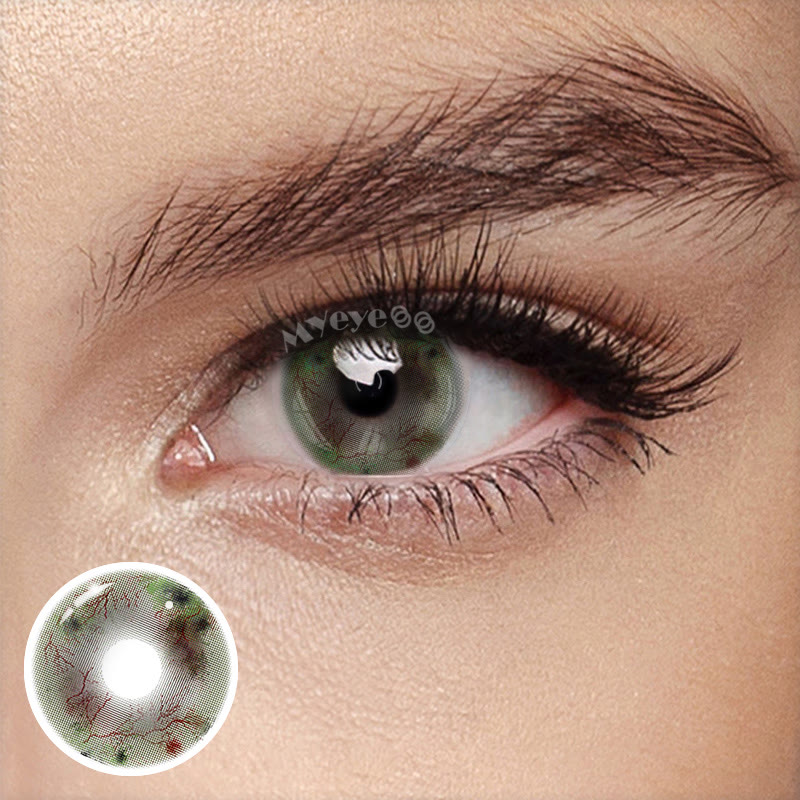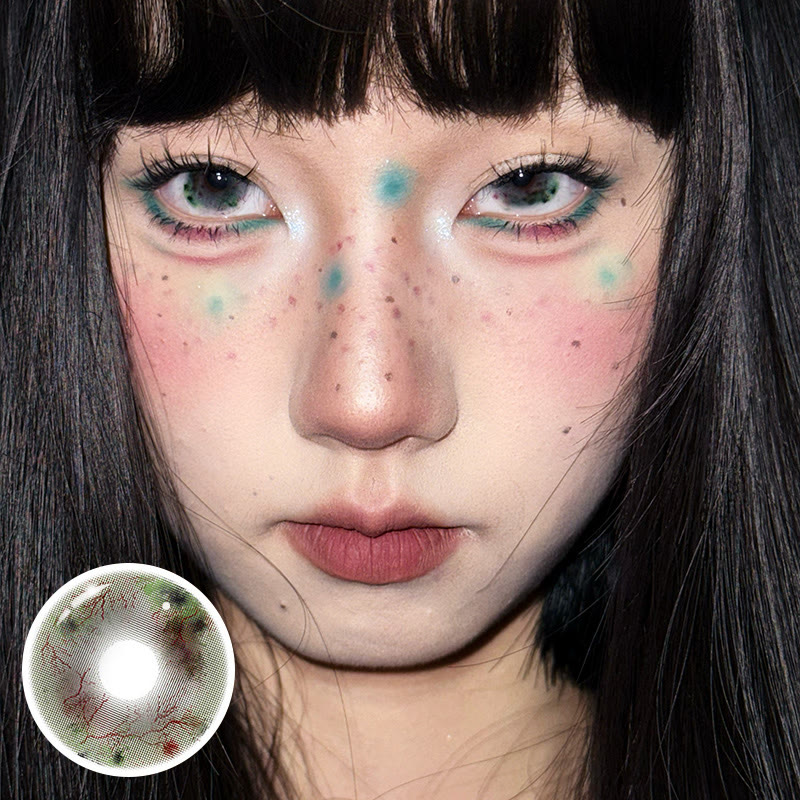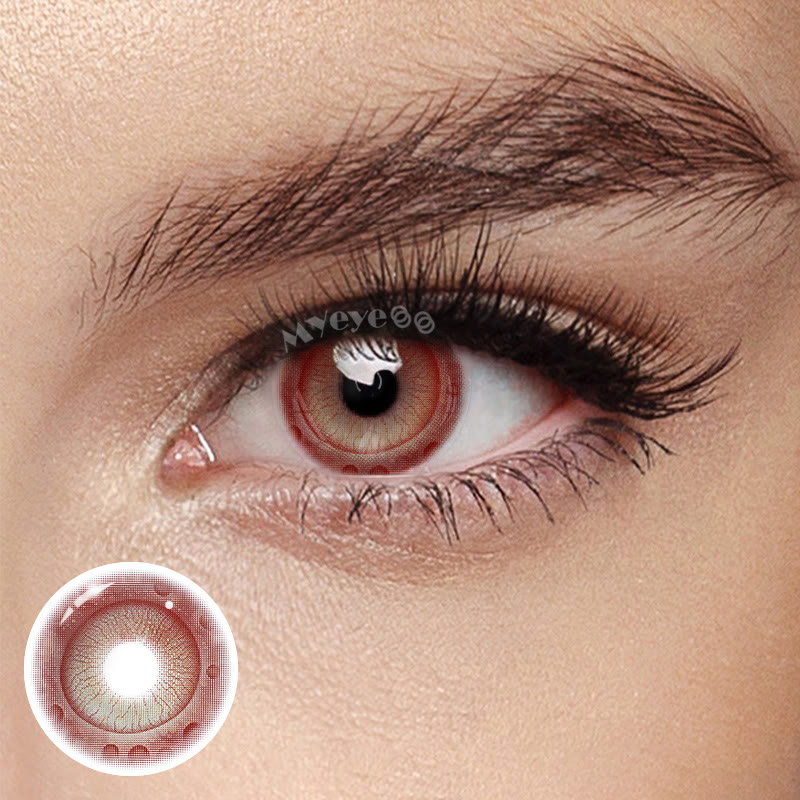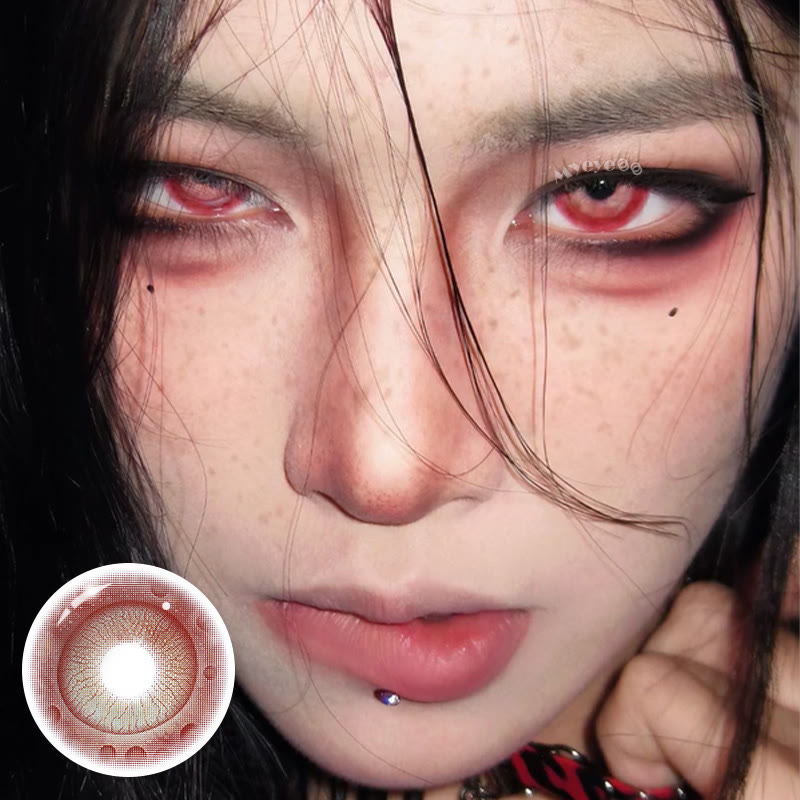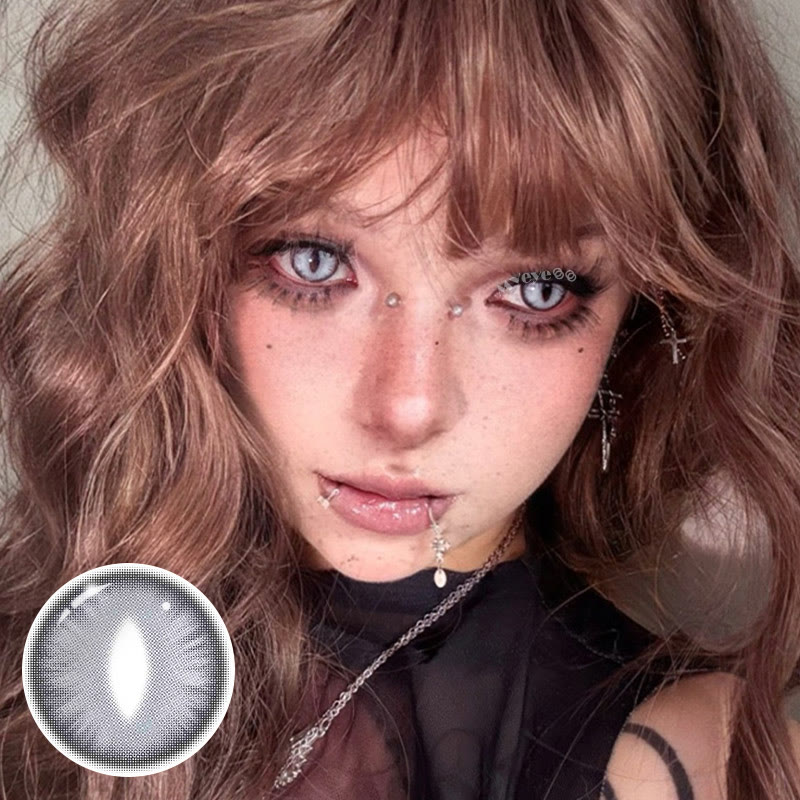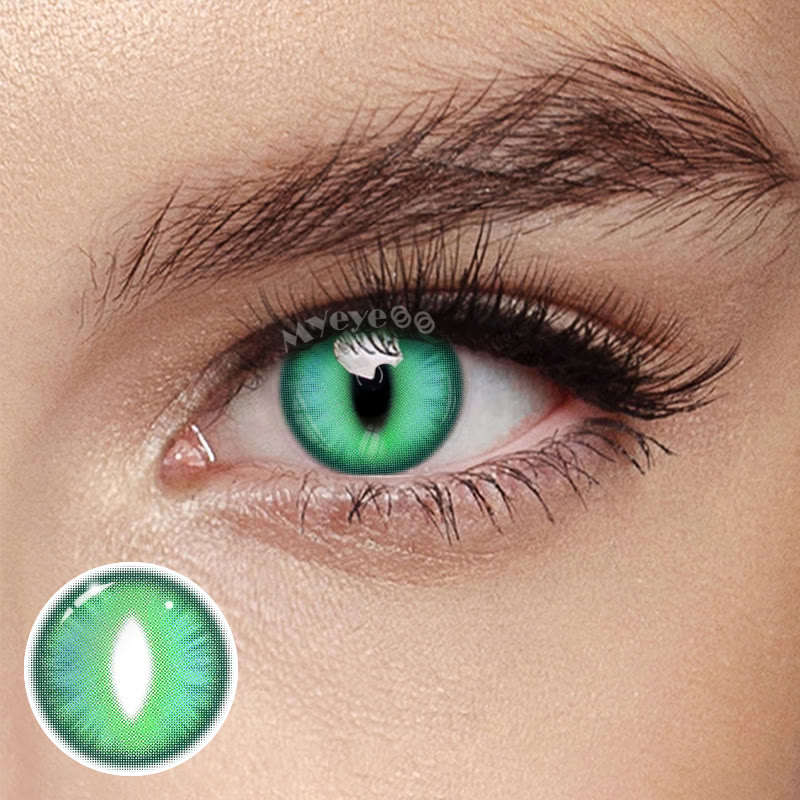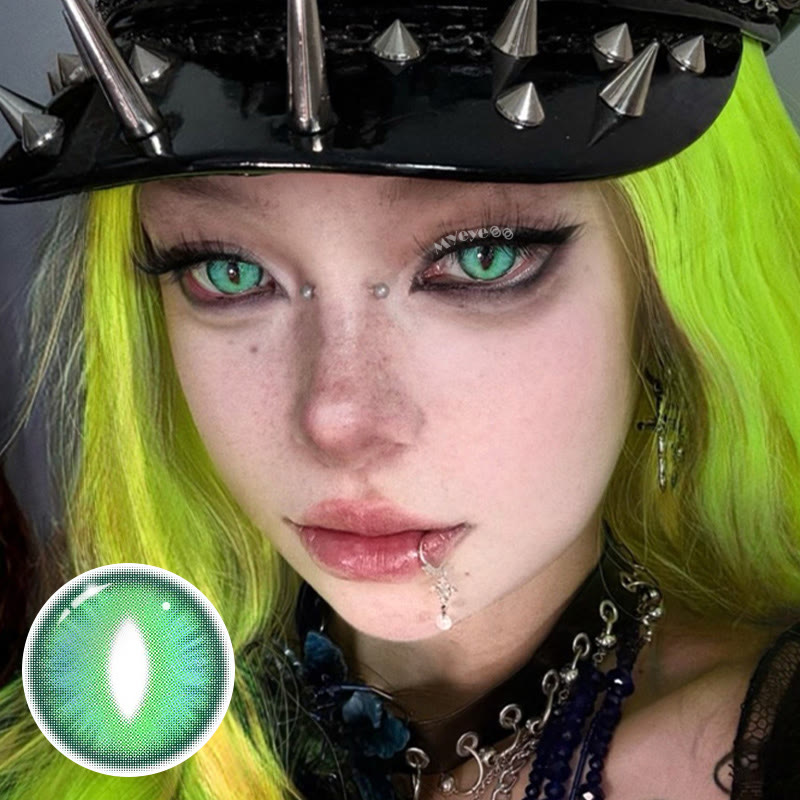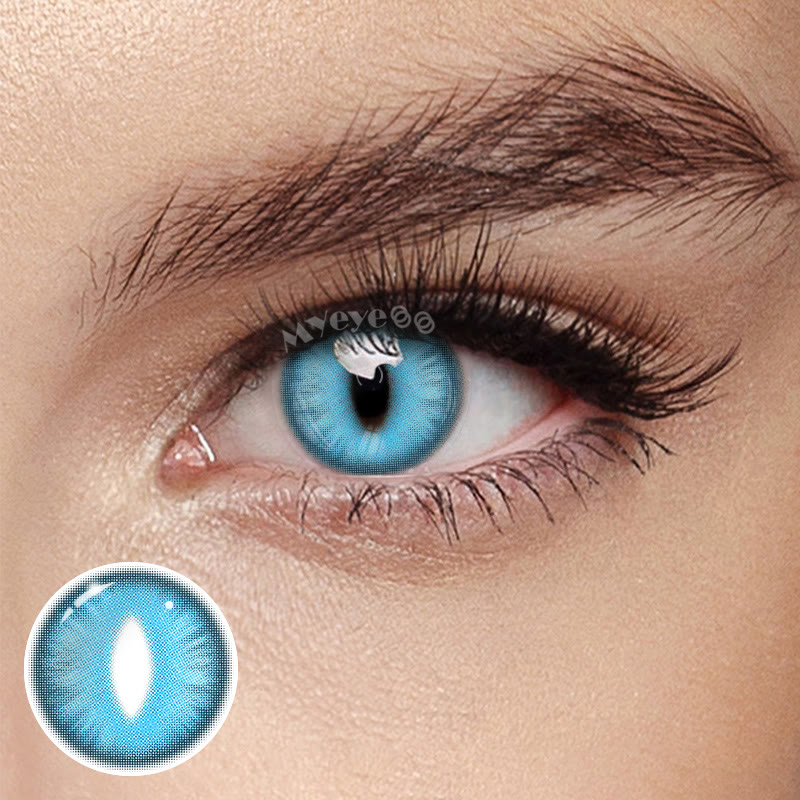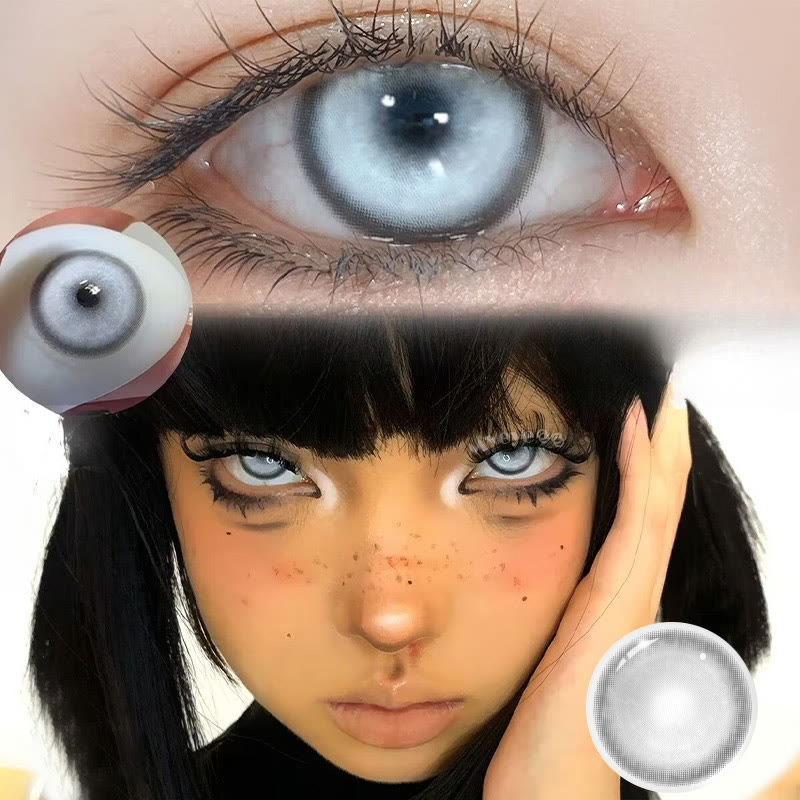
Prescription Circle Lenses
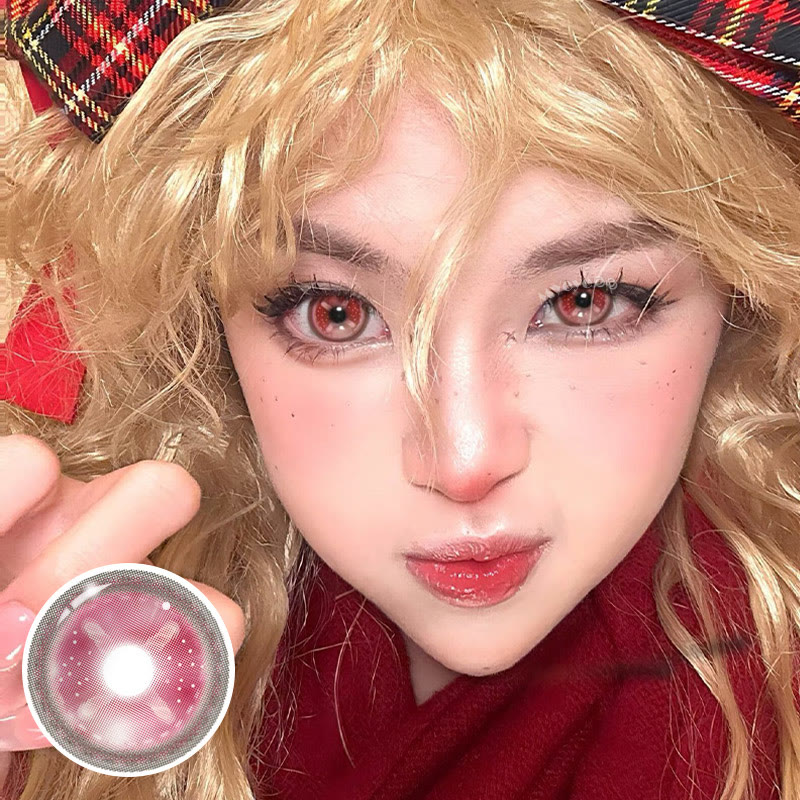
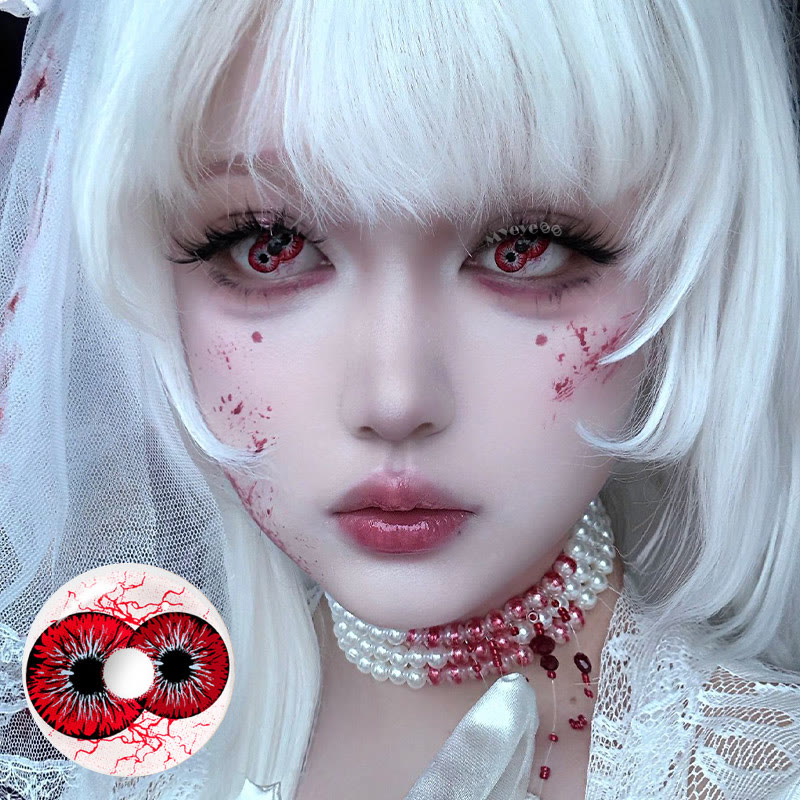
Circle contact lenses have changed how eyes look since 2004. These lenses became extremely popular in South Korea, Japan, Taiwan, and China. The distinctive lenses do more than alter your eye color - they make your eyes look larger and more defined with a striking, doll-like effect.
Regular contact lenses measure between 14-16mm in diameter. Circle lenses stand out with their bold limbal ring (darker outer edge) that makes eyes appear more youthful and vibrant. The United States FDA classifies these decorative lenses as medical devices that need a valid prescription from a healthcare professional. Many people draw inspiration from BLACKPINK and NewJeans' signature looks. This piece will help you learn about circle lenses and how to wear them safely while improving your natural eye appearance.
What are circle contact lenses?
Circle contact lenses do more than just change your eye color. These specialized cosmetic lenses engage fashion lovers everywhere because they make your eyes look bigger and more defined.
Definition and visual effect
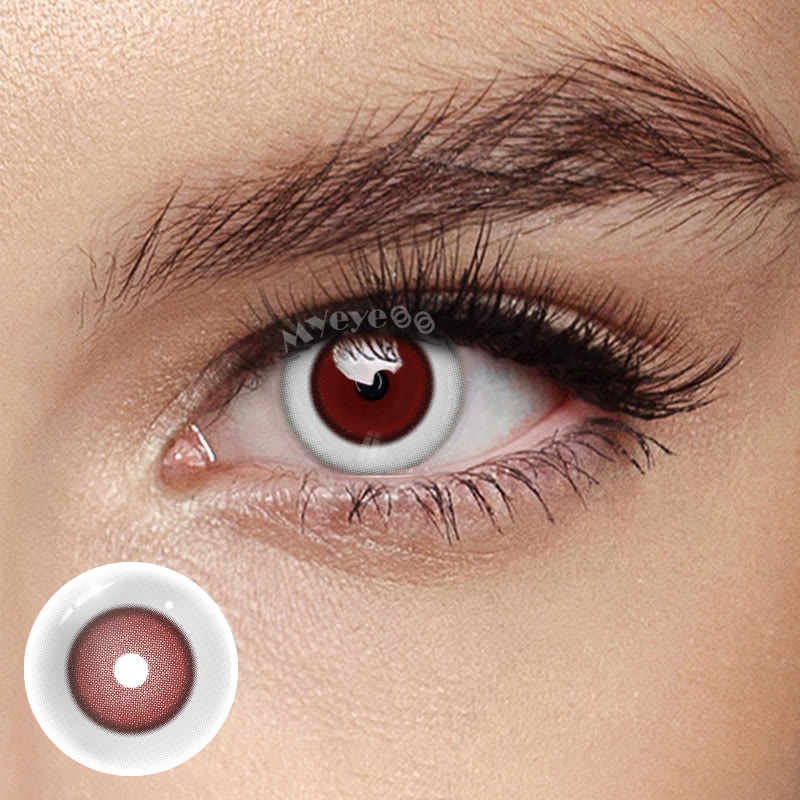
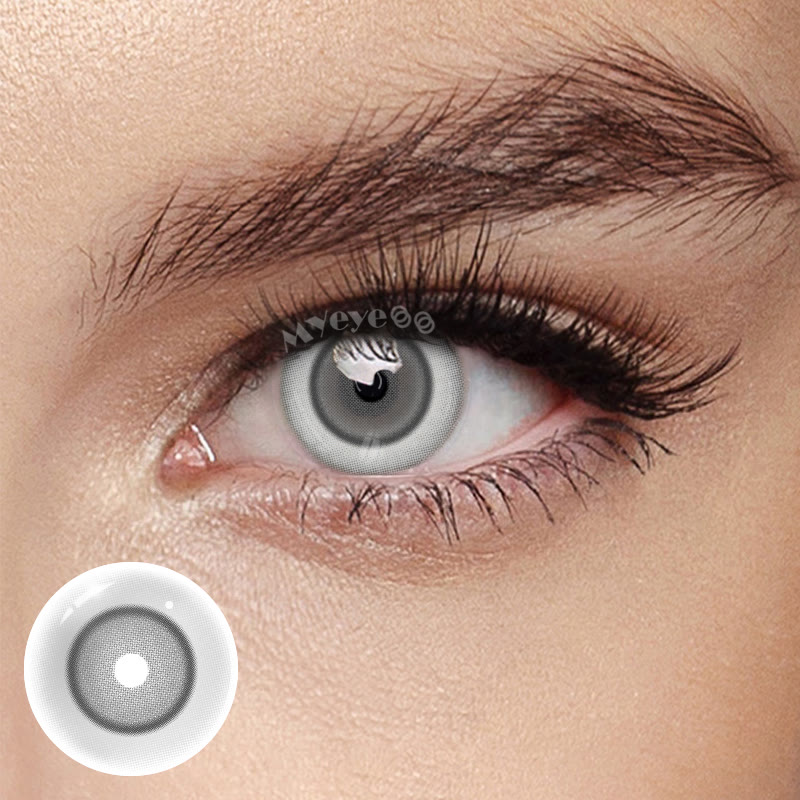
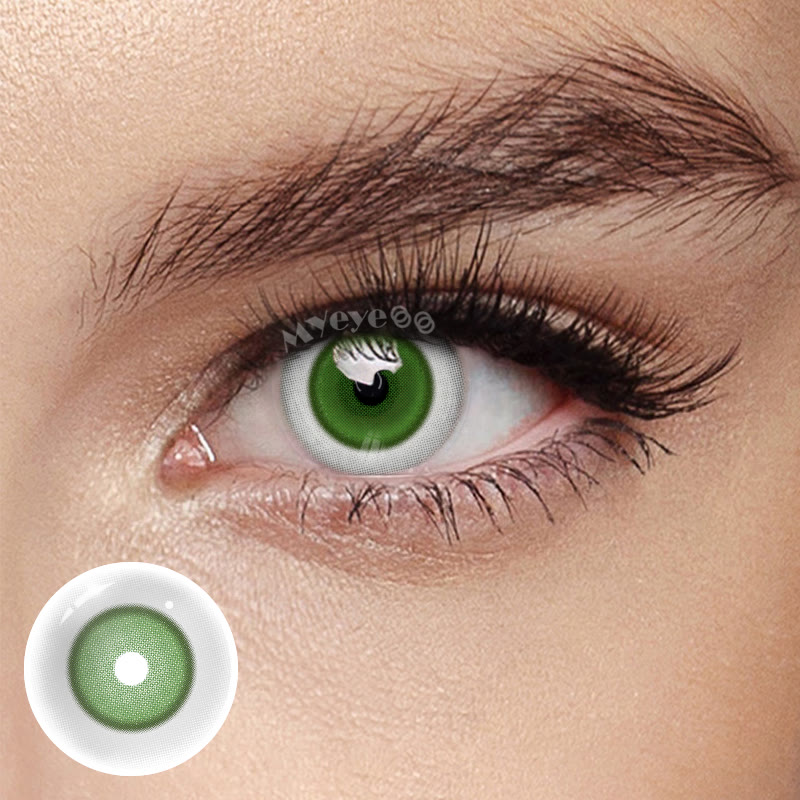
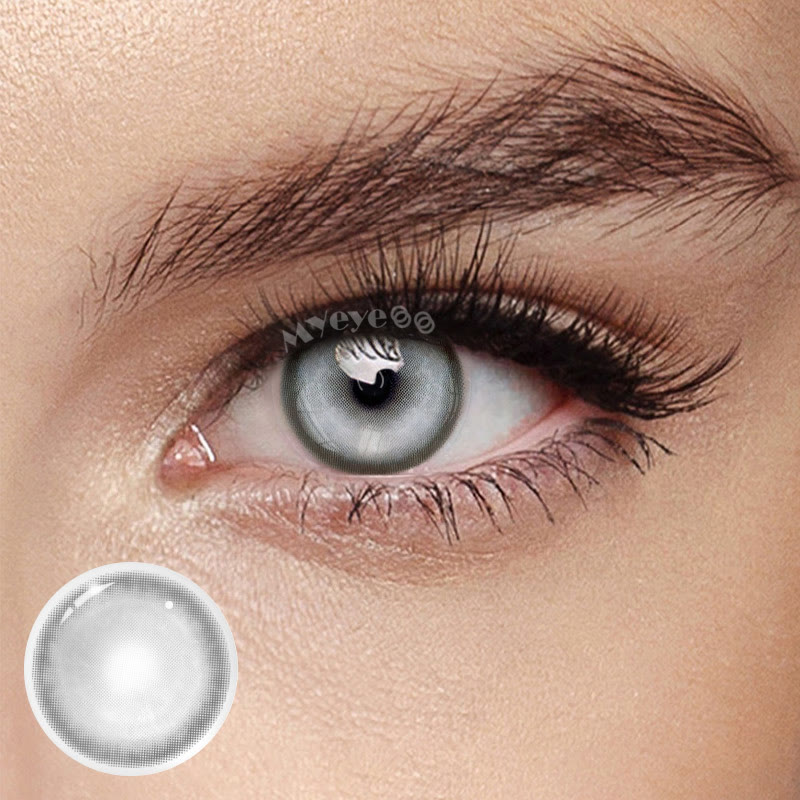
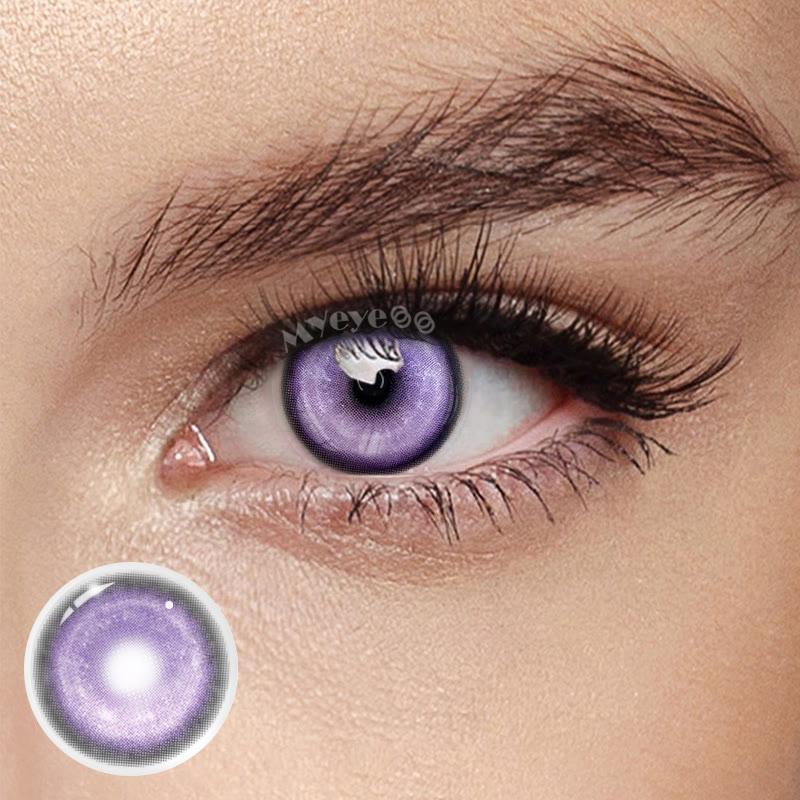
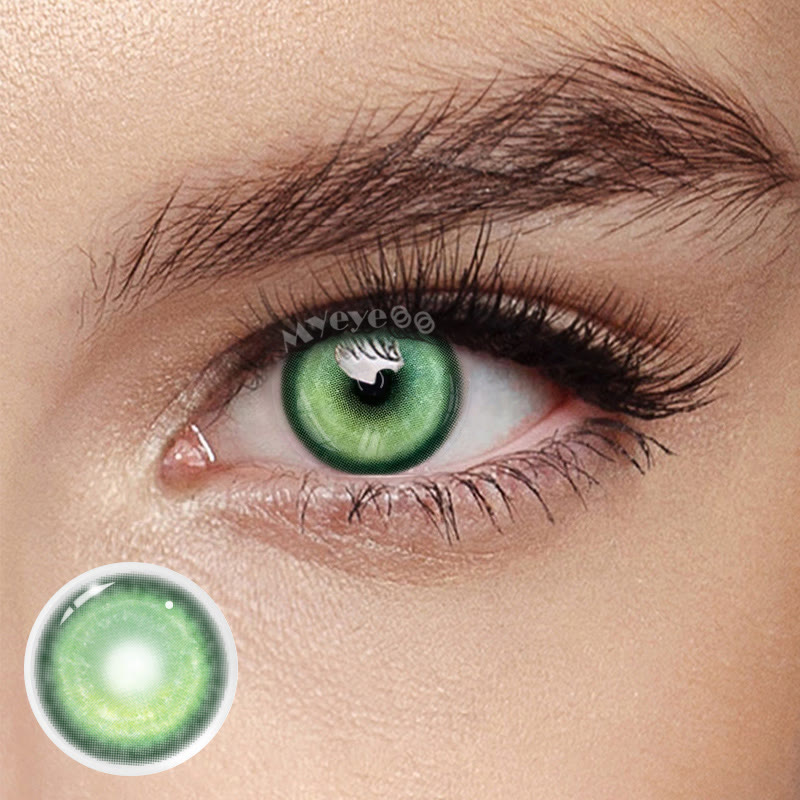
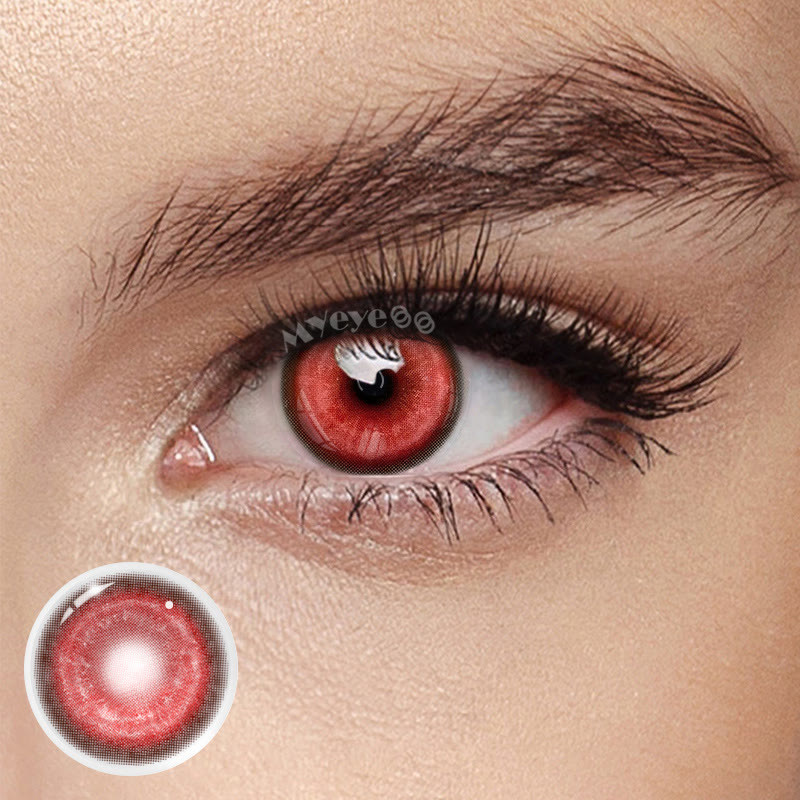
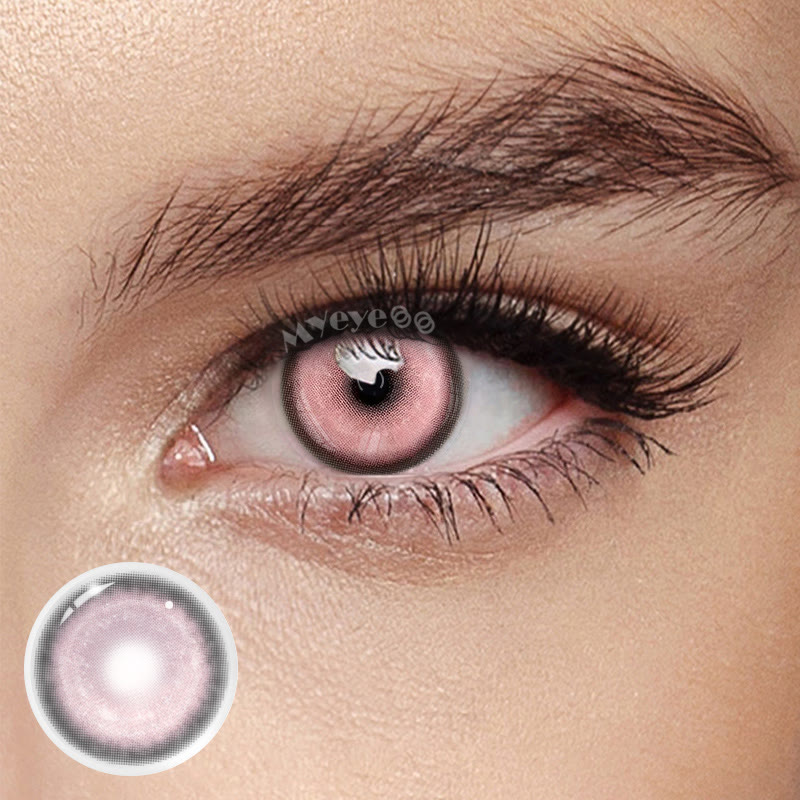
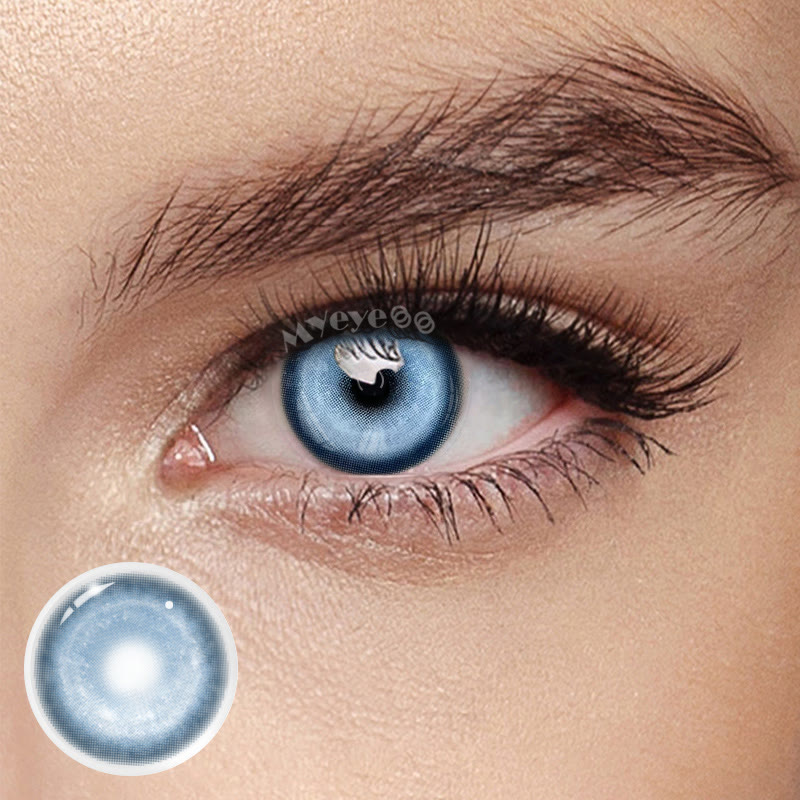
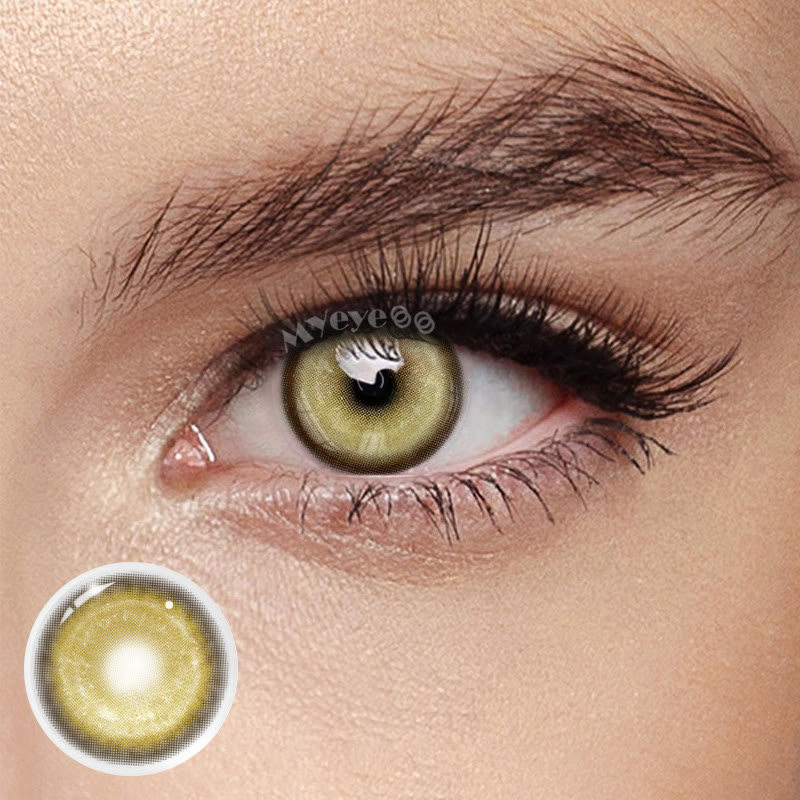
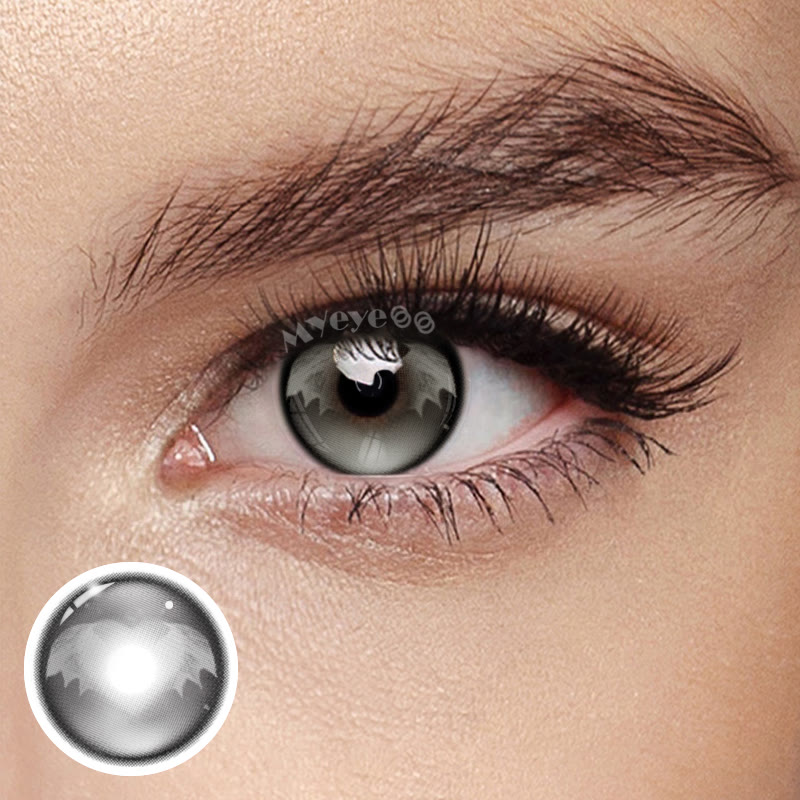
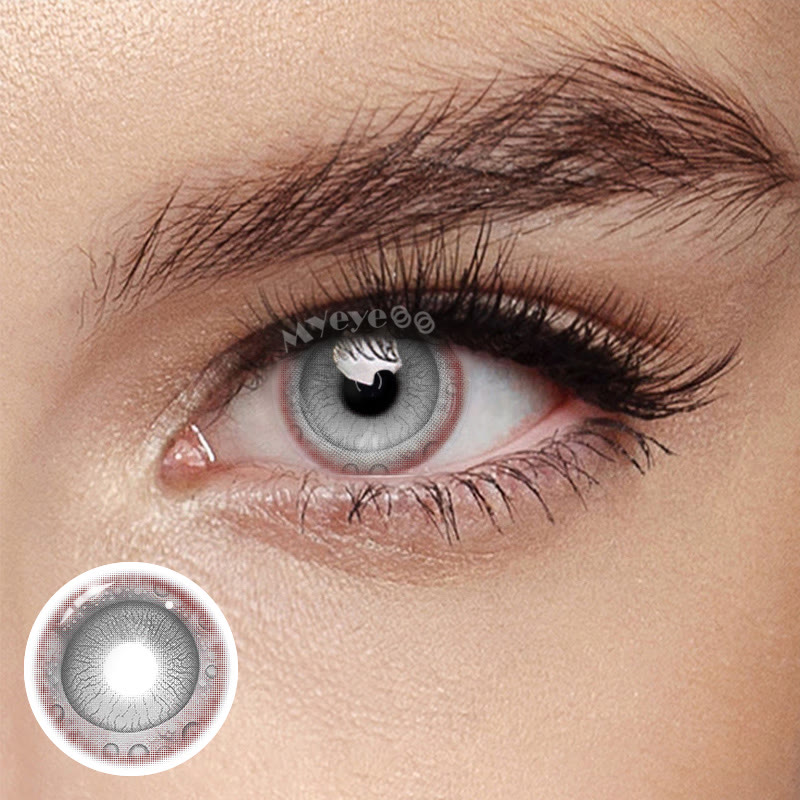
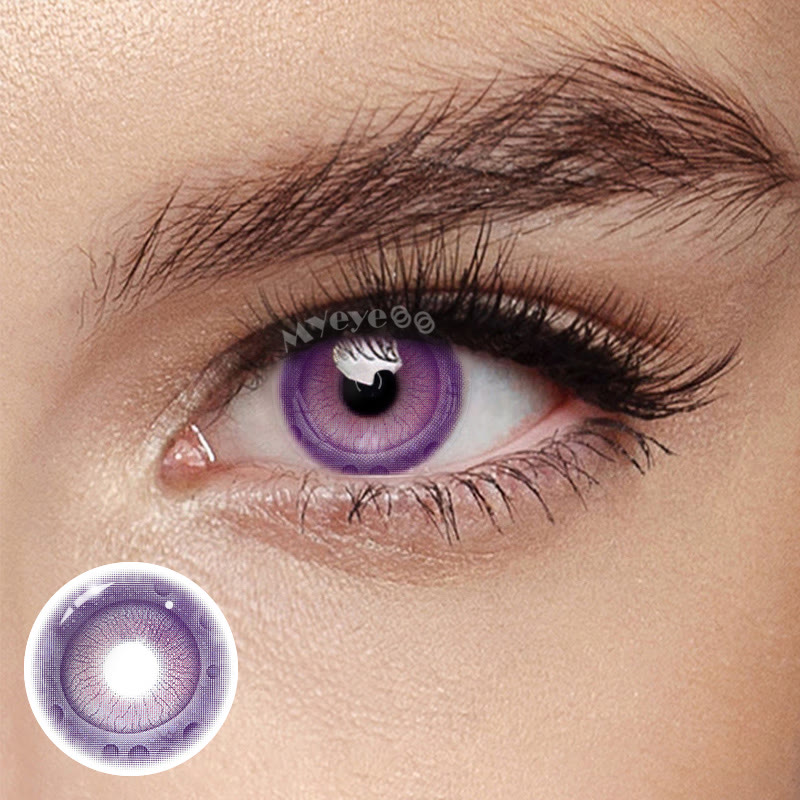
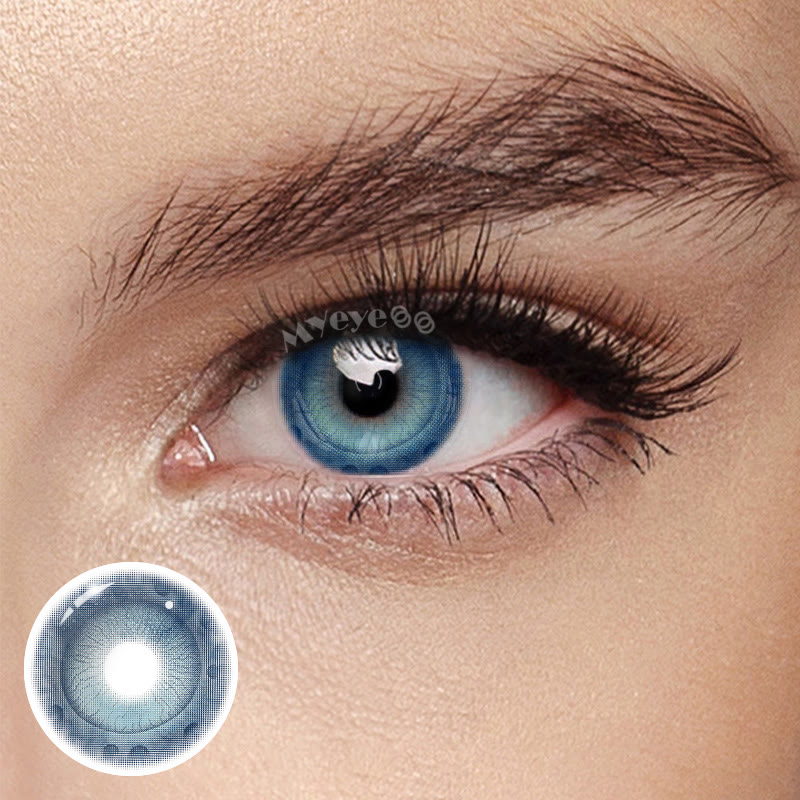
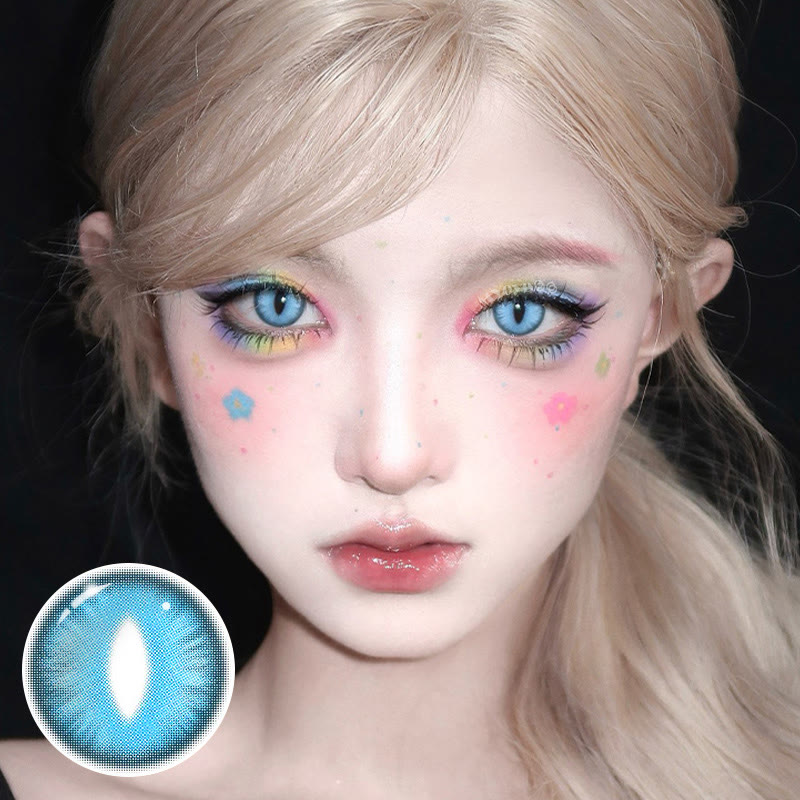
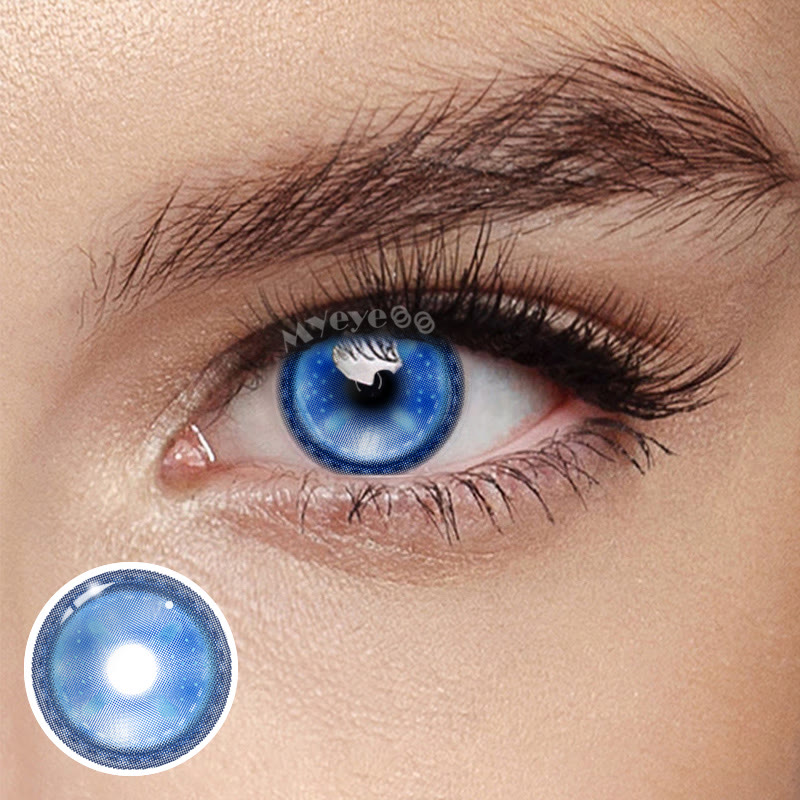
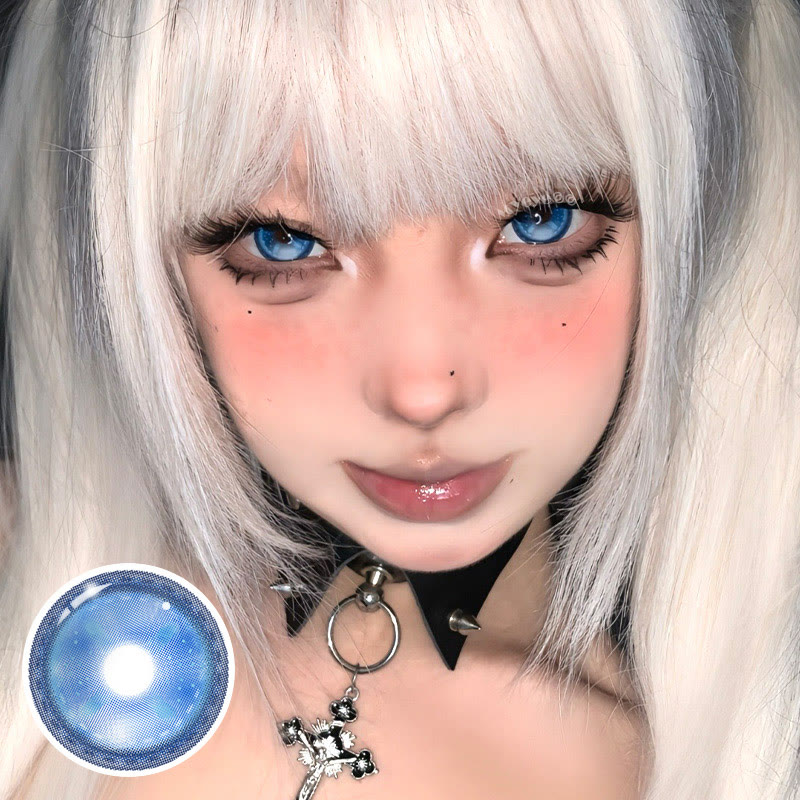
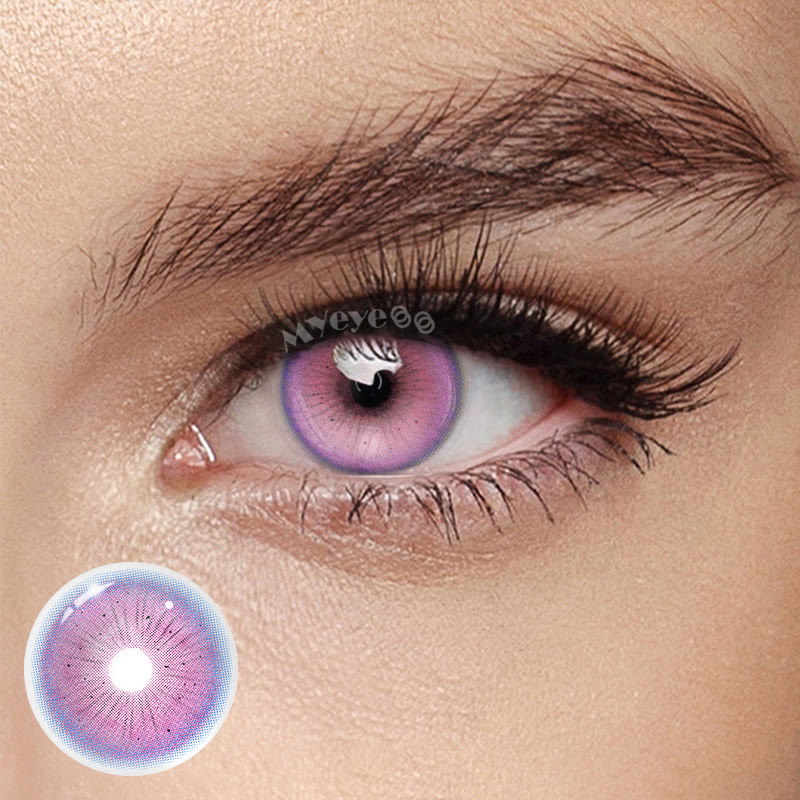
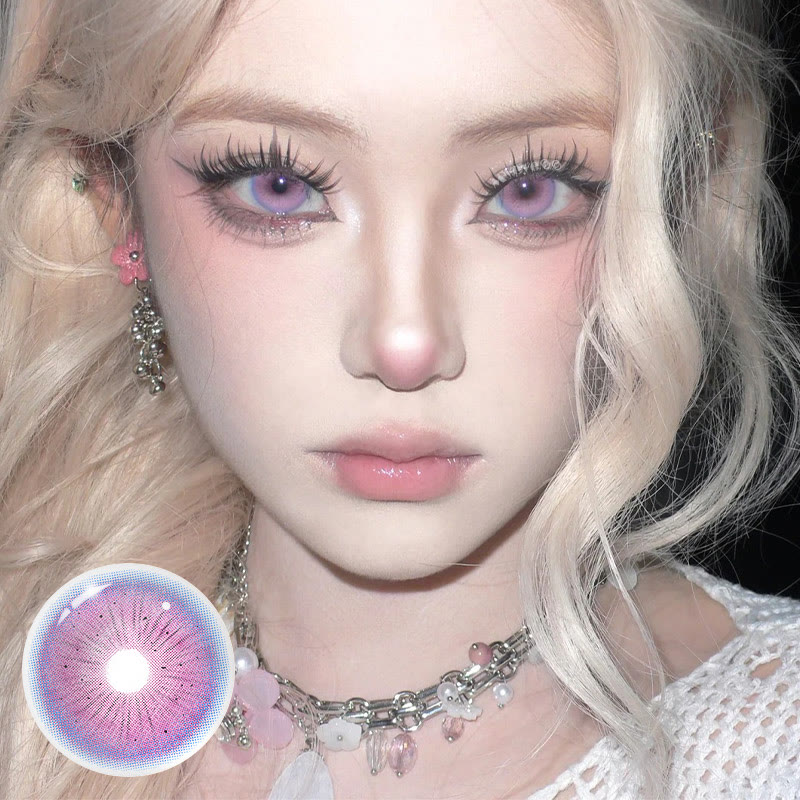
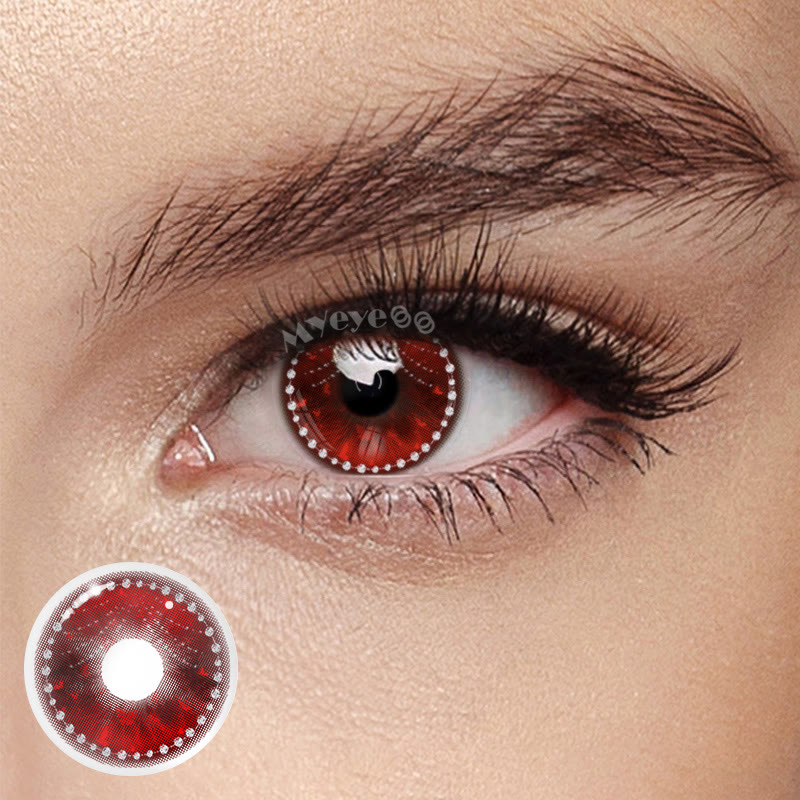
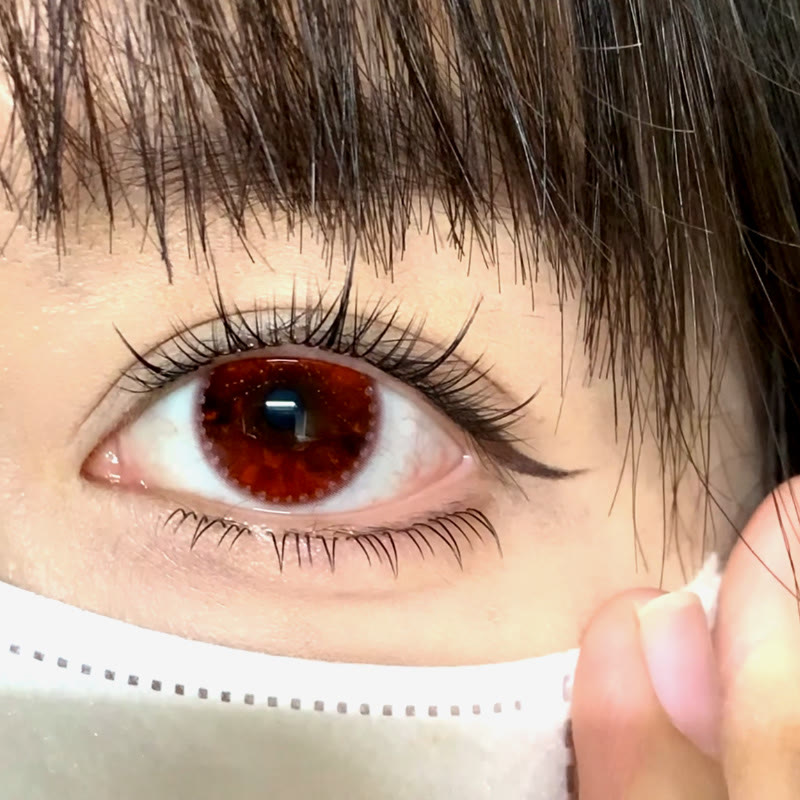
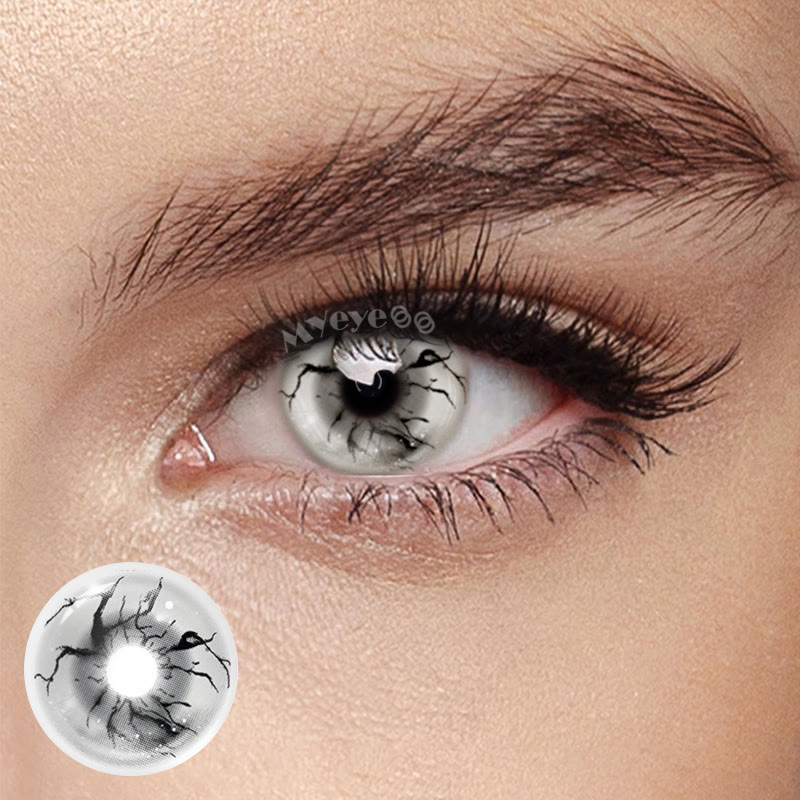
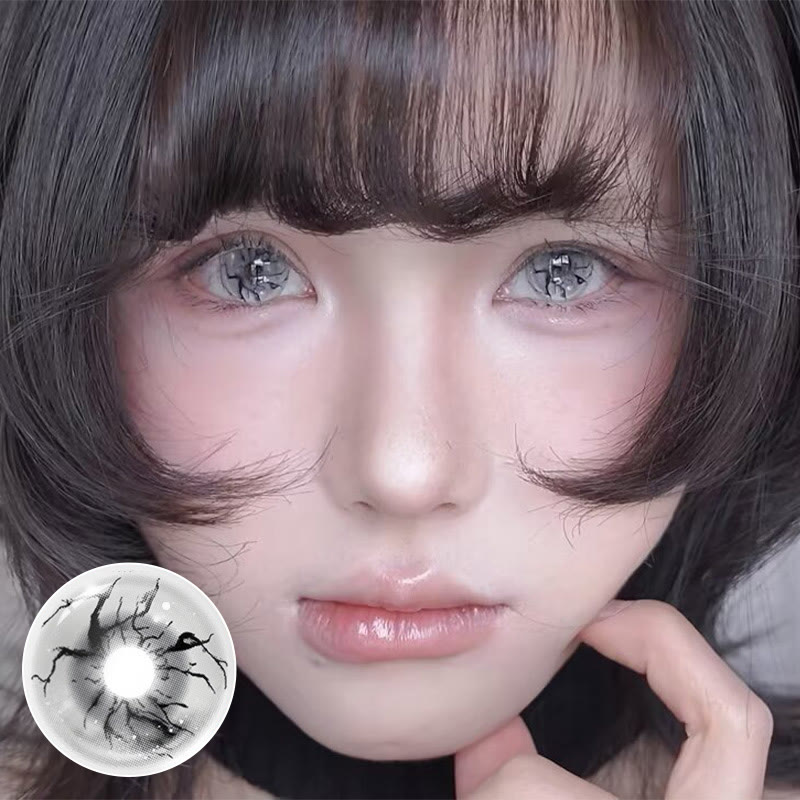
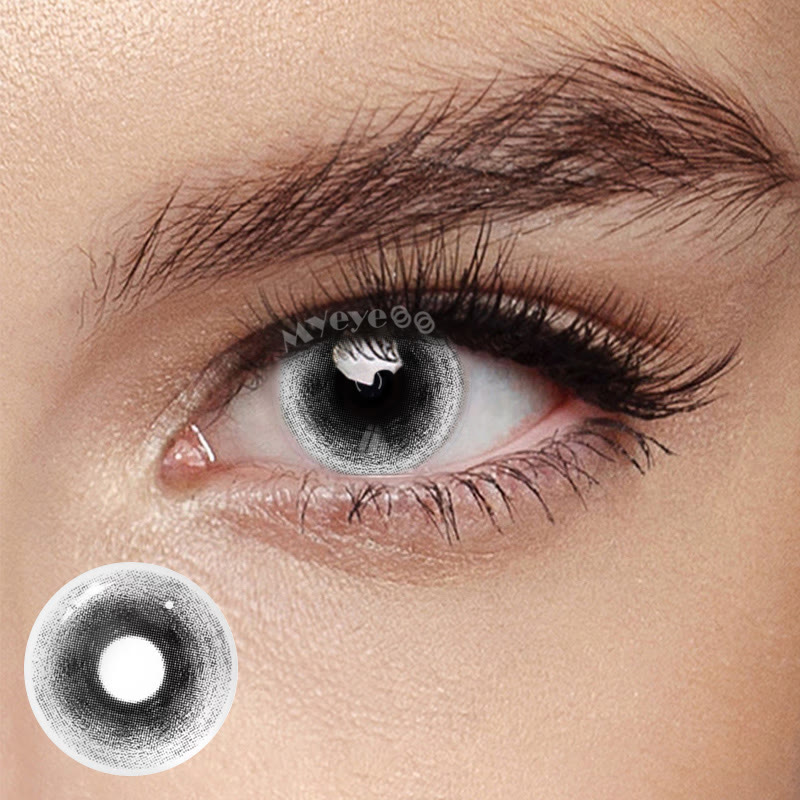
Circle contact lenses (or circle lenses) are special contact lenses that make your iris look larger than it naturally is. The difference lies in their unique design - they have tinting not just on the iris area but also on the extra-wide outer rim of the lens.
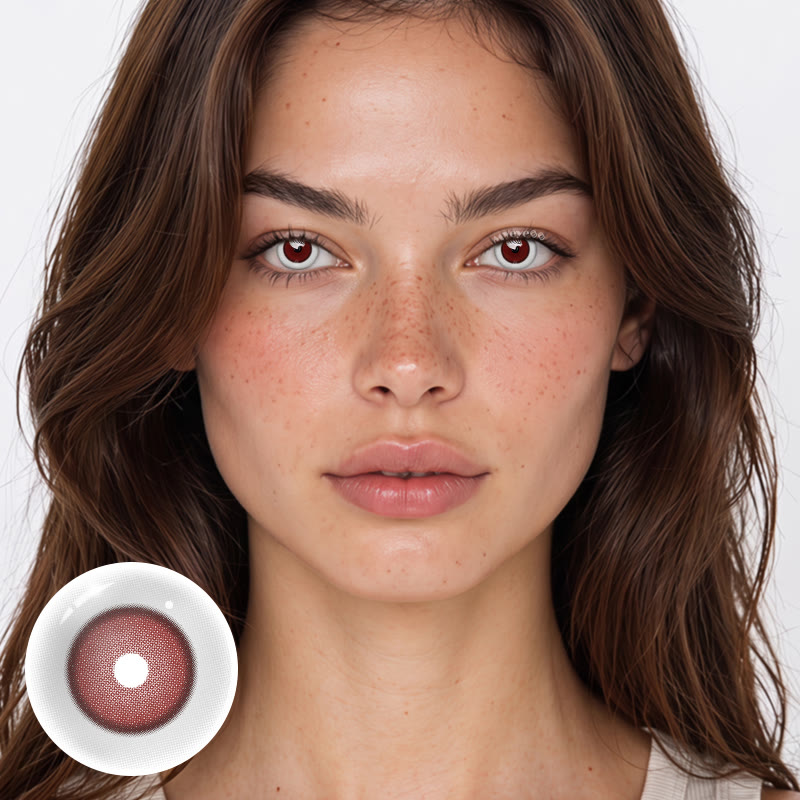
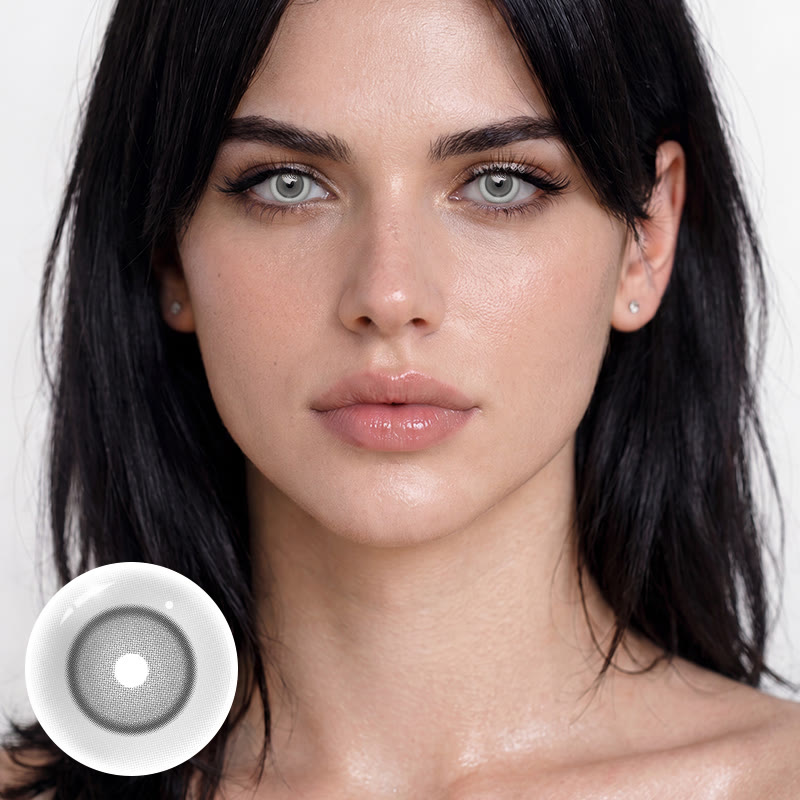
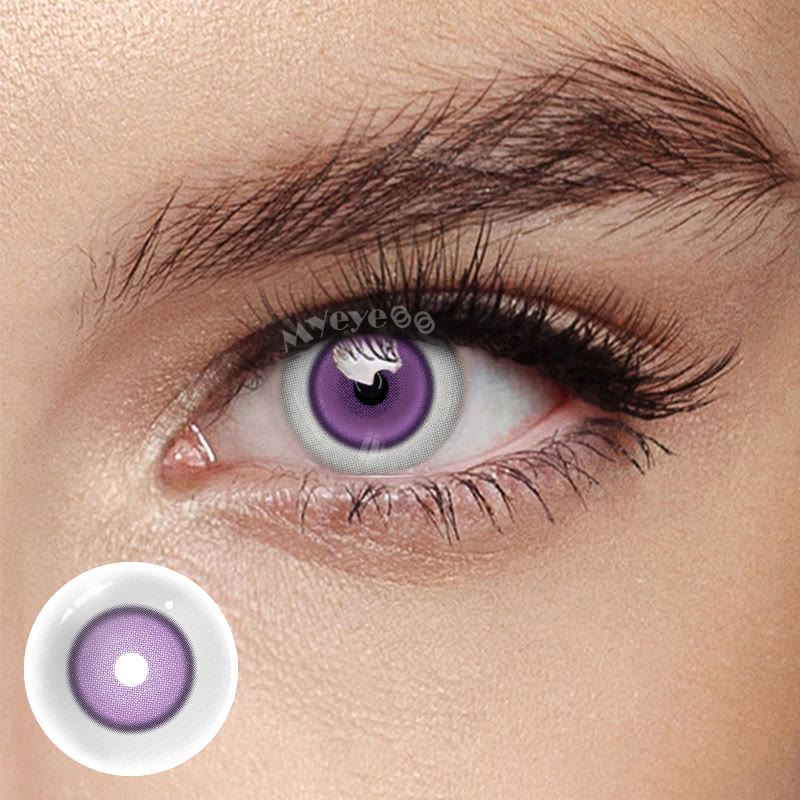
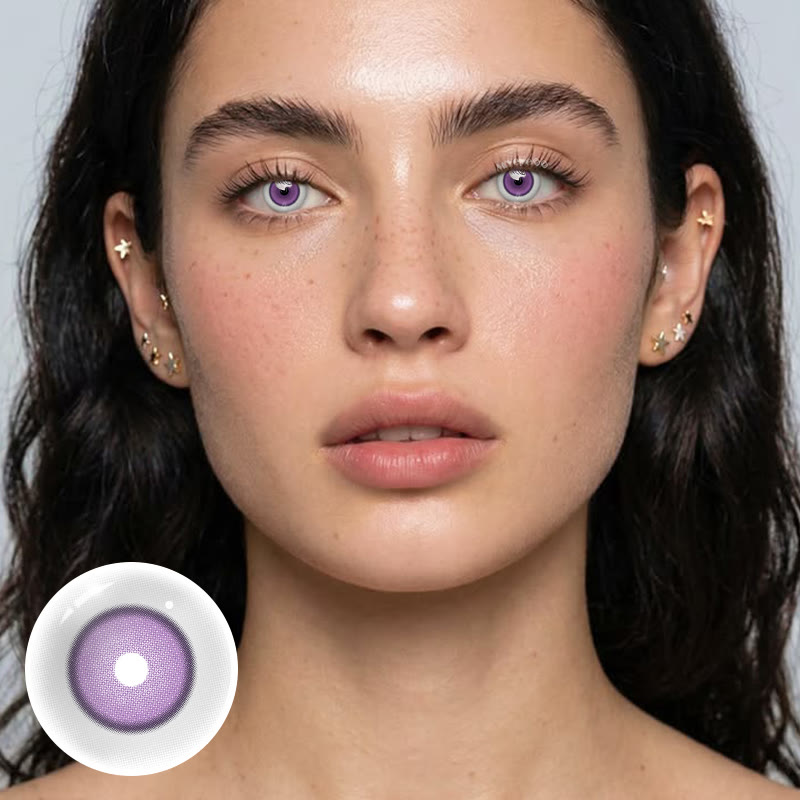
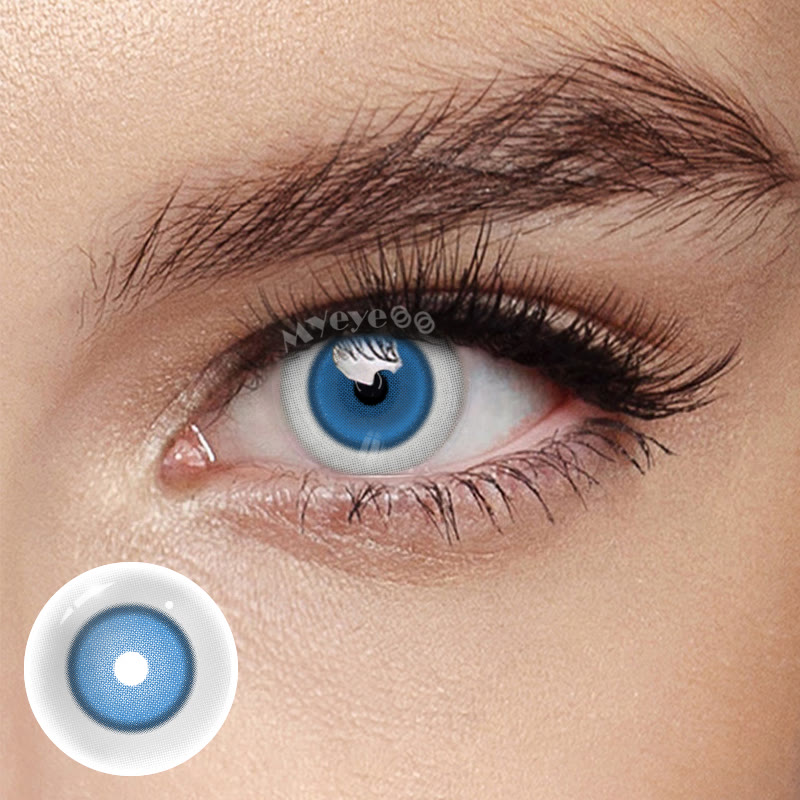
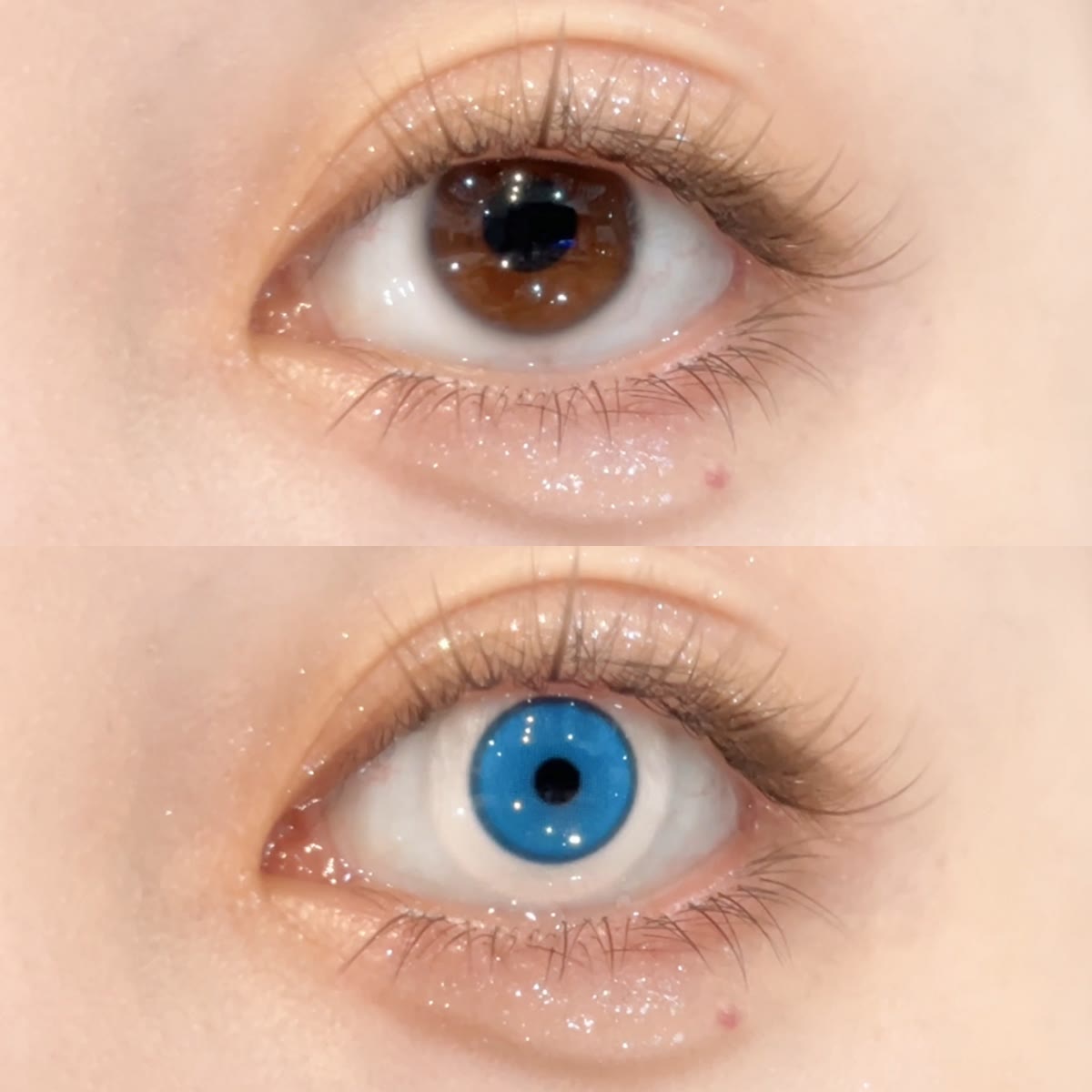
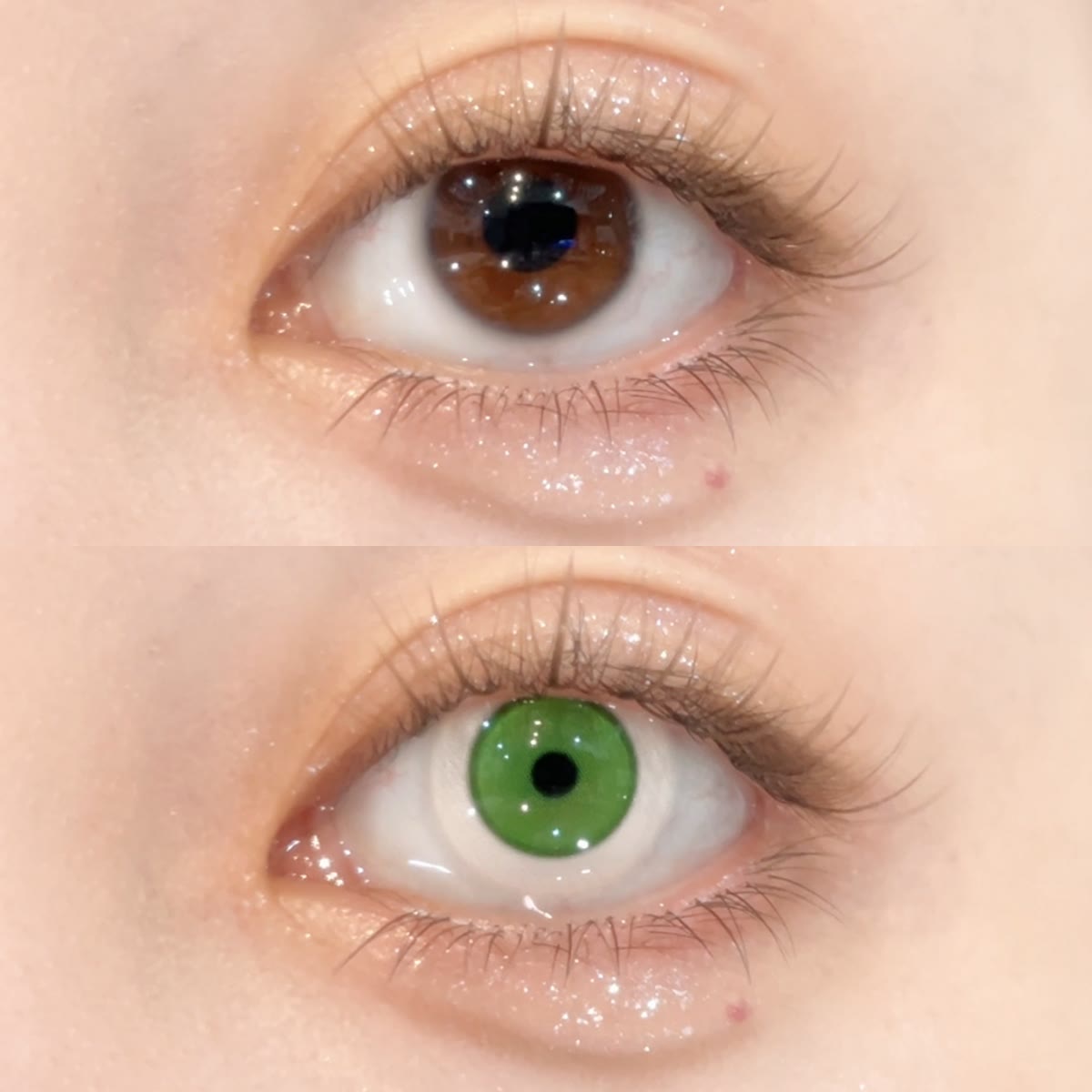
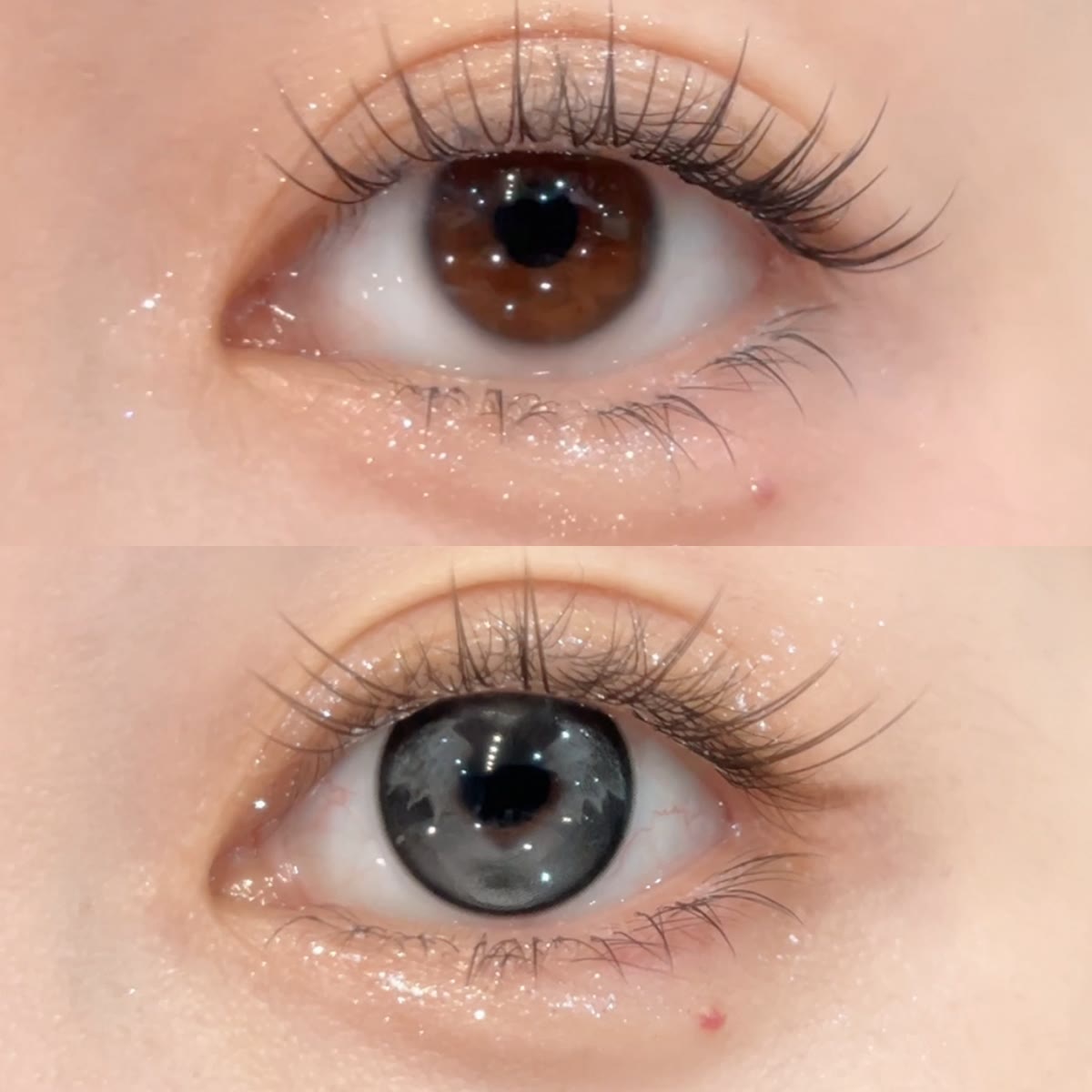
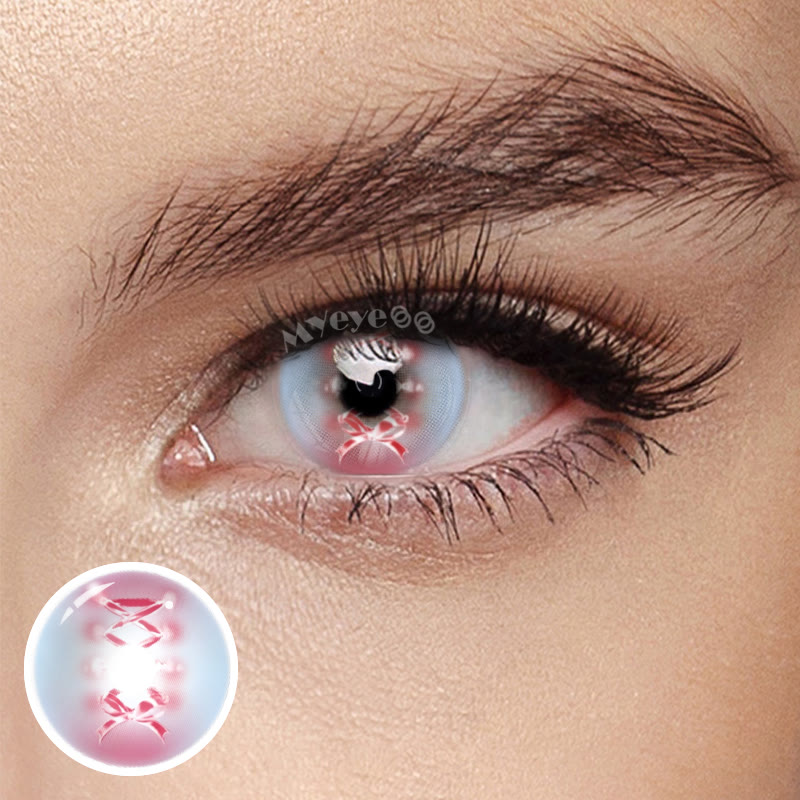
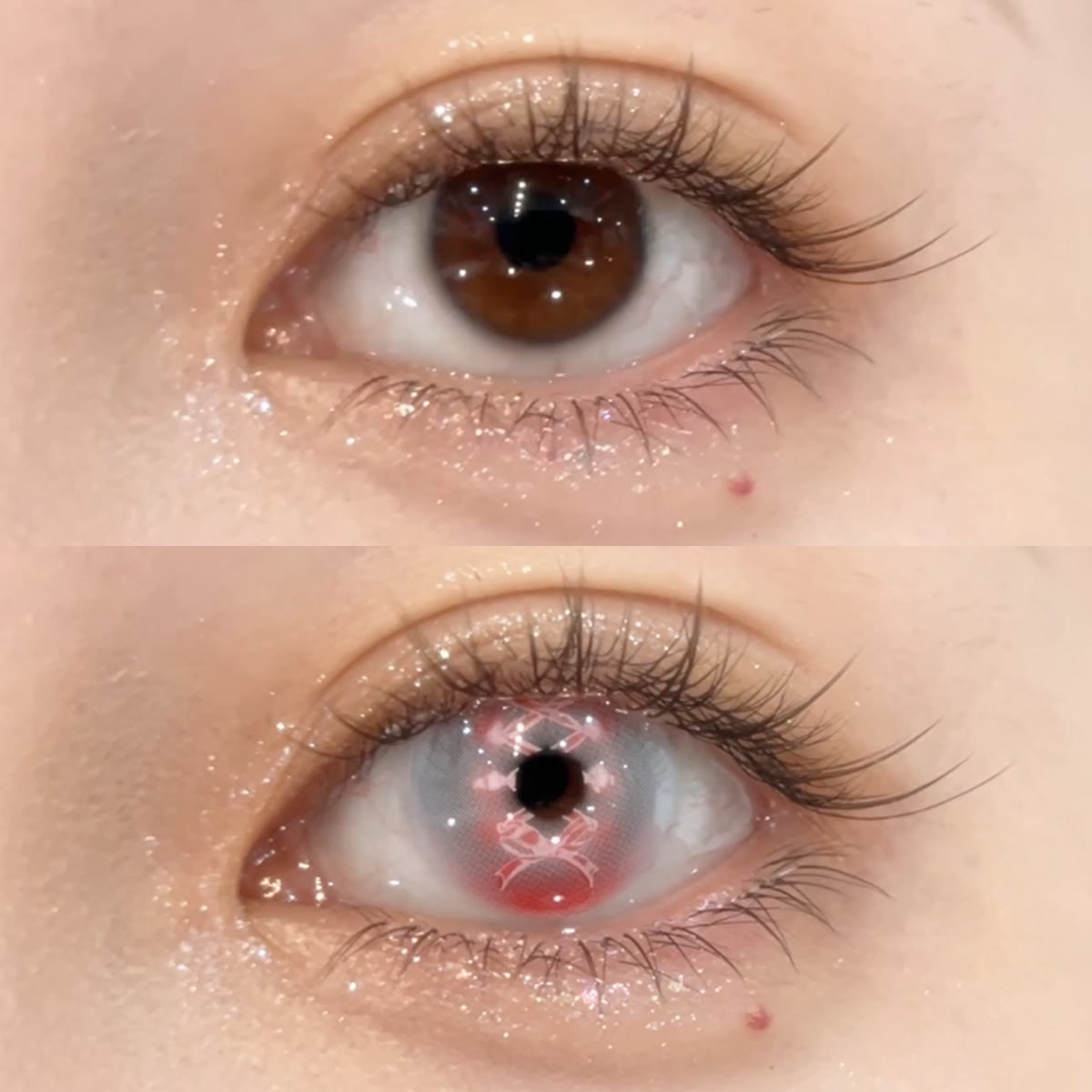
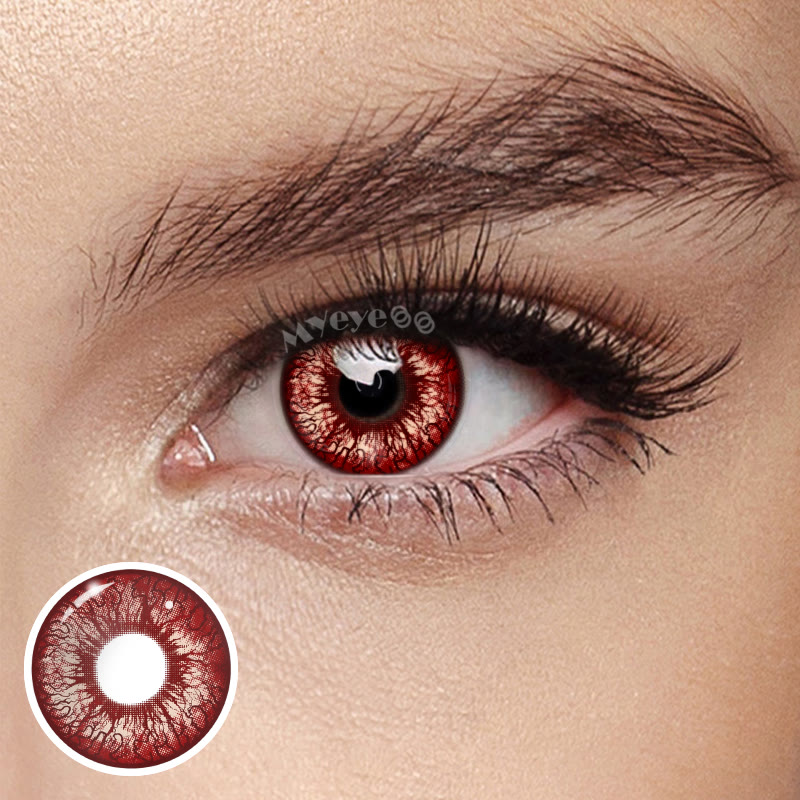
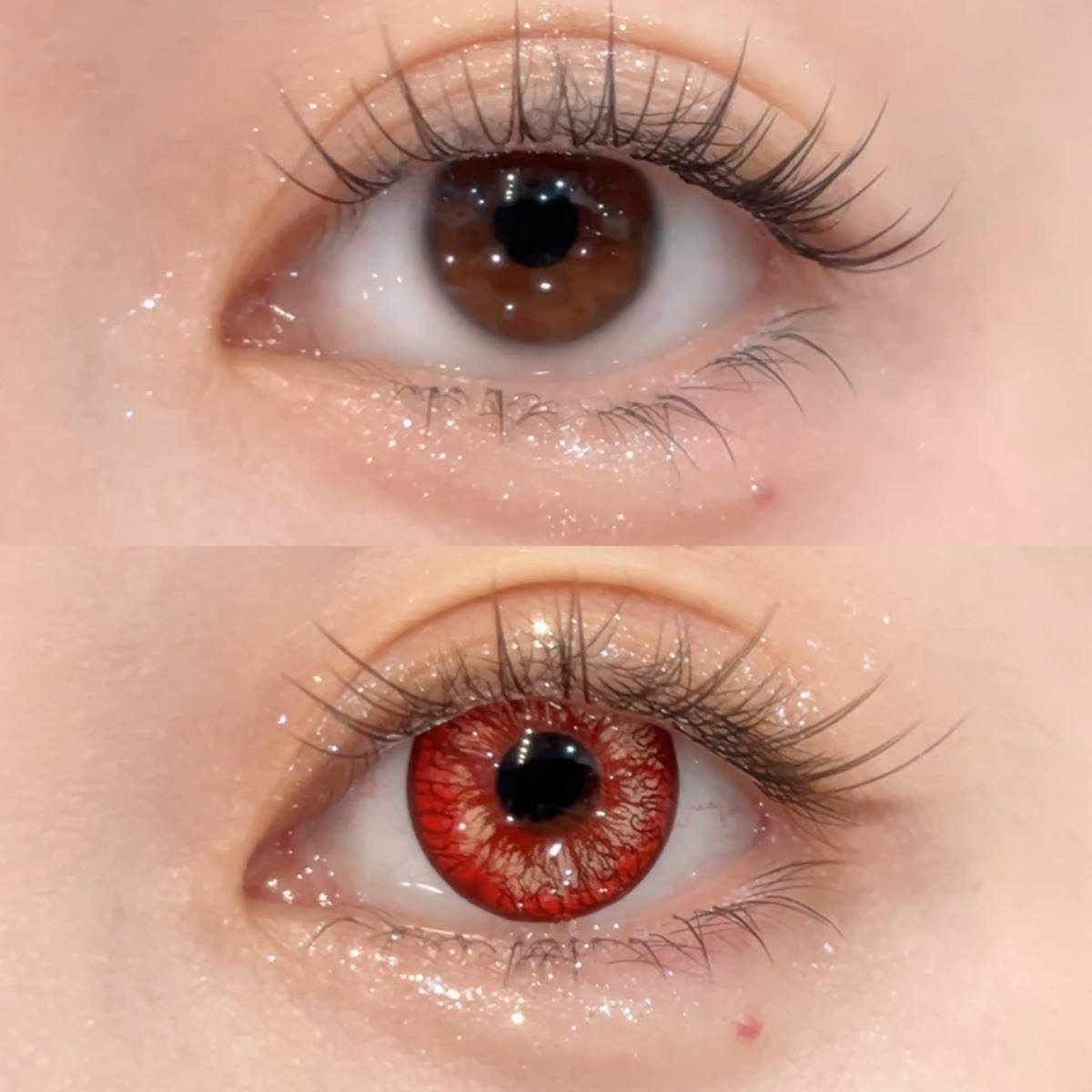
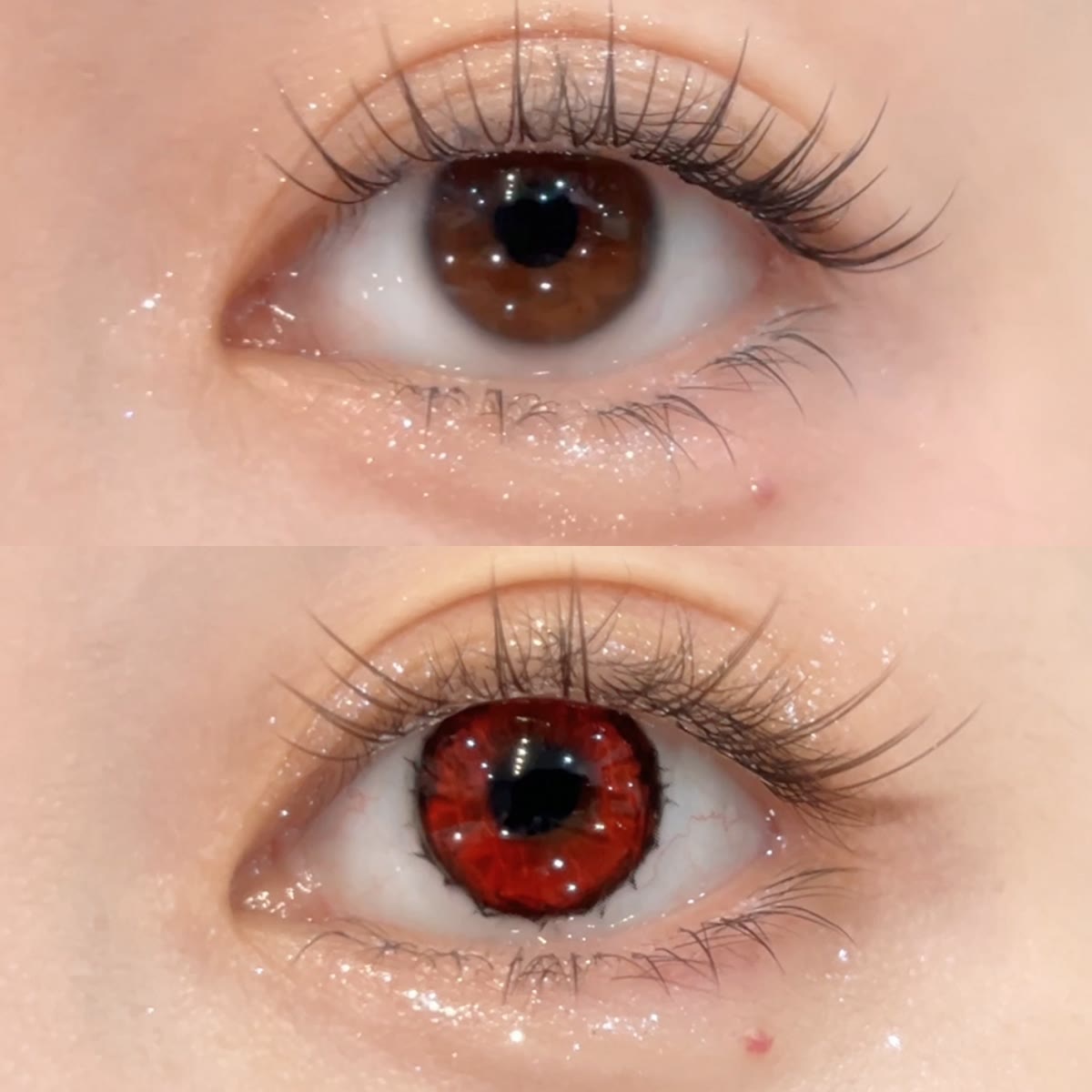
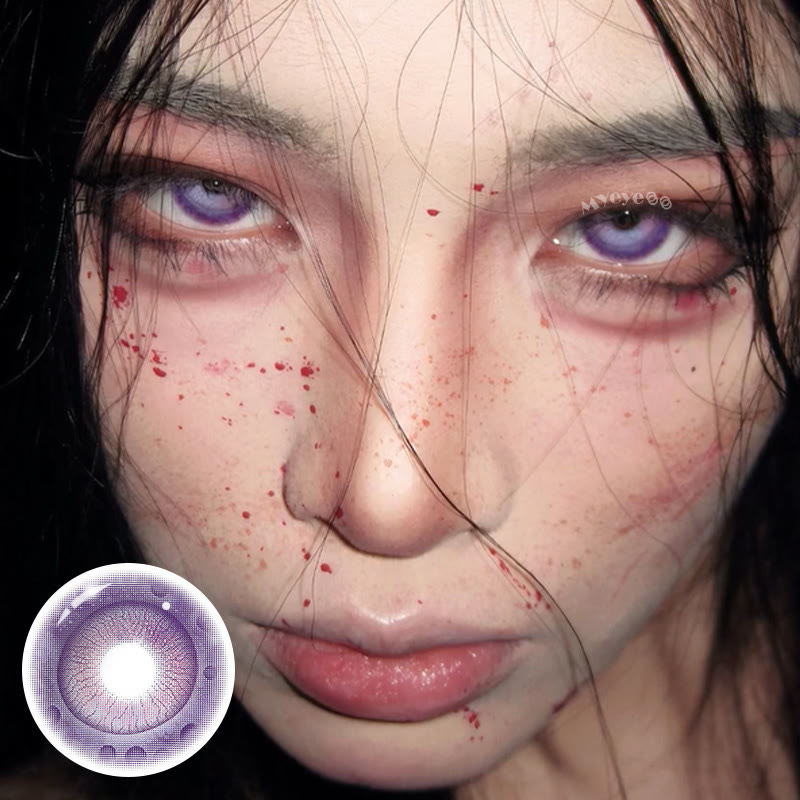
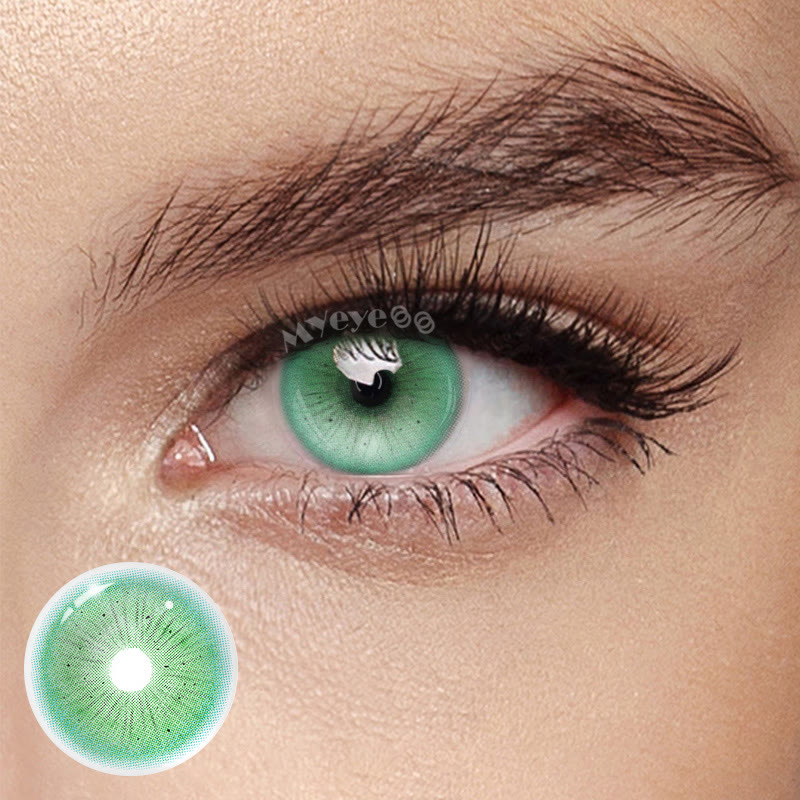
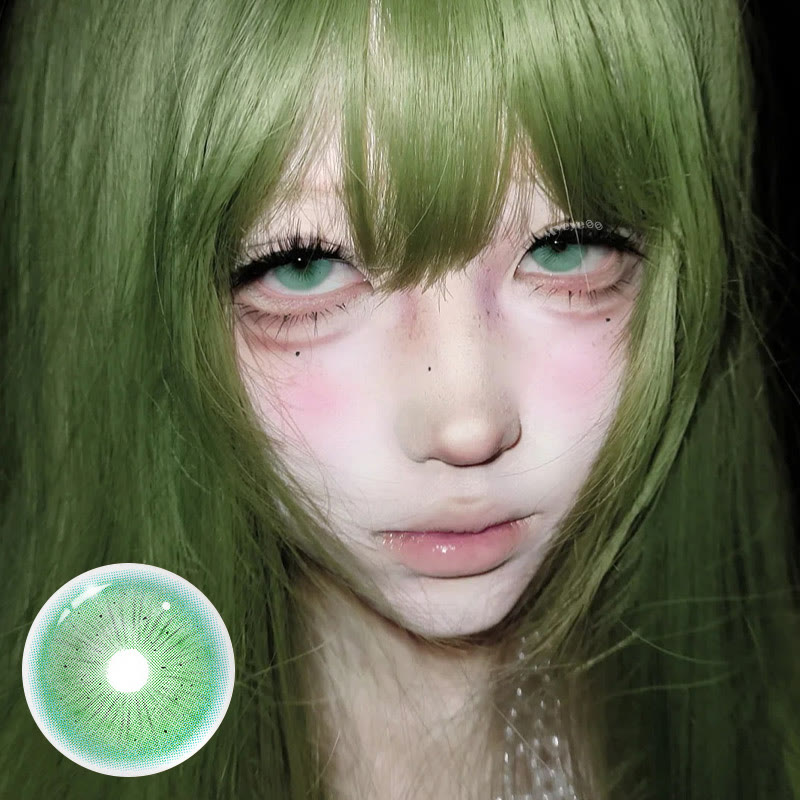
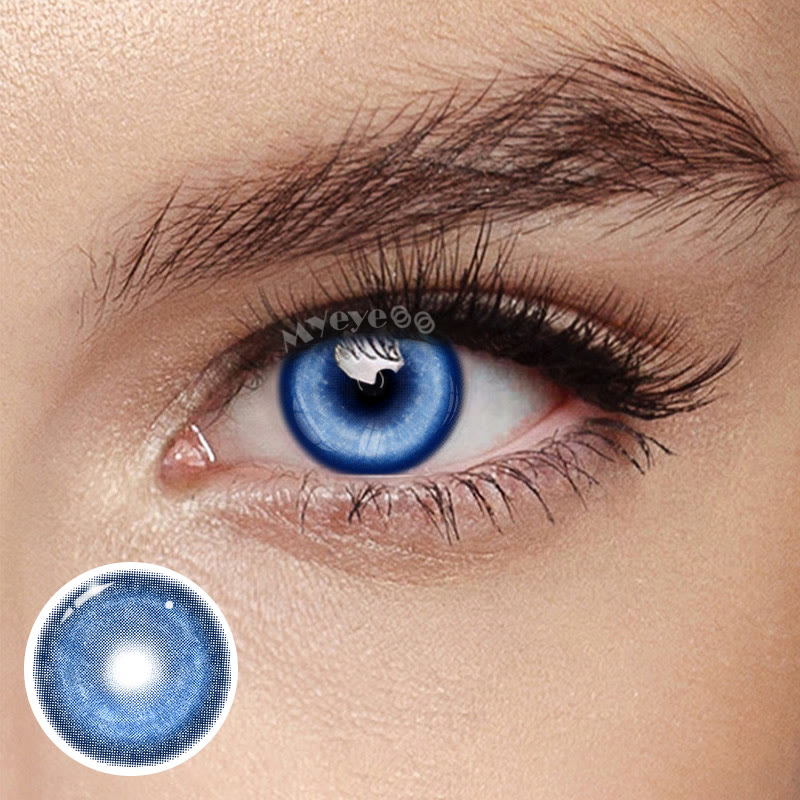
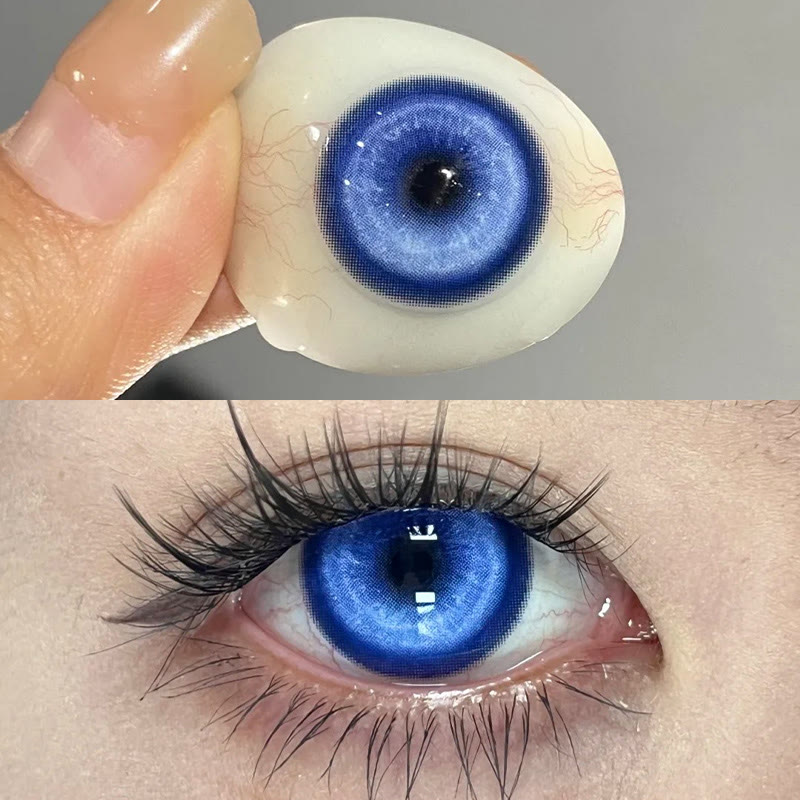
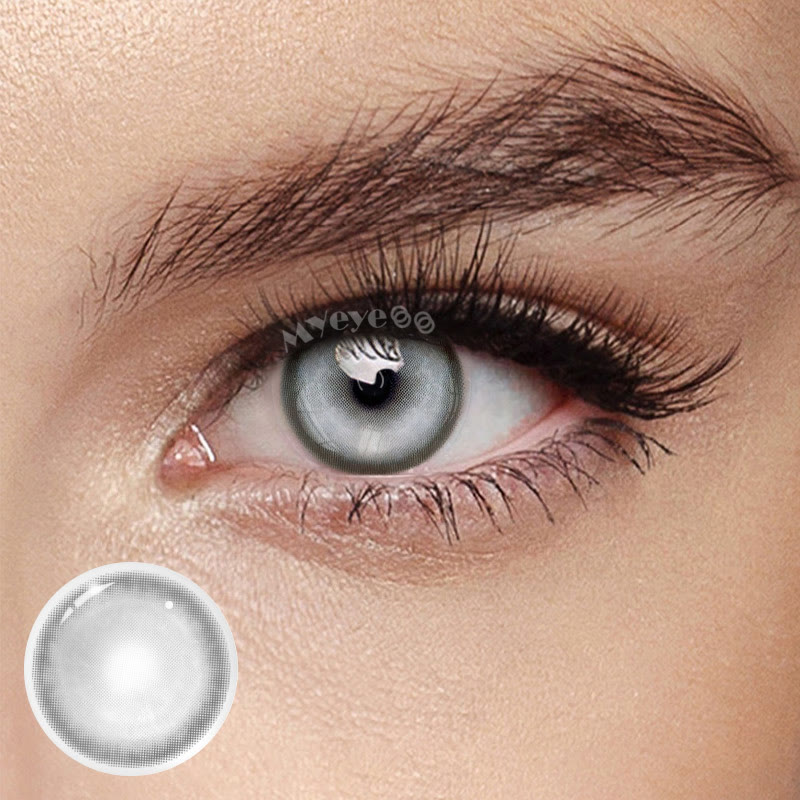
The design creates an amazing visual effect. Circle lenses extend the colored part of your eye onto the sclera (the white part). This makes your iris look bigger and wider with a more defined limbal ring. The result gives you a youthful, doe-eyed, or doll-like look that many people love.
Regular contacts are 14-16mm wide, and circle lenses share similar dimensions. The bigger eye effect comes from clever design rather than actual lens size. When you see descriptions of 16mm or 18mm diameters, they refer to the visual impact, not the physical lens size.
How they differ from regular contact lenses
The main difference between circle lenses and regular contact lenses shows up in their design and purpose:
-
Enlarging effect: Regular colored contacts just change your iris color. Circle lenses make your eyes look larger and more vibrant.
-
Limbal ring improvement: Circle lenses have a thicker, darker outer ring (the limbal ring) that creates better contrast between your iris and eye whites. Regular colored lenses usually have a transparent ring.
-
Design variety: Circle lenses come with more creative designs and color options. Some collections offer up to 8 colors per design. Regular contacts typically have 2-3 colors.
-
Purpose: Regular contacts help with vision or subtle color changes. Circle lenses focus on creating a specific esthetic look.
The graphic diameter (the printed part of the lens) is vital. It determines how much bigger your eyes will look - larger graphic diameters cover more iris area and create more noticeable effects.
Common terms: big eye contacts, limbal ring lenses
These unique lenses have different names in various markets. "Big eye contacts" describes them best since they make your eyes look larger. They cover your iris and part of your eye whites to create that big, doll-like appearance.
"Limbal ring lenses" refers to the dark outer circle that creates the enlargement effect. This name comes from enhancing the natural limbal ring - the dark circle between your iris and sclera.
Asian markets, where these lenses first became popular, often call them "large pupil lenses". Cosplay and fashion communities simply say "circle lenses" or "big eye circle contacts".
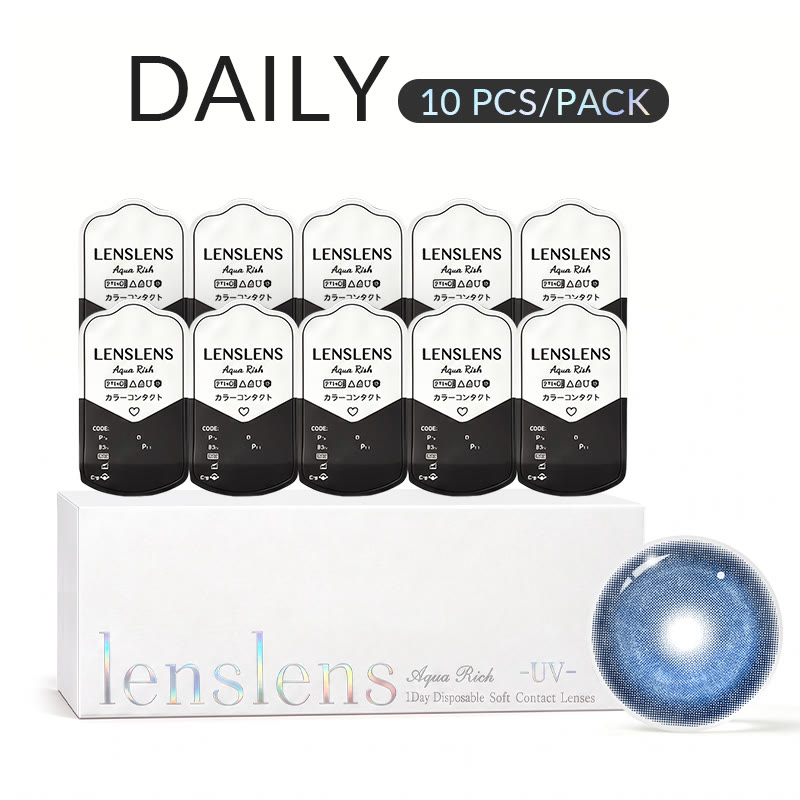
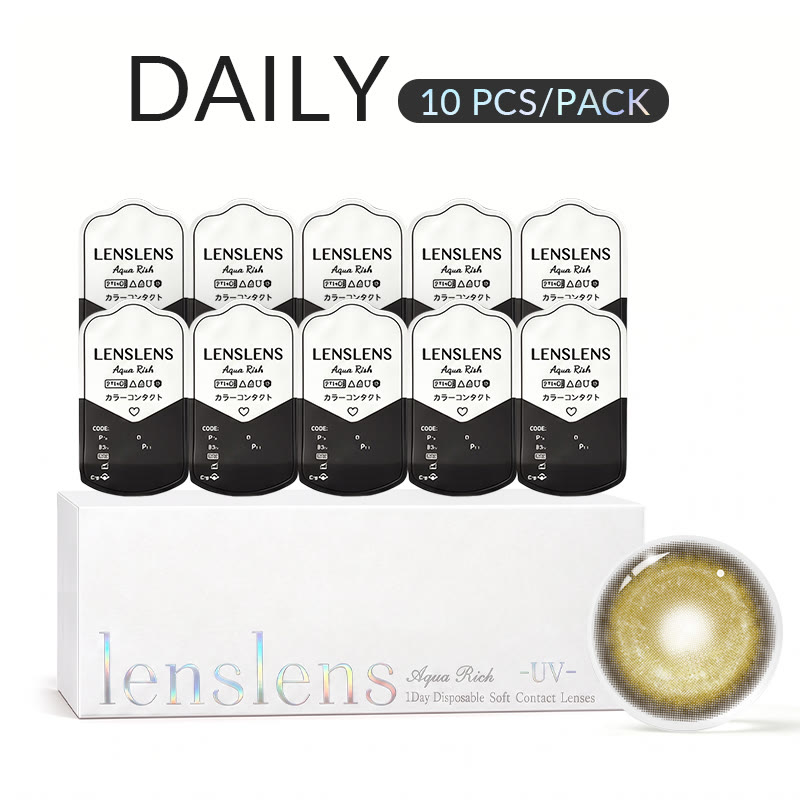
These lenses started as yearly disposables but now come as daily, biweekly, and monthly options. This makes them available to more people for both occasional and regular use.
How circle lenses work and what makes them unique
Circle contact lenses work their magic through smart design engineering. A look at their specs shows how these special lenses make eyes look bigger without being larger than regular contacts.
Diameter and graphic diameter explained
You need to know the difference between two important measurements to understand circle lenses: diameter and graphic diameter. Diameter shows how big the whole lens is physically, usually between 14.0mm to 15.0mm. Graphic diameter (GD) determines how much bigger your eyes will look.
GD measures the colored or printed part of the lens. This vital measurement decides how wide your iris appears and how large your eyes will look. To name just one example:
- GD below 13.3mm: Makes eyes look naturally bigger, close to normal human iris size (12.8mm)
- GD between 13.3mm-13.7mm: Makes eyes look a bit larger with a natural sparkle
- GD between 13.7mm-14.0mm: Creates a doll-like look while staying somewhat natural
- GD between 14.0mm-14.5mm: Gives an anime-inspired appearance
- GD above 14.5mm: Creates a very bold, costume-ready look
The bigger the graphic diameter, the more your eyes will look enlarged. The colored design's coverage of the sclera (white part) depends on this measurement, not the physical lens size.
Limbal ring and eye enlargement
Circle lenses work so well because of the limbal ring's optical illusion. Natural eyes have this dark ring where the cornea meets the sclera, called the corneal limbus. Young people's eyes usually show this feature more clearly, and it fades as they age.
These lenses make this ring look darker and clearer. This design creates a sharp boundary that highlights the difference between your iris and eye whites. Your eyes look bigger because of this enhanced limbal ring, without needing an uncomfortable large lens.
The colored area goes past your natural iris boundary. Your brain sees this extra colored area as part of your eye, which makes them look much bigger.
Color patterns and cosmetic appeal
Circle lenses come in many color patterns that add to their appeal. The designs range from subtle changes to dramatic looks:
- Natural designs copy your iris's normal pattern and color
- Gradient designs blend colors from center to edge
- Patterned designs use detailed graphics
- Two-tone or three-tone designs spread color from the pupil naturally or boldly
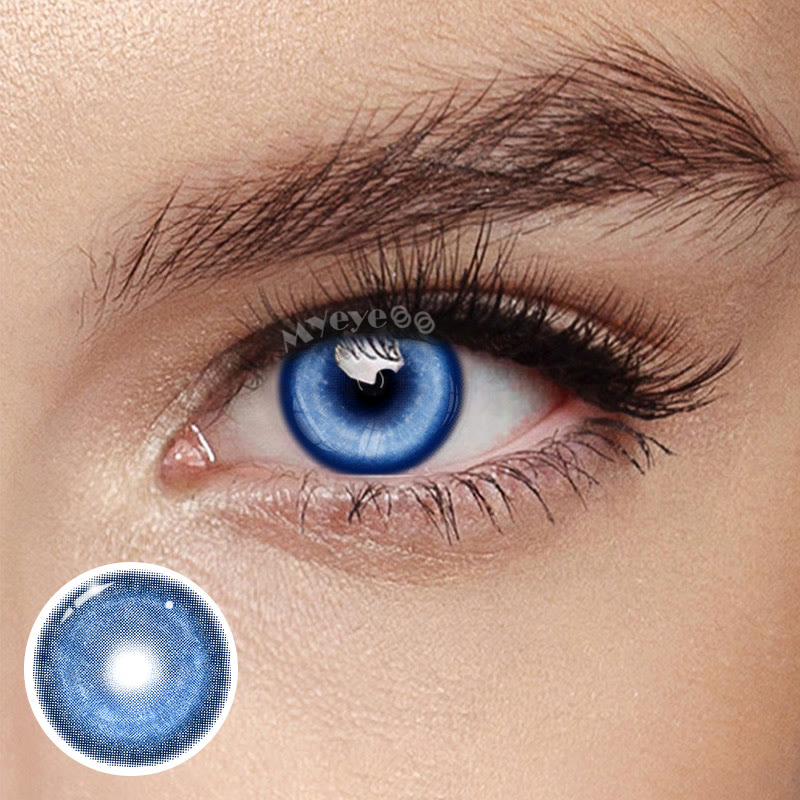
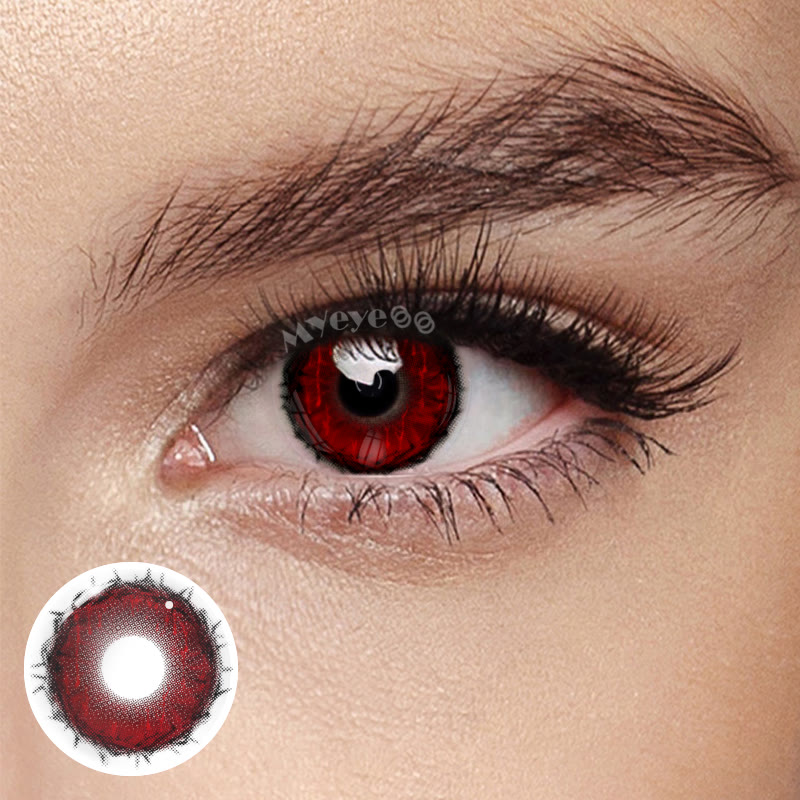
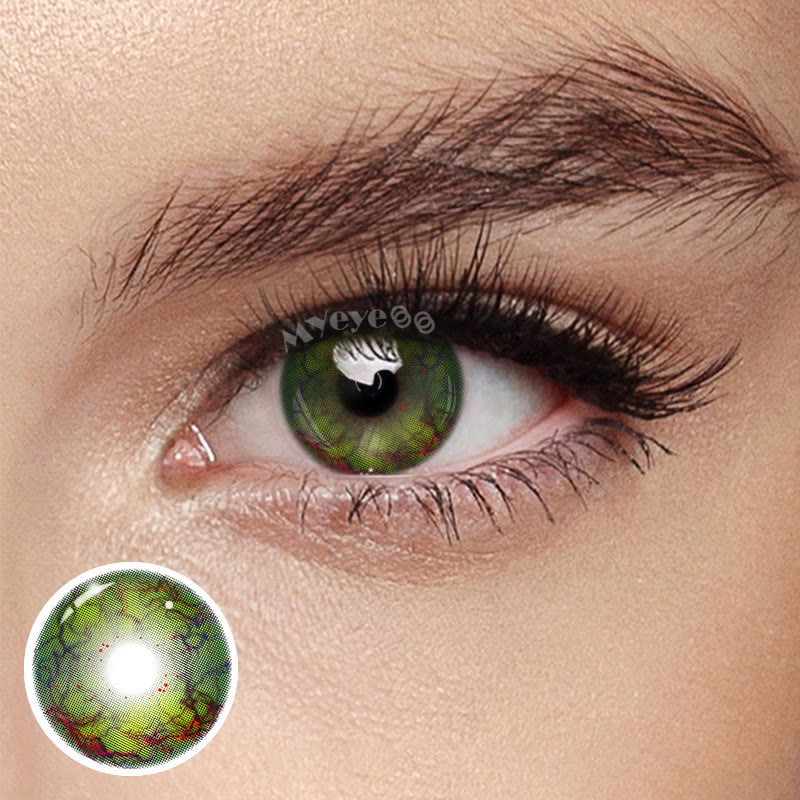
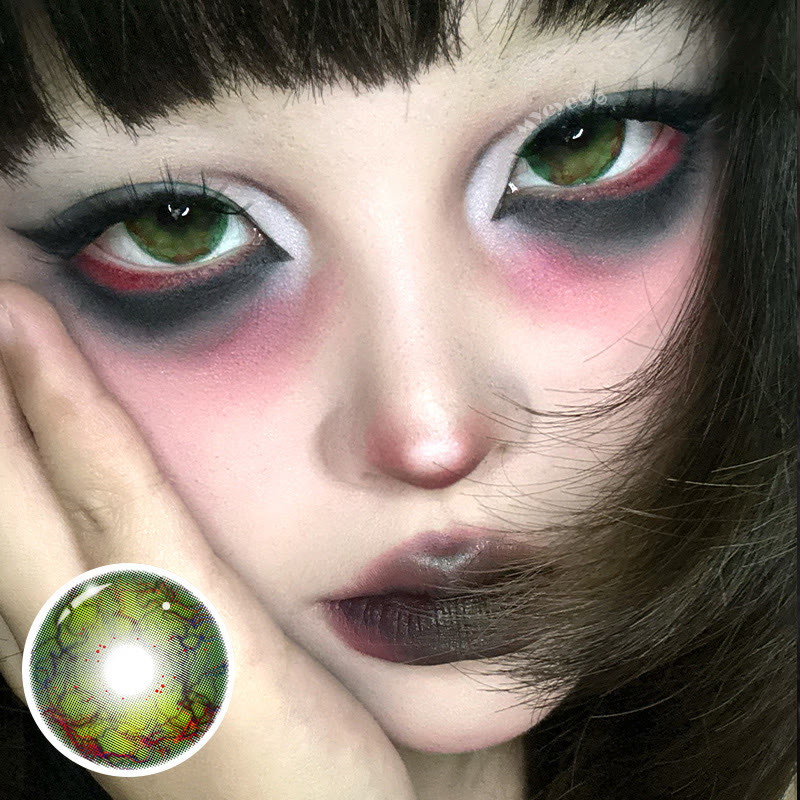
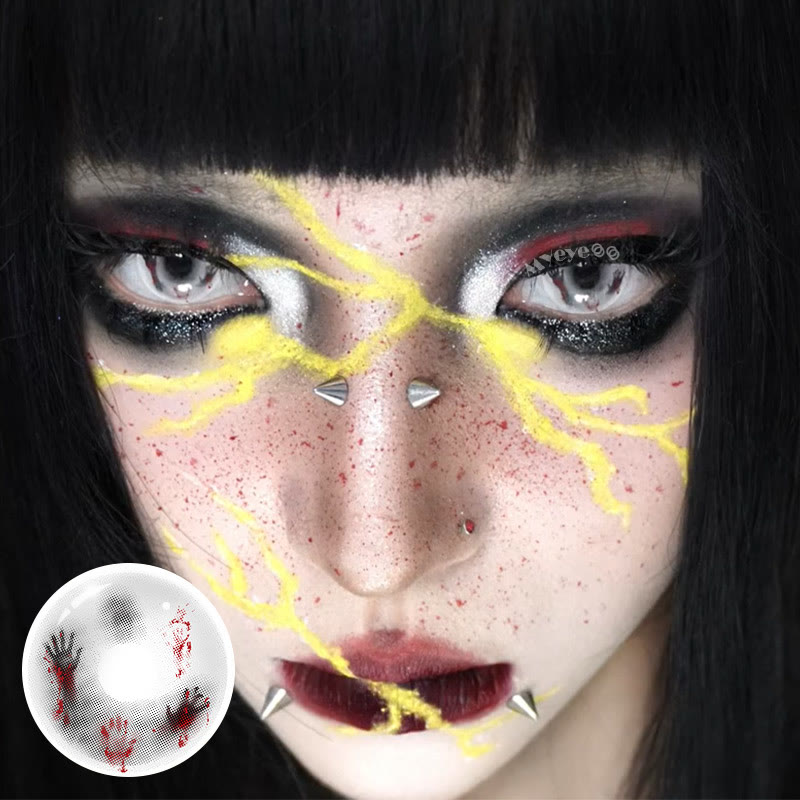
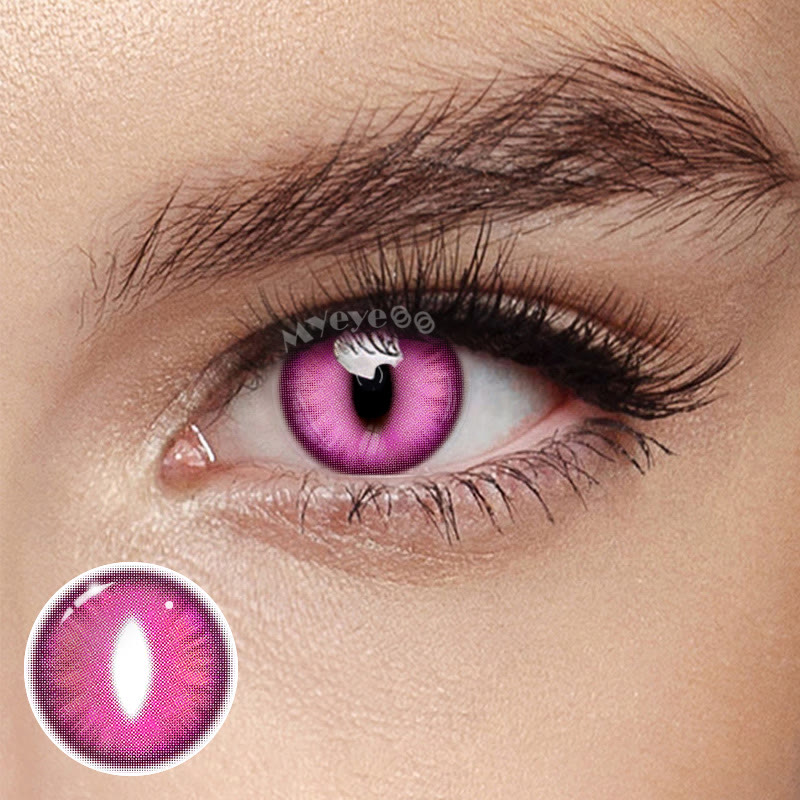
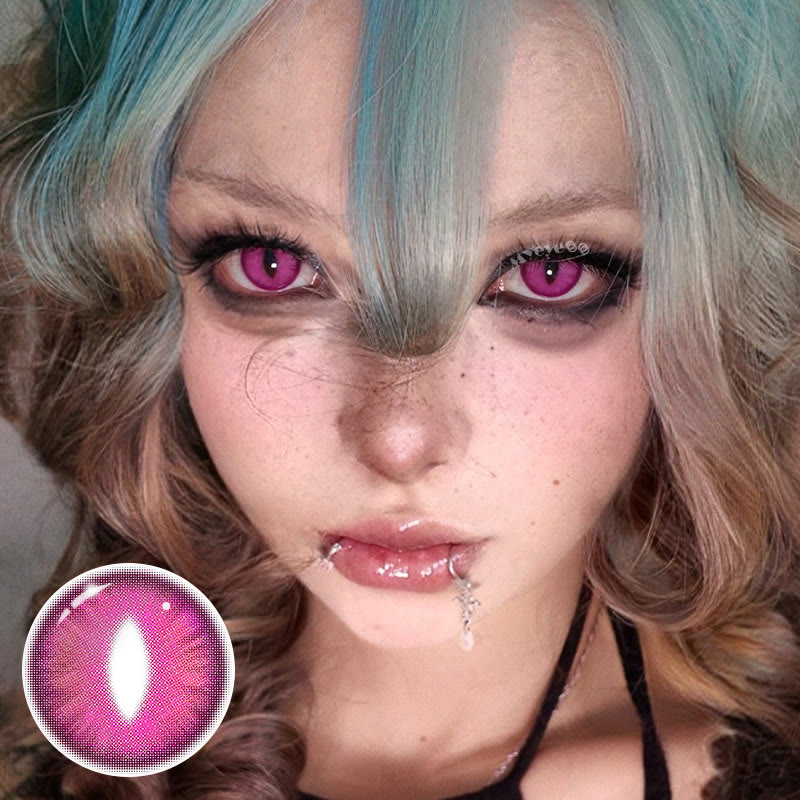
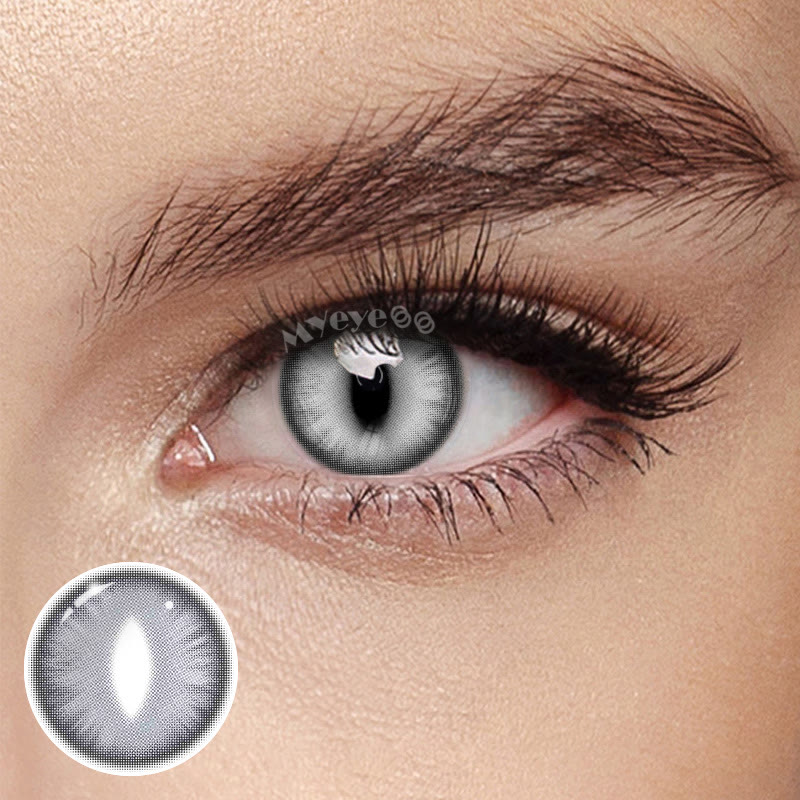
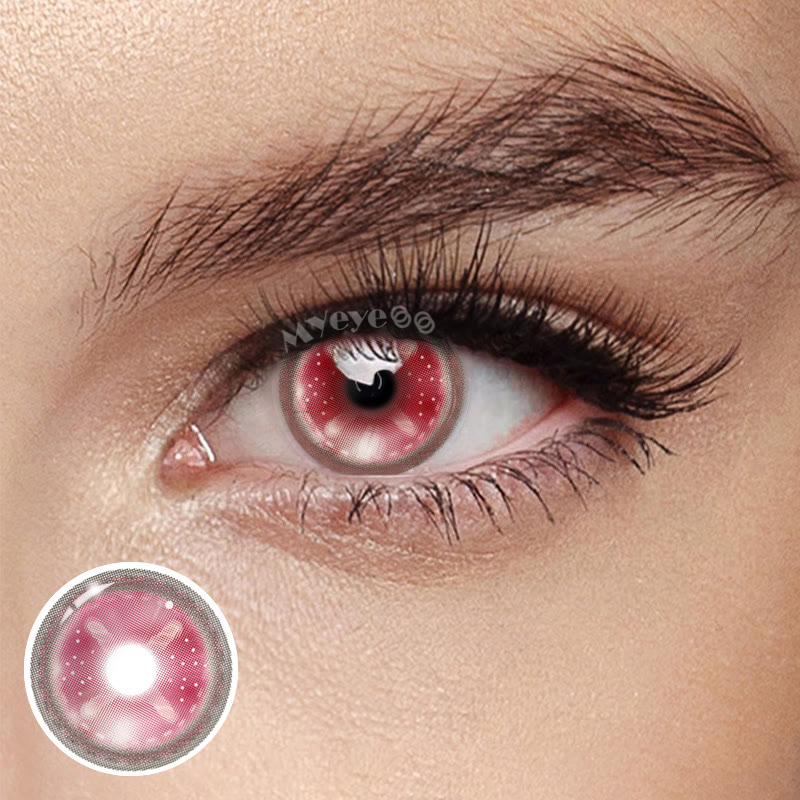
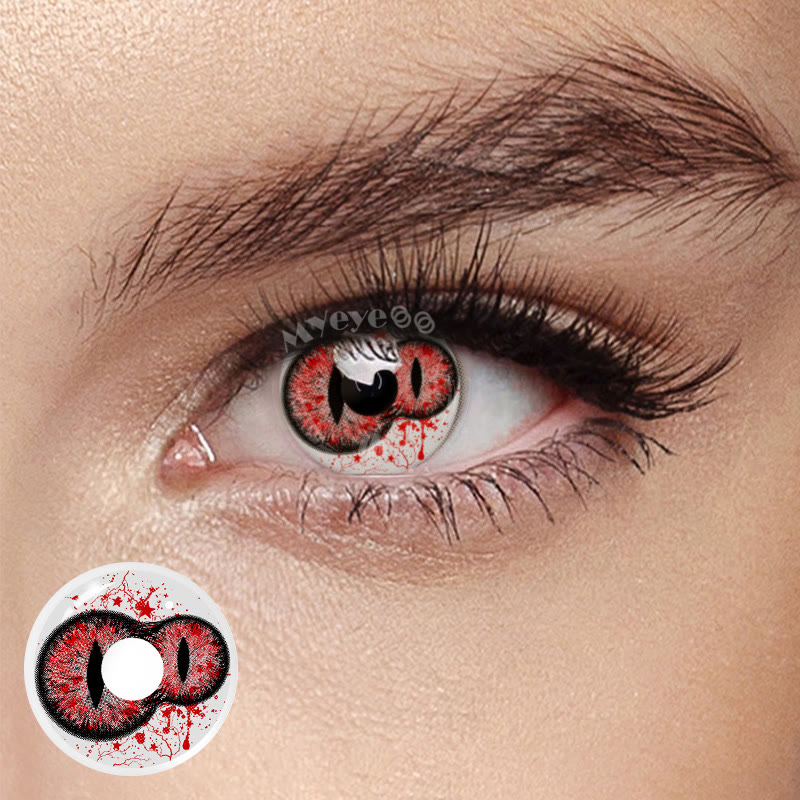
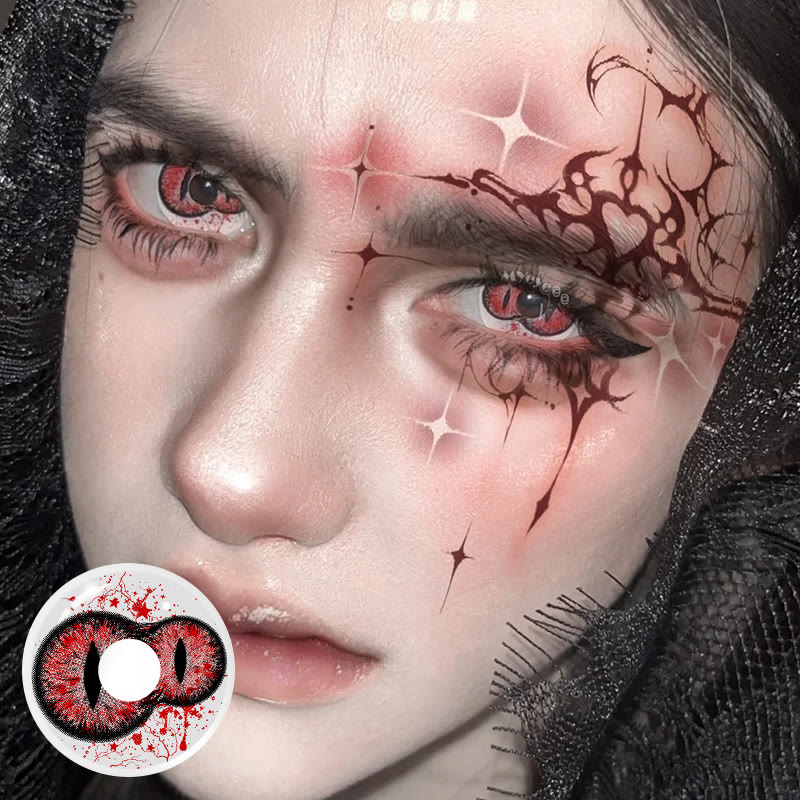
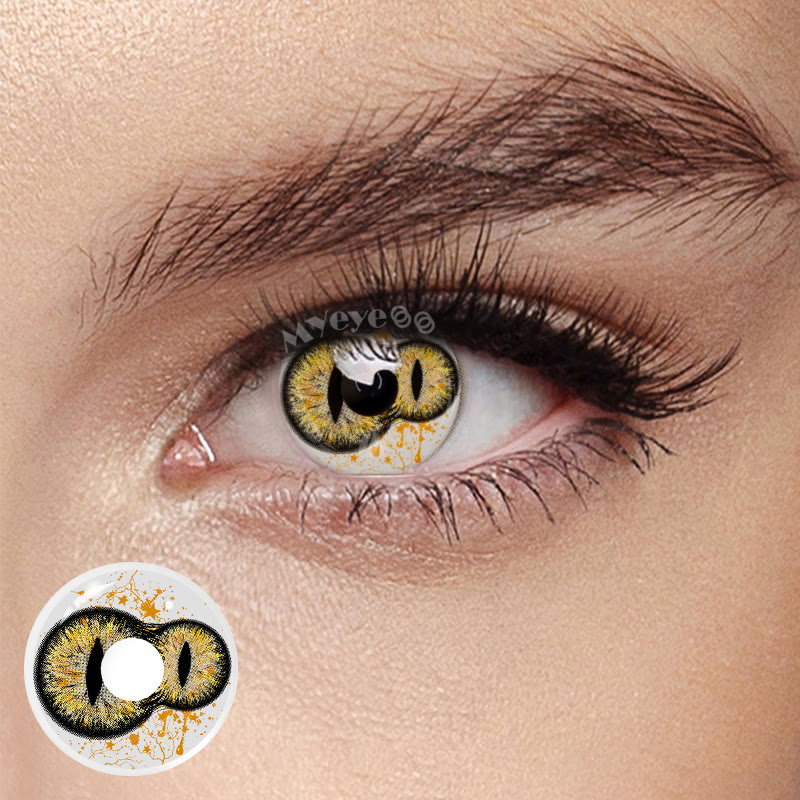
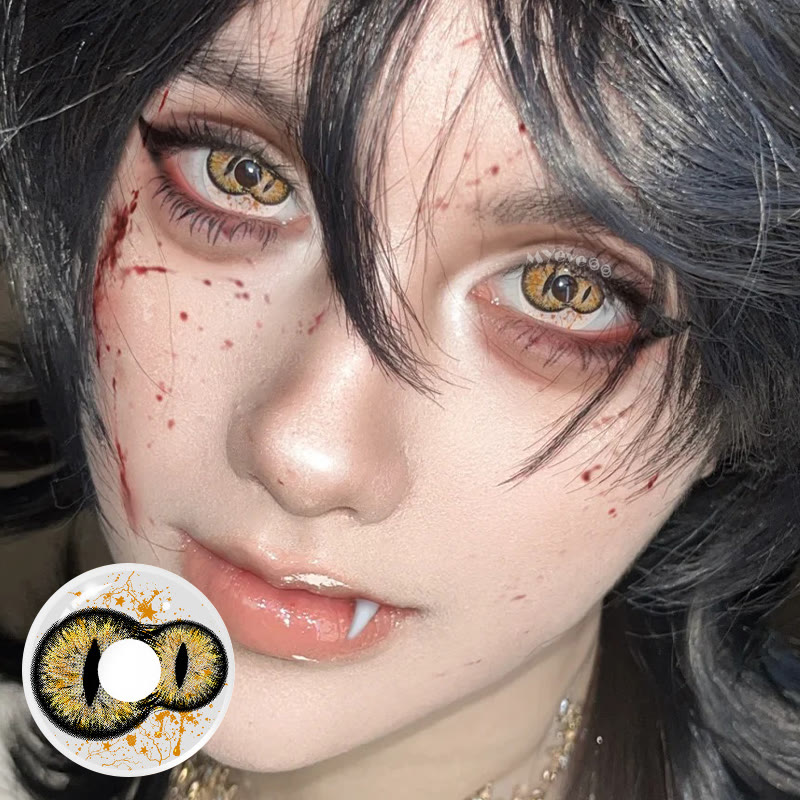
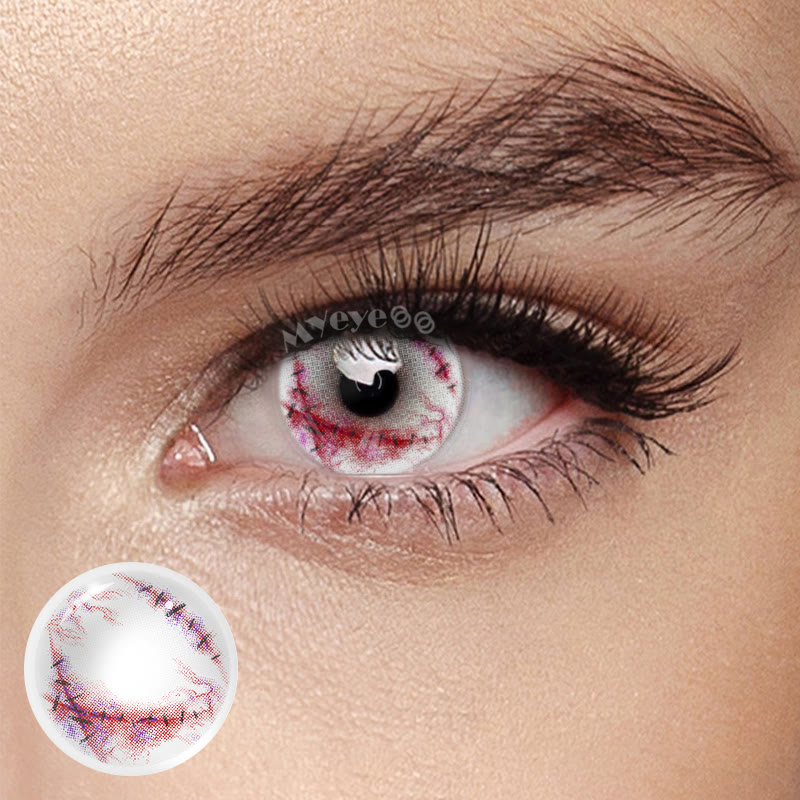
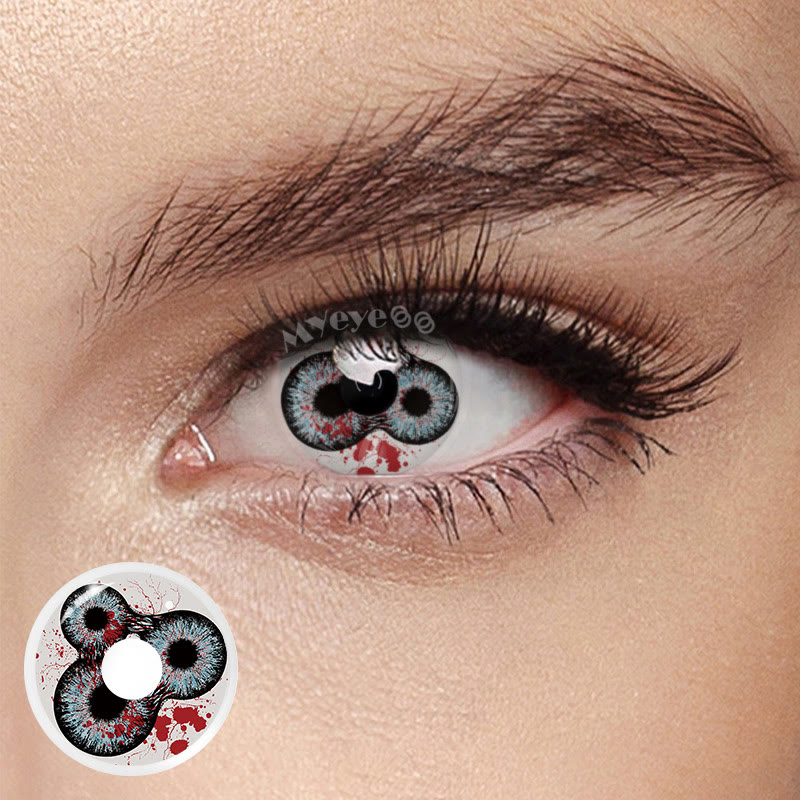
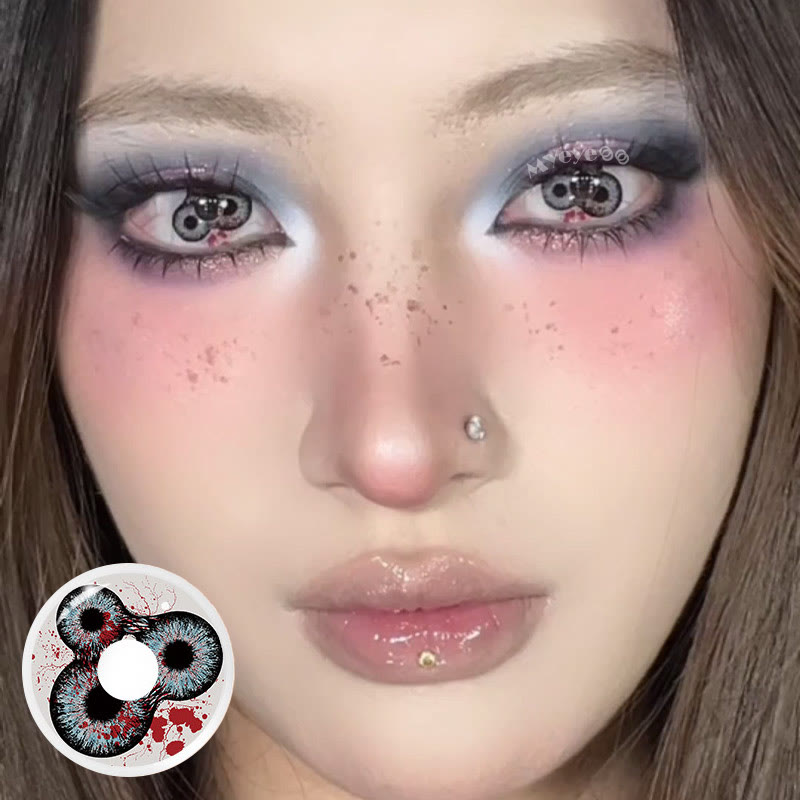
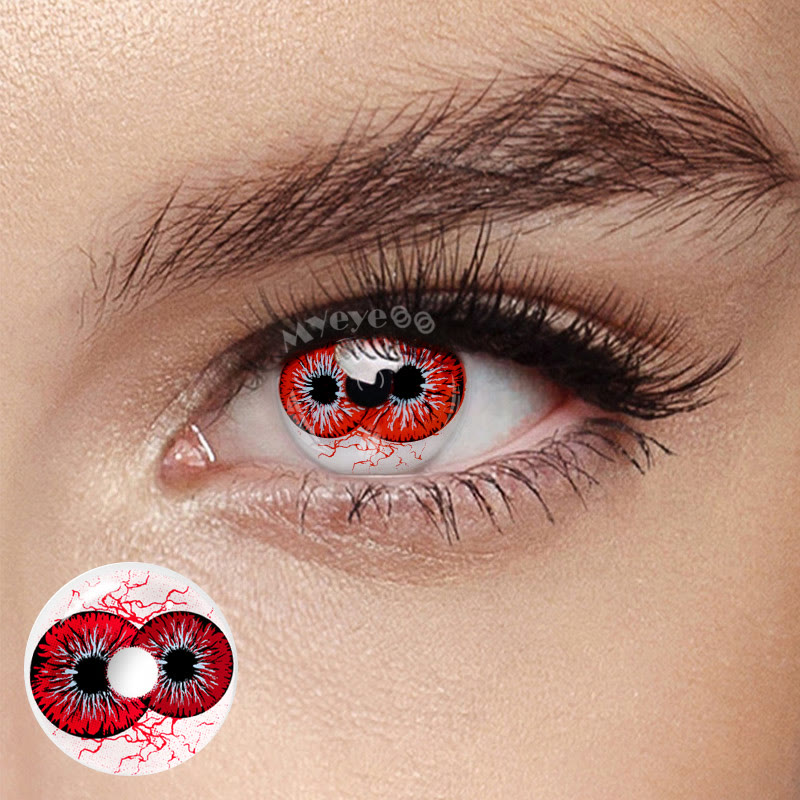
Limbal rings come in different styles—solid black, brown, gray, or dark brown for stronger looks, or fine dashed patterns that blend naturally. Colors range from earth-toned browns and deep blues to bright purples, pinks, and special effects for costumes.
These options let you customize your look—from making subtle changes to your natural eye color to creating bold fashion statements or getting the perfect costume look.
Circle lenses use graphic diameter, limbal rings, and color patterns to create their signature wide-eyed effect that fascinates fashion lovers worldwide.
Medical risks and safety concerns
Circle contact lenses are popular, but they pose substantial health risks without proper prescription, fitting, and care. The FDA regulates these medical devices, and professional fitting remains mandatory even for non-prescription varieties.
Improper fit and corneal damage
Circle lenses do not work as one-size-fits-all products. Your eyes can suffer painful corneal scratches from lenses that don't fit properly. These scratches could develop into dangerous corneal ulcers and leave permanent scars that damage your vision. The damage can become so severe that patients need corneal transplants to see again.
A perfect 20/20 vision doesn't exempt you from needing an eye doctor's measurements. Your cornea needs proper fitting specific to your eye shape. Lenses that fit too tightly or loosely will cause immediate pain and can damage your eye's surface permanently.
Vision distortion and light sensitivity
Circle contact lenses that don't fit correctly tend to move around on your eye, which causes blurry vision and distortions. This problem occurs frequently with lenses that aren't customized to your eye shape. Your cornea can swell from reduced oxygen flow (hypoxia). The body might try to compensate by growing new blood vessels (neovascularization), which could lead to permanent vision loss.
The design of circle lenses extends beyond the central optic zone, which causes many users to experience distorted peripheral vision. This distortion becomes worse as the lens slides across your cornea during eye movement.
Infections from poor hygiene
Contact lens infections rank among the most dangerous complications. Bacterial keratitis can rob you of your vision or cause blindness without treatment. The risk becomes higher because most patients fail to follow proper care instructions.
The chances of infection rise dramatically if you sleep wearing circle lenses, use them longer than recommended, or expose them to water. Water from any source - tap, distilled, or homemade solutions - can cause resistant infections.
Why over-the-counter purchases are risky
Buying circle lenses without a prescription puts your health at risk and violates U.S. law. The FDA requires prescriptions for all contact lenses, including decorative ones. Research shows higher complication rates among people who buy their lenses online.
The risks go beyond regulatory issues. Some non-prescription circle lenses contain dangerous chemicals, including chlorine and other toxins that can seep into your eyes. Research indicates that colored contact users face a 16 times higher risk of developing keratitis compared to regular contact lens wearers.
Your eye health depends on getting circle lenses prescribed by qualified eye care professionals. This step helps minimize these substantial health risks.
How to wear and care for circle lenses safely
The way you handle your circle contact lenses will affect your eye health and comfort. These expert-recommended practices will give a healthy and comfortable experience with your circle lenses.
Step-by-step insertion and removal
To insert your lenses:
- Wash your hands really well with mild, non-fragranced soap and dry with a lint-free towel
- Start with the same eye each time to avoid mixing up lenses (this matters most with different prescriptions)
- Put the lens on your index fingertip and check its orientation—it should look like a bowl shape
- Hold your upper eyelid toward your eyebrow and pull down your lower lid with your middle finger
- Look straight ahead, place the lens on your eye gently, then blink several times to center it
To remove your lenses:
- Make sure your hands are clean, look upward and slide the lens to the white part of your eye
- Pinch the lens gently between your thumb and index finger to remove it
- Keep your fingernails away from the lens—they can tear it or scratch your eye
Cleaning and storage best practices
You should never use tap water, saliva, or homemade solutions on your circle lenses. Here's what to do instead:
- Clean and store lenses only in contact lens multipurpose solution
- Use the "rub and rinse" method whatever solution you choose
- Get a new lens case every 3 months
- Use fresh solution each time—don't "top off" old solution
- Let your case dry completely between uses
How long you can wear them daily
Eye care professionals suggest wearing circle lenses no longer than 8-12 hours each day. Take them out right away if you notice:
- Red or irritated eyes
- More discomfort than usual
- Vision gets blurry
- Eyes feel too dry
When to replace your lenses
Your lenses need replacement based on their specific type:
- Daily disposables: Throw away after one use
- Bi-weekly lenses: New pair after 14 days
- Monthly lenses: Replace after 30 days even with occasional wear
- Quarterly or yearly lenses: Follow what the manufacturer recommends
Take out and throw away any lenses that get damaged, torn, or have deposits that won't clean off.
Doctor-approved tips for choosing safe circle lenses
Safe circle contact lens selection depends on understanding quality indicators. Eye doctors highlight several crucial factors you should consider before buying.
Check for FDA or CE certification
Circle lenses need proper regulatory approval. The FDA in the United States and CE in Europe test lenses rigorously to ensure they meet safety standards. Authentic lenses must pass tests for biocompatibility, toxicity, visual acuity, and durability before they reach consumers. You should find these certifications on the packaging. Korean products need KFDA, CE, KGMP, or ISO approval at minimum.
Choose the right diameter for your eyes
Contact lenses typically measure 14mm, which works well with standard 12mm corneas. Your eye doctor needs to measure your eyes specifically. Lenses that don't fit right can either slide too much when small or block tear flow when large. These issues can hurt your eyes and make wearing lenses uncomfortable.
Prescription vs non-prescription options
Every circle contact lens needs a prescription by law, even those without vision correction. This rule exists to keep you safe and ensures your lenses fit properly. Most reliable sellers provide prescription circle lenses with powers from 0.00 to -10.00 diopters.
Avoiding counterfeit or unverified sellers
Fake circle lenses often contain dangerous chemicals like chlorine. You should never buy lenses from street vendors, beauty supply stores, flea markets, novelty shops, or Halloween stores. These unauthorized sellers often skip prescription requirements and put your vision at risk.
Conclusion
Circle contact lenses are a great way to change your eyes with their unique enlarging effect. This piece shows how these specialized lenses create their distinctive look through smart design rather than actual size increase. In spite of that, wearing them comes with significant responsibilities.
Your eye safety should be the main goal before you try circle lenses. You must talk to an eye care professional before buying any contact lenses—even non-prescription ones. Their guidance will give a proper fit and cut down your risk of serious issues like corneal damage or infections.
Everything in protecting your eye health depends on the right care routines. Daily cleaning, proper storage, and following replacement schedules help keep your eyes safe and comfortable. It also helps to stay within recommended wearing times, whatever comfortable the lenses might feel.
The FDA regulates these lenses as medical devices to protect people who wear them. So buying only from trusted sources with proper certification is a vital safety step. Fake products often contain harmful materials that can damage your eyes forever.
Circle lenses definitely improve your appearance dramatically. The benefits only work when you follow expert advice and handle them properly. Your vision is nowhere near worth risking for a temporary beauty boost—protecting your beautiful eyes matters most.