
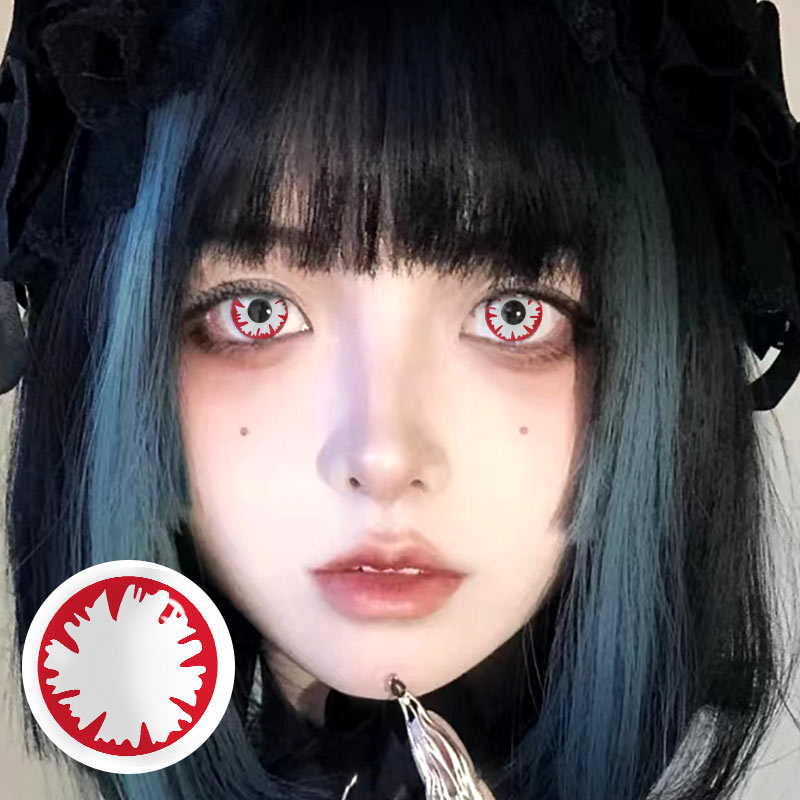
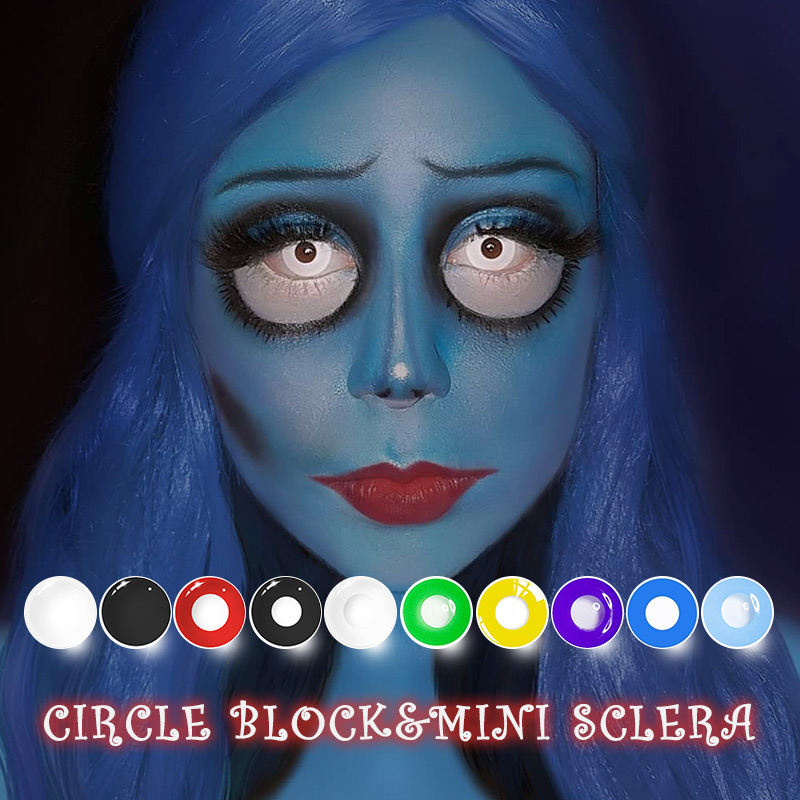


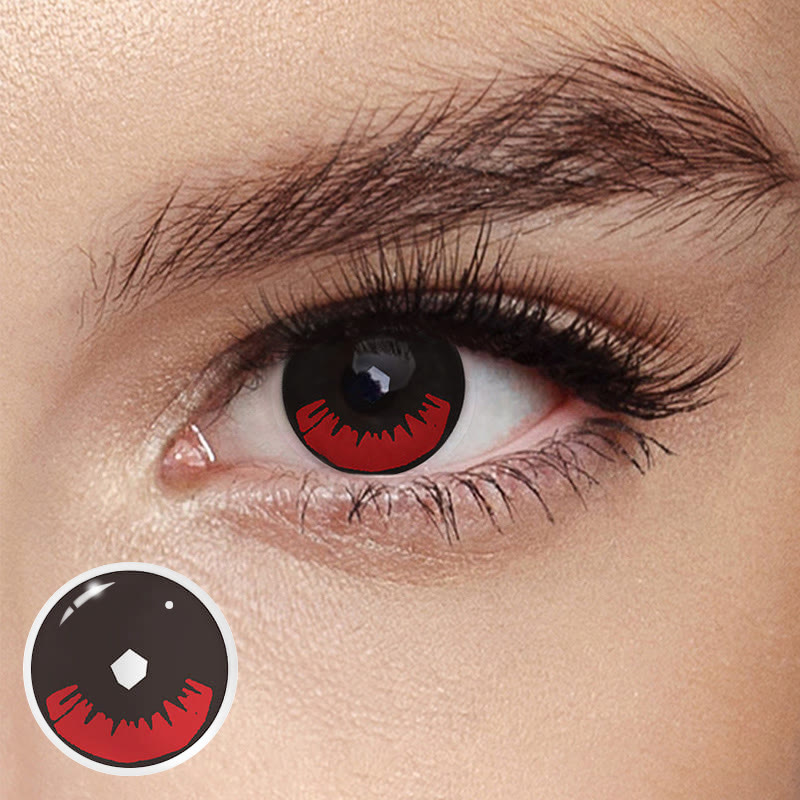
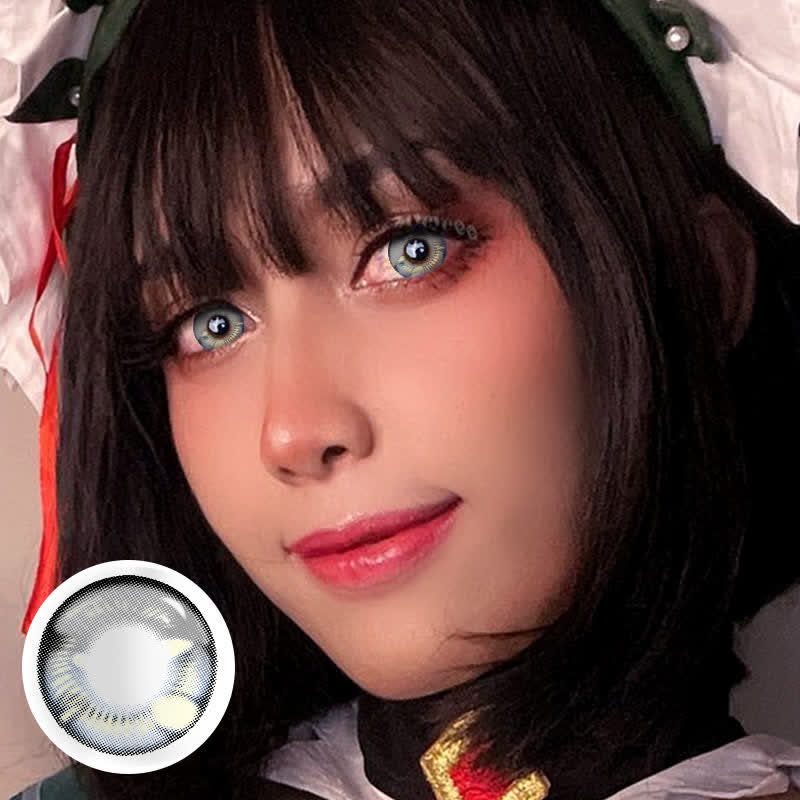
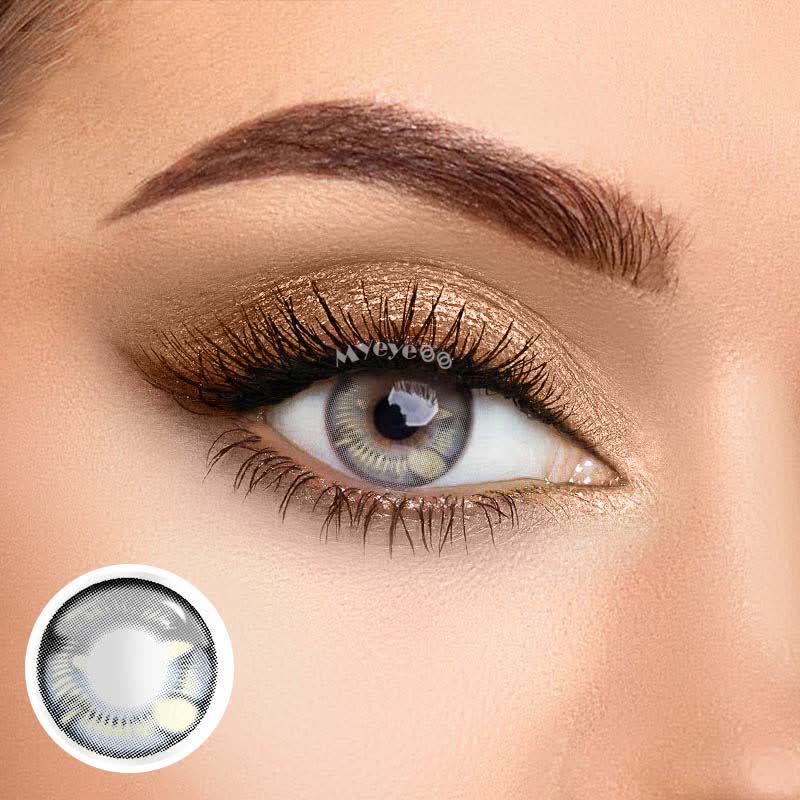
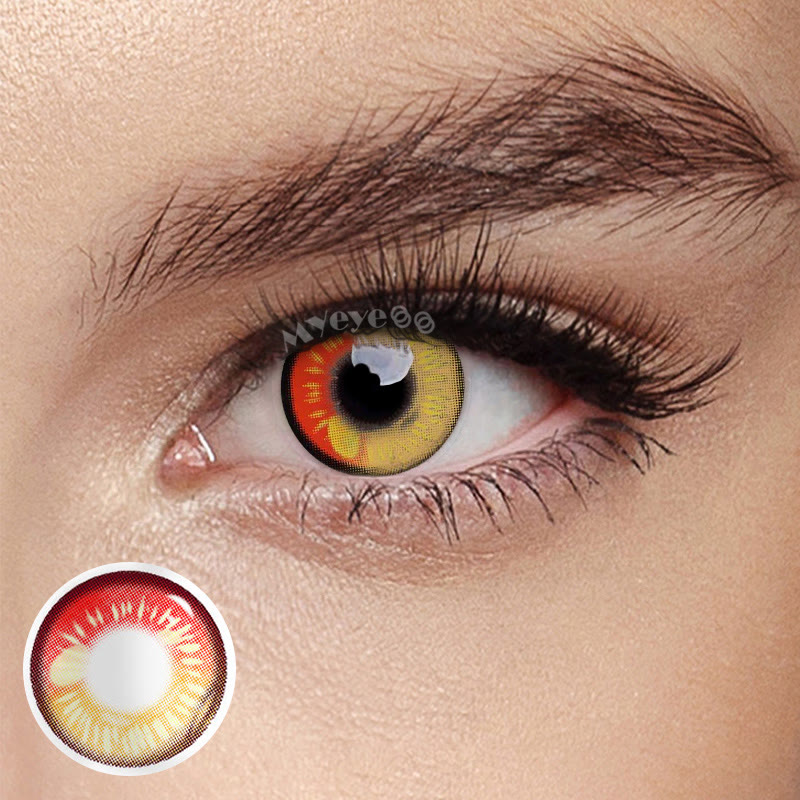
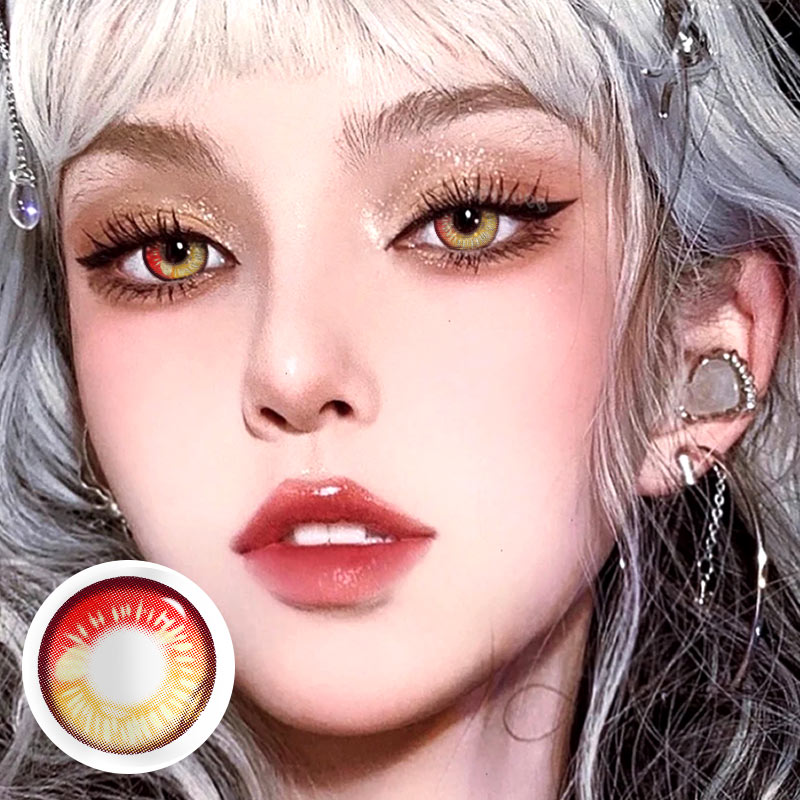
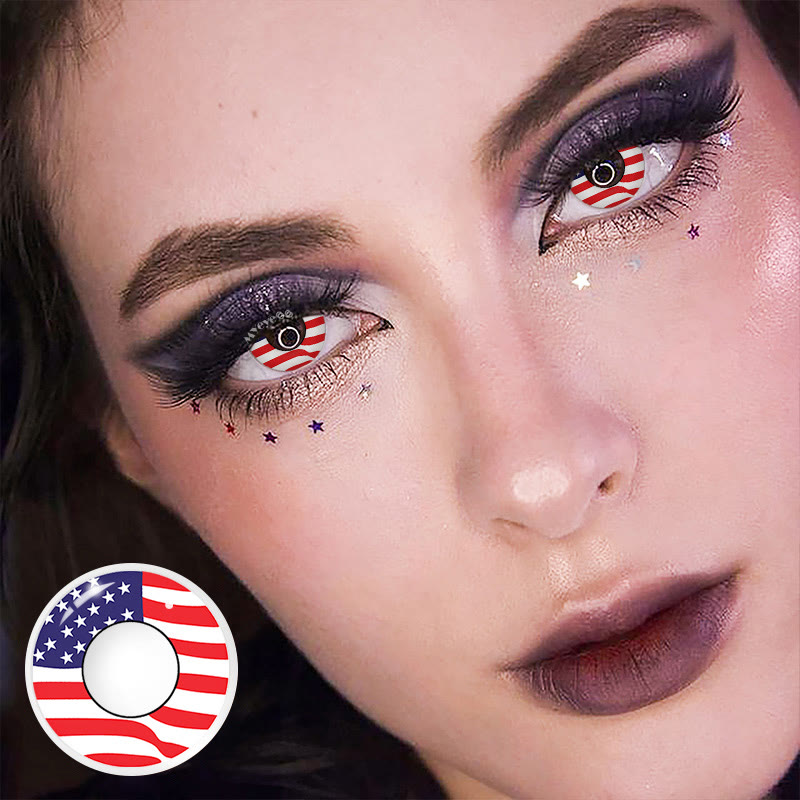
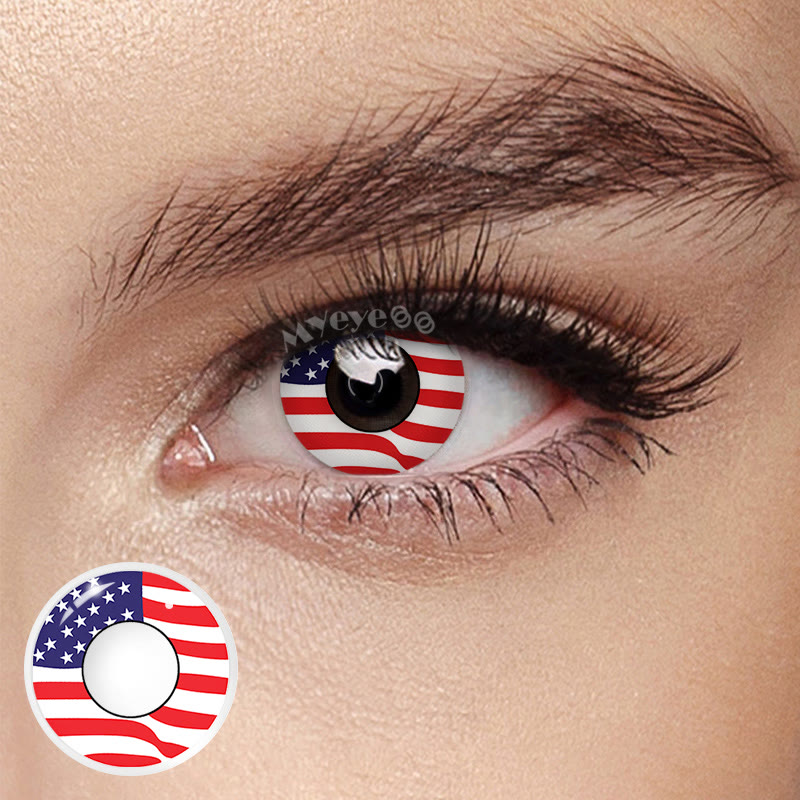
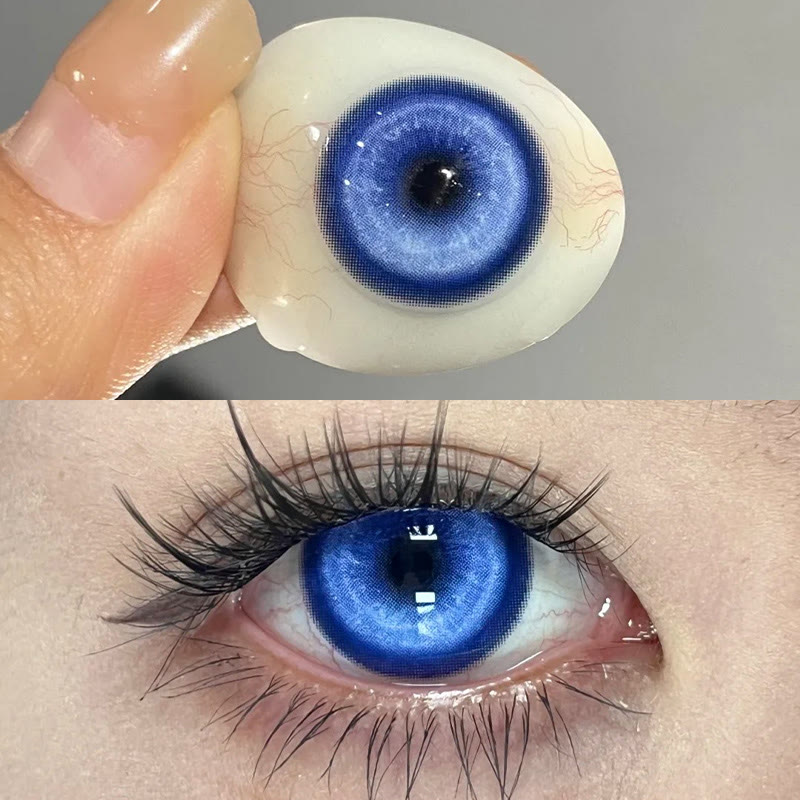
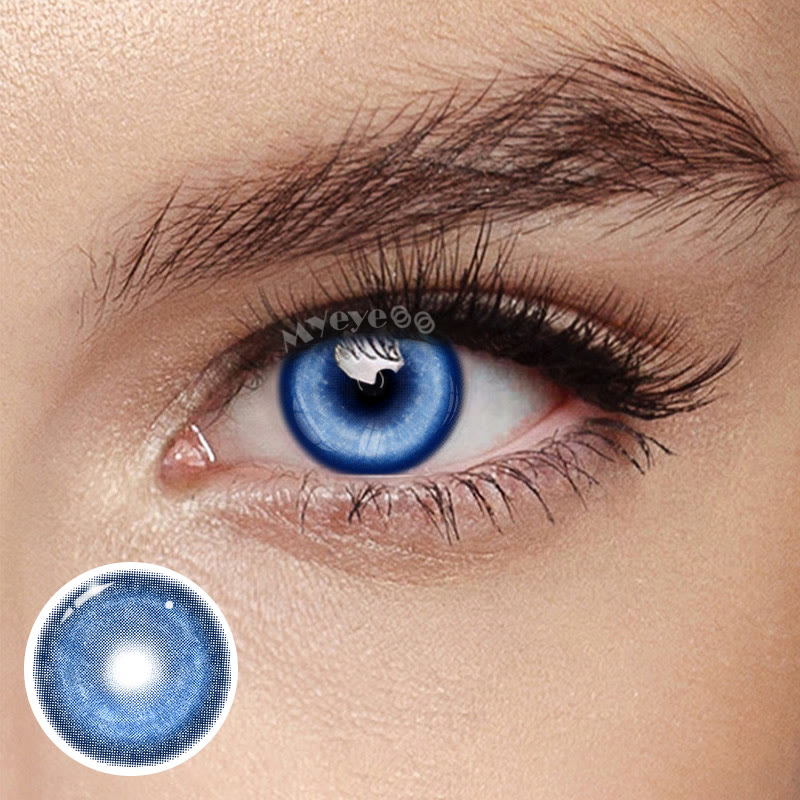
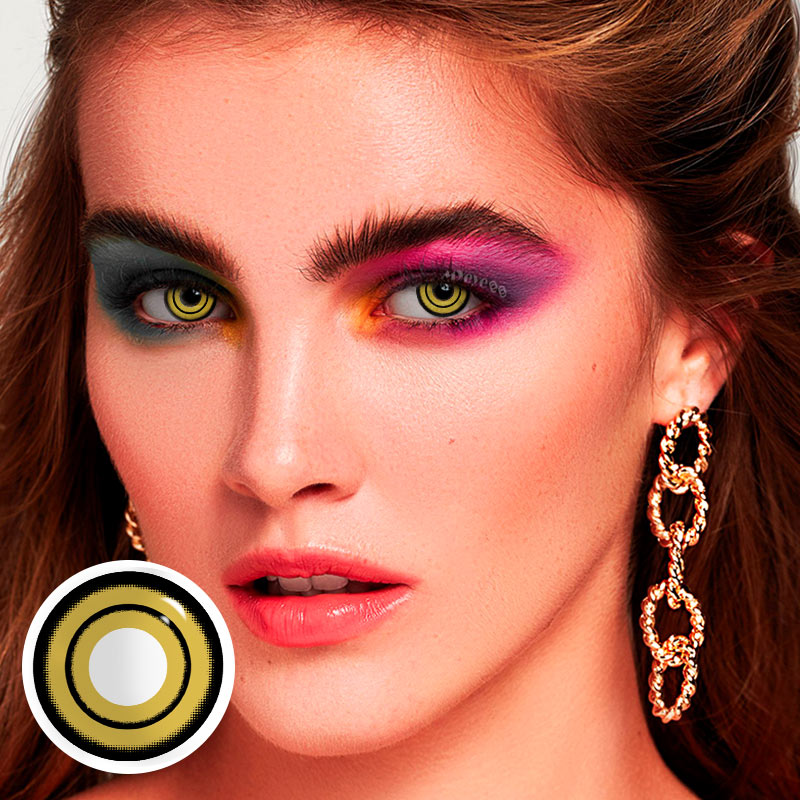
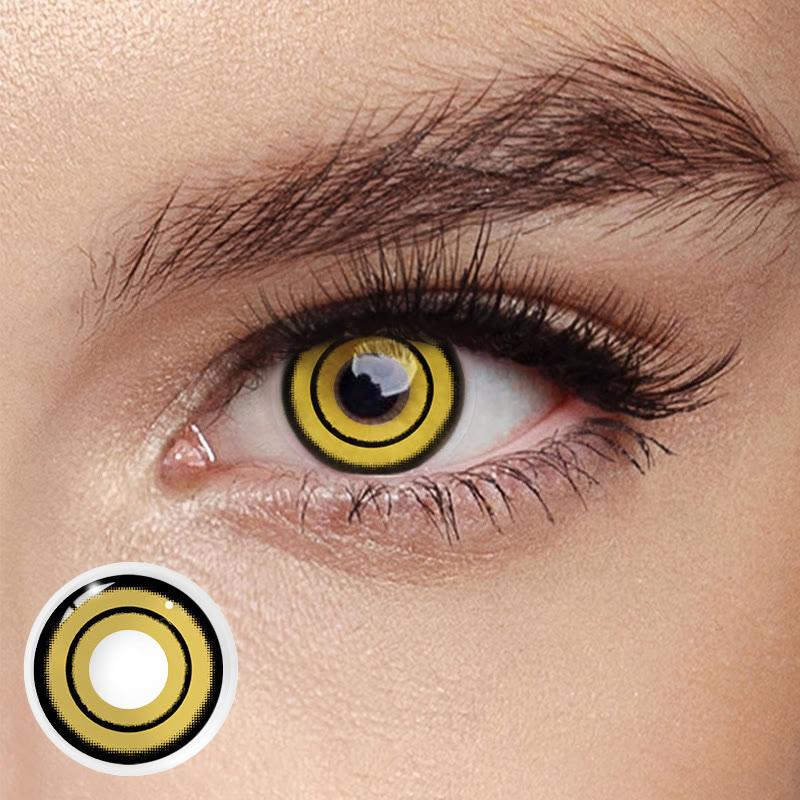
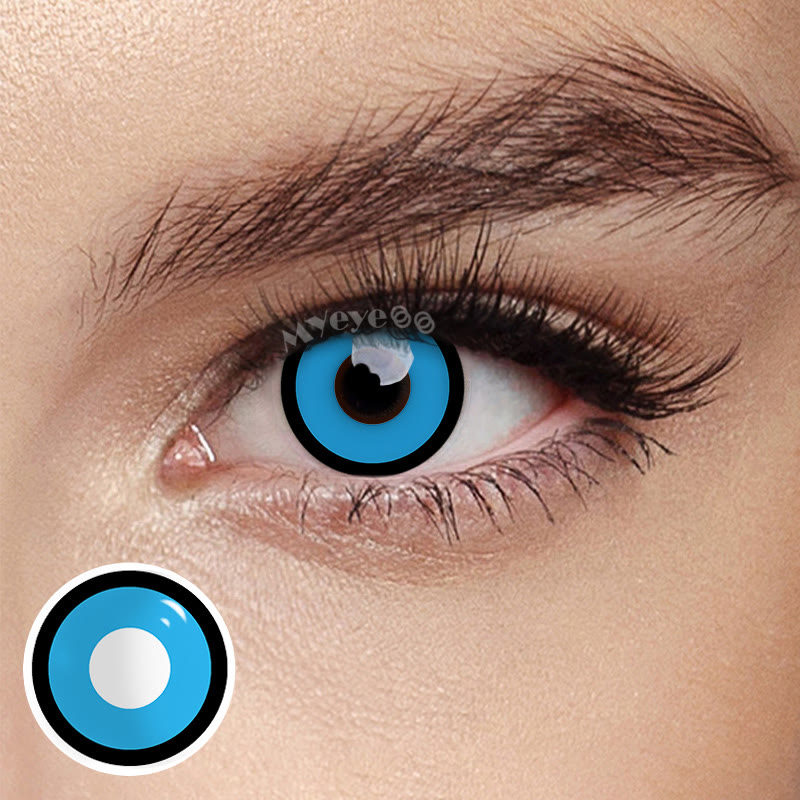

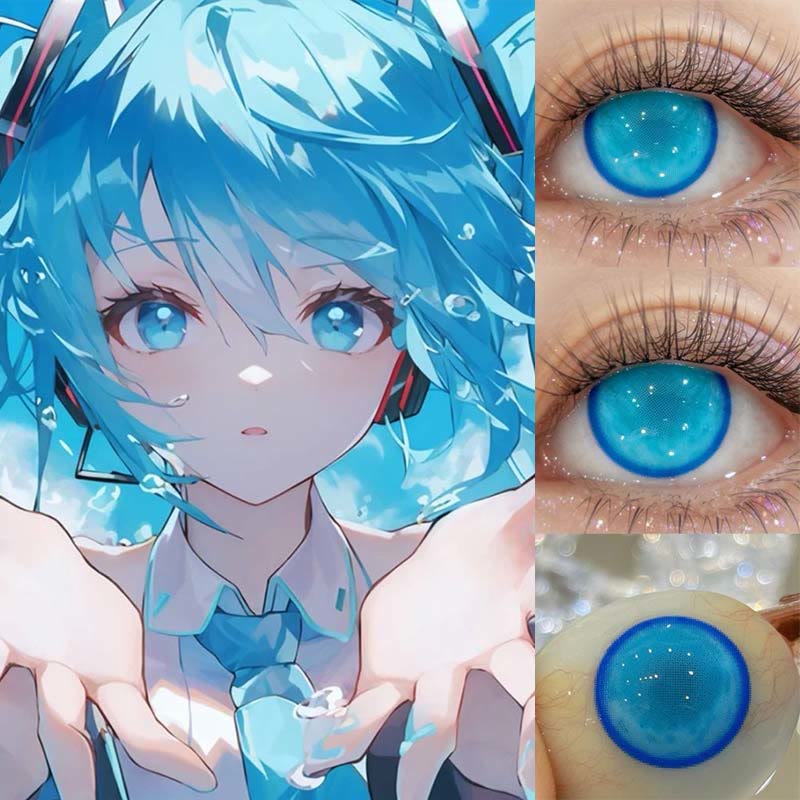
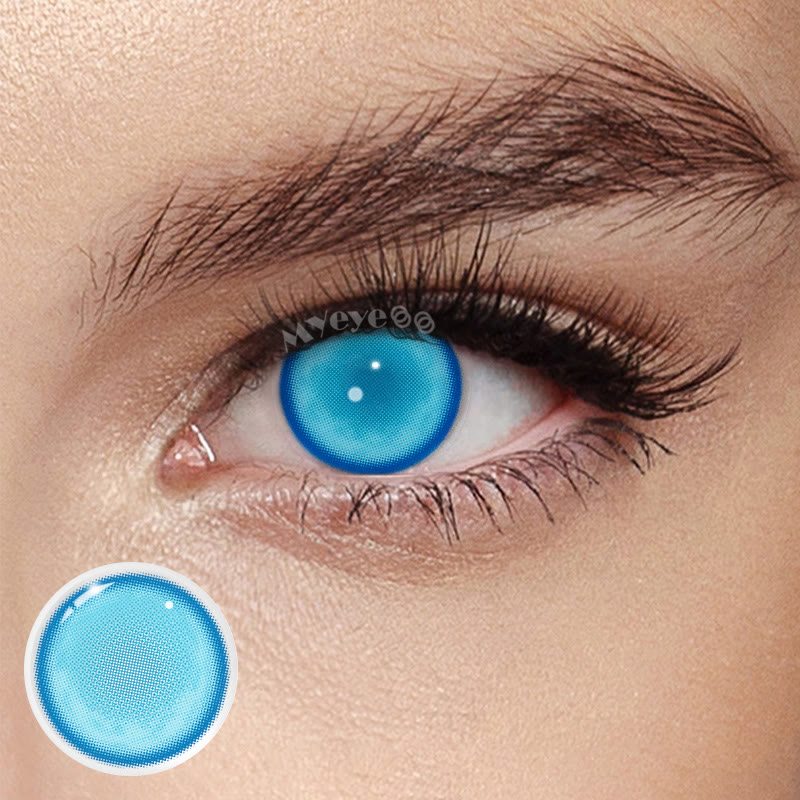
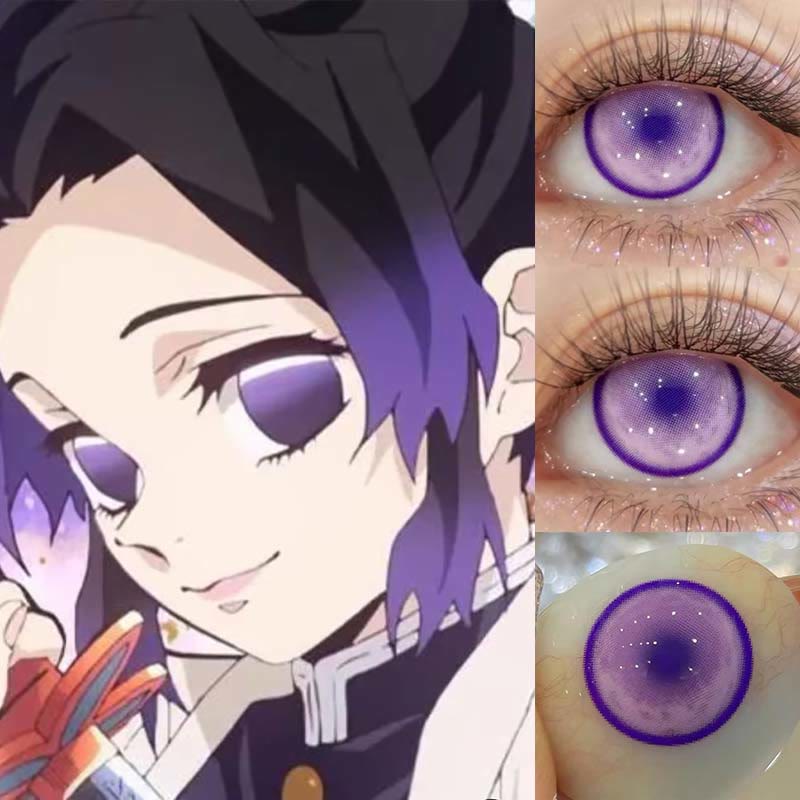

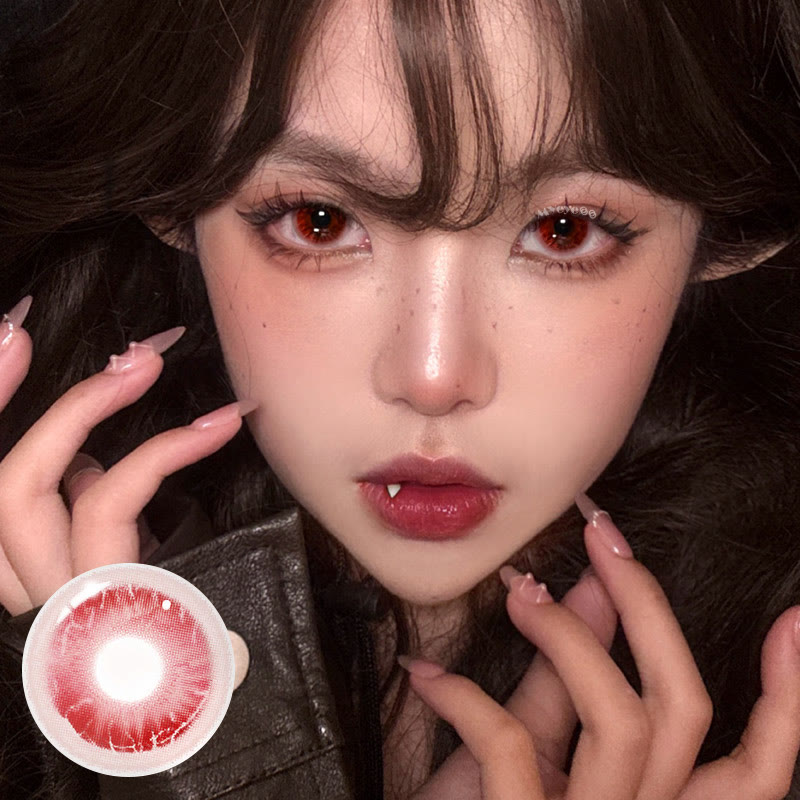
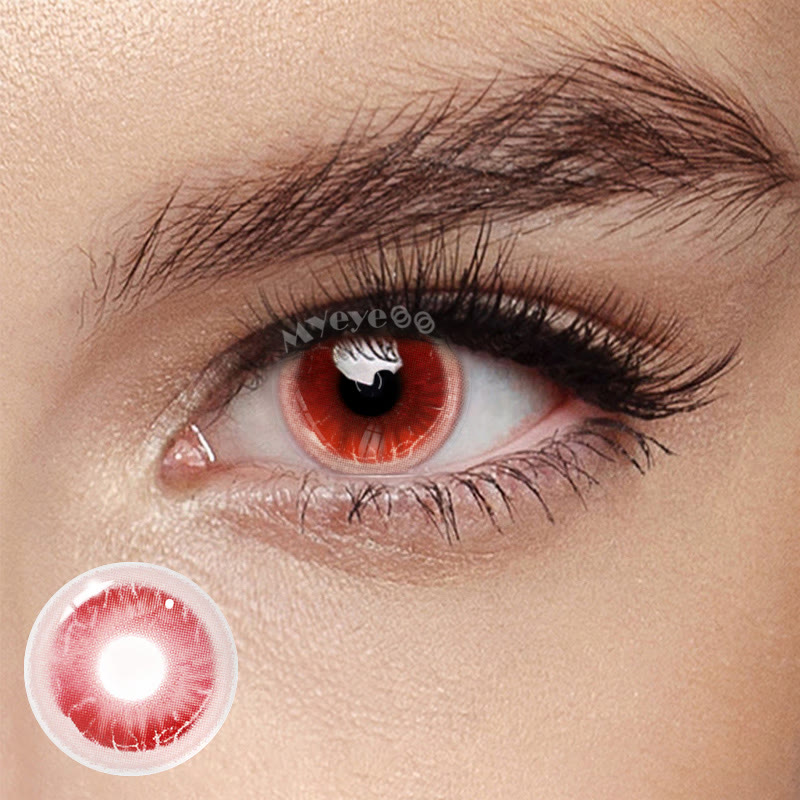

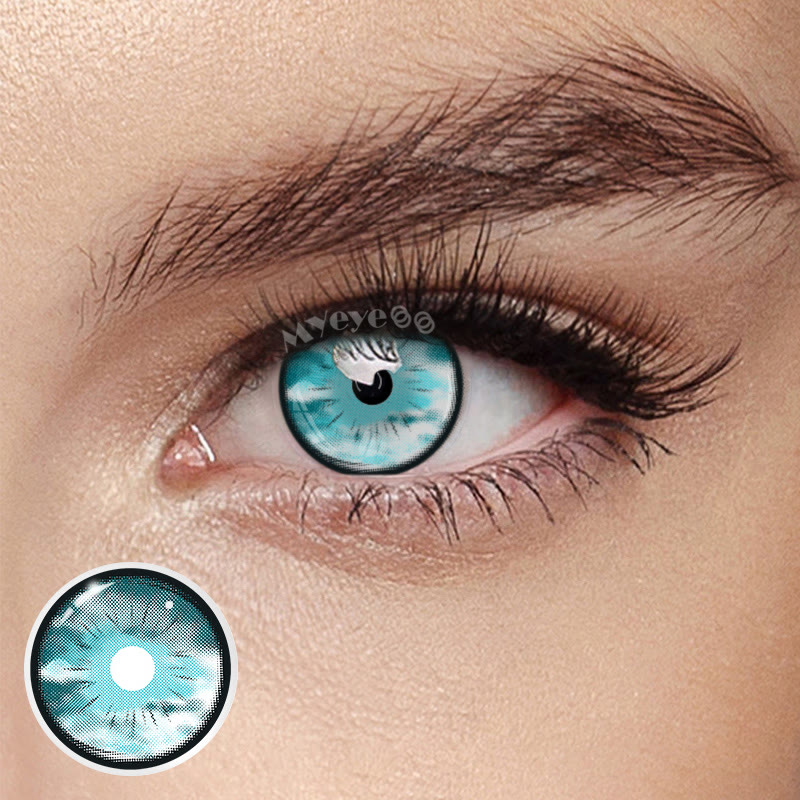

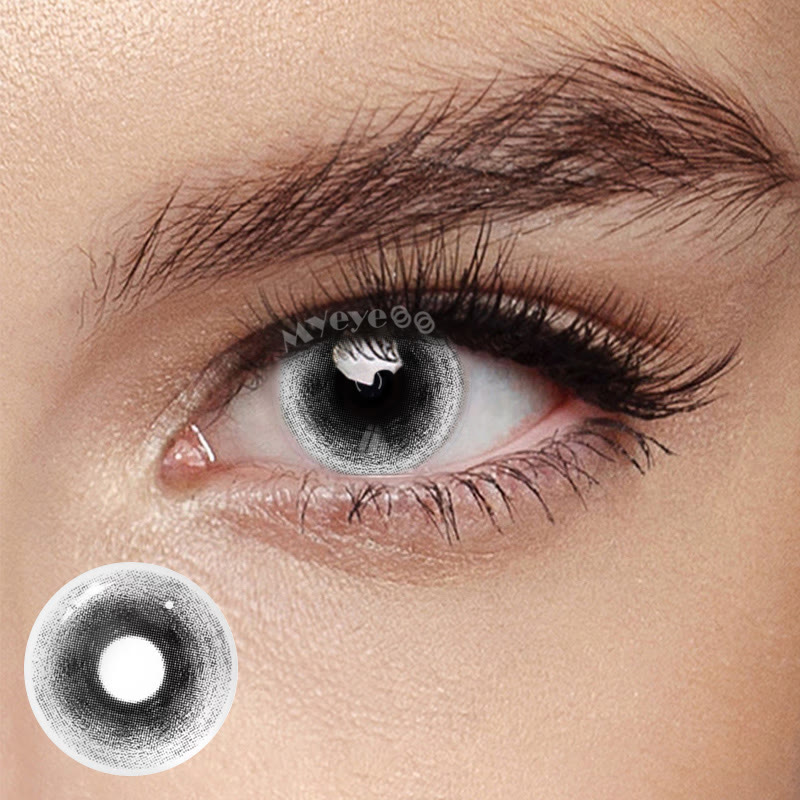

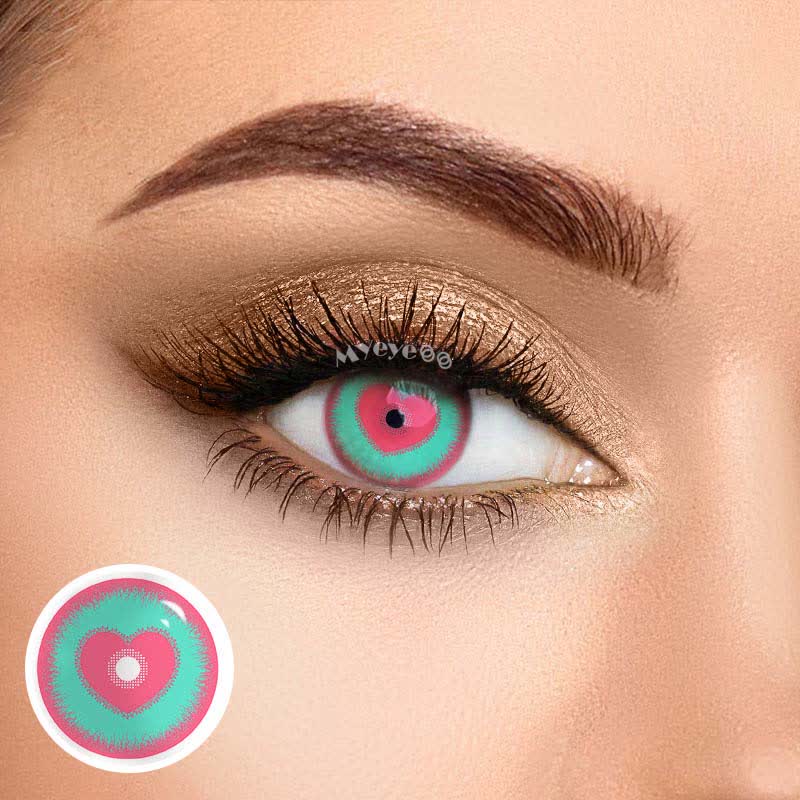
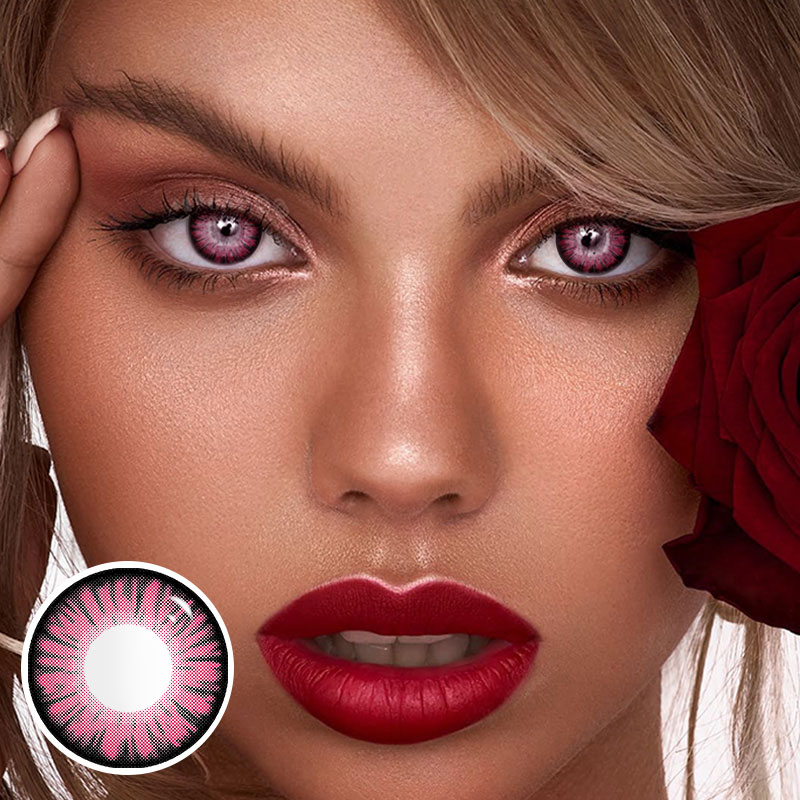
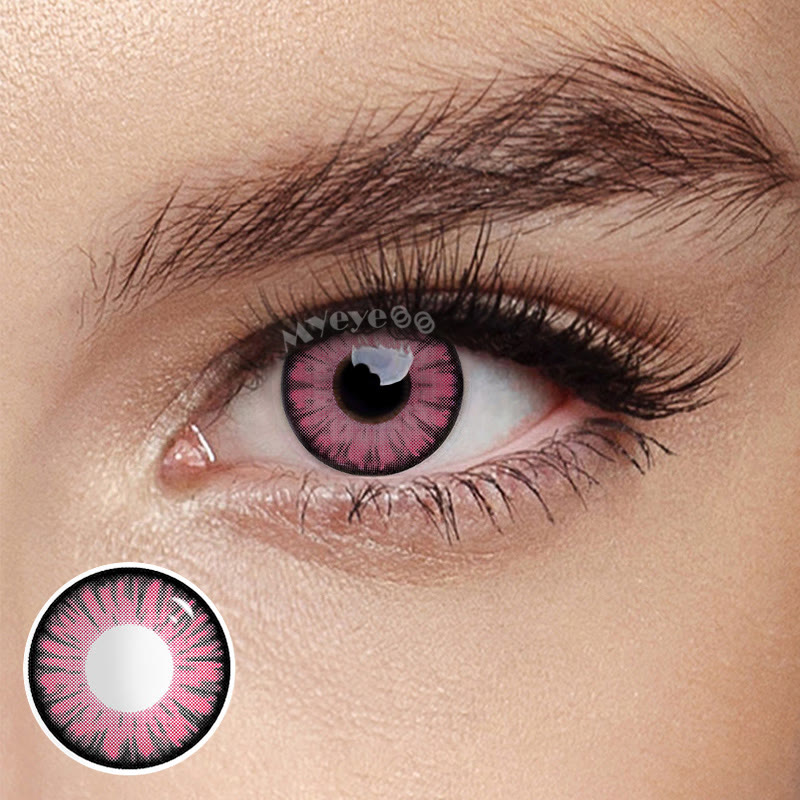







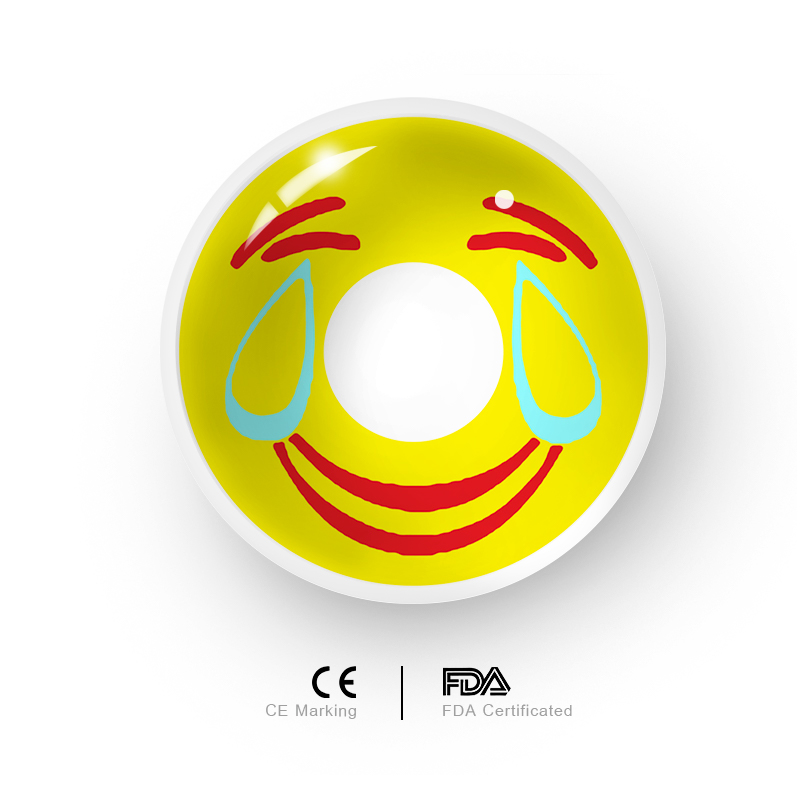
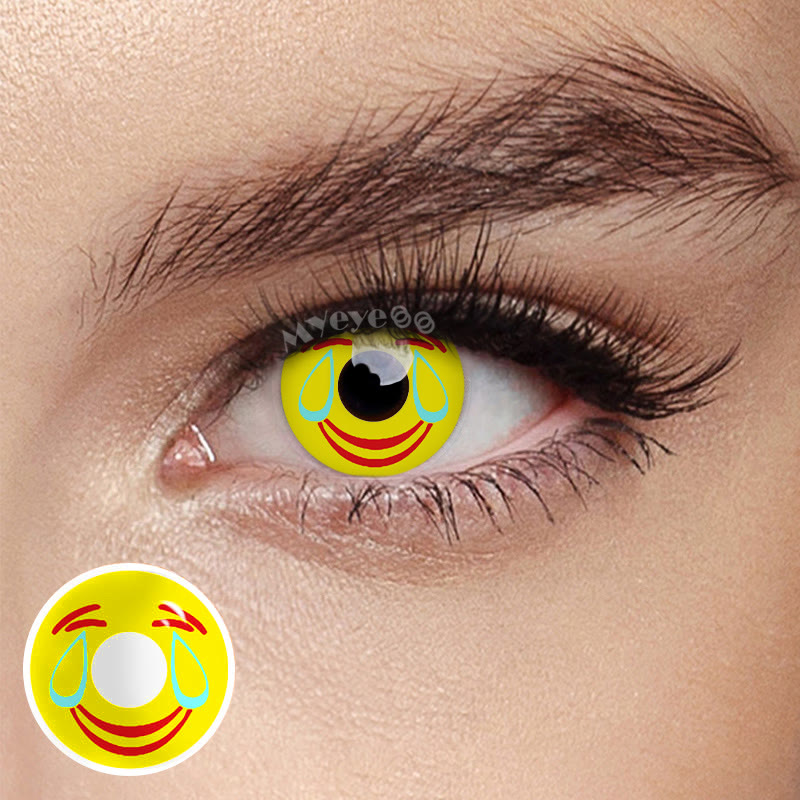
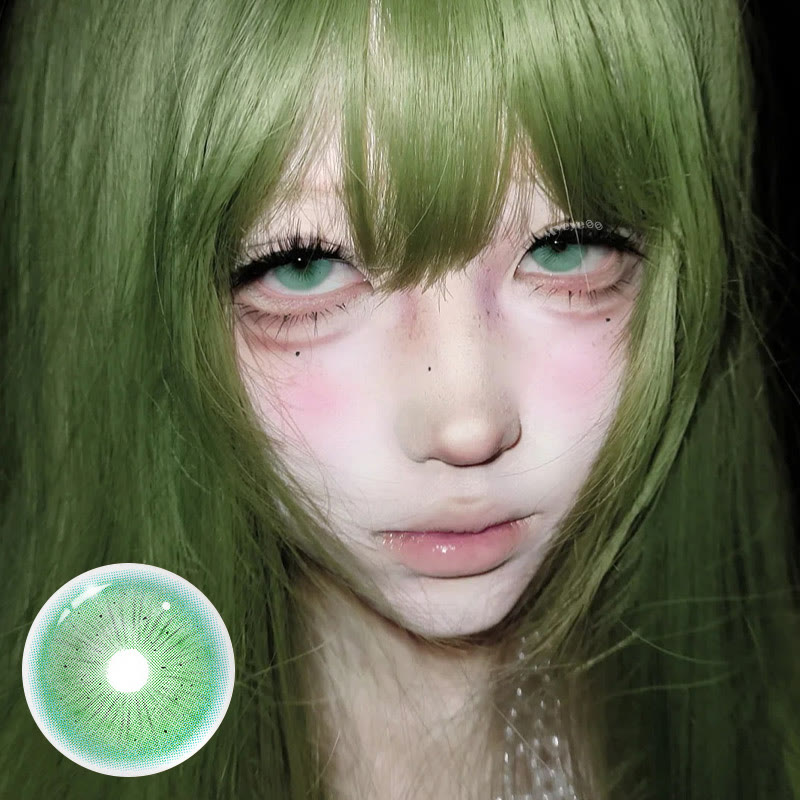
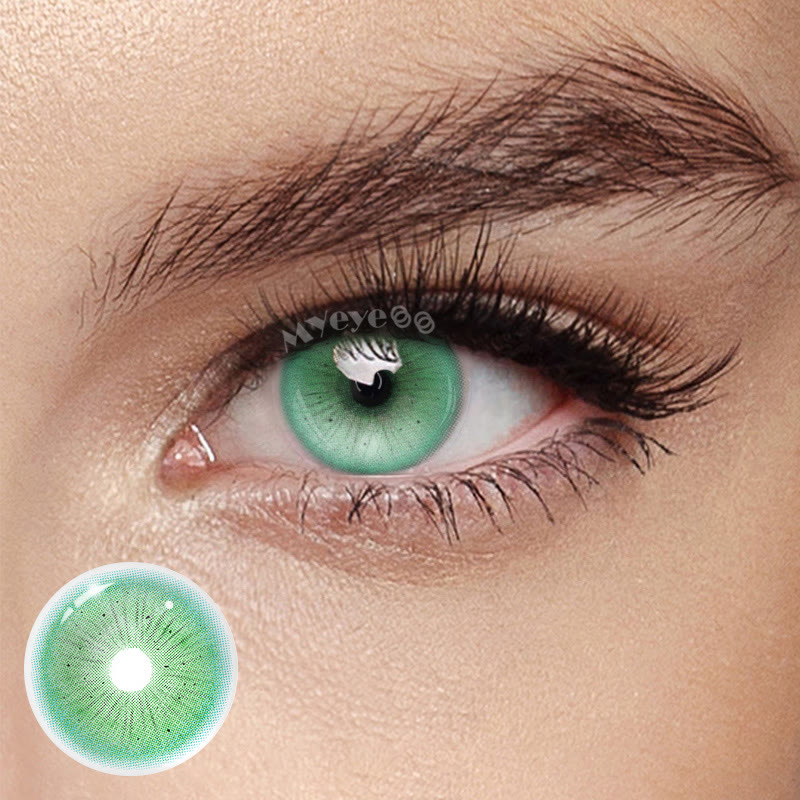



Your contact lens accessories play a vital role in maintaining clear vision and protecting your eye's health. Dirty lenses can trap bacteria, protein deposits, and debris that cause discomfort, eye infections, and cloudy vision. Taking proper care of your contacts goes beyond convenience - it prevents serious complications that could harm your eyesight.
Contact lens accessories come in various forms. You'll need storage cases, specialized solutions for hard lenses, or daily cleaning items to keep your lenses pristine. Using the right products makes the most important difference. The best accessories remove buildup, kill bacteria, and keep your lenses moist for comfortable wear throughout the day. But many lens wearers put their eye health at risk by making critical mistakes.
You'll find common errors to avoid, tips to choose the right accessories, and practical ways to maintain your eye health in this piece. We'll cover everything from stylish accessories that brighten your daily routine to must-have items for proper lens care. This knowledge will help protect your eyes and make your contacts last longer.
Common Mistakes Contact Lens Users Make
Contact lens users often take risks with their eye health without realizing it. You need to know these common mistakes to take care of your lenses properly and avoid serious problems.
Not washing hands before handling lenses
Bacteria and debris go straight to your eyes when you touch lenses with dirty hands. Nearly half of contact lens wearers don't wash their hands before insertion, which makes infections much more likely. Studies show that 90% of bacteria on daily disposable lenses come from people who didn't wash their hands. This basic mistake can make you 13 times more likely to get microbial keratitis. You should always wash your hands with mild, fragrance-free soap and dry them with a lint-free towel before touching any contact lens items.
Using tap water to clean lenses or cases
Tap water might seem safe but contains tiny organisms that can cause severe eye infections. The water has Acanthamoeba, a microbe that leads to painful infections and possible vision loss. On top of that, it makes soft lenses swell up and stick to your eyes. You should never use water to clean your lenses, accessories, or storage cases - stick to sterile contact lens solution.
Sleeping with lenses in
About one-third of people who wear contacts fall asleep with their lenses sometimes. This makes you 6-8 times more likely to get an eye infection. Your cornea gets less oxygen when you sleep, which lets bacteria grow better. Even lenses that say they're safe for overnight wear make infections five times more likely. You risk getting keratitis, corneal ulcers, and corneal hypoxia if you sleep with contacts in.
Reusing old solution
"Topping off" solution by adding fresh liquid to what's left in the case makes it much less effective at killing germs. Used solution becomes full of bacteria that can overpower the disinfectant. This puts contamination right on your lenses and into your eyes, which can cause anything from mild irritation to serious vision problems.
Ignoring lens replacement schedules
Proteins, lipids, and bacteria build up on lenses worn past their expiration date, and cleaning solutions can't get rid of everything. This buildup leads to more eye infections, dryness, and discomfort. The lens material starts breaking down as soon as you open the package, so you need to replace them on schedule to keep your eyes healthy.
How the Right Accessories Prevent These Mistakes
Your first defense against contact lens problems starts with the right accessories. The right tools help you keep your lenses clean and your eyes healthy.
Multipurpose solutions for cleaning and disinfecting
Multipurpose solutions work as an all-in-one system for soft contact lenses. These solutions clean, rinse, disinfect, and store your lenses in one bottle, making them convenient and safe. Always use fresh solution instead of "topping off" your case because this reduces how well the disinfection works by a lot. Even though these solutions say "no-rub" on the label, experts still want you to rub your lenses with your fingers for about 10 seconds to remove all debris.
Hydrogen peroxide systems for deep cleaning
Hydrogen peroxide systems give you a deeper clean with better disinfection. These 3% hydrogen peroxide solutions break down proteins that build up on your lenses. They work great, especially when you have preservative sensitivities, and come in one-step or two-step options. One-step systems have a special case with a built-in neutralizer that turns peroxide into saline. Two-step systems need a neutralizing tablet after disinfection. You'll need to soak your lenses for 6-8 hours, but these systems are better at getting rid of microbial films.
Lens cases that prevent contamination
Contamination happens in most lens cases - anywhere from 30% to 85%. Your case choice matters a lot. Cases with smooth wells or cylindrical designs let you clean them easier. You should get a new case every month because older cases have more bacteria. Let your case air-dry face down, not face up, to avoid airborne germs. Keep your cases away from bathrooms, and never store them near toilets.
Eye drops for dryness and irritation
Contact-specific eye drops help with dryness and won't harm your lenses. You can choose from rewetting drops that add moisture to your lenses, lubricating drops that protect between your lens and cornea, or artificial tears that work like natural ones. Just read the labels carefully - regular eye drops might not work with all contact types.
Travel kits for hygiene on the go
Travel kits let you take care of your lenses anywhere. A good kit has travel-sized cleaning solutions, lens cases, tools to put in and take out lenses, and preservative-free saline. These compact kits meet TSA requirements, so you can keep up with your lens care routine wherever you go.
Choosing the Best Contact Lens Accessories
Picking the right contact lens accessories starts with knowing your lens type and wearing schedule. Here's a look at what might work best for you.
Daily vs. monthly lens care needs
Daily disposable lenses don't need much cleaning supplies, which makes them perfect for busy people. Monthly lenses just need more complete care, including multipurpose solutions and storage cases. They save you money in the long run. A year's supply of daily lenses costs about $720, while monthlies run around $240 plus $150-$200 for solutions.
Hard contact lens accessories vs. soft lens tools
Hard (gas permeable) lenses usually need special barrel cases and stronger cleaning solutions. Soft lenses work fine with standard cases and multipurpose solutions. Research shows that using the right lens-specific tools can cut infection risks by almost 60%.
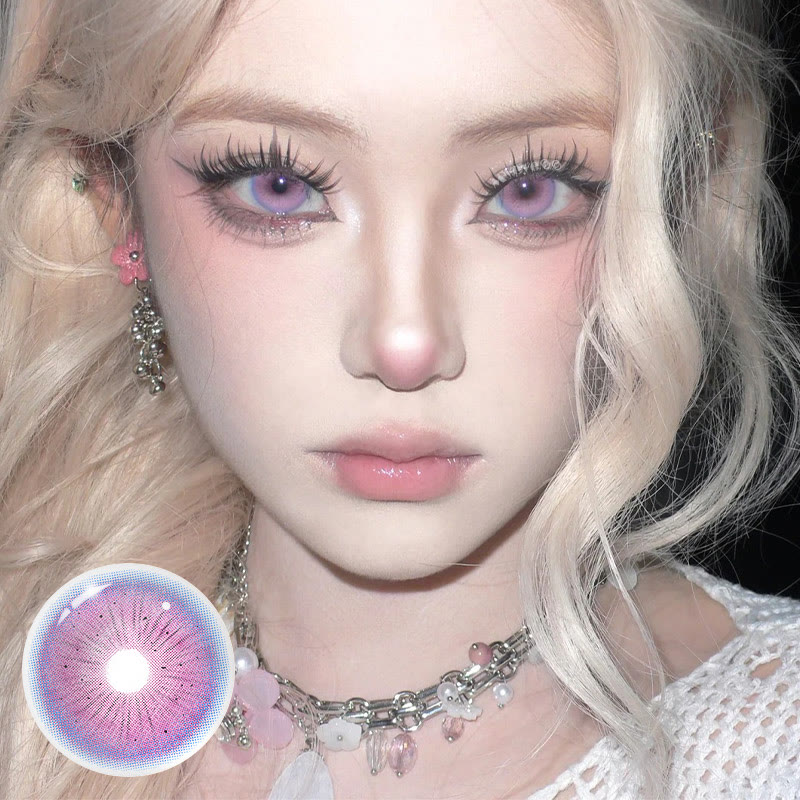
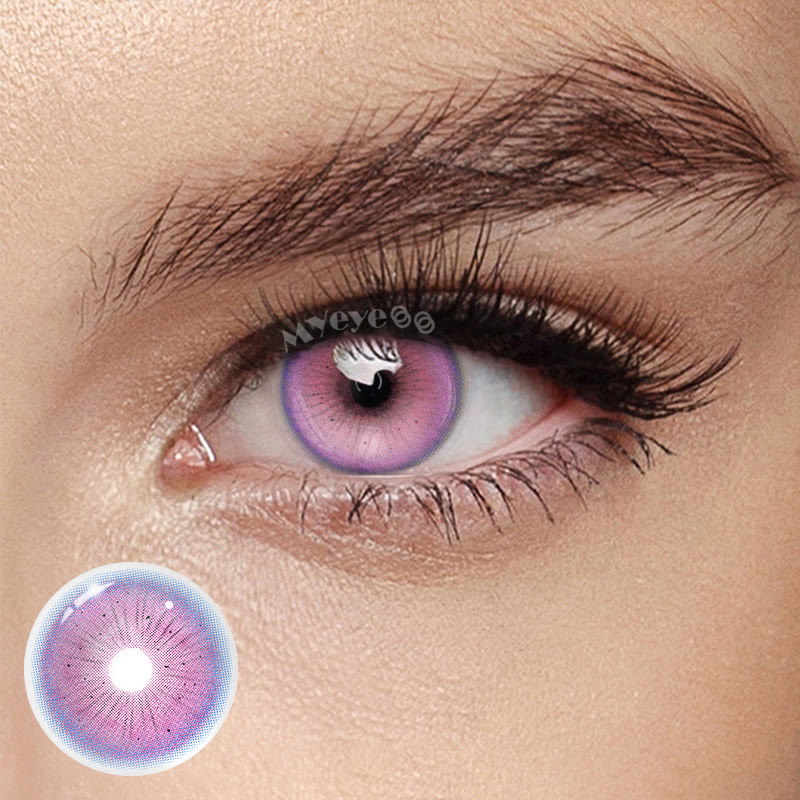
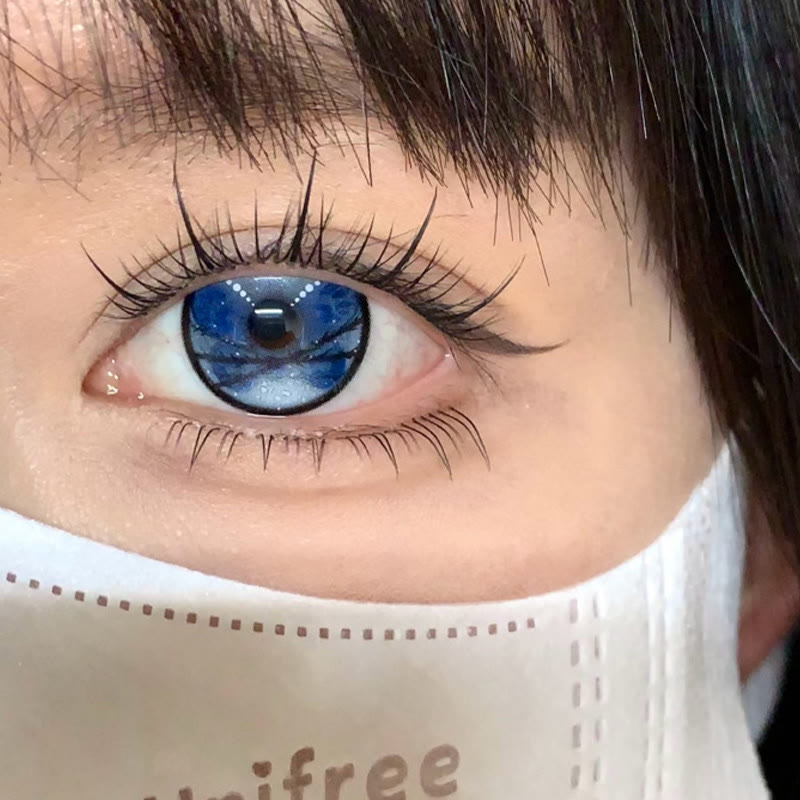
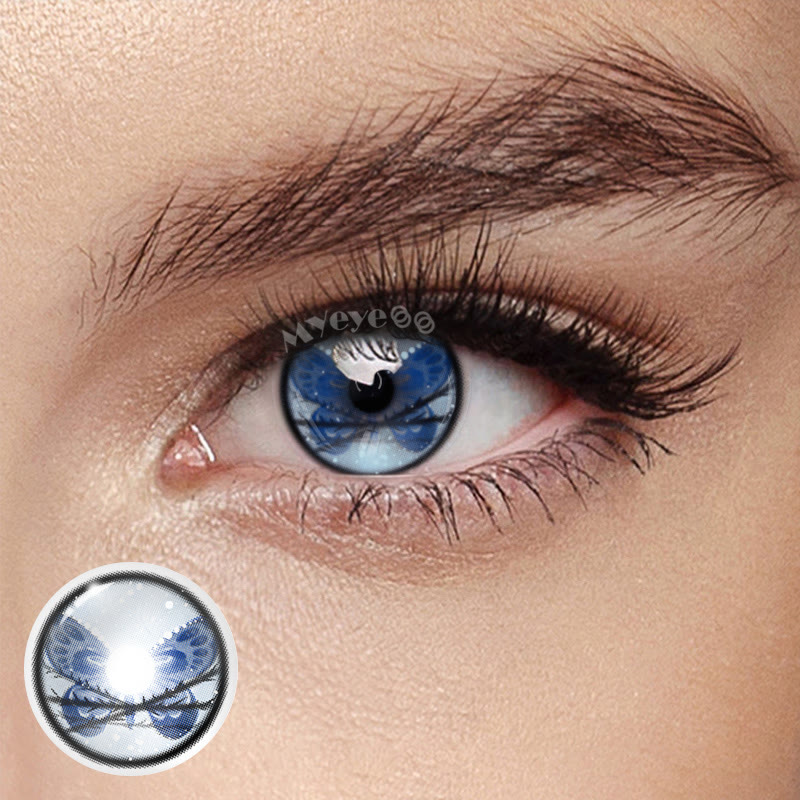
Cute and functional accessories for everyday use
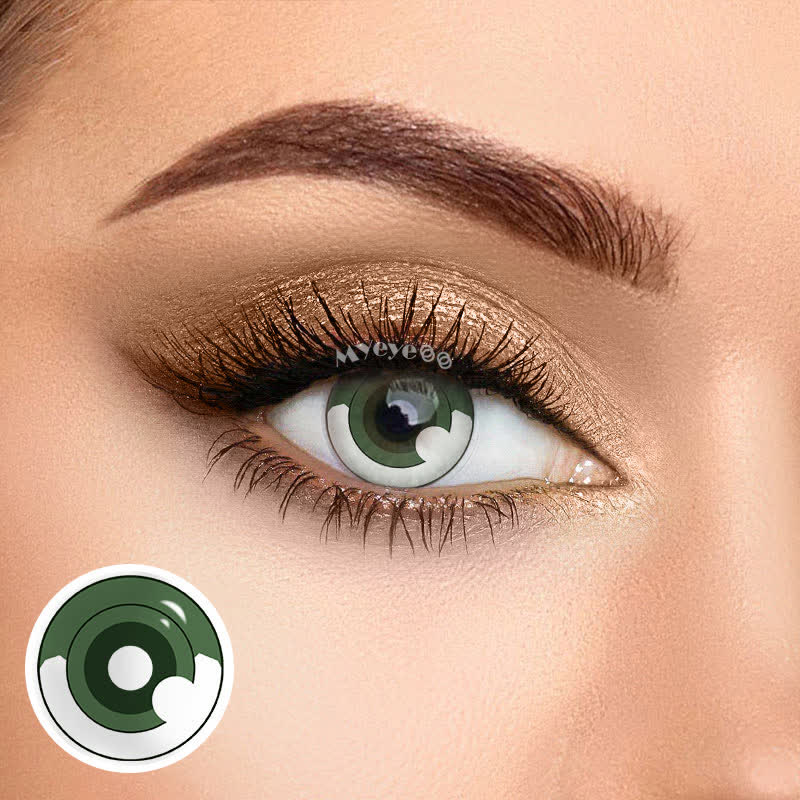
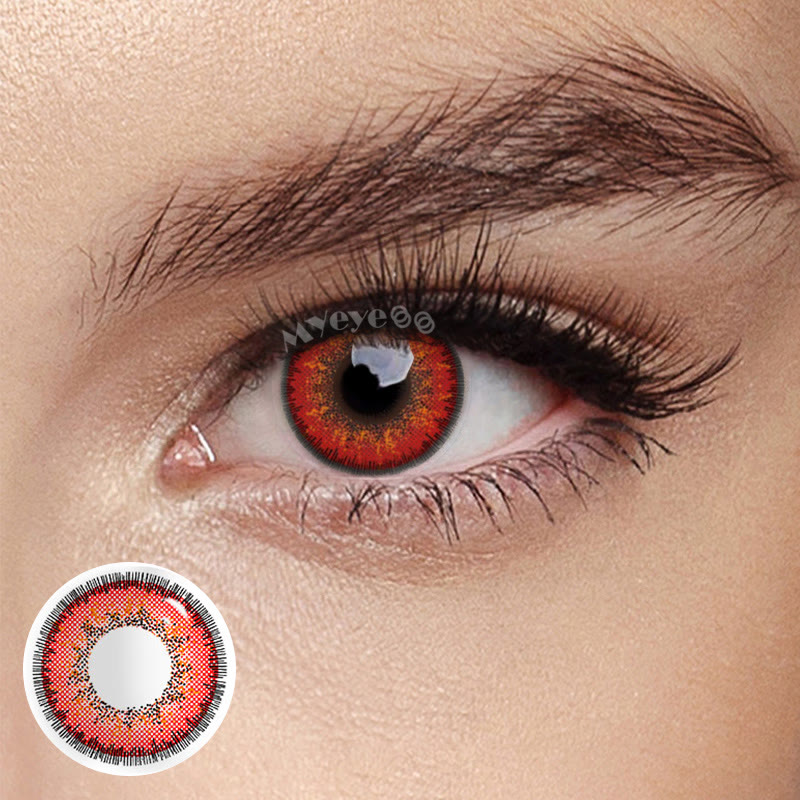
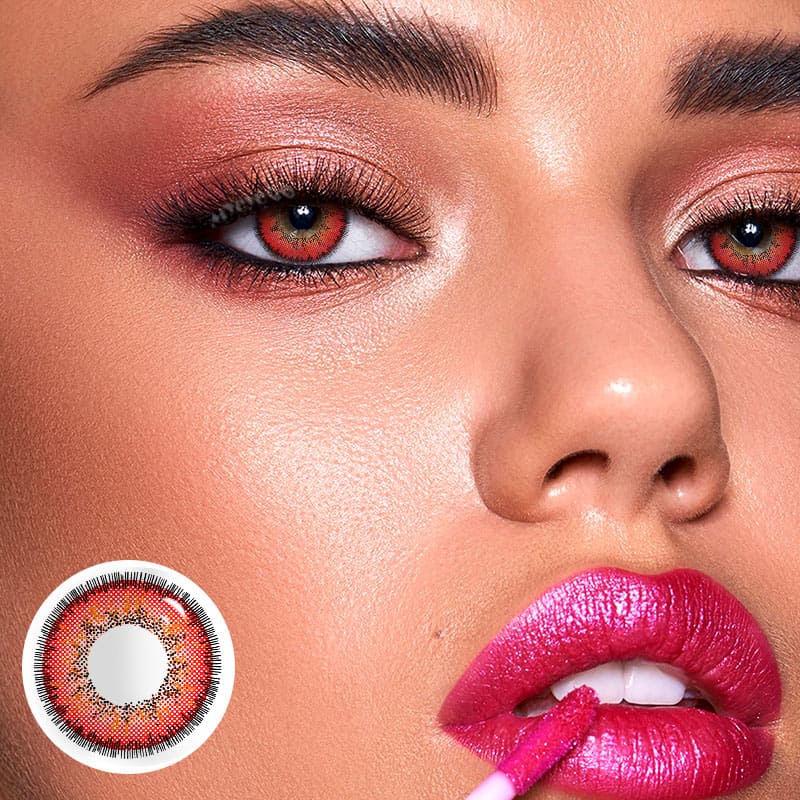
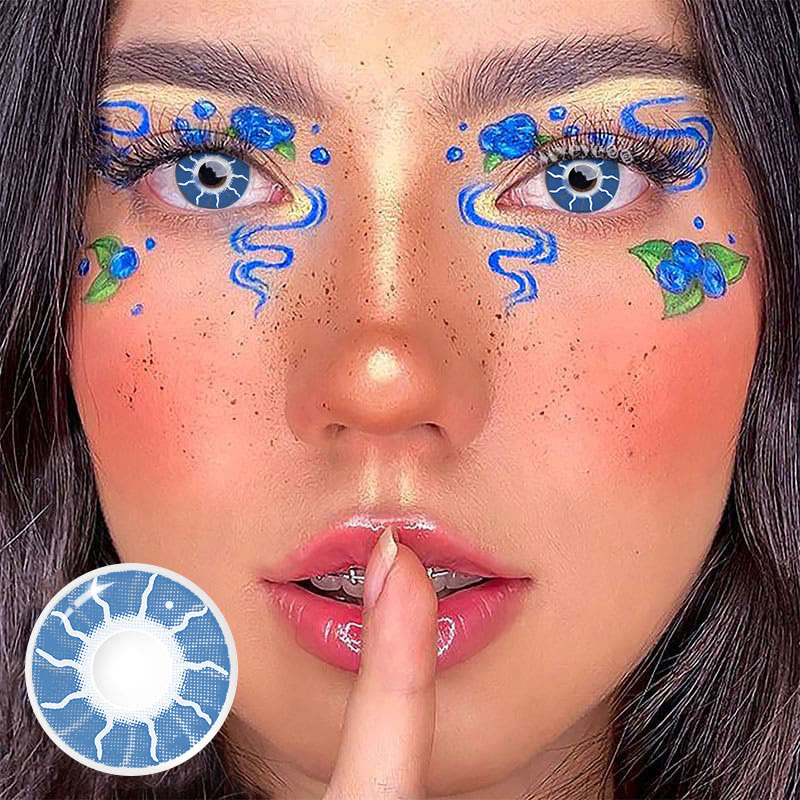
Modern accessories go beyond simple function with animal-themed cases and compact travel kits. In spite of that, quality should come before looks—cute designs must never put hygiene at risk.
What to look for in a quality lens case
The best cases use medical-grade plastic with antimicrobial coatings. You should replace your case every three months since studies show almost 30% contain harmful pathogens. On top of that, it helps that cases with UV protection can cut bacterial growth by up to 50%.
Pics of contact lens accessories on the eye: what's safe?
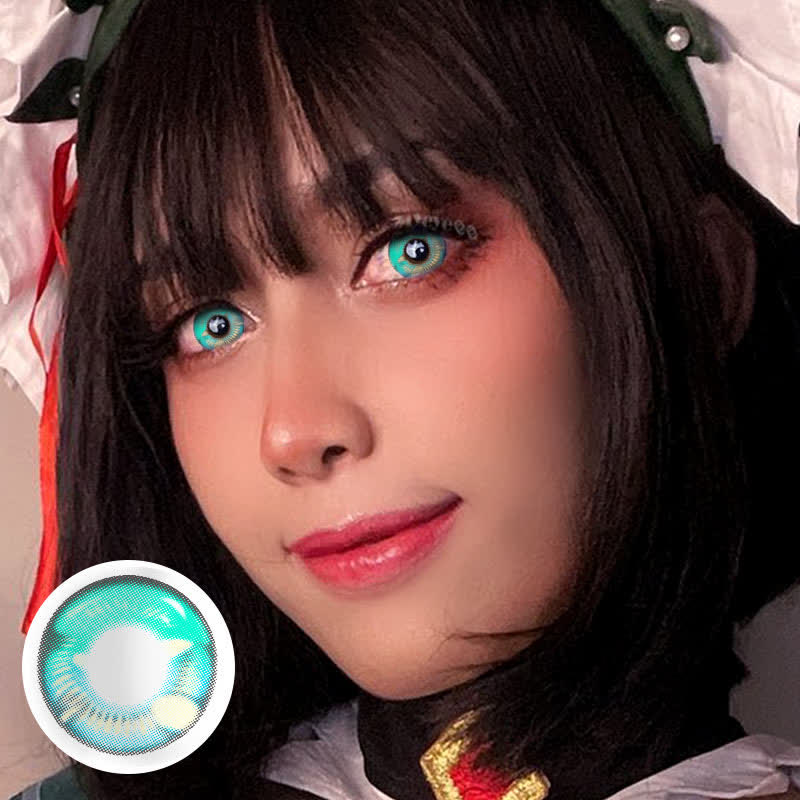
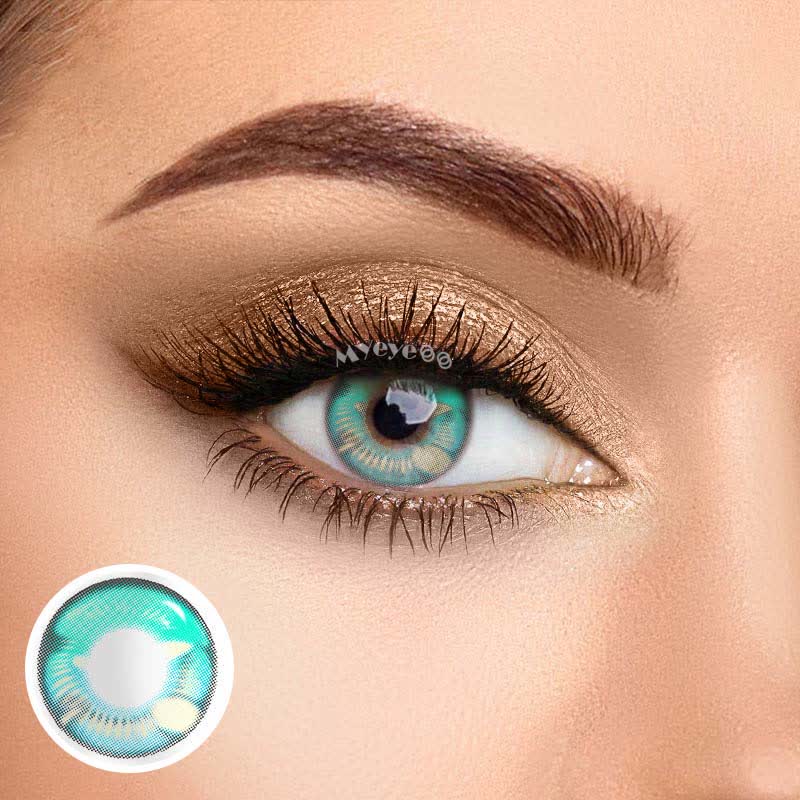
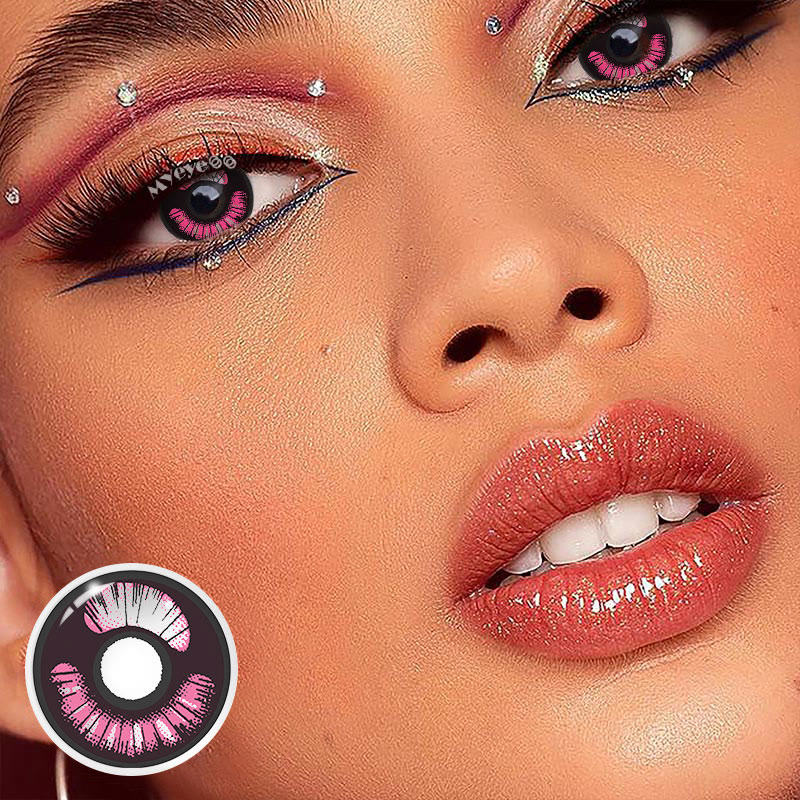
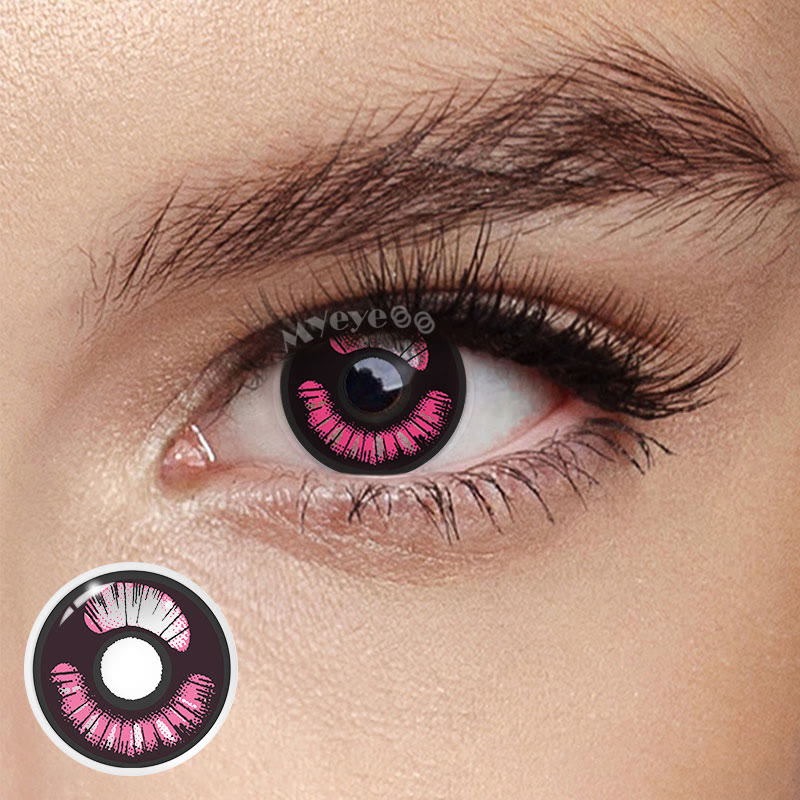
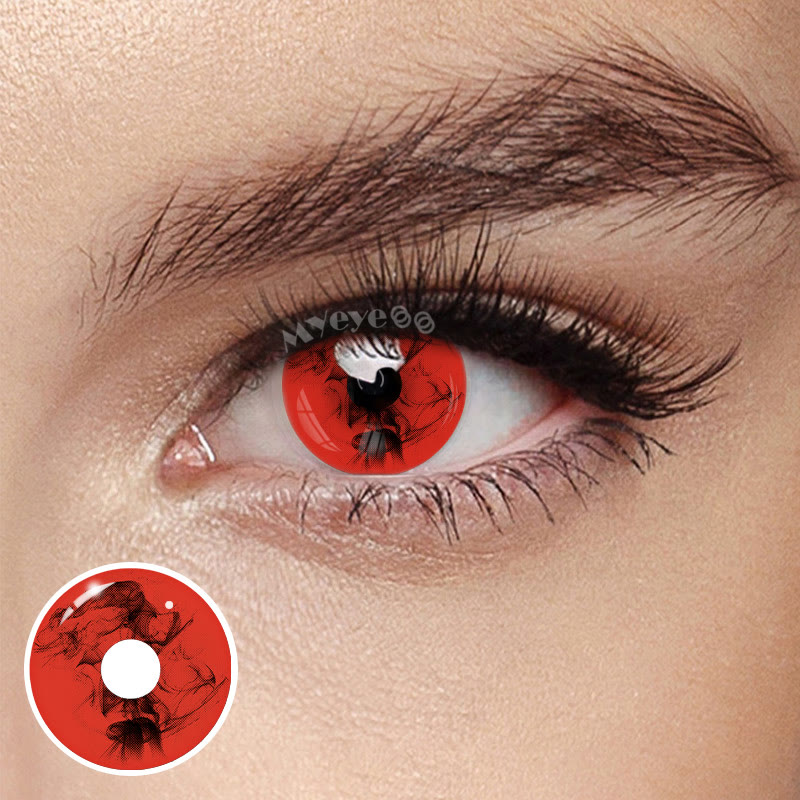
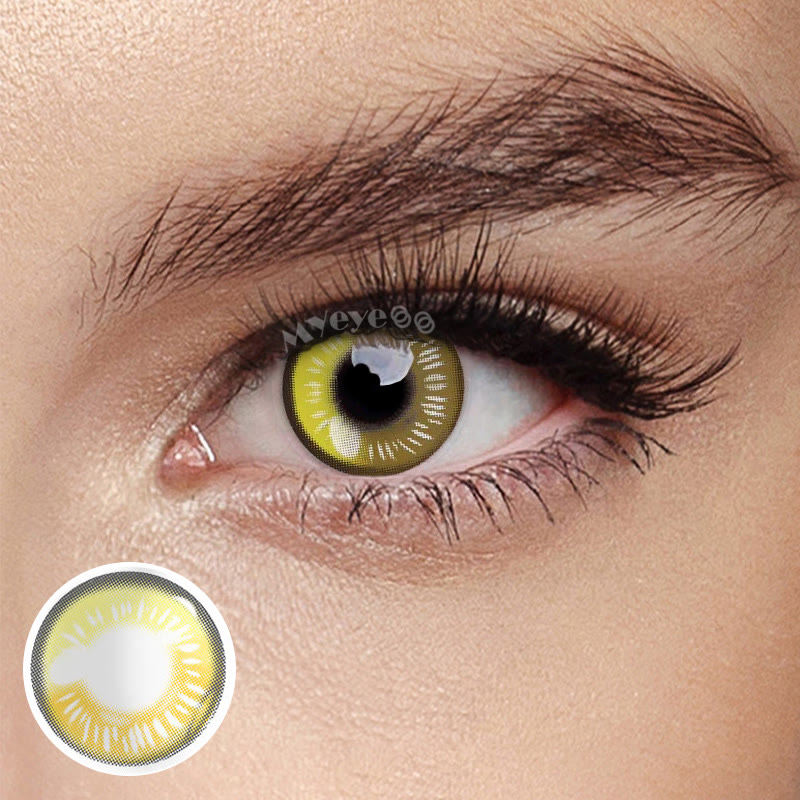
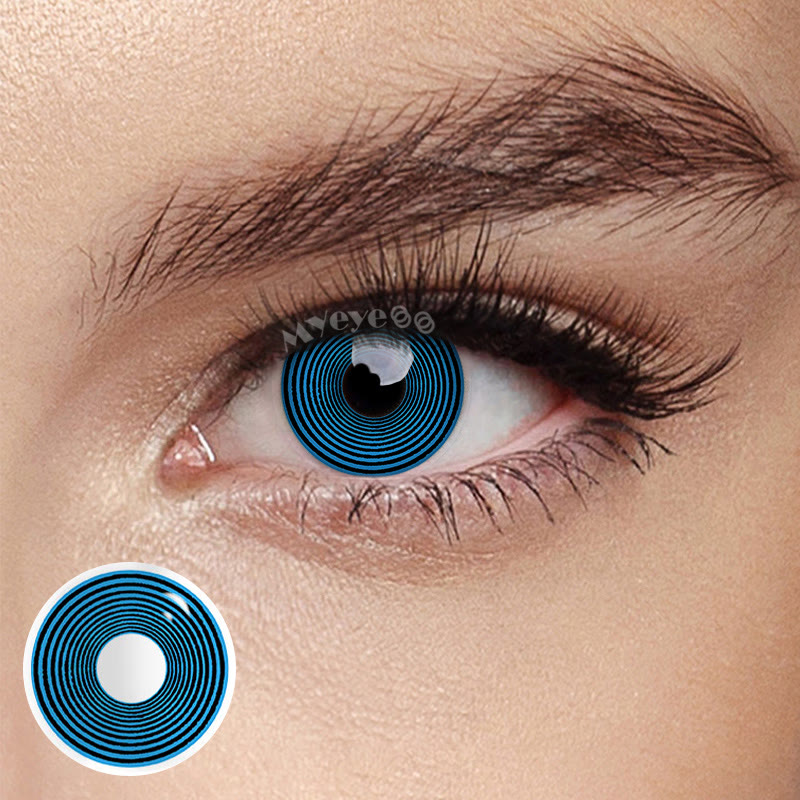
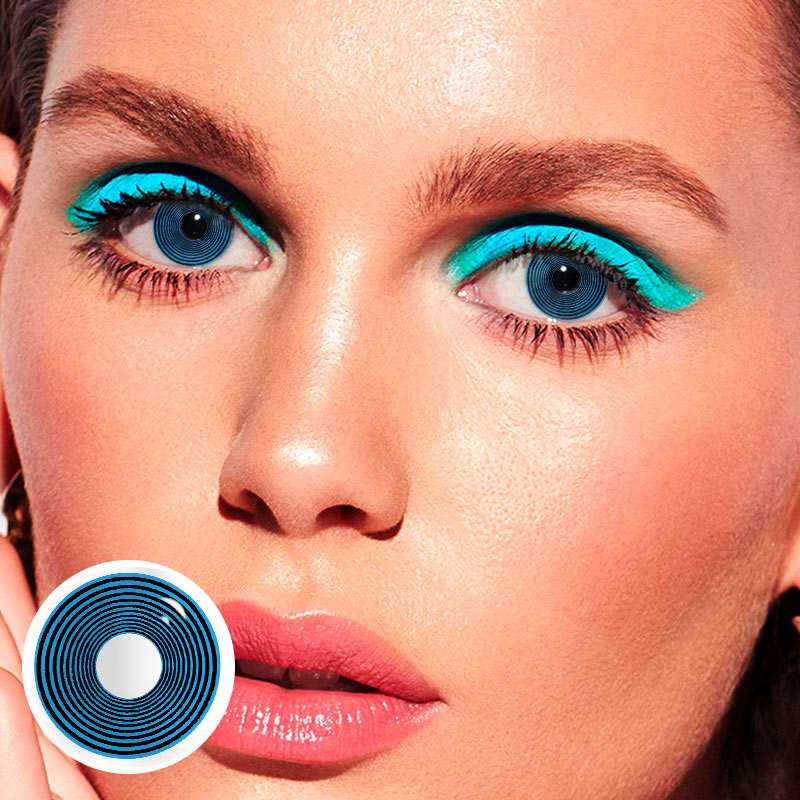
Decorative accessories near your eyes need extra care. Glittery eye shadows can flake off and irritate your eyes. False eyelash glue should stay far from your lenses because it can harm the material.
Tips to Maintain Eye Health with Accessories
Your contact lens accessories can affect your eye health. These essential practices will prevent infections and give you comfortable and safe lenses.
Replace lens cases every 3 months
Regular cleaning won't stop bacteria and biofilms from resisting disinfection in lens cases. Eye care professionals recommend a new case every three months. The plastic materials break down and develop tiny cracks where harmful microorganisms can hide. Some experts suggest you should get a new case with each solution bottle. You should replace your case right away if you see cracks, discoloration, or stubborn residue.
Avoid touching the tip of solution bottles
Your solution bottles need careful handling to stay clean. The bottle tip should never touch any surface - not your hands, lenses, or countertops. This will stop bacteria from getting into the bottle and ruining the solution. Remember to close the cap tightly after you use it.
Store accessories in a clean, dry place
The storage environment can substantially affect how clean your accessories stay. All contact lens items should be kept in a cool, dry spot away from direct sunlight. The bathroom, especially near toilets, is not a good place because airborne contaminants can land on cases and solution bottles.
Use only doctor-recommended products
Not every lens care product works with all lens types. You should stick to the solution system your eye care practitioner prescribes. Store-brand solutions might have older formulas that don't work well with newer silicone hydrogel materials. If you're unsure about which products match your lenses, your optometrist can help.
Conclusion
Your eye health depends on how you care for your contact lenses. This piece shows how simple mistakes can harm your eyes. Using tap water, sleeping with lenses, or reusing old solution leads to serious problems. You need to give your eyes better care than that.
Clean hands are essential before touching any contact lens accessories. The right solutions and cases made for your lens type reduce infection risks by a lot. Quality lens cases, multipurpose solutions, and hydrogen peroxide systems each play a vital role in keeping your lenses clean.
People who wear daily lenses have different needs than monthly lens users. Knowing what works best for you helps pick the right accessories that keep you comfortable and safe. When choosing contact lens accessories, quality matters more than looks, though many brands now give you both.
Something as simple as getting a new lens case every three months makes a big difference in stopping bacteria growth. Clean solution bottles stored the right way last longer and protect your eyes better.
Your vision's health depends on good contact lens care. Bad habits might not seem harmful now but can damage your vision permanently. A proper care routine with the right accessories keeps your eyes healthy and vision clear. These small but significant steps prevent serious issues later - definitely worth those extra minutes in your daily routine.