
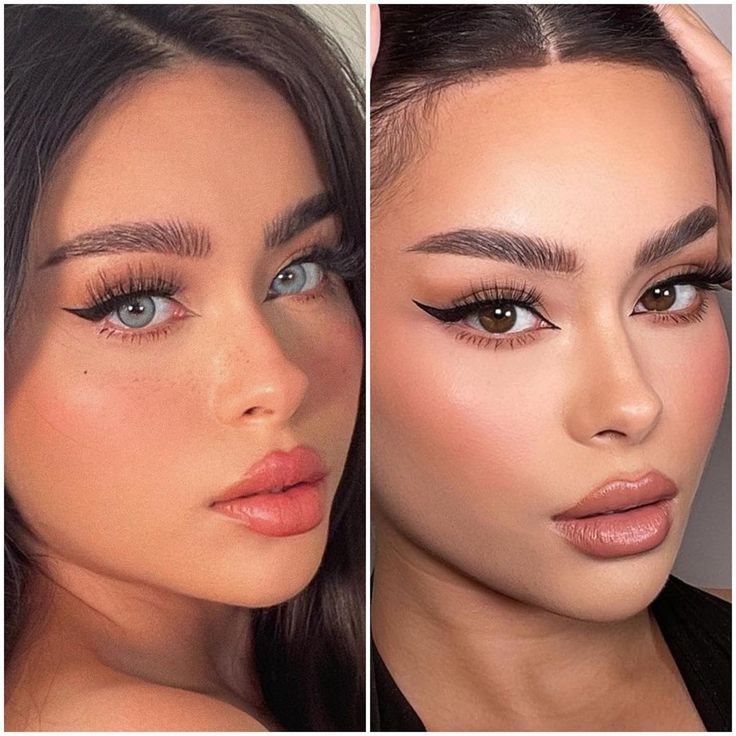
Want to see how colored contact lenses look before you try them on? More than half the world's population has brown eyes. That's why most colored contacts are made with dark irises in mind. The results can vary quite a bit depending on your natural eye color.
Green contacts can create stunning changes to your look based on the style you pick. Your hazel or light brown eyes might already have subtle green undertones. These contacts will make those natural tones pop and give you an amazing new look. Brown-eyed people who want to try green contacts should go for vivid green shades to get that eye-catching result. The best part? You can now test your new look virtually before buying the lenses.
This piece will tell you all you need to know about colored contacts. You'll learn about their effects on different eye colors and find the perfect shade for your style. Some people want a subtle change, others go for bold looks - we'll give you the real before and after pictures to help you choose what works best for you.
How colored contacts change your eye color
The science behind colored contacts explains their dramatic transformation potential. These lenses don't paint over your eye color - they use a smart visual overlay system instead.
Natural eye color and lens transparency
Colored contacts blend with your natural iris color rather than changing it completely. The lens patterns rest on your iris to create a visual overlay that works with your natural color. You'll see a mix of your original eye color working together with the lens design.
Your eye color acts as a base canvas while the contact lens filters over it. So green contacts can look completely different on brown eyes compared to blue eyes. The pupil area stays clear to let you see normally, though some people notice slight differences as they adjust.
Your contacts' transparency level determines how much natural eye color shows through. Enhancement tints work well with lighter eyes because they're see-through and just boost existing colors. In stark comparison to this, opaque tints mask your natural color with solid pigments - perfect for darker eyes that need stronger color impact.
Lighting and photography effects
Colored contacts look different under various light conditions - something to remember when looking at online before and after photos. The truest lens color shows up in natural daylight without distortion, while indoor lights can make colors less vibrant.
Photos add another layer of complexity. Dark eyes look better with high-contrast lenses that show clear color definition. Diffused flash or ring lights help show lens colors accurately by providing even lighting without harsh reflections. This helps explain why some contacts look amazing in professional photos but different in real life.
A subtle look in your mirror might become dramatic in photos, or the other way around. This mix of lighting, lens design, and photo techniques creates the striking differences in colored contacts' before and after images.
Pigmentation and coverage explained
Lens makers use three main coverage types to create different effects:
-
Full Color Coverage - These opaque lenses mask your natural eye color completely with dense pigments. They work great for dramatic changes, especially turning dark brown eyes into light green or blue.
-
Vibrant Color Coverage - These lenses offer good coverage and bright color while looking natural by mixing multiple tones. To cite an instance, green contacts combine several shades instead of using one solid color.
-
Enhancing Coverage - These lenses let your natural color peek through transparent areas to add subtle color flecks and depth. They don't cover your iris fully but add details that brighten your eye color subtly.
Manufacturers embed colored pigments in the lens material or use "Sandwich Technology" with tinted layers. This layering creates depth while keeping colors bright throughout the lens's life.
Your natural eye color's relationship with the lens design creates the final look. Dark eyes need more pigment to show noticeable changes, while light eyes transform even with slightly tinted lenses. This basic principle shows why colored contacts create such varied before and after results across different eye colors.
Before and after: Real transformations by eye color
The magic of colored contact lenses becomes clear when you look at specific eye color changes. Let's see how green contacts work with different natural eye colors to create unique looks.
Green contacts on brown eyes
Light brown eyes make a great base for green contact lenses. They naturally highlight existing green undertones in the iris. Green colored contacts made for brown eyes use bright pigmentation that creates a bold yet natural change. People with hazel or light brown eyes get the most natural results since the lenses boost their natural color rather than cover it up.
To cite an instance, see how makeup artist @makeupmadhouse shows green contacts that merge naturally with light brown eyes. The result looks authentic even up close. Jewel-toned green lenses work great with brown eyes because the dark base lets the color show up bright and clear.
Green contacts on blue eyes
Blue eyes need special attention when picking green contacts. The light natural base means many green contacts might just blend in with blue eyes, making the color change hard to spot. People with light blue eyes might find that bold options like Leaf Green and Jade Green give them more dramatic results.
The blue pigment can turn some green tones into more of a teal look. Getting true green eyes from blue ones needs lenses with strong color and full iris coverage. Without these features, the effect might not be as bold as you want.
Green contacts on green eyes
Green contacts on naturally green eyes usually aim to boost rather than change the color. Styles from "blends" and "enhancing" lines are perfect for eyes that are already green. These lenses work with your iris's natural tones instead of hiding them. The result is a subtle improvement.
The change shows more in how it deepens existing green shades or adds depth rather than creating a whole new color. Circle lenses, with color only around the iris's outer ring, can boost naturally green eyes without looking fake.
Green contacts on dark brown eyes
Dark brown eyes show the most dramatic changes with green contacts. These eyes need lenses with bright green tones and full coverage to show real results because of their deep color. The difference between deep brown and new green creates an eye-catching look.
Opaque green lenses with mixed patterns look the most natural on dark brown eyes. The key is a smooth blend between brown, green, and a darker limbal ring, which helps the color transition appear realistic rather than artificial. Shades like emerald green, pine green, or Caribbean green work especially well for this purpose — they brighten the iris while maintaining depth and dimension, giving your dark eyes a striking yet believable transformation.
Types of Green Colored Contact Lenses
Green contact lenses come in many variations, each creating a unique effect depending on your natural eye color and the intensity you want to achieve.
Enhancement Tint vs. Opaque Lenses
Enhancement-tinted lenses are semi-transparent and designed to accentuate light-colored eyes. They enhance the natural tone of your iris, making the color appear brighter, more vivid, and full of depth—without drastically changing your original shade. If you have blue, gray, or light green eyes, enhancement tints are ideal for achieving a subtle yet captivating look.
Opaque lenses, on the other hand, are fully pigmented and can completely transform your eye color. These lenses work for both light and dark eyes, making it possible to switch from deep brown to striking green. They’re the best choice for those seeking a bold, noticeable transformation, especially for dark eyes where high coverage is needed.
Circle Lenses vs. Full Iris Coverage
Circle lenses feature a colored area that slightly extends beyond the iris, creating the illusion of larger, more defined eyes. The dark limbal ring around the outer edge gives a doll-like or anime-inspired appearance, a look that’s especially popular in Asian beauty and cosplay trends.
Full iris coverage lenses color only the natural iris area without enlarging it. This design is perfect for a refined, natural enhancement—ideal for everyday wear. They provide clear vision while subtly shifting your eye color for a fresh, realistic effect.
Gemstone Green and Other Popular Styles
Within the green lens family, gemstone-inspired tones like emerald, jade, and olive green remain the most sought-after. These shades capture the vibrant depth and sparkle of real gemstones, making your eyes appear mystical, bright, and full of dimension.
-
Emerald green offers a vivid, jewel-like intensity perfect for bold looks.
-
Jade green delivers a softer, luminous tone that flatters both warm and cool complexions.
-
Olive green provides a subtle, earthy hue for a sophisticated, natural effect.
Whether you prefer a dramatic transformation or a delicate enhancement, green contact lenses offer a wide range of options to suit every style—from everyday elegance to fantasy-inspired cosplay.
How to choose the right green contacts for your look
Your unique features play a vital role in choosing the perfect green contacts. Three essential factors shape your final look and create the most flattering transformation.
Matching with your skin tone
Your skin's undertone determines which green contact shades will best complement your natural beauty. Honey-green, hazel-green, and olive lenses create a harmonious look that improves your natural warmth if you have warm and medium skin tones. Emerald and jade greens provide striking contrast that works well with cooler complexions without clashing with your skin's natural tones.
Medium to dark skin tones look stunning with green contacts because they create an eye-catching contrast. People with neutral undertones can wear most green shades since they complement their balanced complexion naturally.
Natural vs dramatic effect
Translucent green contacts blend with your natural iris and provide subtle changes that look authentic. These lenses work best for daily wear or professional environments where subtle changes matter more.
High-pigment opaque lenses deliver bold transformations that make your eyes stand out at special events. These contacts ensure the color shows up on both light and dark eyes, and they work especially well when you have darker eye colors.
Makeup tips to complement green lenses
Gold eyeshadows pair beautifully with green contacts and create a mesmerizing contrast that emphasizes the emerald tones. Deep purple smokey eyes make an excellent choice for evening looks. Purple and green sit opposite on the color wheel, which creates perfect harmony and makes both colors more vibrant.
Bronze, copper, or warm taupe eyeshadows improve your new eye color without overwhelming it. A touch of gold shimmer on your lids can highlight the green in your contacts and add subtle glamor at special events.
Note that red tones, including pinks and purples, create striking contrast with green and make your contact lenses appear more vivid and captivating.
What to expect: Comfort, clarity, and realism
Looking good isn't everything - you need to consider practical aspects before trying colored contact lenses.
Colored contact lens blurry issues
Your vision might get blurry with colored contacts for several reasons. Lenses that don't fit right can move around on your eye and cause temporary blur. On top of that, it gets worse when the colored part doesn't line up with your pupil, especially when it gets bigger in dark settings. This creates vision problems that you'll notice most at night.
Proteins build up on your lenses as time passes and create a film that makes everything less clear. Dry eyes can also make contacts stick incorrectly, which distorts your vision. You'll see better if you clean them properly with contact solution - never use water.
Do they look fake or natural?
The quality and design of your lenses determine how real they look. Premium brands use multiple layers of color that look just like real iris patterns. The most natural-looking lenses have detailed patterns that work well with your eye's natural color.
Light plays a big role in how natural your contacts appear. Daylight shows the truest colors, while indoor lights can make them look less vibrant. A perfect fit matters too - lenses that stay within your iris's edges look much more convincing.
Prescription vs non-prescription options
The FDA must approve your contacts since they're medical devices. Costume shop lenses without prescriptions are dangerous and can cause corneal ulcers. These ulcers might permanently damage your vision if left untreated.
Prescription colored contacts help you see better while changing your eye color. You'll find many choices, from subtle tints to complete color changes. Whatever you choose, you need yearly eye checkups to keep your eyes healthy.
Conclusion
Your unique features and desired outcome will help you pick the perfect colored contacts. Green contacts are versatile and work well with any eye color if you want subtle changes or dramatic results. People with dark brown eyes should go for opaque lenses with bright pigmentation. Those with lighter eyes can get striking results from tints that complement their natural color.
Your contacts should match your skin tone to create a natural look. Honey-green and olive shades work great with warm undertones. Emerald and jade options make cooler complexions stand out. The right makeup choices can lift your new eye color - gold and bronze shades make green eyes look captivating.
Your comfort and safety should be priorities when you start your contact lens experience. Reputable manufacturers' FDA-approved lenses give you peace of mind and clear vision. Regular care prevents protein buildup that causes blurry vision or discomfort.
The results can range from subtle to stunning based on your natural eye color, lens design, and lighting conditions. This knowledge about colored contacts helps you confidently choose green lenses that boost your natural beauty while staying comfortable. Your new eye color is ready - just note that the most flattering contacts will be ones that make you feel confident and true to yourself.