Best Contacts for Dry Eyes: Doctor-Approved Colored Lenses Guide
Aug 08,2025 | MYEYEBB
About 16 million Americans deal with dry eye syndrome. Women and older adults face this problem more often. Finding the best contacts for dry eyes can feel impossible, especially if you want colored lenses to look better.
Dry eye discomfort makes daily activities tough for contact wearers. Simple tasks like reading, driving, and screen time become challenging. The good news is that picking the right lenses changes everything. Today's best contact lenses work well with dry eyes because their materials keep moisture in and let eyes breathe. Most eye doctors say daily disposables work best for people with sensitive eyes. These lenses stay cleaner and collect fewer allergens and deposits.
This complete 2025 guide helps you find doctor-approved colored contacts that won't make dry eyes worse. You'll learn about oxygen-rich silicone hydrogel lenses and special hydrogel types that keep your eyes feeling good throughout the day.
Can You Wear Colored Contacts with Dry Eyes?
You might think dry eyes rule out colored contact lenses. That's not true. The CDC reports over 45 million Americans wear contact lenses, while about 49 million have dry eyes. These overlapping numbers show many people handle both conditions at once.
What eye doctors say about colored lenses and dry eyes
Eye care professionals agree that people with dry eyes can wear colored contacts, but they need to think about it carefully. "It's a misconception that those with dry eyes can't wear contact lenses. In reality, people with dry eyes simply need the right type of contact lenses, properly fitted to your eyes," note experts at Perspectives Vision Clinic.
Optometrists stress that proper fitting makes all the difference. Poorly fitted lenses can cause inflammation and irritation that make dry eye symptoms worse. It also matters that colored contacts are usually thicker than regular lenses, which might increase dryness. The thicker material could reduce oxygen flow and raise the risk of irritation and long-term damage.
Eye doctors suggest these steps to improve comfort:
- Starting with an eye exam and dry eye assessment to determine severity
- Choosing lenses made from materials that improve moisture retention
- Selecting brands designed specifically for dry eye relief
- Using preservative-free artificial tears before inserting lenses
"With the right care and handling, you can wear contact lenses with dry eyes without discomfort," confirms one specialist. Good hygiene and following recommended replacement schedules matter just as much as picking the right material.
When to avoid wearing contacts altogether
Contact lens technology has come far, but sometimes taking a break from lenses makes the most sense. Eye doctors want you to remove your contacts right away and see a professional if you notice:
- Redness, pain, or unusual discharge
- Blurred vision that doesn't improve
- Contacts sticking to the surface of your eyes
- Severe irritation or discomfort
Advanced dry eye cases can make contacts stick to the eye surface, which makes removal tricky and potentially harmful. If symptoms don't improve even with specially designed lenses and lubricating drops, you might need to switch to glasses for a while.
People with severe dry eye symptoms should limit their wearing time to avoid complications. Your optometrist might suggest treatments like Intense Pulsed Light (IPL), LipiFlow, or MiboFlow to address the mechanisms of dry eye before you start wearing contacts again.
Contact lenses need moisture to keep their shape and give clear vision. Eyes that are too dry can make contacts lose their shape, which leads to discomfort and vision problems.
Be open about your dry eye symptoms and interest in colored contacts during your eye exam. This helps your doctor suggest options that balance looks with comfort, making colored contacts work for most people with dry eyes.
Best Lens Materials for Dry Eye Relief
The right material in your colored contacts can make a big difference to curb dry eye symptoms. Most people don't think about lens material, yet it's crucial for comfortable and healthy eyes. Let's get into the science behind contact lens materials that work best for dry eye relief.
Silicone hydrogel: oxygen-rich and breathable
Silicone hydrogel has become the gold standard for contact lens wearers with dry eyes. These lenses came out in the late 1990s to solve comfort issues and give better oxygen flow to the cornea. Your eyes get about 5-6 times more oxygen with these lenses compared to traditional hydrogel ones.
Oxygen levels matter a lot. Poor oxygen flow leads to contact lens problems like corneal inflammation. Silicone hydrogel lenses are a big deal as it means that they go way beyond the minimum oxygen level of 24.1 × 10⁻⁹ Dk/L needed to prevent corneal swelling during daily wear.
The numbers tell the story - silicone hydrogel makes up 70% of the contact lens market. Eye doctors recommend these lenses because they:
- Stay comfortable for up to 12 hours with certain brands
- Cut down on redness and irritation at day's end
- Keep corneas healthy through better breathing
The silicone lets oxygen flow while special wetting agents keep moisture levels steady. This creates perfect conditions for dry eyes.
Hydrogel: soft and moisture-retaining
Traditional hydrogel lenses from the 1980s still work great for many people with dry eyes. These lenses have more water content than silicone hydrogel - sometimes over 55% - and feel extra soft.
These lenses work like your natural tear film. The gel-like, water-filled polymers feel soft and comfortable, which many users find less irritating. Millions of people worldwide have used hydrogel lenses for years with healthy eyes and few problems.
Hydrogel lenses work naturally with the human eye. Unlike silicone which repels water, hydrogel soaks up and keeps moisture all day long.
Phemfilcon A, Nelfilcon A, and Etafilcon A explained
Three hydrogel materials stand out for colored lenses that help with dry eyes:
Phemfilcon A: This material has about 55% water content, which helps keep moisture in. You'll find it in Freshlook Colorblends, where it balances comfort and looks perfectly.
Nelfilcon A: This material stays wet throughout wear time and has polyvinyl alcohol (PVA) for better moisturizing. Research shows it works better after 12 hours compared to other materials.
Etafilcon A: Used in 1-Day Acuvue Define, this material has 58% water content. It attracts lysozyme - a natural protective protein from tears - without damaging it. This makes Etafilcon A comfortable with low inflammation risk during daily wear.
Your best lens material choice depends on your dry eye condition, wearing habits, and priorities. An eye doctor can help you pick the material that gives you the right mix of comfort, clear vision, and the look you want for your colored contacts.
Best Colored Contacts for Dry Eyes: What Actually Feels Comfortable All Day
If you have dry or sensitive eyes, wearing colored contact lenses can be tricky. Many lenses look great but can leave your eyes feeling irritated or tired after just a few hours. The good news? Some lenses are made with advanced materials and moisture-retaining technology specifically for dry eyes — and still deliver stunning color.
Here’s how to find the right ones.
Monthly Lenses with Breathable Silicone Hydrogel
Some monthly lenses are made with high-tech silicone hydrogel materials that let more oxygen through to your eyes. This is key for keeping them from drying out, especially if you wear contacts all day.
Look for lenses that feature a special surface treatment that resists buildup and locks in moisture. Some use a smart “color sandwich” design, where the pigments are layered between two clear surfaces. That means the colored part never touches your eye — reducing irritation and giving a more natural look.
Many users report up to 16 hours of comfort, which makes these a solid choice for long workdays or cosplay events.
Hydrogels with High Water Content
If your eyes are especially sensitive, hydrogel lenses with over 50% water content can offer serious relief. These lenses stay moist throughout the day, holding onto water while still delivering rich color effects.
What makes them even better is how the color is built into the lens itself — not printed on the outside. This helps prevent irritation, especially for people with sensitive corneas. These lenses are also designed with smooth, tapered edges that reduce blinking discomfort and friction.
Daily Disposable Lenses for Allergy & Dry Eye Relief
For people who struggle with both dryness and seasonal allergies, daily lenses are often the best option. These lenses are made from lightweight materials with very high water content — sometimes as high as 69%.
Each day, you get a fresh, sterile lens that hasn’t collected dust, pollen, or protein buildup. Some also include moisturizing agents similar to artificial tears, which are gradually released as you wear them. That means your eyes stay hydrated all day — no eye drops needed.
Enhancing Lenses (Not Full Color Change)
Not everyone wants a bold color shift. Some lenses are designed to enhance your natural eye color rather than change it entirely — for example, by defining the darker edge of your iris (known as the limbal ring). These lenses use less pigment, which makes them thinner, more breathable, and often more comfortable.
Many also include built-in wetting agents that mimic your natural tear film. These are great if you spend a lot of time looking at screens, where blinking slows down and eyes get drier.
Final Tips: What to Look for in Colored Contacts for Dry Eyes
When choosing colored contacts for dry or sensitive eyes, focus on:
-
High water content (55% or more)
-
Breathable materials like silicone hydrogel
-
Moisture-locking technologies or built-in wetting agents
-
Pigments embedded inside the lens, not on the surface
-
Daily or monthly options, depending on how often you wear them
Choosing the right type of colored lenses means you don’t have to sacrifice comfort for style. Whether you wear them for daily beauty, cosplay, or special events, the right lens will keep your eyes looking vibrant and feeling fresh.
How to Choose the Best Contacts for Your Needs
Choosing the right colored contacts goes beyond picking a color you like. Your choice directly affects both eye health and comfort, especially if you have dry eyes.
Prescription vs. cosmetic lenses
You'll need a prescription even if you just want to change your eye color without vision correction. The FDA labels all contact lenses—including cosmetic ones—as medical devices that need proper fitting by an eye care professional. Using colored contacts without a prescription can damage your cornea, cause infections, and even lead to permanent vision loss.
People with perfect vision who want to improve their eye color can use "plano" colored contacts. These still need professional fitting since each person's eyes have unique measurements. Anyone telling you that one size fits all lenses work is wrong - they can seriously harm your eyes.
Daily vs. monthly: which is better for dry eyes?
Daily disposable lenses usually work better for people with dry eyes. You throw them away after each use, so there's no protein buildup that makes dry eye symptoms worse. Fresh lenses each day mean no irritating deposits on sensitive eyes.
Monthly lenses cost less in the long run. All the same, you just need to follow strict cleaning routines and use quality lens care products to keep your eyes healthy. If cost matters most, monthly lenses can still work for dry eyes if they have:
- Soft lenses instead of rigid gas permeable types
- Low water content that keeps eye moisture
- Silicone hydrogel materials that let plenty of oxygen through
Take time to think over your lifestyle and eye health needs before deciding. Daily lenses make sense if you're busy and want minimal care. Monthly lenses might suit you better if you don't mind following detailed cleaning steps.
What to ask your optometrist before buying
When you visit your eye doctor, ask if colored contacts would work for you. They might not be right for everyone based on eye health, prescription needs, or lifestyle.
Find out which replacement schedule (daily, bi-weekly, or monthly) suits your dry eye condition best. If you pick non-daily lenses, get clear instructions about cleaning and storage.
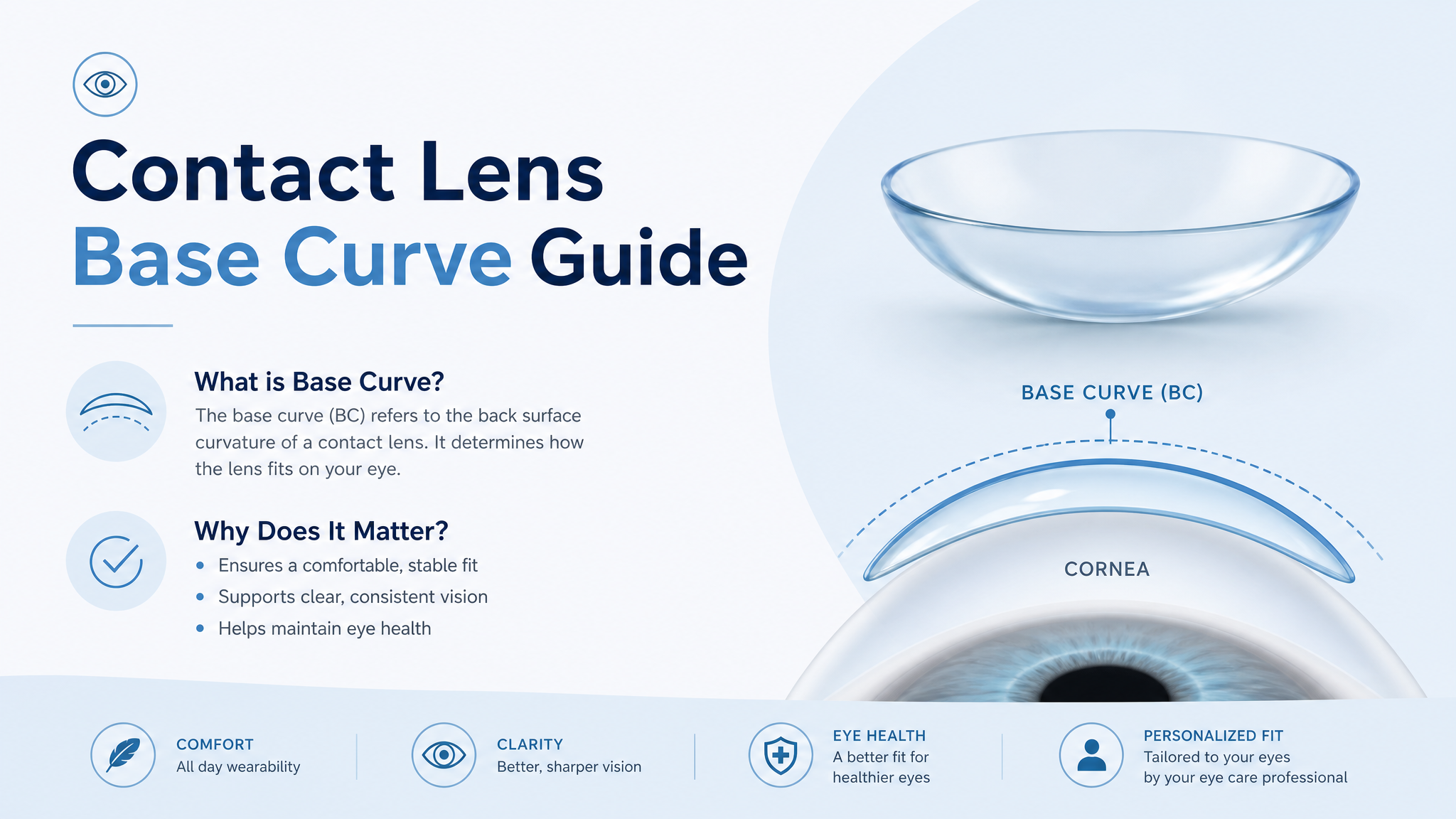
People with astigmatism should check if they need toric colored lenses. These can be made to match your exact base curve, prescription power, lens cylinder, and axis. Better comfort often comes from lenses that let more oxygen reach your eyes.
Make sure you know how long you can safely wear your lenses each day - even the most breathable ones might not work for all-day use with dry eyes. Also ask which rewetting drops work best with your colored contacts to help keep your eyes comfortable throughout the day.
Lifestyle Habits That Support Comfortable Lens Wear
Good habits and the right contacts for dry eye make wearing them much more comfortable. These practices help create healthier eyes beyond just picking the right lenses.
Blink training and screen time management
Your blink rate drops substantially when you use screens. It falls from 18.4 blinks per minute to just 3.6 blinks per minute. This decrease associates with reduced tear film break-up time and worse dry eye symptoms.
Here's a doctor-recommended blink exercise you can try: close your eyes normally for 2 seconds, close them again for 2 seconds, then squeeze your eyelids tightly for 2 seconds. Participants showed better tear film stability after 28 days.
The 20-20-20 rule offers another solution: look at something 20 feet away for 20 seconds every 20 minutes.
Using artificial tears safely with colored lenses
Take out your colored contacts before using eye drops. Only use rewetting drops labeled "safe for use with contact lenses". Regular drops require waiting time before putting lenses back in. Preservative-free options work best since preservatives can soak into lenses and irritate your eyes.
Cleaning routines and hygiene tips
Clean reusable colored lenses properly to prevent dry eye. Use only fresh contact solution your eye doctor recommends - never water. You should replace your cases at least every three months.
When to switch to glasses or scleral lenses
Your eyes might need a temporary break with glasses if dryness persists. Severe cases benefit from scleral lenses. These create a fluid reservoir between the lens and cornea that provides constant lubrication.
Conclusion
You don't have to give up colored contact lenses just because you have dry eyes. The right lens materials, proper care routines, and smart lifestyle changes make colored contacts a realistic option. Modern silicone hydrogel and specialized hydrogel materials provide unmatched comfort while giving you vibrant, natural-looking color.
Sensitive eyes usually do best with daily disposables. Some monthly options with advanced moisture technology can work great too.
Note that you'll need a proper prescription and professional fitting for any colored contacts, even if they're just for looks. Your optometrist can help you find lenses that work with your eye health and give you the look you want. Regular blinking during screen time, using compatible rewetting drops, and following strict hygiene rules will improve your wearing time by a lot.
Beautiful eyes shouldn't come at the cost of comfort. Today's contact lens technology gives you both options. The right colored contacts and care routine let you enjoy your new eye color while keeping dry eye symptoms under control. Book an eye exam, talk to your doctor about what you need, and see for yourself how colored contacts can fit into your daily life—even with dry eyes.
Comment