The Truth About Colored Contacts for Astigmatism: Expert Guide
Aug 29,2025 | MYEYEBB
Many people believe they can't wear colored contacts because of their astigmatism. This common eye condition changes how your cornea or lens bends light to the retina. Regular contact lenses don't work well with astigmatism because this condition needs special vision correction.
The good news is that toric colored contacts can help. These special lenses fix astigmatism by using two different prescription powers that keep light steady on the retina, which gives you clear, sharp vision. Toric colored contacts stay put all day and let you change your eye color. They work by correcting your vision along both horizontal and vertical eye axes. This ensures proper focus even with your cornea's unusual shape. Colored contacts for astigmatism use older materials, so you'll need to pick your lenses carefully.
This piece will tell you everything about colored contacts for astigmatism. You'll learn how toric lenses work and see the best options available in 2025. We'll help you pick the right colored prescription contacts for your astigmatism with confidence.
What is astigmatism and how does it affect your vision?
Have you ever noticed your vision getting blurry or distorted whatever the distance? About one in three Americans deal with astigmatism to some degree. This very common eye condition can really affect how you see the world.
Understanding the shape of the cornea
A normal eye's cornea (the clear front surface) and lens have a perfectly round shape—like a basketball. Light enters your eye and focuses exactly on the retina because of this even curvature, which creates clear vision.
Your cornea or lens develops an irregular shape with astigmatism. The shape becomes more elongated instead of being spherical—looking more like a football or an egg. Light can't focus on a single point on your retina because of this irregular curvature.
These two main types of astigmatism exist:
- Corneal astigmatism: Your cornea develops an irregular shape
- Lenticular astigmatism: Your lens develops an irregular curvature
Both types lead to the same basic issue: light bends unevenly as it enters your eye, which causes blurred or distorted vision at every distance.
Common symptoms of astigmatism
You should get proper correction by spotting astigmatism symptoms early. The irregular cornea or lens shape might cause you to experience:
- Blurry or distorted vision at every distance
- Your eyes feeling strained and uncomfortable
- Headaches because your eyes work hard to focus constantly
- You need to squint to see things clearly
- Problems seeing at night or driving after dark
These symptoms often get worse at night. Children might not realize their vision isn't normal, which makes regular eye exams vital.
Astigmatism usually shows up with other vision problems. You'll often find it among other refractive errors like nearsightedness (myopia) or farsightedness (hyperopia), making your vision needs more complex.
Why regular lenses don't always work
Understanding why standard lenses often fail helps people looking for colored contacts for astigmatism. Regular soft contact lenses stay uniformly thick and naturally change position on your eye. Normal corneas handle this movement fine, but it creates big challenges for astigmatism correction.
Standard contact lenses can't make up for your cornea's irregular shape that defines astigmatism. They don't give the different corrective powers your eye's various meridians need.
Mild astigmatism cases (between 0 and 1.00) might work okay with regular spherical lenses. However, moderate to severe astigmatism needs special solutions:
- Toric colored contacts: These lenses are designed specially to correct astigmatism through different thickness across the lens surface
- Rigid gas-permeable (RGP) lenses: These keep their shape on the cornea, so your eye adapts to the lens instead of the opposite
Toric colored contacts are a great way to get both vision correction and eye color changes if you have astigmatism.
What are toric colored contacts and how do they work?
Standard spherical lenses differ from toric colored contacts. These contacts have a design that helps people with astigmatism see better. You can change your eye color and get clear vision with these specialized lenses.
Toric lens design explained
A torus, which looks like a donut shape, gives toric lenses their name. Picture slicing the side of a donut - that's what a toric lens looks like. The lens has different focusing powers along vertical and horizontal orientations. This helps correct the varying refractive errors in your astigmatic eye.
We designed these lenses with two different curves that run perpendicular to each other. One curve has a shallow arc while the other has a steep arc. These match the different meridians that need correction in your eye. Your retina gets properly focused light because this design makes up for your irregular corneal shape that causes astigmatism.
Regular contact lenses have a spherical surface - like slicing the side of a beach ball. Toric lenses are different. Their surface geometry changes power as you move around the lens. Each part of your cornea gets exactly the correction it needs thanks to this gradual change in refractive strength.
How they stay in place
Toric colored contacts must stay oriented correctly on your eye to work. Lens makers have created several clever ways to keep them stable:
-
Prism ballast - The bottom section is thicker, which weighs the lens down for correct orientation. Your eyelids squeeze this thicker part toward the bottom, much like squeezing a watermelon seed.
-
Dynamic stabilization - The top and bottom of these lenses have thin zones. Your eyelids squeeze these areas to lock the lens in place. People often call these "double thin zone" or "double slab-off" designs.
-
Accelerated Stabilization Design - Modern lenses use special designs that work with your blinks to quickly line up the lens.
A well-fitted toric lens stays stable when you blink. It moves less than 5°, which gives you clear vision all day long.
Prescription elements: SPH, CYL, AXIS
Your toric colored contact prescription needs three key parts. This makes them more complex than regular contacts:
SPH (Sphere) - This shows how much power the lens needs to fix nearsightedness (negative number) or farsightedness (positive number). It's the lens's main corrective power.
CYL (Cylinder) - This number shows the extra power needed to correct astigmatism. It measures the difference between your eye's weakest and strongest powers, showing how much astigmatism you have.
AXIS - This vital measurement uses degrees from 0 to 180 to show where your astigmatism sits. Think of your cornea as a football shape - AXIS shows how that football tilts. Your toric lens must match this angle for clear vision.
Each prescription matches your unique vision needs. Astigmatism varies among people, so these three elements make sure your toric colored contacts work perfectly while giving you the eye color you want.
Can you wear colored contacts with astigmatism?
The good news is yes, you can absolutely wear colored contacts with astigmatism. You don't need to let your vision correction stop you from changing your eye color. Finding the right lenses might take a different path based on your prescription and needs.
Who qualifies for toric colored lenses
Anyone with astigmatism can get colored contacts after an eye doctor's examination. These lenses are medical devices that need proper fitting and prescription—even if you just want them to change your eye color.
Toric colored contacts work for people who have irregularly shaped corneas. Regular spherical contacts won't give you clear vision because of this irregular shape. Your eye doctor will get a full picture of your eyes to see if these contacts suit you. They'll look at:
- Your astigmatism's severity
- Your eye health overall
- Your lifestyle and how you'll wear them
- Any eye conditions or allergies you've had
Prescription thresholds and limitations
Your prescription's cylinder number (CYL) tells you what lens options you can use. This number shows how much astigmatism correction you need:
- Mild astigmatism (cylinder less than +/- 0.75): You'll find more colored contact options, and standard lenses might work
- Moderate to severe astigmatism (cylinder greater than +/- 0.75): You'll have fewer choices and need special toric lenses
You won't find as many colored toric lenses as clear ones. Most big brands don't make toric colored contacts, which limits your options. These special lenses also cost more—sometimes twice as much as clear contacts.
When standard colored lenses might work
You might find that regular colored contacts work if your astigmatism isn't severe. Your eye doctor could decide that standard soft colored lenses give you good enough vision even with mild astigmatism.
Talk to your optometrist before buying any contacts to see if standard colored ones might work with your prescription. They can fit you properly and write a prescription for non-toric colored lenses if they'll work for you.
Best Colored Contacts for Astigmatism in 2025: Comfort, Style & Clear Vision
People with astigmatism used to have very limited options when it came to colored contact lenses. Thankfully, 2025 is a different story. Today, toric colored lenses combine sharp vision correction with natural or vibrant eye color changes, making them perfect for both everyday wear and cosplay transformations.
In this guide, we’ll explore the top types of colored contacts for astigmatism—evaluated by comfort, stability, moisture retention, and color effect.
1. Daily Comfort Toric Lenses with Color Options
These lenses use a stabilization system that keeps the lens securely in place, even when you blink or move your eyes quickly. This design ensures consistent clarity throughout the day. A moisture-rich surface prevents dryness, making them ideal for long hours of wear. If you’re new to toric colored lenses, daily comfort lenses are a reliable starting point.
2. Monthly Breathable Toric Lenses
Made from advanced silicone hydrogel, these monthly lenses allow more oxygen to reach your eyes. They’re a great option for people with dry or sensitive eyes, since they lock in hydration while providing stable correction for astigmatism. Although they’re usually clear by default, custom coloring services in 2025 now make it possible to order them in shades like hazel, grey, or green.
3. Affordable Monthly Toric Color Lenses
For budget-conscious wearers, these monthly lenses offer both astigmatism correction and natural-looking color enhancements. Their toric design ensures that the lenses don’t rotate on the eye, giving you sharp, stable vision. A wide range of natural colors, from soft browns to icy greys, makes them a solid everyday option without breaking the bank.
4. Yearly Natural-Style Color Lenses
Yearly lenses tend to offer more complex and artistic color designs. Some feature subtle petal-like patterns or defined limbal rings that add depth to your eyes without looking artificial. Available in popular shades like grey, green, blue, and brown, these lenses are often customizable to your exact prescription. They do take longer to produce, but the results are both natural and unique.
5. Cosplay & Fantasy Toric Lenses
For cosplayers and anyone who loves dramatic transformations, fantasy toric lenses are the perfect choice. Designed with bold pigments and full eye coverage, they work even on dark eyes. Available in vibrant shades like violet, aqua, or striking grey, they’re ideal for photo shoots, conventions, or theatrical performances. Despite their dramatic look, they’re crafted with astigmatism correction in mind, so you don’t have to compromise vision for style.
What to consider before buying colored toric lenses
Picking the right colored contacts for astigmatism needs more than just choosing an appealing color. You need to evaluate several factors to protect your vision and eye health.
Fit and comfort
A proper fit plays a vital role for toric colored contacts since they must stay oriented correctly on your eye. The lens material substantially affects comfort. Silicone hydrogel lets more oxygen reach your cornea and keeps your eyes healthier throughout the day. Thinner lenses usually feel more comfortable, especially when you have just started wearing contacts. Your eye doctor's consultation ensures proper fitting because poorly fitted toric lenses can rotate incorrectly and compromise your vision correction.
Color options and opacity
You should think about whether enhancer lenses that add subtle tint to your natural eye color or opaque lenses that completely cover your natural color better match your goals. Note that the colored portion might slide slightly over your pupil when you blink, which creates an unnatural look, especially when you have opaque options. Your pupil size makes a difference too. Pupils may expand beyond the clear central portion of colored toric lenses in dim lighting and affect your vision.
Daily vs monthly wear
Daily disposables give you better hygiene and convenience. You can simply discard them after one use without cleaning. Monthly lenses cost less but need careful maintenance. Daily contacts typically range between $43-$100 monthly while monthlies cost $20-$65. Your lifestyle should guide this choice. Active people might prefer dailies, while those who don't mind cleaning routines may choose monthlies.
Custom vs off-the-shelf lenses
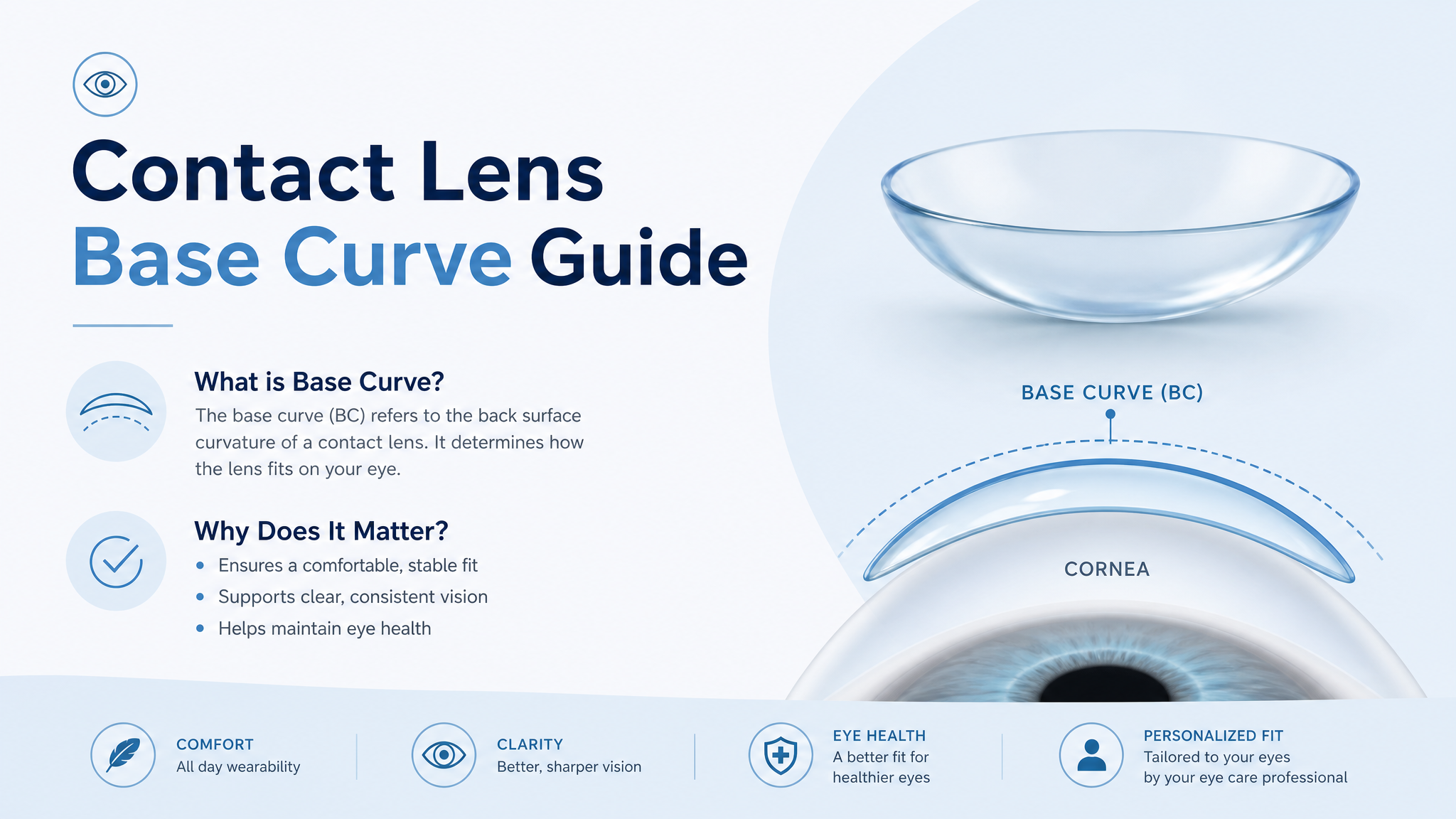
Off-the-shelf toric lenses work for most standard prescriptions but come with limited base curve and diameter options. Custom lenses offer benefits through precise specifications if your astigmatism corrections exceed -2.25 diopters. These include exact sphere power, cylinder power (in 0.10 diopter increments), and axis (in 1-degree increments). Custom options work better if you have higher astigmatism values and provide optimal vision correction instead of compromised results.
Conclusion
Your astigmatism shouldn't stop you from getting the vision correction and look you want. Finding colored contacts that work with your eye shape can be tricky, but solutions exist for almost every prescription. Lens makers now produce special toric colored contacts that give you clear vision and boost your eye color.
You now know how your eye's irregular shape affects vision when you have astigmatism. Regular contacts don't deal very well with these unique contours. Toric colored contacts solve this by using different powers in vertical and horizontal directions that match your eye's needs perfectly.
The right contacts for you depend on how severe your astigmatism is. People with mild cases might do fine with standard colored lenses. Moderate to severe astigmatism needs special toric designs. These lenses stay in place when you blink and move your eyes thanks to stabilization methods like prism ballast, dynamic stabilization, or Accelerated Stabilization Design.
The perfect colored contacts for astigmatism should balance your vision needs with the look you want while keeping your eyes healthy. You'll need to think about fit, comfort, color choices, and how long you'll wear them. Some people might need custom lenses if their prescription goes beyond standard ranges, especially with higher cylinder values.
Contact lens technology keeps improving and creating new possibilities for correcting astigmatism. Daily disposables offer convenience while monthly lenses help save money. The right toric colored contacts let you see clearly and change your eye color beautifully. Talk to your eye doctor, get the right prescription, and you can wear colored contacts with confidence despite having astigmatism.
Comment