The Truth About Wearing Colored Contacts With Light Eyes - What to Know
Aug 15,2025 | MYEYEBB
The right colored contact lenses can make a huge difference to your look, whether you want subtle changes or a complete transformation. You'll find many options available, from Myeyebb to specialized enhancers made for blue, green, or hazel eyes. Quality lenses feel comfortable enough to wear all day while creating a natural look. This piece will help you understand how colored contacts work with light eyes, show you the best options for your eye color, and explain everything about comfort, safety, and starting with your first pair.
Understanding How Colored Contacts Work
Light-colored eyes have unique qualities that make them work differently with colored contact lenses. You'll make better choices about lenses that match your eye color when you know these differences.
What makes light eyes unique
Light eyes have nowhere near as much melanin in their irises as darker eyes. Blue eyes aren't actually blue because they lack the pigment that makes eyes brown. They appear blue just like the sky does - it's all about how light bounces through the iris.
Light eyes react more strongly to colored contacts because they have less melanin. People who have lighter eyes tend to be more sensitive to UV radiation and might face higher risks of certain eye conditions. That's why picking the right lenses matters even more.
Light eyes give you a clearer "canvas" to work with. Even subtle tints can change your eye color noticeably since there's less natural pigment to work against. But you'll need to think over how different lens types mix with your natural eye color.
How do colored eye contacts work
Colored contact lenses change your eye color by putting a tinted layer over your natural iris. These special lenses have a clear center so you can see perfectly. The colored part blends with your natural eye color to create a realistic look.
Two main coloring methods make these lenses work:
- Pigmentation - This puts colored pigments right into the lens material for dramatic color changes
- Tinting - This adds a colored tint to the lens surface for subtle changes while letting some natural color show through
The lens design keeps the center clear for vision while the colored outer ring creates the look you want. Your natural iris color, lens tint opacity, and lighting all play a role in the final appearance.
Enhancement vs opaque lenses
Light eyes give you lots of flexibility with lens options. Enhancement tints and opaque lenses create very different effects.
Enhancement tints use see-through color to boost your natural eye color. These lenses make your existing color more intense and add depth without looking fake. Blue eyes can become more vibrant or change slightly toward green or gray.
Opaque tints work differently - they cover your natural iris color completely. These fully colored lenses can change your eye color dramatically no matter what your original color is. They're great when you want to make a bold statement or totally change your look for special events.
The main difference comes down to coverage - enhancement lenses let your natural color peek through, while opaque lenses hide it completely. So your choice depends on whether you want to subtly boost your natural light eyes or totally transform them.
The good news? If you have light eyes, almost any colored contact lens will work well for you. Your natural light iris creates the perfect base for both subtle and dramatic color changes.
Types of Colored Contacts for Light Eyes
Light-colored eyes create an excellent canvas for colored contacts. You'll find options that go beyond simple tints, letting you make both subtle changes and dramatic transformations.
Enhancement tints for subtle changes
Enhancement tint lenses use a translucent, subtle color that works with your natural eye color instead of covering it up. These lenses can boost your existing colors or create slight changes—they can turn blue eyes into stunning periwinkle or add depth to gray irises.
These enhancement tints work great with light eyes because they're so flexible. Blue eyes can become gray, shift toward green, or just look more vibrant. Gray eyes benefit from this flexibility too. Green eyes can use them well depending on how bright their natural shade is.
1-Day Acuvue Define lenses stand out among popular options. They add brightness and sparkle by defining the limbal ring and creating more depth. Dailies Colors and Air Optix Colors are great choices too, with rich hues like blue, green, hazel, and gray that complement light eyes naturally.
Blended designs for natural effects
Blended colored contacts look remarkably natural. They use pixelated patterns that match the actual pigmentation in human irises. These sophisticated designs let your natural eye color peek through, creating a harmonious blend rather than completely changing your color.
These lenses use strategic pigmentation through pixelated patterns or by focusing color on the outer ring. Manufacturers call this a "blended effect" where you can see both your natural eye color and the lens tint at once.
The best blended designs have:
- Soft tones that look natural
- Multi-tone patterns radiating from the pupil
- Gradual gradient effects that blend smoothly
Opaque lenses for full color change
Opaque colored contacts sit at the opposite end from enhancement tints. A pigmented layer covers your natural iris color completely, whatever your original eye color might be.
These lenses give you the power to make dramatic changes. People with light eyes can try honey, hazel, or brown shades that enhancement tints can't create. They work particularly well if you have bright green eyes that enhancement lenses struggle to cover, or if you want to try a vibrant violet look.
The design uses a smaller optical zone with dense pigmentation to cover the natural iris completely. Opaque lenses give you more color and style choices than enhancement tints, making them perfect for bold changes to your look.
Circle lenses and limbal rings
Circle lenses have become popular because they can change eye color and make eyes look bigger. The wide black ring (limbal ring) on the outside creates contrast and highlights the iris.
The limbal ring makes a big difference in how natural your colored contacts appear. You can choose from four main types:
- No limbal ring contacts - Looking most natural
- Slight limbal ring contacts - Adding subtle contrast
- Strong limbal ring contacts - Creating more dramatic eyes
- Contrasting limbal ring lenses - Adding mystery with different outer rings
Solotica Natural Colors come with a slight limbal ring around the outer edge, while their Hidrocor collection skips the limbal ring entirely. The graphic diameter determines your eye's apparent size—larger diameter covers more iris and creates more drama.
All these options make finding the right colored contacts simple. Just think about the effect you want and pick the lens technology that matches your goals.
How to Choose the Right Colored Contacts for Your Eye Color
Choosing the right colored contacts means finding a lens that complements your natural eye color while giving you a look that feels flattering and comfortable. A thoughtful approach ensures both style and safety.
Best Colored Lenses for Blue Eyes
Blue eyes are a versatile base for colored lenses, providing a wide range of possibilities. Green shades create a striking yet natural contrast that makes blue eyes pop. Light blue eyes pair beautifully with jade or olive tones for a subtle but noticeable effect.
Gray-colored lenses add sophistication and make blue eyes appear brighter and more intense. Brown lenses can completely transform cool blue eyes into warm, expressive shades, offering a dramatic change in appearance.
Best Lenses for Green and Hazel Eyes
Enhancement tints work especially well with green eyes, intensifying their natural vibrancy. Depending on your preference, you can choose lenses that either subtly enhance your green hue or completely change it with opaque colors.
Honey and amber tones complement hazel eyes, enhancing their warm undertones. Hazel eyes with natural green flecks pair beautifully with lenses that incorporate subtle green patterns, creating depth and a dynamic, multi-dimensional look. Multi-tonal designs often produce the most natural results, as they blend seamlessly with your existing eye color.
Matching Lens Color to Skin Tone
Your skin's undertone can dramatically influence how colored contacts appear:
-
Jewelry test: Silver jewelry tends to suit cool undertones, while gold complements warm undertones.
-
Vein color: Blue or purple veins indicate cool undertones; green veins suggest warm undertones.
-
Sun reaction: Those who burn easily usually have cool undertones.
Warm undertones pair well with honey, amber, or brown lenses, while blue, gray, violet, and cool green shades suit cool undertones. Neutral undertones allow experimentation with almost any color.
Avoiding Color Washout in Hazel Eyes
Hazel eyes can be tricky due to their multi-toned nature. Strongly pigmented lenses with full coverage prevent washed-out results. Multi-tonal or enhancement designs work best, as they intensify the natural eye color rather than completely masking it. Remember that lighting conditions can change the appearance of colored lenses, so test them in various environments when possible.
Comfort, Safety, and Proper Fit
Your comfort and eye health are essential. Choosing the right materials and ensuring a proper fit will protect your eyes while giving you an attractive look.
Oxygen Flow and Lens Material
Lenses for light eyes should provide sufficient oxygen to the cornea. Silicone hydrogel lenses with high water content help maintain moisture and reduce irritation during extended wear. Proper oxygen flow keeps eyes healthy and comfortable.
Base Curve and Fit
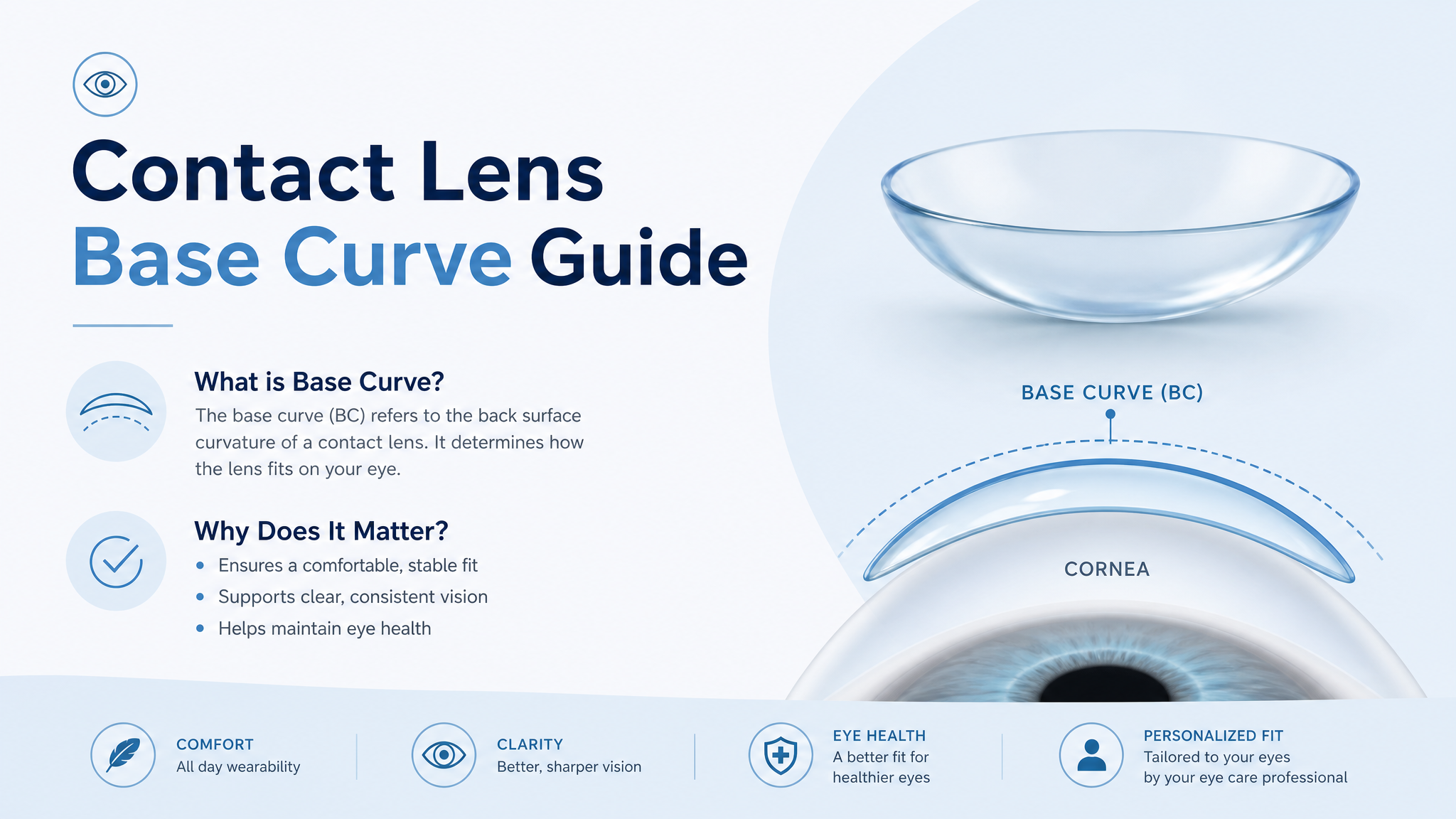
The base curve (BC) of a lens indicates how it curves to match the surface of your eye. A well-fitted lens spreads weight evenly across the cornea, preventing sore spots and discomfort. A professional fitting ensures the best combination of comfort, safety, and vision.
Prescription vs. Non-Prescription
Colored contacts are considered medical devices in most regions, even if they don’t correct vision. Using lenses without a proper prescription can cause serious eye problems. Always obtain lenses through authorized channels to ensure safety.
Certifications to Look For
High-quality colored lenses should meet international safety standards:
-
FDA or equivalent regulatory approval
-
CE marking for European compliance
-
International health registrations
These certifications ensure the lenses are made with safe materials, sterilized properly, and meet strict manufacturing standards. Choosing certified lenses protects your eye health while allowing you to enjoy the perfect color transformation.
Tips for First-Time Wearers
You need proper preparation to start using colored contacts, especially if you have light eyes. These practical tips will give a comfortable and healthy experience while helping you get your desired look.
Check before/after photos
Look through before/after galleries to set realistic expectations. These images show how colored lenses work with light eyes under different lighting conditions. Real photos from actual users show the most accurate picture of what to expect. This research helps you pick lenses that enhance your natural eye color without looking fake.
Start with daily lenses
Daily disposable colored contacts give great advantages to newcomers. These single-use lenses provide a clean pair each day without the need for cleaning or overnight storage. This reduces infection risks and makes everything simpler. Daily wear lets your eyes adjust to contact lenses step by step and you can easily stop if they don't work for you.
How much is colored eye contacts
Colored contacts prices change based on replacement schedule and brand quality. Daily disposables cost $45-$90 per month on average. Extended wear options lasting one week to three months range from $12-$90. Colored contacts that last up to a year typically cost between $55-$200. Note that professional eye exams and fittings might add $25-$149 depending on your insurance coverage.
Lens care and hygiene basics
Proper hygiene is vital even with colored lenses. Clean your hands with soap before touching contacts. Never let water touch your lenses - use only approved contact solution. You should never share lenses with others, sleep with them on, or keep using them if you notice redness, irritation or pain.
Conclusion
Light eyes are a great way to get versatility with colored contacts. Natural blue, green, or hazel eyes create the perfect canvas to make subtle or dramatic changes. You need to know your options to get the look you want.
We picked colored contacts based on what you're trying to achieve. Enhancement tints make subtle changes look natural, while opaque lenses create bold new looks. Your comfort and eye health depend on the right base curve, Dk value, and proper fit among other esthetic features.
Your vision's safety should be the priority when you start using colored contacts. So, you should only buy FDA-approved or CE-certified lenses from authorized sellers to protect your eyes while expressing yourself. Daily disposables make a great starting choice for newcomers since they need less maintenance and stay more hygienic.
Light eyes work differently with colored contacts compared to darker ones. This gives you an advantage to try almost any color – from making your natural shade more intense to creating a whole new look. The right research, professional advice, and proper hygiene will help you improve your light eyes' appearance safely without sacrificing comfort.
Colored contacts do more than just change your look – they let you express yourself and showcase your unique features. Now that you know about lens types, selection factors, and safety rules, you can pick colored contacts that will make your light eyes stand out.
Comment