
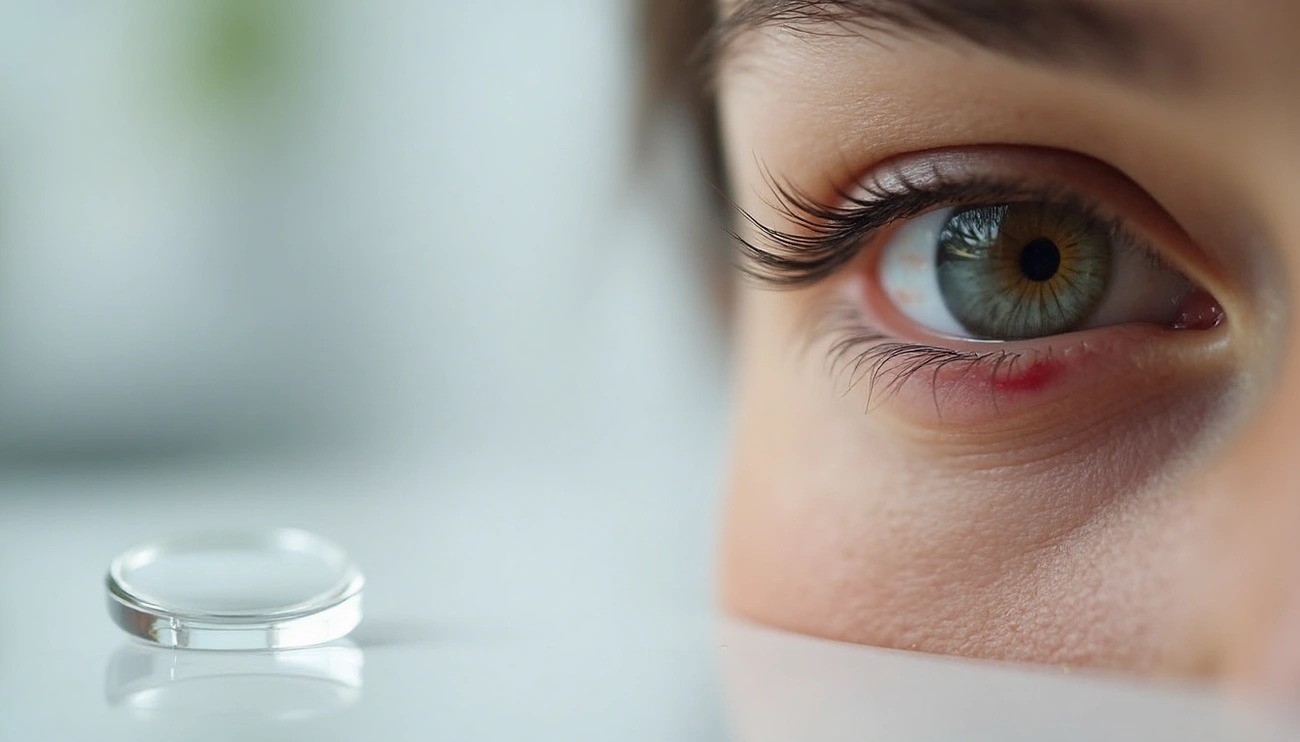
A small red bump on your eyelid can be alarming. You might wonder if wearing contacts with a stye is safe. A stye, also known as a hordeolum, can develop on either the inside or outside of your eyelid's surface. These small, red bumps form along the eyelid's edge and anyone can spot them easily.
Medical experts advise against wearing contacts with a stye. An active infection exists and contact lens wear could spread the infection and make you more uncomfortable. Your eyelid's exterior can get inflamed from an infected eyelash follicle, while interior styes develop on the eyelid's inside edge due to inflamed oil glands. Most styes clear up within days with proper care. Understanding how styes affect your contact lens wear matters greatly. This piece covers everything about styes and contact lenses, and tells you when you can safely put your contacts back in after recovery.
What is a Stye and Why It Matters for Contact Lens Wearers
That red bump on your eyelid isn't just an annoyance - it's a stye. This small, painful infection happens when bacteria inflame the oil glands or hair follicles near your eyelid's edge. These eye conditions usually go away by themselves, but they create real problems for people who wear contact lenses.
Types of styes: internal vs external
Your eyelid can get two different kinds of styes, and each affects a different area.
External styes show up on the outer part of your eyelid, right where your eyelashes grow. These pop up when bacteria—most commonly Staphylococcus aureus—gets into an eyelash follicle or nearby Zeis glands. You'll see them as tiny pimple-like bumps along your lash line. The good news? They're easier to treat than internal styes and don't hurt as much.
Internal styes develop on your eyelid's inner surface next to your eyeball. Bacteria attack the meibomian glands that make oils to keep your eyes moist. These styes hurt more and stick around longer. Left alone, they might turn into something called a chalazion. The outside of your eyelid looks red, but the bump points toward the inside.
Common symptoms to watch for
You'll heal faster if you spot a stye early. Look out for these signs:
- A red, swollen eyelid
- Pain when you touch the spot
- A small bump on your upper or lower eyelid
- Eyes that can't handle bright light
- Vision that's not quite clear
- Teary eyes
- Something that feels stuck in your eye
External styes often get a yellow center full of pus. Internal ones make your whole eyelid swell up. Many people wake up one morning and suddenly notice these symptoms.
How styes affect your eyelid and vision
Contact lens wearers face extra challenges with styes. The swelling pushes against your eyelid and messes with how your contacts sit and work. Putting in your lenses might hurt too.
The bacteria causing your stye creates another problem. Every time you touch your contacts, you might add more bacteria to your eye if your hands aren't clean. If the stye bursts while you're wearing contacts, bacteria can get trapped under the lens and spread.
Styes won't damage your vision forever, but they can blur your sight for a while. The swelling changes your tear film, which makes wearing contacts uncomfortable. Sometimes your eyelid swells so much it droops or won't open at all.
Eye doctors tell you to stop wearing contacts until the infection clears because they know how styes and contact lenses interact. This helps you heal faster and keeps your eyes healthy in the long run.
Can You Wear Contacts with a Stye?
The answer is clear: you should not wear contact lenses while you have a stye. Eye doctors strongly advise against it, and with good reason too. Your best option is to stick with eyeglasses until the infection heals.
Why contact lenses can worsen a stye
Contact lenses can make an existing stye worse in several ways. The physical presence of a lens puts extra pressure on your swollen eyelid. This affects how your contacts work and can substantially increase discomfort.
Your contacts need handling, which creates more chances to spread bacteria. Every time you put them in or take them out, you risk adding new bacteria—even with clean hands. The combination of handling and having the lens in your eye creates conditions that slow down healing rather than help it.
A swollen eyelid does more than just cause discomfort. It changes how your eyelid works and disrupts the tear film you need to wear lenses comfortably. The swelling can make your contacts fit poorly, which leads to more irritation and might blur your vision.
Risks of wearing contacts during infection
Wearing contacts with a stye brings serious risks. The biggest problem comes if the stye bursts while your lens is in. Bacteria can get trapped under your contact lens and create perfect conditions to thrive and spread infection. This trapped infection could lead to more serious eye damage over time.
Beyond burst risks, contacts themselves might spread infection. Even with good hygiene, wearing a lens during an active infection makes you more likely to develop other eye problems. Contact lens wearers already face higher risks of keratitis (corneal infection). A stye only makes you more vulnerable.
People who keep wearing contacts with a stye take much longer to heal. What should take a week might stretch to two weeks or more. So you end up dealing with discomfort and vision issues longer than needed.
When it might be okay to wear them
The general advice against wearing contacts has rare exceptions. You might be able to wear contacts briefly if your stye has almost healed—with minimal redness, no discharge, and little discomfort.
All the same, these situations still need careful handling. Keep wear time as short as possible and be extra careful about clean hands before touching your lenses. Note that glasses remain your safest choice until you're fully healed.
People with a chalazion (a non-infected oil gland blockage) rather than an infected stye might wear contacts more safely. Chalazia don't usually have active bacterial infections, which makes lens wear less risky. Yet many find it more comfortable to avoid contacts even with a chalazion.
You can safely go back to contact lenses once your stye has fully healed with no redness, swelling, or tenderness left. Soft lens wearers should start with new lenses to avoid bacteria. Users of rigid gas permeable lenses need to really clean their lenses and case before wearing them again.
Most people can return to contact lens wear after one to two weeks, once the stye has completely healed. The safest approach is to check with your eye doctor before starting again, especially if you've had multiple styes.
How to Treat a Stye Safely at Home
The quickest way to get relief from a stye starts with the right home treatment. Your stye will usually heal by itself in one to two weeks if you take good care of it. These proven methods will help you recover faster and stay clear of complications.
Warm compresses and eyelid cleaning
Warm compresses are your best bet to treat styes at home. Heat brings the pus up to the surface and helps drainage to speed up healing. Here's how to make a proper warm compress:
- Get a clean washcloth wet with warm (not hot) water
- Squeeze out extra water until it's just damp
- Place it softly over your closed eye for 5-10 minutes
- Warm up the cloth again if it cools down
You'll get the best results if you do this 3-6 times each day. While you're at it, you can massage your eyelid gently to help the stye drain. You might see some discharge after using warm compresses - just wipe it away with another clean, warm cloth.
Clean eyelids are just as crucial. Mix baby shampoo or mild, fragrance-free soap with warm water to clean the affected spot. Use a cotton swab or clean washcloth to apply this mixture gently. This removes bacteria that could make the infection worse or cause new styes.
Avoiding makeup and contact lenses
Your recovery works better if you skip eye makeup for a while. Makeup can trap bacteria against your eyelid and slow down healing. On top of that, it's smart to throw away any eye makeup you used while you had the stye to avoid getting infected again.
You should stay away from contact lenses if you have a stye. Bacteria from the infection can easily get on your contacts. Stick to glasses until your stye heals completely, then use fresh contacts to stay infection-free.
When to see a doctor
Most styes clear up with home care, but some cases need a doctor's help. Call your doctor if:
- A week of home treatment doesn't improve things
- Pain or swelling gets substantially worse
- Your vision changes
- The stye starts bleeding or forms a blister
- Your eyelid becomes bright red or very swollen
- Light bothers your eyes or they tear up too much
- Styes keep coming back
Sometimes your doctor might give you antibiotic ointments or pills if the infection spreads beyond the stye. Don't try to pop a stye yourself - you'll risk spreading the infection and making things worse.
When Can You Start Wearing Contacts After a Stye?
You need patience to recover from a stye before you put those contact lenses back in. Getting back to contacts too quickly might undo your healing or cause another infection. Let's talk about the right time and way to start wearing your lenses again.
Signs your eye has healed
Your eye needs to heal completely before you can think over wearing contact lenses again. Look for these signs:
- No redness or swelling around the eyelid
- No pain when you touch the area
- No discharge or crusting
- Eyelid looks normal without bumps
Most styes clear up in one to two weeks with the right treatment. The healing time might take longer if your infection is severe. Glasses are your best choice during this time.
Switching to new lenses post-infection
After your eye heals, throw away your old soft contact lenses. Start with new ones to avoid any bacteria that might be on your previous lenses. This step matters even more if you use biweekly or monthly lenses that could collect bacteria.
Rigid gas permeable (RGP) lens users must disinfect their lenses fully. Clean your lenses and case with the right solution before putting them in your eyes.
Tips for reintroducing contacts safely
Take it slow when you start wearing contact lenses again. Wear them for just a few hours at first and see how your eyes react. You can wear them longer as your comfort level increases.
Daily disposable contacts might work better if you get styes often. These lenses cut down on bacteria since you toss them after each use.
Note that any irritation after healing means you should wait more. Ask your eye doctor before you start wearing contacts again if you're unsure. Sometimes, doctors suggest waiting longer than two weeks or switching to daily disposables to prevent problems.
Good lens care stays crucial after recovery. Clean your hands really well before touching lenses, keep water away from contacts, and get a new lens case every three months. These steps help stop future styes and other eye infections that could affect your vision down the road.
How to Prevent Styes if You Wear Contacts
Good eye hygiene helps prevent styes, especially when you wear contact lenses daily. Styes develop from bacterial infections, but you can substantially lower your risk with the right preventive steps.
Daily lens hygiene habits
The foundation of stye prevention starts with proper contact lens care. Clean your hands well with soap and water before touching your lenses. This stops bacteria from moving from your fingers to your eyes. Don't sleep with your contacts unless your eye doctor says it's okay - this cuts off oxygen to your cornea and raises infection risk.
Your contact lens case needs replacement every three months. This stops bacteria from building up and causing eye infections. Monthly lens users should clean their lenses by rubbing them with multipurpose solution for 15-20 seconds. This removes makeup residue and bacteria that collect during the day.
Water and contacts just don't mix. Take out your lenses before you swim or shower. Water carries microorganisms that can cause serious infections.
Makeup and pillowcase hygiene
Contact lens users who wear makeup should put their lenses in first, then apply makeup. This keeps particles away from the lenses. Take your contacts out before removing makeup because wiping can spread particles that stick to lenses.
Replace your eye makeup often. Throw it away right away if you get a stye. Old makeup becomes a breeding ground for bacteria that can lead to infections.
Clean your pillowcases often. Styes can spread through shared pillowcases or bedsheets. This simple habit cuts down bacteria that might get into your eyes while you sleep.
Using eyelid wipes and warm compresses regularly
Eye hygiene wipes work well to prevent styes. They remove bacteria, oil buildup, and irritants from your eyelids and lashes. These preservative-free wipes help contact lens wearers who often get eye irritation.
Warm compresses help even when you don't have a stye. They keep your meibomian glands healthy and let you wear contacts comfortably for up to three extra hours. This preventive step keeps oil glands clear and working well, which means fewer styes.
Conclusion
Contact lens wearers face unique challenges at the time they get a stye. Your eyes must heal fully before you put those lenses back in. Taking out your contacts as soon as you notice a stye is crucial to avoid complications and heal faster. Most cases improve quickly with warm compresses applied multiple times a day and gentle eyelid cleaning.
A stye usually clears up in one to two weeks if you're patient. You can safely go back to wearing contacts after it heals completely - that means no more redness, swelling, or discomfort. Daily disposable lenses are your safest bet, especially when you have styes that keep coming back.
The best way to protect yourself from future styes is prevention. Clean hands before touching contacts, fresh cases, proper makeup removal, and regular use of eyelid wipes will keep your eyes healthy. On top of that, warm compresses help your oil glands work properly and prevent issues.
Your eye doctor is the best person to talk to if a stye doesn't go away or gets worse despite home care. A stye might be temporary, but it's a sign you need to pay extra attention to eye hygiene - especially when you have contact lenses. These steps will give you a great experience with contact lenses and healthy eyes over the last several years.