FDA Approved Contact Lenses: Your Complete Safety Guide
Aug 15,2025 | MYEYEBB
Your eye safety depends on FDA approved contact lenses. The market for colored contacts keeps growing rapidly. The FDA carefully reviews each manufacturer's application. They make sure these devices are safe before they reach U.S. consumers. Social media influencers and celebrities now regularly show off their colored contacts. Many people want to match their eye color with their outfits or special events.
A doctor must prescribe all contact lenses, including decorative ones. Your eyes can suffer serious damage if you wear contacts without a prescription or use them incorrectly. Luxury brands of FDA approved colored contacts have worked to create safe, natural-looking, and comfortable options since 2014. This piece will help you understand how to find and safely use FDA approved contact lenses in 2025.
Why FDA Approval Matters for Contact Lenses
Contact lenses are medical devices, not regular consumer products, according to the U.S. Food and Drug Administration (FDA). This classification exists with good reason too - these tiny devices interact directly with one of your most delicate organs. Learning about FDA's role in regulating contact lenses helps you make safer choices for your vision needs.
What FDA approval means for your eyes
The FDA monitors the safety, effectiveness, and manufacturing of all contact lenses sold in the United States. This oversight covers both vision-correcting and decorative colored contacts. A common misconception exists about terminology - contact lenses are "FDA cleared" rather than "FDA approved." This difference matters because clearance applies to medical devices, while approval relates to drugs and biologics.
FDA-cleared contact lenses meet specific safety standards and performance criteria. These standards ensure the lenses are safe when used as directed. The properly regulated lenses go through tests for biocompatibility, sterility, and mechanical properties to verify their safety for your eyes.
Parents who think about contacts for their children can feel reassured by FDA clearance standards. This becomes crucial since about 13,500 children experience contact lens complications. That's roughly one-fourth of the 70,000 children who visit emergency rooms yearly for medical device injuries.
How lenses get FDA certified
Manufacturers must submit a premarket notification or "510(k)" to the FDA before any contact lens reaches the market. This submission shows that the new lens matches the safety and effectiveness of an already legally marketed device (called a predicate).
The certification process requires manufacturers to:
- Register their establishment annually with the FDA
- List every lens type in the FDA's database
- Submit either a 510(k) or, for specialty lenses, a more rigorous Premarket Approval (PMA)
- Include Unique Device Identifiers for tracking and recall purposes
- Conduct sterility and biocompatibility testing that meets ISO standards
- Ensure accurate labeling and advertising
The FDA reviews marketing applications and decides if devices can enter the marketplace. This process takes at least five working days after the month-end when the device was approved before appearing in official listings.
Risks of using non-approved lenses
Your eye health faces serious risks if you buy contact lenses from unlicensed vendors or without a prescription. Non-FDA cleared lenses might be improperly manufactured, contaminated, or counterfeit. These unauthorized products often cause dangerous complications.
Users of unregulated colored contacts have a 16 times higher risk of developing keratitis (corneal inflammation) compared to regular contact lens users. Other potential risks include:
- Corneal abrasions from improper fitting
- Severe infections including ulcers that can lead to permanent vision loss
- Exposure to toxic chemicals used in coloring processes
- Recurring infections like herpes simplex that are difficult to treat
- Development of secondary conditions including cataracts and glaucoma
Many bacteria causing contact lens-related infections now resist common antibiotic eye drops, making treatment harder. Corneal ulcers pose the most serious risk - without quick treatment, they can cause permanent vision loss.
Note that federal law requires all contact lens sellers to verify your prescription with your doctor. Any vendor who skips this step breaks the law and likely sells unsafe products.
How to Identify FDA Approved Contact Lenses
Your eye health depends on using authentic FDA-cleared contact lenses. The market has seen a surge in counterfeit products, so you need to know how to spot legitimate FDA approved contact lenses to avoid serious complications. Here's a detailed guide to check if your contacts are safe to use.
Using the FDA database to verify brands
The FDA's detailed databases help you confirm if specific contact lenses have been reviewed and cleared for sale in the United States. This tool serves as your first defense against dangerous counterfeits.
Here's the quickest way to use the FDA database:
- Head to the FDA's official website and find Devices@FDA
- Type in specific brands using manufacturer or product names
- Find contact lenses by their specific product codes
- Check release dates and manufacturer information
The FDA groups soft contact lenses under different product codes. LPL stands for daily wear soft contacts while LPM represents extended wear soft contacts. You'll see new listings about five working days after the month ends when the device gets market clearance, though this can take up to five weeks.
Understanding product codes and labels
Product codes are the foundations of the FDA's classification system. Common contact lens codes include:
- LPL: Soft contact lenses for daily wear
- LPM: Soft contact lenses for extended wear
- MVN: Another soft contact lens category
- HQD, MWL, NUU: Various rigid gas permeable contact lens types
Legitimate FDA approved contact lens packaging shows several key elements. You'll find detailed information about the manufacturer, prescription requirements, and safety instructions. These documents prove the lenses have passed necessary tests for proper fit and composition.
FDA-cleared lenses must also meet strict standards including biocompatibility testing (ISO 9394), guidance for clinical investigations (ISO 11980), and physical compatibility testing (ISO 11981). These standards ensure your eyes get enough oxygen through the lens material to prevent damage.
Tips for spotting counterfeit lenses
Contact lenses rank among the most counterfeited products worldwide. The American Optometric Association runs a "31 in 31" campaign each October to target vendors who bypass consumer protections required by the Fairness to Contact Lens Consumers Act and Contact Lens Rule.
Watch out for these signs of fake contact lenses:
- Package issues like misspellings, odd colors, or unusual foreign language characters
- Unusual sizes – fake lenses often don't match authentic lens dimensions
- Defects like bumps, uneven thickness, or jagged edges
- Pain, itching, or discomfort during wear
- Poor fit with your eye's surface
- Sellers who skip prescription verification – law requires legitimate vendors to check with your doctor
Wearing fake lenses can lead to eye irritation, blurry vision, severe infections, corneal ulcers, and permanent vision loss. Buy only from trusted sources and let an eye care professional check any suspicious lenses.
Note that all contact lenses in the United States need a valid prescription, whatever their purpose - vision correction or cosmetic use. Any seller who skips this requirement breaks federal laws meant to protect your eyes.
Top FDA Approved Colored Contact Lenses in 2025
If you’re searching for FDA-approved colored contact lenses in 2025, there are several manufacturers that excel in both safety certifications and innovative features. Choosing lenses from reputable, FDA-listed companies ensures a healthy balance of eye safety and aesthetic appeal.
Lenses with the Most FDA-Registered Collections
Some manufacturers lead the industry by offering multiple FDA-approved colored contact lens collections. These lines often include yearly, quarterly, and daily disposable options, each crafted from high-quality materials like Polymacon with balanced water content for comfort. Many designs feature a natural look without a limbal ring, making them ideal for realistic eye color changes while maintaining safe, long-term wear.
Monthly Lenses Known for Comfort and Breathability
Several FDA-approved monthly colored contacts use advanced surface technology to resist deposits and maintain smoothness throughout the day. These lenses often achieve oxygen transmissibility levels many times higher than standard hydrogel lenses, helping to keep eyes white and healthy. Color effects are typically created using multi-layer printing methods that blend seamlessly for a natural appearance, available in a range of vibrant shades.
Stylish Lenses with Global Safety Certifications
Some collections combine FDA approval with CE certification from Europe, giving wearers added assurance of quality. These lenses may be made in specialized manufacturing hubs known for precision and comfort, often featuring UV protection and a wide array of natural or dramatic color styles. They are popular with professional stylists, makeup artists, and cosplay enthusiasts alike.
Daily Disposable Colored Lenses with UV Protection
FDA-approved daily disposable colored contacts are a favorite for those prioritizing convenience and hygiene. Many also include UV-blocking technology to shield eyes from harmful rays, while offering the same comfort as clear lenses from the same manufacturer. This makes them ideal for occasional wear or travel.
A Note on Unlisted Brands
Some brands may claim their materials are FDA-approved while their products themselves are not listed as approved medical devices. Even if they hold other certifications, absence from the official FDA database means they have not been cleared through the agency’s medical device approval process. For safety, it’s best to choose from established manufacturers that appear on the verified FDA list.
Choosing the Right Lens Type for Your Needs
Choosing the right FDA approved contact lenses comes down to your lifestyle, budget, and how you plan to use them. You'll make better choices when you know the differences between available options. This knowledge helps protect your eyes and ensures you're happy with what you buy.
Daily vs. monthly vs. yearly lenses
FDA approved contact lenses come in three main wearing schedules that differ in how often you replace them and how you take care of them. Daily disposables give you the best hygiene since you use fresh lenses every day. You don't have to bother with cleaning solutions or cases. Monthly lenses make more sense budget-wise if you wear them regularly. They usually cost $20-$65 per month, while dailies run $50-$75. Yearly lenses that you change every 6-12 months make up just 1% of soft contacts prescribed.
How often you wear contacts matters a lot. Daily disposables might save you money if you only wear them sometimes, even though each lens costs more.
Colored contacts for vision correction vs. cosmetic use
The FDA treats both vision-correcting colored contacts and non-corrective decorative lenses as medical devices. Vision-correcting colored contacts help fix common problems like nearsightedness or astigmatism while they change your eye color.
The law says you must have a valid prescription even for purely cosmetic lenses. Both types of lenses must be fitted by an eye care professional. This prevents serious problems like corneal scratches, infections, or vision loss.
Best options for dark eyes
People with dark brown eyes should look for FDA approved colored contacts that use advanced technology. These create natural-looking color changes. Brands like Solotica use special printing methods that make colors look more realistic on dark eyes.
FDA approved Halloween contacts: What to know
Halloween or costume contacts might be fun, but they must follow the same FDA rules as regular contacts. It's dangerous and against the law to buy these lenses from unlicensed sellers like costume stores, beauty supply shops, or flea markets.
The FDA warns against using decorative contacts without a prescription. Unauthorized lenses can damage your eyes, cause infections, and permanently hurt your vision. You still need proper fitting by an eye care professional, even if you're wearing them just once for Halloween.
Safe Buying Practices and Usage Tips for Contact Lenses
Following FDA guidelines when purchasing contact lenses is essential for protecting your eyes. This applies to all types of lenses, including decorative ones, which can still cause harm without proper care and fitting.
Why a Prescription Is Always Required
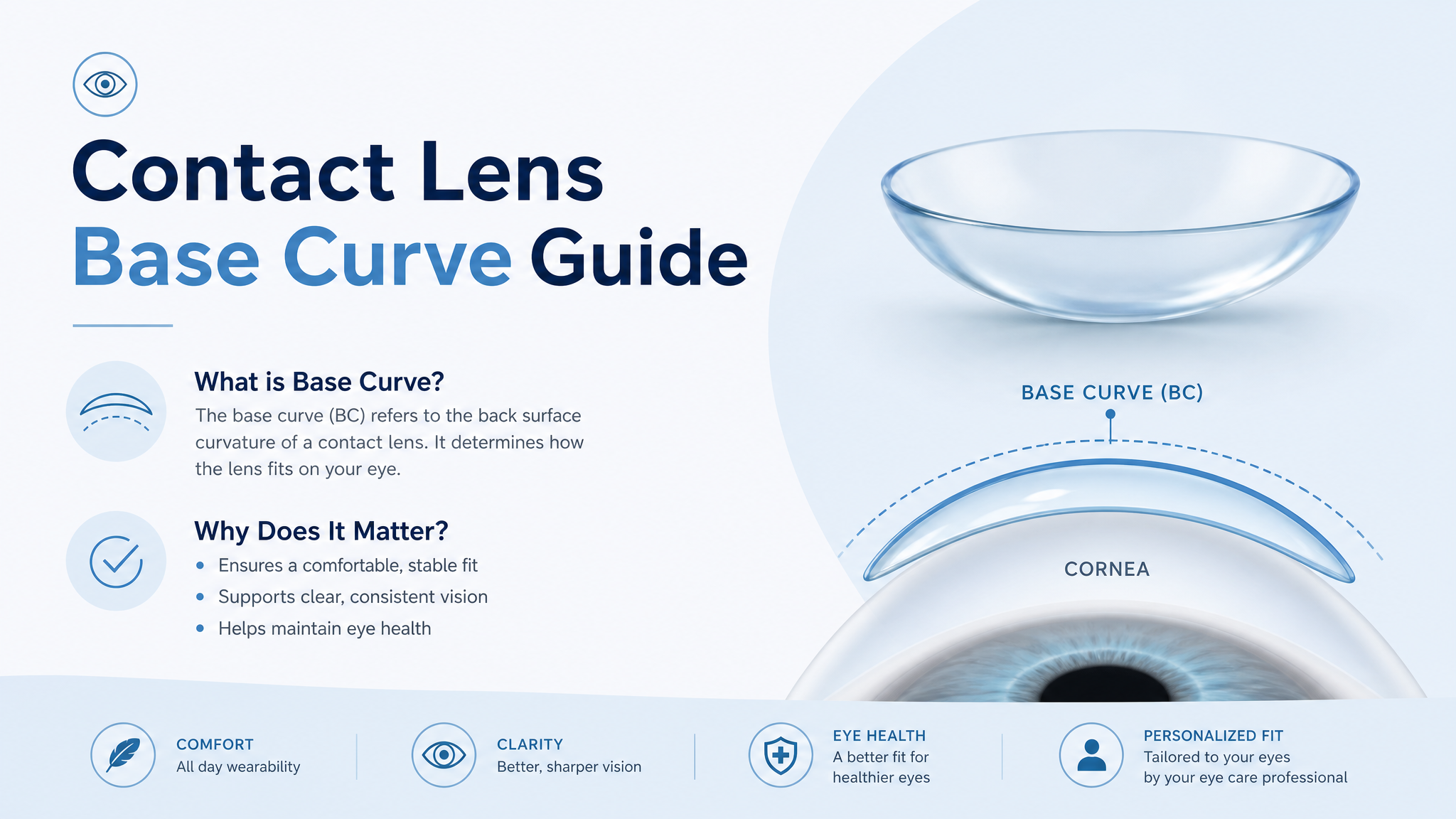
By law, you must have a valid prescription for any contact lenses, whether they are for vision correction or cosmetic purposes. A prescription includes specific measurements that ensure your lenses fit your eyes properly, reducing the risk of discomfort or injury. Eye care professionals also confirm whether your eyes are healthy enough for contact lens wear. This fitting process is critical for both safety and comfort.
Where to Buy FDA-Approved Contacts Online
Reputable online retailers that sell FDA-approved lenses always require your prescription details and verify them with your eye doctor. They source their products directly from authorized manufacturers to guarantee authenticity and safety. When shopping online, look for sellers that clearly display safety certifications and require prescription verification before completing your order.
Avoiding Unsafe Sources
Be cautious of any seller that does not request a prescription. Avoid buying lenses from unverified online marketplaces, beauty supply stores, gas stations, flea markets, or seasonal shops. Products from these sources are often counterfeit, unregulated, and may contain harmful materials or have inaccurate sizing. Wearing such lenses can lead to serious issues such as eye infections, corneal ulcers, or even permanent vision loss.
Proper Care and Hygiene for Safe Lens Wear
Even FDA-approved contact lenses can cause problems if not cared for properly. Safe lens wear depends on consistent hygiene and maintenance:
-
Wash and thoroughly dry your hands before touching your lenses
-
Use only sterile, commercially prepared contact lens solution—never water, saliva, or homemade saline
-
Clean and rinse your lenses as instructed, even if labeled “no-rub”
-
Replace solution daily; never top off old solution with new
-
Rinse and air-dry your lens case after each use, and replace it every three months
-
Avoid wearing contacts while swimming, showering, or in hot tubs to reduce the risk of waterborne infections
Remove your lenses immediately and seek professional care if you experience redness, pain, excessive tearing, or light sensitivity. These symptoms may indicate a serious infection requiring prompt treatment.
Conclusion
FDA-approved contact lenses protect your eye health while giving you the esthetic benefits of colored contacts. This piece explains why FDA clearance matters and how the regulatory process will give you lenses that meet strict safety standards. You now know how to check authenticity using official databases and product codes to protect yourself from dangerous counterfeits.
Note that all contact lenses need a valid prescription from an eye care professional, whatever their purpose. Even purely cosmetic lenses touch your delicate eye tissues directly. Buying from unauthorized vendors breaks federal law and puts you at much higher risk of serious problems like corneal ulcers, infections, and permanent vision damage.
Your wearing schedule—daily, monthly, or yearly—should line up with your lifestyle and how often you use them. Of course, safe lens wear demands proper hygiene. You must wash your hands well, use only approved solutions, and stick to replacement schedules.
Colored contacts let you change your look in exciting ways, but safety comes first. Your vision is irreplaceable. By doing this, you can explore FDA-approved contact lens options with confidence and protect your eye health for years to come.
Comment