
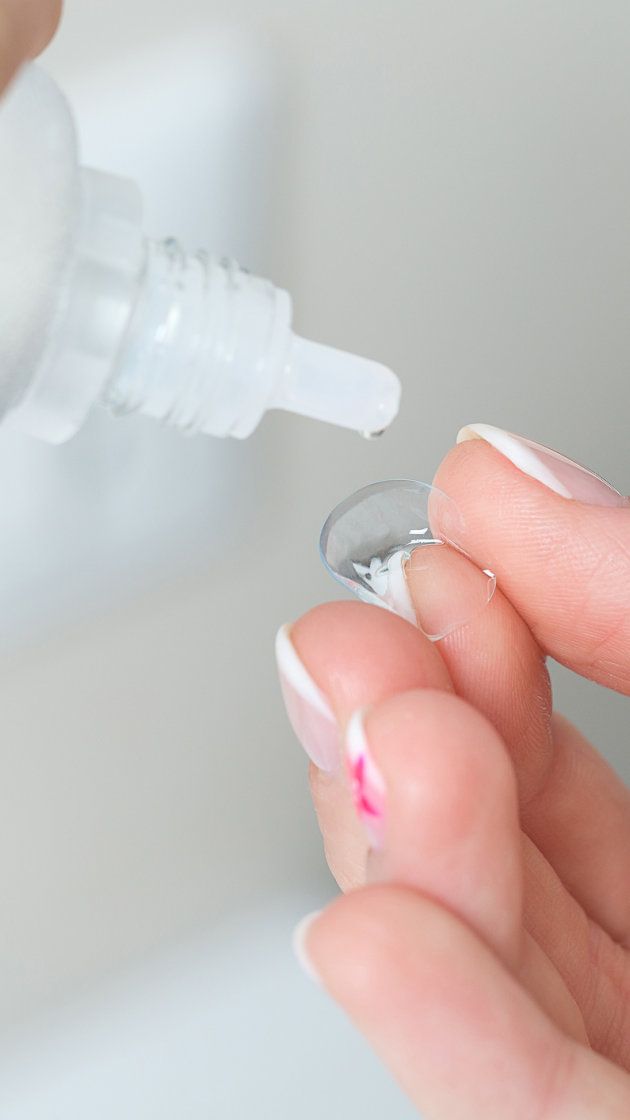
Many people ask if dried out contact lenses can be rehydrated. Your eyes could face serious problems from wearing damaged or dried out contacts. These issues include corneal abrasions, eye infections like keratitis, and permanent vision loss. Bacteria from improperly cleaned contacts might cause conjunctivitis, staph infections, and harmful parasites.
Contact lenses become brittle and prone to tears, breaks, and cracks once they dry out. Protecting your eye's health requires knowledge about handling dried out contacts. Some dried lenses can return to normal through proper rehydration, while others become unusable. The replacement cost of your contacts seems tiny compared to treating an infection from a contaminated lens.
This piece explains the safe rehydration of dried contact lenses and the proper steps to follow. You'll discover how to spot damaged lenses that need disposal and the best ways to keep your contacts from drying out completely.
Why Contact Lenses Dry Out
Contact lenses lose moisture while you wear them. Understanding why this happens helps you prevent dry contacts and tells you when you can rehydrate them.
Environmental exposure and evaporation
Your contact lenses dry out differently based on your environment. Your natural tear film evaporates faster than usual in dry climates or desert areas. This makes your lenses dry out faster. Indoor heating in winter and air conditioning systems lower humidity levels. This speeds up moisture loss from both your eyes and contacts.
Screen time affects your contact lens dryness in unexpected ways. Your eyes blink less often when you look at digital devices. This stops your eyes from keeping the lenses moist naturally. The outdoors can be tough on your lenses too. Wind, dust, and pollution dry out your lenses by irritating your eyes and leaving particles on them.
Temperature changes affect how comfortable your lenses feel. Eye moisture evaporates faster in hot weather or bright sunlight, just like in desert conditions. Cold weather brings its own challenges. Your eyes can dry out even with higher humidity when freezing temperatures mix with wind.
Material and water content of lenses
Your contact lenses' material plays a big role in moisture retention. High water content doesn't always mean better comfort, especially when you have dry eyes. Contact lenses with 38% to 75% water fall into three groups:
- Low water content: less than 40% water
- Medium water content: 50% to 60% water
- High water content: more than 60% water
High water content lenses often pull moisture from your eyes. This creates problems for people with dry eye syndrome. These lenses have more "free" water molecules that evaporate first. Then the tightly bound molecules follow. The lens dries out and becomes less comfortable. It also doesn't work as well optically.
Silicone hydrogel lenses work better because they let up to 5 times more oxygen reach your eye than other types. These lenses use silicone instead of just water to transmit oxygen. This makes them a better choice for people who get dry eyes from contact lenses (CLIDE).
Improper storage habits
The way you care for your lenses affects how much they dry out. Wearing lenses longer than you should—daily, weekly, or monthly—makes them lose moisture and feel uncomfortable. Your lenses won't hold moisture well if you don't store them in fresh solution. This leads to buildup on the lenses.
People often make the mistake of reusing storage solution. This habit makes your eyes dry and irritated. It also increases your risk of infection. Some cleaning solutions contain ingredients that bother your eyes. These reactions can make dryness worse.
Research shows contact lenses lose much of their water content after just five minutes of wear. This suggests they adapt to your eye's environment faster. About half of all lenses reach a new moisture balance after two hours. By then, they might not feel comfortable anymore.
Can You Rehydrate a Dried Contact Lens?
A dried-out contact lens raises an immediate question - can you safely rehydrate it? The answer isn't simple. You can rehydrate contacts in certain situations, but this requires careful attention to proper technique.
When rehydration is possible
Contact lens rehydration works under specific conditions. You have the best chance of reviving dried contacts when:
- The lens dried in a clean contact lens case (with solution that evaporated)
- It stayed away from dirt, dust, or unclean surfaces
- You don't see damage like cracks, tears, scratches, or warping
The process works like a sponge soaking up water. Contact lenses contain hydrogel materials that absorb moisture after drying. A lens might bounce back if it dried in a clean space for a short time.
Notwithstanding that, a rehydrated lens might not return to its original state. The lens behaves like a dried sponge after rewetting - it might not have the same properties as before.
When it's better to discard
Several situations call for throwing away dried contacts:
- The lens lay exposed on a countertop, desk, bathroom sink, or similar surface
- You don't know how long it stayed in the open air
- The lens shows damage like cracks, chips, tears, or warping
- The lens feels stiff or uneven after soaking
- The lens looks discolored or feels different than before
- The lens won't return to its original shape after overnight soaking
- The rehydrated lens causes discomfort
Eye care professionals say it best: "When in doubt, throw it out". New contact lenses cost far less than treating eye infections or injuries from damaged lenses.
Common misconceptions about rehydration
People often think rehydration fully restores dried contacts. The truth is that rehydration isn't perfect. Uneven rehydration can change the lens's shape and fit. These subtle changes affect your vision quality and comfort.
Many believe any liquid works for rehydration. In stark comparison to this, only proper contact lens solutions are safe. Never use tap water, saliva, or expired solutions - they can introduce bacteria or damage the lens material.
Some think a clean-looking lens must be safe. Bacteria and contaminants can live on the lens without being visible.
The idea that brief drying doesn't harm lenses is wrong. Even short dry spells make lenses brittle and prone to tiny damage you might not see right away.
Note that rehydration needs time. The lens material needs 2-24 hours to absorb moisture and become flexible again. Always check the lens carefully before putting it in your eye.
How to Rehydrate Contact Lenses Safely
A safe rehydration process is a vital step after you determine your dried contact lens can be rehydrated. Each step matters because improper rehydration might cause eye infections or discomfort. Let me walk you through the right way to rehydrate contact lenses:
Step 1: Wash your hands
Clean hands are the foundations of safe contact lens handling. You need to wash your hands with soap and water before touching dried contacts. This first step eliminates millions of germs and bacteria that could contaminate your lenses. Use a clean, lint-free towel to dry your hands. This prevents tap water from touching your contacts since water has microorganisms that stick to lens materials.
Step 2: Use a clean lens case and fresh solution
Your contacts should never touch tap water, saliva, or any liquid except proper contact lens solution. Other liquids carry harmful microorganisms that lead to severe eye infections.
Take a clean contact lens case and fill it with fresh multipurpose solution. It's worth mentioning that you should use only fresh solution. Don't "top off" by mixing fresh solution with used solution because this reduces its ability to disinfect. Users of hydrogen peroxide-based systems should use the special case that comes with it.
Step 3: Soak for 2–24 hours
Put the dried lens in the solution-filled case. Your soaking time depends on how dry the lens is. Moderately dried lenses need 2-4 hours. Completely dried out lenses might take up to 24 hours.
The hydrogel material in your contacts works like a sponge during this time. It soaks up the lost moisture it needs. RGP (rigid gas permeable) lenses need at least 4 hours of soaking since they might warp or flatten when liquid evaporates.
Step 4: Inspect for damage before use
Take time to check the rehydrated lens for tears, scratches, cracks, or discoloration after soaking. Hold it against light to spot any odd shapes or textures. The edges need extra attention as they often show damage first.
Throw away the lens if you see damage or if it stays stiff after rehydration. A damaged lens can scratch your cornea or let bacteria into your eye.
Step 5: Re-rinse before wearing
Give your lens one more rinse with fresh contact solution before putting it in, even if it looks perfect. The safest approach is to rub each side gently with fresh solution for about 20 seconds. Then rinse both sides with solution for at least 5 seconds.
This last rinse removes any leftover debris or microorganisms that survived soaking. Your lens should be ready to wear if it passed the inspection in step 4.
Keep in mind that rehydrated lenses might not feel exactly like new ones. Take out and discard the lens right away if it feels uncomfortable.
When to Throw Away Dried Out Contacts
Safety must be your priority when dealing with dried out contact lenses. You need to know the right time to throw away contacts instead of trying to rehydrate them. This knowledge protects your eyes from serious complications.
Signs of damage or warping
Take a close look at your dried out contacts to spot physical damage before you think over rehydration. These critical signs tell you to throw the lens away:
- Torn, damaged, or scratched areas on any part of the lens
- Discoloration or unusual texture different from the lens's original state
- Visible cracks, chips, or tears when held up to light
- Lens doesn't return to its original shape even after overnight soaking
A dried out contact lens becomes very brittle and gets damaged easily. Even tiny tears can trap bacteria and might scratch your cornea when you put it in. The dried lenses also tend to warp from their original shape, which changes how they sit on your eye and could make your vision blur.
If discomfort persists after rehydration
Your eyes will tell you when a rehydrated lens isn't safe. You should throw the lens away if you notice:
- Any discomfort after putting in the lens
- The lens feels stiff or uneven in your eye
- Your eyes burn, sting, or tear up too much after insertion
Whatever success you have with rehydrating a contact lens, your comfort is the final test. The lens needs to go if it feels uncomfortable after rehydration. Wearing a problematic lens can cause corneal scratches that lead to pain and serious eye problems.
If the lens was exposed to unclean surfaces
Some situations make contacts unsafe to reuse right away:
- Lenses that dropped on countertops, desks, bathroom sinks, or floors
- Contacts left in open air for unknown time
- Any lens not stored in proper contact solution
Finding your contact lens on the kitchen floor or at the bottom of your bag doesn't make it safe to use, even if it looks clean. Bacteria and debris you can't see might contaminate lenses without visible damage. The cost of new contact lenses is tiny compared to treating an eye infection from a contaminated lens.
How to Prevent Contact Lenses from Drying Out
Taking care of your contact lenses is nowhere near as difficult as trying to fix dried-out ones. Good habits will help you avoid asking yourself "can you rehydrate contact lenses" in the first place.
Always store in fresh solution
You should use new multipurpose solution every time you take out your lenses. Don't mix fresh solution with old or used solution by "topping off" as this makes disinfection less effective. Multipurpose solutions contain disinfectants, wetting solution, protein removers, and preservatives that work together to keep your lenses hydrated. When using hydrogen peroxide-based systems, the special case provided must be used since it turns the solution into saline over time.
Avoid leaving lenses exposed to air
A consistent routine will help prevent accidental exposure. Put your lenses in the right solution right after you remove them. The right cleaning routines will keep your lenses in good shape and stop them from drying out quickly. Make sure you follow your eye doctor's instructions about cleaning methods and solution types.
Replace your lens case regularly
Your contact lens case needs replacement every three months. More than 80% of people who wear contacts keep their cases longer than they should. Old cases become less effective at cleaning and let bacteria grow. After using your case, rinse it with sterile contact solution (not tap water) and let it air dry.
Use eye drops for dry eyes (if prescribed)
Along with proper storage, rewetting drops made for contact lenses can help. These drops add moisture to your lenses while you wear them. You can choose from preservative-free drops that keep lenses moist for up to eight hours or drops with hyaluronic acid that give better protection. Make sure to pick products that say "safe for use with contacts".
Conclusion
Dried contact lenses are a headache for many lens wearers. You can rehydrate them under specific conditions, but safety needs to be your priority. Only lenses dried in clean cases with evaporated solution might be salvageable. Lenses exposed to surfaces or showing damage need immediate disposal.
Rehydrating contacts takes patience. Start by washing your hands well, use fresh solution, and let them soak properly. Check them carefully before putting them back in. Notwithstanding that, even successfully rehydrated lenses might not feel the same as new ones. Remove and throw away the lens if you feel any discomfort after reinsertion.
Prevention is definitely better than dealing with dried contacts later. Make it a habit to store lenses in fresh solution, keep them from air exposure, and replace lens cases often. Use appropriate eye drops when needed. These habits will reduce your chances by a lot of facing the rehydration problem.
Replacing contact lenses is nowhere near as expensive as treating potential eye infections or injuries from damaged lenses. The safest choice is to throw away a dried lens if you're unsure about it. Your vision's health is worth this small investment. Good contact lens care extends their life and protects your eyes from serious problems in the future.