
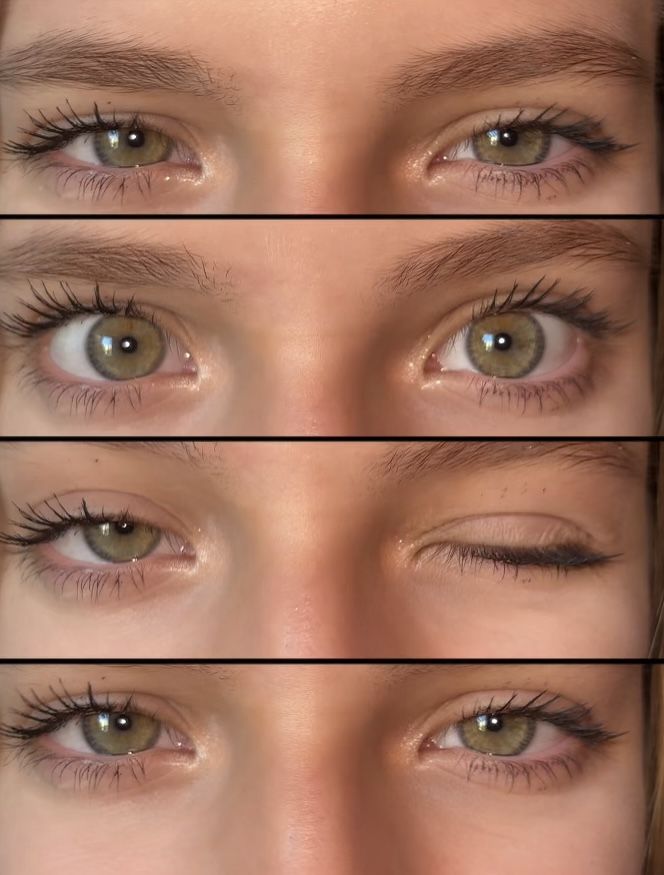
Your guess about the world's rarest eye colors might surprise you. Green eyes once held the title as least common, with just 2% of people worldwide having them. These days, gray eyes have taken that spot. Less than 1% of the global population has gray eyes, which makes them quite special.
The rarest eye colors are violet and red, seen in less than 0.01% of people. People with albinism usually have these distinctive shades. This genetic condition reduces the body's melanin production. Albinism affects one in every 20,000 Americans, though not all of them end up with red or violet eyes.
This piece will show you the science behind eye color rarity and explain why some colors are so hard to find. You'll learn whether eyes can really change color over time. The truth about eye pigmentation and genetics might change the way you see these fascinating features of human appearance.
The Science Behind Eye Color
Your eye's color runs deeper than just looks. The iris, that colored ring around your pupil, tells an amazing biological story that combines pigments, genes, and tricks of light.
How melanin shapes eye color
The color of your eyes comes from melanin - the same pigment that gives your skin and hair their color. This pigment builds up in the iris, which lets your pupil control how much light enters your eye. The amount and pattern of melanin in two iris layers creates different eye colors.
Your eyes get their color from two types of melanin:
- Eumelanin – a dark brown pigment that creates brown and black colors
- Pheomelanin – a red-yellow pigment that gives lighter colors
Brown eyes happen when both iris layers have lots of melanin. Your eyes turn hazel or green with less melanin in the front layer, while blue or gray eyes have little to no melanin there. The rule is simple - more melanin means darker eyes.
People with albinism don't have much melanin in their irises. Their eyes look very pale blue, gray, or even pink because you can see blood vessels through the iris.
The genetic puzzle: more than just parents' eyes
Your eye color isn't inherited the way we used to think. Scientists once thought a single gene controlled it, with brown beating blue. This simple idea suggested blue-eyed parents couldn't have brown-eyed kids.
We now know that many genes work together to create eye color. Scientists have found at least 16 genes that help determine your eye color. Two genes matter most - OCA2 and HERC2, both sitting on chromosome 15.
The OCA2 gene makes P-protein, which helps produce and store melanin in the iris. HERC2 controls when OCA2 turns on or off. Changes in these genes affect how much melanin ends up in your iris, which sets your eye color.
Other genes like ASIP, IRF4, SLC24A4 also help control melanin. This explains why two blue-eyed parents might have a green or brown-eyed child. Their combined genes could boost melanin more than either parent has alone.
Why no one truly has green or blue pigment
Your eyes don't actually have blue or green pigments. These colors come from light tricks, just like the sky's blue color.
Blue eyes happen when there's very little melanin in the front iris layer. Light hits these eyes in a special way - the dark back layer absorbs long light waves while short blue waves bounce around through the front layer. Scientists call this Tyndall or Rayleigh scattering. This scattered light makes eyes look blue, changing with different lighting.
Green eyes appear when tiny amounts of yellow lipochrome mix with scattered blue light. The yellow pigment blends with blue light to create green - it's more like mixing paint than having true green pigment.
This light trick explains why blue-green eyes seem to change color. Different lighting makes these eyes scatter light differently, so sometimes they look more blue, sometimes more green. Everything around you - your clothes, the room's light, even your surroundings - can make your eye color look different.
What Are the Rarest Natural Eye Colors?
People have been captivated by unusual eye colors throughout history. These rare hues lack abundance so much that they've become woven into myths and legends. The spectrum of exceptional eye colors goes beyond the usual brown, blue, and hazel that we commonly see.
Red and violet: the albinism connection
The rarest of all eye colors are red and violet, showing up in just 0.01% of people worldwide. Many believe these eyes contain actual red or violet pigments, but that's not true. Blood vessels become visible through an iris that has little to no melanin, creating this unique appearance.
You'll mostly find these striking eyes in people with albinism - a genetic condition affecting one in every 20,000 Americans. Notwithstanding that, not everyone with albinism has red or violet eyes. The National Organization for Albinism and Hypopigmentation reports that blue eyes are most common among people with this condition, while some have hazel or brown eyes.
These distinctive irises appear when light hits a completely unpigmented iris just right, letting the blood vessels show through. The lack of melanin creates an eye that can't block or filter light. This results in a fascinating visual effect that shifts between pink, red, and violet depending on the lighting conditions.
Gray: the misunderstood rarity
Gray eyes have taken the crown as nature's rarest eye color, even more uncommon than green. These silvery eyes appear in nowhere near 1% of people worldwide. Their distinctive appearance comes from a specific structural makeup in the iris.
A bit more melanin than blue eyes and extra collagen in the stroma (front iris layer) creates these mysterious eyes. This special combination:
- Reduces blue light reflection
- Creates a misty, smoke-like look
- Changes subtly based on lighting
Estonia and Finland lead the world in gray-eyed people. The combination of their scarcity and color-changing nature makes them truly mesmerizing.
Green: admired but uncommon
Green eyes might have lost their spot as the rarest color, but they remain extraordinary. Only 2% of people worldwide have them. Americans show higher numbers at 9%, showing how much location matters.
These eyes get their color from minimal melanin mixed with scattered light waves. True green eyes usually show one solid color throughout, unlike other rare eye colors. This helps tell them apart from hazel eyes, which people often mistake for green.
Northern Europe, especially Ireland and Scotland, has the most green-eyed people. Some areas report that 86% of residents have either blue or green eyes. This clustering shows how genetics and ancestry influence this unusual trait.
Amber and hazel: often confused, still rare
Golden-yellow or copper-colored amber eyes show up in about 5% of people worldwide. These striking eyes get their color from lipochrome, a yellow pigment in the iris. Hazel eyes tell a different story, blending brown, green, and gold into a multi-colored pattern.
The main difference? Amber eyes stay one solid golden color, while hazel eyes show distinct color zones or rings. Hazel eyes seem to change between green and brown as lighting shifts, which adds to people's confusion.
About 5-18% of people have hazel eyes, depending on where you look. While more common than green or gray, they're still relatively rare globally. People with European or Asian ancestry most often have amber or hazel eyes.
Understanding these unique characteristics helps identify rare eye colors correctly. Many misconceptions exist about their true rarity and distribution, leading to frequent misidentification.
How Rare Eye Colors Develop
The rise of rare eye colors tells one of the most captivating genetic stories in human history. These unusual colors emerged when genetics, environment, and human migration patterns came together over thousands of years.
The role of genetic mutations
A remarkable genetic mutation that happened about 6,000-10,000 years ago altered the map of human eye color. This change affected the OCA2 gene that controls melanin production in the iris and led to reduced melanin levels, which allowed lighter eye colors to appear.
Scientists have now identified at least 16 genes that affect eye color. The OCA2 and HERC2 genes play the most important roles. These genes work together on chromosome 15 to control melanin production and storage.
The HERC2 gene has a DNA segment that controls when the OCA2 gene turns on or off. A specific mutation in this area reduces OCA2 expression, which creates blue eyes by decreasing melanin. The spectrum of human eye colors grew even more diverse when mutations occurred in other genes like ASIP, IRF4, and SLC24A4.
Environmental and evolutionary factors
Early humans left Africa and moved to different regions, especially Western Europe. The need for dark skin and eyes became nowhere near as important. People living in these cooler northern areas didn't need as much melanin to protect them from intense sunlight.
This reduced need for protection let genetic mutations take hold more easily. On top of that, it helped that humans often choose their mates based on attractive features, and sometimes these features included unique eye colors.
The sort of thing I love is the theory about lighter eyes possibly helping people in northern areas. Research suggests that blue-eyed people might handle seasonal affective disorder better during the dark Neolithic European winters. This trait could have given them an advantage in survival.
Why some colors are more common in certain regions
Eye colors follow clear patterns across the globe. Brown eyes dominate in Asia and Africa, where they appear in about 70-79% of the world's population. These darker eyes are a great way to get protection from intense sunlight.
Blue eyes show up in 8-10% of people, mostly in Scandinavian regions. Many researchers think the original blue-eye mutation might have started around the Baltic Sea.
Green eyes remain one of the rarest colors globally at just 2%. You'll find them mainly in Northern Europe, with Ireland and Scotland having the highest numbers. Gray eyes are even more uncommon, appearing in less than 1% of people worldwide. These eyes mostly show up in Eastern and Northern Europe.
These patterns tell the story of how our ancestors moved around and adapted to different light and climate conditions over thousands of years of human progress.
Eye Disorders That Affect Color
Eye disorders can dramatically change how eye color looks, creating unique and unusual iris patterns and hues. These medical conditions range from inherited genetic disorders to conditions that develop over time.
Albinism and lack of pigment
Mutations in the GPR143 gene cause ocular albinism by affecting the way our bodies produce melanin in the eyes. This genetic condition stops proper melanin production and distribution. The result is very light-colored irises that look pale blue, violet, or maybe even pinkish because blood vessels show through the iris. People with albinism usually have blue or gray eyes instead of truly red ones. The inheritance pattern of ocular albinism type 1 links to the X chromosome. Males show more severe symptoms while females typically experience milder effects.
Heterochromia and mismatched eyes
Less than 200,000 people in the United States have heterochromia, a condition that creates differences in iris color. The condition appears in three distinct forms:
- Complete heterochromia: each iris has a completely different color
- Sectoral heterochromia: part of the iris shows a different color
- Central heterochromia: a different colored ring surrounds the pupil
People can be born with this condition or develop it later due to injury, inflammation, or disease. Most cases are harmless genetic variations, though some indicate underlying health issues.
Anisocoria and pupil size differences
Up to 20% of people have anisocoria - different-sized pupils - as a normal variation. The larger pupil lets in more light, making that iris look darker than the other one. Some medical conditions like Horner's syndrome can cause this difference and lead to iris depigmentation, which changes eye color.
Diseases that cause color shifts
Eye color can change throughout life due to several conditions:
- Pigment dispersion syndrome releases iris pigment, making eyes lighter
- Fuchs heterochromic iridocyclitis causes iris pigmentation loss
- Uveitis affects pupil size and shape, changing how iris color appears
Adults who notice sudden eye color changes should see a doctor since these changes might signal serious medical conditions.
The Truth About Changing Eye Color
People often ask about changing their eye color, whether they want temporary or permanent changes. They need to know what's possible and what could harm their eyes before making any decisions.
Can mood or lighting really change eye color?
Your eyes might seem to change color at times, but the actual pigment stays the same. Strong emotions make your pupils expand, which squeezes the iris pigments and can make your eyes look darker until your pupils return to normal size. Tears can also create a glossy film that makes natural flecks in your eyes stand out.
Light affects your eye color's appearance by a lot. Someone with hazel eyes might see them look brown in low light, but notice green and gold flecks in sunlight. The colors you wear can also create an illusion of change by working with or against your natural eye color.
Colored contact lenses: safe or risky?
Prescription colored contacts offer the safest way to change your eye color temporarily. Eye doctors must properly fit all contact lenses, including decorative ones, because they're regulated medical devices.
Using colored contacts without a prescription can be dangerous. These users face higher risks of corneal scratches, ulcers, and serious infections. Research shows people wearing colored contacts are 16 times more likely to develop keratitis than those who use regular contacts.
Medical procedures and ethical concerns
The FDA hasn't approved any procedure to change eye color for cosmetic reasons. The American Academy of Ophthalmology warns people about two popular procedures: iris implants and keratopigmentation (corneal tattooing).
These surgeries come with serious risks:
- Vision loss or blindness
- Glaucoma and cataracts
- Corneal damage requiring transplants
- Bacterial or fungal infections
- Inflammation and light sensitivity
Eye doctors strongly believe these procedures aren't worth the risk just for looks. One specialist puts it clearly: "It seems cavalier to take on risk where you could permanently damage your vision".
Conclusion
Eye colors are more than just beautiful features. They come from complex genetic interactions, adaptations, and fascinating optical physics. Most people think blue eyes are the rarest, but gray eyes take that spot with less than 1% of the world's population having them. Red and violet eyes are even more unusual - fewer than 0.01% of people worldwide have them, and we see this mostly in people with albinism.
Genetic mutations changed how our bodies produce melanin over time, which led to rare eye colors. These changes spread as people moved around the world and might have helped them survive better in different environments. Scientists have found that at least 16 different genes help determine eye color, making inheritance much more complex than we once thought.
Your eyes can look different based on light, what you're wearing, and even how you feel. Blue and green eyes don't actually have blue or green pigments. These colors show up the same way the sky looks blue - through the way light scatters.
Trying to change your eye color through surgery can be dangerous. Colored contacts are the only safe way to change your eye color temporarily, but you still need a doctor's supervision. Eye doctors strongly warn against trying experimental procedures that could harm your vision.
The science behind eye color does more than satisfy our curiosity - it shows us how diverse human genetics can be. Whether you have common brown eyes or rare violet ones, your eye color tells an amazing story about your genetic heritage that goes back thousands of years. Next time you look into someone's eyes, note that you're seeing not just beauty, but biological brilliance that has developed through countless generations.