
The Truth About Wearing Contacts with Dry Eyes (Plus Proven Solutions)
Jul 25,2025 | MYEYEBB
More than 50% of contact lens wearers deal with dry eyes. This makes it challenging to wear contacts comfortably with dry eyes. Dry eye syndrome happens when tears fail to provide enough lubrication or lack quality. The condition leads to symptoms like stinging, burning sensations, redness, and scratchiness.
Contact lens use can raise your risk of developing this condition. But you don't need to give up wearing contacts completely. Specialty contact lenses and proper management strategies let you wear contacts even with moderate to severe dry eye symptoms.
You'll find why contact lenses cause dry eyes in this piece. The article covers choosing the right lenses for your condition and daily habits that prevent discomfort. It also explains effective treatments and steps to take when nothing seems to work. These proven solutions will help restore comfort to your daily lens-wearing experience, whether you struggle with contact lens dry eyes or wonder if you can wear contacts with dry eyes at all.
Why contact lenses can cause dry eyes
Contact lenses interact directly with your eye's delicate tear film. This creates several challenges if you're prone to dryness. Learning about these mechanisms can help you manage symptoms better and find solutions that work for you.
Reduced oxygen flow to the cornea
Your cornea works differently from most body tissues. It has no blood vessels and relies completely on oxygen from the surrounding air. A contact lens creates a physical barrier over your eye that can substantially reduce oxygen transmission to this vital tissue.
The lack of oxygen forces your cornea to switch to anaerobic metabolism, which builds up lactic acid. This acid pulls water into the cornea and causes swelling (edema). You might experience blurred vision, discomfort, and sensitivity to light. Long-term oxygen deprivation can cause serious problems like corneal clouding, poor visual acuity, and other lasting effects.
The lens material determines how much oxygen gets restricted. Traditional hydrogel lenses, especially those containing lots of water, might not let enough oxygen through (Dk/L value). Modern silicone hydrogel materials allow five times more oxygen to reach your cornea. This substantially reduces dry eye symptoms related to low oxygen.
Lens material absorbing natural tears
Think of contact lenses as tiny sponges on your eye. They need moisture to stay soft and keep their shape. The lenses often pull this moisture straight from your natural tears. Your tear film's delicate balance can get disrupted, especially if you don't produce many tears already.
Different lens materials absorb tears differently:
- High water content lenses pull more moisture from your eyes
- Soft lenses made from hydrophilic materials contain 30%-75% water
- Lenses with more water content dry out faster
Contact lenses split your tear film into two layers: one in front and one behind. This split changes how the lipid layer spreads, how stable your tears are, and how fast they evaporate. The tear film in front of the lens now has a thinner lipid layer and dries up faster than normal. You might notice more dryness as the day goes on.
Poor lens fit and friction
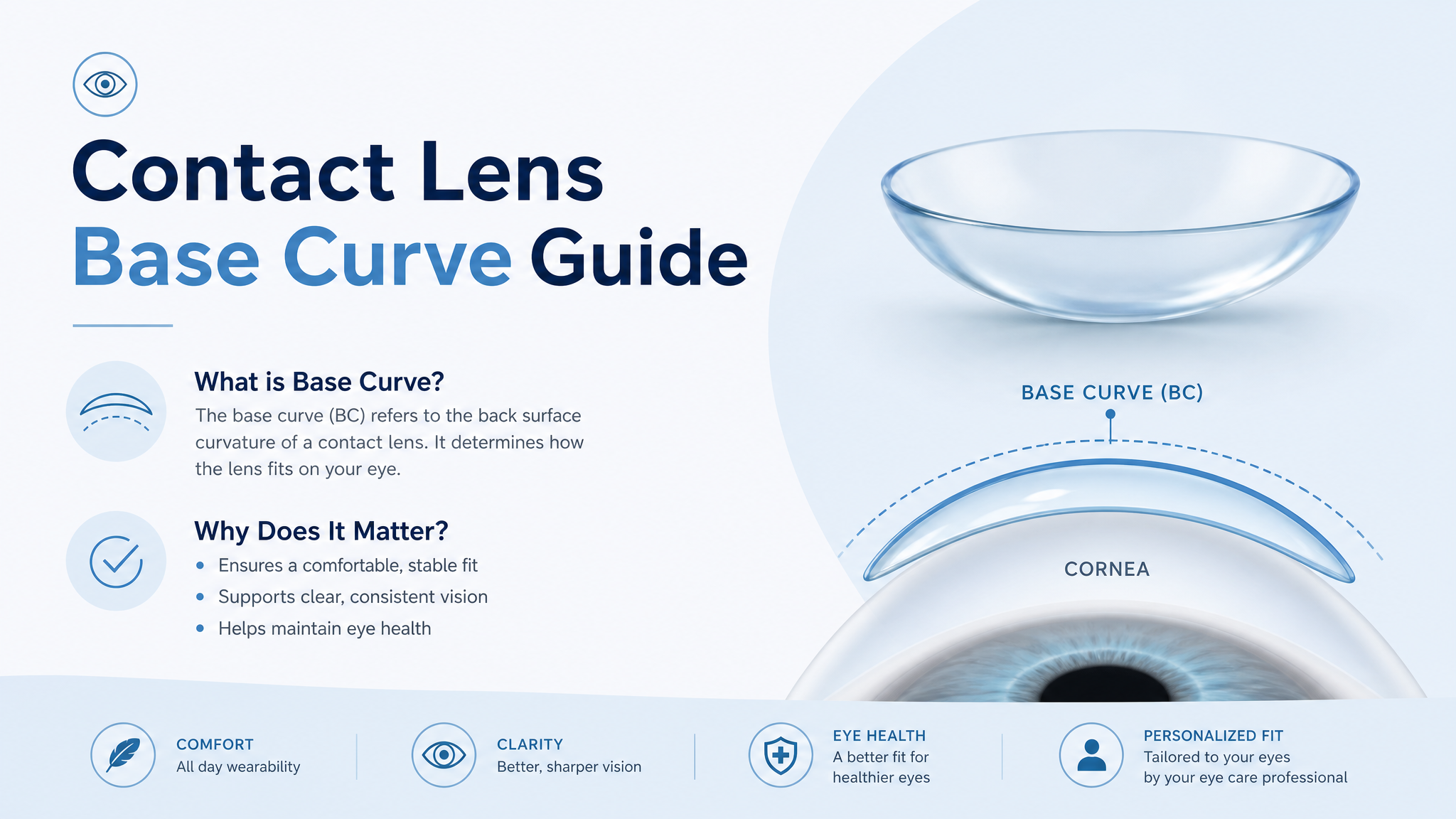
Your contact lens moves slightly against your eye's surface every time you blink. A lens that fits well barely moves and feels comfortable. All the same, ill-fitting lenses can move too much or press too hard. This mechanical irritation makes dry eye symptoms worse.
Research shows that 85% of contact lens wearers develop lid wiper epitheliopathy. This condition affects the upper eyelid's surface cells that clean your eye during blinking. It's directly linked to contact lens discomfort and adds to dry eye symptoms.
Contact lenses also affect your conjunctival goblet cells that produce mucin - a key part of your tear film. Studies show these cells decrease in number after wearing contacts for 3 to 6 months. People with symptoms show worse effects. Mucin helps tears stick to your cornea, so having less of it makes your tear film unstable and increases dryness.
The constant friction between lens and eye surface creates a cycle. Irritation leads to inflammation, which makes comfort worse. Many people end up giving up on contact lenses altogether.
How to choose the right contacts for dry eyes
The right type of contact lenses can make all the difference between comfortable wear and persistent irritation. People with dry eye syndrome need to be extra careful since traditional contacts might worsen their symptoms.
Soft vs. hard lenses
Most wearers with mild to moderate dry eye find soft contact lenses more comfortable at first. These lenses use flexible materials that match your eye's shape and let oxygen reach the cornea while staying moist. Silicone hydrogel lenses are the most important advancement that allows up to five times more oxygen to reach your eyes compared to standard soft lenses.
You might be surprised to learn that lenses with lower water content work better for dry eyes. Lenses with high water content pull moisture from your eyes to stay hydrated, which basically "steals" your tears and makes dryness worse. Look for soft lenses designed to keep moisture locked in throughout the day.
Hard contact lenses, also called rigid gas permeable (RGP) lenses, have their advantages even though they feel less comfortable at first. These lenses give you sharper vision, especially when you have irregular corneas or advanced astigmatism. They also let two to four times more oxygen reach your eyes than standard soft contacts. The long-term clarity and customization options make them worth thinking over, though you'll need time to adjust.
Benefits of scleral lenses
Scleral lenses are one of the best solutions available for severe dry eye sufferers. These larger-diameter rigid lenses are different from conventional contacts - instead of sitting directly on the cornea, they vault over it and rest on the sclera (the white part of your eye).
The lens design creates a fluid-filled reservoir between the lens and cornea that keeps your eyes hydrated all day. This saline solution works like a constant artificial tear layer, offering relief that no traditional treatments can match.
Scleral lenses also shield your cornea from irritants like wind, smoke, and debris. Since they don't touch the sensitive corneal surface, there's less friction and mechanical irritation that could make dry eye symptoms worse.
A custom-fitted pair of scleral lenses costs between $400-$500 but lasts up to three years with proper care. Daily disposable contacts cost around $60 monthly, adding up to about $2,000 over three years.
Daily disposables for moisture retention
Daily disposable lenses are a great option for many people with dry eyes. You get a fresh, clean pair each day instead of reusing the same lenses for weeks or months. This means no deposits, protein buildup, or allergens to worry about.
Single-use lenses keep your eyes away from irritating preservatives found in contact lens solutions. You also avoid the buildup of makeup, oils, and other substances that collect on reusable lenses and could make irritation worse.
Daily disposables are also super convenient - you don't need cleaning or storage solutions, which saves time and reduces contamination risks. This mix of fresh lenses and advanced moisture technology helps many people with mild to moderate dry eye wear contacts comfortably.
Daily habits to prevent dry eyes with contacts
Smart daily habits can make a big difference in how comfortable your contact lenses feel, whatever type you use. These practical tips help fix the root causes of dryness and make your lenses feel better all day long.
Proper lens hygiene and care
Bad contact lens hygiene can cause dry eyes and raise your risk of infection. You should wash your hands really well with soap and water before touching your lenses to keep oils, dirt, or bacteria away. A lint-free towel works best to dry your hands and avoid contamination.
Your lenses need solutions made specifically for contact lenses—never use water or make your own solutions. Water has tiny organisms that can cause serious eye infections. If you have reusable lenses, use your fingers to gently massage them and remove protein buildup from the day.
These "Rs" of contact lens care are crucial:
- Rub lenses with cleaning solution
- Rinse really well with approved solution
- Replace lenses on schedule
- Rest your eyes by taking breaks from lenses
Your lens case needs weekly cleaning with fresh solution. Let it air-dry afterward. A new case every month prevents bacteria from building up and spreading to your lenses and eyes.
Avoiding screen overuse and blinking more
Screen time can affect your contact lens comfort by a lot. Research shows that up to 90% of people using digital devices have symptoms. Contact lens wearers tend to have more problems than people who don't wear them.
The biggest problem? Looking at screens makes you blink less often and less effectively, which messes up your tear film. You can curb this by using the 20-20-20 rule: look at something 20 feet away for 20 seconds every 20 minutes. This helps your eye muscles relax and encourages natural blinking.
Blinking exercises can help too. Studies show you'll get the best results if you close-squeeze-open your eyes for 2 seconds, 15 times in a row, three times a day. This spreads natural tears across your eyes and helps your meibomian glands release essential oils.
Staying hydrated and using a humidifier
Good hydration makes a real difference in how comfortable your contacts feel. Try to drink eight glasses of water daily to help your eyes make natural tears. When you're dehydrated, you make fewer tears, which can make lenses uncomfortable or stick to your eyes.
A humidifier helps too, especially when you have heating running in winter that dries out the air. Many people who wear contacts say their eyes get red and uncomfortable in dry air. Adding moisture to the room helps your tears last longer and makes your lenses feel better.
Among other things, wearing wraparound sunglasses outside protects your eyes from drying winds and harmful UV rays. This comprehensive approach tackles both internal and external factors that affect how comfortable your lenses feel.
Over-the-counter and medical treatments
Contact lens users need different treatments to get relief from dry eyes if prevention doesn't work. Relief options range from basic over-the-counter products to advanced medical procedures that target specific dry eye problems.
Artificial tears and rewetting drops
Contact lenses require specific eye drops. Your lenses might get cloudy with regular artificial tears, and preservatives can irritate your eyes. You should look for "rewetting drops" made specifically for contacts. These drops moisturize your eyes and lenses at the same time while keeping them in place.
Biotrue Hydration Boost stands out among contact-specific drops. It keeps eyes moist for up to eight hours with hyaluronan, electrolytes, and antioxidants. SYSTANE CONTACTS Rewetting Drops work well with both soft and rigid gas permeable lenses.
People who use drops often should choose preservative-free options. These formulations are better if you need drops more than four times a day. Most rewetting drops are easy to use with your lenses - just add 1-2 drops in each eye, blink a few times, and go about your day.
Prescription eye drops
Doctors prescribe stronger medications for stubborn dry eye symptoms. Xiidra (lifitegrast) helps with both signs and symptoms of dry eye disease, though you might experience eye irritation, discomfort, or blurred vision.
RESTASIS helps your eyes make more natural tears by lowering inflammation - a key part of chronic dry eye. MIEBO (perfluorohexyloctane) works directly on excessive tear evaporation, which causes most dry eye symptoms.
In-office treatments like LipiFlow and IPL
The LipiFlow Thermal Pulsation System works great for Meibomian gland dysfunction (MGD) that many contact lens wearers face. This 12-minute procedure uses controlled heat and massage to clear blocked glands. Research shows patients can wear their contacts comfortably for about four more hours after LipiFlow.
Intense Pulsed Light (IPL) therapy provides another cutting-edge option. Clinical studies show that two IPL sessions improved non-invasive breakup time, tear film quality, and overall symptoms. About 89% of patients felt better, and 58% saw 25-50% improvement after treatment.
Patients might need follow-up sessions every 3-6 months, but many can cut back or stop using artificial tears afterward.
What to do if nothing works
Dry eye symptoms might indicate you need an all-encompassing approach, even after trying different contact lenses and treatments. Several alternative strategies can help restore your eye's comfort and health when regular solutions don't work well.
Switching to glasses temporarily
You might need to take a complete break from contact lenses if you experience ongoing discomfort. Some conditions require switching to glasses temporarily: eye infections, allergic conjunctivitis, severe dry eye syndrome, and recovery periods after eye surgery or corneal injury.
This change needs time to adjust. The world appears slightly different through glasses. Objects may look larger or brighter, and you'll notice some peripheral vision distortion that contacts don't create. Start by wearing glasses a few hours each day, especially in the evening. This helps your eyes adapt smoothly.
Your eyes become more resilient when you alternate between contacts and glasses. This also gives them needed rest periods. Every contact lens wearer should keep an updated pair of glasses handy for these breaks.
Consulting an eye care specialist
Scheduling an appointment with an ophthalmologist is vital if dry eye issues persist. A detailed exam can identify mechanisms that over-the-counter remedies can't address.
Expert specialists use a systematic approach. They listen to symptoms, take detailed medical histories, and examine your eyes with specialized equipment. Advanced diagnostic technology helps them find specific issues like meibomian gland dysfunction, ocular rosacea, or contact lens-related problems.
Your doctor might suggest switching lens types or materials based on your specific symptoms. They could recommend stopping contact lens wear entirely in severe dry eye cases.
Exploring long-term treatment plans
Long-term management works best with tailored treatment plans that match your needs, philosophy, and lifestyle. These individual approaches often blend natural, homeopathic suggestions with advanced medical treatments.
Contact lens wearers with chronic dry eye can continue wearing lenses depending on their symptom severity. New lens technology has created more options for people with persistent dry eyes.
Your eye doctor might simply change your lens shape or material if symptoms are mild to moderate. The best chance for comfortable, long-term contact lens wear comes from combining the right lenses, proper management strategies, and appropriate medical treatments.
Conclusion
You don't have to give up contact lenses just because you have dry eyes. This piece shows how contacts work with your tear film and why they might cause discomfort. Without doubt, you'll need to understand your specific condition and find options that work for you.
Your trip to comfortable contact lens wear starts with picking the right lenses. Silicone hydrogel materials, daily disposables, or specialized scleral lenses could give you the relief you need, based on how severe your dry eyes are. Simple daily habits can improve your experience by a lot. These include proper lens hygiene, regular blinking during screen time, and staying well-hydrated.
Many treatment options exist when simple strategies don't work. Rewetting drops give quick relief, while prescription medications help with why inflammation happens. Stubborn cases might need advanced treatments like LipiFlow or IPL therapy to fix meibomian gland function and tear film stability.
Note that being flexible helps you succeed with contact lenses. Your eyes need breaks with glasses sometimes, and regular visits to an eye care specialist help catch any changes early. Your approach should change as needed—what works now might need tweaking later.
Contact lens technology keeps getting better, bringing hope to people with tough dry eye conditions. Instead of giving up on contacts, work with your eye doctor to create a customized plan that gives you clear vision and comfortable eyes. Millions of people wear contacts successfully even with dry eye symptoms. They've found the right mix of proper lenses, daily habits, and targeted treatments.
Comment

.jpg?w=2048&h=2048)