
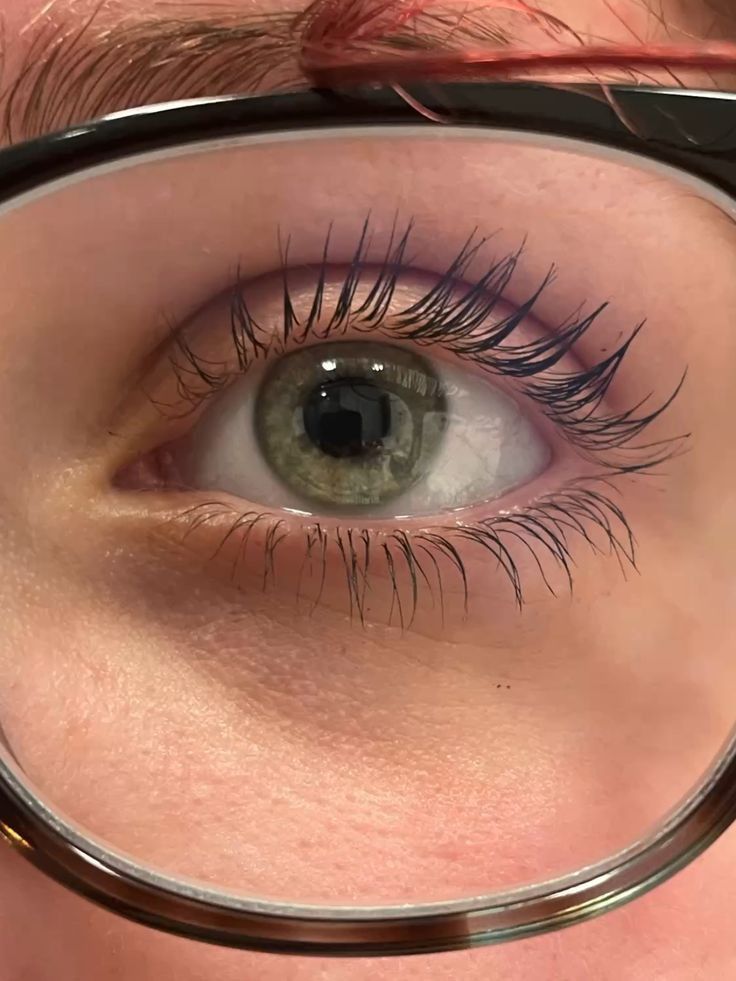
Permanent eye color change through iris implants carries significant risks. Studies show 92% of patients experience complications from corneal edema to cataracts. Eye color change surgery remains unapproved by the FDA to use cosmetically in the U.S. Procedures like keratopigmentation can cost up to $12,000. Is permanent eye color change safe? The answer is more complex than you might think. This piece gets into surgical options and their real-life outcomes. We also cover safer alternatives like colored contact lenses. This information will help you make an informed decision about changing your eye color.
Can You Change Your Eye Color Permanently? The Reality
Your eye color stems from melanin, a pigment stored in specialized cells called melanocytes within your iris. The iris contains two distinct layers: the pigment epithelium, which remains dark brown in everyone, and the stroma, where the visible color magic happens. Your eyes appear brown or black at the time your stroma holds substantial melanin. Light scatters through the tissue and creates blue or green reflections with minimal melanin present.
How natural eye color works
The amount of melanin within compartments called melanosomes determines your specific shade. Brown eyes contain high melanin levels distributed across many melanosomes. Green or hazel eyes show moderate pigment levels and melanosome numbers. Blue eyes hold minimal melanin within just a few melanosomes. No blue or green pigment exists in your eye in reality. These colors result from light scattering by the stroma, as with the Tyndall effect that makes the sky appear blue.
Your iris structure adds another layer of complexity. Small dents or dips in the front layer can create darker areas, much like freckles on skin. This structural variation explains why no two people share similar eye colors, even among identical twins who show subtle but visible differences.
Genetic factors behind eye color
Scientists have identified more than 150 genes that influence eye color, making it nowhere near as simple as the dominant-recessive model you learned in school. Two genes play major roles: OCA2 and HERC2, both located on chromosome 15. The OCA2 gene produces P protein, which controls melanin formation and processing in your iris. The HERC2 gene regulates OCA2 expression and turns melanin production on or off as needed.
Your eye color inheritance involves at least three gene pairs working together. The OCA2 gene alone controls nearly three-fourths of the blue-brown color spectrum. But other genes can override OCA2 instructions, which explains unexpected outcomes. A study showed that 62% of individuals carrying two copies of the blue-eyed OCA2 variant had blue eyes, while 7.5% of those with brown-eyed OCA2 variants also developed blue eyes.
Brown eyes dominate globally and account for about 79% of the population, followed by blue at 8-10%, hazel at 5%, and green at just 2%. Two parents with brown eyes can produce a blue-eyed child if both carry recessive blue eye variants. Two blue-eyed parents might have a brown-eyed child when hidden genetic variations come into play.
When eye color naturally changes
Most babies enter the world with grayish or blueish eyes because melanin production hasn't activated yet. Melanocytes continue secreting melanin for about six months after birth. You'll notice eye color shifts between 3 and 9 months of age, though complete stabilization can take up to three years.
A study tracking 148 newborns found that brown iris color remained stable 94% of the time. Blue eyes showed higher change rates: 27% moved to brown and 7.5% to hazel, while 5% became green. Eye color stabilizes by age six in most children, but changes continue throughout adolescence and into adulthood for 10-20% of individuals.
Adult eye color can move with age. About 10-15% of adults report their eyes lightening over decades due to melanin loss or redistribution. A 1997 study found that 17% of children experienced eye color changes by adulthood, with half developing lighter eyes and half developing darker shades. Long-term sun exposure may darken your eyes, while some Caucasian individuals experience lightening as they age. Hazel and green eyes tend to lighten with age and sometimes turn grayish as the iris thins and pigment-containing cells decrease after age 50.
Eye Color Surgery Options: What's Available Today
Three surgical approaches exist for permanent eye color change: silicone iris implants, laser iris depigmentation, and keratopigmentation. Each method targets different eye structures and carries distinct risk profiles.
Silicone iris implants procedure
Doctors developed iris implants in 1956 to treat patients with congenital or traumatic iris defects, such as aniridia or severe eye injuries. The FDA-approved CustomFlex artificial iris serves this medical purpose and uses custom photography to match a patient's healthy iris. The prosthesis consists of thin, biocompatible medical-grade silicone that manufacturers in Germany produce over 6-8 weeks.
Two cosmetic models emerged without regulatory approval: NewColorIris and BrightOcular. The NewColorIris measures 11.0-13.0 mm in diameter with six rounded peripheral flaps, a 3.5 mm pupillary aperture, and 0.16 mm thickness. BrightOcular ranges from 11.5-13.5 mm in diameter with five triangular flaps and posterior grooves that allow aqueous humor flow. It measures 0.16-0.18 mm thick.
Surgeons insert a folded silicone disc through a small corneal incision and then unfold it over the natural iris. Cosmetic iris implants lack FDA or European CE mark approval. A retrospective study of 65 eyes found that 92% experienced complications and 81% required implant removal within 2 years.
Laser iris color change technology
Laser iris depigmentation uses a 532-nm Q-switched crystal laser that delivers 3-4 nanosecond pulses to ablate melanin in the anterior iris stroma. The procedure raises and lowers iris pigment temperature 15 times over 30 seconds. This triggers cytokine and macrophage responses that remove pigment through the vasculature.
The Strōma laser system targets brown eyes and reveals underlying blue or green stromal fibers. Treatment requires multiple phases depending on pigment levels. Each phase comprises four consecutive daily sessions treating both eyes, repeated at 4-6 month intervals. A study of 1,176 eyes reported high patient satisfaction, with transient iritis occurring in 25% of cases and resolving with anti-inflammatory therapy.
The procedure cannot customize final color since it only reveals what exists beneath the melanin layer. Stroma remains investigational without FDA approval.
Corneal tattooing (keratopigmentation)
Keratopigmentation deposits micronized mineral pigments into the corneal stroma rather than altering the iris itself. Three techniques exist: femtosecond laser-assisted keratopigmentation (FAK), manual intralamellar keratopigmentation (MIK), and superficial automated keratopigmentation (SAK).
FAK creates a circular stromal tunnel using a femtosecond laser with an inner diameter of 5.5 mm and outer diameter of 9.5 mm. A lamellar dissector opens the tunnel to the limbus and allows pigment injection through a 27-gauge flat cannula. The procedure costs around $12,000 and takes about 30 minutes under local anesthesia.
A 2021 study of 79 eyes reported excellent observer evaluation in 90% of cases and patient satisfaction in 92.5% during follow-up periods extending to 69 months. Keratopigmentation lacks FDA approval for cosmetic use in the United States, though.
Comparison of surgical methods
| Method | Safety Profile | Color Customization | Reversibility | FDA Status |
|---|---|---|---|---|
| Iris Implants | High complication risk: glaucoma, corneal damage | Limited color options | Difficult, requires explant surgery | Not approved for cosmetic use |
| Laser Depigmentation | Moderate risk: transient iritis in 25% | No customization, reveals underlying color only | Irreversible | Investigational only |
| Keratopigmentation | Lowest risk when performed properly | Full customization of color and pattern | Partially reversible in some cases | Not approved for cosmetic use |
The Truth About Eye Color Change Safety
Medical complications from cosmetic iris implants appear in nearly every patient. A French study dissecting 65 eyes found that only 7.7% remained free of complications, while 92.3% experienced at least one adverse effect. The severity of these outcomes has prompted multiple international surgical societies to issue warnings against the procedures.
Real complications from iris implants
Corneal decompensation emerged as the most frequent problem and affected 78.5% of patients in the French study. The corneal endothelium loses cells through chronic inflammation and anterior chamber turbulence caused by the implant. Twenty percent of affected eyes required keratoplasty (corneal transplant) to restore function.
Glaucoma developed in 52.3% of cases. A 29-year-old patient who received BrightOcular implants in India experienced visual acuity decline to 20/500 in one eye and 20/200 in the other. He required trabeculectomy for medically uncontrolled glaucoma and implant removal from both eyes. He eventually needed endothelial keratoplasty plus cataract surgery. Explantation became necessary in 81.5% of cases and occurred on average 2.3 years after implantation.
The complications stem from implant placement against the iris within the anterior chamber. Iris chafing causes localized trauma and triggers uveitis-glaucoma-hyphema syndrome that leads to iris atrophy. Peripheral anterior synechiae form, damage the trabecular angle and cause glaucoma. Slow attrition of corneal endothelial cells continues through contact with the corneal periphery.
Long-term effects of laser procedures
Laser iris depigmentation releases melanin that can clog drainage channels inside your eye. This blockage causes pressure buildup and leads to glaucoma and potential vision loss. The procedure remains irreversible; once melanin is removed, it cannot be restored. Transient iritis occurred in 25% of patients in one study, though those who promote the procedure claim anti-inflammatory treatment resolves this complication.
Why most eye color surgeries aren't FDA approved
No eye color change procedure has received FDA approval for cosmetic use. Cosmetic iris implants lack both FDA approval in the United States and CE marking in Europe. Keratopigmentation remains unapproved despite being the most extensively studied technique. The American Academy of Ophthalmology issued a warning in 2024 and emphasized that these procedures carry vision loss risk.
Patient experiences and outcomes
Instagram model Nadine Bruna traveled to Colombia for silicone implants to change her hazel eyes to light grey. She suffered 80% vision loss in one eye and 50% in the other. Shenise Farrell went to Panama for iris implants and experienced progressive vision decline after surgery. She required explantation to prevent permanent blindness.
Non-Surgical Ways to Change Your Eye Color
Colored contact lenses provide a safer path to changing your eye color without the risks associated with surgical procedures. Contacts sit on your eye's surface rather than inside the eye itself, unlike iris implants and laser treatments.
Prescription colored contact lenses
The FDA classifies all contact lenses as medical devices. You need a valid prescription even for cosmetic lenses without vision correction. This requirement applies to decorative Halloween contacts and novelty lenses sold at costume shops or online retailers.
Colored contacts come in three distinct tint categories:
Opaque tints change your eye color through solid, non-transparent lenses. These work best if you have dark eyes and want dramatic changes, such as brown to ice gray or blue. Enhancement tints intensify your natural color using transparent, solid-colored lenses that define iris edges. These lenses benefit light-colored eyes most. Visibility tints don't alter eye color but contain faint blue or green flecks to handle them easier.
You can get colored contacts with full vision correction for myopia, hyperopia, astigmatism, or presbyopia. Prescription options start at +0.50 diopters for farsightedness and extend to +3.00 diopters, with adjustments at every +0.25 diopter step. Brands like Myeyebb address astigmatism while changing eye color.
Temporary vs permanent solutions
Daily disposable colored lenses work to use occasionally, worn once and discarded. Reusable options last weekly, monthly, or quarterly before replacement. Experts recommend wearing colored contacts for 6-8 hours daily maximum to prevent eye fatigue and discomfort.
The temporary nature gives you flexibility that surgical options cannot match. You can choose ocean blue eyes today and switch to green next year without permanent commitment.
Benefits of choosing contacts over surgery
Colored contacts avoid the complications seen in surgical procedures. You won't face the 92% complication rate documented with iris implants or the irreversible melanin removal from laser treatments. Proper fitting by an eye care professional prevents infections and corneal damage.
There's another reason to consider contacts. Prescription colored contacts range from $10.90 to $93.00, compared to $12,000 for keratopigmentation. Contact lens exams run $100-$250, a fraction of surgical procedure costs.
Making the Right Decision for Your Eye Health
Scheduling a consultation with an ophthalmologist gives you the foundation to make an informed decision about changing your eye color. An ophthalmologist can assess your eye health, review your medical history, and provide advice based on your specific needs. Most surgical procedures are irreversible, which makes this professional evaluation critical.
Questions to ask your eye doctor
Ask whether the risks are fully understood and disclosed before committing to any procedure. You need clarity on whether your decision stems from informed consent or social media influence. Ask if providers are promising unrealistic results, especially when they operate in countries with looser medical standards. Ask about the permanency of any procedure you're thinking about. Dr. Allison Coombs warns that "it's impossible to un-tattoo your corneas" and emphasizes the irreversible nature of keratopigmentation.
Red flags to watch for
Watch for unregulated manufacturing conditions that can contaminate products and cause dangerous eye infections. Procedures performed in countries with less stringent medical regulations pose additional risks. Social media claims about eye color change present another warning sign. The American Academy of Ophthalmology advises never putting anything in your eye that isn't made to go in the eye. Providers who downplay complications or fail to discuss long-term safety data should raise immediate concerns.
What experts recommend
The AAO strongly recommends using FDA-approved colored contact lenses prescribed by qualified professionals for anyone looking to change their eye color. These lenses provide safer and reversible alternatives compared to irreversible surgical procedures. Medical consensus holds that cosmetic iris implants should be avoided and regarded as malpractice. Your vision remains irreplaceable, and experts emphasize that cosmetic procedures risking long-term harm must be assessed through an ethical lens.
Conclusion
While permanent eye color change might seem appealing, the evidence speaks clearly. Surgical procedures carry serious risks. Complication rates reach 92% for iris implants and laser treatments cause irreversible consequences. None of these options have FDA approval for cosmetic use.
Colored contact lenses give you the transformation you want without risking your vision. They're affordable and safe when fitted by an eye care professional. You can change your look as often as you wish for a fraction of the surgical cost.
Your eyesight is irreplaceable. Choose the safer path and protect your long-term vision health.
FAQs
Q1. Can you permanently change your eye color naturally? Eye color can change naturally during infancy and childhood as melanin production develops, typically stabilizing by age six. About 10-15% of adults experience gradual lightening or darkening over decades due to melanin redistribution or sun exposure. However, these natural changes are subtle and unpredictable, not dramatic transformations.
Q2. What are the main surgical options for changing eye color? Three primary surgical methods exist: silicone iris implants (which place a colored disc over your natural iris), laser iris depigmentation (which removes melanin to reveal underlying color), and keratopigmentation (which deposits pigment into the cornea). None of these procedures have FDA approval for cosmetic use in the United States.
Q3. Why are cosmetic eye color surgeries considered dangerous? Studies show that 92% of patients who receive cosmetic iris implants experience complications including corneal damage, glaucoma, and vision loss. Many require implant removal within two years. Laser procedures irre