
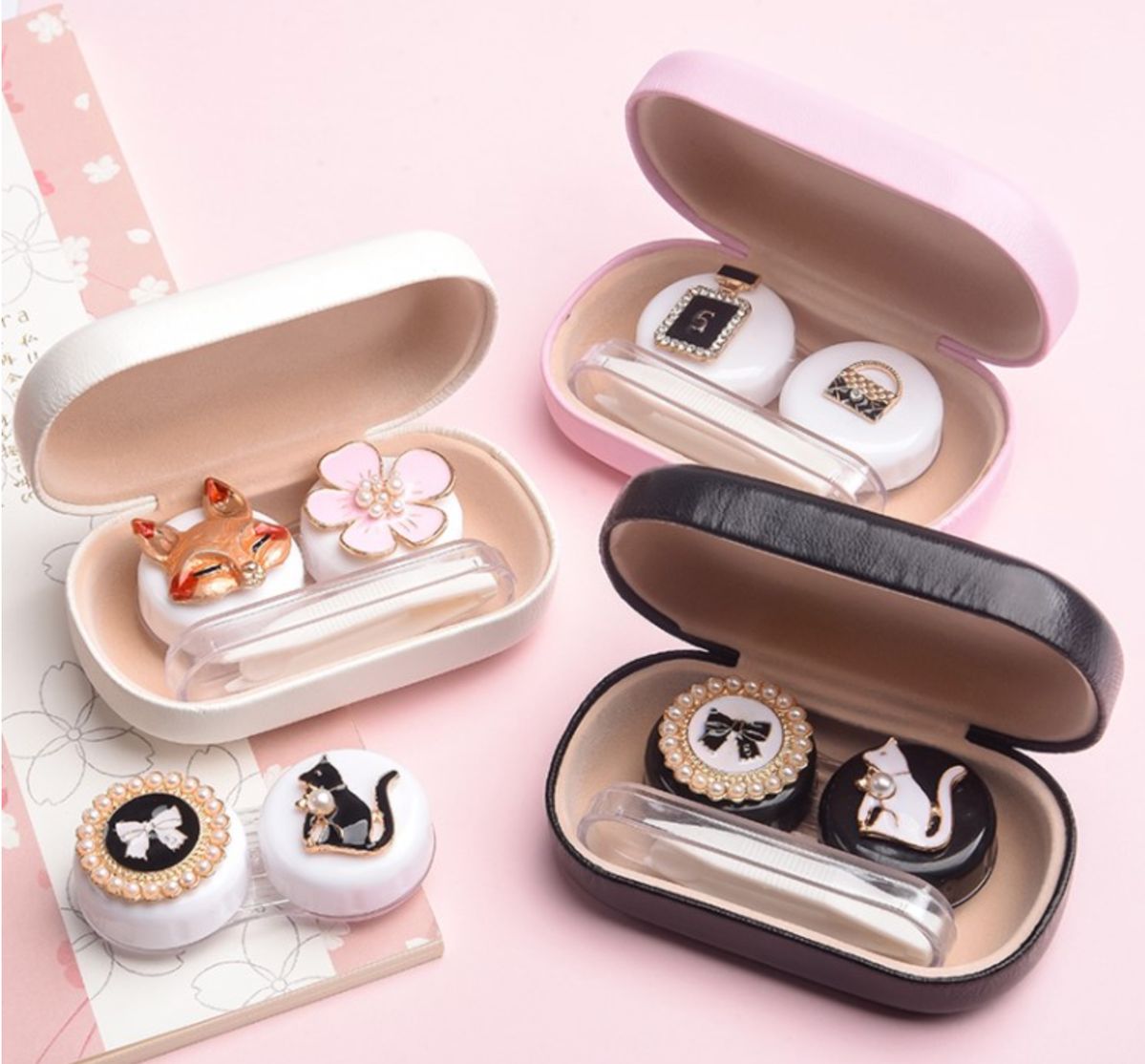
Proper care of colored contacts is significant since these fashionable accessories are medical devices that sit directly on your eyes. These lenses improve appearance, but they need the same careful attention as prescription lenses. Many people wrongly think decorative or cosmetic colored contacts don't need the rigorous care that vision-correcting ones do.
Poor care routines will shorten your lenses' lifespan and put your eye health at serious risk. A single hygiene lapse can cause eye infections, dryness, irritation, and possible long-term vision damage. You might use colored contacts to enhance your natural beauty daily or occasionally, but keep in mind that all contact lenses are regulated medical devices. This piece will help you avoid common mistakes and develop safe habits for wearing colored contact lenses, even if you're an advanced lens wearer.
Why colored contacts need special care
The FDA puts all colored contact lenses in Class II medical devices—whatever their purpose, vision correction or just looks. This shows why you need to take special care of these products that touch one of your body's most sensitive parts.
Colored contacts are medical devices
These aren't like makeup or accessories that just sit on your skin—colored contacts touch your eye tissues directly. The FDA keeps a close watch on these products because they can harm your health if not used right. This rule covers all colored lenses, even the ones you'd buy for Halloween, cosplay, or fashion.
Since colored contacts are medical devices, federal law says they must:
- Get FDA 510(k) clearance before hitting the market
- Use approved materials like Polymacon hydrogels
- Have proper pigment encapsulation technology
- Come with clear labels and instructions
On top of that, you need a valid prescription from an eye doctor to get any colored contacts, even if they don't help you see better. This rule exists to keep you safe and will give a perfect fit for your eye's unique shape.
Cosmetic vs. prescription lenses: same risks
Many people think non-prescription colored lenses are safer than ones that correct vision. The truth is, both types can hurt your eyes just as much if used wrong. They just serve different purposes, but their safety risks are the same.
Lenses that don't fit right can lead to serious problems like:
- Corneal abrasions (scratches on your eye's clear covering)
- Corneal infections and ulcers
- Conjunctivitis (pink eye)
- Worse vision
- Blindness in the worst cases
Your eyes can get infected very quickly—some people have gotten corneal ulcers and gone blind in just 24 hours without quick treatment. Research shows about 60% of fake cosmetic lenses had dangerous microbes. That's why you should only buy from trusted sellers.
Common misconceptions about occasional use
The most dangerous myth about colored contacts might be that casual use means you can skip proper care. Some people think using lenses for one night or special event lets them avoid seeing a doctor or following proper care steps.
Your eyes can get damaged after wearing lenses just once if they:
- Don't fit right
- Have harmful microorganisms
- Block oxygen from reaching your cornea
Many costume shops, salons, and online stores still sell non-prescription colored lenses even though it's against the law. These products often skip important safety checks and quality controls, which puts your eyes at risk.
The CDC makes it clear—all contact lenses need proper fitting by an eye doctor, even if you'll only wear them once. A professional exam makes sure the lenses match your eye's shape. This cuts down on problems and helps them feel comfortable.
Understanding that colored contacts are medical devices needing special care helps protect your eye health while you enjoy their look. Learning the right way to handle, clean, and store them isn't just good practice—it's crucial to avoid serious problems that could affect your vision forever.
Mistake #1: Skipping professional consultation
Many people think they can buy colored contacts without seeing an eye doctor—this mistake can damage their eyes badly. The Food and Drug Administration (FDA) labels all contact lenses as medical devices that need proper fitting and professional guidance.
Why a prescription is always required
Federal law requires prescriptions for all colored contact lenses—even non-corrective ones. This rule isn't just paperwork. It protects your eyes. The FDA regulates decorative lenses as medical devices, not cosmetic accessories.
Bacterial infections from poorly fitted lenses can spread very fast. These infections might cause corneal ulcers and blindness within 24 hours if left untreated. A proper prescription has these key details:
- Base curve (matching your cornea's shape)
- Diameter (correct lens size)
- Power (vision correction if needed)
- Brand recommendations
Eye exams cost between $100-$250. You might think this is expensive, but call it an investment in your eye health rather than a needless expense.
Risks of poor lens fit
Badly fitted colored contacts can cause many problems. Lenses that don't match your eye shape can:
- Create painful scratches on your cornea
- Lead to severe corneal infections and ulcers
- Cause conjunctivitis (pink eye)
- Result in decreased vision
- Cause permanent blindness in worst cases
Contact lenses aren't "one-size-fits-all" items. Like shoes that don't fit can hurt your feet, contacts that don't match your eye's measurements can harm your corneal tissue. Each person's eyes have unique shapes and curves that need professional measurement for safe lens wear.
Costume shops, beauty supply stores, and online retailers still sell colored contacts without asking for prescriptions—this breaks U.S. law. These sellers rarely provide proper lens care instructions.
How to verify a safe vendor
Keep your eyes safe when buying colored contacts by following these guidelines:
Visit a licensed ophthalmologist or optometrist for an eye exam—this step is mandatory even with perfect vision. After your exam, get a valid prescription with the lens brand, measurements, and expiration date.
Legitimate sellers must ask for your prescription—this applies to all contacts, including non-corrective colored lenses. Any seller who skips this step breaks the law.
Stay away from street vendors, beauty supply stores, flea markets, novelty shops, Halloween stores, convenience stores, or websites that don't ask for prescriptions. These unauthorized sellers often stock fake or unapproved products that can hurt your eyes.
The American Academy of Ophthalmology warns that poorly fitted contact lenses can scratch the cornea and increase infection risks by a lot, which may damage your vision permanently. Buy only FDA-approved eyewear from qualified providers to stay safe.
Getting a professional consultation will give you colored contacts that are safe and comfortable. This lets you enjoy your new look while protecting your eyes.
Mistake #2: Poor hygiene when handling lenses
Safe colored contact lens wear starts with good hygiene. Studies reveal that poor hand hygiene leads the list of risk factors for microbial contamination in contact lenses. The numbers paint a concerning picture - half of all lens wearers skip regular hand hygiene practices, which creates a high risk of infection.
Not washing hands before use
Your eyes face serious risks when you handle colored contacts with unwashed hands. The numbers tell a troubling story - a CooperVision survey found that 88% of contact lens users knew bacteria could move from fingers to eyes during lens insertion. Yet 41% still skipped hand washing.
This negligence comes at a steep price. Users who don't wash their hands face a risk of microbial keratitis (a serious corneal infection) that's 13 times higher than those who do. Here's how to protect your eyes:
- Really wash your hands with soap and water for at least 20 seconds
- Use a clean, lint-free towel to dry completely
- Skip hand sanitizer when possible (leftover alcohol might get in your eye and hurt)
Using tap water or saliva
One of the riskiest hygiene mistakes involves letting colored contacts touch any water. The EPA's message is clear: "Never use tap water, homemade solutions, and other non-sterile solutions to disinfect and store contacts".
Water creates special problems for contact lenses. Your digestive system handles tap water's microorganisms well, but your eyes can't. Acanthamoeba poses the biggest threat - this microscopic amoeba lives in tap water, well water, lakes, and swimming pools. This organism can cause Acanthamoeba keratitis when it gets trapped between your contact lens and cornea. This very painful infection resists most treatments.
The same goes for saliva - it should never touch your lenses. The EPA specifically warns against this practice. The bacteria in your mouth, while harmless there, can trigger serious eye infections when they reach your contacts.
Time matters here - microorganisms stick to lens surfaces in just seconds of exposure to water or saliva. If your lenses touch water, throw them away immediately. Don't try to "save" them with solution.
Sharing lenses with others
Your infection risk shoots up when you trade or borrow colored contacts, whatever your relationship with the other person. The EPA keeps it simple: "Don't trade, share, or borrow another person's lenses".
Note that every eye has its own unique shape and size. Contact lenses fitted for someone else won't sit right on your eyes. This poor fit can lead to corneal abrasions, infections, or vision problems. This rule applies to new, unopened lenses from friends too - lenses not fitted for your eyes specifically can damage your vision.
Your eyes need simple protection to avoid sight-threatening complications. Good hygiene habits make all the difference in safe colored contact wear.
Mistake #3: Improper cleaning and storage
Dirty contact lenses and poor storage habits can lead to serious eye infections and complications. Research shows that contaminated cases have been linked to deadly eye disorders like keratitis, which can cause blindness without treatment. You need to learn proper care techniques to protect your eyes and keep your lenses looking vibrant.
How to clean colored contacts properly
You must follow these critical steps to clean your contacts:
- Clean your hands really well with soap and water
- Put the lens in your palm with the concave side up
- Add 2-3 drops of multi-purpose solution
- Rub the lens gently in a circular motion 20-30 times
- Rinse with fresh solution
Never use tap water, saliva, or homemade solutions to clean your lenses. These introduce harmful bacteria that can cause severe infections. Rubbing action becomes especially important when you have protein deposits that build up on lenses.
How to store colored contacts safely
Your colored contacts need to stay completely covered in fresh solution inside a clean case when you're not wearing them. Make sure to seal the case tightly and keep it in a cool, dry spot away from bathroom moisture.
Using proper storage techniques is crucial. Don't "top off" old solution with new—this makes disinfection nowhere near as effective. You should throw out all old solution and add fresh solution each time.
Why contact solution matters
Multi-purpose solution is crucial to colored contact care because it cleans, disinfects, and stores your lenses. This solution gets rid of deposits and kills harmful microorganisms that could hurt your eyes.
Saline solution doesn't disinfect lenses—you should only use it to rinse after cleaning with another care system. Hydrogen peroxide-based systems are a great way to get results, especially if you're allergic to multi-purpose solutions, but they need exact 4-6 hour neutralization periods.
When to replace your lens case
Your contact lens case isn't just a storage container—it can harbor harmful bacteria and fungi. Eye doctors strongly recommend getting a new contact lens case every three months.
Here's how to maintain your case between replacements:
- Empty all old solution after each use
- Rinse with fresh contact solution (never water)
- Let it air dry upside down on a clean tissue
Studies show that bacterial contamination affects 30% to 85% of contact lens cases. You should replace your case right away if you see cracks, discoloration, or stubborn residue—even if three months haven't passed.
Mistake #4: Wearing lenses too long or overnight
Wearing colored contacts longer than recommended is one of the most dangerous mistakes users make. You can prevent serious vision damage by learning about safe usage times.
Recommended wear time by lens type
Your colored contacts should not be worn beyond 8-12 hours daily. Each type has specific limits:
- Daily disposable colored lenses: Maximum 10-12 hours
- Monthly/yearly colored lenses: Up to 9 hours
- Specialty colored lenses: Only 6-8 hours
The added pigments in colored contacts reduce oxygen flow to your eyes compared to clear lenses.
Why sleeping in lenses is dangerous
You should never sleep while wearing colored contacts. This increases your risk of eye infections by six to eight times compared to proper daily wear. Your lenses trap bacteria against the cornea overnight and reduce oxygen supply, which creates perfect conditions for infections.
This is a big deal as it means that even one night of sleeping in contacts can lead to corneal swelling, vision damage, and potentially blinding infections.
Signs your eyes need a break
Take your lenses out right away if you notice:
- Redness, irritation, or discharge
- Burning or gritty sensations
- Blurred vision or light sensitivity
- Sharp or worsening eye pain
Eye care professionals suggest keeping one day each week completely lens-free to give your eyes the recovery time they need. This break should be in addition to your daily wear limits.
Conclusion
Colored contacts can be a fun way to improve your appearance. These medical devices that interact directly with your eyes just need proper care. You must have a valid prescription from an eye doctor to use any colored lenses, whatever your vision needs. A professional consultation will give a proper fit and help avoid serious complications.
Your eyes stay protected from harmful microorganisms when you maintain strict hygiene habits. Make sure your hands are clean before handling lenses. Keep them away from water or saliva. Never share your contacts with anyone - not even close friends or family members.
Proper cleaning and storage protocols using approved contact solutions are crucial. You should replace your lens case every three months. Always discard old solution completely instead of topping it off. These simple habits will substantially reduce infection risks and help your colored lenses last longer.
Of course, you must follow wear time limits closely. Take out your colored contacts after 8-12 hours based on their type. Never sleep with them in your eyes. Your eyes just need regular breaks from lenses to stay healthy.
These care guidelines might seem like a lot of work, but they protect your eye health while letting you safely enjoy colored contacts' esthetic benefits. Beautiful eyes deserve careful protection. Think over these safety measures as key parts of your colored lens routine - this small time investment leads to comfortable wear and healthy eyes long-term.