
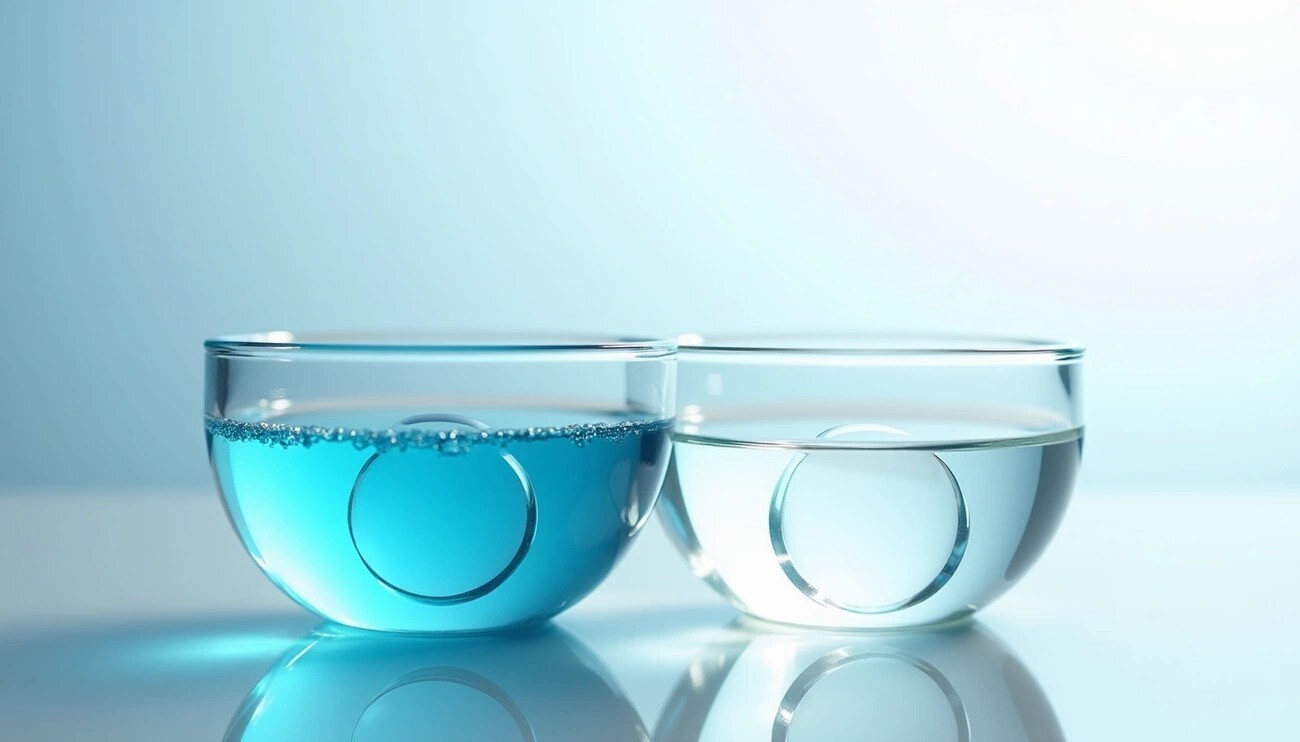
You might have wondered about using saline solution instead of contact solution when your supplies run low. The answer is no - these solutions serve different purposes and you cannot interchange them for lens storage. Your eyes could face serious complications from irritation to dangerous infections if you use the wrong solution.
Multi-purpose contact lens solution plays a specific role. It cleans, disinfects, rinses and stores your contact lenses safely. Saline solution works differently. We used it mainly to rinse lenses before insertion and it only works as a temporary storage option. The difference between these solutions is vital to protect your eye health and avoid complications. Think of it this way - using just saline is like washing your hands with water but no soap. This approach falls short of proper lens care standards.
What is the difference between contact solution and saline solution?
Let's look at your contact lens care products and understand the key differences between saline and contact solutions to keep your eyes healthy. Here's why these solutions play different roles in your lens care routine.
Saline solution: simple saltwater rinse
Saline solution is just a sterile mix of salt and water. Most saline solutions you can buy contain 0.9% sodium chloride (salt), which matches the salt levels in your tears. This balanced mixture works well with your eyes and won't cause irritation.
Saline solution works as:
- A rinse for your lenses after cleaning with a proper solution
- A temporary storage medium (short-term only)
- A final rinse before lens insertion
The biggest problem is that saline solution has no disinfecting agents. It's like rinsing dishes without soap—you might remove loose debris but germs and bacteria stay put. So saline solution can't disinfect your lenses, which means it's not enough for complete lens care.
Contact solution: multi-functional care
Contact lens solution works differently because it's created to handle several tasks at once. These solutions mix together:
- Disinfecting agents (like hydrogen peroxide or enzymes)
- Surfactants for cleaning lens surfaces
- Wetting agents to maintain lens hydration
- Preservatives for solution longevity
Multipurpose solution—the most common type—cleans, rinses, disinfects, and stores soft contact lenses all in one. This detailed mix gets rid of protein deposits and debris while killing harmful microorganisms that build up on your lenses during the day.
Some people need specialized contact solutions. Hydrogen peroxide-based solutions are great at disinfecting for people who react to preservatives. These solutions need neutralization before you put your lenses in to avoid eye irritation.
Why they are not interchangeable
Your eyes face serious risks if you use saline instead of proper contact solution. Bacteria and other microorganisms multiply on your lenses overnight in saline because it doesn't disinfect. This growth of harmful organisms puts you at risk of painful eye infections.
Eye care professionals say saline solution works only as:
- A rinse after proper disinfection with contact solution
- A temporary emergency storage medium (hours, not days)
- A final rinse for hydrogen peroxide systems before insertion
Contact solution also contains ingredients that condition your lenses to make them more comfortable. Without these conditioning agents, your lenses might irritate your eyes and feel less comfortable.
Fresh contact solution should be used daily for storage and cleaning to keep your eyes healthy. Saline might seem like an easy substitute, but it lacks the disinfecting properties that make contact solution essential for safe lens care.
Types of Contact Lens Solutions and Their Uses
Choosing the right contact lens solution plays a major role in keeping your lenses clean, comfortable, and safe to wear. The best option depends on your lens type, eye sensitivity, and daily routine. Below is a breakdown of the main types of contact lens solutions and how they’re used.
Multi-Purpose Solutions
Multi-purpose solutions are the most commonly used option for soft contact lenses. A single bottle is designed to clean, disinfect, rinse, and store lenses, making them convenient and cost-effective.
These solutions typically contain a combination of disinfecting agents, surfactants to remove debris, wetting agents for comfort, and preservatives. While many products are labeled “no-rub,” eye care professionals still recommend gently rubbing lenses with clean fingers for about 10 seconds per side to remove surface deposits more effectively.
Multi-purpose solutions are easy to use and budget-friendly, making them a popular choice for everyday lens wearers.
Hydrogen Peroxide–Based Solutions
Hydrogen peroxide systems provide a deep, preservative-free clean, making them ideal for people with sensitive eyes or allergies. They use a 3% hydrogen peroxide solution to disinfect lenses and break down protein buildup. The bubbling action helps lift deposits from the lens surface.
These solutions must be fully neutralized before lenses are worn, as unneutralized peroxide can cause serious eye irritation. There are two common system types:
-
One-step systems, where the neutralizer is built into the lens case
-
Two-step systems, which require adding a neutralizing tablet after disinfection
Lenses typically need 6–8 hours (usually overnight) to complete the disinfection and neutralization process. While these systems cost more than multi-purpose solutions, many wearers find the comfort benefits worth it.
Solutions for Rigid Gas Permeable (RGP) Lenses
Rigid gas permeable lenses require specialized care solutions that differ from those used for soft lenses. Since RGP lenses are silicone-based and do not contain water, their solutions are formulated to clean, disinfect, and condition the lens surface without causing damage.
RGP care systems often include either a single all-in-one solution or a two-step system with a separate cleaner and conditioning solution. These products remove deposits, eliminate harmful microorganisms, and maintain lens comfort.
Some hydrogen peroxide systems are compatible with RGP lenses, but you should always confirm compatibility with an eye care professional before use.
Daily Cleaners
Daily cleaners are designed to provide an extra level of cleaning, especially for people who experience buildup or reduced comfort. These solutions help remove film, protein deposits, and debris but do not disinfect lenses on their own.
To use a daily cleaner, apply a few drops to each side of the lens and gently rub for about 20 seconds. After cleaning, lenses must be rinsed and then disinfected using a separate solution. This added step can improve clarity and comfort throughout the day.
Saline Solutions
Saline solutions are sterile mixtures of salt and water that closely resemble natural tears. They do not contain disinfecting agents, so they cannot be used to clean or store lenses overnight.
Saline solution is commonly used to:
-
Rinse lenses after cleaning
-
Rinse lenses after hydrogen peroxide neutralization
-
Provide a final rinse before insertion
Because saline is gentle on the eyes, it’s useful as a rinsing solution. However, it should never replace proper cleaning and disinfection solutions for long-term lens care.
Can you use saline solution for contacts?
Contact lens wearers often wonder if they can use saline solution instead of their regular contact solution. You need to know at the time saline works—and when it doesn't. This knowledge protects your eye health and helps avoid serious complications.
When saline is safe to use
Your contact lens routine can include saline solution in several ways, though it has its limits. Here's what you can safely do with saline:
- Rinse your lenses after disinfecting them with contact solution
- Give lenses a final rinse before putting them in
- Rinse lenses after hydrogen peroxide neutralization
- Store lenses temporarily in emergencies
People who wear daily disposable contacts can use FDA-approved saline solution to rinse their lenses before insertion if they have sensitive eyes. Scleral lens wearers typically need preservative-free saline to fill their lenses before putting them in.
Why saline doesn't disinfect
The biggest problem with saline solution lies in its inability to disinfect contact lenses. Saline is just sterile, pH-balanced saltwater without any germ-fighting properties. This difference is vital to your eye health.
Back then, people used saline with heat disinfection systems that boiled lenses each night. The boiling—not the saline—killed the germs. Saline just kept the lenses from drying out during storage.
Saline solution lacks the power to:
- Kill bacteria and other microorganisms
- Remove protein deposits from lenses
- Break down debris that collects on lenses
- Stop microbe growth in your lens case
The CDC makes it clear: "saline solution does not disinfect contact lenses". It works like in washing your hands with water but no soap.
Risks of using saline as a long-term solution
Using saline instead of proper contact solution puts your health at risk. Germs multiply faster on your lenses during storage without proper disinfection.
Here's what it all means:
- Eye infections that could harm your vision
- Corneal infections from homemade saline solutions
- Eye irritation and inflammation
- Protein and debris buildup on lenses that causes discomfort
Yes, it is like storing food at room temperature instead of in the fridge—you create perfect conditions for harmful germs to grow.
Eye doctors stress that preservative-free saline solutions go bad quickly and should be thrown away 24 hours after opening. This fact expresses why saline can't work for storing lenses.
Note that even store-bought salines can't replace proper contact lens solutions. The FDA and other health authorities warn against using saline as your main lens care solution because it can't provide the disinfection you need for safe lens wear.
What to do if you don’t have contact solution
Everyone runs out of contact solution from time to time. Smart choices about temporary alternatives will help protect your eyes until you make it to the store.
Safe short-term substitutes
You might need a quick fix if you unexpectedly run out of contact lens solution. Here are your safest options:
-
Preservative-free saline solution - This works for holding your lenses safely for several hours in an emergency. The solution lacks disinfecting properties, so treat it as a last resort rather than a long-term fix.
-
Travel-sized contact solution - These small bottles fit perfectly in your bag, car, or desk drawer. Most brands offer travel sizes that meet airline rules and last several days.
-
Overnight delivery services - Many online stores now deliver contact lens supplies the same day or next day, which can save you in a pinch when you're completely out.
Eye care professionals stress that these alternatives should only be temporary—no more than 24 hours—until you can get proper contact solution.
What not to use: water, saliva, homemade mixes
Some substitutes can seriously harm your eye health. Here's what you should never use with contact lenses:
Any type of water is dangerous for your contacts, whether it's tap, bottled, or distilled. Water contains microorganisms, specifically Acanthamoeba, that might cause severe infections and lead to vision loss. These organisms stick to contact lens material and resist disinfection.
Your saliva carries countless bacteria that should stay far away from your lenses. Putting saliva on contacts ranks among the riskiest things you can do and dramatically raises your chance of serious eye infections.
DIY saline solutions mixed from salt and water lack proper sterilization and concentration control. These homemade solutions often cause severe eye infections and corneal damage.
Baby shampoo, vinegar solutions, and other home remedies don't have the right disinfecting agents or pH balance for safe lens care.
When to discard lenses instead
Some situations call for throwing out your lenses:
-
Daily disposables should go straight in the trash rather than being stored improperly. New lenses cost nowhere near as much as treating an eye infection.
-
If you're traveling without solution, toss your current pair and switch to glasses until you can get proper solution.
-
Lenses exposed to water, saliva, or homemade solutions need immediate disposal to avoid infection.
-
Uncomfortable lenses after improper storage should be thrown away right away.
A backup pair of glasses means you'll never have to choose between risky lens storage and clear vision.
Best practices for safe contact lens storage
Storing contact lenses properly requires more than just the right solution. Good habits protect your eyes and prevent infections that could damage your vision.
Always use fresh solution
You must replace your lens solution daily. Never "top off" or reuse old solution because it won't disinfect your lenses well and puts your eyes at risk. Empty the case completely and add fresh, unexpired solution each time you store your lenses. You should throw away preservative-free solutions within 24 hours after opening them. Keep solution bottles sealed tight and don't let the tip touch any surface to avoid contamination.
Clean your lens case regularly
Your lens case needs the same care as your lenses. Rinse the case with fresh contact solution when you take out your lenses in the morning—tap water is not safe. Let the case dry by placing it upside down on a clean tissue. You should get a new case every three months. Studies show that more than 80% of contact wearers keep their cases too long. The case should stay in a cool, dry place away from bathroom moisture where bacteria can grow.
Avoid sleeping in lenses unless approved
Your risk of eye infection jumps eight times higher when you sleep with contacts. Contacts block oxygen from reaching your cornea during sleep. Low oxygen levels can lead to keratitis or corneal neovascularization. Eye doctors usually recommend against overnight wear, even with approved lenses.
Follow your eye doctor's instructions
Listen to your doctor's guidelines about when to replace lenses and how to care for them. Storage times vary between solutions—some last 24 hours while others work up to a month. Watch both the expiration date and when to discard the solution (usually 90 days after opening). Book yearly eye exams to check your lens fit and eye health.
Conclusion
Contact lens solutions and saline solutions may look alike, but they serve completely different purposes. These two liquids work differently when it comes to lens care. Contact solution actively disinfects, cleans, and conditions your lenses. Saline just rinses them and doesn't kill harmful microorganisms.
The right solution reduces your risk of eye infections and complications by a lot. Don't substitute saline for proper contact solution, even for a short time. Think of contact solution as a shield that protects your eye health rather than an extra expense.
On top of that, it takes more than just the right solution to care for your lenses properly. You need to empty and refill your case with fresh solution daily. Replace your cases often and stick to your prescribed wearing schedule. Everyone faces emergencies sometimes – keep a travel-sized bottle of contact solution ready instead of using unsafe options like tap water or homemade mixtures.
Your eyes deserve serious care and attention. Contact lenses free you from glasses, but they come with responsibilities. Taking a few extra minutes each day to care for your lenses prevents serious complications later. Your eyes are irreplaceable – protect them by using the right solutions and following proper care practices.