
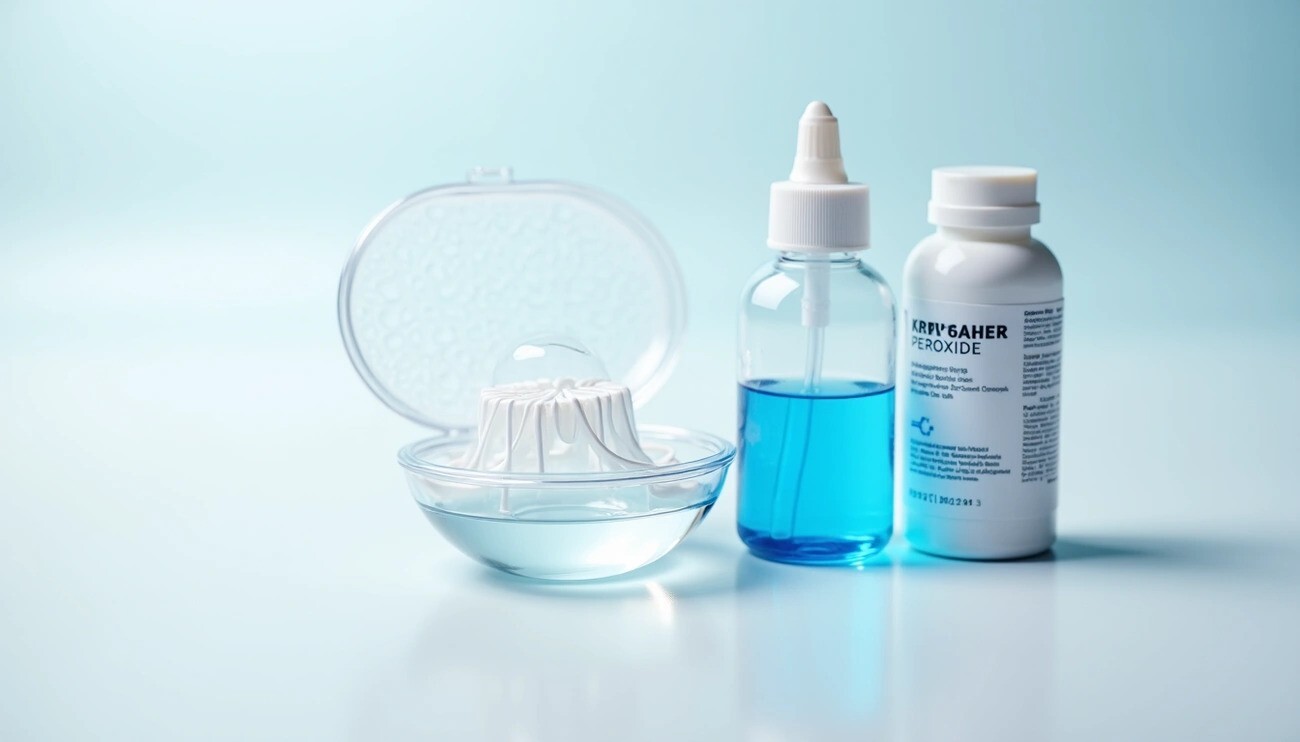
Hydrogen peroxide contact lens solution destroys harmful pathogens through oxidation. This makes it a vital disinfectant for 95% of contact lens wearers who face the highest risk of eye infections. Your vision and overall eye health substantially depend on proper contact lens care. The right cleaning procedures protect you against serious complications.
The solution proves more effective than other cleaning methods. It successfully eliminates resistant microorganisms, including the stubborn cyst form of Acanthamoeba at a 3% concentration with enough exposure time. But this powerful cleaning ability requires careful handling. In this piece, you'll discover how these solutions work, what safety protocols you must follow, and which hydrogen peroxide system best fits your contact lens care routine.
What is Hydrogen Peroxide Contact Lens Solution?
Hydrogen peroxide contact lens solution is a unique cleaning option in the contact lens care world. It's different from standard cleaners because it uses 3% hydrogen peroxide (H₂O₂) as its active ingredient. This potent chemical disinfectant has helped contact lens wearers since the 1970s.
The solution works as a strong oxidizing agent that attacks proteins, lipids, and microbial DNA to eliminate harmful microorganisms. This powerful formula doesn't just clean your lenses—it really disinfects them and breaks protein and lipid bonds to remove trapped debris that builds up during the day.
How it is different from multipurpose solutions
The contact lens solution market mainly offers two options: multipurpose solutions (MPS) and hydrogen peroxide systems. These two approaches are different in how they clean and how you use them.
Multipurpose solutions kill microbes by disrupting their cell membranes. They're convenient all-in-one products that clean, rinse, disinfect, and store your lenses in a single solution. You can put these solutions right in your eyes without extra steps.
Hydrogen peroxide solutions, however, need a vital neutralization process before you can insert your lenses. The 3% hydrogen peroxide can harm your cornea and must be neutralized to avoid intense stinging, tearing, redness, and possible corneal damage. This neutralization happens through:
- One-step systems where neutralization occurs alongside disinfection using a platinum-coated disk or soluble catalase tablet in the storage case
- Two-step systems that use a separate neutralization step by adding catalase or sodium pyruvate solution after a set disinfection time
There's another reason these solutions stand out - they're preservative-free, while multipurpose solutions contain preservatives that might irritate some users.
Why some users prefer hydrogen peroxide systems
Many contact lens wearers and eye care professionals like hydrogen peroxide systems even though they take more care to use properly.
These solutions are great at deep cleaning. They provide better disinfection against many pathogens and work better against acanthamoeba keratitis—a rare but serious eye infection—than many multipurpose formulas. Users can see bubbles forming during neutralization, which shows the solution is doing its job.
People with sensitive eyes or allergies find these solutions particularly helpful. Without preservatives, they work well for those who feel discomfort with regular multipurpose solutions. Studies show that hydrogen peroxide solutions cause fewer corneal infiltrates than multipurpose solutions.
Eye doctors often suggest trying hydrogen peroxide systems before switching lens types when patients say their contacts aren't comfortable. People who stopped wearing contacts because of discomfort can often start wearing them again comfortably after switching to hydrogen peroxide solution.
In spite of that, these systems have their drawbacks. The cleaning takes longer—usually 6-8 hours or overnight—and you just need to follow proper neutralization steps. The solution loses its disinfecting power after neutralization, so your case and contacts can get contaminated if you don't handle them properly.
How Hydrogen Peroxide Solutions Work
The science behind hydrogen peroxide contact lens solution is a balanced chemical process that will really clean your lenses without leaving harmful residues. Learning about these solutions will help you understand why proper usage is vital for lens hygiene and eye safety.
The disinfection process explained
Your contact lenses start a powerful oxidative reaction once you put them in hydrogen peroxide solution. Most multipurpose solutions use biocides that interact electrostatically with microorganism cell membranes. However, hydrogen peroxide creates free radicals that destroy cell membranes and essential components of microorganisms. This oxidation process breaks down proteins, removes deposits, and kills many types of pathogens on your lenses.
These solutions use a standard 3% concentration that provides enough antimicrobial power to eliminate most harmful organisms. Hydrogen peroxide molecules are small enough to penetrate deep into lens materials and reach areas where bacteria and other microorganisms might hide. This deep penetration also explains why contact with unneutralized peroxide stings so much—the solution easily reaches sensitive corneal tissues.
You'll see tiny bubbles forming around your lenses during disinfection. This bubbling isn't just for show—it shows the solution is working by loosening debris while disinfecting.
Understanding the neutralization step
The neutralization step is a vital safety feature of hydrogen peroxide lens care. Your eyes would experience intense stinging, lacrimation, hyperemia, and possible corneal damage without this step.
The neutralization process breaks hydrogen peroxide (H₂O₂) into two harmless components:
- Water (H₂O)
- Oxygen (O₂)
A platinum catalyst or catalase enzyme handles this chemical conversion. The platinum disk method works through a redox reaction where the platinum surface helps break down hydrogen peroxide molecules. Some systems use catalase enzymes to speed up this decomposition instead.
Safety standards require residual peroxide levels to stay below human detection thresholds—267-282 parts per million (ppm) in hydrogel lenses and 812 ppm when instilled directly into the eye. Most systems achieve levels between 5-20 ppm, which is well below these thresholds.
One-step vs two-step systems
We have two main approaches to hydrogen peroxide contact lens care: one-step and two-step systems.
One-step systems make disinfection and neutralization happen together. You just place your lenses in a special case with a built-in platinum neutralizing disk and fill it with solution up to the marked line. Neutralization starts right away but happens gradually—most of the peroxide neutralizes within 30-60 minutes.
The complete disinfection process needs several hours even though neutralization starts quickly. Manufacturers typically recommend:
- A minimum 4-6 hour soaking period
- Overnight soaking works best for complete neutralization
Two-step systems keep the full 3% hydrogen peroxide concentration longer and might clean more effectively. These systems need you to soak lenses in pure hydrogen peroxide solution first. Then you manually add a neutralizing agent—usually a catalase enzyme tablet—after a specific disinfection period. This method ensures maximum exposure to full-strength solution before neutralization begins.
Research shows that two-step systems work better against tough organisms like Acanthamoeba cysts. They achieve at least a 3-log kill after 4 hours before neutralization. The downside is they're more complex and you might forget the important neutralization step.
Whatever system you pick, both need complete neutralization before you put in your lenses. Neither system allows you to reuse solution or "top off" the case since this makes the disinfection less effective.
Safety Guidelines for Using Hydrogen Peroxide Solutions
Safety practices aren't optional when using hydrogen peroxide contact lens solutions. These solutions contain 3% hydrogen peroxide—a powerful oxidizing agent—and need specific handling to protect your eyes from irritation or damage. Let's get into the safety guidelines that will protect your eyes and keep your contacts clean and comfortable.
Never put unneutralized solution in your eyes
Your eyes can suffer severe stinging, burning, and temporary corneal damage if you put unneutralized hydrogen peroxide solution directly in them. This disinfectant will harm your corneal tissue until it's properly neutralized. Most hydrogen peroxide solution bottles have a red tip and cap as warning signs.
The pain hits instantly if unneutralized solution touches your eyes. Here's what to do:
- Take your contacts out right away
- Rinse your eyes with sterile saline or artificial tears
- Get medical help if symptoms don't go away
You can't rinse your lenses with hydrogen peroxide solution before putting them in—the solution needs to be fully neutralized first.
Always use the special case provided
New bottles of hydrogen peroxide solution come with a specific lens case. These cases have either a platinum disk or catalase tablet that neutralizes the solution. This case is your only safe option to turn harmful peroxide into gentle saline.
You need to use the new case that comes with each bottle of solution. Old cases won't neutralize effectively and could leave harmful peroxide on your lenses. Manufacturers want you to replace your case every 90 days to keep the neutralization working right.
The case lid should stay upside down when not in use to stay clean. After taking out your lenses, give the case a rinse with fresh solution (not tap water) and let it dry completely.
Follow the full disinfection time
Hydrogen peroxide systems need time to work. Your lenses must soak for the full recommended time—at least 6 hours. Taking shortcuts is risky because unneutralized peroxide can really hurt your eyes.
The hydrogen peroxide breaks down into water and oxygen during this time through a chemical reaction with the neutralizing agent. Your lenses won't be safe if you take them out too early—there might still be harmful peroxide levels.
Making lens cleaning part of your nighttime routine works best. Overnight soaking gives you fully neutralized lenses in the morning.
Avoid topping off old solution
"Topping off"—mixing fresh solution with used solution in your case—makes the disinfection less effective. This mixing drops the hydrogen peroxide concentration too low to clean and disinfect properly.
The CDC warns against this mistake. You need fresh hydrogen peroxide solution each time you clean your lenses. Empty and rinse the case after taking out your lenses—neutralized solution won't disinfect anymore.
It's worth mentioning that hydrogen peroxide solutions aren't meant for storing lenses longer than seven days. They don't have preservatives to prevent contamination after the initial disinfection. This makes a regular lens care routine crucial.
Common Mistakes and How to Avoid Them
A CDC study shows that 99% of contact lens wearers take at least one risky shortcut with their lens care. These seemingly minor mistakes with hydrogen peroxide contact lens solutions can hurt your eyes right away. Your eye health depends on understanding these common errors.
Skipping the neutralization step
The most dangerous mistake happens when people rush the neutralization process. Health Canada has documented many cases of eye injuries from people who didn't use hydrogen peroxide-based solutions correctly. You must let the hydrogen peroxide neutralize completely for at least six hours before putting in your lenses. Your eyes will burn severely and might suffer serious corneal damage if you put in lenses too early with unneutralized peroxide. These incidents have sent many patients to the emergency room with chemical burns and corneal ulcers.
Using the wrong case
Each hydrogen peroxide solution bottle comes with a special lens case you must use. The case's platinum disk or catalyst turns harmful peroxide into gentle saline. Regular flat contact lens cases can't neutralize the solution. Note that you need a new case with each bottle because the platinum catalyst gets weaker over time and use. Your eyes could be at risk if the worn-out disk doesn't neutralize the solution completely.
Mixing with other solutions
Never mix hydrogen peroxide solutions with other lens care products. You should only use multipurpose or saline solutions to rinse contact lenses before putting them in. Keeping your peroxide solution away from other eye care products helps prevent mistakes. Most hydrogen peroxide bottles have a distinctive red tip and cap that serves as a vital warning about special handling.
Storing lenses improperly
The neutralized hydrogen peroxide solution has no preservatives, so you shouldn't store lenses in it for more than seven days. "Topping off" - adding fresh solution to old - makes the disinfection process less effective by a lot. Bacteria can grow easily when you do this. You should throw out all used solution and start fresh each time for the safest results.
Choosing the Best Hydrogen Peroxide Contact Lens Solution
Choosing the right hydrogen peroxide contact lens solution plays a crucial role in your eye health and comfort. Your specific eye needs should guide this important decision.
At the time to think over hydrogen peroxide over multipurpose
Your original switch to hydrogen peroxide-based systems might work well if you have sensitive eyes or allergies. These solutions contain no preservatives and work great for people who react badly to ingredients in multipurpose solutions.
Your persistent discomfort or redness with current solution might need a change to hydrogen peroxide. Many patients feel more comfortable after making the switch, especially after wearing lenses for long hours.
People who deal with protein buildup or need deeper cleaning will benefit from hydrogen peroxide's superior disinfection abilities. The bubbling action helps remove debris from lenses effectively.
Top-rated hydrogen peroxide systems in 2026
Clear Care and Clear Care Plus stand as doctor-recommended options in 2026. Clear Care Plus comes with HydraGlyde Moisture Matrix technology that reconditions lenses and keeps them moist longer. These solutions turn into a gentle saline that feels like your natural tears.
AOSept Plus HydraGlyde serves as another excellent choice that works with all soft contact lens types. This solution:
- Contains no preservatives, perfect for sensitive eyes
- Features improved technology that removes protein deposits
- Uses HydraGlyde Moisture Matrix to keep lenses hydrated all day
Renu Advanced Formula might suit you better if you need faster cleaning - it completes disinfection in just four hours.
Consulting your eye care provider
A chat with your eye care professional will give a personalized recommendation for your lens care. They can review factors like your lens type, wearing schedule, and specific eye conditions.
Eye care providers often recommend hydrogen peroxide systems to patients who feel frequent discomfort or have allergic reactions. Most eye doctors now suggest hydrogen peroxide solutions as their first choice for patients.
Conclusion
Hydrogen peroxide contact lens solutions are powerful tools in your lens care arsenal, but you need to handle them with care. These preservative-free formulations clean better than multipurpose options. They break down proteins and eliminate stubborn pathogens that other solutions might miss.
Your eyes need this protection, especially when you have risks linked to poor lens care. The proper neutralization steps are crucial - never rush the process. Don't skip steps that could leave harmful residue on your lenses.
The visible bubbling during disinfection shows the solution is working to clean your lenses. This is why many eye care professionals pick hydrogen peroxide systems as their top choice. It works great for patients with sensitivities or discomfort issues.
You should always use the specialized case that comes with each new bottle. Let the full disinfection time complete and never reuse solution. These basic but vital steps protect your corneal health and give you the best cleaning results.
Hydrogen peroxide systems take more attention than one-step multipurpose solutions, but users say it's worth the extra effort. The deep cleaning, lack of preservatives, and better comfort make these solutions perfect for lens wearers who used to have problems with irritation or deposits.
Talk to your eye care provider about hydrogen peroxide solutions at your next visit. Their tailored advice, along with these safety guidelines, will help you decide if this cleaning method fits your vision needs and lifestyle. Getting clear vision isn't just about the right prescription - it's about keeping your lenses clean and safely disinfected every day.