
The Truth About Most Realistic Colored Contacts: An Eye Doctor's Guide
Feb 04,2026 | MYEYEBB
Realistic colored contacts can change your look while keeping a natural appearance. The 2025 market offers innovative designs, advanced materials, and shades that match every preference - you can improve, change, or naturally alter your natural look.
The quest for colored contacts that blend naturally with your eyes needs careful attention to material quality, design, and their harmony with your natural features. Your choice of realistic colored contacts for dark or brown eyes should include enhancement tinted lenses. These lenses use translucent colors that naturally improve your iris's appearance. The latest high-definition printing technology creates subtle designs that copy your iris's intricate patterns, making your colored lenses almost undetectable.
This detailed guide shows you everything about picking colored contacts that look genuinely natural - from prominent brands creating the most realistic options to expert advice tailored for your eye color.
What Makes Colored Contacts Look Realistic
The technology behind realistic colored contacts makes them look just like natural eyes. You can pick lenses that boost your look without appearing fake by understanding these elements.
Natural iris patterns and color gradients
The most realistic colored contacts can copy the complex structure of the human iris. Natural eyes show intricate patterns of colorful shapes and lines rather than a single solid color. The most convincing lenses use tiny colored dots and radial lines to recreate this complexity.
Natural-looking contacts show multi-tonal patterns that match real irises' depth and dimension. Gradient designs are becoming popular because they create an eye-catching shift between colors that adds depth.
Top brands use advanced manufacturing to make these lenses. Their detailed designs capture the eye's true complexity and create a lifelike look with dynamic color blends and textures.
Importance of semi-transparency and blending
A natural look depends on how smoothly the lens blends with your eye color. The tints become more opaque from the edges toward the center, which creates a natural color change. This subtle gradient stops that obvious "colored contact" look you get with flat, single-color lenses.
If you have dark eyes and want to change color, you need opaque tints. These can still look natural with proper blending and patterns. Enhancement tints work well with lighter eyes by adding a soft wash of color without covering the iris completely.
High-end lenses use advanced sandwich printing that puts the colored layer between two lens layers. This keeps pigment away from your cornea, which makes the lenses more comfortable while looking natural.
The Role of Lens Diameter and Limbal Rings
Lens diameter plays a key role in how natural colored contact lenses appear on your eyes. Most colored lenses fall around 14.0–14.5mm, a range that allows the color to fully cover the iris while blending smoothly with the natural eye shape. When the diameter is well balanced, the result looks enhanced rather than artificial.
Another important detail is the limbal ring. This is the darker outline that sits between the white of the eye and the iris. Limbal rings add depth and structure, helping colored lenses look more realistic or more dramatic depending on their intensity.
Here’s how different limbal ring styles affect the final look:
No limbal ring
Lenses without a limbal ring create the softest and most natural appearance. The color fades gently into the iris, making them ideal for subtle eye color changes and everyday wear.
Slight limbal ring
A light limbal ring adds gentle contrast around the iris. This option enhances eye definition while still maintaining a natural, believable look. It’s a popular choice for those who want their eyes to stand out without appearing overdone.
Strong limbal ring
A bold limbal ring creates a more defined, eye-catching effect. This style works well for dramatic makeup looks, photoshoots, cosplay, or fashion-forward aesthetics.
Ultimately, the best choice depends on the effect you’re aiming for. If realism is your priority, lenses without a limbal ring are usually the most convincing. If you prefer a touch of definition while keeping things natural, a subtle limbal ring offers the perfect balance.
Top Options for the Most Realistic Colored Contact Lenses
When searching for realistic colored contact lenses, the key is understanding what different manufacturers do best. Rather than focusing on names, it’s more helpful to look at design philosophy, color technology, and comfort features. Below are five common lens styles known for delivering the most natural-looking results across different eye colors.
Best for Enhancing Dark Brown Eyes Naturally
Lenses designed for brown eyes focus on high-quality color opacity paired with soft blending patterns. Instead of flat color overlays, these lenses use layered pigments that interact with the natural iris underneath.
For dark brown eyes, warm shades like honey, light hazel, and soft gray tend to look the most believable. Designs without a limbal ring are especially effective, as they allow the color to fade seamlessly into the eye, creating depth and shine without an obvious “lens edge.” These lenses are ideal if you want subtle enhancement rather than a dramatic color change.
Advanced Realism Through Multi-Layer Color Technology
Some manufacturers specialize in multi-dimensional color layering, designed to mimic the complexity of a real iris. These lenses use several translucent pigment layers to create natural color transitions that shift slightly under different lighting conditions.
This approach works particularly well for darker eye colors, where single-layer lenses often look flat. Daily disposable versions of these lenses are popular, combining advanced hydrogel materials with moisture-locking technology to keep eyes comfortable and fresh throughout the day.
Natural Tones Inspired by Middle Eastern Eye Aesthetics
Another popular category focuses on soft, earthy tones inspired by natural eye colors common in the Middle East. These lenses often come in muted shades of gray, olive, hazel, and blue, designed to enhance rather than overpower the natural iris.
Collections in this category usually offer multiple limbal ring options, from very subtle to moderately defined. This allows wearers to choose between a barely-there look or slightly enhanced eye definition while maintaining realism.
Versatile Lenses for Both Subtle and Bold Looks
Some lens lines are known for offering a wide range of styles, from barely noticeable enhancements to more striking, fashion-forward colors. What keeps these lenses realistic is careful color blending, often combining two or three tones within one lens.
Even bolder shades can appear natural when paired with a soft limbal ring and a balanced diameter, usually around 14.0–14.2mm. These lenses are a good choice if you like switching between everyday wear and statement looks without sacrificing comfort.
Modern Comfort-Focused Lenses With Natural Color Blending
Recent advancements in lens materials have made it possible to combine high oxygen permeability with realistic color design. Lenses in this category often use three-tone blending techniques to enhance eye color while maintaining a soft, natural finish.
Monthly replacement lenses made from breathable silicone hydrogel materials are especially popular. They retain moisture well, support long wear times, and often include UV protection, making them a practical option for daily use with a subtle color boost.
How to Choose the Right Lens for Your Eye Color
Your natural eye color plays a big role in picking the right colored contacts for a realistic look. Each eye color needs specific lens types and shades. Here's how you can pick the perfect match for your eyes.
Most realistic colored contacts for dark eyes
Dark eyes make it tricky to pick colored contacts because of their natural pigmentation. Dark brown or black eyes need opaque or semi-opaque lenses with higher pigmentation and more colored pixels per surface area to show results. These special lenses can mask your natural iris color well.
The lens design makes a big difference too. You should look for contacts with a smaller optical zone where your pupil shows through. This lets the colored part extend closer to the center without affecting your vision. The result is a smoother color transition.
You might want a subtle change rather than a dramatic one. In that case, hazel, honey, or light brown tints work great. They brighten your look while keeping it natural.
Best shades for brown eyes
Brown eyes give you many options with colored contacts. Gray lenses add mystery and look good with any skin tone. Blue contacts create an eye-catching contrast against brown irises. They give you that dreamy baby-blue look many people want.
Green colored contacts look natural because their yellow and beige undertones blend well with darker irises. These options work well because they:
- Use opaque tinting technology to cover dark pigmentation
- Have multi-dimensional coloring that looks like natural iris patterns
- Include undertones that mix well with your natural color
Tri-color lenses can add texture and dimension to your eyes, just like balayage adds depth to hair.
Avoiding unnatural contrast with light eyes
Light eyes need a different approach. They take on new colors easily, so the challenge is keeping them from looking fake. Enhancement tints often work better than opaque ones. They make your existing color stronger instead of covering it up.
You should think about whether you want to change your eye color completely or just enhance it. Complete changes need lenses with strong pigmentation and full coverage to prevent your natural color from showing through.
Your skin tone matters in your choice. Brown, hazel, or olive lenses look great with warm skin tones. Gray or blue lenses stand out nicely against cool tones. Light eyes can get irritated more easily, so you need lenses that let in plenty of oxygen and proper care.
The secret to realistic colored contacts lies in matching them to your features and goals while keeping your eyes healthy and comfortable.
Comfort, Safety, and Eye Health Considerations
Safety should be your main concern when picking the most realistic colored contacts, not just how they look. Even natural-looking lenses can be dangerous if they're not designed with eye health in mind.
Why water content and oxygen flow matter
Contact lens water content plays a direct role in comfort and health. This percentage (ranging from 33% to 75%) shows how much moisture your lenses hold. Higher water content isn't always the best choice. People with dry eyes tend to find lower water content lenses more comfortable because high water content lenses can pull moisture from their eyes.
Oxygen permeability plays an equally vital role. Your cornea lacks blood vessels and gets oxygen straight from the air. A contact lens that blocks this needed supply can make your eye tissue swell and become irritated. This increases the risk of infection. Silicone hydrogel materials let more oxygen through than traditional hydrogels. This makes them great for extended wear despite having less water content.
Certifications to look for: FDA, CE, ISO
Make sure to check these key certifications before buying colored contacts:
- FDA approval/clearance - The United States requires FDA clearance for all contact lenses, including decorative ones, as medical devices
- CE marking - This European standard shows compliance with health and safety requirements
- ISO certification - International standards that prove manufacturing quality
Good retailers always ask for a valid prescription, even for non-corrective lenses. Your prescription confirms proper fit and makes sure the material works with your eyes.
Risks of low-quality or unverified lenses
Uncertified or poorly made colored contacts can cause serious problems. Unregulated lenses might contain toxic materials or lead, which some manufacturers use in lens coloring. Non-prescription lenses usually don't fit right and can scratch your cornea. These scratches might lead to serious infections.
The results can be devastating. Bacterial infections can spread very fast - sometimes causing ulcers or blindness within just 24 hours without quick treatment. Selling contact lenses without asking for a prescription is illegal in the United States because the risks are too high.
Tips from an Eye Doctor for a Natural Look
A perfect lens design alone won't guarantee realistic-looking colored contacts. My experience as an optometrist has shown me how patients can change their appearance with the right guidance.
Get a proper prescription and fitting
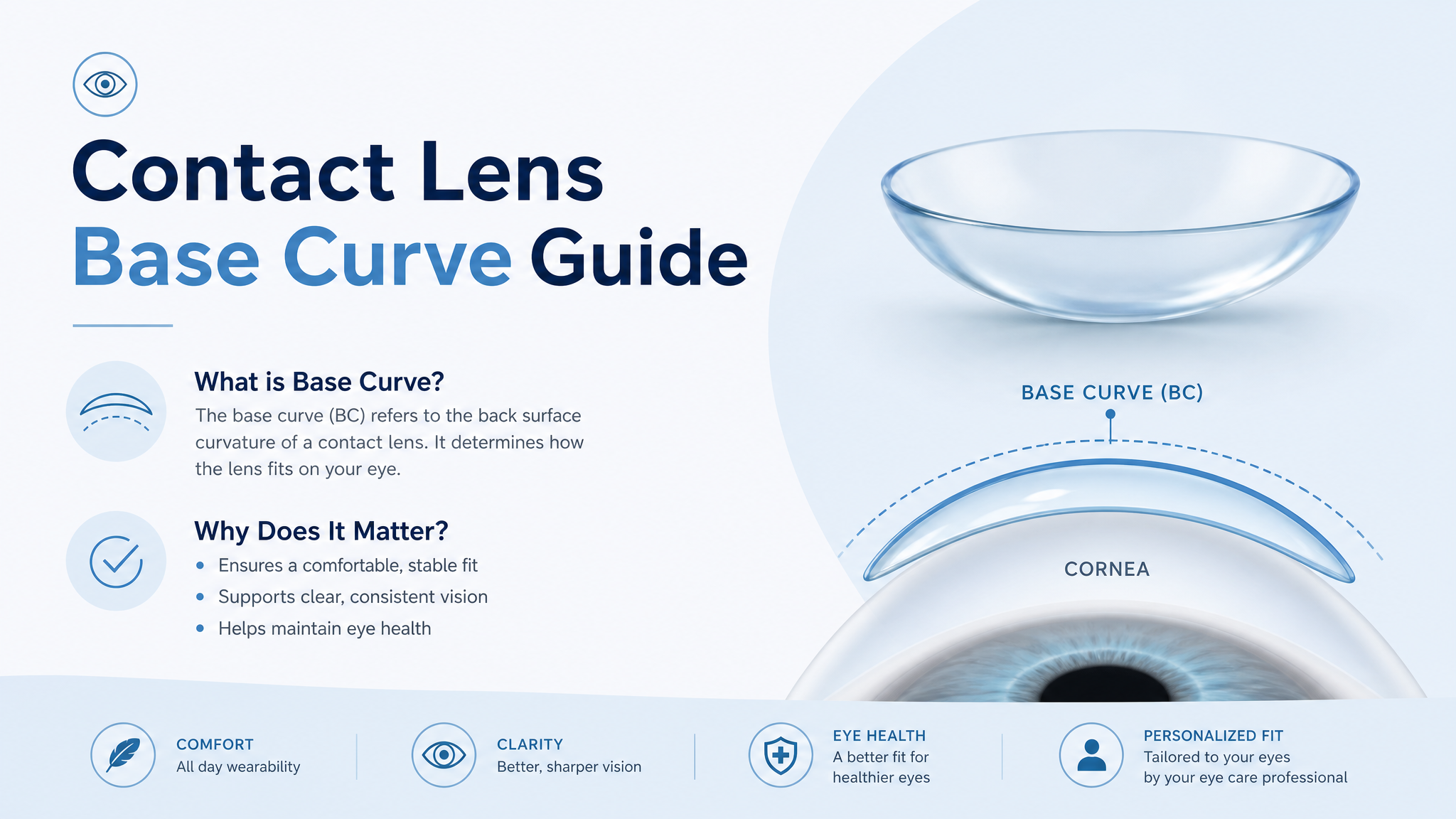
Eye care professionals emphasize that colored contacts need a valid prescription—even if you don't need vision correction. This requirement goes beyond legal compliance and helps prevent corneal abrasions that can cause serious infections. Your doctor's exam will determine your eyes' correct lens size and curvature.
Use enhancement tints for subtle changes
The most natural-looking results come from enhancement tints that add a translucent wash of color to intensify your existing eye color. These semi-transparent tints work well with light-colored eyes, but dark eyes need opaque tints to show noticeable change.
Pair with minimal makeup for realism
Colored contacts look best with subtle makeup. Heavy eyeliner, dramatic eyeshadow, and very long false lashes can make contacts appear artificial. Blue contacts don't pair well with dark eye shadows because they create an unnatural contrast.
Avoid overly bright or opaque colors
Lenses larger than 14.0mm often look unnatural in daily wear. Neutral tones like brown, gray, hazel and green create a more believable appearance. Colors that match your skin tone ended up creating the most realistic effect.
Conclusion
The best colored contact lenses achieve a careful balance between visual beauty and eye health. Your individual features matter just as much as the lens itself. Natural-looking results rely on realistic iris patterns, smooth color gradients, and seamless blending that mimics how real eyes reflect light.
Rather than focusing on names, it’s more effective to understand how different lens designs enhance the eyes. Some lenses are created specifically to complement dark eyes, using higher opacity and layered color techniques to achieve depth. Others focus on lighter eyes, enhancing the existing shade instead of masking it. The most convincing results come from lenses designed with your natural eye color in mind.
Your eye color plays a major role in how realistic colored contacts appear. Dark eyes generally require opaque lenses with complex pigment layering to prevent flat or artificial-looking results. Light eyes, on the other hand, tend to look best with enhancement tints that subtly amplify their natural color. Choosing lenses tailored to your eye color leads to a softer, more authentic finish.
Eye safety should always come before aesthetics. High-quality colored contacts are made with certified materials, appropriate water content, and sufficient oxygen permeability to support long-term comfort and eye health. Purchasing lenses from legitimate retailers that require prescriptions helps protect your eyes and reduces the risk of counterfeit or unsafe products.
Consulting an eye care professional is strongly recommended when selecting colored contacts. A proper fitting ensures comfort, clear vision, and safe wear. Pairing lenses with subtle makeup and colors that complement your skin tone can further enhance realism, creating a look so natural that most people won’t realize you’re wearing contacts at all.
In the end, subtle changes often look more believable than dramatic transformations. By focusing on thoughtful lens design, eye safety, and your natural features, you can achieve an effortless eye color enhancement that looks authentic while keeping your eyes healthy.
Comment

.jpg?w=2048&h=2048)