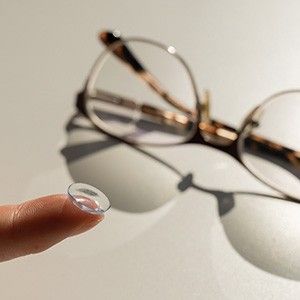
Thinking about switching from glasses to contact lenses? You're probably wondering about the cost. Contact lenses can cost anywhere between $200 and $1,200 per year, depending on the type and how often you need to replace them. The wide price range makes it tough to plan your vision care budget.
Several factors affect contact lens prices. Daily disposables need to be thrown away after one use and cost more - usually $600 to $1,200 yearly. Monthly lenses offer a budget-friendly option that runs between $180 and $600 per year. Colored contacts will cost extra. These specialty lenses typically run $30 to $80 per box with 30 pairs, while regular contacts cost $20 to $40.
This piece breaks down what you'll pay for different contact lens types. You'll learn what drives the prices and get practical money-saving tips that won't put your eye health at risk.
Average Cost of Contact Lenses by Type
Contact lens prices change a lot based on when you need to replace them and what they're made of. Let's break down the costs by type so you can plan your vision care budget better.
Daily Disposable Lenses
Daily disposable lenses are designed for one-time use, giving you a fresh pair every day. Since they don’t require cleaning solutions or storage cases, they offer maximum convenience and hygiene.
-
Cost per day (both eyes): approx. $0.85–$1.25
-
Monthly cost: $50–$75
-
Annual cost: $600–$900
While the upfront cost is higher than other options, daily lenses can save you around $150–$200 per year by eliminating the need for lens care products. They are a popular choice for people with sensitive eyes or busy lifestyles.
Biweekly (Two-Week) Lenses
Biweekly lenses are replaced every 14 days and offer a balance between cost and convenience. They require regular cleaning and proper storage.
-
Cost per day: approx. $0.70–$1.20
-
Monthly cost: $20–$35
-
Annual cost: $270–$450
These lenses are often chosen by wearers who want better affordability than daily disposables while still replacing lenses relatively frequently.
Monthly Disposable Lenses
Monthly lenses are one of the most cost-effective options for regular contact lens wearers. With proper care, each pair can be worn for up to 30 days.
-
Cost per day: approx. $0.55–$0.90
-
Monthly cost: $15–$25
-
Annual cost: $180–$300
Many monthly lenses are made from advanced silicone hydrogel materials, which allow significantly more oxygen to reach the eyes, supporting comfort during long wear times.
Rigid Gas Permeable (RGP) Lenses
RGP lenses have a higher upfront cost but are designed for long-term use. These lenses are custom-made to fit your eyes precisely.
-
Cost per lens: $100–$500
-
Cost per pair: $200–$1,000
-
Professional fitting: $150–$400
With proper care, RGP lenses can last one year or longer, potentially making them more economical over time. Specialized designs, such as scleral lenses, can cost more and often include fitting services and warranties.
Colored Contact Lenses
Colored contact lenses are used to enhance or change eye color, with or without vision correction. Pricing depends on replacement schedule, material, and color design complexity.
-
Price range: starting around $10 and exceeding $100
-
Monthly cost (both eyes): $40–$75
-
Annual cost: $600–$1,000
Decorative lenses generally cost more than clear lenses due to added color technology and design processes.
Specialty Lenses (Astigmatism & Multifocal)
Specialty lenses are designed to correct specific vision conditions, such as astigmatism or age-related near-vision loss. Their advanced designs increase production costs.
Toric lenses (for astigmatism):
-
Monthly cost: $30–$120
-
Annual cost: $300–$800
Multifocal lenses:
-
Average annual cost: approx. $216–$550
These lenses use multiple prescription zones within a single lens to address complex vision needs, making them more expensive than standard single-vision lenses.
What Affects the Price of Contact Lenses
The cost of contact lenses depends on several factors beyond just the type you choose. Let's look at why prices can range from under $200 to over $1,000 per year.
Prescription strength and customization
Your prescription's complexity affects lens pricing by a lot. Toric lenses for astigmatism cost $10-$20 more per box than standard lenses due to their custom design. People who need multifocal lenses for presbyopia pay even more, with specialized prescriptions adding up to $100 or more yearly. These higher prices reflect the extra manufacturing needed to create lenses with multiple focusing powers or special shapes that fix complex vision problems.
Lens material and oxygen permeability
The materials used in contact lenses are vital to both comfort and cost. Three main materials affect pricing:
- Hydrogel: These simple soft lenses provide comfort at lower prices
- Silicone hydrogel: These advanced lenses let 5-7 times more oxygen reach your cornea than standard hydrogel lenses, which explains their higher cost
- Rigid gas permeable (RGP): These highly breathable lenses cost around $100 per lens but last a full year with proper care
Oxygen permeability (measured as "Dk") shows how easily oxygen passes through the lens material. Higher Dk values mean better breathability and usually higher prices. This matters most for extended wear lenses and people with higher prescriptions who need optimal corneal health.
Brand Reputation and Overall Lens Quality
Contact lens pricing is often influenced by brand reputation and perceived quality. Well-established manufacturers tend to charge more because they invest heavily in research, material innovation, and clinical testing. These costs are reflected in lens performance, comfort, and long-term eye safety.
That said, lower-priced or store-brand lenses are sometimes produced by the same manufacturers using similar materials and production standards. The main difference often lies in branding, packaging, or marketing rather than core lens technology. For budget-conscious wearers, these alternatives can offer comparable quality at a reduced cost.
Replacement Frequency and Wear Schedule
How often you replace your lenses has a major impact on annual expenses. While daily disposable lenses may appear more expensive upfront, they eliminate the need for cleaning solutions, storage cases, and ongoing maintenance.
-
Daily disposables: approx. $400–$600 per year, with no additional care products needed
-
Two-week replacement lenses: approx. $200–$300 per year, plus cleaning solution costs
-
Monthly lenses: approx. $150–$250 per year, plus lens care supplies
Extended or flexible wear schedules may seem cost-effective, but failing to follow the recommended replacement timeline significantly increases the risk of eye irritation and infection. Proper lens hygiene and timely replacement are essential for maintaining eye health.
Special Features and Added Technology
Certain lens features increase cost but provide meaningful benefits, especially for comfort and eye protection. One common example is UV protection, which typically falls into two categories:
-
High-level UV protection: blocks nearly all UVB rays and a large portion of UVA rays
-
Moderate UV protection: blocks most UVB rays and some UVA rays
While UV-blocking contact lenses help protect the eyes, they should be used alongside sunglasses for full coverage.
Premium comfort technologies are another factor that affects pricing. Advanced moisture-retention designs help lenses stay hydrated longer, reducing dryness and irritation. These features are particularly beneficial for people who spend long hours on digital screens, live in dry environments, or wear contacts for extended periods.
Many users find that paying slightly more for improved comfort and eye protection is worth the long-term benefits.
How Much Do Contacts Cost Without Insurance
Buying contact lenses without vision insurance means you'll pay everything out of pocket - from your original exam to each box of lenses. You need to know these costs to budget for your vision care.
Typical price ranges for uninsured buyers
Standard contact lenses cost between $200 and $600 per year without insurance. This is a big deal as it means that specialty options can cost more than $1,000. Your lens type determines the total cost:
- Daily disposables: $600 to $900 annually ($50-$75 monthly)
- Bi-weekly lenses: $270 to $360 annually ($20-$35 monthly)
- Monthly lenses: $180 to $300 annually ($15-$50 monthly)
- Yearly lenses: $50 to $80 per pair annually
- Rigid gas permeable (RGP): $70 to $190 annually
Specialty lenses come with premium prices. You'll pay $360 to $680 yearly for toric lenses that correct astigmatism. Multifocal options range from $420 to $600 per year. Colored contact lenses cost between $500 and $1,000 annually.
Hidden costs: exams, fittings, and solutions
New contact lens users should know about these extra costs:
Eye exams and fittings: A contact lens exam costs $19 to $250 without insurance. Most people pay between $120 and $200. Fitting fees change based on complexity:
- Standard fitting: $75 to $150
- Premium fitting: $150 to $260
- Specialty fitting: $200 to $350
Cleaning solutions: Bi-weekly or monthly lens users spend about $150 to $200 yearly on cleaning solutions. Daily disposables don't need solutions.
Processing fees: Some stores show low prices but add "processing" or "verification" fees at checkout. Others offer mail-in rebates that have strict rules many people miss.
How to estimate your annual out-of-pocket cost
Here's a simple way to calculate your yearly costs without insurance:
- Annual lens cost (boxes needed × price per box)
- Plus annual exam and fitting fees
- Plus solution costs (if applicable)
- Minus any manufacturer rebates (typically $200-$300 for annual supplies)
Standard monthly lenses might cost $300 per year, plus a $150 exam fee and $175 for solutions. This adds up to $625 annually. Daily disposables could cost $800 for lenses and a $150 exam fee, totaling $950, but you won't need solutions.
Buying a full year's supply gives you the best value, especially with manufacturer rebates through eye care providers. These rebates can save you $200-$300, making professional purchases cheaper than discount retailers.
How Insurance Can Reduce Your Contact Lens Costs
Vision insurance can cut your yearly contact lens costs by $130 on average. Let's look at how the right coverage makes these vision essentials easier on your wallet.
What most vision plans cover
Vision insurance saves you money on contact lenses through specific benefits. Most plans give you a yearly contact lens allowance that helps pay for some or all of the base costs. Your vision benefits also cover the contact lens eye exam with a small copay or big discount. Many providers, like VSP, give extra discounts through member perks that go beyond the simple allowance.
Each plan is different—some pay more for specialty lenses like toric or multifocal options. Some vision insurance packages even include premium services like prescription sunglasses, specialized contact lens fittings for conditions like keratoconus, and myopia management treatments for children.
Using FSAs and HSAs for tax-free savings
FSAs and HSAs let you buy contact lenses with pre-tax dollars, which cuts your overall costs. These accounts typically cover:
- Prescription contact lenses
- Contact lens solution and cases
- Contact lens eye exams and fitting fees
People lose millions in FSA funds yearly because they don't use them—the average person loses $441 each year. HSA funds, however, roll over indefinitely and give you more flexibility. HSA contribution limits for 2025 are $3,650 for individual coverage and $7,300 for family coverage.
Note that colored contacts bought just for looks aren't eligible for FSA/HSA reimbursement.
Tips for maximizing insurance benefits
You can get more from your vision coverage with these smart approaches. Stay in-network to eliminate claim forms and get the most from your benefits. If you need both glasses and contacts in the same year, use your coverage for glasses first, then apply discounts to contact lens fittings.
You could also switch between glasses and contacts coverage each year. Here's how it works: use your plan allowance for glasses one year, contacts the next, and keep this pattern going to get the most from your benefits.
Buying a year's supply of contacts often gets you manufacturer rebates of $200-$300 through eye care providers. You can save up to $100 more by combining insurance benefits with supply savings.
Your plan might cover advanced diagnostic tests during eye exams—this helps you use all available benefits without leaving any coverage unused.
Smart Ways to Save on Contact Lenses
Looking to reduce your contact lens costs without sacrificing quality or eye health? With a few smart shopping strategies, you can significantly lower your annual vision care expenses while still wearing reliable, comfortable lenses.
Buy in Bulk or Use Subscription Services
Purchasing a multi-month or full-year supply of contact lenses often unlocks substantial savings. Many retailers and manufacturers offer rebates or discounts when you buy in larger quantities, helping offset the higher upfront cost.
Subscription services are another convenient option. These programs typically divide your yearly expense into manageable monthly payments and automatically ship a three- or six-month supply to your home. This not only saves money but also helps you stay consistent with your replacement schedule, reducing the risk of overwearing lenses.
Watch for Seasonal Sales and Coupons
Promotions and discount codes can lower your costs instantly. Many retailers run seasonal sales, holiday promotions, or limited-time offers that reduce prices on contact lenses.
First-time customers often receive the biggest discounts, sometimes ranging from 20–30% off an initial order. In addition, manufacturer rebates may be available through mail-in or online submissions. Memberships with professional organizations, employers, or clubs can also unlock exclusive savings, so it’s worth checking what benefits you already have.
Consider Generic or Store-Brand Lenses
Generic or store-brand contact lenses are frequently made by the same manufacturers that produce premium options, using similar materials and production standards. The lower price usually reflects reduced branding and marketing costs rather than lower quality.
For many wearers, these lenses provide comparable comfort and performance at a noticeably lower price point, making them a smart choice for budget-conscious shoppers.
Compare Online and In-Store Pricing
Online retailers are known for competitive pricing and frequent promotions, but local eye care practices shouldn’t be overlooked. Some clinics offer special pricing through partnerships and can help you maximize insurance benefits or manufacturer rebates.
In many cases, retailers are willing to price match, allowing you to choose the most convenient option without paying more. Whether you buy online or in-store, comparing prices before purchasing can lead to meaningful savings.
Conclusion
You don't need to sacrifice eye health to find contact lenses at good prices. Contact lens prices can vary based on type. Basic monthly lenses cost $180-$300 per year, while premium daily lenses range from $600-$1,200 annually. People with astigmatism or presbyopia pay more because these specialty lenses need complex designs.
The final cost depends on your prescription's complexity, lens material, brand name, and how often you replace them. People without insurance face more than just lens costs - eye exams, fittings, and cleaning supplies add up quickly.
Vision insurance helps reduce these expenses. Most plans give yearly allowances for lenses, while FSAs and HSAs let you use tax-free money for vision care. You can save money by buying in bulk, using subscription services, looking for sales, and sometimes choosing generic options.
The least expensive choice isn't always the best deal. Daily disposables might cost more upfront but you won't need to buy cleaning solutions and they lower infection risks. Buying from your eye doctor could save you money compared to online stores when you factor in rebates and expert advice.
Think about both your budget and lifestyle needs before you decide. Daily lenses might work better if you're active, while monthly lenses could be more economical for occasional wear. Whatever type you pick, good care and replacing lenses on schedule are vital for healthy eyes. This information gives you everything you need to choose contact lenses that fit your budget and vision needs.