
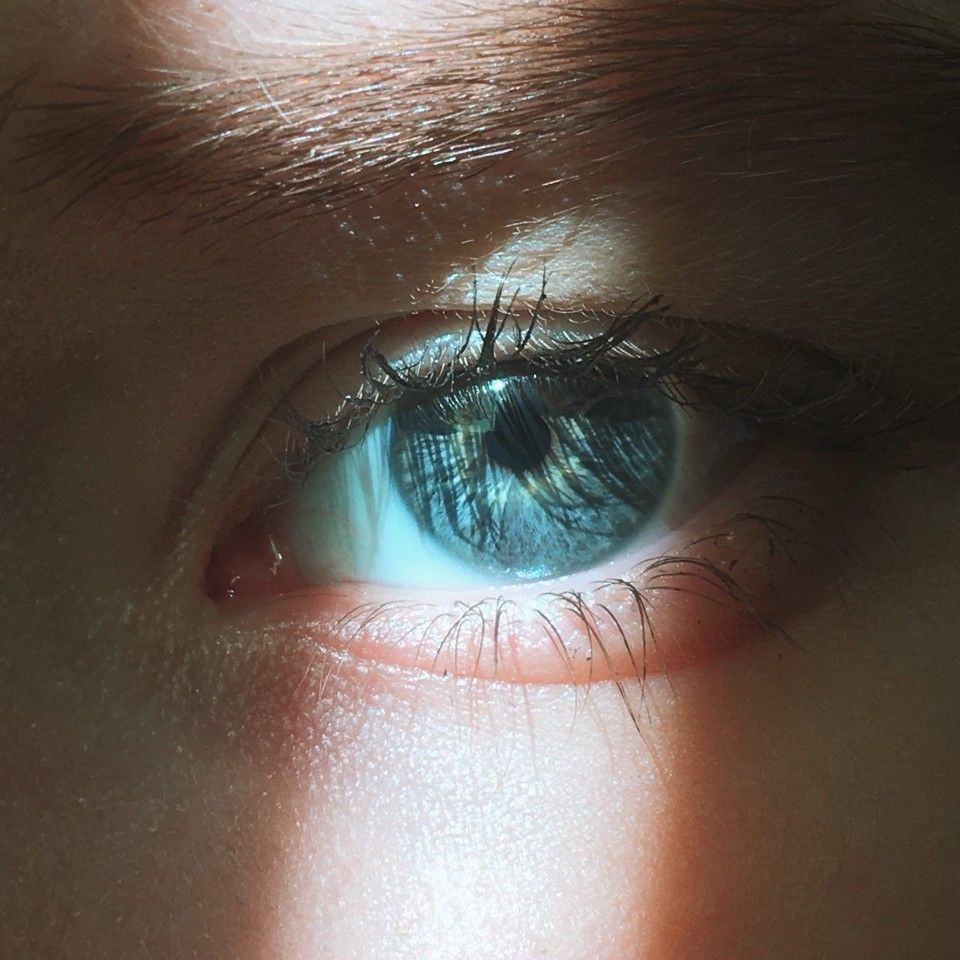
You might have wondered about the magic behind colored contact lenses that turn brown eyes blue or add stunning green hues to your natural color. These specially designed medical devices can change your eyes' appearance subtly or dramatically.
Colored contacts have become popular beauty accessories, yet all but one of these lenses need a prescription - even if you don't need vision correction. Medical experts classify them as medical devices because they can damage your eyes without proper fitting, wear, and care. The lenses use hydrogel or silicone hydrogel materials that let oxygen reach your cornea. They can also fix vision problems like myopia, hyperopia, and astigmatism.
This piece will show you how colored contacts change your eye color and explore different available types. You'll learn everything about safety guidelines and proper care techniques these vision-boosting accessories need. Understanding how colored contact lenses work is a vital first step before trying them, whether you want subtle changes or complete transformation.
What Are Colored Contact Lenses and How Do They Work?
Colored contact lenses blend medical technology with state-of-the-art cosmetics. These specialized lenses differ from clear contacts. They have specific layers and pigments that change your eye's appearance without affecting your vision.
Definition and purpose of colored contacts
Colored contact lenses work just like traditional contacts by sitting right on your eye's cornea. The added pigments can change or improve your natural eye color. These lenses serve two main goals: they fix vision problems and change how your eyes look.
These lenses help correct vision problems like myopia (nearsightedness), hyperopia (farsightedness), and astigmatism. They bend light onto your retina the right way. You also get the bonus of changing your eye color - from subtle changes to complete transformations.
The FDA classifies all contact lenses as medical devices. You need a prescription even if you want them just to change your eye color (called "plano" lenses). A proper fit prevents any damage to your eyes.
How do colored contact lenses change eye color
The magic behind colored contacts lies in how they work with your natural iris. The pigments in these lenses sit on top of your iris. Your natural color mixes with the lens tint to create the final look.
The lens designs can be quite complex. They use patterns of lines, dots, and shapes that look like a real iris. This makes them look much more natural than using just one solid color.
Light-colored eyes work great with enhancement tints. These see-through colors make your natural eye color pop. Dark eyes need opaque tints that cover your natural iris color if you want to go lighter.
Modern designs take things further. They use color gradients and limbal rings (darker circles around the edge). These details add depth and can make your eyes look naturally enhanced or dramatically different.
Structure: clear zone, pigment layer, outer layer
Colored contacts work so well because of their clever three-layer design:
-
Clear Optical Zone - The middle part stays completely clear. This vital area lines up with your pupil. Light passes through normally, so you can see clearly.
-
Pigment Layer - The colored part surrounds the clear center with printed or embedded pigments. This changes your eye color. Modern lenses sandwich the pigment between two layers of material to keep it away from your eye.
-
Outer Layer - This layer wraps everything up and makes the lens comfortable to wear. It keeps the coloring agents from touching your eye, which cuts down on irritation and allergic reactions.
This three-layer design shows how far colored contacts have come. Older versions had exposed pigments on the surface. Research showed this could lead to more bacteria sticking to the lens and cause allergic reactions. Today's manufacturing puts the pigments inside the lens material as it forms.
Eye care professionals must fit these lenses properly. The clear part needs to match up exactly with your pupil. The colored part must cover your iris just right to give you clear vision and the look you want.
Types of Colored Contact Lenses Explained
Colored contact lenses come in several varieties. Each design serves a specific purpose and creates different effects. Your choice depends on what you want - a subtle change, complete color transformation, or special lenses for sports or medical needs.
Visibility tint: to help with handling
Visibility tints are practical rather than cosmetic. These lenses have a light blue or green tint that makes them easier to spot. Clear contact lenses would be almost impossible to find in solution or if dropped without this subtle coloring.
The tint runs through the entire lens but stays light enough not to change your eye's natural color. You can call it a functional feature instead of a decorative one. The tint becomes invisible once you put the lens on your eye. People won't notice any color change, even those with the lightest blue or green eyes.
Enhancement tint: to improve light eyes
Enhancement tints build on visibility by adding see-through color that intensifies your eye's natural shade. These tints work with your existing iris color to make it more vibrant or slightly different.
To name just one example, enhancement tints can turn light blue eyes more aqua or shift hazel eyes toward emerald. Your eye's natural pattern and color variations show through the translucent material, which creates natural-looking results.
Enhancement tints work best for people with light-colored eyes because they're semi-transparent. Dark brown eyes usually don't change much with enhancement tints alone. The darker natural pigment overpowers the see-through color layer.
Opaque tint: to change color completely
Opaque tinted lenses offer a solution for complete transformation, especially if you have dark eyes. These non-transparent colored contacts use solid pigments to cover your natural eye color. They allow dramatic changes from brown to blue or dark to light.
Opaque lenses feature complex patterns of tiny colored dots, lines, and shapes that spread from the center. This pattern matches the human iris's natural texture, which looks more realistic than using just one solid color.
These lenses come in countless shades from natural tones to theatrical options. They give the most dramatic and noticeable results. Modern opaque lenses also include limbal rings - darker outer edges that add depth and look more natural.
Custom tints: to help in medicine and sports
Custom-tinted contact lenses go beyond cosmetic uses. Prosthetic lenses in medical settings help restore a natural look for patients with eye disfigurements from birth conditions, injuries, or surgery. These lenses use hand-painted or computer-generated designs to match the patient's other eye or create a natural-looking iris.
Athletes use performance-tinted contact lenses to improve their vision during competitions. These special tints filter specific light wavelengths to boost contrast, cut glare, and enhance depth perception. Yellow-tinted lenses can speed up reaction times and make low-contrast targets more visible. Gray-green tints help golfers see course contours better on bright days.
Studies show these performance tints can make a real difference. Research indicates yellow-tinted lenses help people react faster compared to clear ones. These specialized uses show how colored contact lens technology reaches way beyond the reach and influence of simple esthetics.
Whatever type you choose, all colored contacts need a prescription and proper fitting by an eye care professional. They remain medical devices under FDA regulation.
Are Colored Contacts Safe for Your Eyes?
The safety of colored contact lenses depends on how you get and use them. These esthetic eye accessories might look like simple fashion items, but they can pose serious health risks if not used properly.
Can color contacts damage your eyes?
Yes—colored contacts can harm your eyes if they're not properly prescribed, fitted, or managed to keep clean. People who use them incorrectly risk serious problems like corneal abrasions (scratches on your eye's surface), corneal ulcers (open sores), and severe infections. These conditions can get worse faster, and you could go blind within 24 hours without quick treatment. A 2011 study showed that people wearing colored contacts were 16 times more likely to develop keratitis (corneal inflammation) than those with regular contact lenses.
Scientists found that there was something even more worrying about non-prescription colored lenses. A 2015 study found chlorine and iron in several tested varieties, and one pair leaked chlorine after rinsing. Unauthorized lenses often contain coloring agents that can be toxic to your eye tissue and seep into your eyes.
Why a prescription is always required
So, you need a valid prescription for all colored contact lenses—even ones without vision correction. This rule is a vital safety measure, not just paperwork. A professional eye exam will give a proper assessment of:
- Your eye's unique shape and lens fit
- Materials that work best for your needs
- The right way to put in, take out, and care for lenses
- Regular checkups to protect your eye health
Yes, it is impossible to have "one-size-fits-all" contacts. Lenses that don't fit right can move around on your eye, block your vision, cut off oxygen to your cornea, and create scratches that let infections in.
FDA classification and legal concerns
The FDA lists all contact lenses—including decorative ones—as medical devices. This isn't just a suggestion—it's federal law. The Federal Food, Drug, and Cosmetic Act changed in 2005 to make it clear that whatever their purpose, all contact lenses are regulated devices.
Selling contacts without asking for a prescription is against the law in the United States. Anyone breaking this rule can face civil penalties with fines up to USD 16,000 for each violation.
Risks of buying from unverified sources
You should never buy colored contacts from unauthorized sellers like:
- Street vendors, flea markets, or costume shops
- Beauty salons or novelty stores
- Convenience stores or gas stations
- Unregulated online retailers
The FDA found bacteria in about 60% of colored contacts bought online without prescriptions. Fake and contaminated lenses are common through illegal channels, and some products were found that had been repackaged after someone else used them. These unauthorized products often skip safety standards, which means you're more likely to have complications that could threaten your eyesight.
How to Choose the Right Color and Fit
Picking the perfect colored contacts goes beyond choosing your favorite shade. The right choice looks natural on your eyes, but the wrong one stands out as fake. Let's look at how you can find your best match.
Matching with your natural eye color
Your natural eye color shapes how colored lenses will look. Want a subtle change? Pick lenses one or two shades lighter or darker than your natural color. People with brown eyes often find it hard to make lighter shades work. This happens because dark irises have high melanin levels that can overwhelm translucent tints.
Blue eyes offer more options. You can boost them with deeper blue tones or try something new with opaque greens or hazels. If you have green eyes, violet or amber tones create eye-catching contrasts. Gray eyes blend well with most colors because of their neutral base.
Considering your skin tone and hair color
Your lens color should match your skin tone to look its best. Cool undertones (pink or bluish hue) usually pair well with gray, blue, or violet lenses. Warm undertones (golden or yellowish hue) look great with honey, hazel, or brown lenses.
Hair color plays a big role too. Blue, green, or violet lenses complement blonde hair beautifully. Green contacts make redheads look stunning. Brunettes and people with black hair can pull off almost any lens color naturally.
Color contacts for light vs dark eyes
Light-colored eyes work best with enhancement tints that boost their natural shade. Dark eyes need opaque tints that cover the natural iris color. This is a vital difference—enhancement tints on dark eyes might look invisible or oddly neon.
Dark eyes look best with lenses that use multi-layered tint technology to create depth. One-tone lenses might look flat or painted-on against dark irises.
Trying samples and consulting an eye doctor
Put safety first by talking to a professional. An eye care professional must measure your eyes to ensure the right fit. During your visit, ask to try sample lenses to see how different colors look in various lights.
Check your colored contacts with a handheld mirror in bright and dim settings. Some colors that look natural inside might appear fake in sunlight. Think about where you'll wear the lenses most often when making your choice.
Caring for Colored Contact Lenses Properly
Proper care of colored contact lenses protects your eye health and extends your lenses' life. These simple but vital practices help prevent serious complications.
Cleaning and storing your lenses
Clean hands are your first step - use soap and water before touching your contacts. Users of reusable lenses should place them in their palm and add a few drops of approved contact lens solution. Water or saliva can harbor harmful bacteria, so never use them. Massage the solution onto the lens for about 20 seconds to clean it properly. Your lens case needs fresh solution each time - don't add new solution to old. A new lens case every three months prevents bacterial contamination.
Following replacement schedules
Your lens type determines when to replace them:
- Daily disposables: Discard after each use
- Bi-weekly lenses: Replace every two weeks
- Monthly lenses: Replace after 30 days
- Quarterly/6-month/yearly lenses: Replace as directed
Your lenses need disinfection at least every 7 days, even with minimal wear.
Avoiding sharing lenses
Your colored contacts should stay yours alone - whatever your relationship with others. Sharing lenses increases infection risk by a lot and spreads bacteria that cause serious eye conditions. Each person's eyes have unique shapes and requirements.
When to avoid wearing them
Take out your contacts before sleep (unless they're approved for overnight wear), swimming, showering, or using hot tubs. Pain, redness, or discomfort are warning signs - remove your lenses right away if you notice these symptoms.
Conclusion
Colored contact lenses are a great way to change your appearance and they might even help correct your vision problems. This piece shows how these specialized medical devices use their three-layer design to create effects from subtle improvements to dramatic changes.
Your safety should be the top priority, whatever look you want to achieve. Note that all colored contacts need a valid prescription from an eye care professional, even those without vision correction. This rule exists because poorly fitted lenses can cause serious complications. Corneal damage and infections can develop faster than you might expect.
The right colored contacts for you depend on your natural eye color, skin tone, and hair color. You'll need opaque tints for noticeable changes with dark eyes, while light eyes work better with enhancement tints. The lenses also need proper care through regular cleaning, correct storage, and following replacement schedules to protect your eye health and investment.
Colored contacts work great as fashion accessories, but you just need to treat them like any other medical device. These lenses can safely give you the eye-catching change you want if you get them legally through proper channels, follow care instructions carefully, and never share them with anyone. Your eyes deserve professional care and quality products.