
Your eye color might tell you more about yourself than you think. The color of your eyes could be a window into your personality. Blue eyes show up in just 8-10% of people worldwide, and people often connect them with striking looks and analytical thinking. Brown eyes are much more common and show up in about 70% of people, who others often see as dependable.
Scientists at Orebro University in Sweden found something amazing - the genes that shape our frontal lobes also decide our eye color. This link helps us understand why eye color and personality traits could actually be connected. Green eyes are truly special, showing up in only 2% of people worldwide. People often think of green-eyed individuals as creative and independent. Hazel eyes, with their mix of brown and green, often point to someone who's spontaneous and adaptable. Your eye color, whether it's very rare gray (less than 1% of people) or common brown, could tell us a lot about who you are inside.
How eye color forms and why it matters
Your eye color tells an amazing story that starts in your DNA. Unlike hair color that changes over time, the color of your iris comes from melanin levels and distribution. Several genes work together to create this unique feature.
The role of melanin and genetics
Special cells called melanocytes live in your iris and make melanin inside tiny compartments known as melanosomes. Everyone has about the same number of melanocytes, but melanin amounts and melanosome numbers vary by a lot. This creates different eye colors:
- Brown eyes come from high melanin levels in many melanosomes
- Green-hazel eyes show medium pigment levels and melanosome numbers
- Blue eyes have very little pigment in few melanosomes
Scientists used to think a single gene determined eye color through simple dominant-recessive patterns. A newer study published shows at least 16 different genes affect your eye color. The genes OCA2 and HERC2 on chromosome 15 lead this process. These genes ended up controlling how melanin gets made, moved, and stored to create your eye color.
Why eye color relates to personality in studies
Eye color and personality share more than cultural connections—they have real biological roots. The PAX6 gene shapes both eye development in early embryos and parts of the frontal lobe. This genetic link creates a real connection between how your eyes look and how your brain works.
Research from Orebro University in Sweden backs this up. Their largest longitudinal study of over 400 people proved that genes shaping our frontal lobes also affect iris color. This leads to shared behaviors among people with matching eye colors.
The research revealed some unexpected connections:
- Light-eyed people drink more alcohol
- Dark-eyed people get drunk on less alcohol
- Blue-eyed Caucasian kids show more restraint than their brown-eyed friends
- Blue eyes link to sensitive, shy babies
Eye color and personality: what we notice vs. reality
Science suggests real biological links exist, but people's beliefs about eye color and personality often differ from facts. Many traits get linked to eye colors based on stereotypes and cultural beliefs instead of science.
People often see brown-eyed folks as dependable, blue-eyed people as smart but distant, and green-eyed individuals as mysterious and emotional. They think of hazel-eyed people as adaptable and spontaneous.
These beliefs can become real through expectations. People might develop traits that match what others expect from their eye color. This social influence works with genetic tendencies, making it hard to separate nature from nurture.
Science keeps making new discoveries. Recent brain studies show melanin does more than color your eyes—it affects nerve signals and transmission speed. These biological differences might explain personality variations between people with different eye colors, beyond just stereotypes.
What your eye color says about you: A breakdown by color
The science behind eye color is fascinating, but there's an even more intriguing world of personality traits linked to different eye colors. Let's get into what your eye color might say about who you are inside.
Brown and black eyes: grounded and dependable
Brown eyes are the most common eye color in the world (about 55-79% of the global population) due to their high melanin content. People with brown eyes often have natural leadership qualities that draw others to follow them. Research from Charles University in Prague shows that people tend to see brown-eyed individuals as more trustworthy than those with lighter eyes.
This trust factor often leads to real-life leadership roles. Brown-eyed people tend to show remarkable loyalty to friends and family and build strong relationships that last through tough times. They also prefer simple, practical solutions rather than getting lost in complex theories.
The high melanin levels in brown eyes also relate to lower pain sensitivity, which might explain their reputation for staying strong under pressure. Yes, it is true that many cultures see brown eyes as a sign of reliability and inner strength—qualities that help steady the ship during rough times.
Blue eyes: analytical and emotionally strong
Blue eyes are quite rare, showing up in just 8-10% of people worldwide, thanks to low melanin levels. People with this uncommon trait usually show great analytical skills. They tackle problems step by step and look at all angles before taking action.
Studies show that blue-eyed people shine at planning ahead and predicting outcomes. They're often driven to succeed professionally, with achievement being a key motivator. A University of Pittsburgh study found that blue-eyed individuals often do better at tasks needing steady pacing and focus.
Here's something unexpected: women with lighter eyes handle childbirth pain better than those with darker eyes, and they experience less anxiety and depression afterward. This fits with their reputation for emotional resilience and handling tough situations well.
Green eyes: creative and independent
Green eyes are incredibly rare, found in just 2% of people worldwide. Green-eyed people often burst with creativity that shows up in everything from art to problem-solving.
They think for themselves and often challenge what everyone else takes for granted—they question everything and make their own way. Color psychology tells us green stands for balance, calm, and renewal. Then, it makes sense that people often link green eyes with emotional smarts and inner peace.
Green-eyed folks do well with both analytical and creative thinking. They combine logical reasoning with gut feelings. This mix helps them excel when they need both structure and fresh ideas. Their unpredictable nature adds to their appeal—nature's way of showing how beauty can pop up anywhere.
Hazel eyes: spontaneous and adaptable
Hazel eyes show a special mix of brown and green, sometimes with golden hints. The way these eyes can change color matches their owners' amazing ability to adapt.
People with hazel eyes are social chameleons who read the room well and adjust their approach to fit. This flexibility helps them succeed in all kinds of personal and work situations. They make quick decisions while staying practical, and their strong empathy helps them connect with all sorts of people.
Their changing eye color matches their dynamic personality—they thrive anywhere. Research shows they often do well in jobs that need people skills, giving them an edge in counseling, sales, and teaching. They're known for being expressive, smart, and quick-witted.
Gray eyes: calm and balanced
Gray eyes are super rare, found in less than 1% of people. Gray-eyed people stay cool under pressure, helping others stay calm when things get crazy.
They make decisions by balancing logic and intuition perfectly. Their work ethic comes from within rather than from wanting others' approval. Ancient Greeks thought gray eyes meant wisdom and strategic thinking.
Gray-eyed people see different sides of an argument without taking sides. Scientists say they work best alone or in small groups and prefer meaningful connections over lots of shallow ones. This selective approach leads to deep, lasting relationships with the people they choose.
Cultural meanings of eye colors around the world
Eye colors have shaped symbolic meanings that ever spread through cultures worldwide. These interpretations show how societies connect physical traits to inner qualities, going beyond personality into spiritual domains.
European folklore and symbolism
Germanic traditions link blue eyes to honesty and loyalty, while brown eyes represent reliability and groundedness. These beliefs have influenced everything from fairy tales to modern literature and created cultural expectations about eye colors. Slavic cultures often connect lighter eyes to supernatural abilities or foreign ancestry. People attribute both positive and cautionary meanings to green eyes in Eastern European folklore, often linking them to mystical qualities.
Medieval Europeans sometimes associated people who had green eyes with witches or otherworldly beings. Ancient Greek mythology depicted people with green eyes as having special powers - either feared or revered based on context. Norse traditions portrayed their gods with piercing blue eyes to symbolize divinity and power.
Asian and Middle Eastern interpretations
Chinese traditions emphasize dark eye colors since they dominate East Asian populations. Brown and black eyes symbolize stability, wisdom, and connections to ancestors. Indian culture weaves eye color into Ayurvedic principles and connects different hues to various doshas (body types) and personality traits.
Japanese culture's concept of "sanpakugan" (three whites) focuses on eye shape rather than color. They believe visible white showing in three areas around the iris predicts an unfortunate destiny. The "evil eye" belief remains strong throughout the Middle East, especially regarding blue and green eyes. Many Arab cultures use a specific blue amulet called "nazar" to guard against envious gazes, particularly from those with light-colored eyes.
Ancient Egyptians revered various eye colors. They particularly connected green eyes to the goddess Wadjet and protection. Some contemporary Middle Eastern societies continue this reverence for green eyes.
African and Indigenous beliefs
Sub-Saharan African traditions value the depth and intensity of brown and black eyes more than color variations. They focus on the spiritual significance of the gaze itself. Ethiopian culture includes the "buda" (evil eye) concept that relates to social dynamics - some believe certain groups possess this power.
Native American cultures view heterochromia (different-colored eyes) as spiritually significant. They call this condition "Ghost Eyes" and believe these individuals can see into heaven and earth simultaneously. Wolof communities in West Africa use "thiat" to describe the evil eye concept. They believe beautiful objects might break under envious gazes.
The psychology of eye color in social settings
Your iris color shapes how others see you in social interactions the moment they meet you. This goes way beyond simple looks and priorities.
How eye color affects first impressions
Eye color creates immediate psychological effects in face-to-face meetings. Studies show that people rate brown-eyed men as more dominant than blue-eyed men. This advantage extends to trust levels too. A University of Prague study shows people consistently see brown-eyed individuals as more reliable. Blue-eyed people, on the other hand, are often seen as more competitive and strategic thinkers. People with green and hazel eyes draw more attention and curiosity in social settings because these colors are less common.
Eye contact and emotional expression
Iris color changes how eye contact works between people. Dark eyes look more intense during direct gazes, while light eyes appear less threatening. People tend to hold eye contact longer with someone whose eye color they find attractive, which creates stronger social bonds. Light-colored irises make pupil dilation easier to notice, so others can read emotional states better. This visibility might explain why light-eyed people often seem more emotionally expressive.
What your eye color says about your health and behavior
Eye color links to surprising health patterns. People with hazel, green, or blue eyes have higher skin cancer risks (24%, 24%, and 19% higher for squamous cell carcinoma). Brown-eyed people face higher risks of cataracts. Light-eyed people drink more alcohol than dark-eyed people, who need less alcohol to feel its effects. Women with lighter eyes feel less pain during childbirth. Swedish researchers have also found that light-eyed people tend to have higher baseline anxiety in social situations.
Myths, misconceptions, and modern interpretations
Many people believe they know what eye color means, but several myths need to be cleared up.
Debunking common myths about eye color
Blue eyes aren't always present in newborns—babies with darker skin typically have brown eyes at birth. A child's eye color might not match either parent's eyes because at least 16 different genes play a role. Color blindness affects both men and women, though women experience it less frequently (0.5% of women vs. 8% of men). Your iris color stays constant regardless of your emotional state, though age and certain medications can cause subtle changes.
What your eye color says about you quiz: fun vs. fact
People get their own eye color wrong 30% of the time. Blue-eyed people often read descriptions like "You have eyes like the ocean" while green-eyed individuals see messages like "You're unique and very smart". These quiz results rarely match reality—many users comment "I got green but mine are brown". These quizzes remain popular because they're fun and help satisfy our natural curiosity about ourselves.
Using colored lenses to explore identity
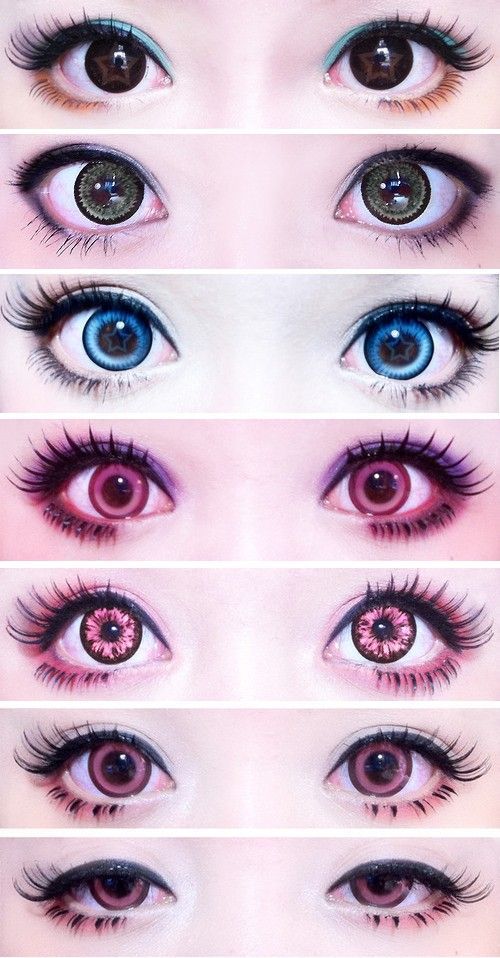
Colored contacts are a great way to get creative with personal expression. Medical needs drove their initial development, but they now help challenge traditional beauty standards. People who wear them can change how others see them and shift their self-perception. These lenses have become powerful tools that let people explore different versions of themselves.
Conclusion
Your eyes reveal a unique story about who you are. We've discovered amazing links between iris pigmentation and inner traits. Common brown eyes or rare gray ones - the genetic connections between eye formation and brain development suggest real personality patterns.
Note that your eye color is just one piece of a complex personality puzzle. Scientific research shows biological connections, and environmental factors and cultural views shape who you become. Brown eyes might make you more likely to lead and be dependable. Blue eyes could make you think more analytically. These are just possibilities, not absolute destiny.
Cultural views of eye colors are different around the world. European folklore sees green eyes as mystical. Middle Eastern traditions use blue eye amulets to ward off evil. These beliefs show how eye color perceptions run deep in our shared cultural memory.
You might catch yourself making quick judgments when you look into someone's eyes. Being aware of this helps you challenge your own biases while appreciating human eye colors in all their variety. Our eyes work as windows to our soul and reflect what society expects from us.
Whatever shade fills your iris, accept the special traits linked to your eye color. Remember that you're way more than just one physical feature. Your personality, like your iris's detailed patterns, stays wonderfully complex and uniquely yours.