
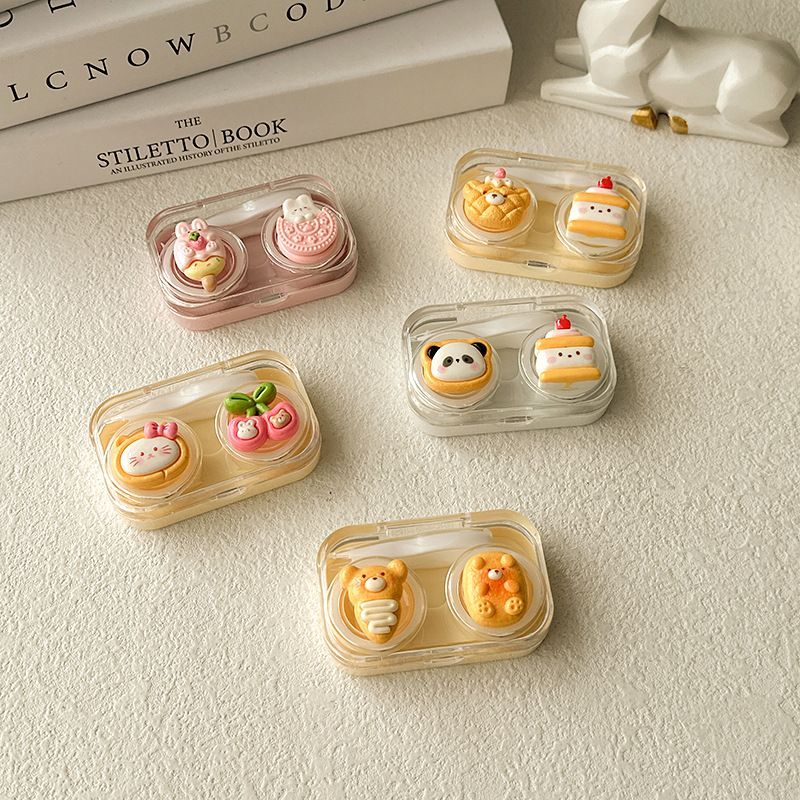
The frequency of contact case replacement might surprise you. A study found tens of thousands of bacteria in a small volume of contact solution, even with daily fresh solution use. This finding emphasizes why proper case maintenance matters so much to your eye health.
Your contact lens case needs replacement every three months, according to most optometrists. Dr. Woo and other eye care professionals replace their cases more often—every two to four weeks. Your eyes could face serious health complications if you skip regular case changes. Vision correction helps about 75% of adults, which makes proper contact lens case hygiene a vital part of eye care.
This piece will show you the right time to replace your contact lens case and explain the reasons behind it. You'll also learn maintenance tips between replacements and understand the risks of poor case care practices.
Why your contact lens case matters more than you think
Your contact lens case is more than just a storage unit - it's a vital component of your eye health regimen. Most people don't give it much thought and focus only on lens quality or solution type. Notwithstanding that, you need to understand why and how often you should change your contact case to retain control of your eye health.
It's more than just a container
This small plastic container works like a mini ecosystem. Studies show that microorganisms contaminate 30% to 85% of contact lens storage cases. Bacteria that enter your lens case create what eye care professionals call a biofilm - a sticky matrix that shelters pathogens and becomes harder to disinfect as time passes.
Eye care professionals describe your case as a "little petri dish". You risk transferring harmful microorganisms directly onto your eye surface each time you put your lenses in an unclean case.
Protein deposits from tears and solution build up in lens cases and can trigger allergic reactions that cause irritation, itching, and redness. Regular exposure to air and daily use makes the case worn out. This damage creates more hiding spots for bacteria.
Research shows that older cases are a risk factor for contact lens-related corneal infection. Your lens case can develop moderate to heavy contamination, especially when you have Gram-negative bacteria, in just two weeks of use.
How it affects your eye health
Contact lenses rest directly on your eye's surface, which makes proper case hygiene a must. Any contamination in your case means you're putting harmful microorganisms right onto one of your body's most sensitive tissues.
Scientists have found several concerning organisms in contact lens storage cases. These include different types of bacteria, viruses, fungi, and protozoans such as Pseudomonas, Serratia, Staphylococcus, Acanthamoeba, and Fusarium species. These pathogens can cause serious eye conditions:
- Conjunctivitis (Pink Eye): Causes redness, discharge, and discomfort
- Keratitis: An infection of the cornea that can be caused by bacteria, viruses, or fungi—often painful and potentially leading to vision loss in severe cases
- Corneal Ulcers: Open sores on the cornea, frequently resulting from contaminated storage solutions
People who wear contact lenses face a higher risk of keratitis or corneal inflammation. Microbial keratitis is particularly dangerous - this serious eye infection happens when germs invade the cornea and can lead to blindness or require corneal transplant in severe cases.
Most people store their cases in the bathroom, which creates extra risks. The humidity and toilet plume - an invisible spray of pathogens released during flushing - can contaminate nearby surfaces, including your lens case.
These serious risks make regular case replacement a vital part of preventative healthcare, and with good reason too. The three-month replacement guideline exists to protect your eyes from these sight-threatening complications.
How often should you replace your contact lens case?
Most contact lens wearers remember to change their lenses but forget about their cases. This oversight can turn the case into a perfect spot for harmful germs to grow.
The 3-month rule explained
Eye doctors and health organizations strongly suggest getting a new contact lens case every three months. This timeline comes from research that shows cases get substantially more contaminated after three months. Cases that are nine months old or more have shown the highest contamination levels.
Here's a worrying fact: less than 5% of people who wear contact lenses stick to this three-month schedule. The numbers are low even though most solution bottles come with a free case—giving you a built-in reminder to make the switch.
The three-month guideline exists because biofilms—tough clusters of microorganisms—build up inside cases as time passes. These biofilms stick around even after regular cleaning, which means your old case could keep putting your eyes at risk.
When to replace it sooner
The three-month rule works as a general guide, but you'll need to get a new case right away if you notice:
- Visible cracks or damage: These create extra spots where bacteria can hide
- Persistent residue: Stuff that won't come off with solution
- Discoloration: Color changes often mean bacteria have moved in
- General worn appearance: Even small signs of wear can make the case less effective
Dr. Woo and other eye doctors get new cases every two to four weeks. This might seem like overkill, but it shows how seriously they take the risk of contamination.
On top of that, eye doctors suggest getting a fresh case with each bottle of solution. Solution bottles last about two to three months with regular use, which fits perfectly with the recommended schedule.
How usage habits affect replacement frequency
Your contact lens routine plays a big role in how often you should swap out your case. Daily lens wearers need to be extra careful about sticking to the three-month rule.
The numbers tell a concerning story: 26% of people never clean their cases, and 47% don't replace them. Many think they only need a new case during their yearly eye exam.
Where you keep your case matters too. Bathroom storage means more moisture and floating particles that can speed up bacterial growth. Frequent travelers might need to replace cases more often because of different environments and irregular cleaning schedules.
Your cleaning routine between replacements affects how long your case lasts. Using tap water or trying to clean cases in microwaves or dishwashers can damage them or fail to kill germs.
Getting a new case every three months stands out as one of the easiest ways to protect your eyes. New cases cost very little compared to treating an eye infection, making this small investment worth it to keep your eyes healthy.
How to clean your contact lens case properly
Your risk of eye infections drops substantially when you follow strict contact lens case hygiene between replacements. Most contact lens wearers keep their cases nowhere near the recommended time. Learning proper cleaning methods is vital.
Daily cleaning routine
You need to follow four specific steps each day to clean your case properly:
-
Empty completely - Remove all old solution from your case after taking out your lenses. Never reuse or "top off" old solution. This reduces how well it disinfects and bacteria can grow.
-
Rinse thoroughly - Clean both the case and caps with fresh contact lens solution. Put a small amount of multipurpose solution in each well and rub away deposits with your clean fingertip.
-
Clean the caps too - The caps need attention just as much as the wells. Many people skip this vital step.
-
Replace regularly - You must get a new case every three months, no matter how well you clean it.
Clean hands are essential. Use antibacterial soap and dry with a lint-free towel before touching your case. This stops oils and bacteria from spreading.
Why you should never use water
Water might look like a quick fix, but it's dangerous for cleaning your contact lens case. Even bottled or distilled water has microorganisms that can harm your eyes.
Water exposure puts you at risk for Acanthamoeba keratitis, which can threaten your vision. Tap water carries various microorganisms that contaminate your case. EPA and CDC experts warn against using any water for contact lens care.
Regular cleaning products like hydrogen peroxide or soap can harm your case and irritate your eyes unless made for contact lenses. Stick to solutions designed for contact lens disinfection.
How to air dry your case
The way you dry your case matters a lot. Research shows the position of your case during drying makes a big difference:
Put your case face-down on a clean tissue or paper towel without caps. Cases dried face-down showed much less contamination than those dried face-up (12% versus 71%).
Let your case air-dry in a clean, dry spot instead of humid bathrooms where bacteria thrive. Once dry, put the caps on and store it in a cool, dry place.
How often should I change my contact solution?
You must change the disinfecting solution at least every 30 days when storing contacts. Your eye doctor might suggest more frequent changes based on your lens type and replacement schedule.
Eye care professionals recommend weekly solution changes for best results. The FDA says to follow the solution's discard date (usually 90 days after opening) rather than just checking the expiration date.
These simple but important habits can protect your eyes from infections and keep your contact lenses safe and comfortable.
What happens if you don’t replace your case?
Your contact lens case creates more risks the longer you keep it. Daily cleaning helps, but cases break down and become breeding grounds for contamination as time passes.
Bacterial buildup and infections
Contact lens cases collect biofilms over time. These sticky communities of microorganisms stick to surfaces and fight off disinfectants. The original biofilms might be small, but they get tougher against cleaning solutions.
These cases typically have contamination from:
- Gram-negative bacteria like Pseudomonas aeruginosa
- Gram-positive bacteria including Staphylococcus aureus
- Fungi such as Fusarium species
- Protozoans like Acanthamoeba
Research shows cases older than three months have substantially more microorganisms than new ones. The risk of contamination rises fast—cases nine months or older show the highest contamination rates.
Signs your case is no longer safe
You need a new case right away if you spot:
- Visible discoloration or cloudiness that stays after cleaning
- Residue buildup that won't rinse away
- Scratches or cracks on any surface
- Warped lids that don't seal right
- Persistent film that feels slippery or slimy
Many people think they only need to replace cases when they see damage. Contamination happens long before you can see it, so you must replace cases on schedule whatever they look like.
Real risks: keratitis and vision loss
Using an old contact lens case can do way more damage than just irritate your eyes. Microbial keratitis—a serious corneal infection—can lead to permanent vision damage or blindness.
Pseudomonas aeruginosa, which loves contaminated cases, causes aggressive infections within 24-48 hours. Acanthamoeba keratitis isn't as common but proves tough to treat and might need a corneal transplant in severe cases.
The risk timeline moves faster:
- Week 1-2: Bacteria start colonizing
- Months 2-3: Biofilms become 3-month old
- Beyond 3 months: High risk of pathogens moving to lenses
Knowing when to change your contact case isn't just about following rules—it prevents conditions that threaten your sight. A new case costs nowhere near as much as treating serious eye infections, both in money and health terms.
Choosing the right contact lens case
Choosing the right contact lens case matters more than you might think. Your choice can affect your comfort and eye health as time goes by.
Types of cases and their features
Screw-top cases are the safest storage option. They come with deeper wells that cover lenses completely without needing to fill the whole container. These cases use color codes to help tell left and right lenses apart. Flip-top cases work great for people who are always moving around since they need just a quick flip to get to the lenses. The downside is that solution spills happen more often and lenses can fall out easier.
Barrel cases work best with rigid gas permeable (RGP) lenses and have special grooves inside that help clean with peroxide solution. These cases can harm soft contact lenses, so they work only with hard lenses. Travelers need to be extra careful - not all cases protect well enough on the road. Look for ones that say they're leakproof and travel-ready if you're often away from home.
Antimicrobial vs. standard cases
Standard plastic cases give you simple protection but bacteria can build up a lot over time. Antimicrobial cases that use silver-infused materials protect better. Research shows these cases cut down microbes by more than 65% compared to regular ones.
Studies reveal that silver-infused cases reduced gram-positive bacterial contamination from 72% to 47%. They also brought down gram-negative bacteria from 44% to 30%, and fungal presence dropped from 25% to just 7%. Cases with smooth surfaces stay cleaner because bacteria can't hide as easily as they do in grooved cases.
Where to put contact lenses without case
The best thing to do without a case is to throw away your lenses and use new ones. If that's not possible, you can make do with a clean container that seals well after washing it with soap and warm water. Add contact solution (never use tap water) and make sure your lenses are fully covered.
Clean shot glasses or small juice glasses can work as emergency cases. Mark them with "L" and "R", keep them covered so the solution doesn't dry up, and always use fresh solution. This emergency fix should last no longer than one night.
Conclusion
Your contact lens case protects your eyes from dangerous infections. This small container plays a significant role in keeping your eyes healthy. Eye care professionals worldwide recommend replacing your case every three months at minimum. Safety-conscious experts suggest you should replace it even more often - every two to four weeks.
Daily maintenance between replacements is vital. Note that you must empty the case after each use, clean it really well with fresh solution only, wipe the caps, and let everything air-dry face-down. Using tap water or old solution can substantially increase your risk of infection.
These guidelines exist for good reason. Cases older than three months become home to dangerous bacteria, fungi, and other pathogens that won't go away with normal cleaning. These microorganisms can move straight to your lenses and then to your eyes, which might cause keratitis or corneal ulcers.
On top of that, it makes sense to invest in antimicrobial cases with silver-impregnated materials. Studies show these reduce bacterial contamination by up to 65% compared to standard cases. They provide extra protection, especially if you sometimes forget to replace your case on schedule.
The cost of replacing your case is nowhere near the expense of treating a serious eye infection. Contact lenses touch your eye's delicate tissues directly, so this simple preventive step protects both your comfort and vision. Make case replacement a fixed part of your eye care routine - your future self will appreciate your attention to contact lens hygiene.